
History and Recognition of Piezoelectric Instruments
Let’s start with history. This is by no means a novelty being used in surgery for the first time without having gathered sufficient clinical data for safe use. The first mention of piezoelectric instruments was made over 40 years ago by maxillofacial surgeon Horton.
The earliest literature reference regarding piezo in rhinoplasty was made 10 years ago. In 2007, Italian surgeon Robiony published a paper titled: “Piezosurgery: A New Method for Osteotomies in Rhinoplasty”.
On October 31, 2017, the U.S. Food and Drug Administration (FDA) officially approved the use of ultrasonic instruments in rhinoplasty.
The first in Armenia to use piezo in maxillofacial surgery was my friend and colleague Vartan Eduardovich Hovakimyan. Since November 2017, the latest generation of the piezo device has also been used in my practice.
I myself have used traditional instruments for many years and still do, but when I started using piezo, I realized what a major breakthrough it was.
Disadvantages of Traditional Instruments
With traditional osteotomy and bone processing using rasps, significant soft tissue trauma occurs. In my practice, I initially abandoned osteotomes with a guard (spine). They require creating a tunnel and then firmly securing it with a finger to direct the bone fracture line properly. At the same time, right at the end of the surgery, the patient already shows significant ecchymosis, and the nose rapidly begins to swell.
Advantages of Ultrasound (Piezo Device)
Since the device has no moving parts, no physical effort needs to be applied when working with piezo. I especially appreciated this when I remembered how many times my fingers cramped from tension during osteotomy, or when my hand felt like falling off while filing down a large hump with dense bone using a regular rasp.
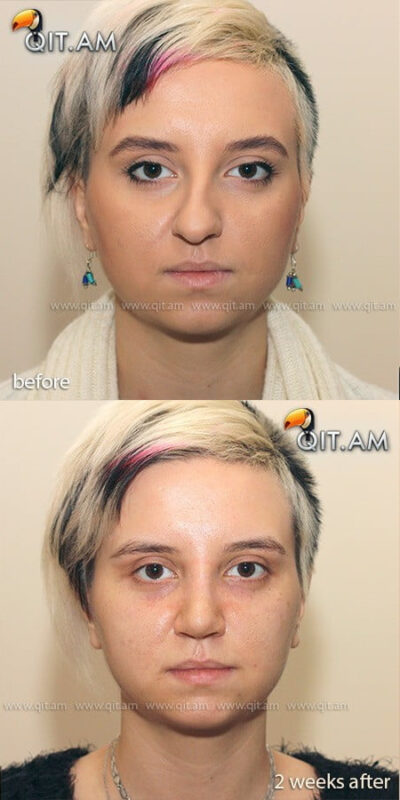
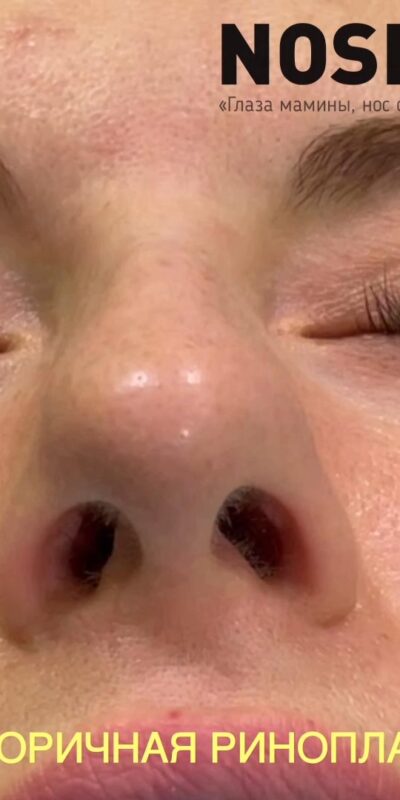
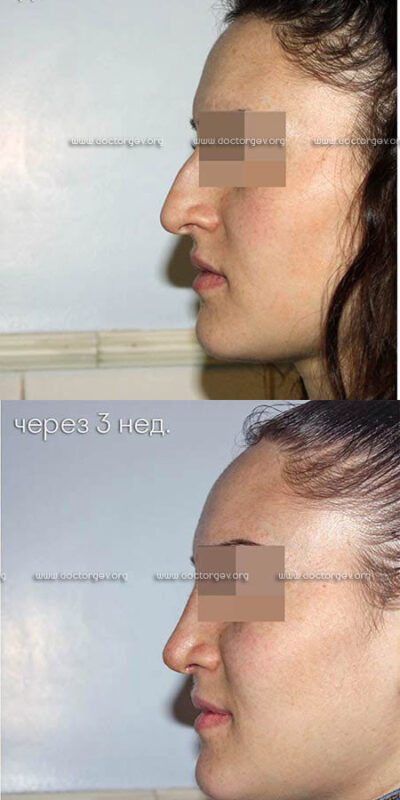
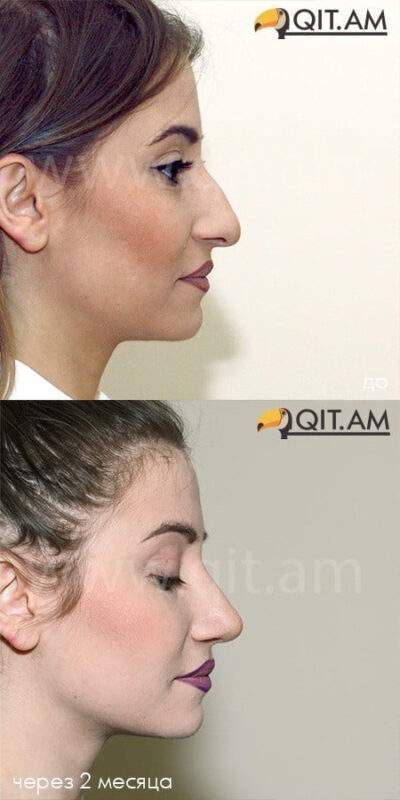
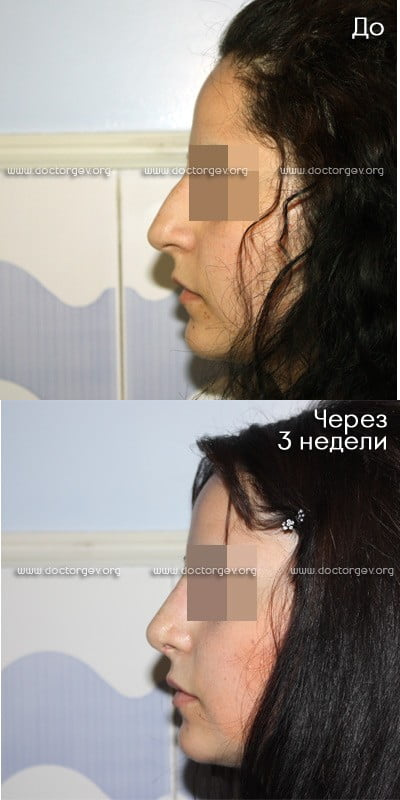
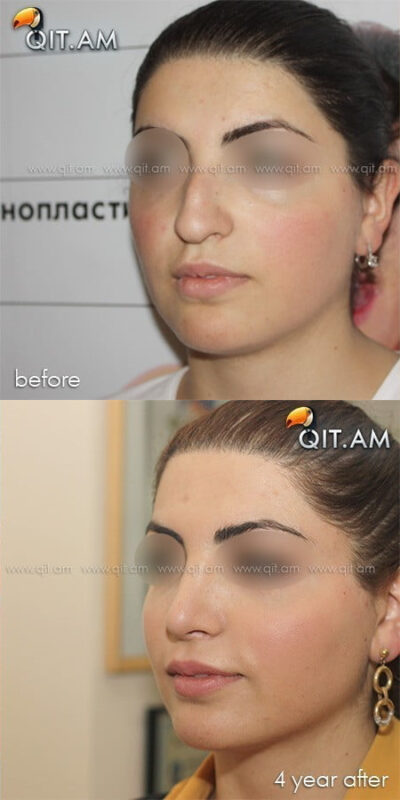
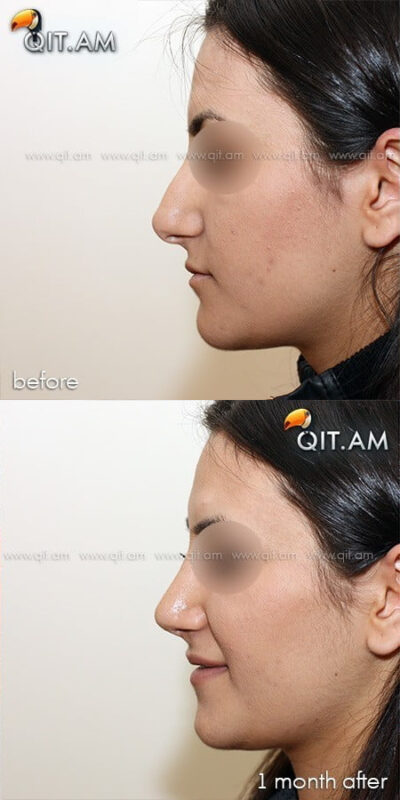
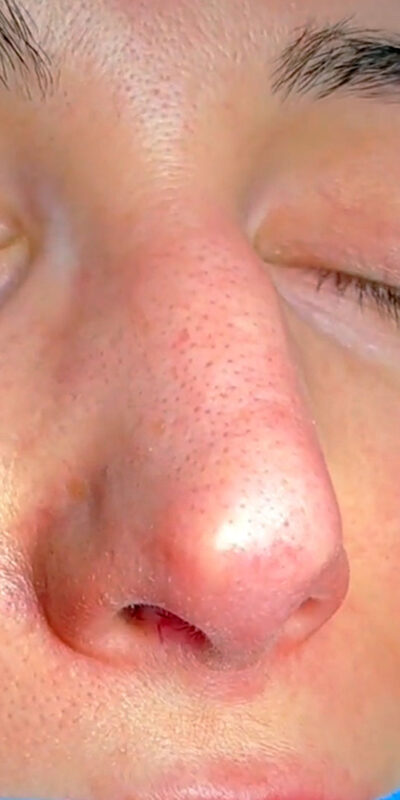
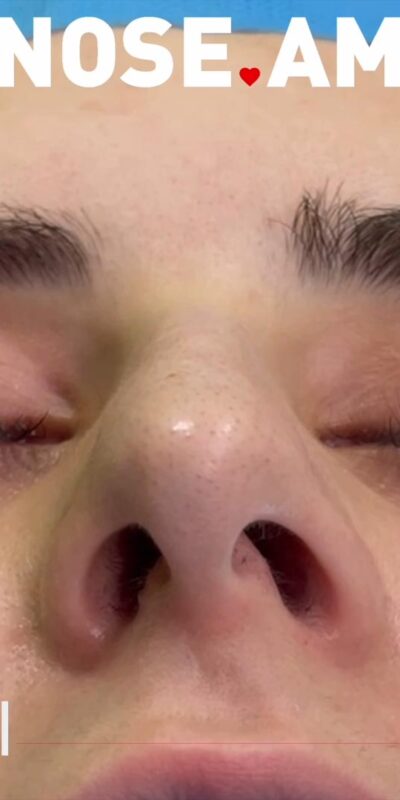
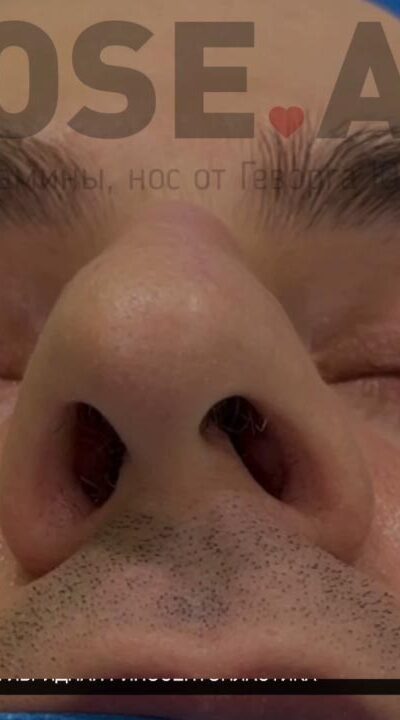
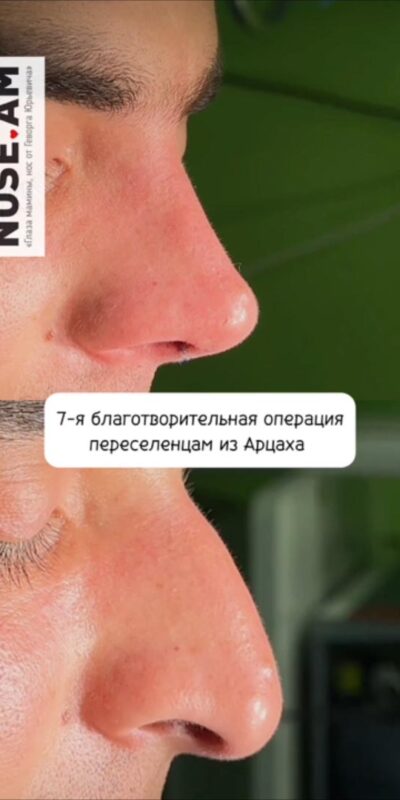
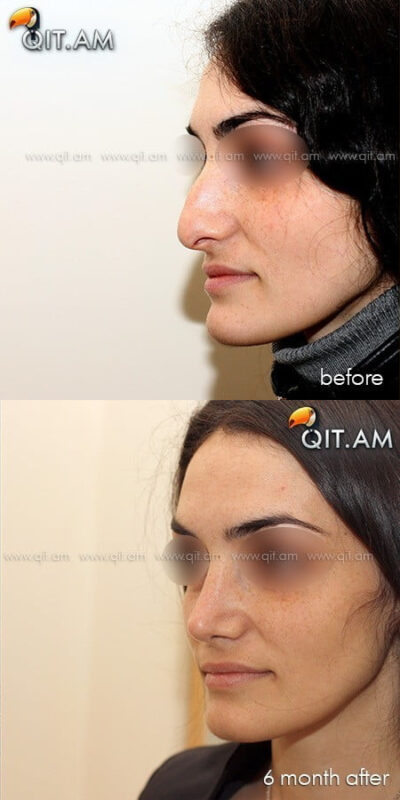
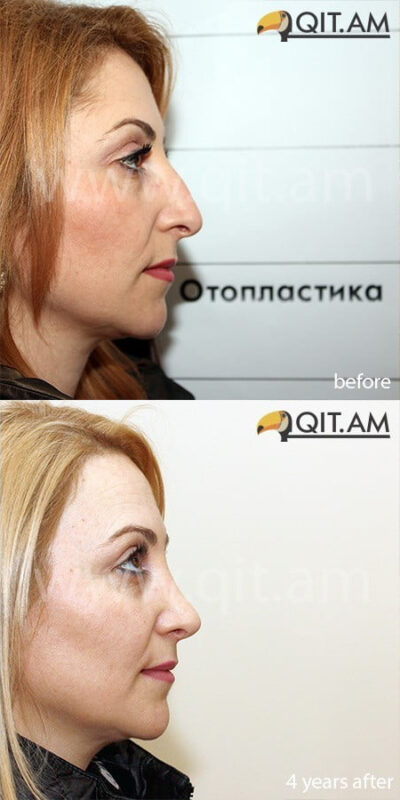
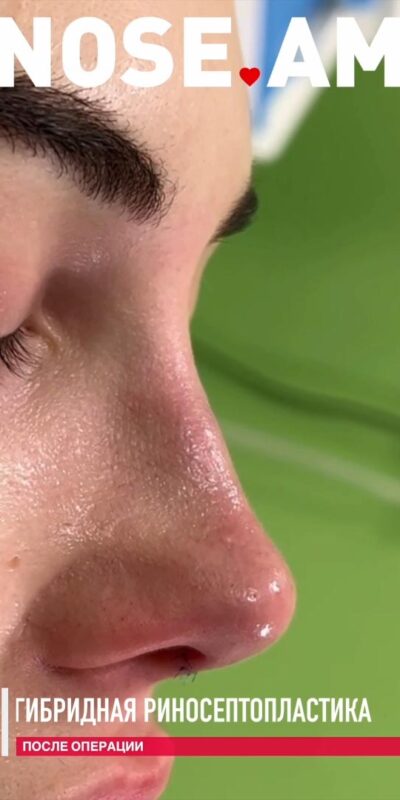
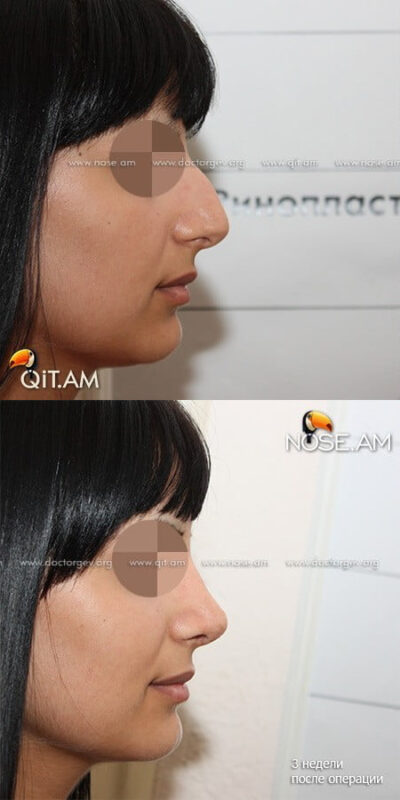
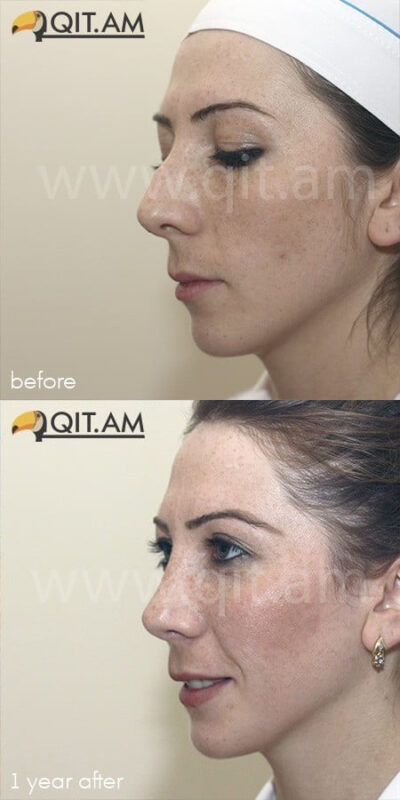
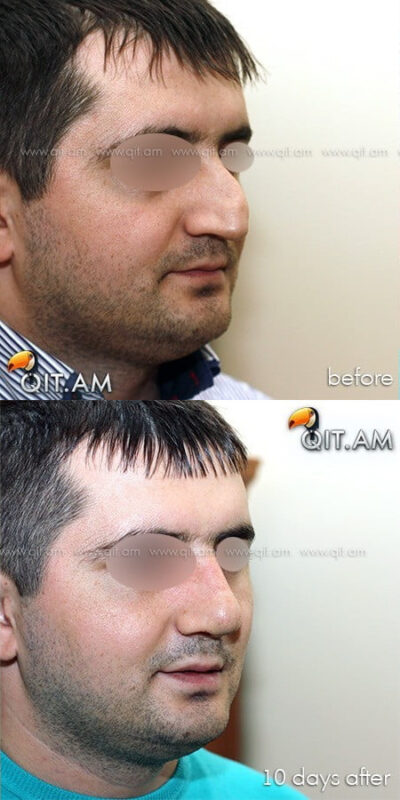
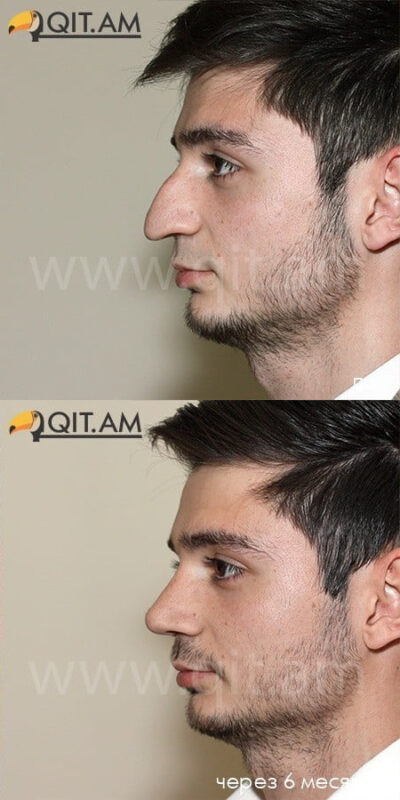
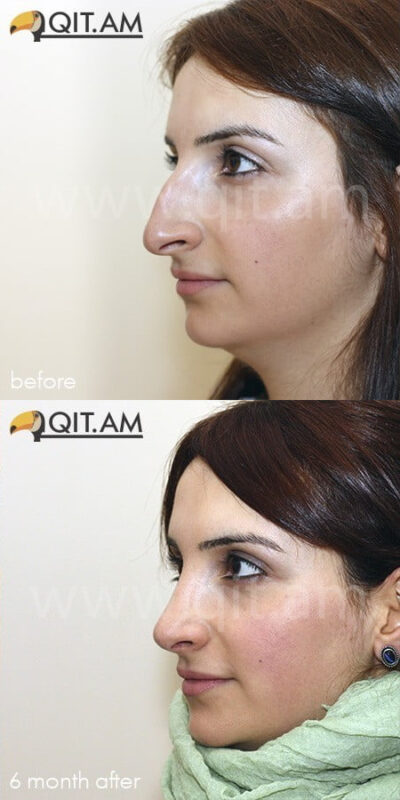
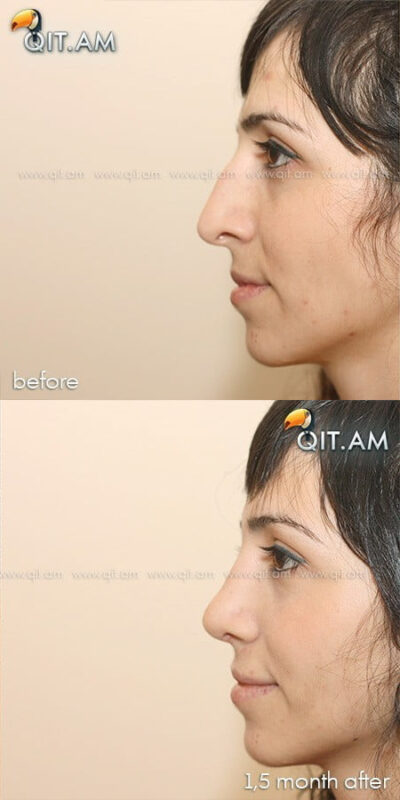
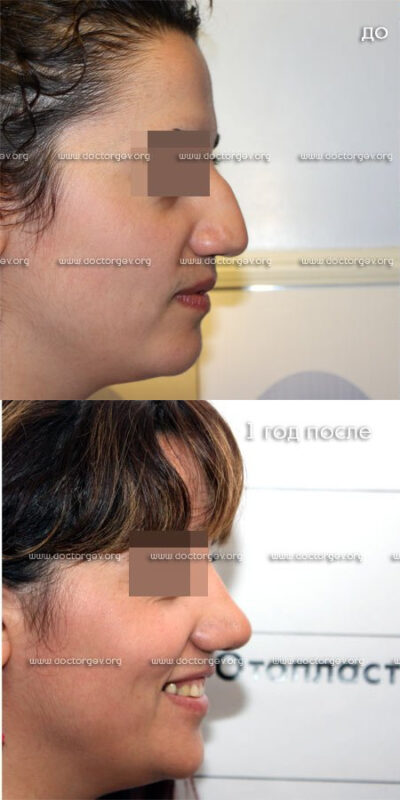
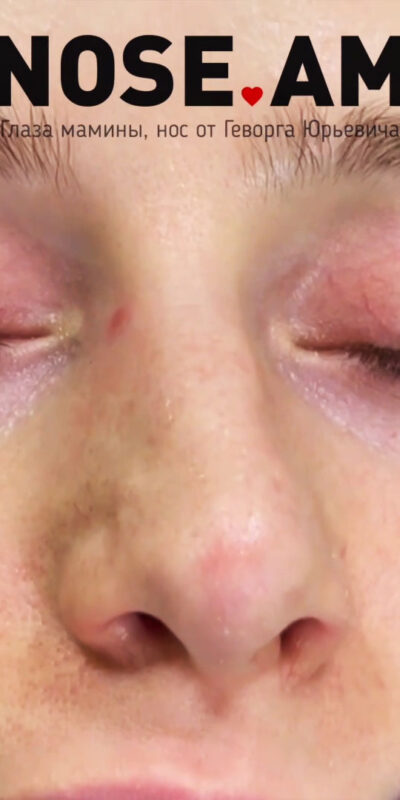
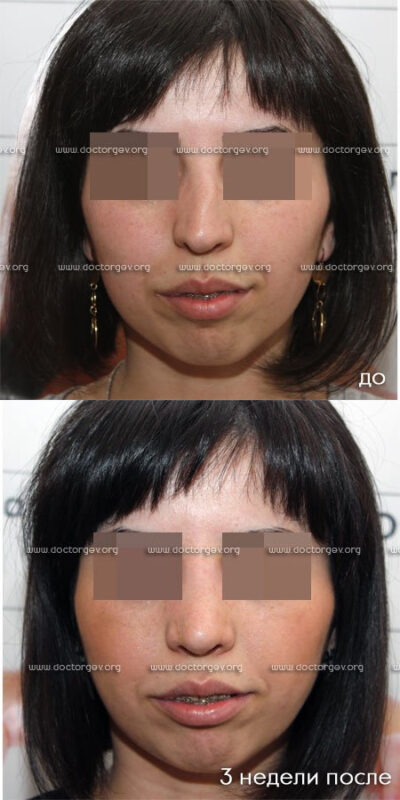
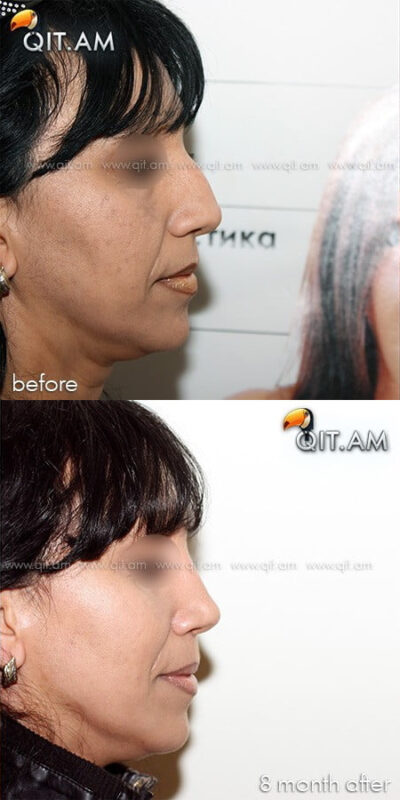
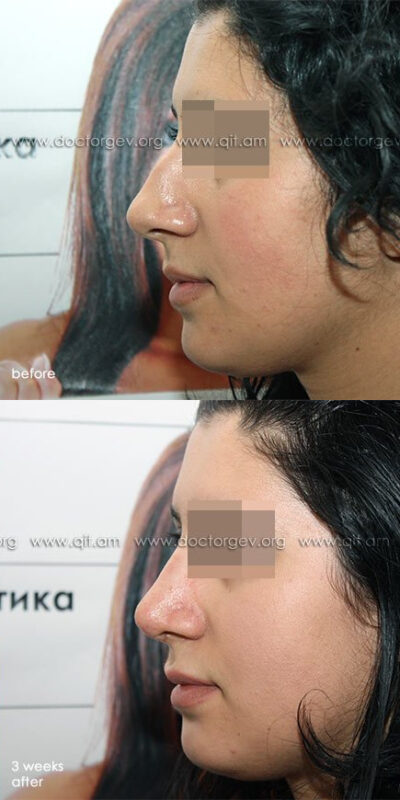
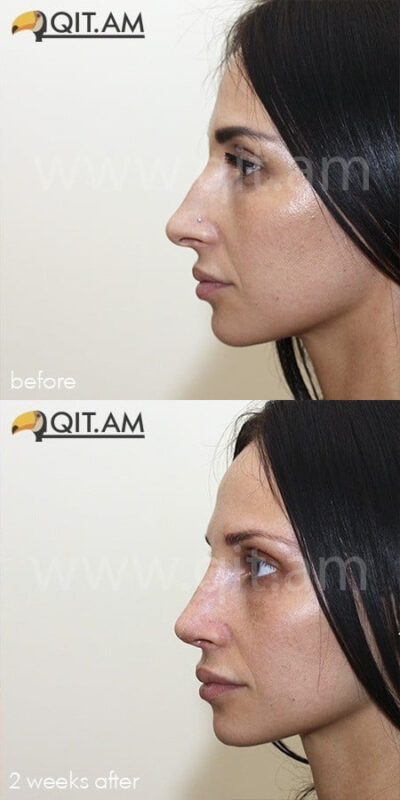
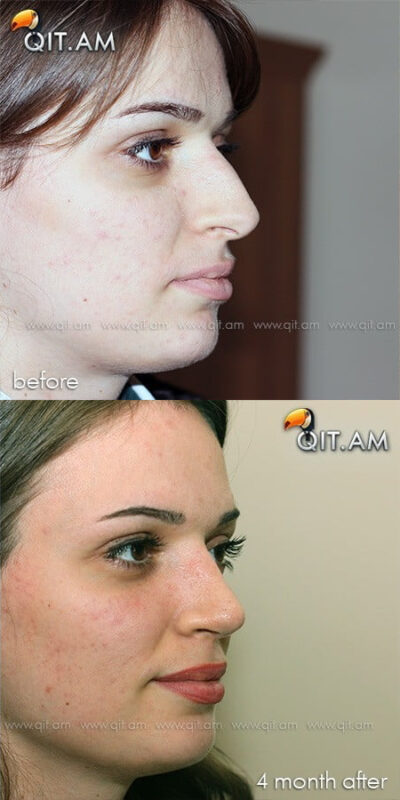
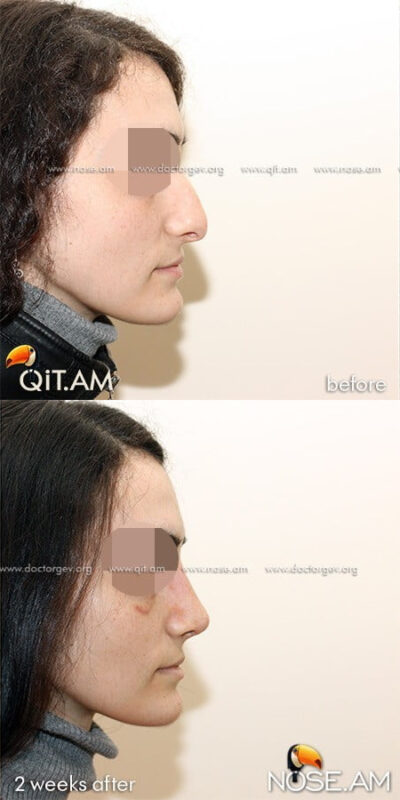
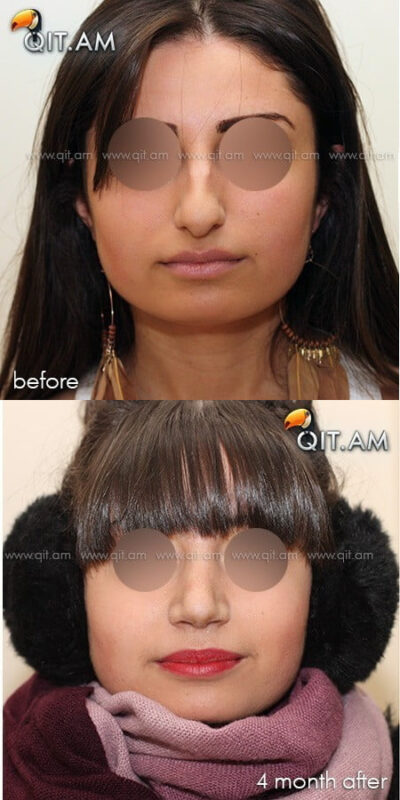
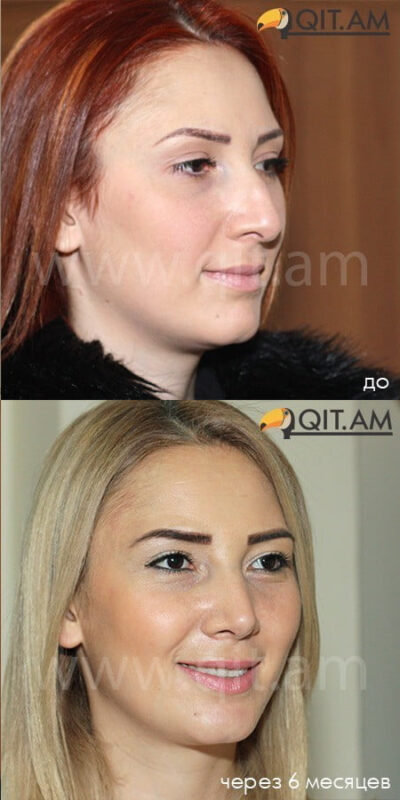
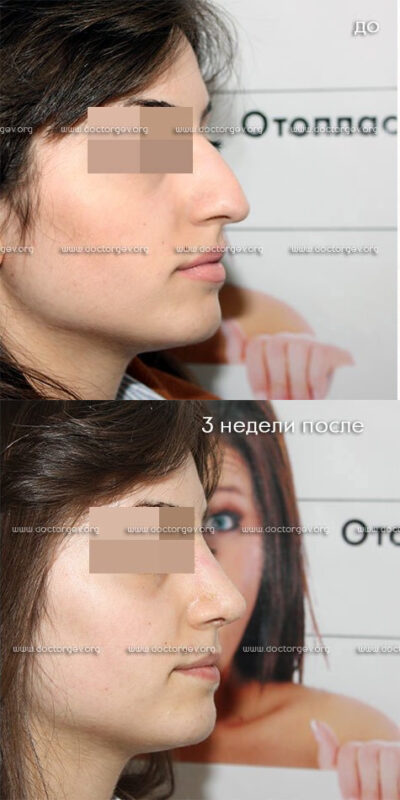
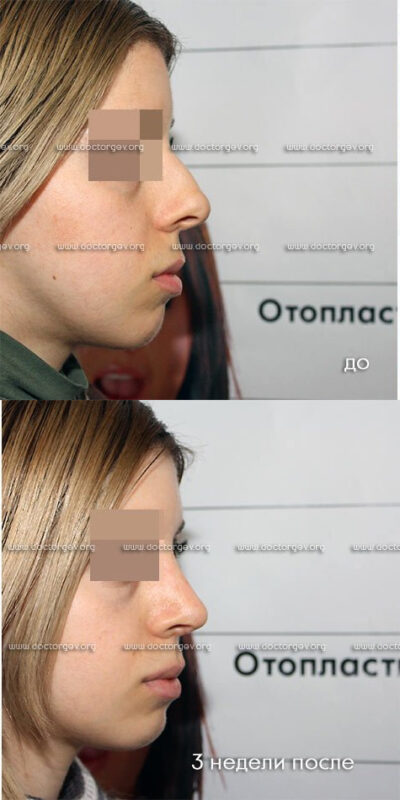
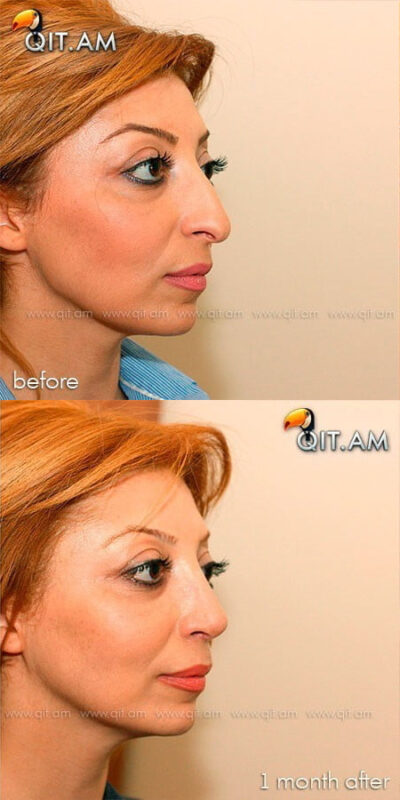
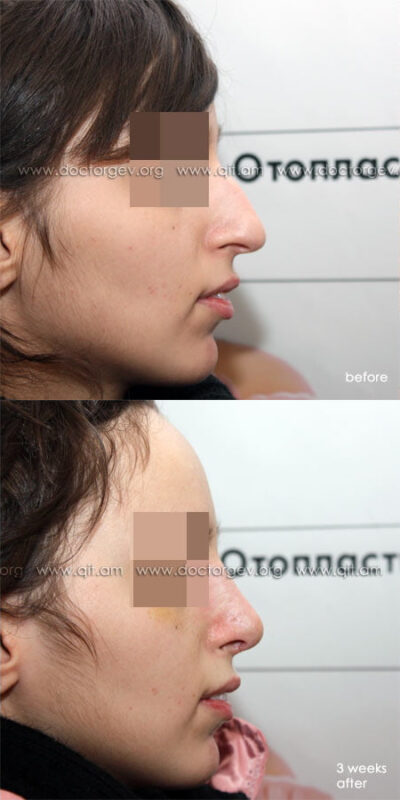
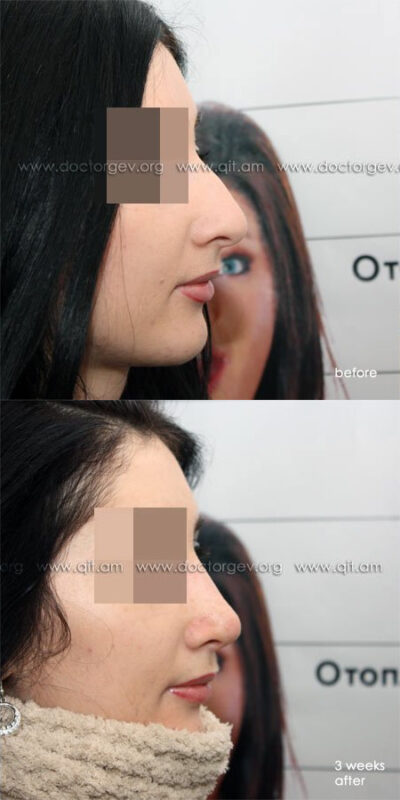
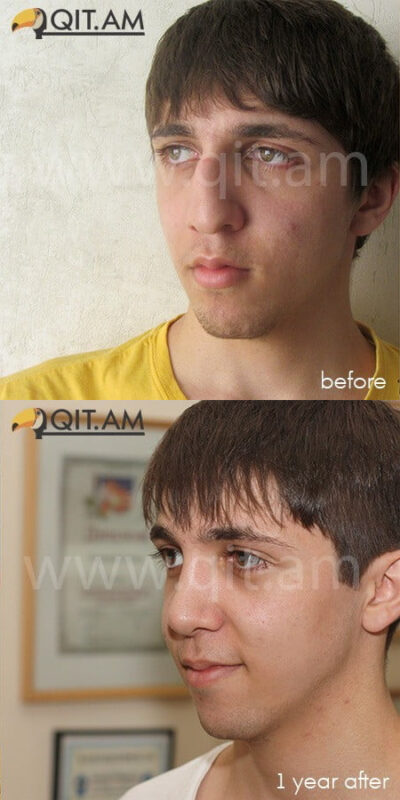
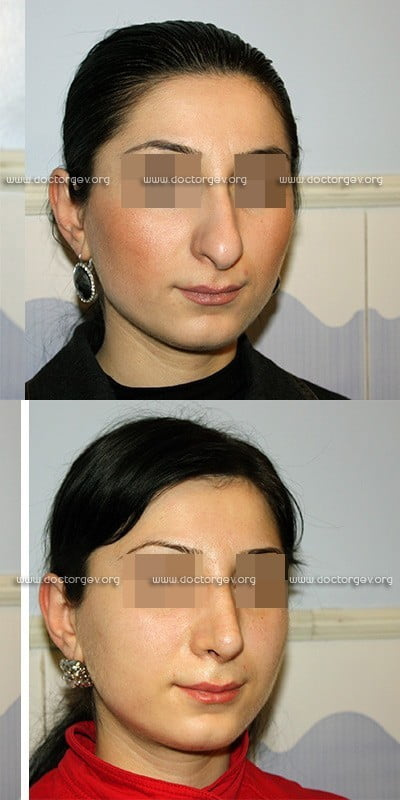
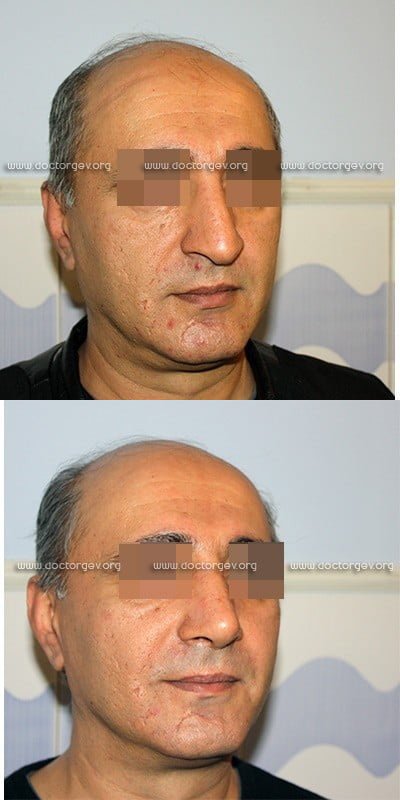
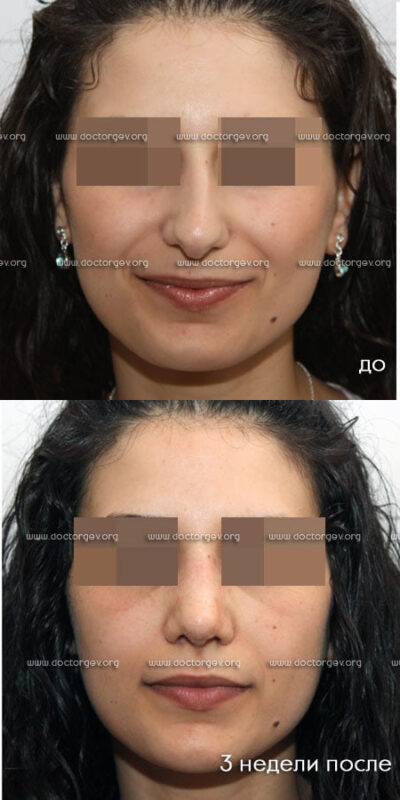
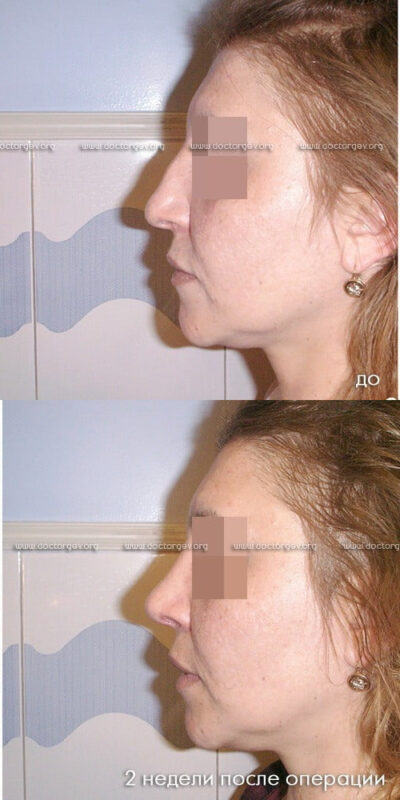
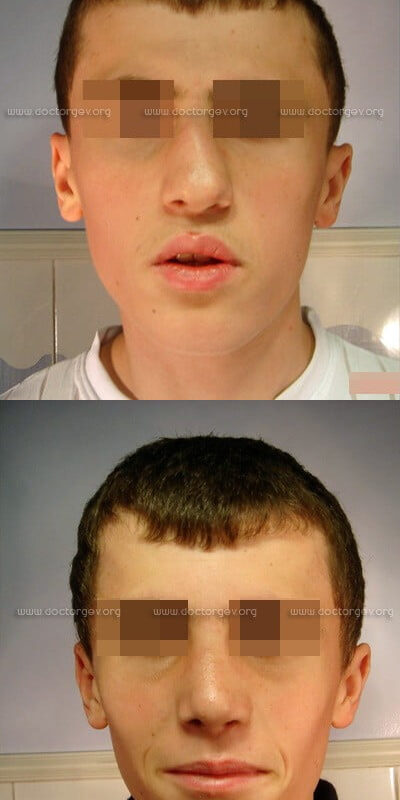
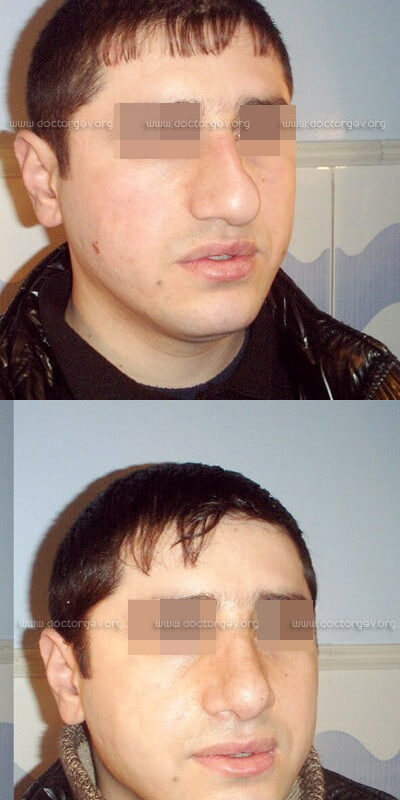
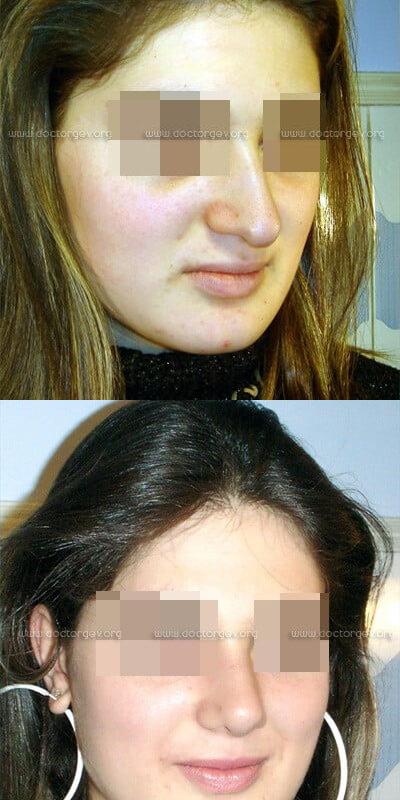
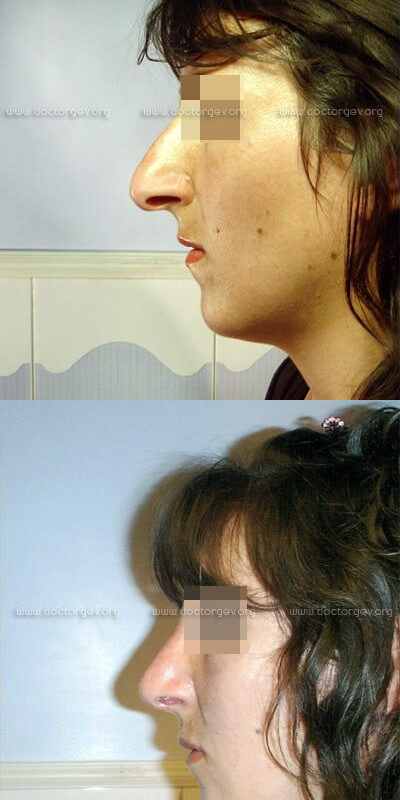
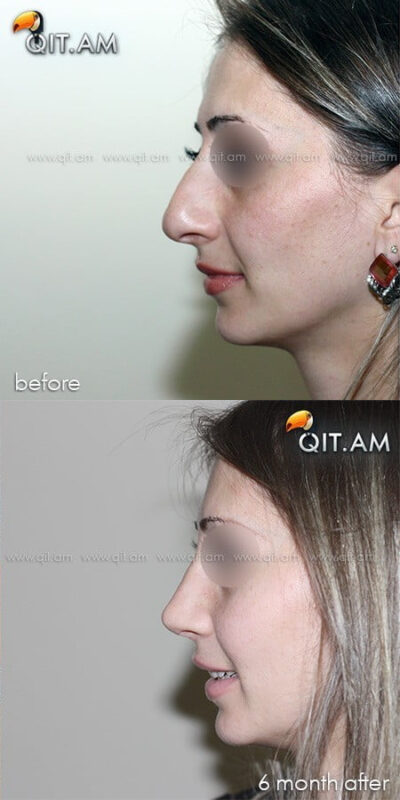
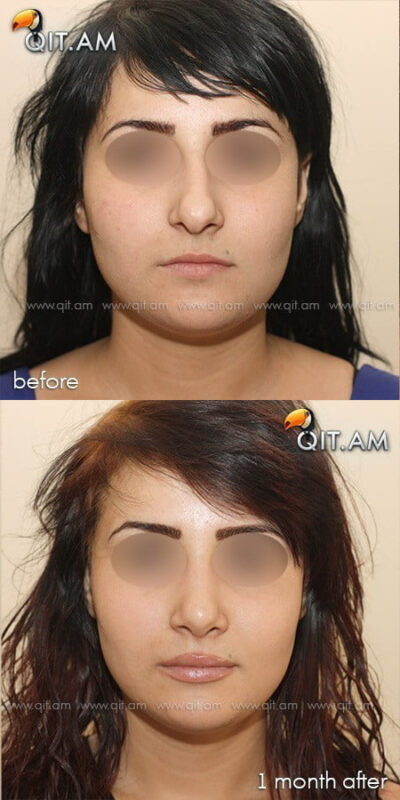
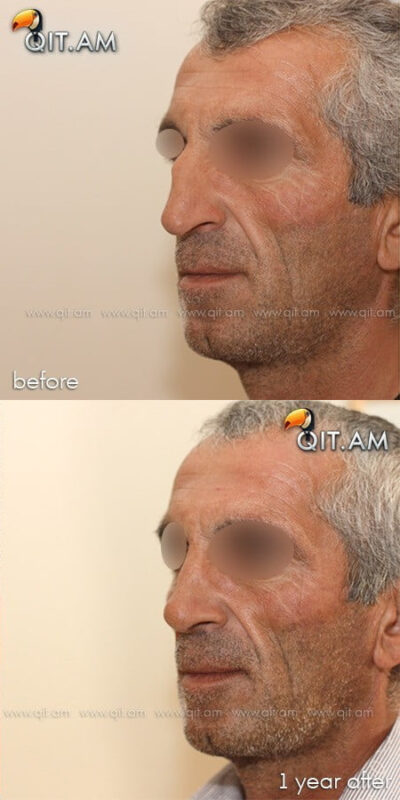
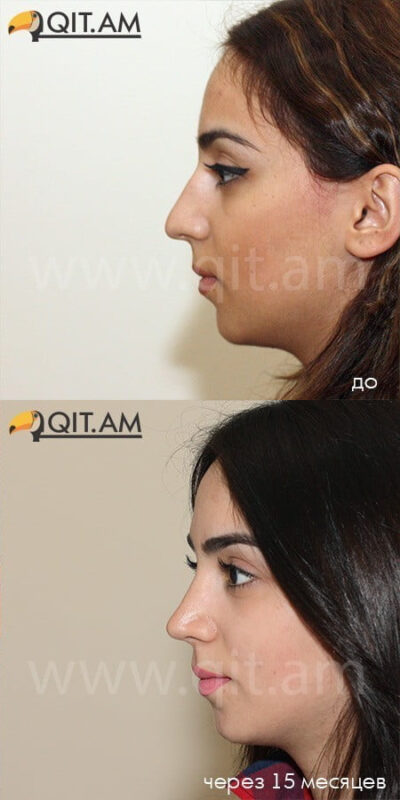
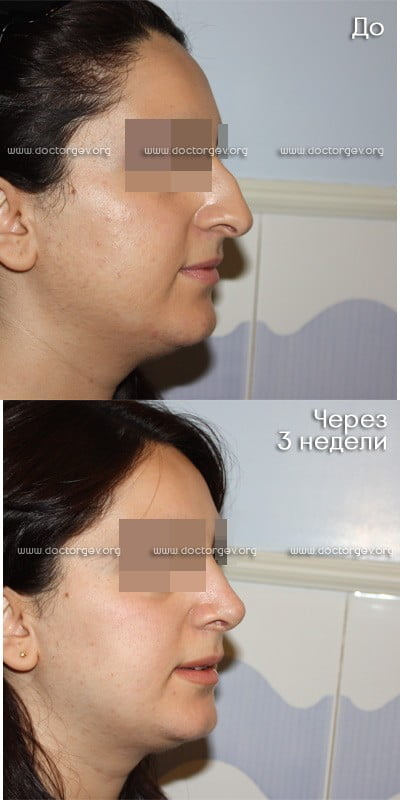
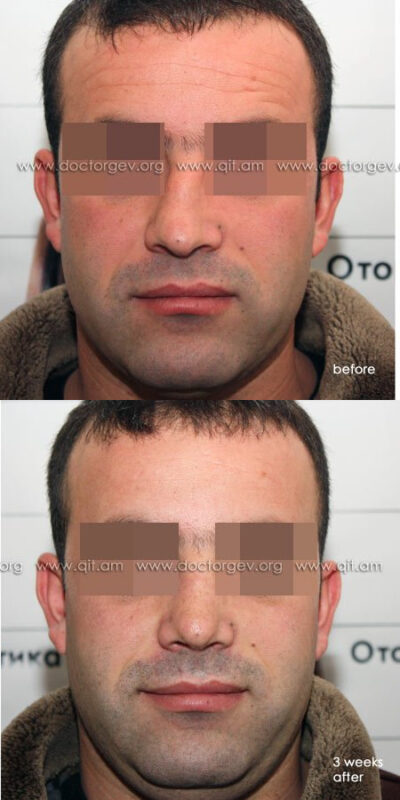
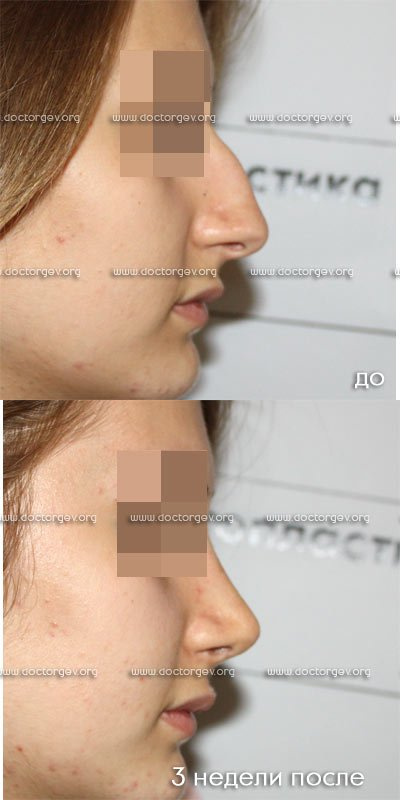
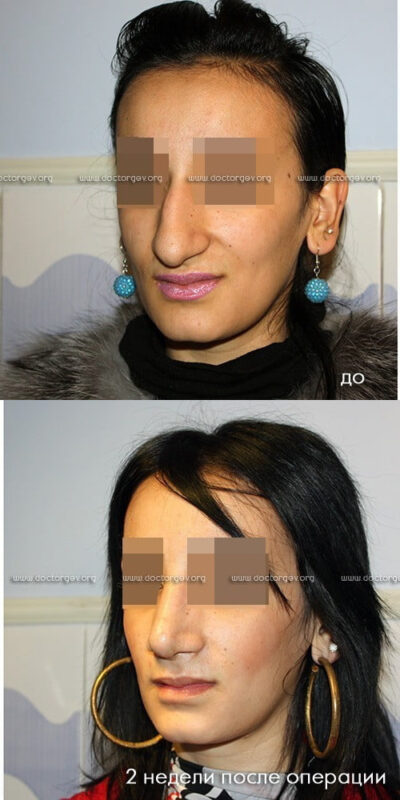
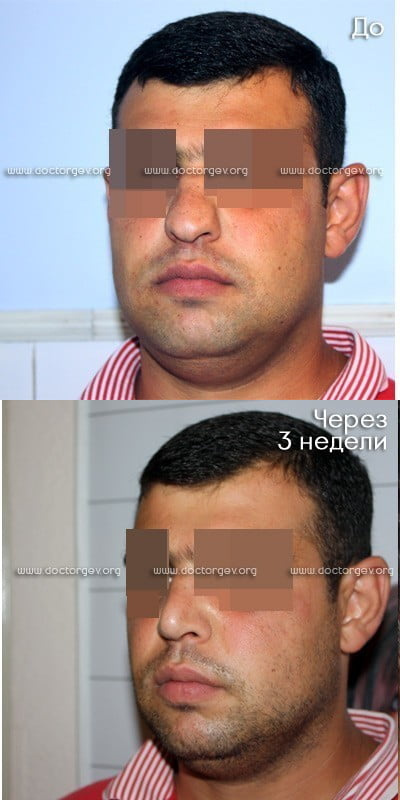
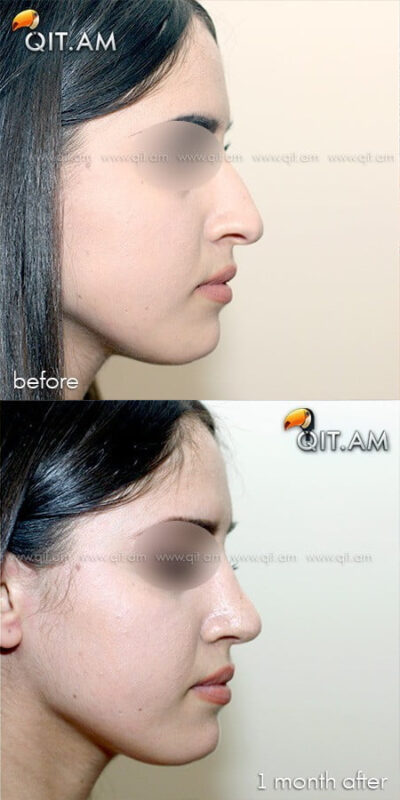
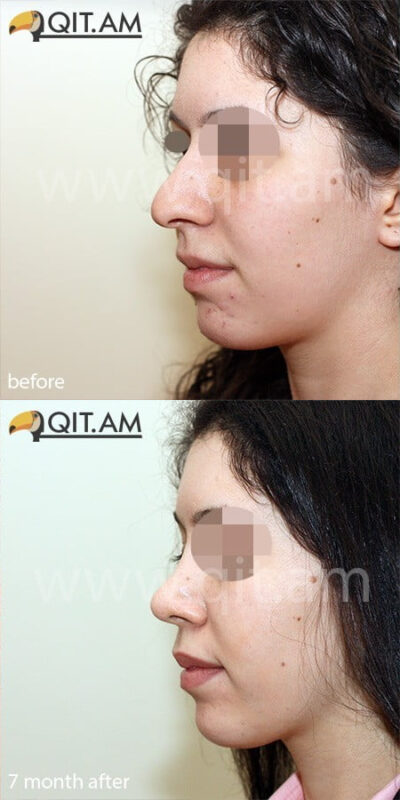
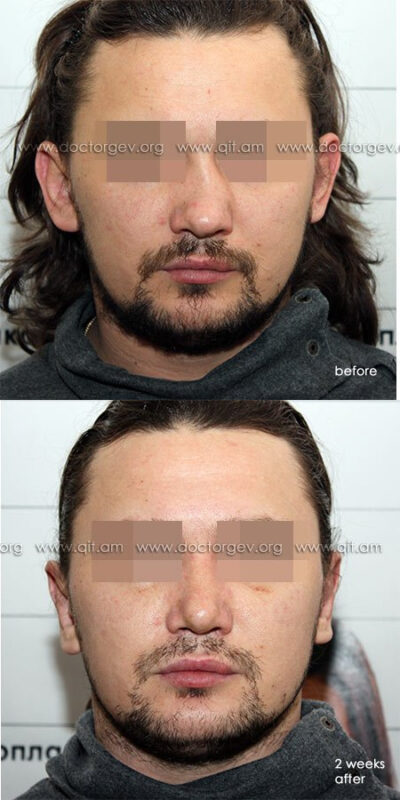
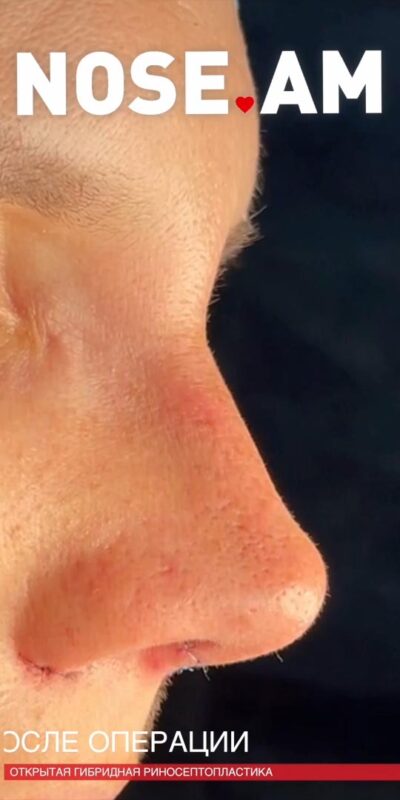
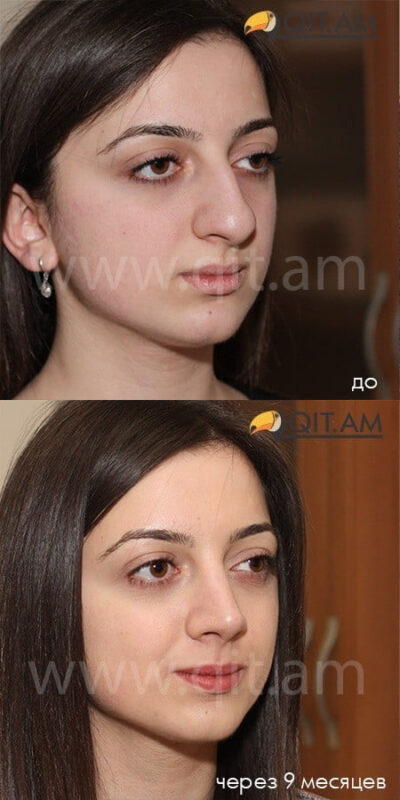
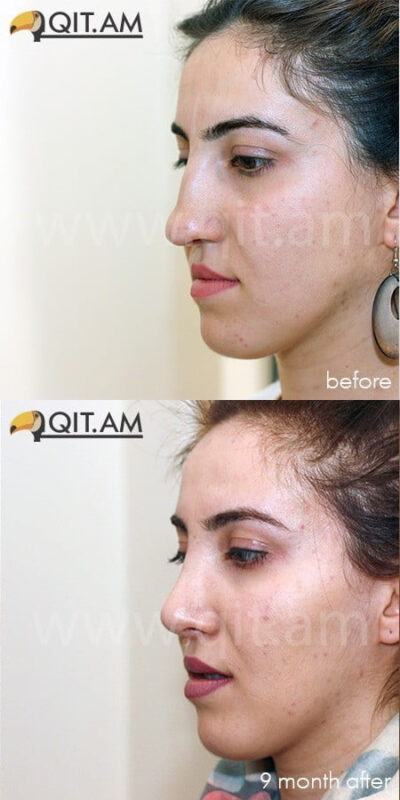
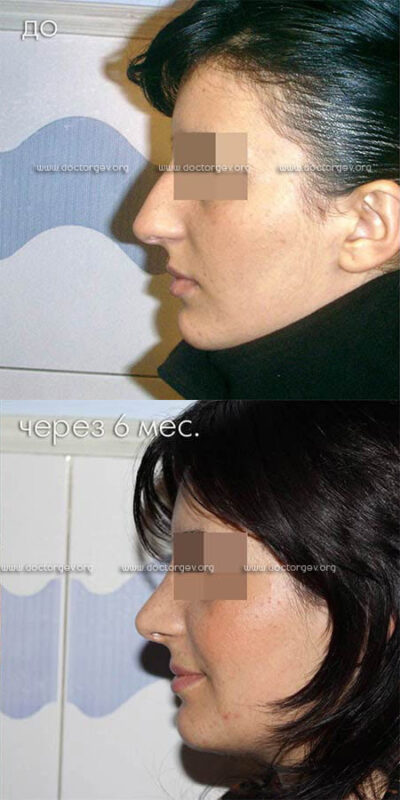
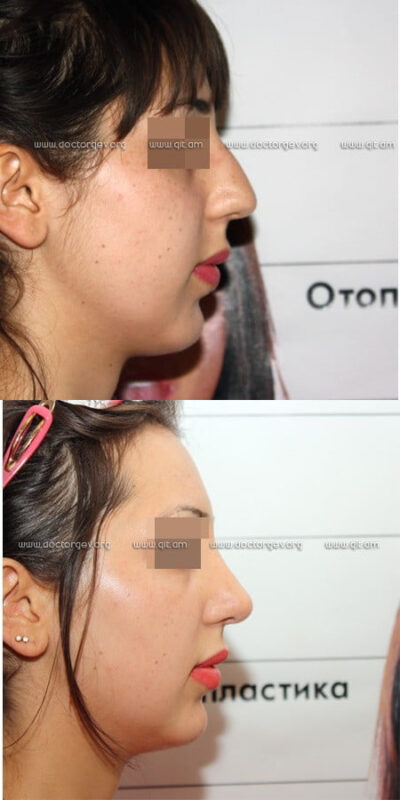
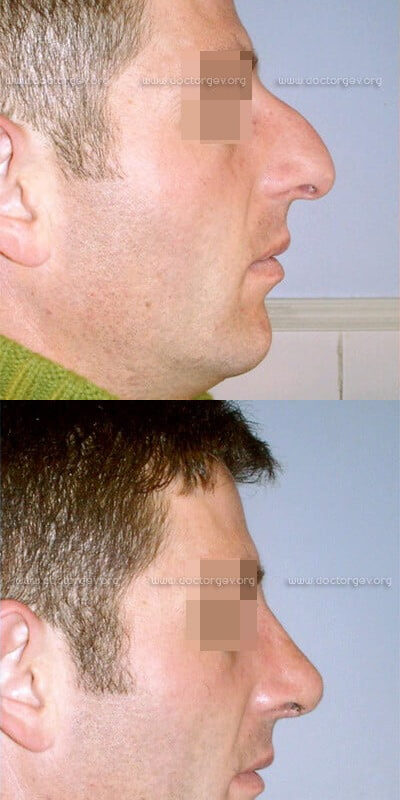
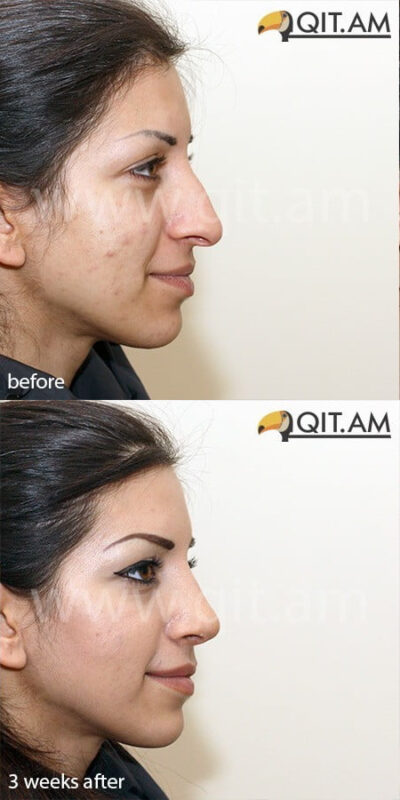
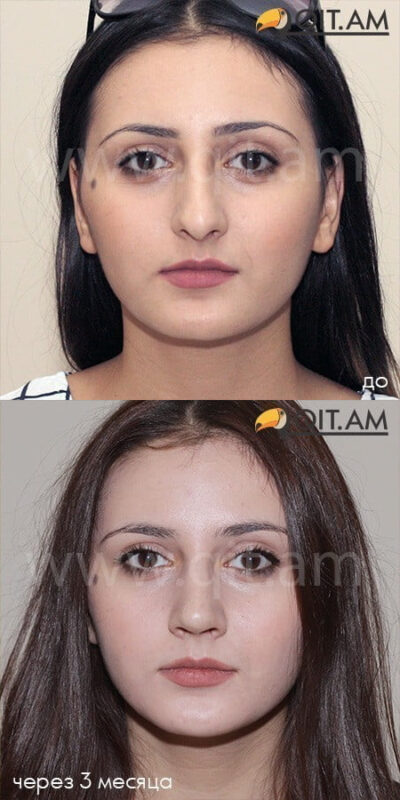
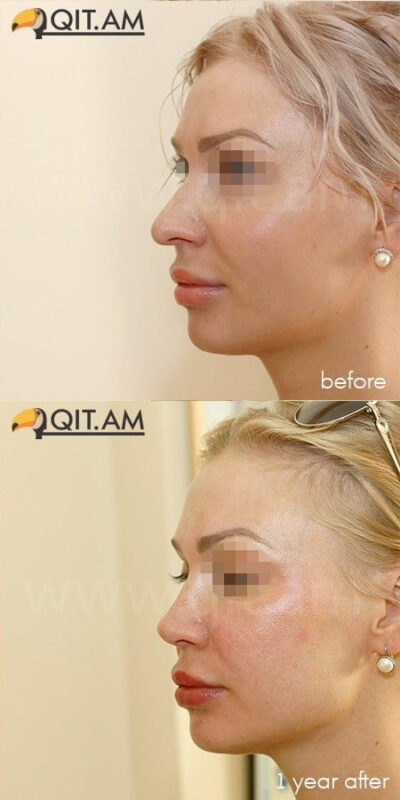
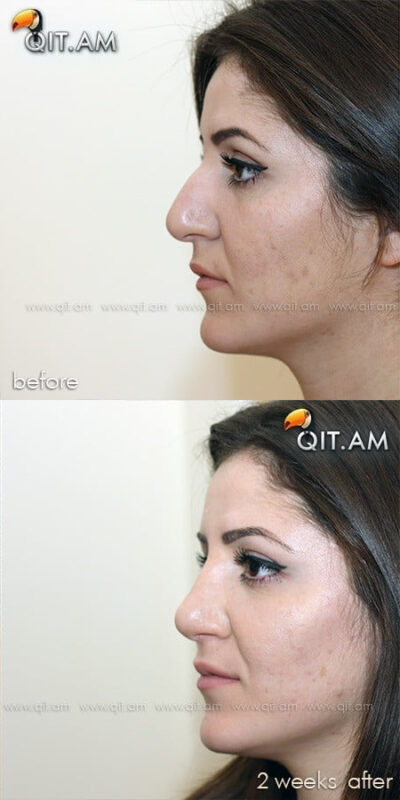
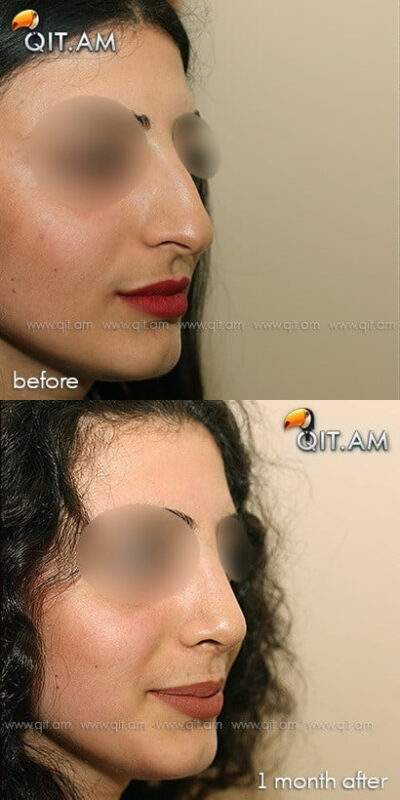
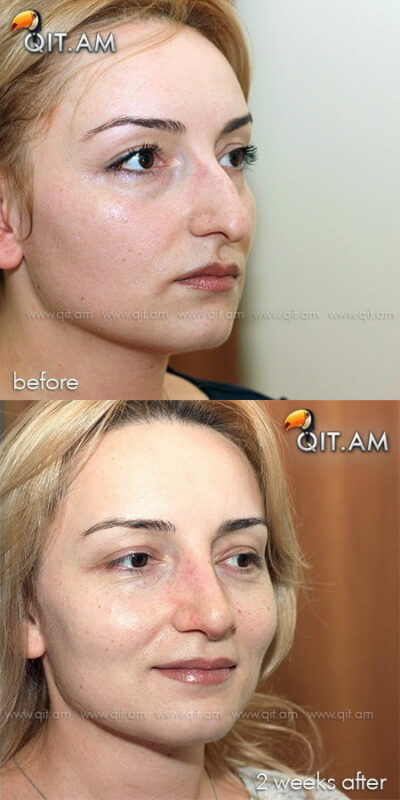
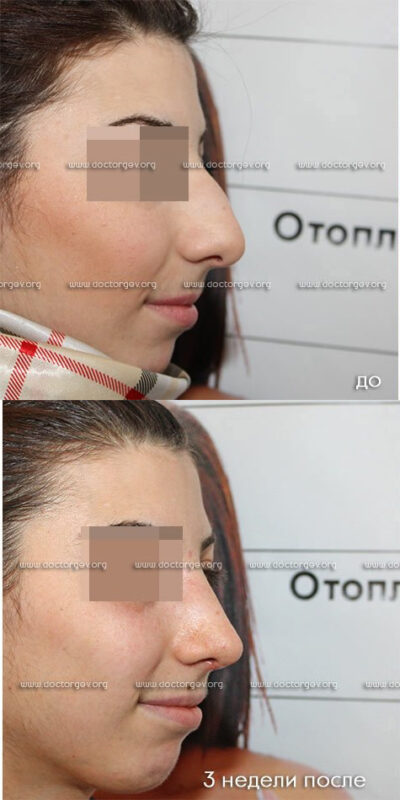
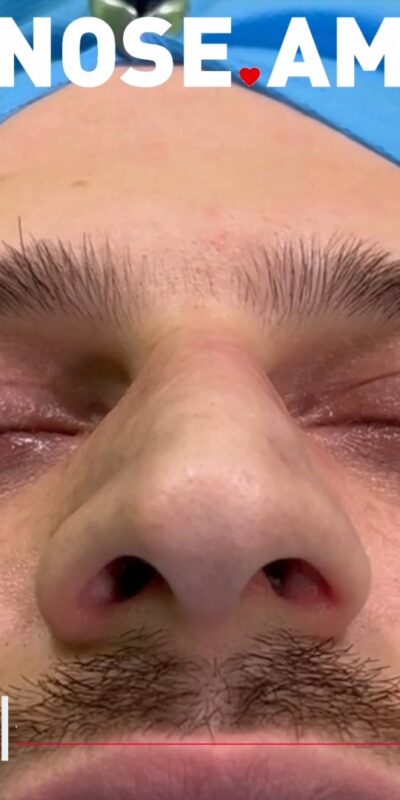
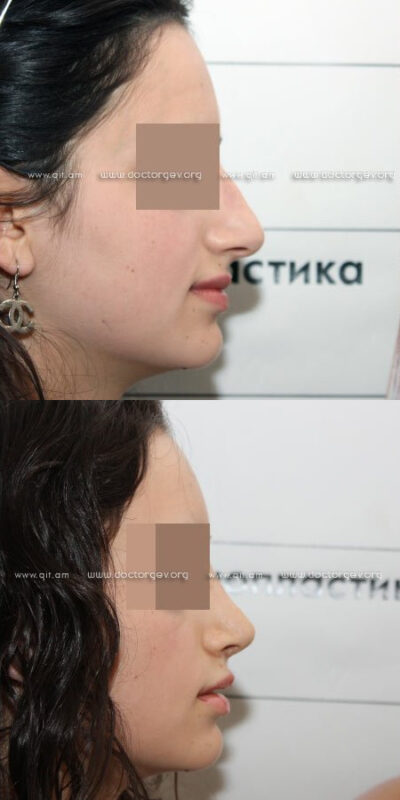
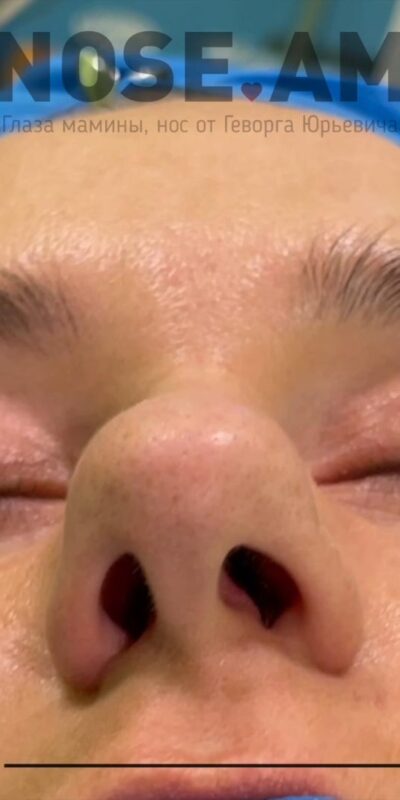
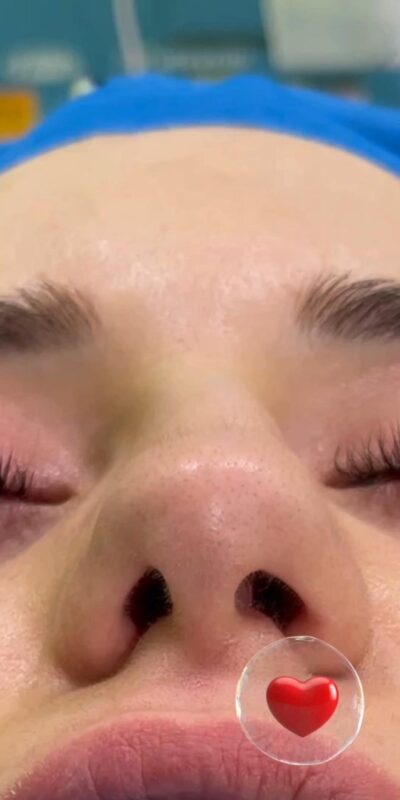
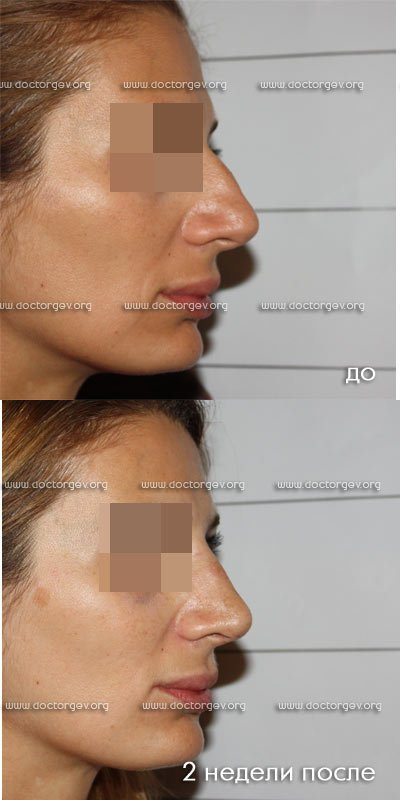
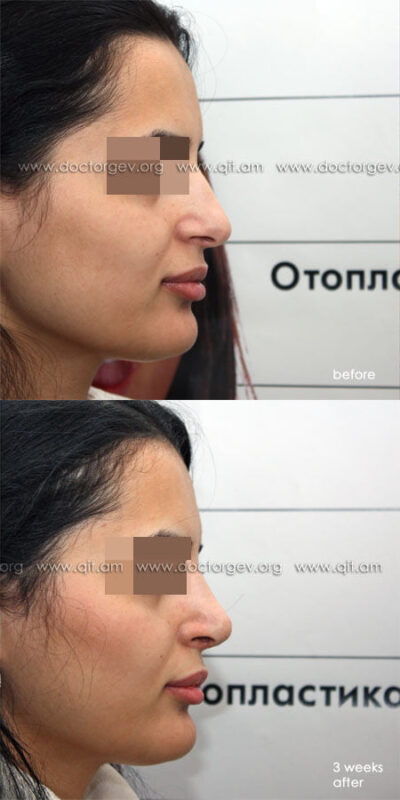
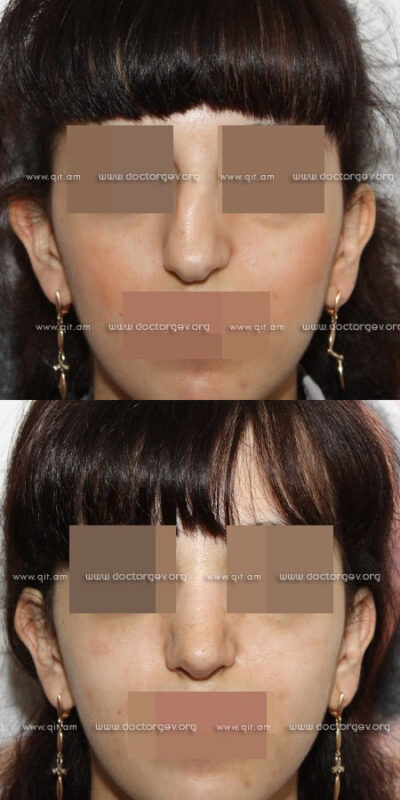
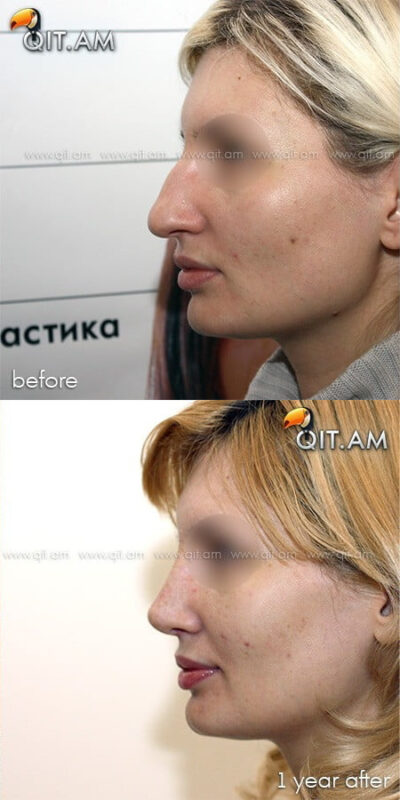
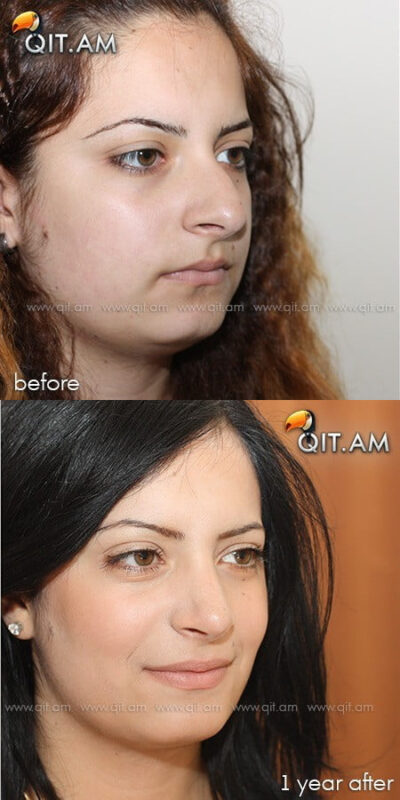
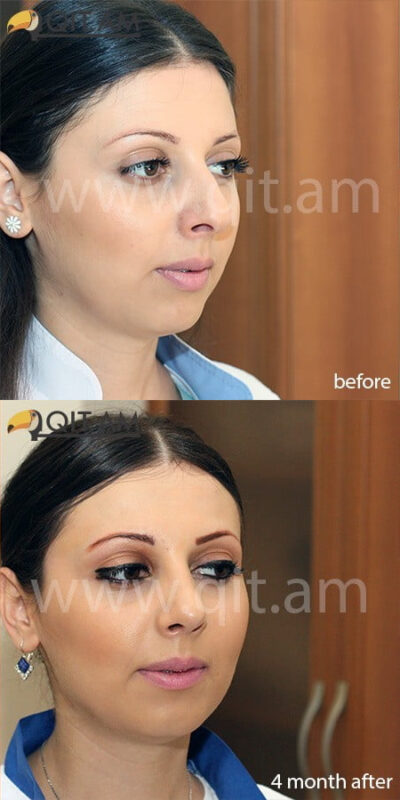
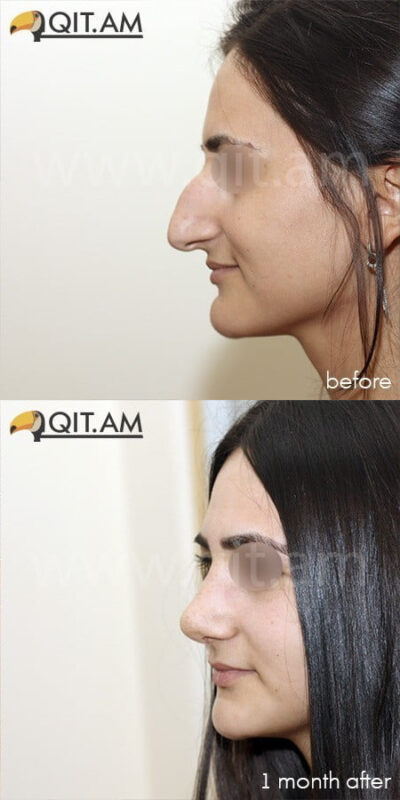
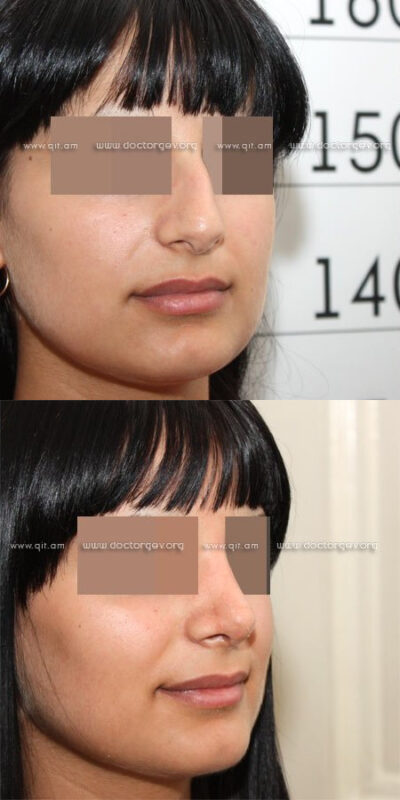
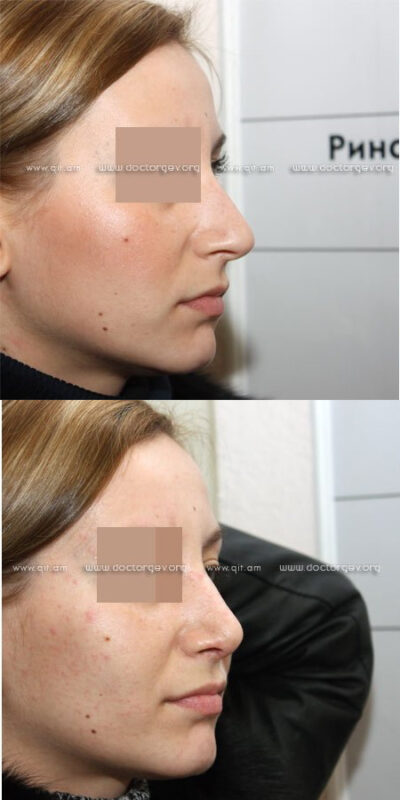
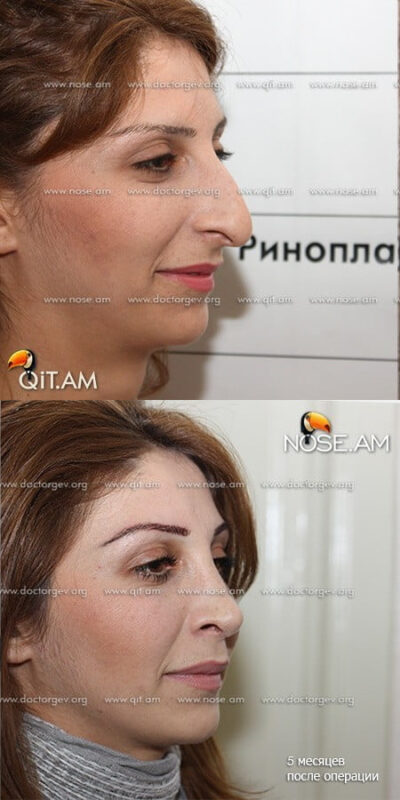
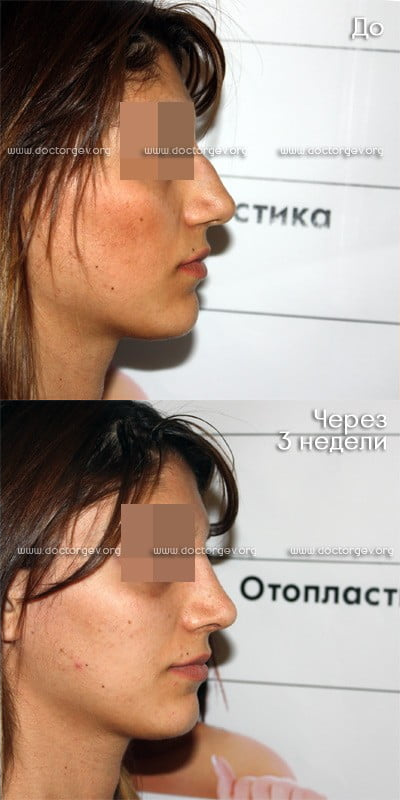
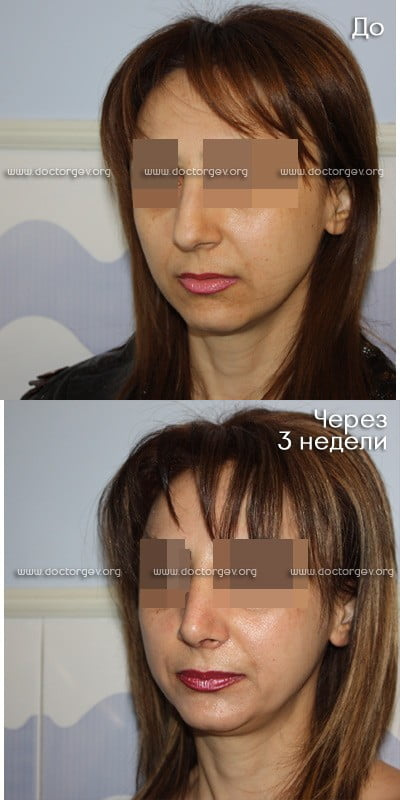
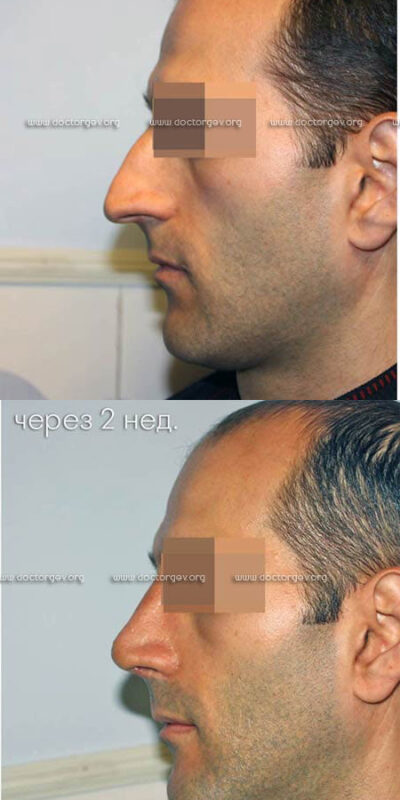
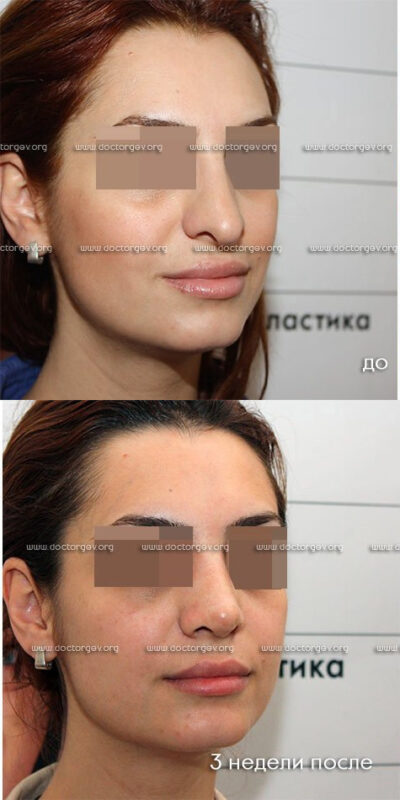
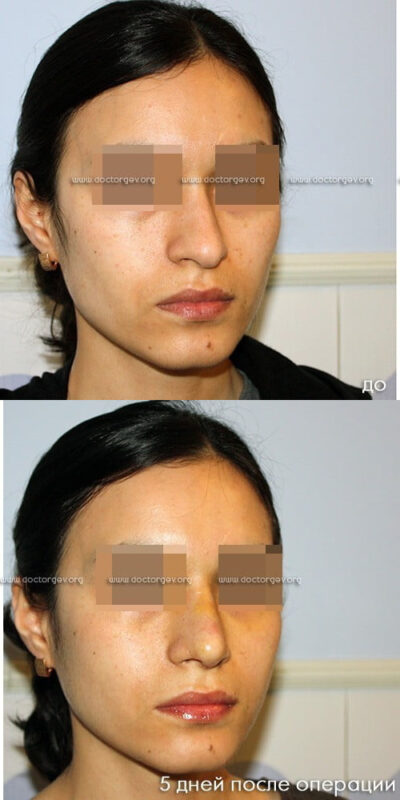
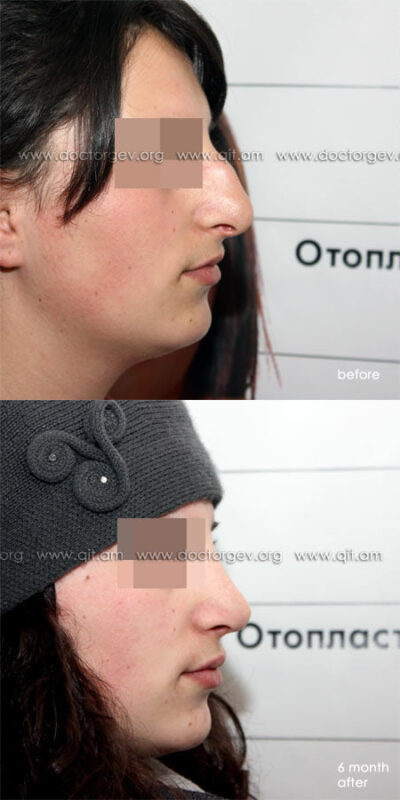
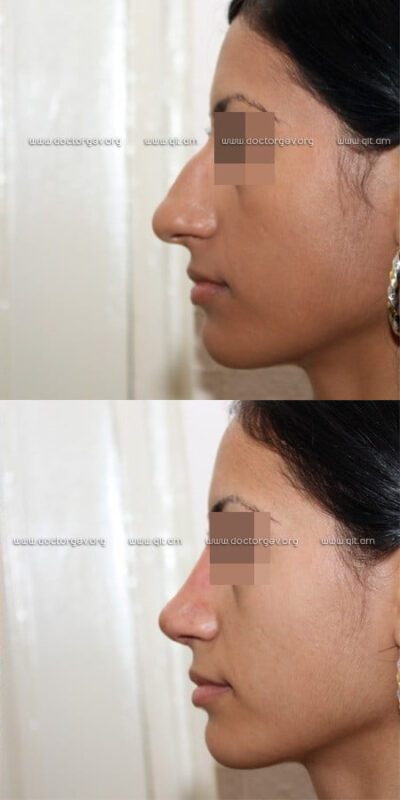
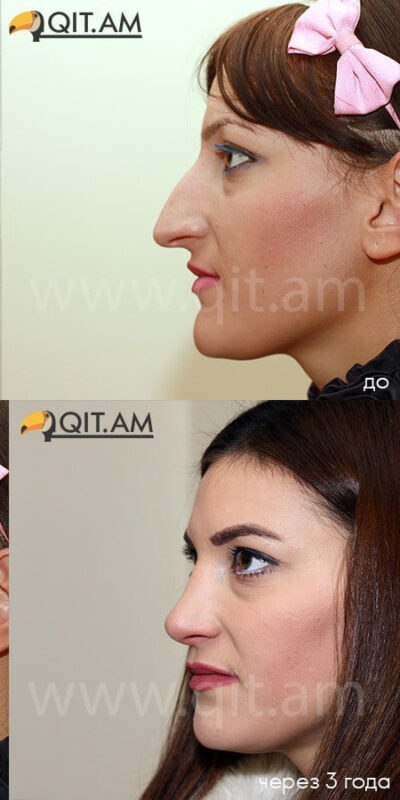
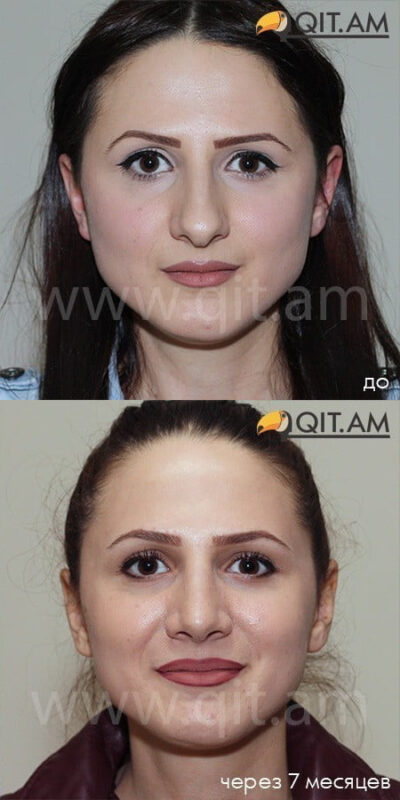
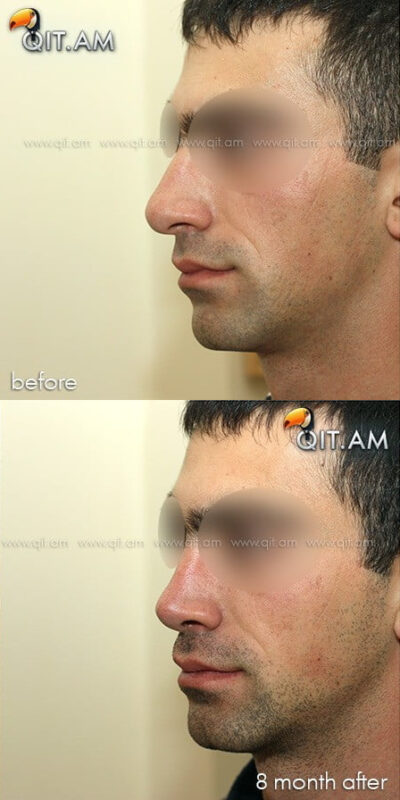
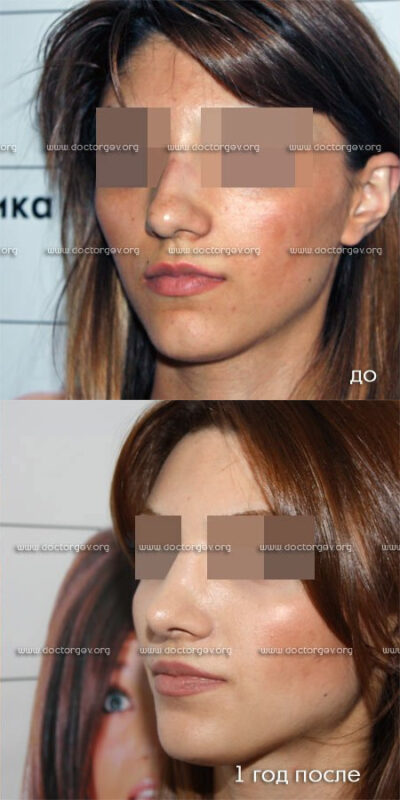
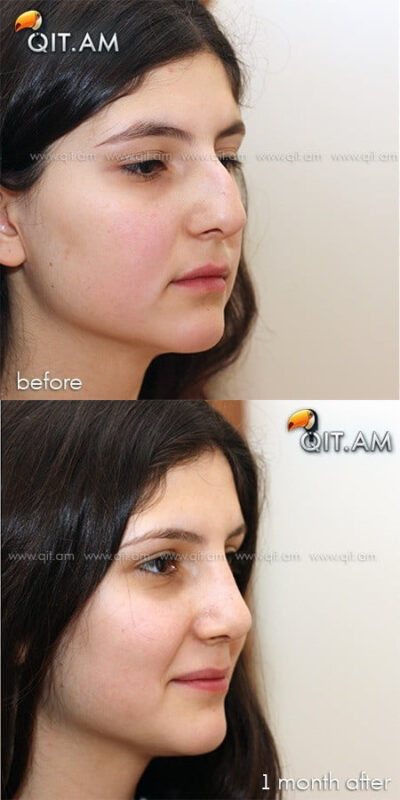
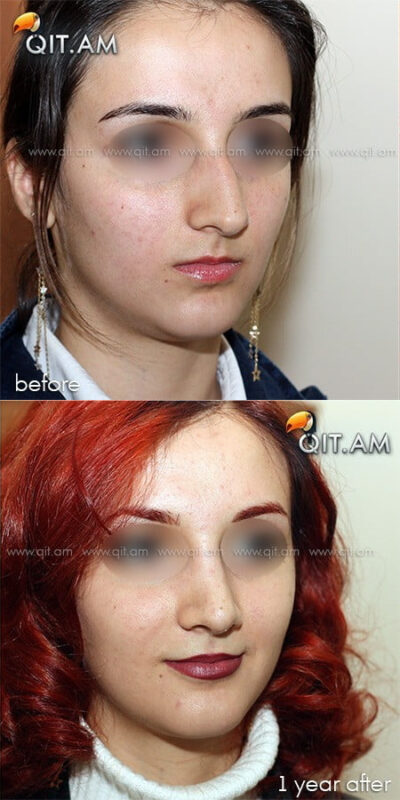
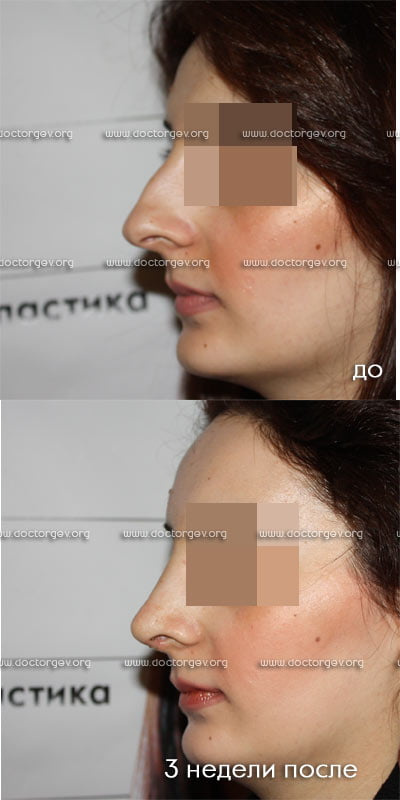
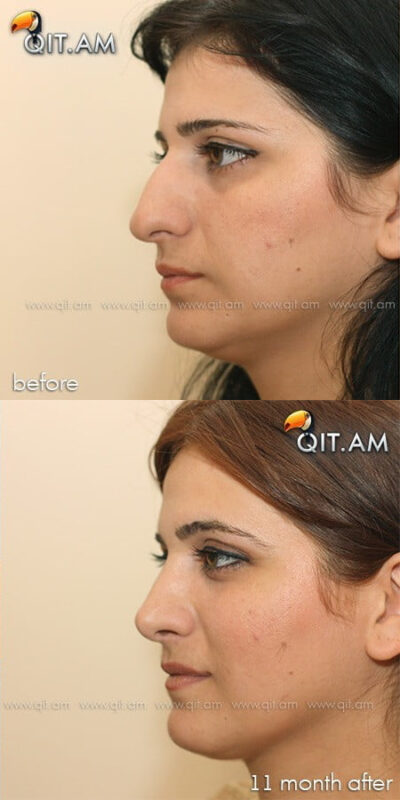
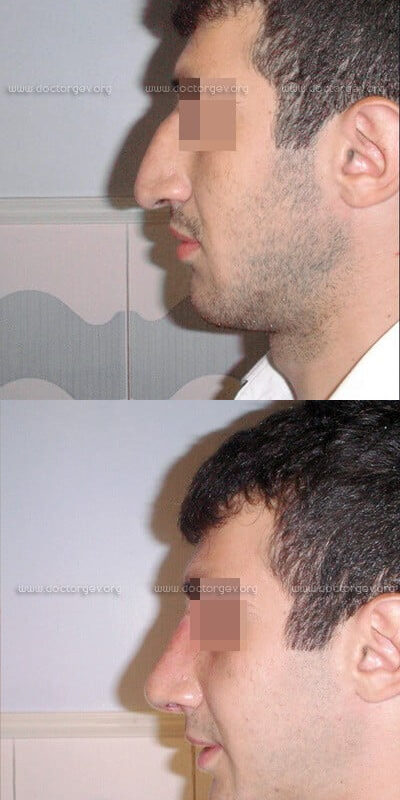
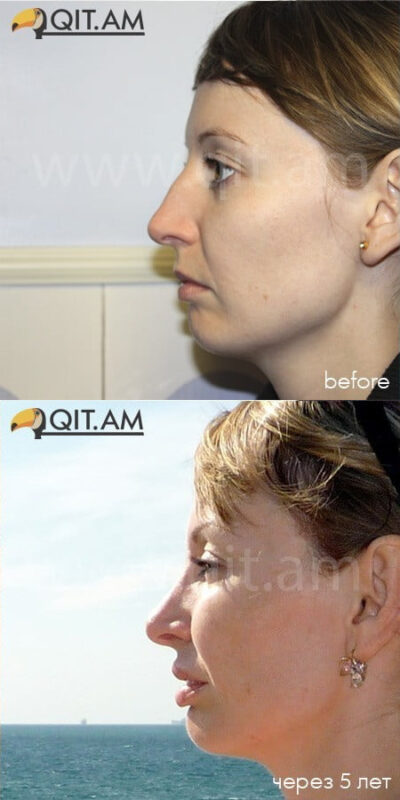
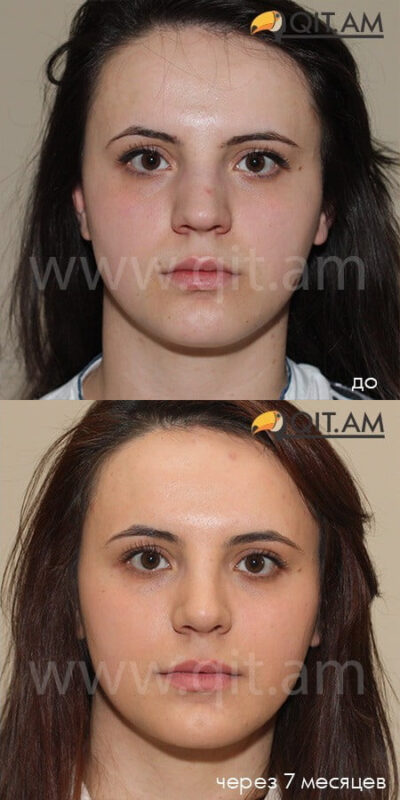
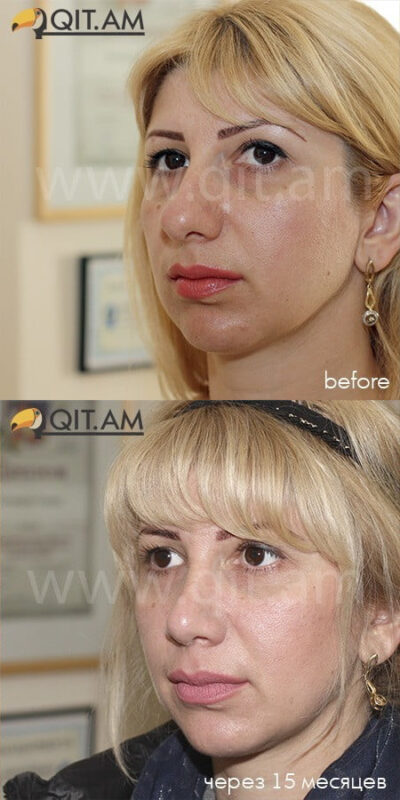
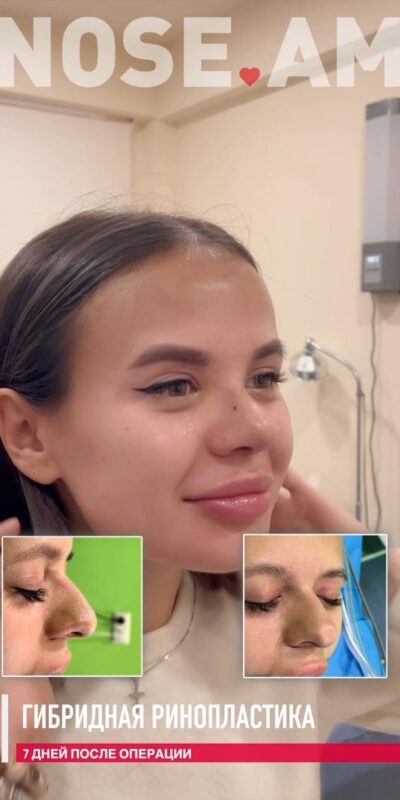
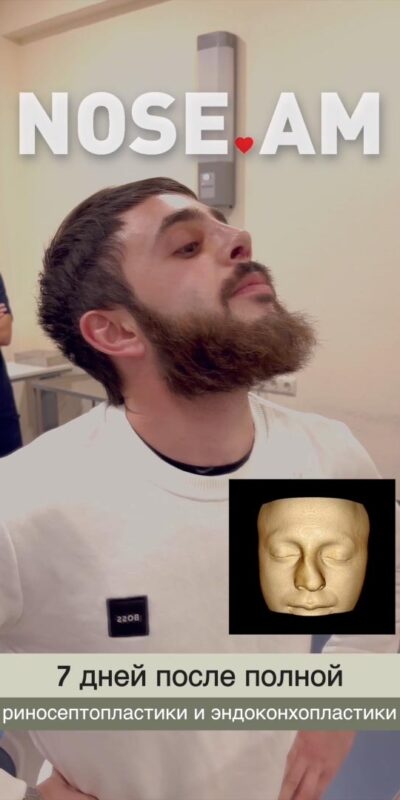
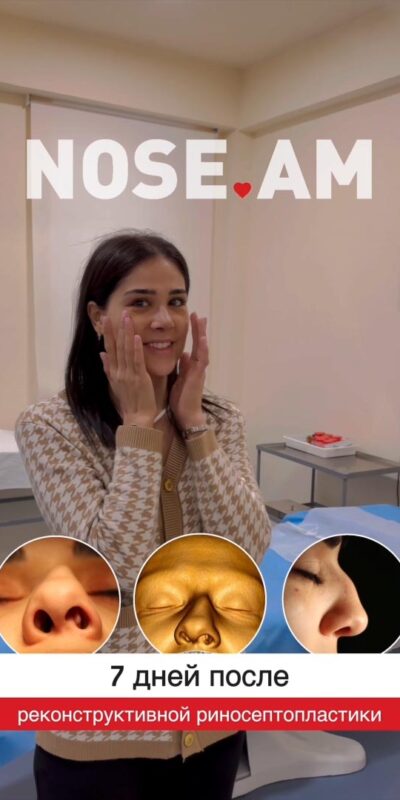
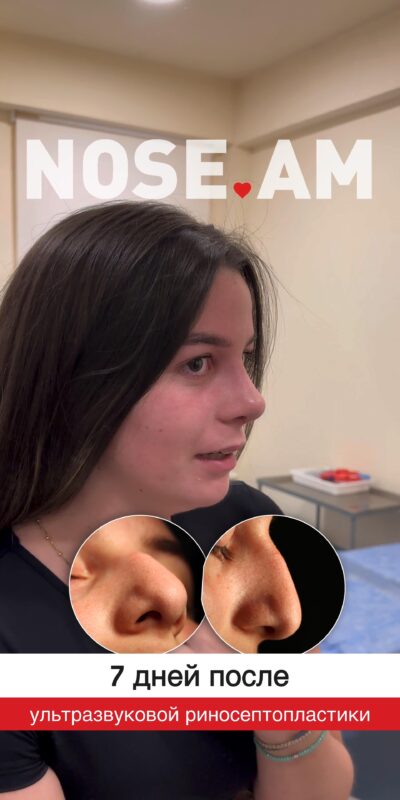
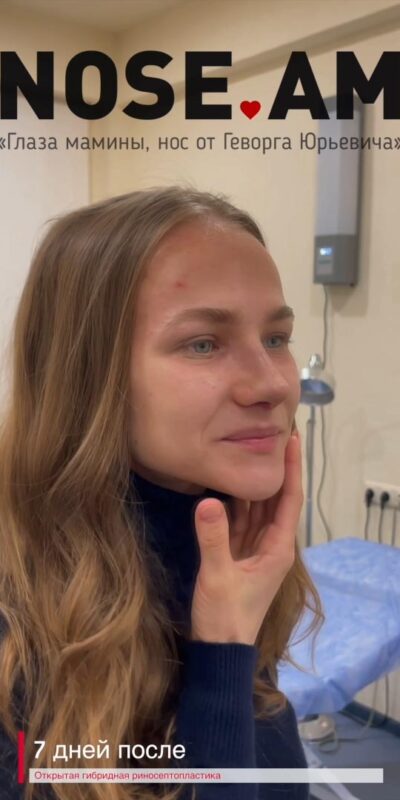
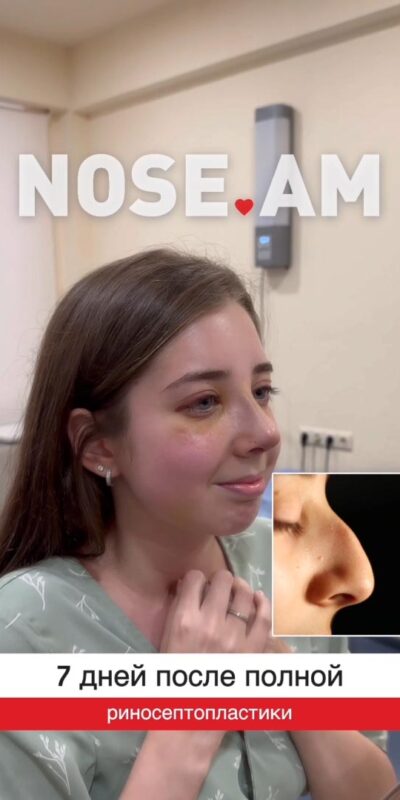
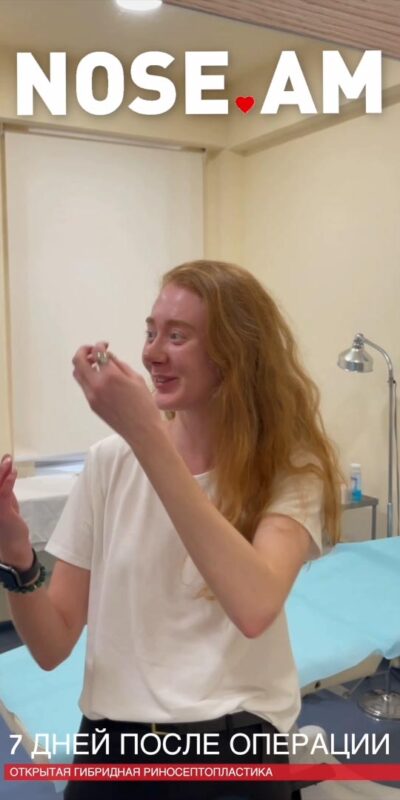
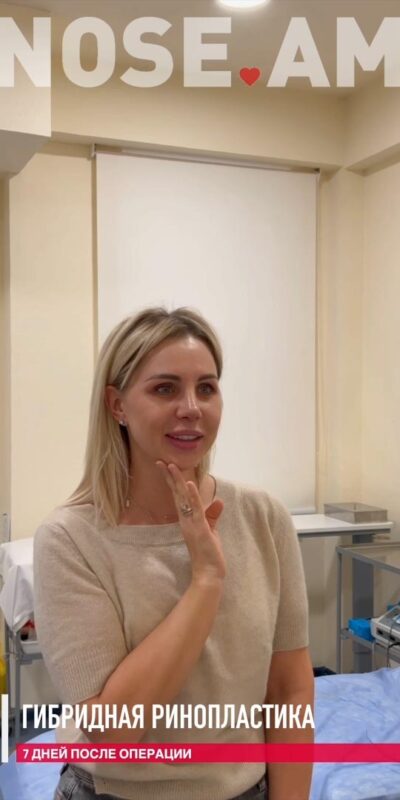
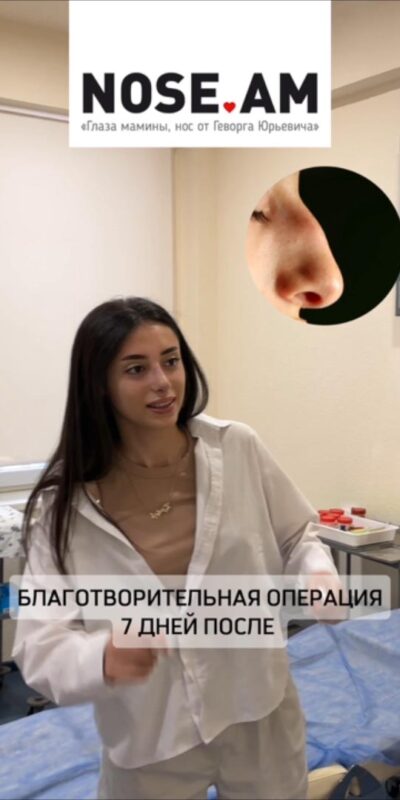
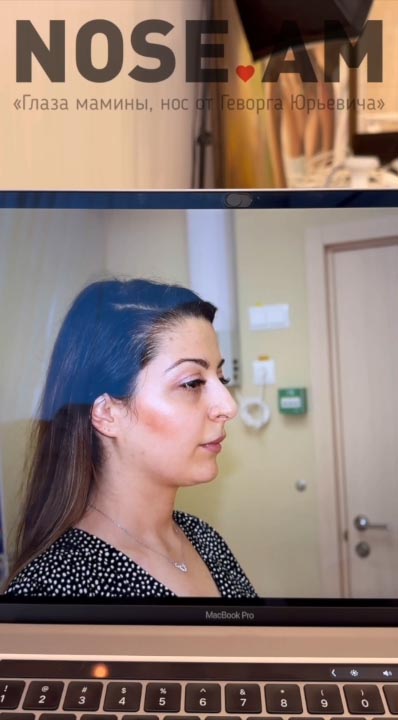
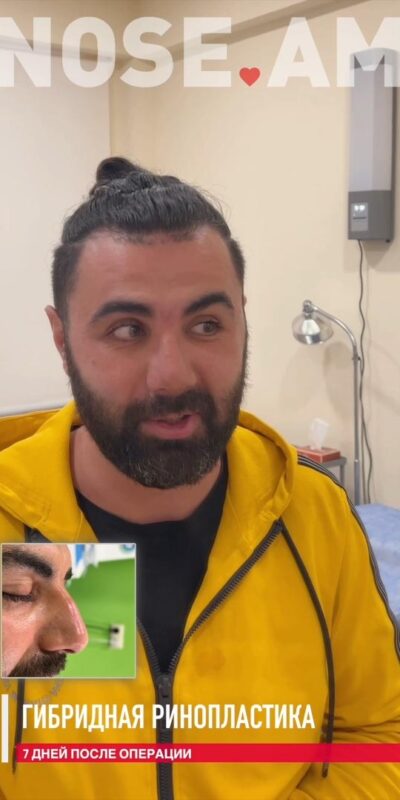
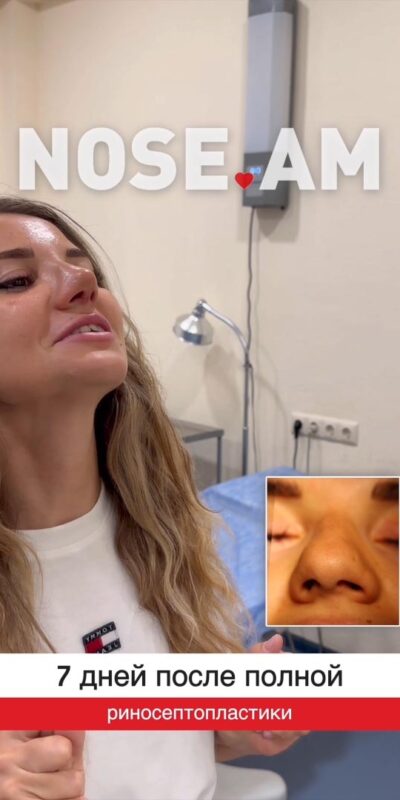
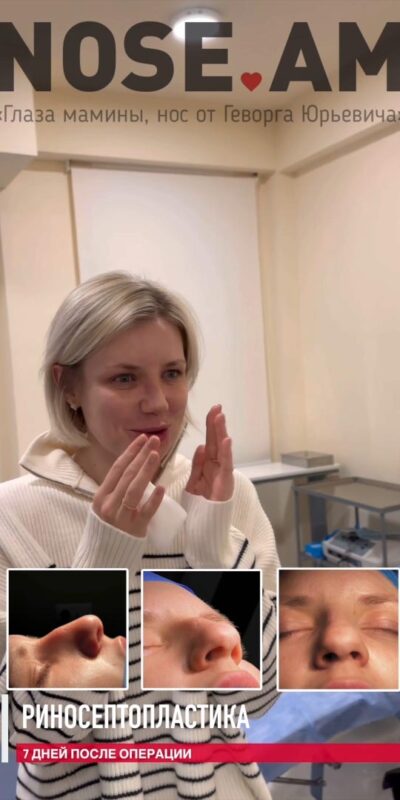
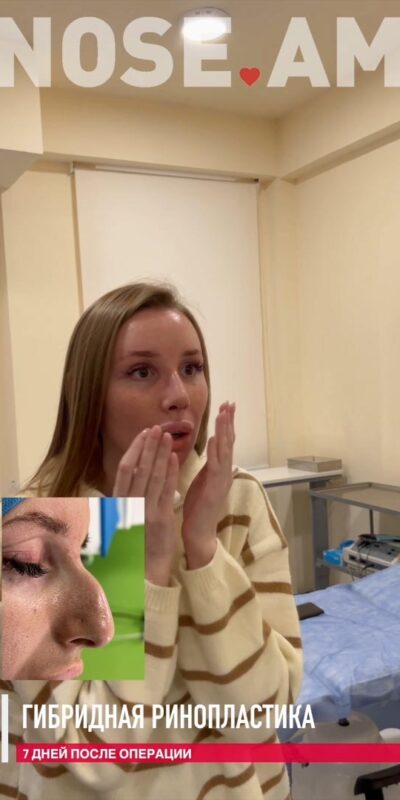
Ultrasound selectively acts only on dense bone tissue. Soft tissues, blood vessels, and cartilage are not damaged in the process. As a result: minimal swelling and ecchymosis. After a week, the overwhelming majority of patients come in with practically no bruising.
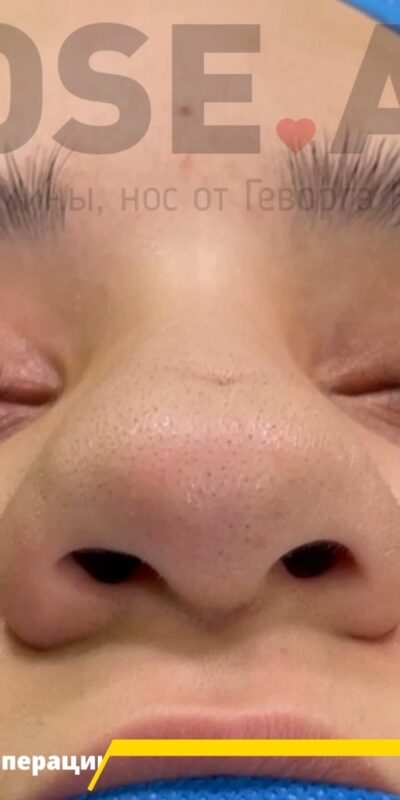
I have also stopped using an external 2-mm osteotome due to skin damage, albeit minimal. Many patients are already anxious about the delicate scar on the columella, and here are 2-4 more mini-scars in a visible area. I have long been using a 3-mm straight osteotome, without a guard and without creating a tunnel.
A very unpleasant complication is uncontrolled bone fractures caused by the use of an osteotome and mallet. Especially when passing through an old, traumatized section of bone. With the help of piezo, you can practically carve patterns on the bone without fearing uncontrolled cuts and fractures.
More precise work on bone structures. With piezo, you not only feel it tactilely, but you also see how perfectly the necessary section of bone is filed down.
Ultrasonic cavitation during the operation of the device provides another pleasant bonus in the form of additional hemostasis and asepsis.
Benefits of Ultrasound Rhinoplasty
To summarize, the following advantages of the technique can be highlighted:
- Scientifically proven effectiveness of the technique;
- Minimal soft tissue trauma;
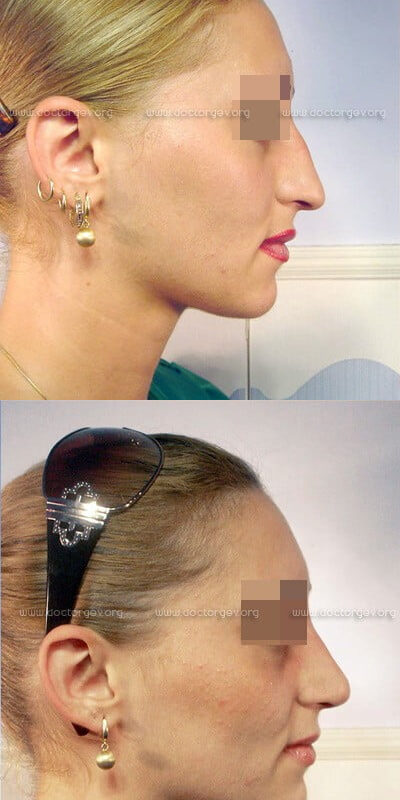
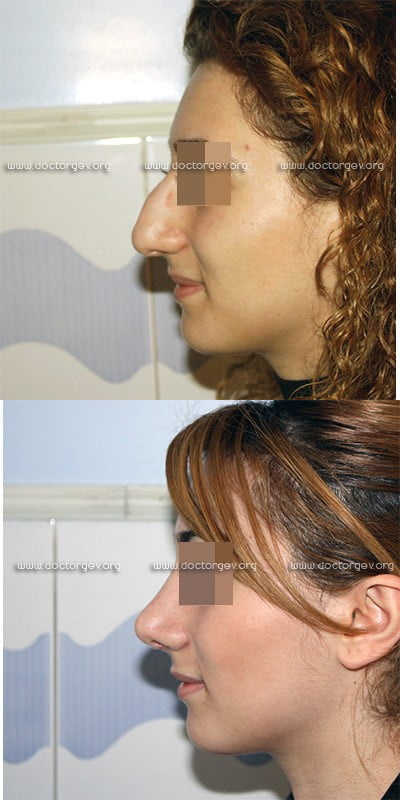
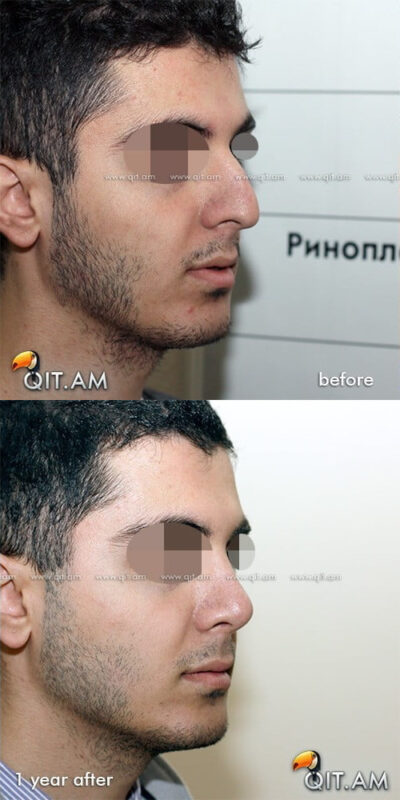
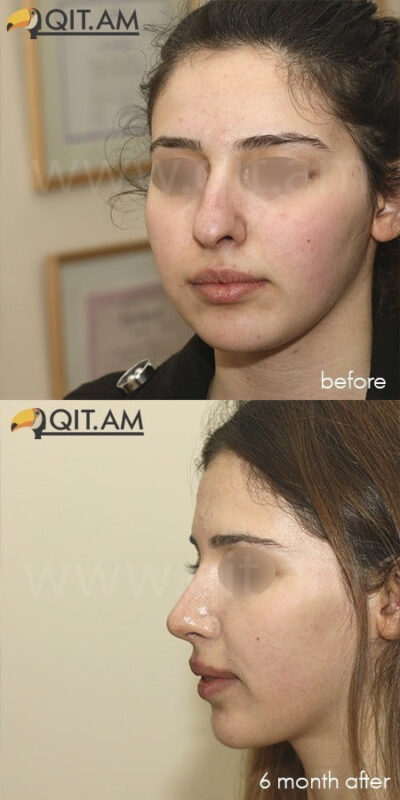
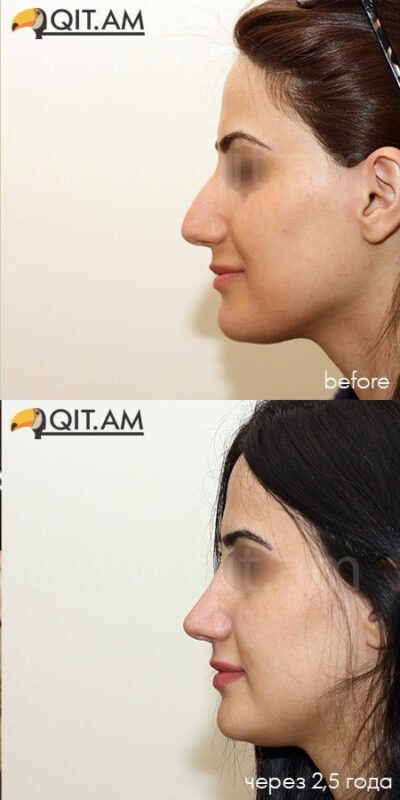
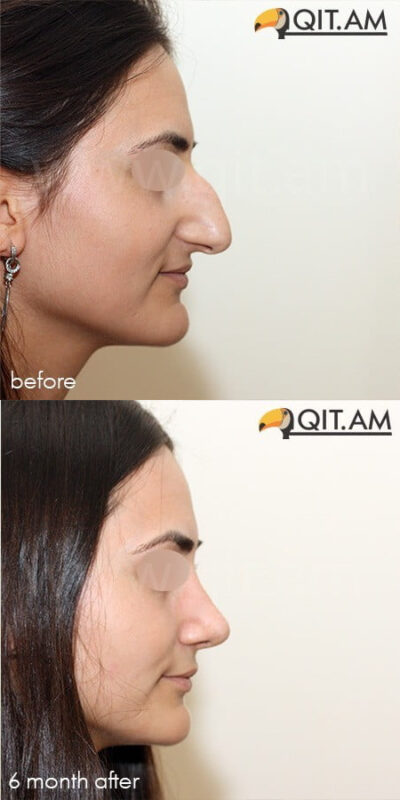
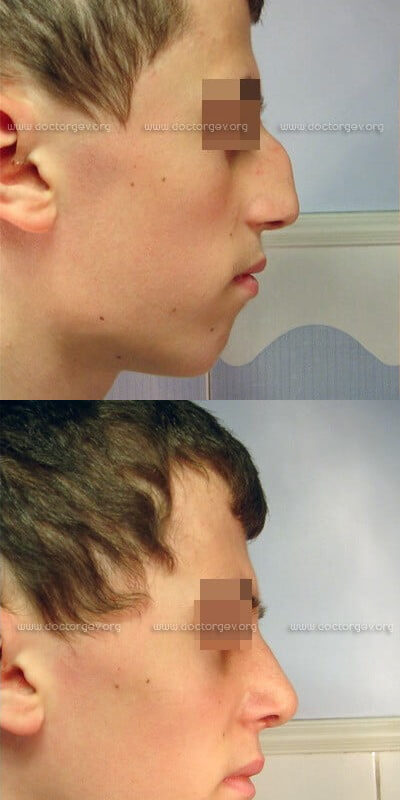
- Highly accurate and predictable work on the bone;
- Additional asepsis and hemostasis during surgery;
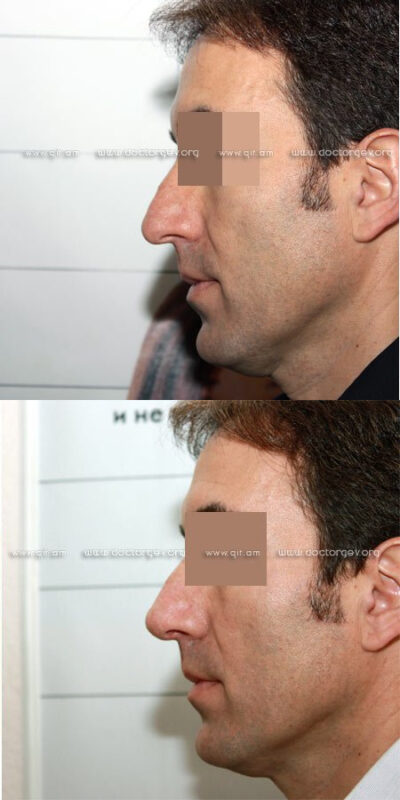
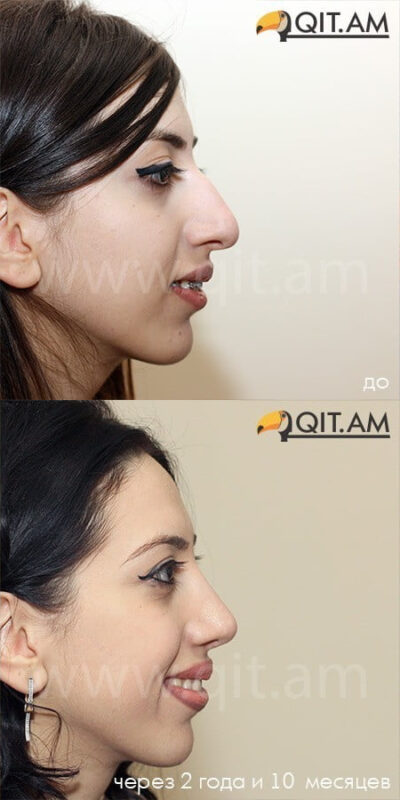
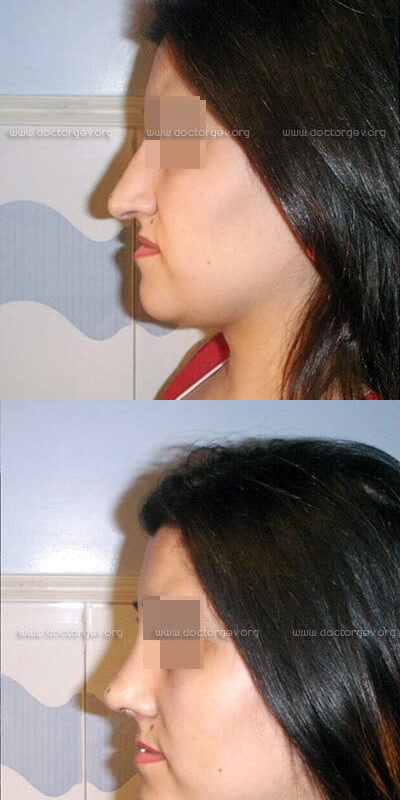
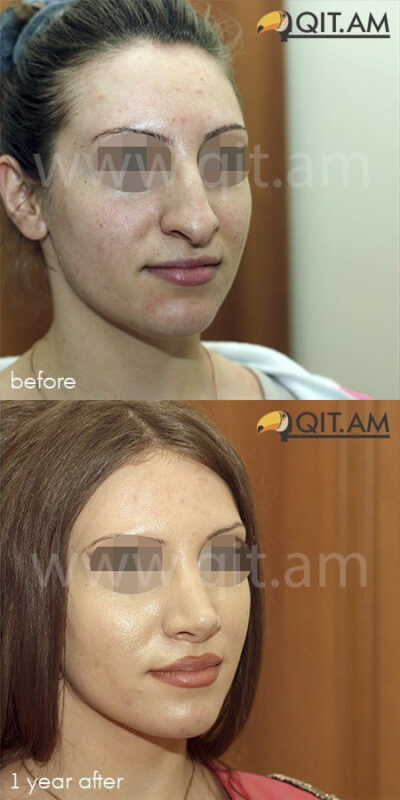
- Fast patient rehabilitation with minimal bruising and swelling.