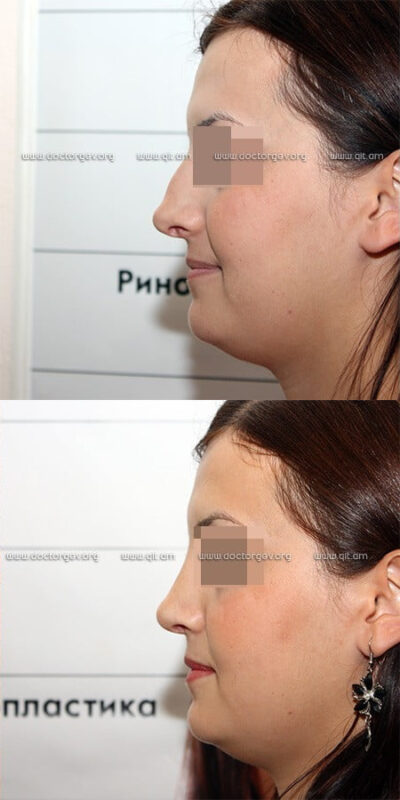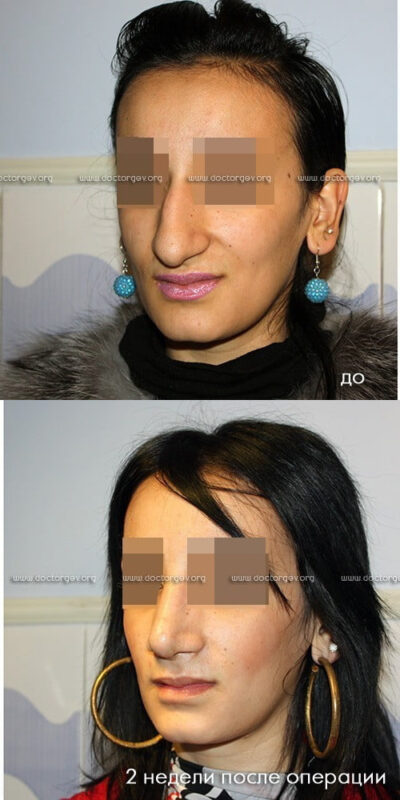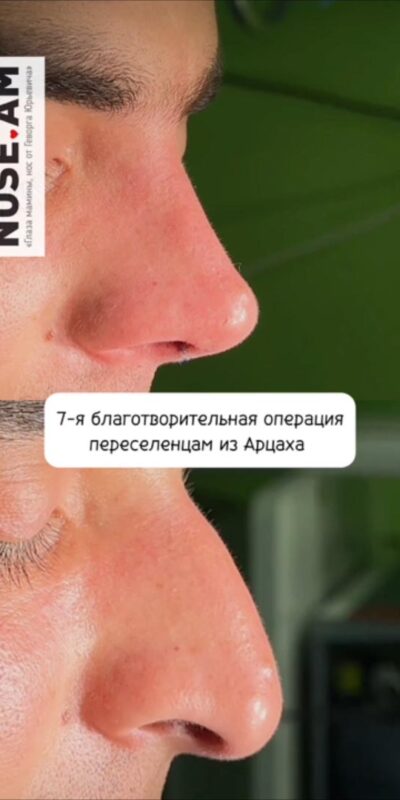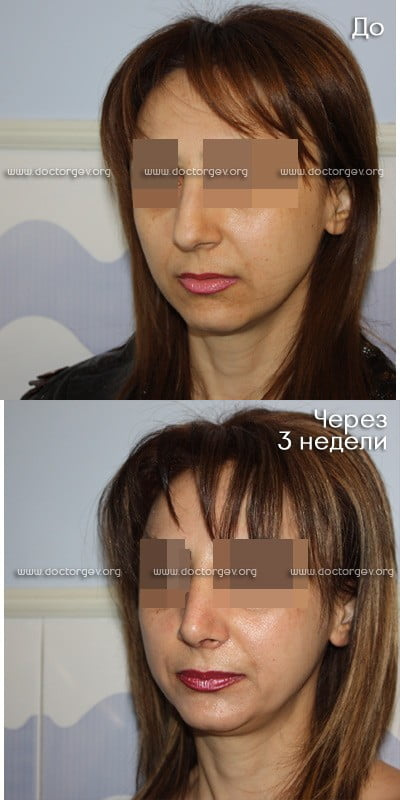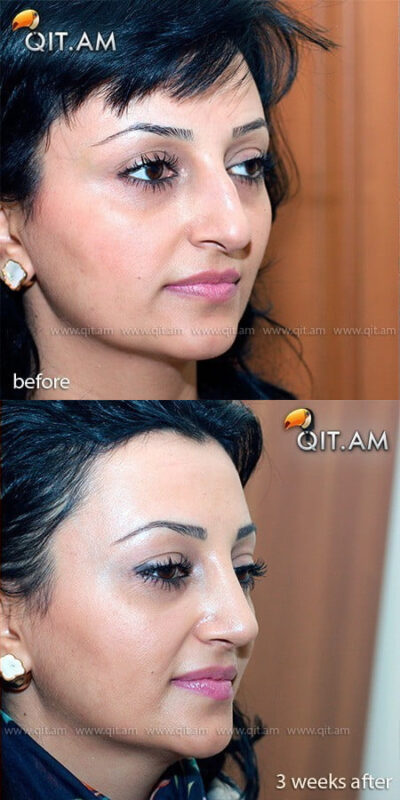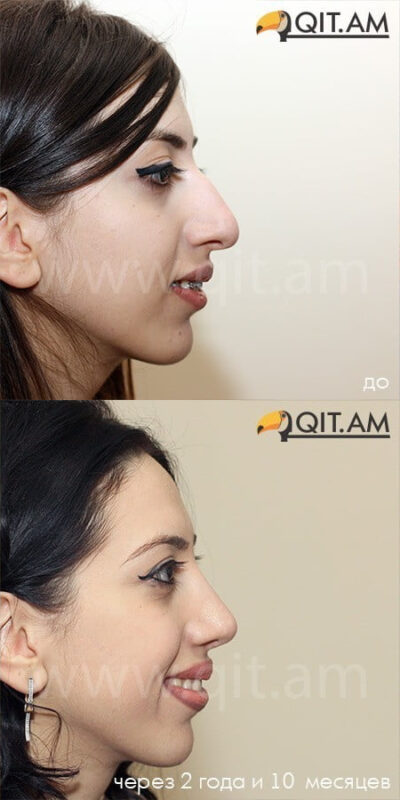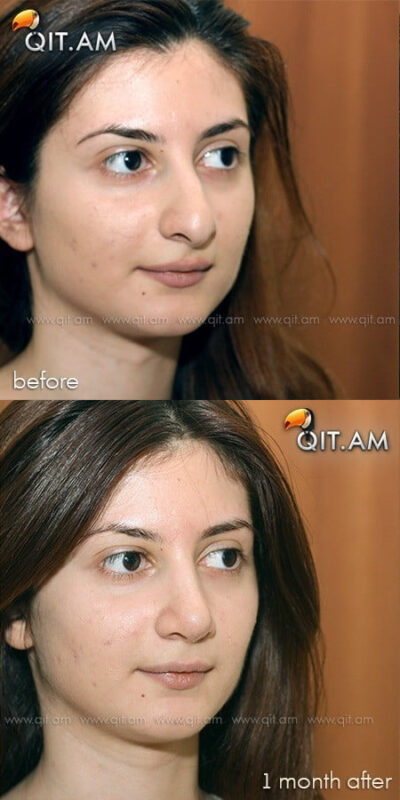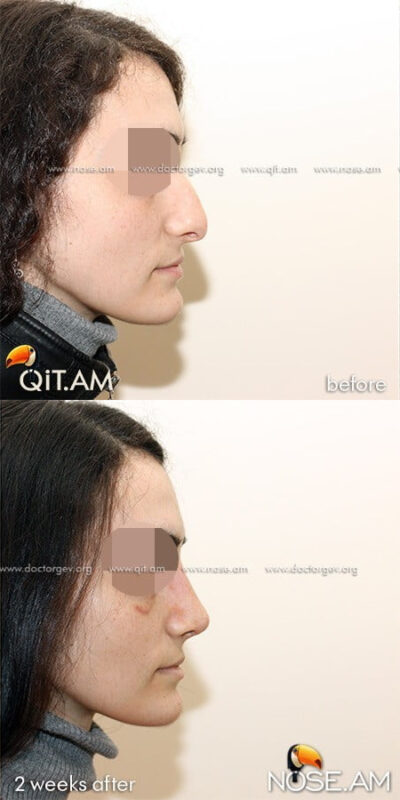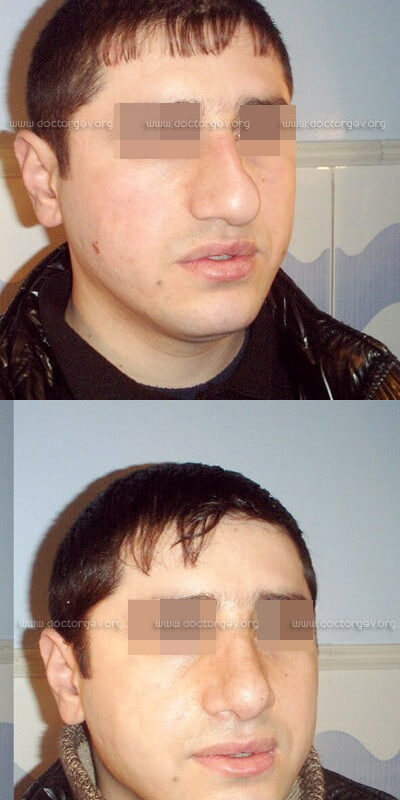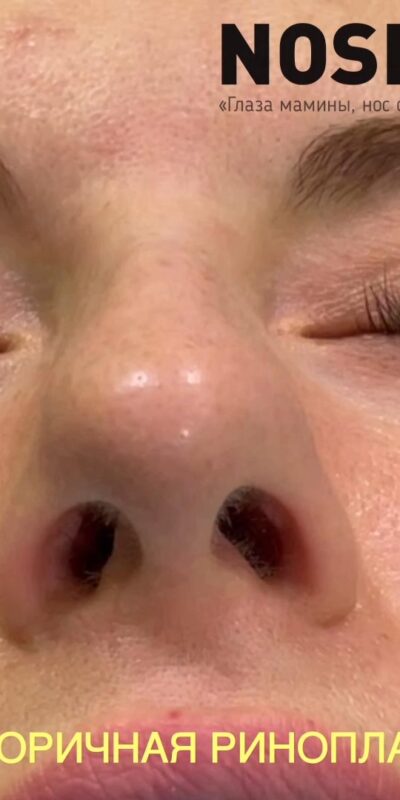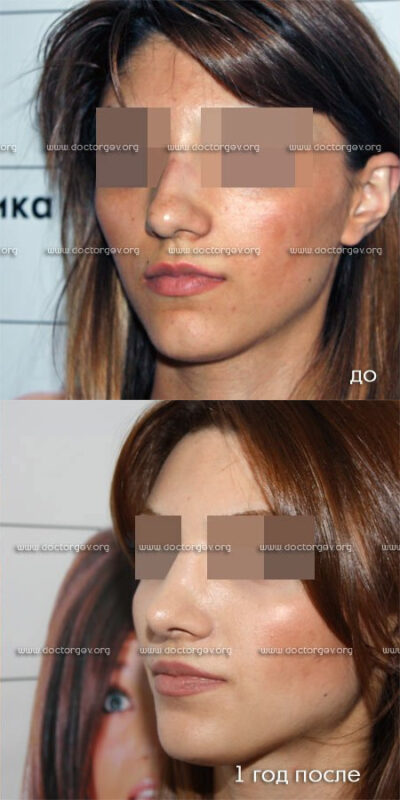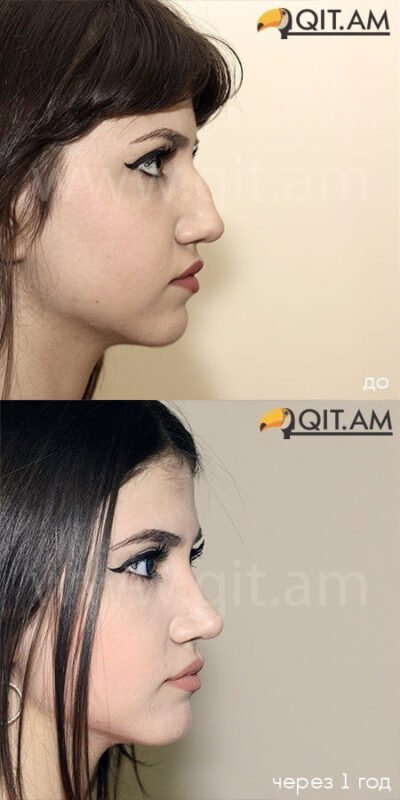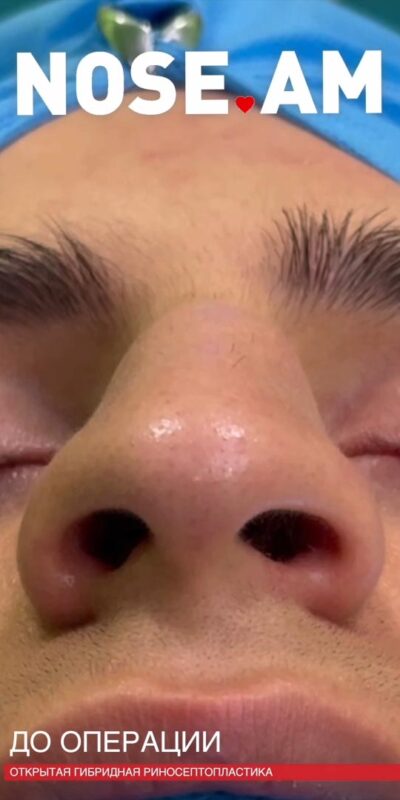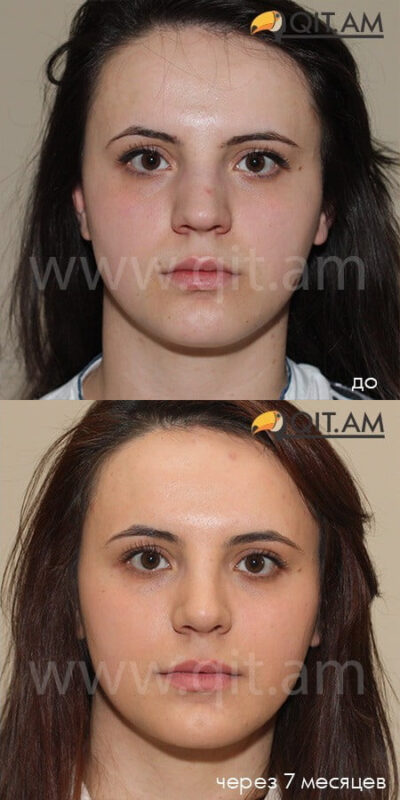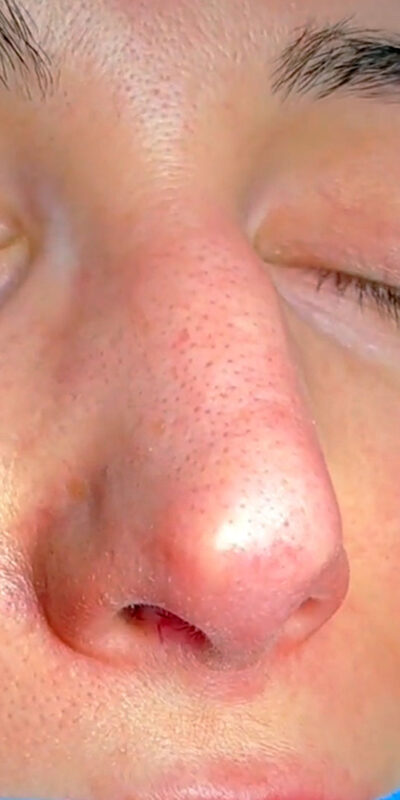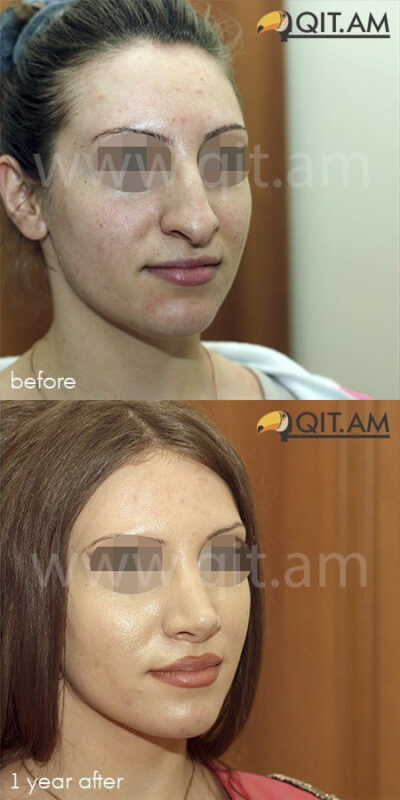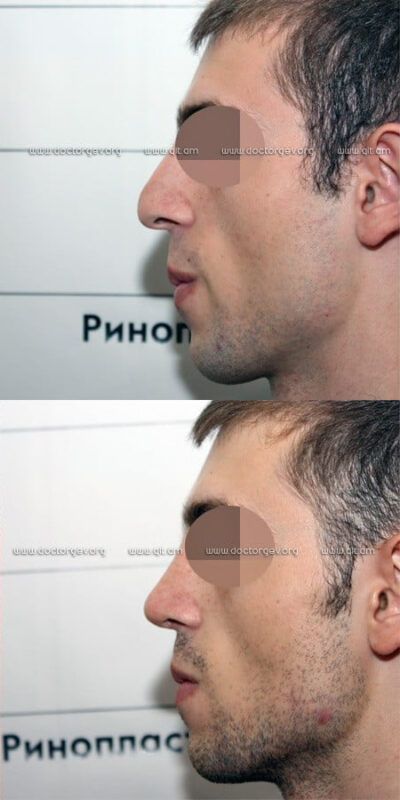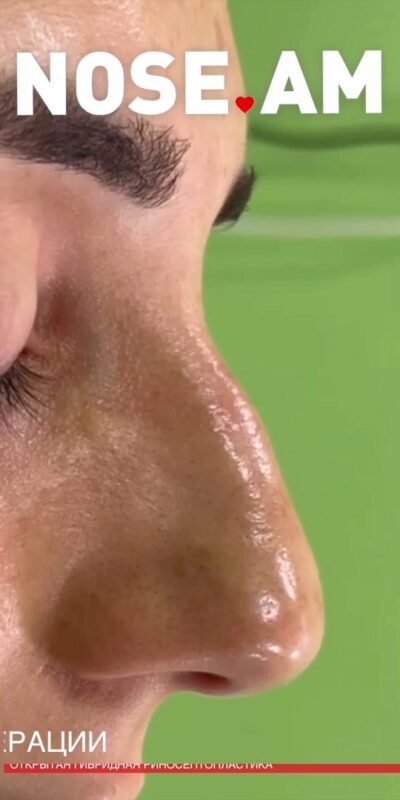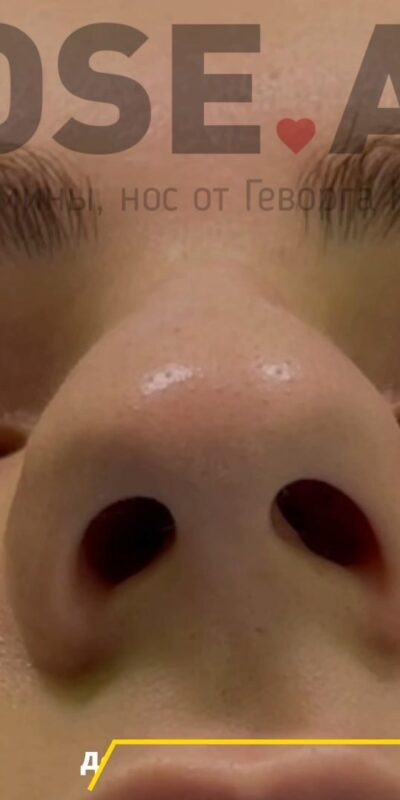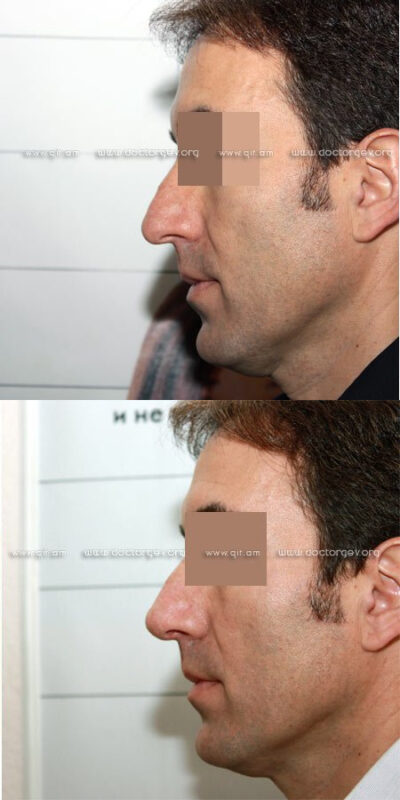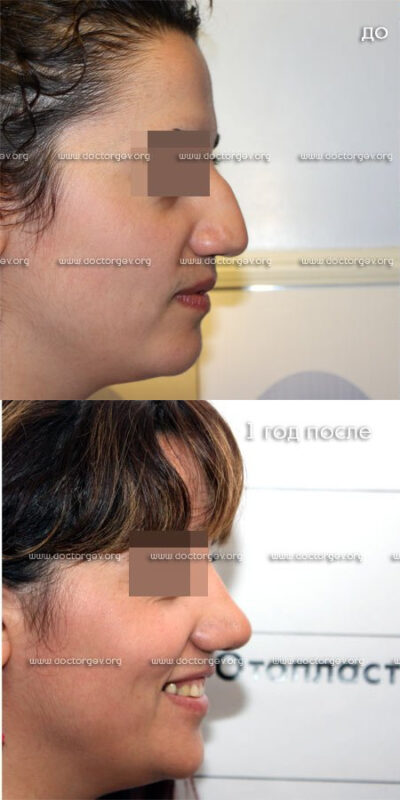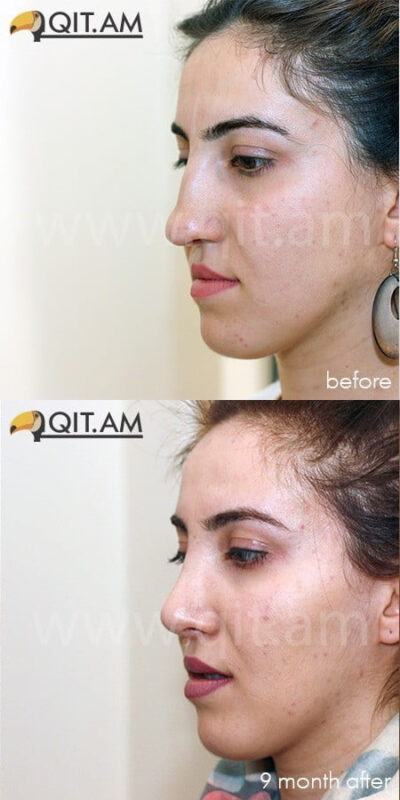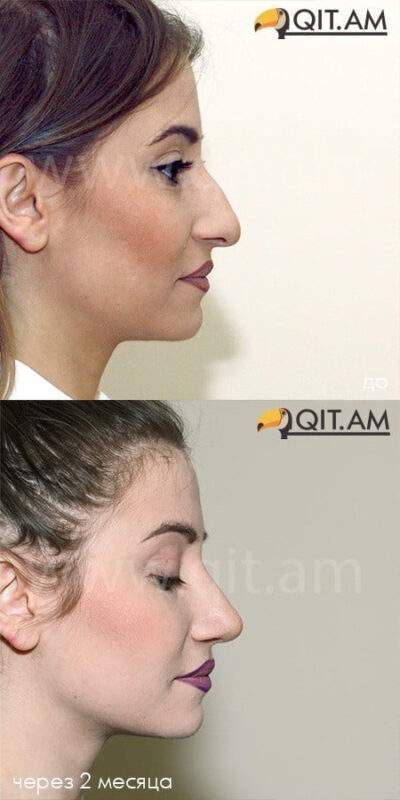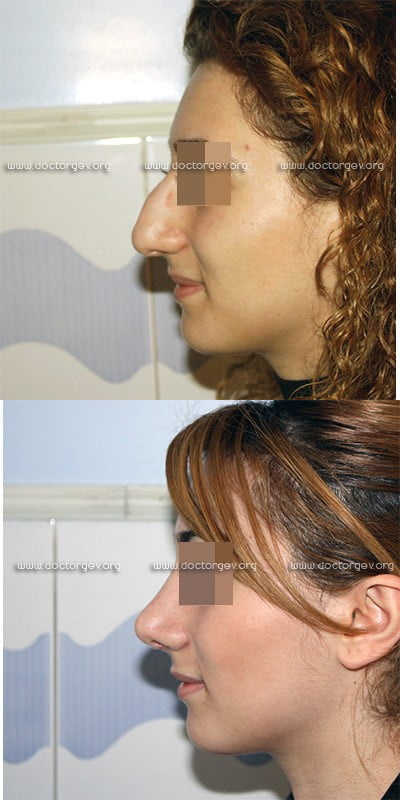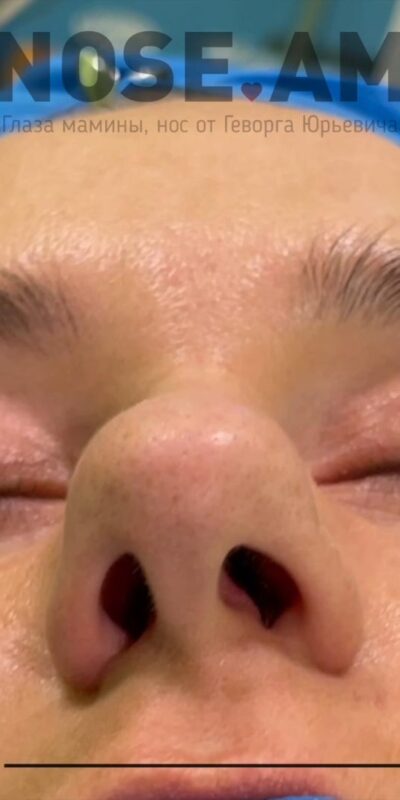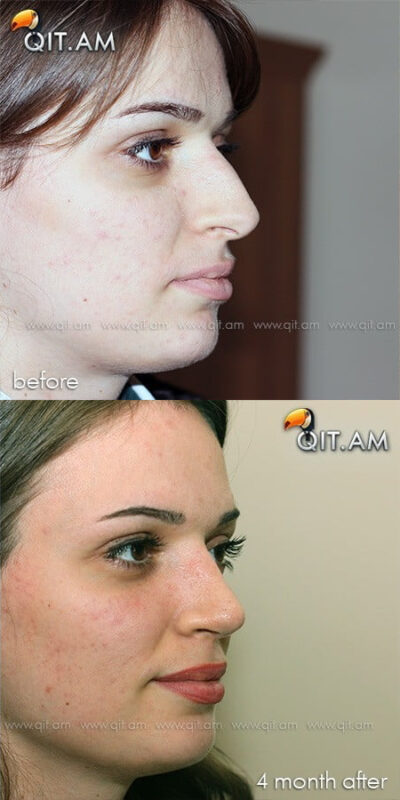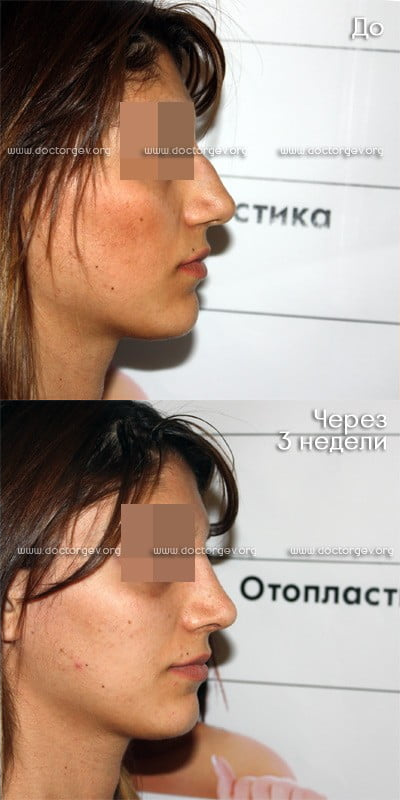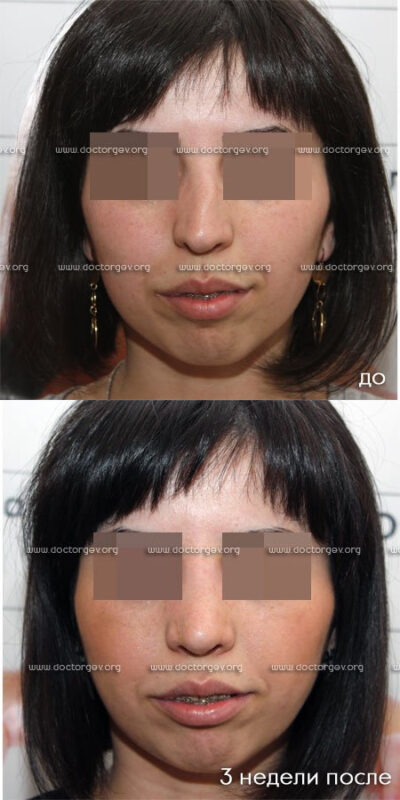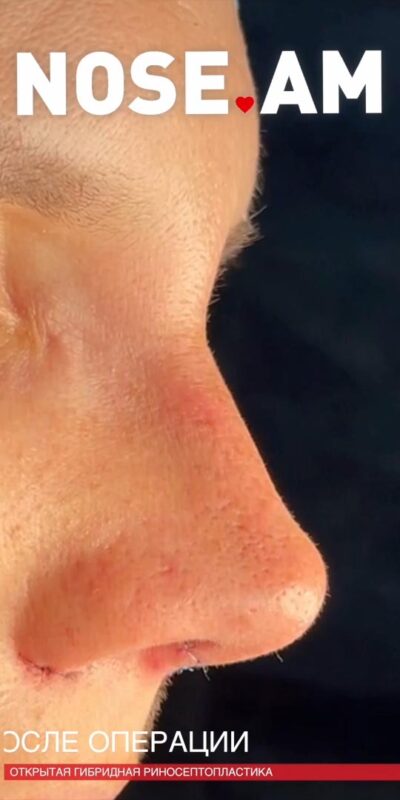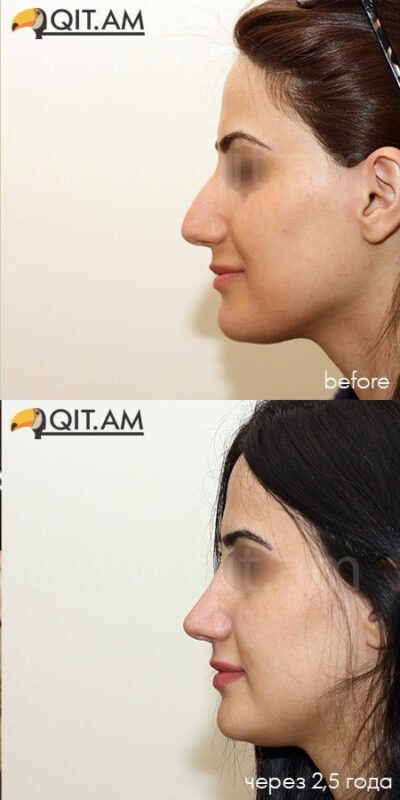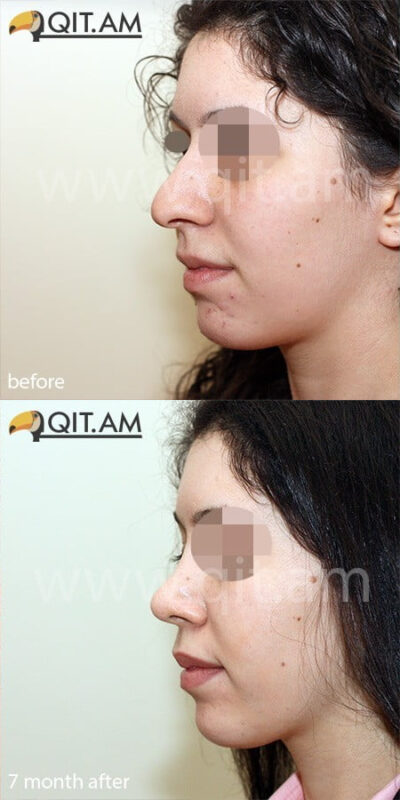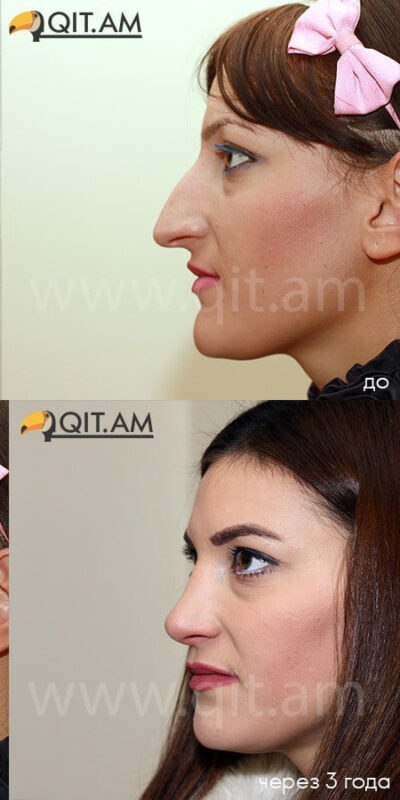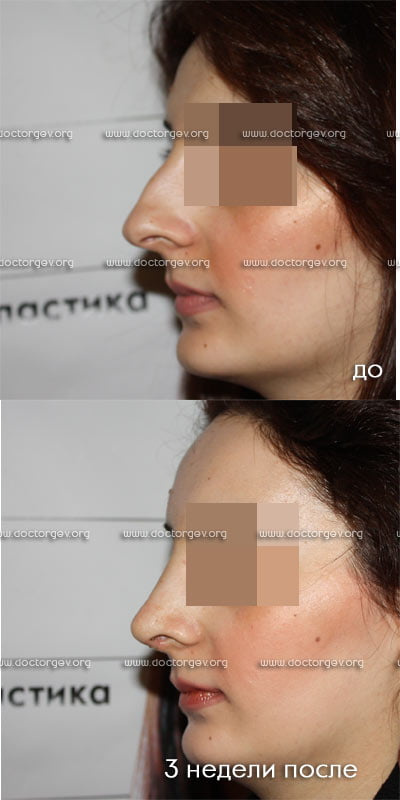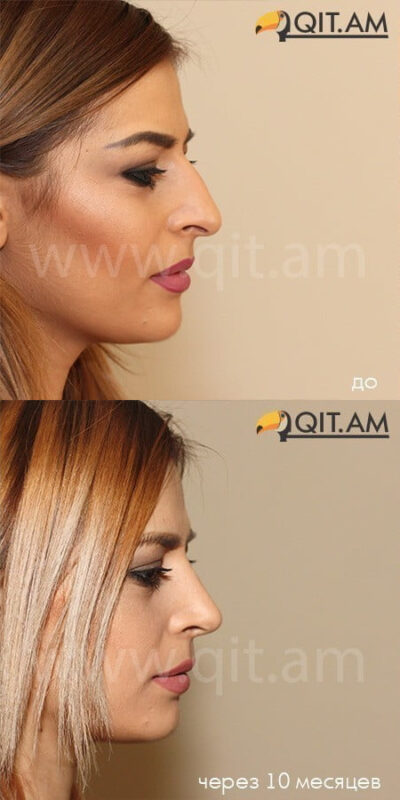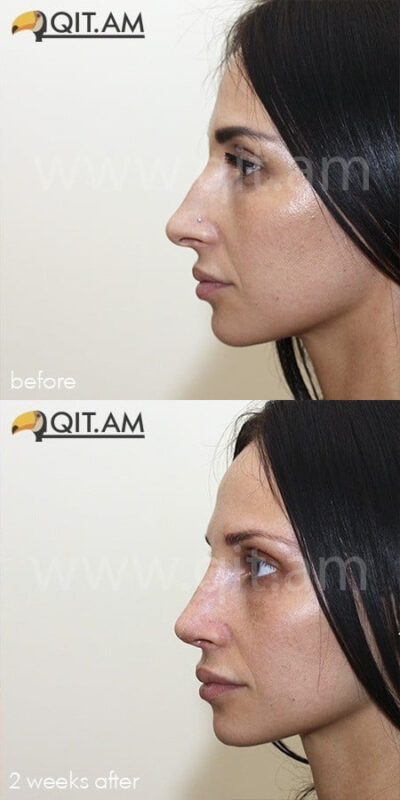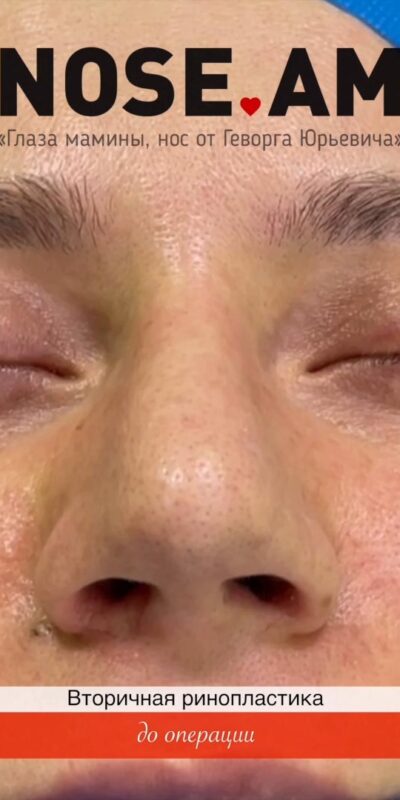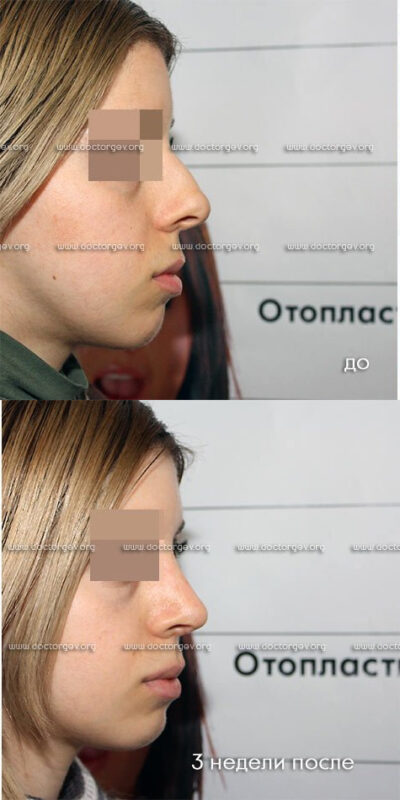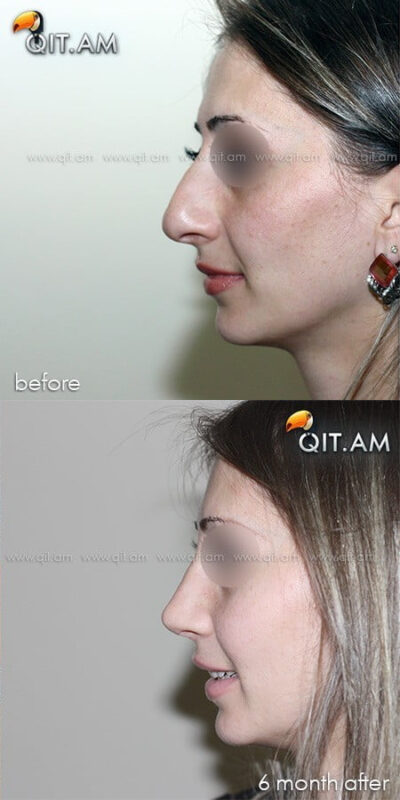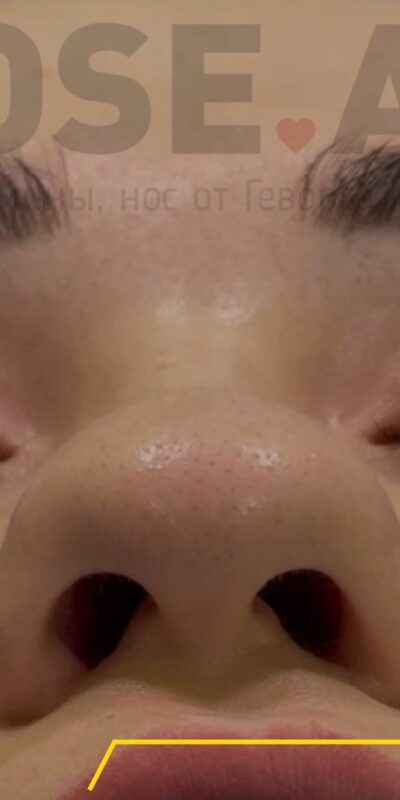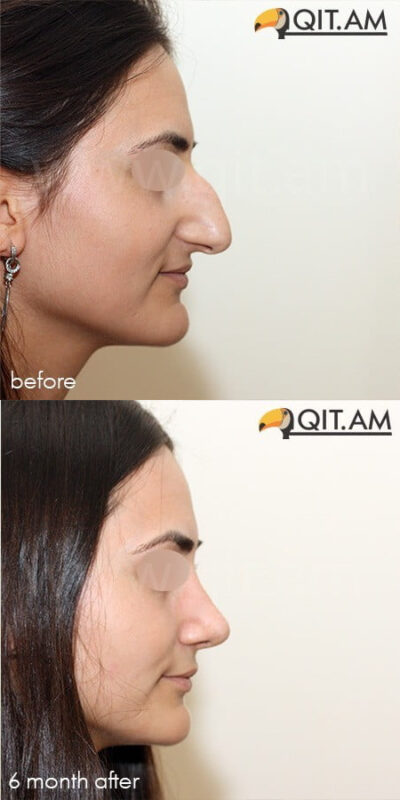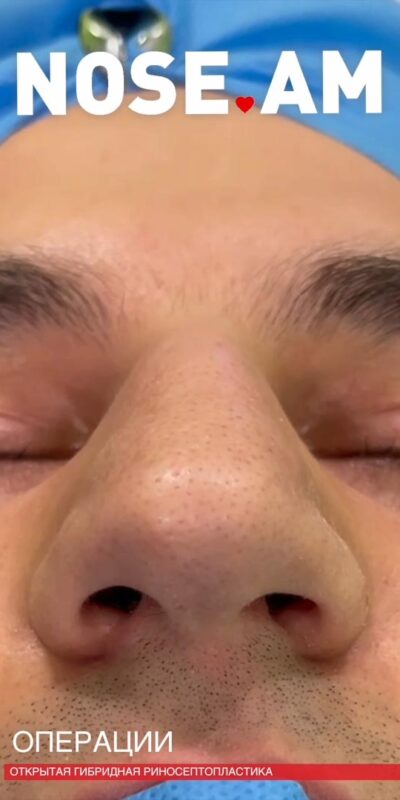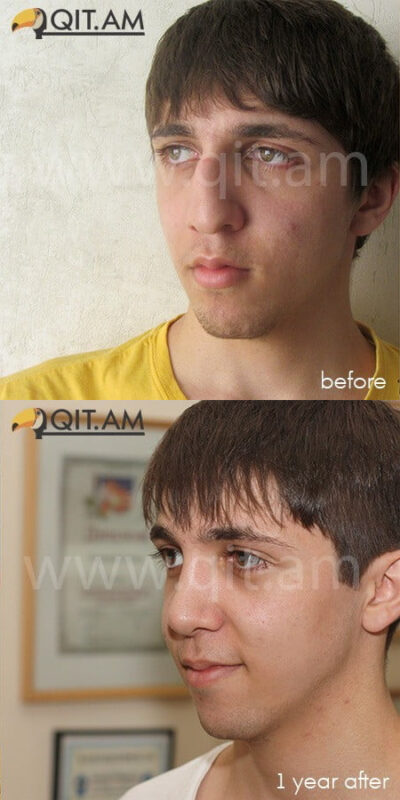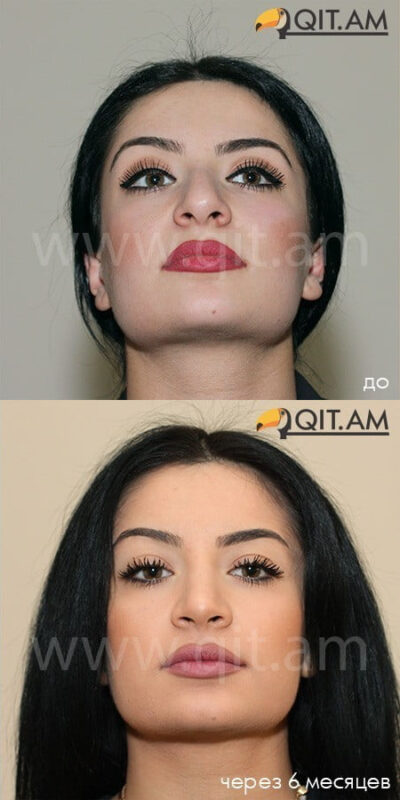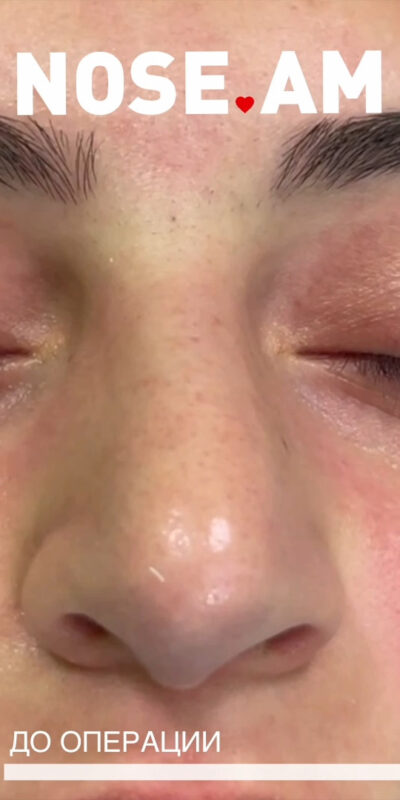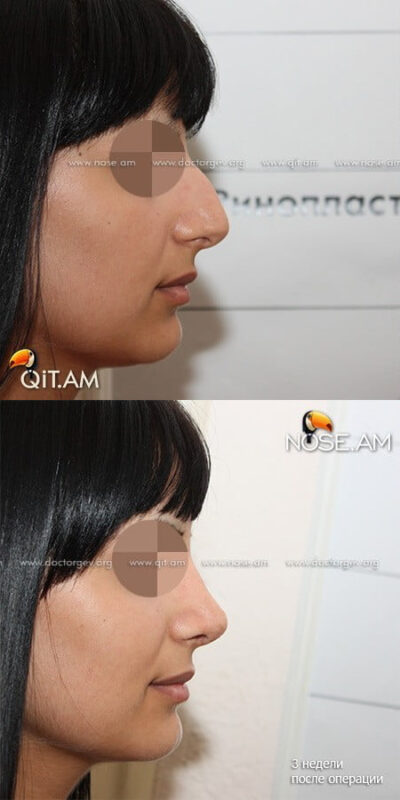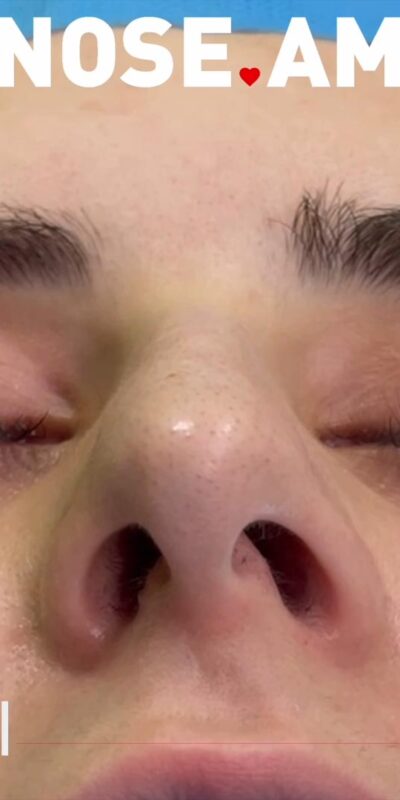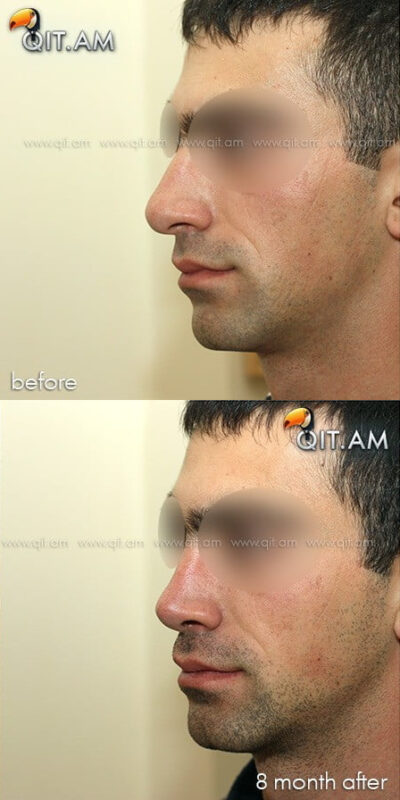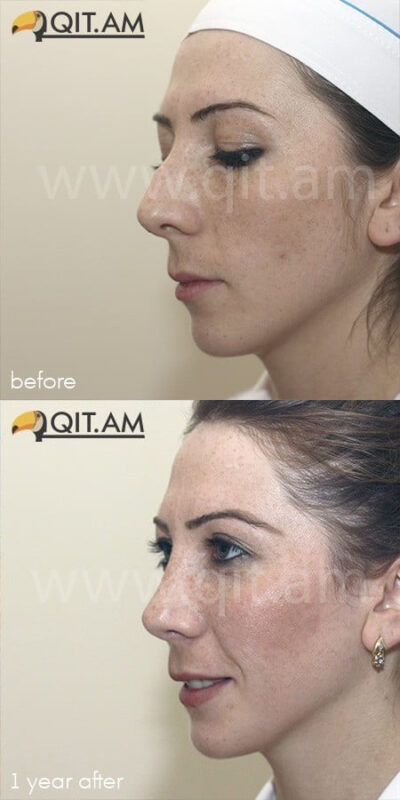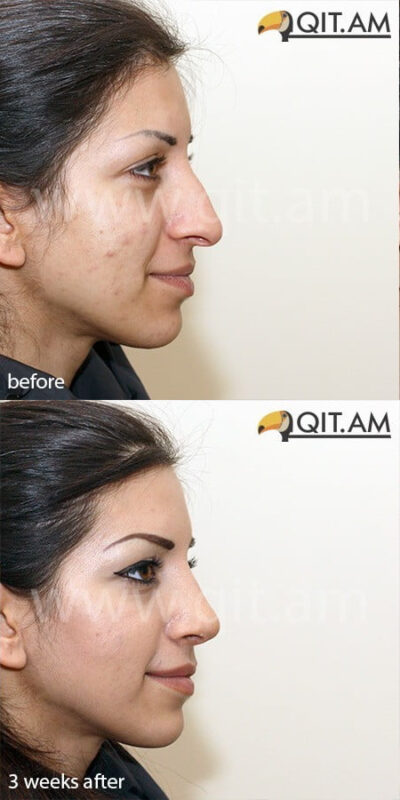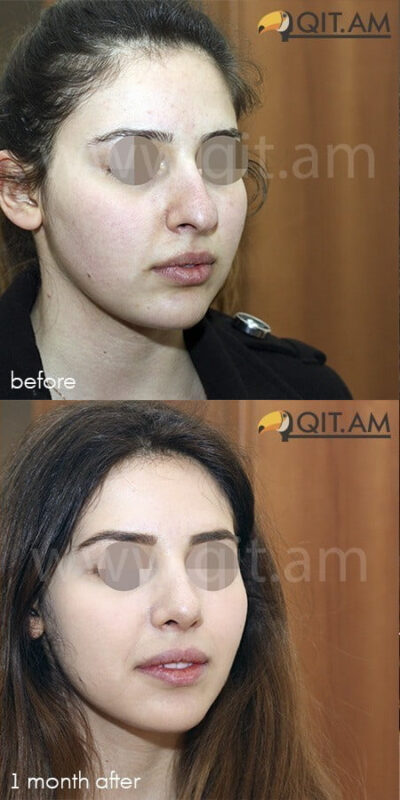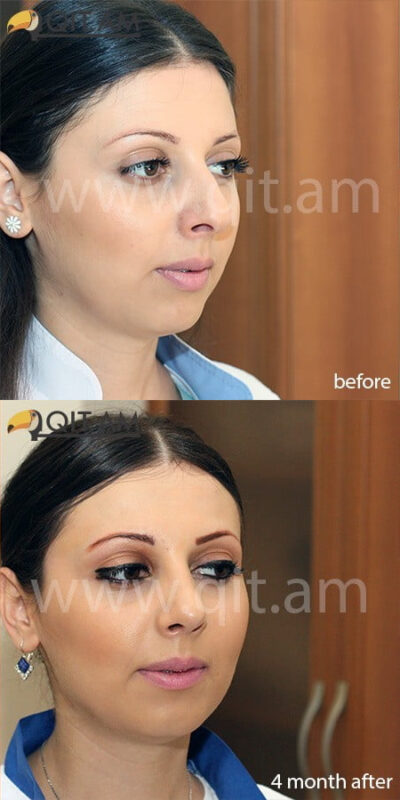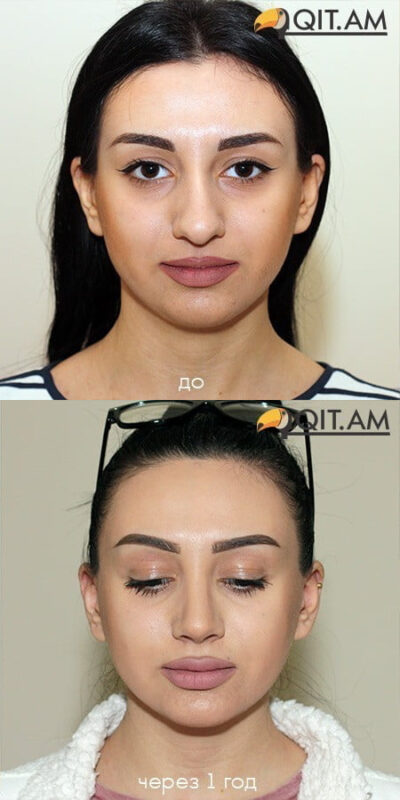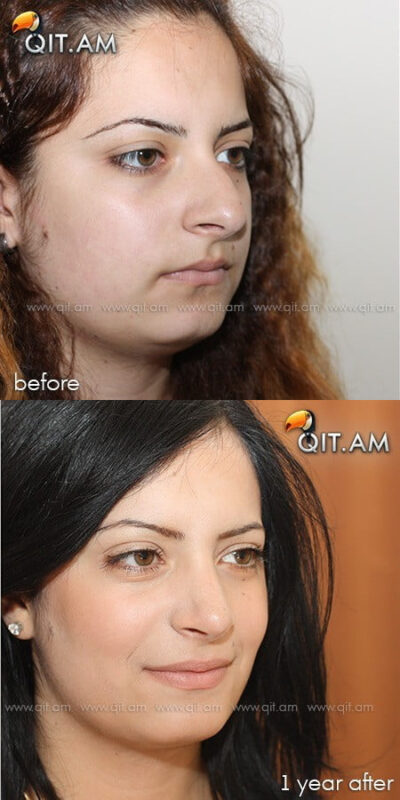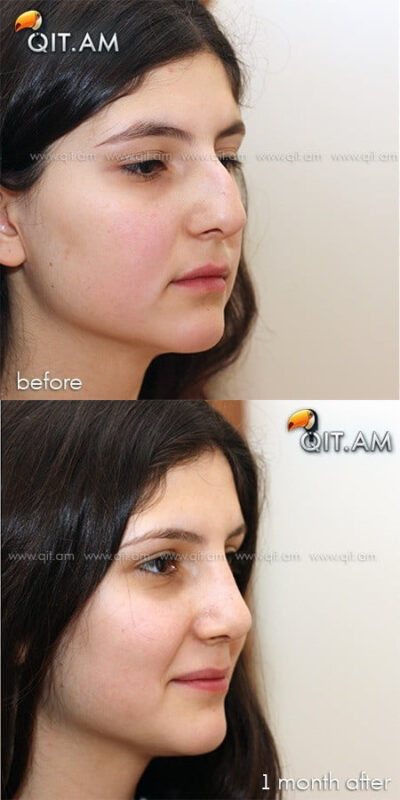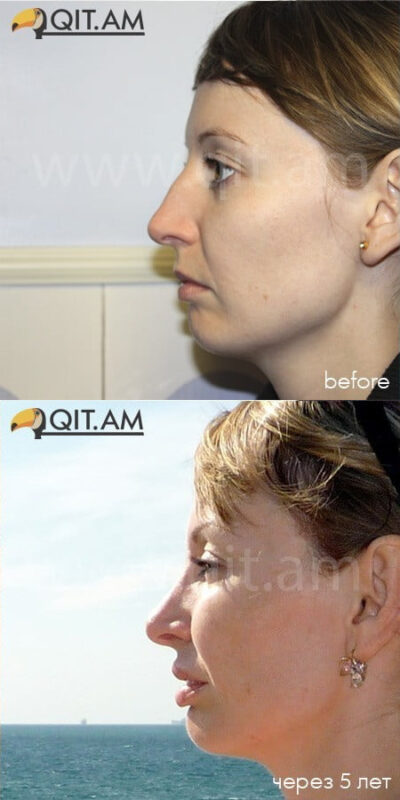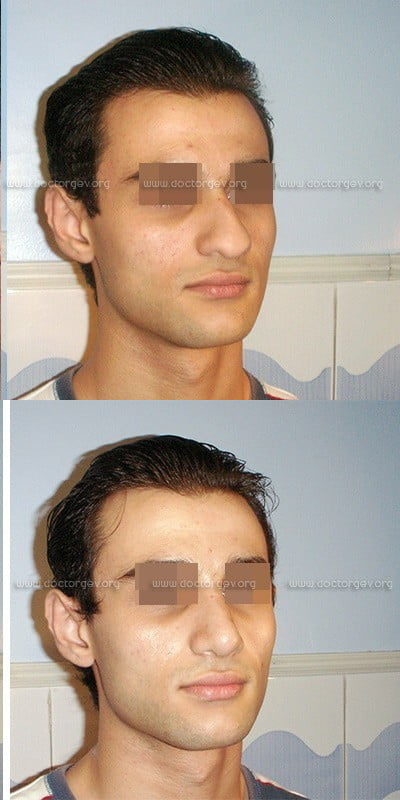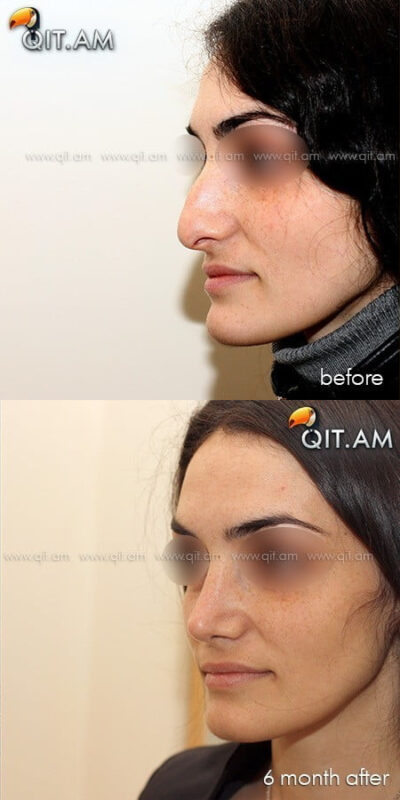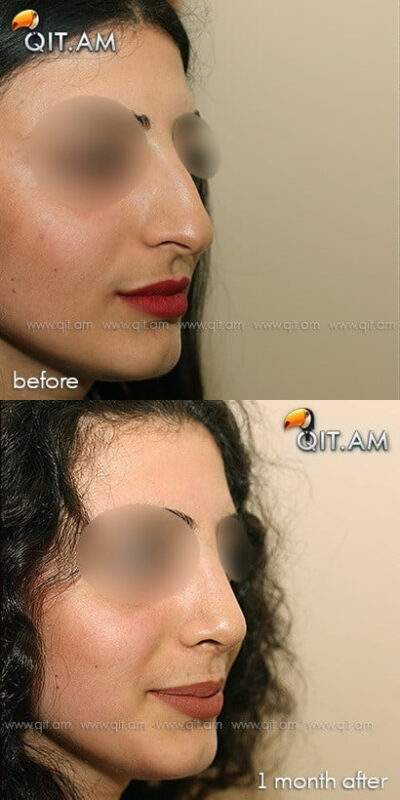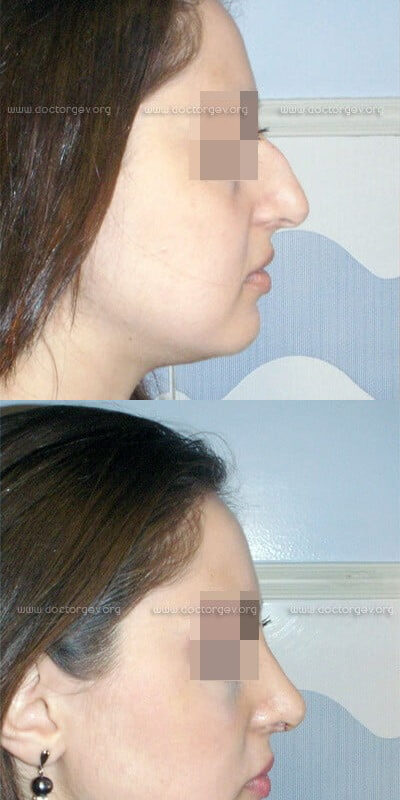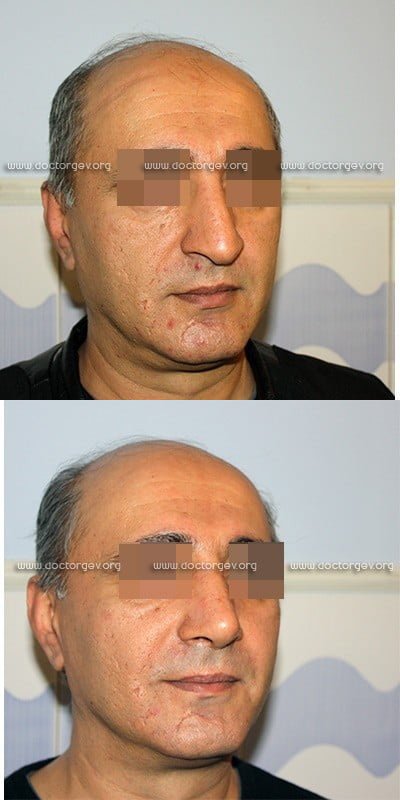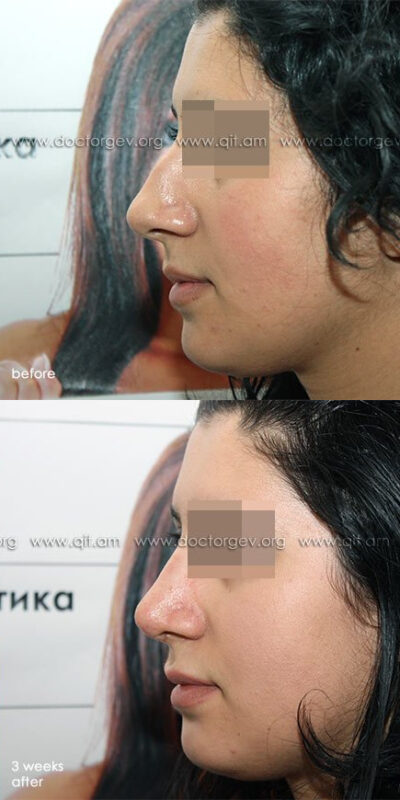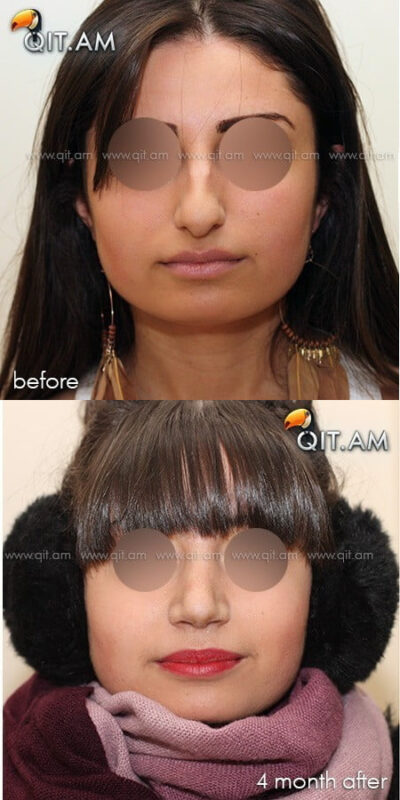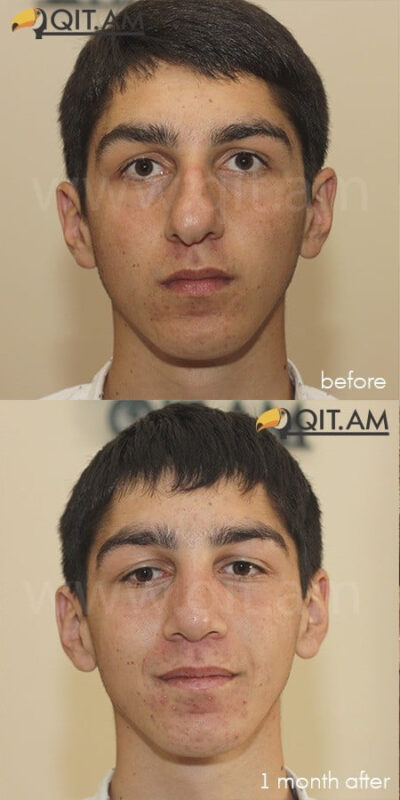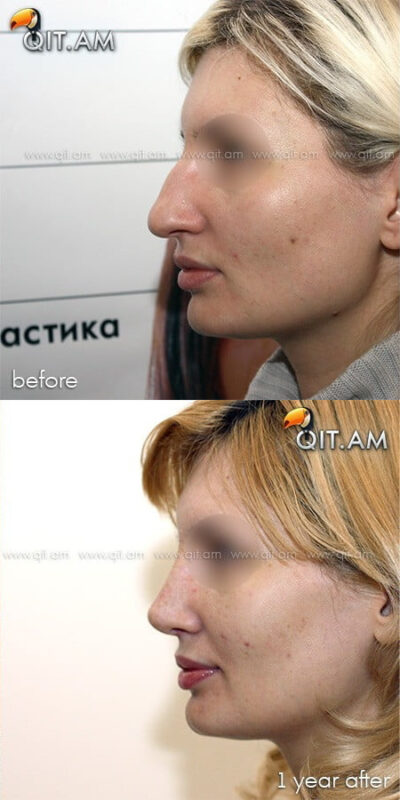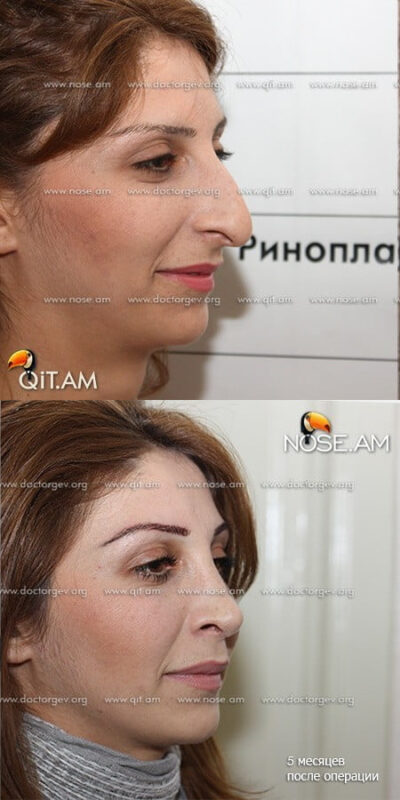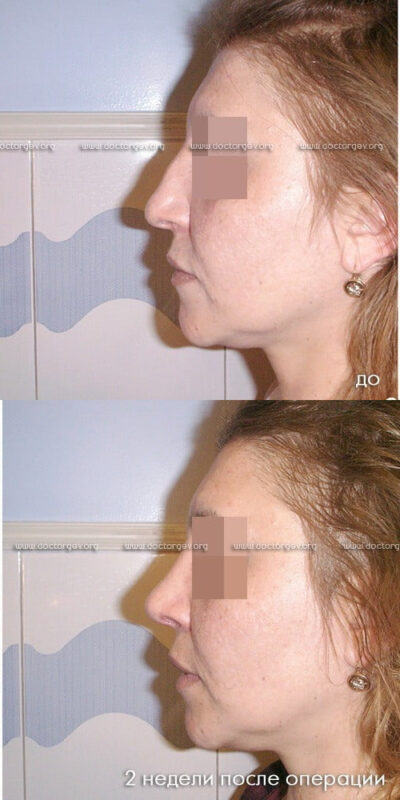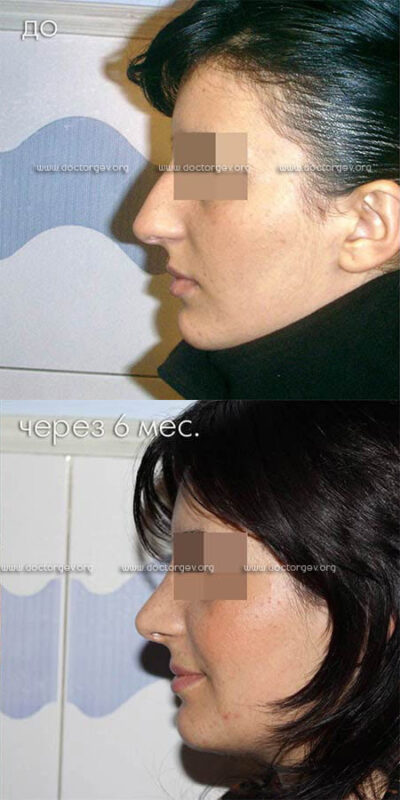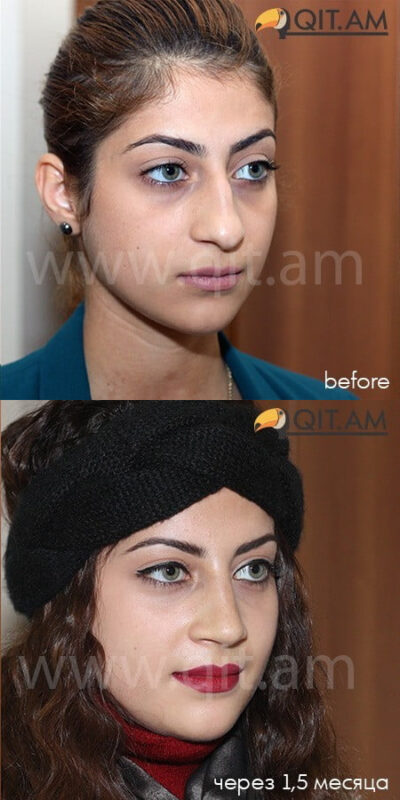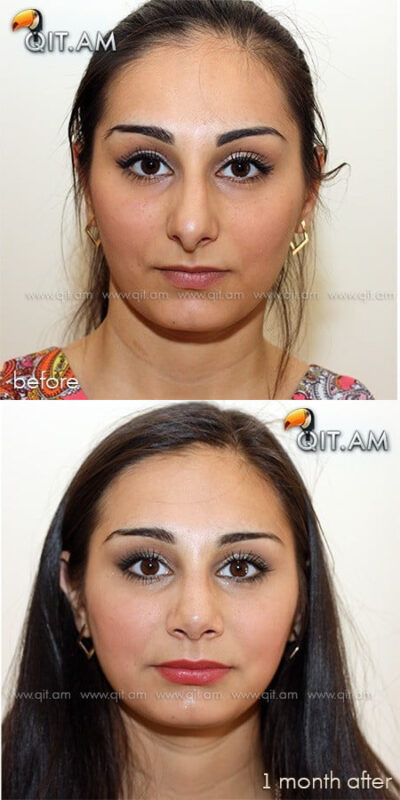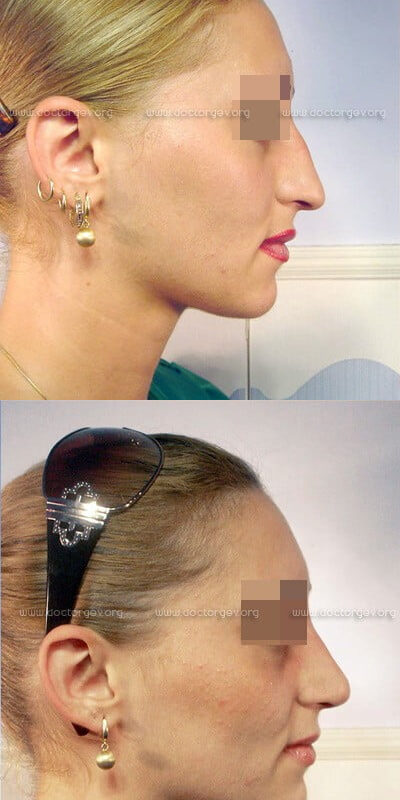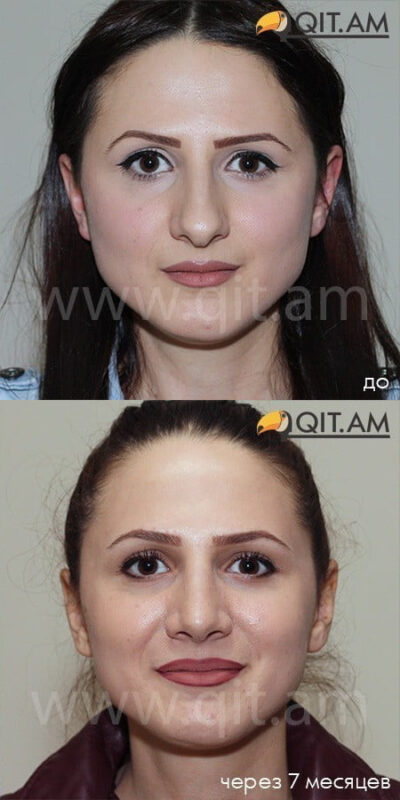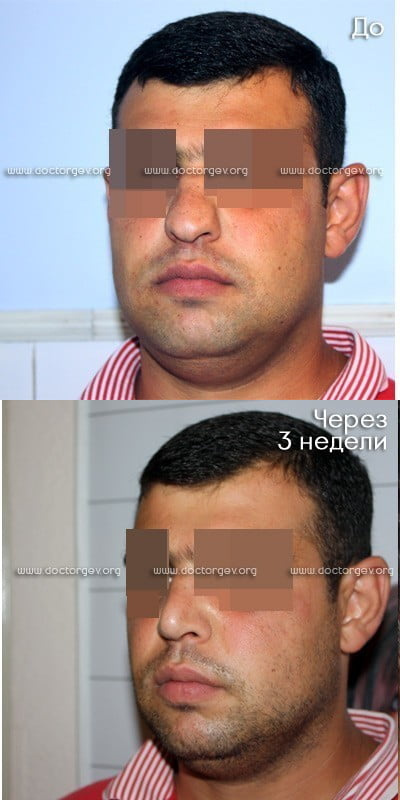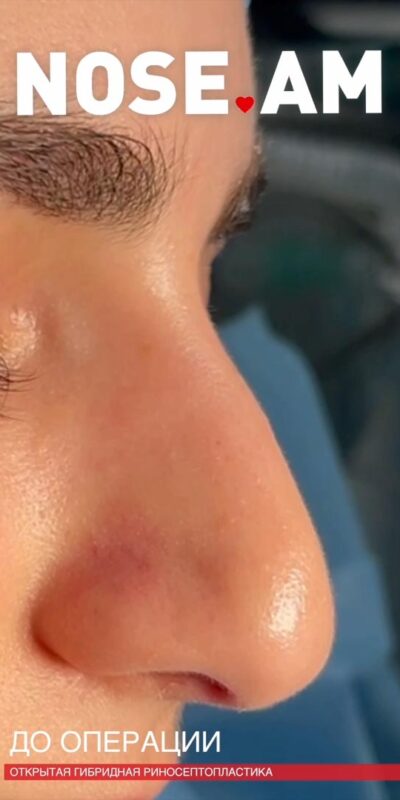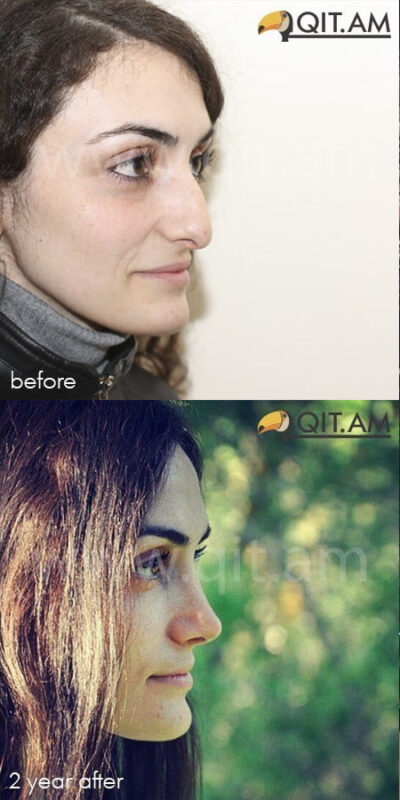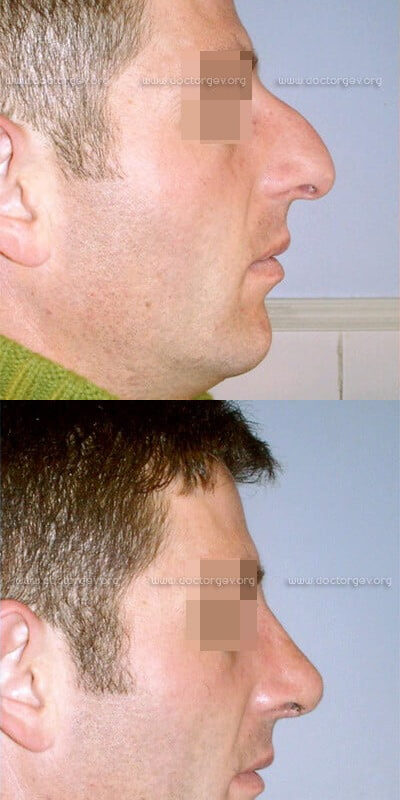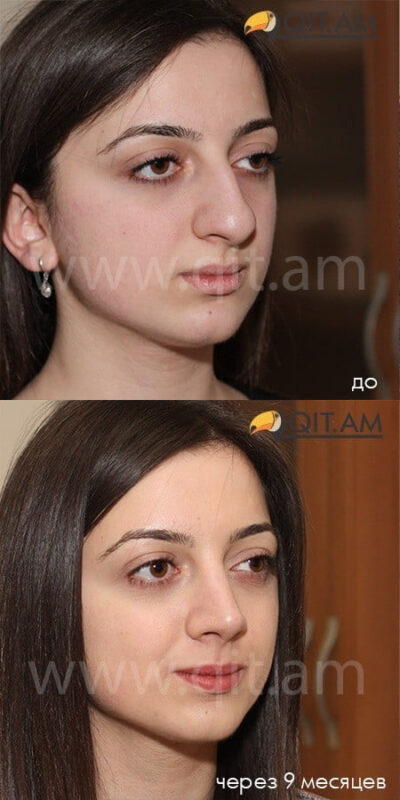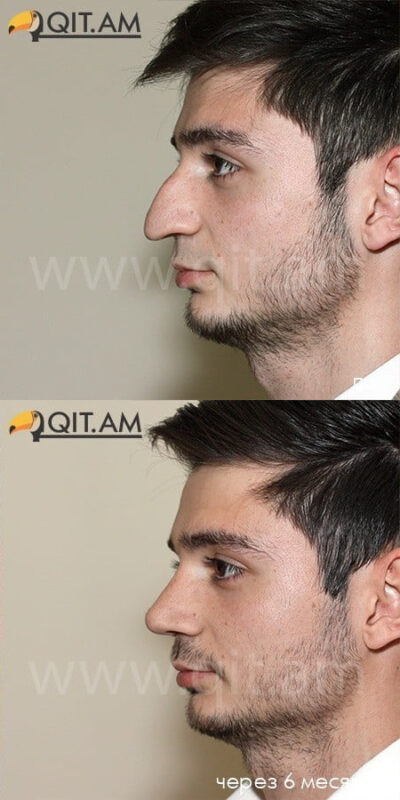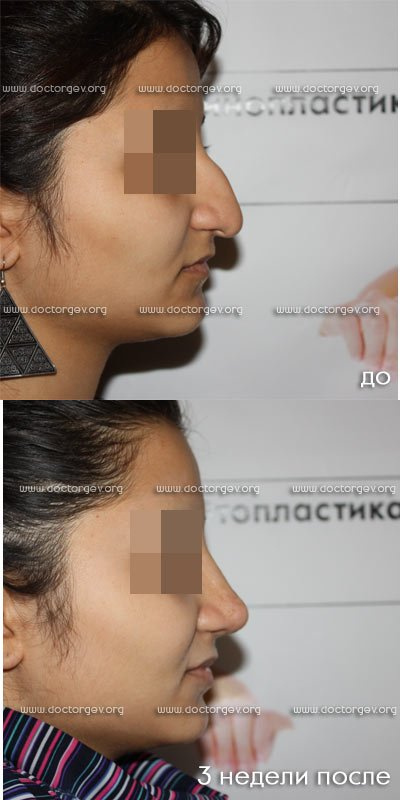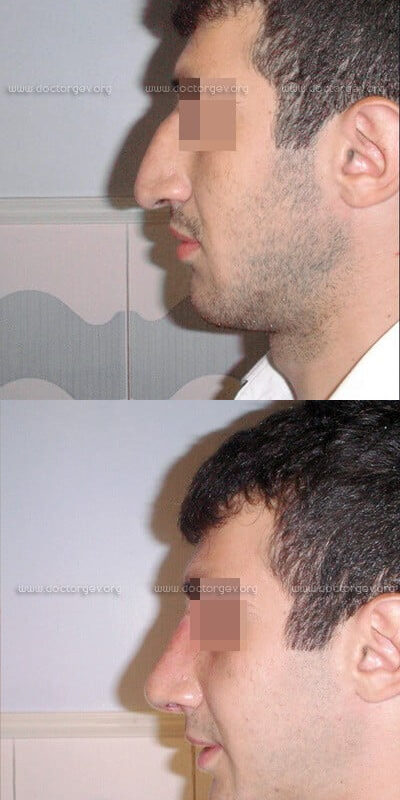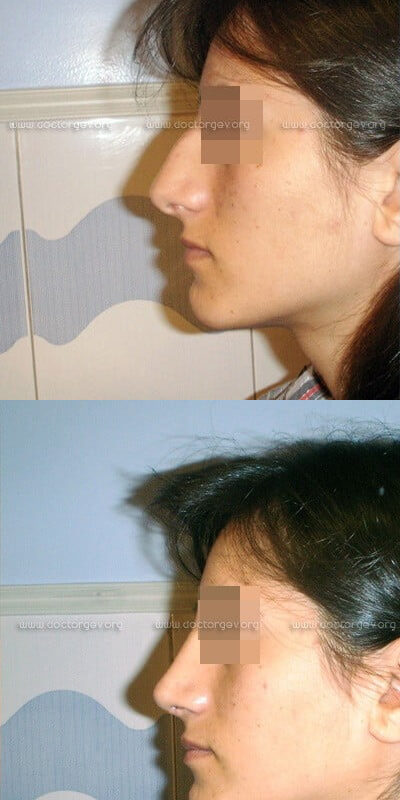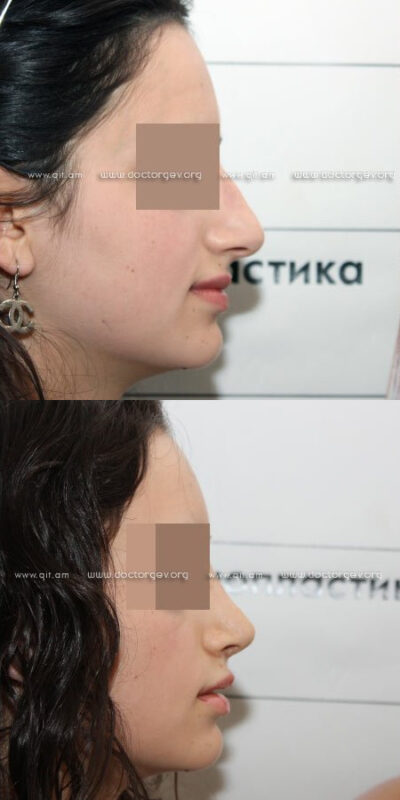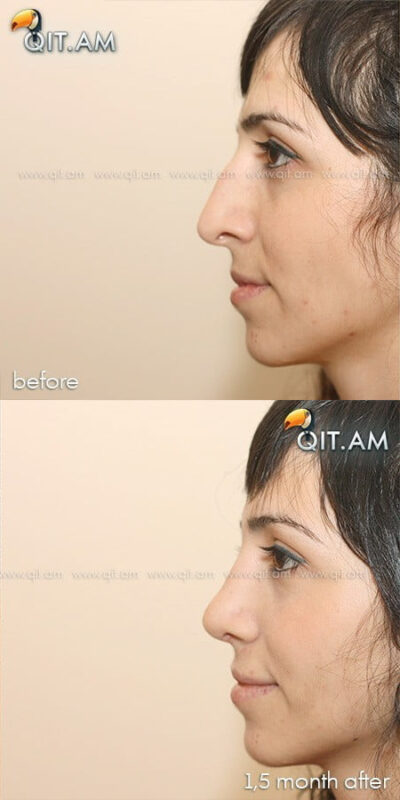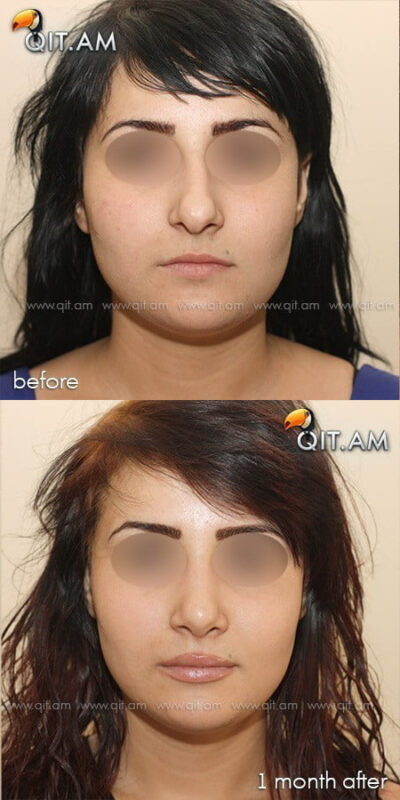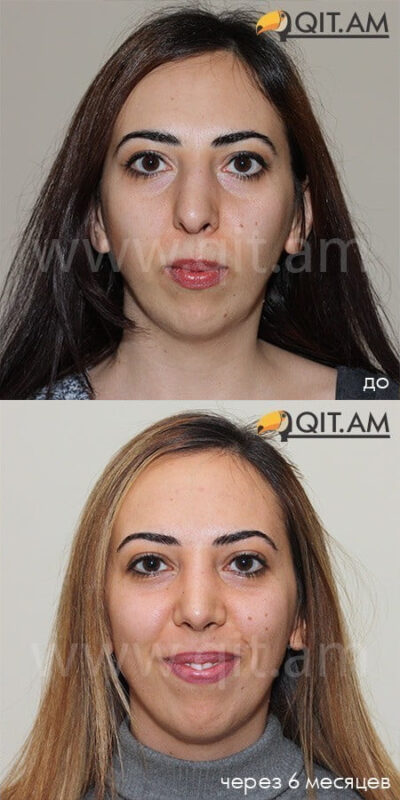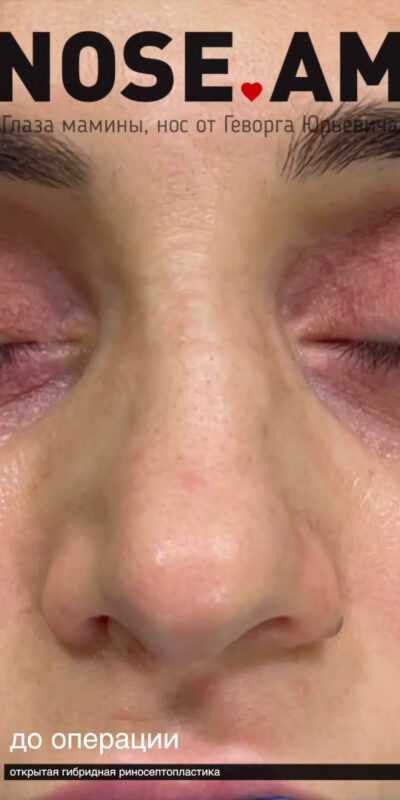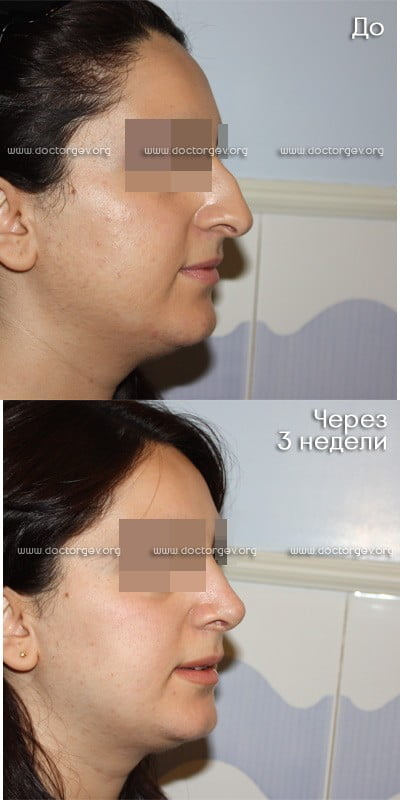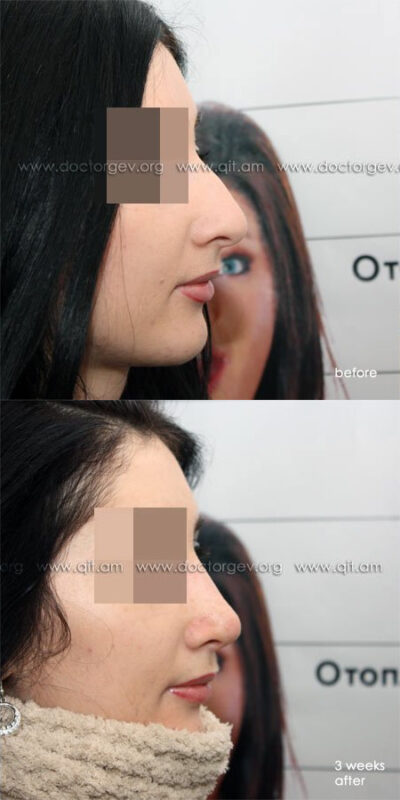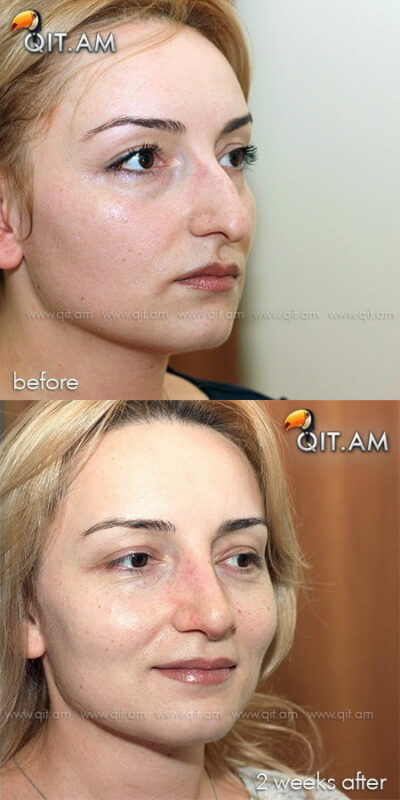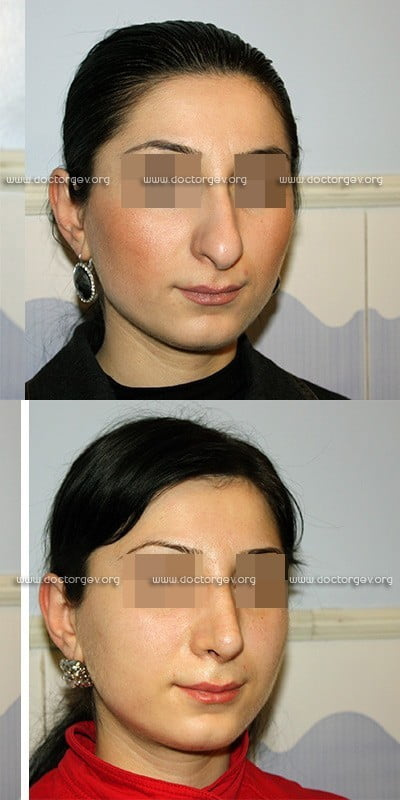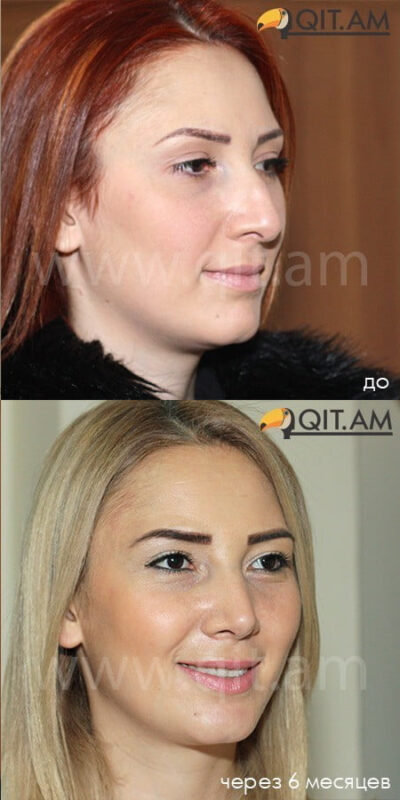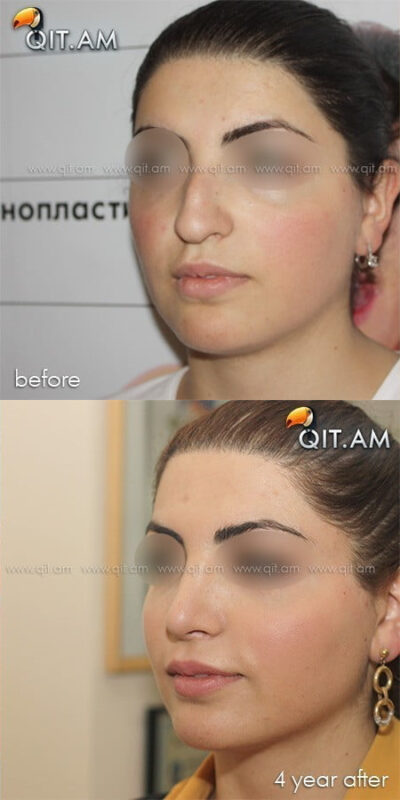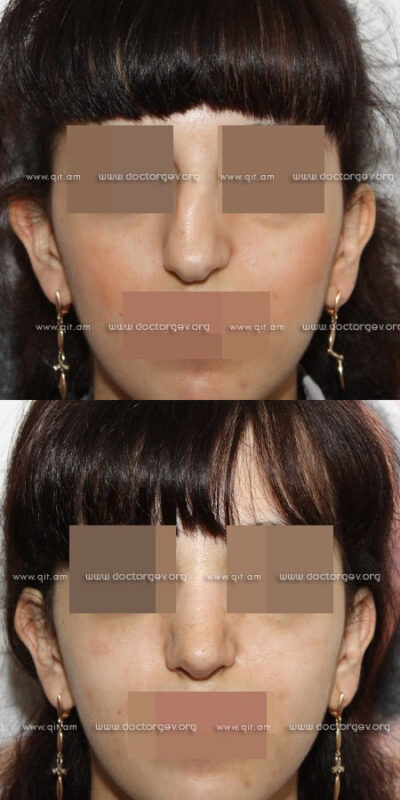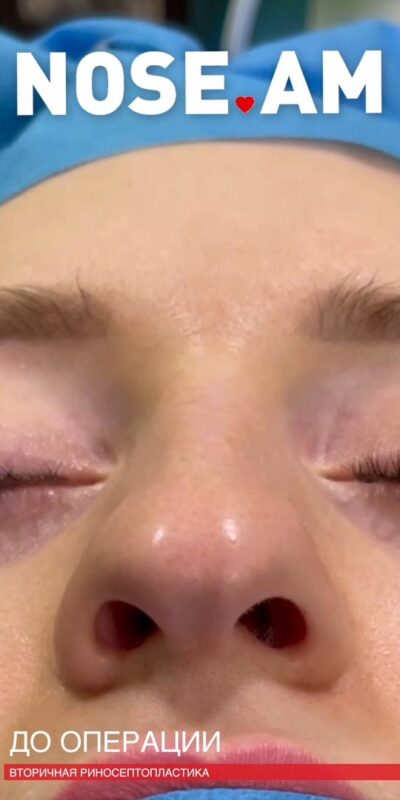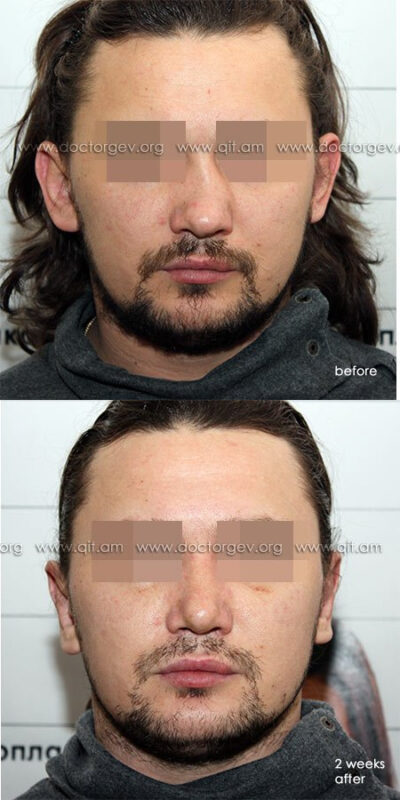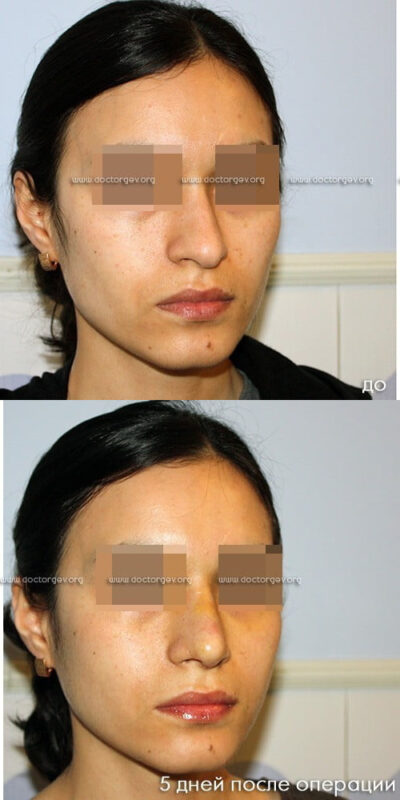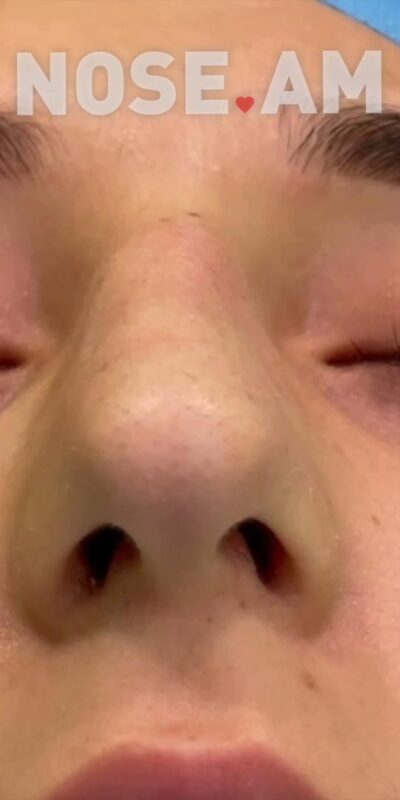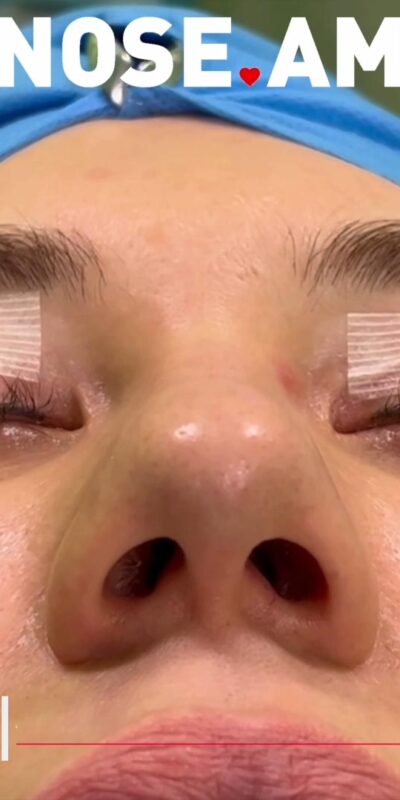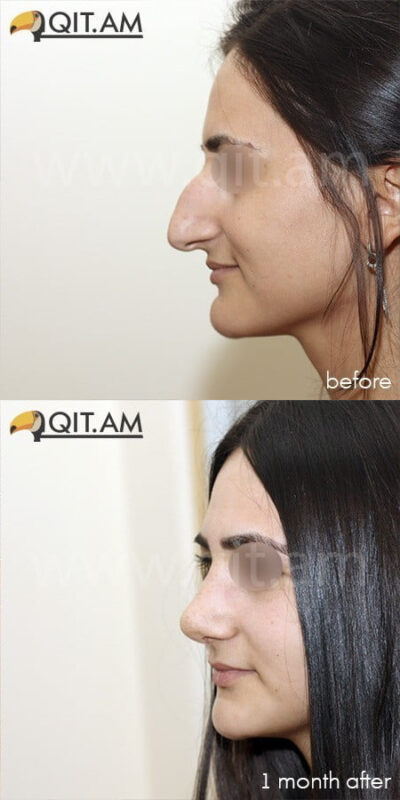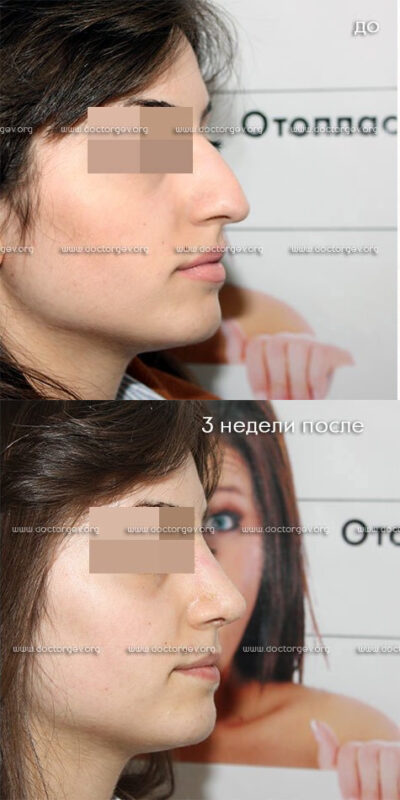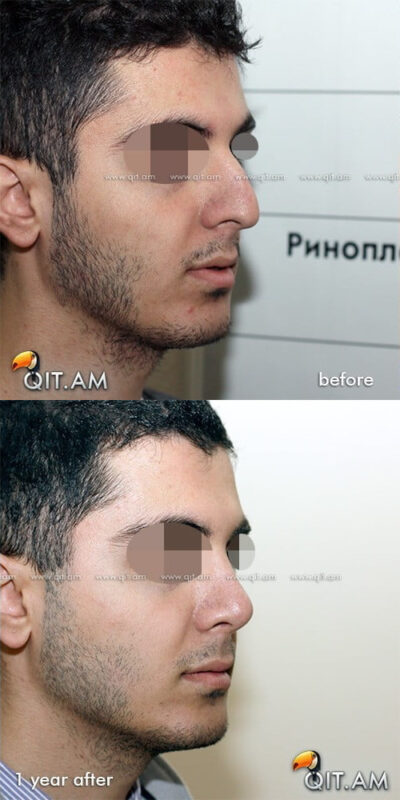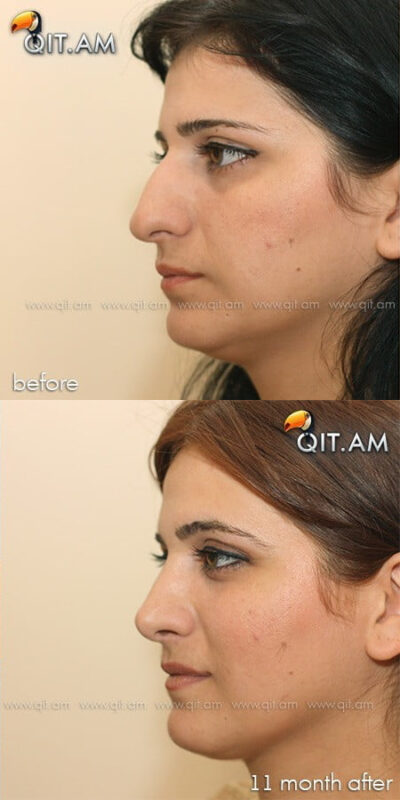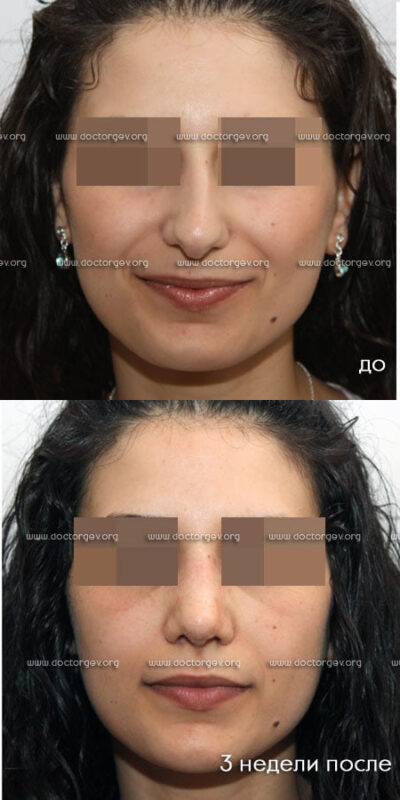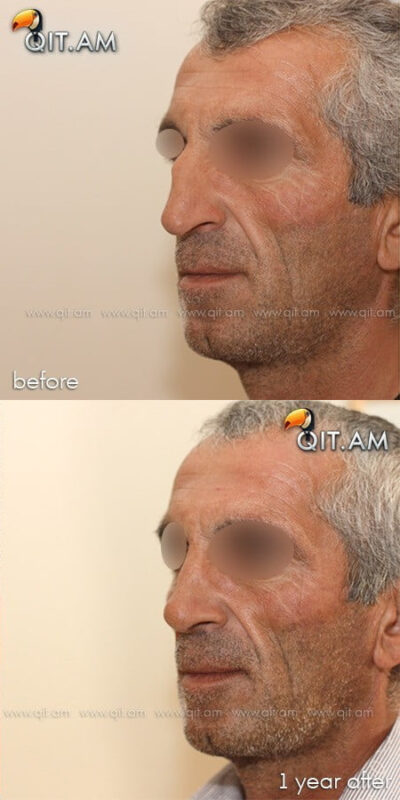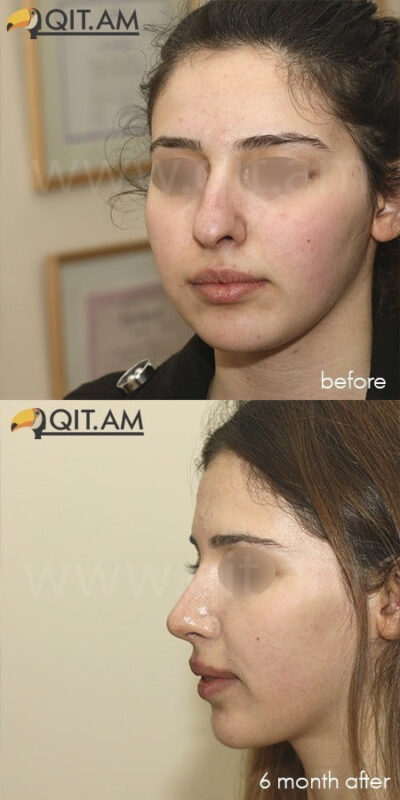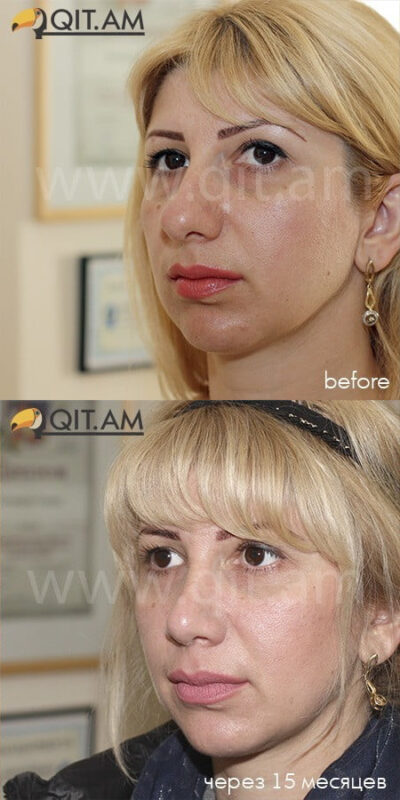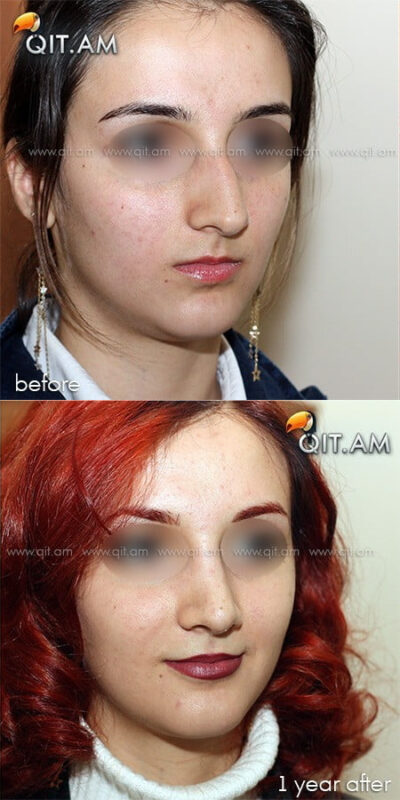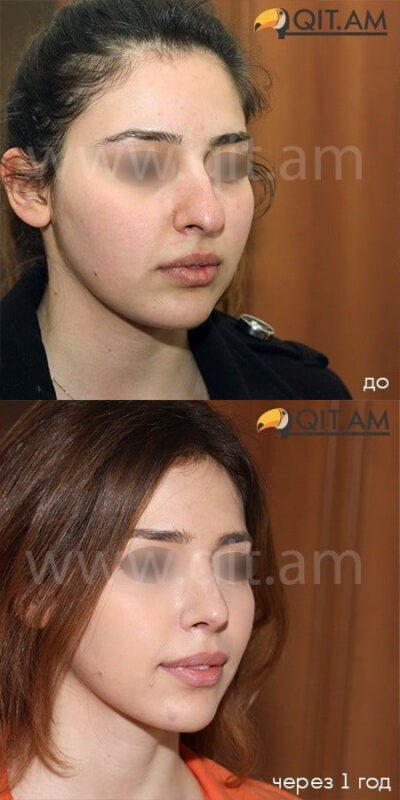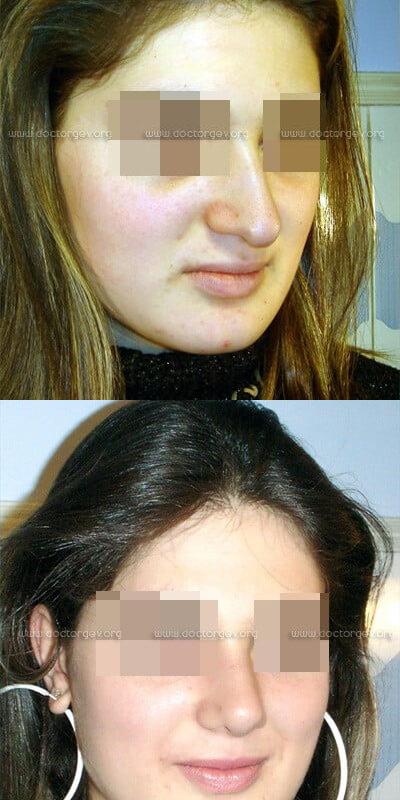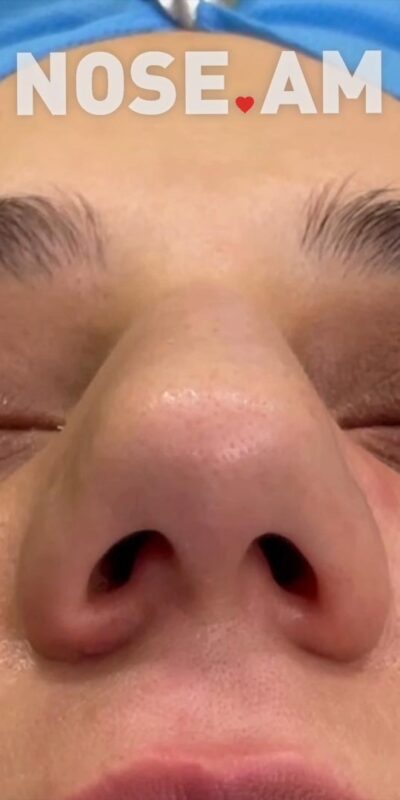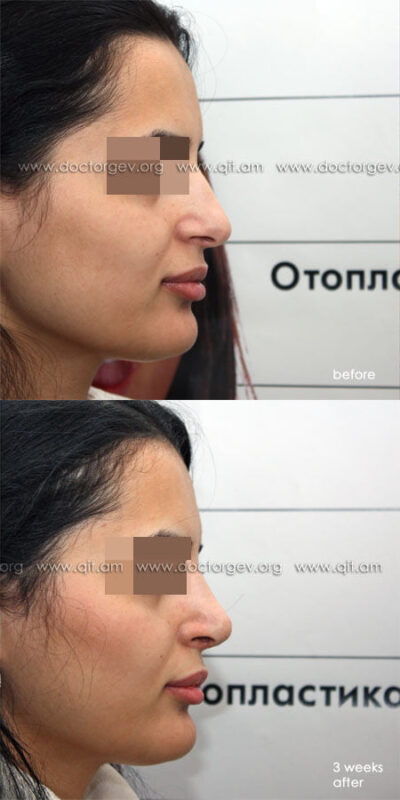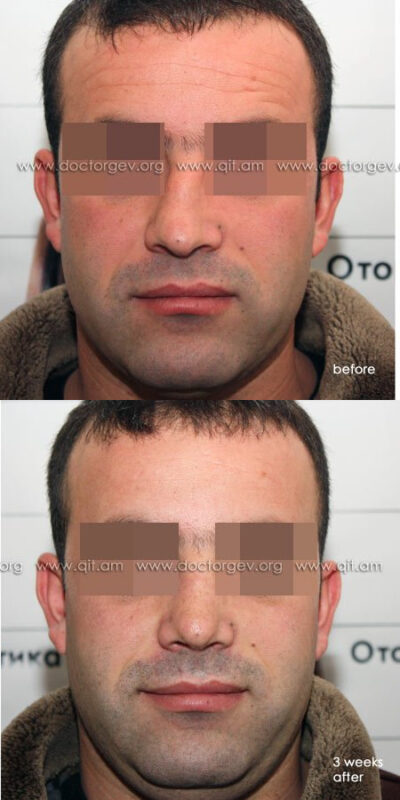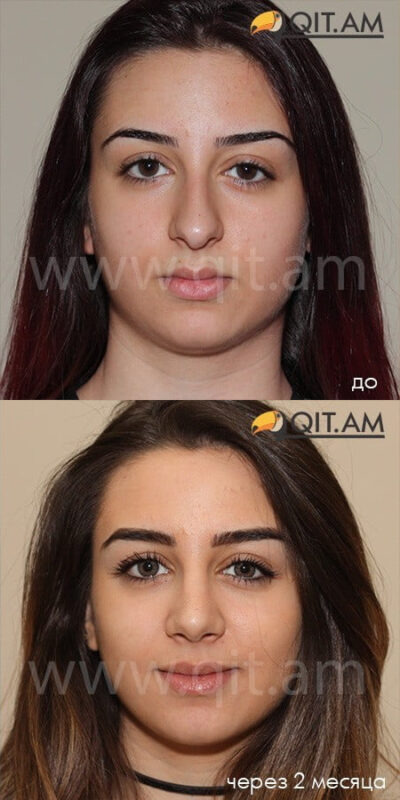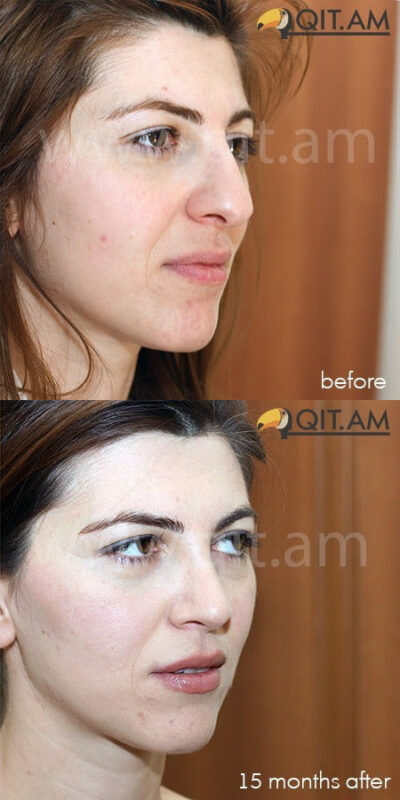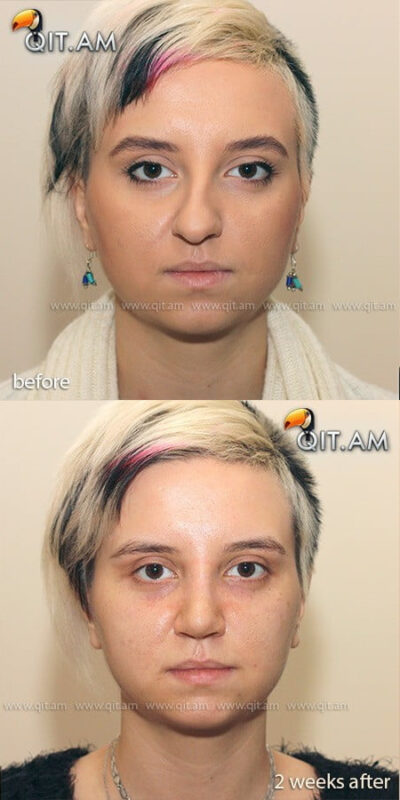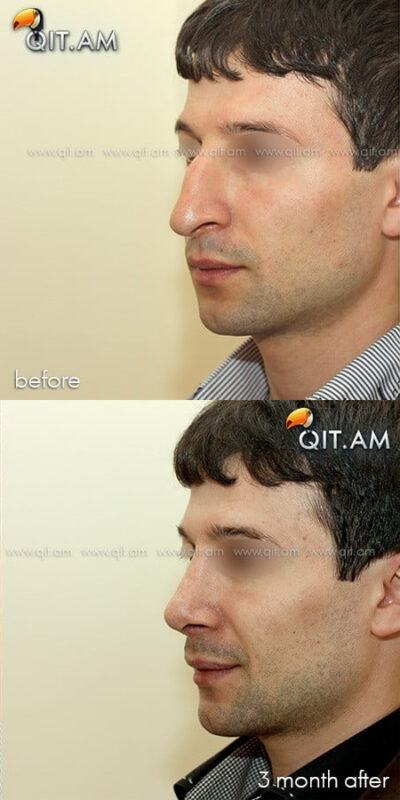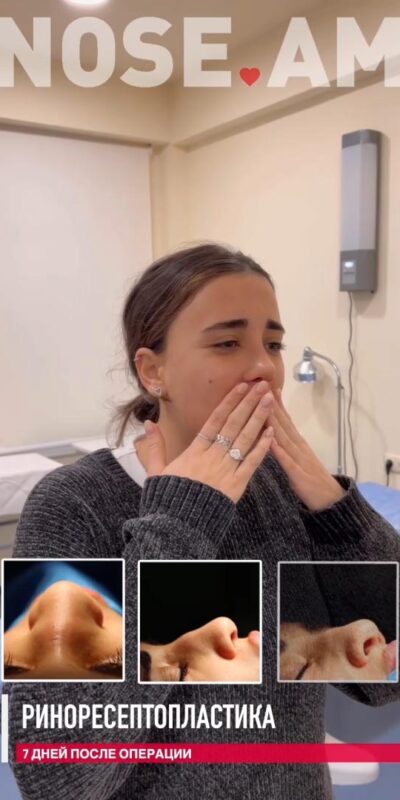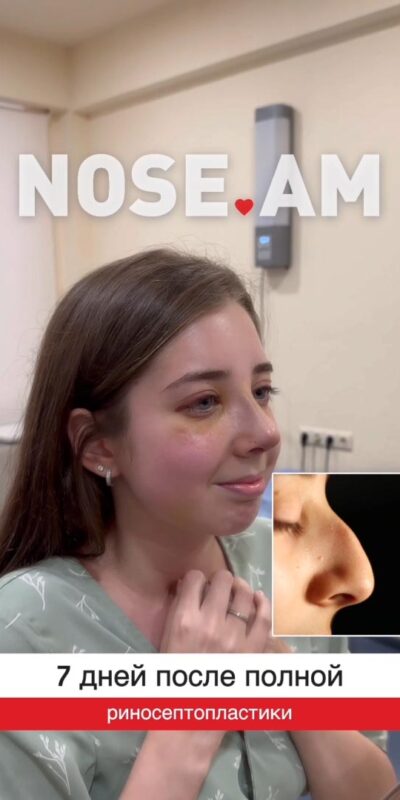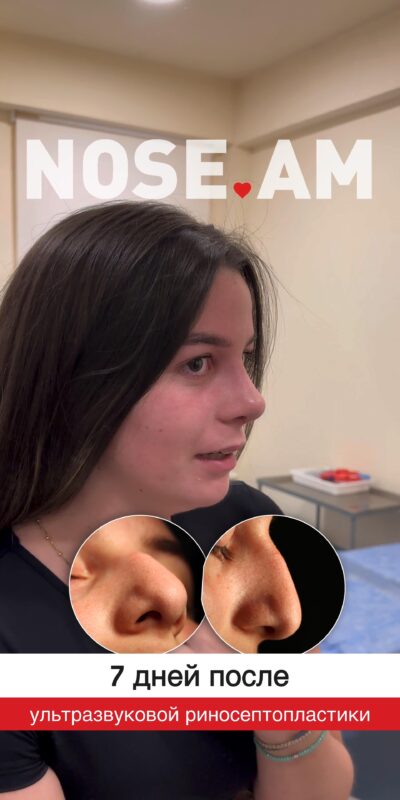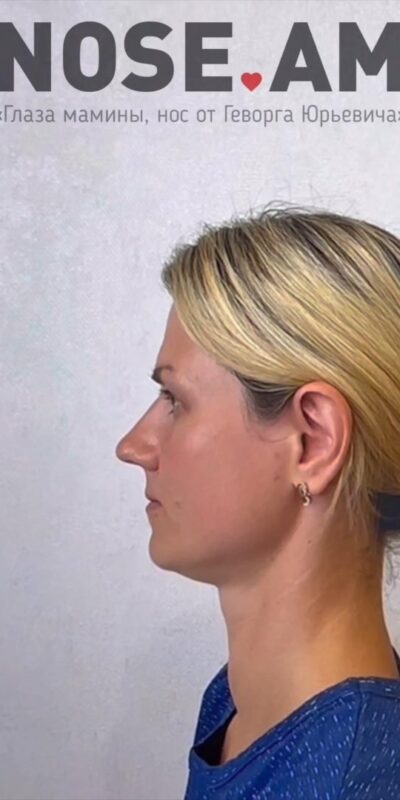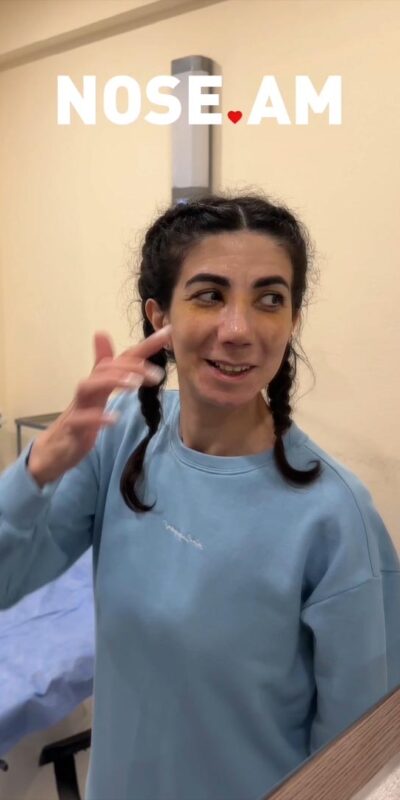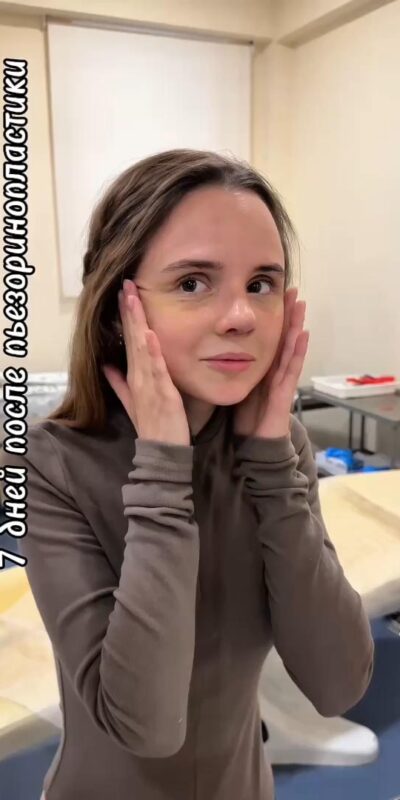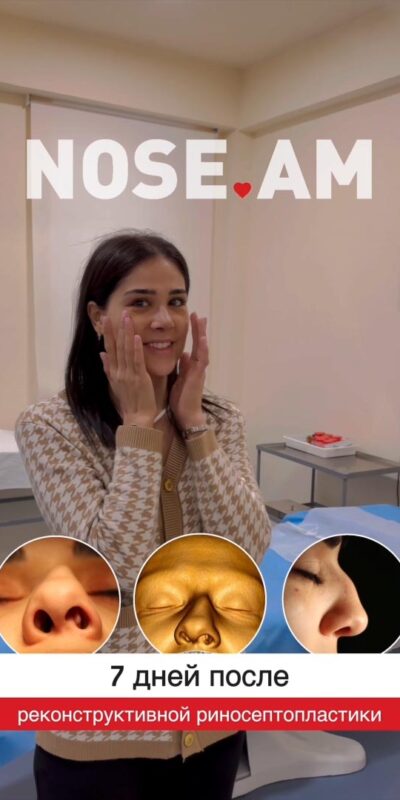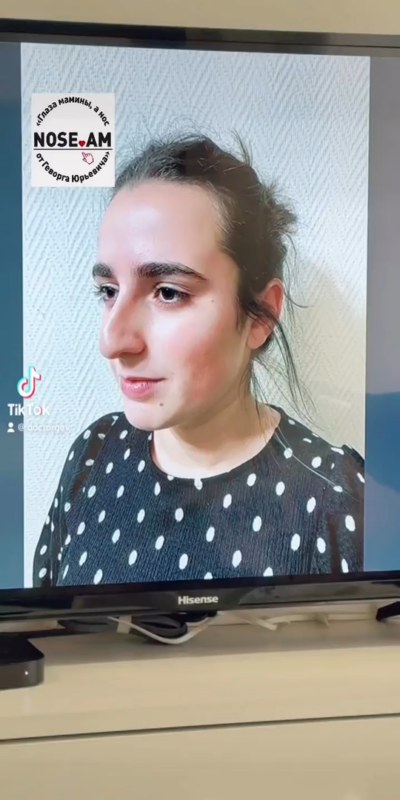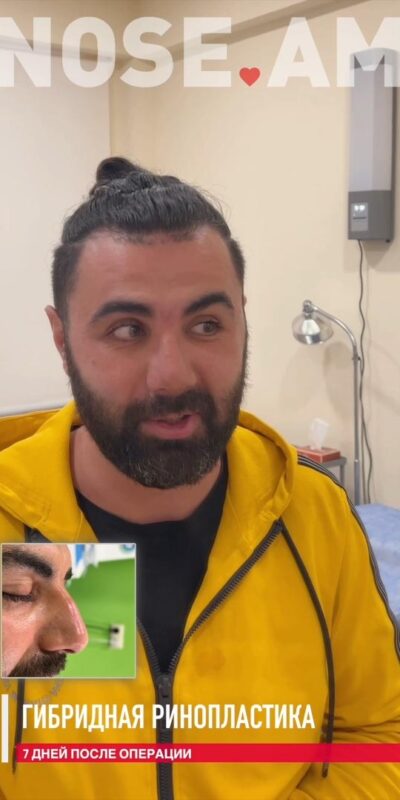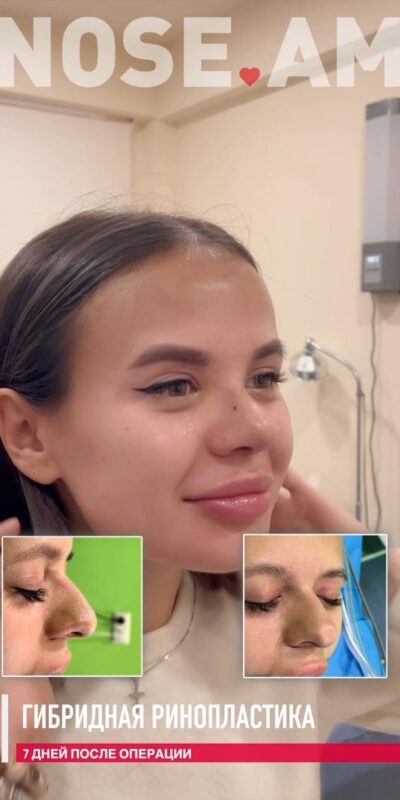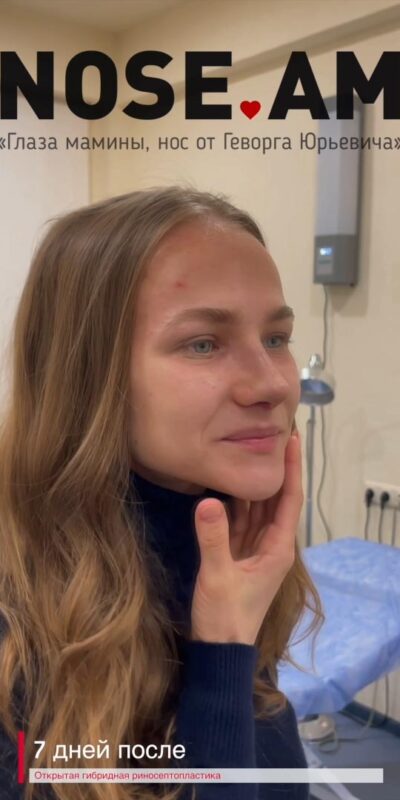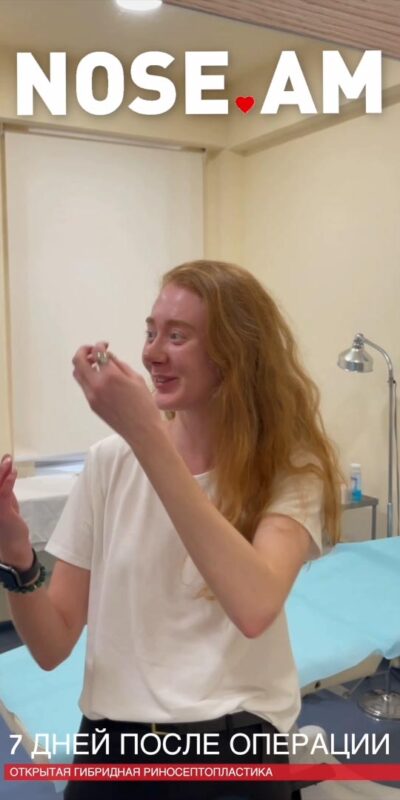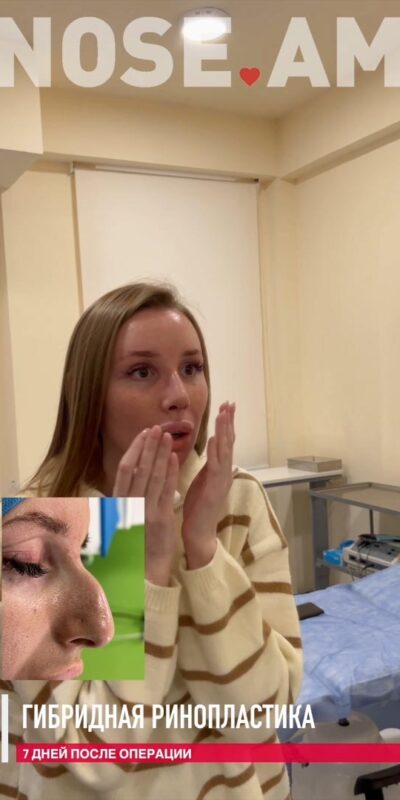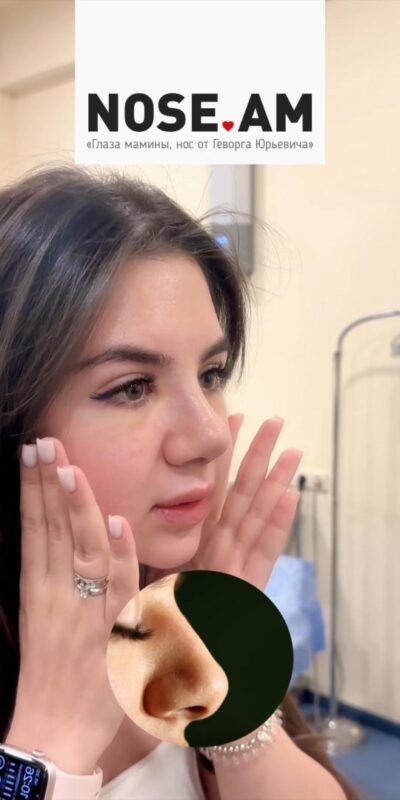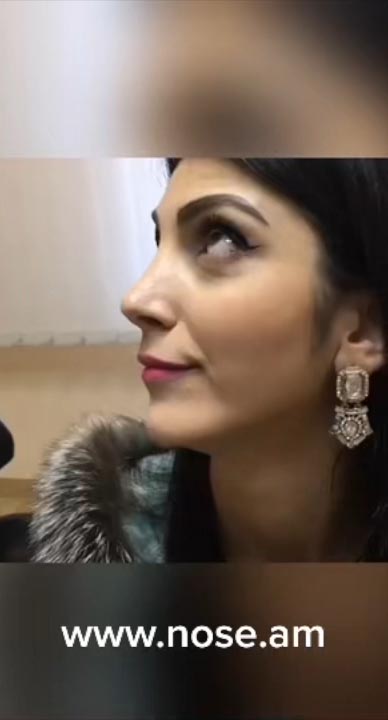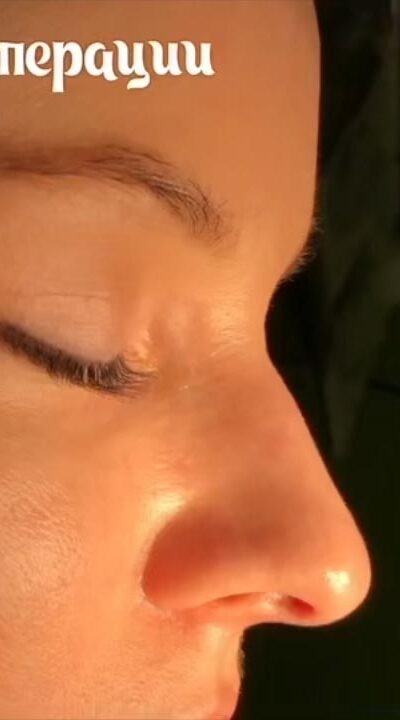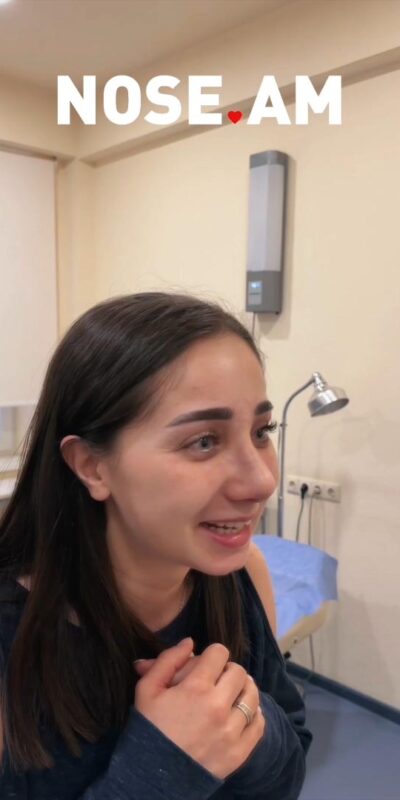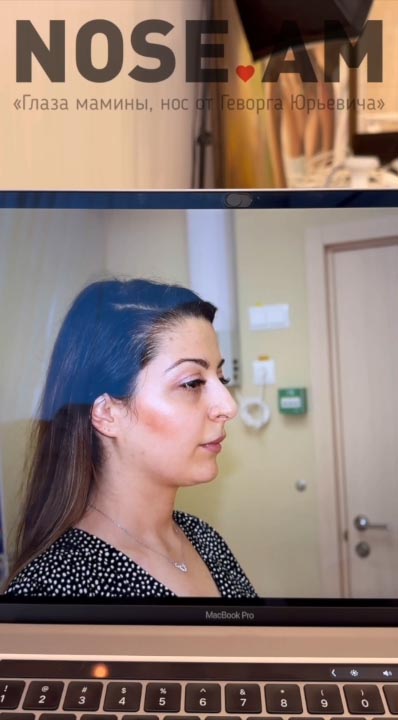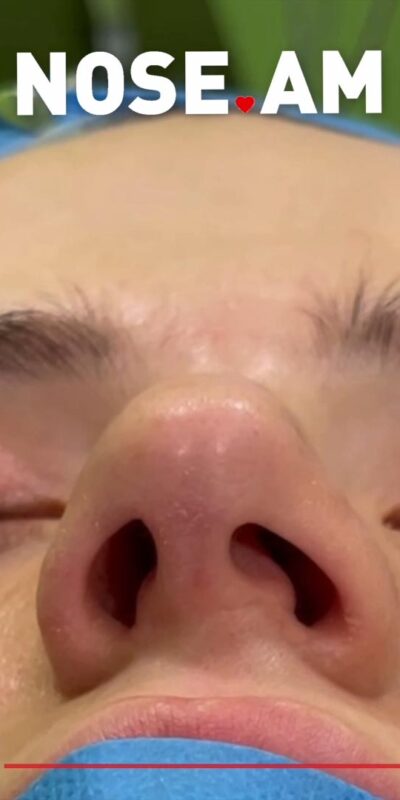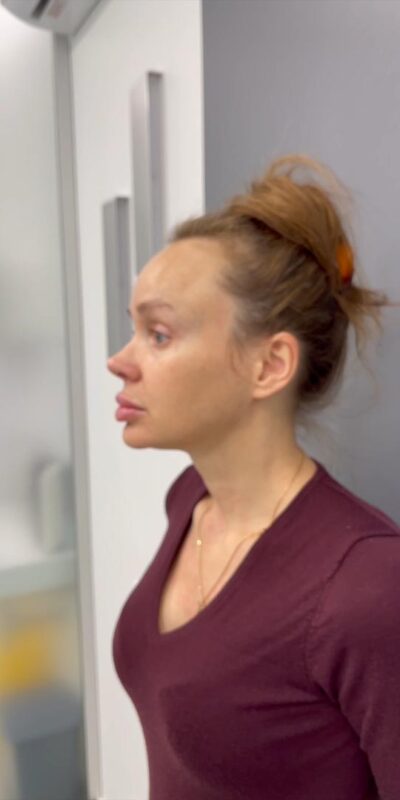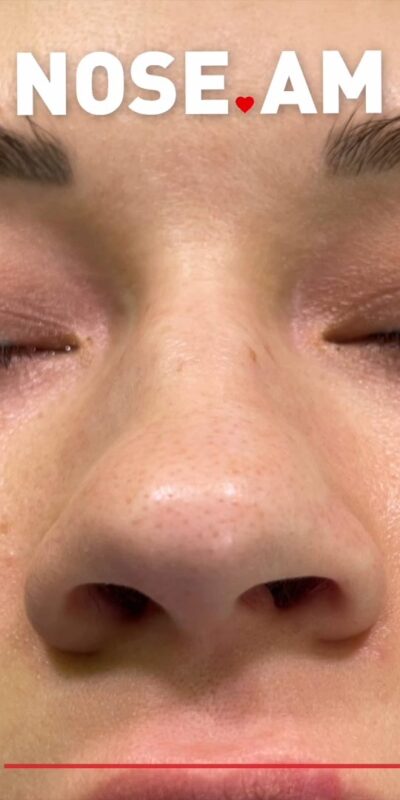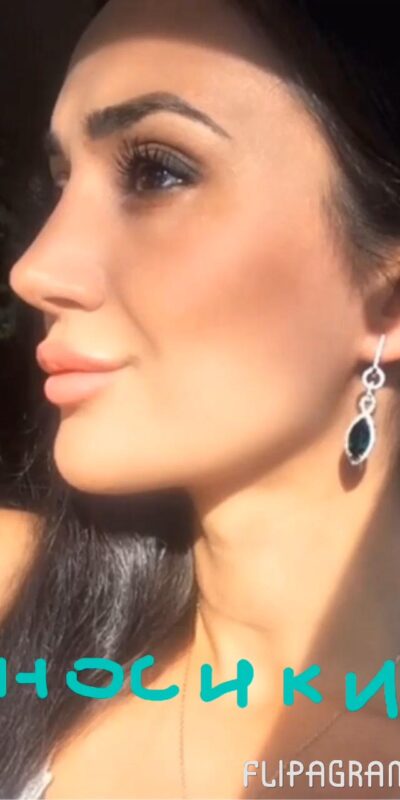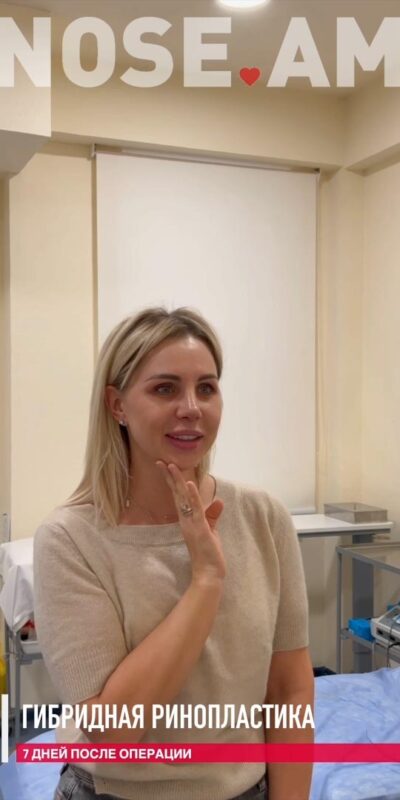

“What if the new nose looks beautiful on its own, but feels completely foreign on my face?” — this is one of the most honest and important questions a patient can ask before rhinoplasty.
And it is this very question that I consider key when planning the surgery.
Why a “beautiful nose” is not the goal
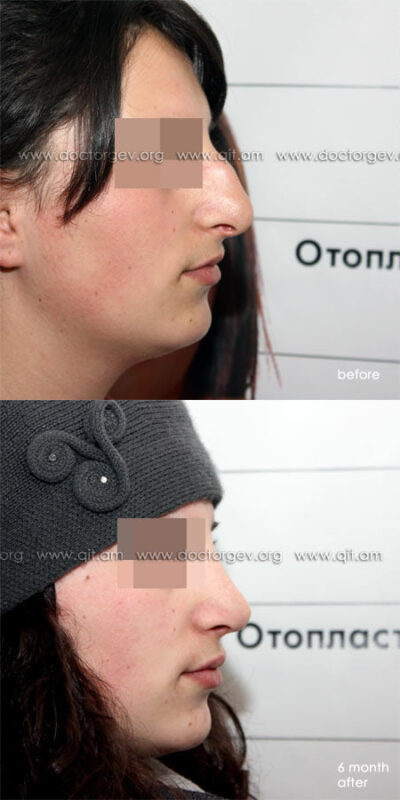
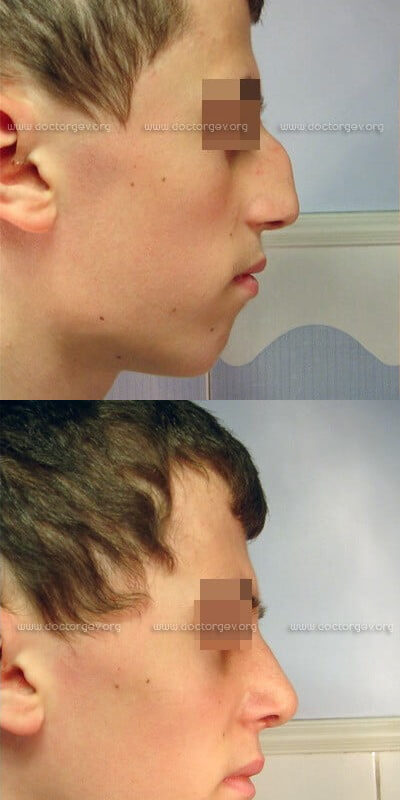
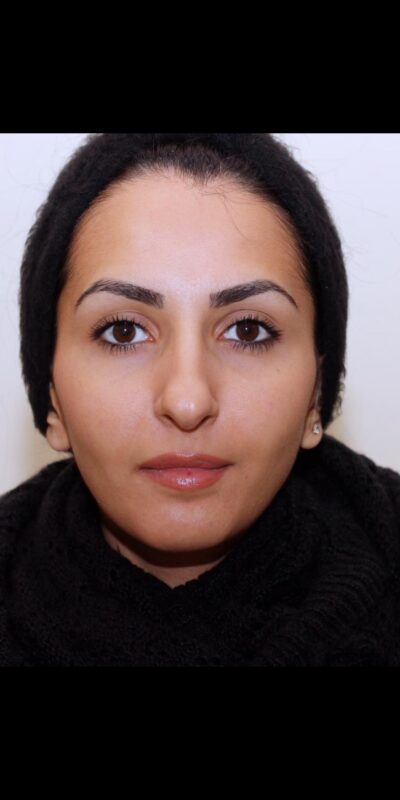
A nose that looks good on someone else’s face can look completely different on yours — if you have a different forehead, a different chin, different cheekbones. In facial aesthetic surgery, this is called facial harmony: the right nose must match the proportions of a specific face, not an abstract Instagram standard.
The classic rule of facial thirds (upper — from the hairline to the eyebrows, middle — from the eyebrows to the base of the nose, lower — from the base of the nose to the chin) helps evaluate how changes in one area will affect the perception of the entire face. A patient with a small chin and a patient with a prominent chin will experience a fundamentally different effect from the exact same hump correction.
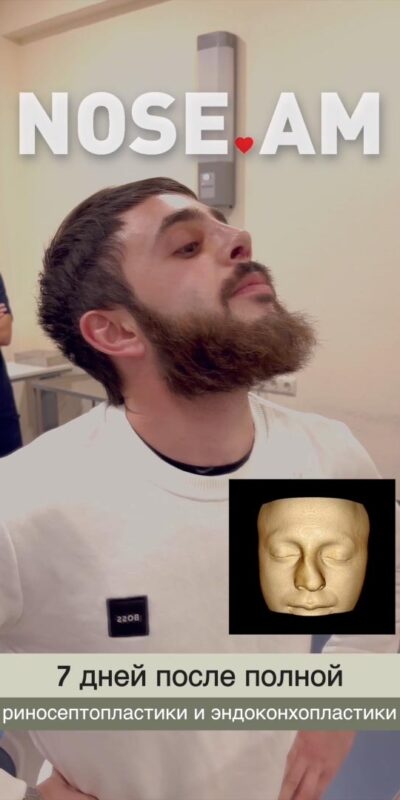
CT scan: what’s inside is more important than what’s outside
Before the surgery, I always study the results of the CT scan of the nose and paranasal sinuses. This is not a formality — it is the foundation for planning.
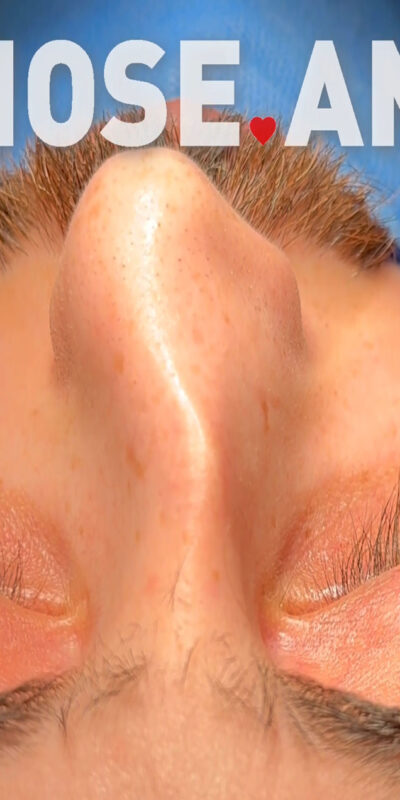
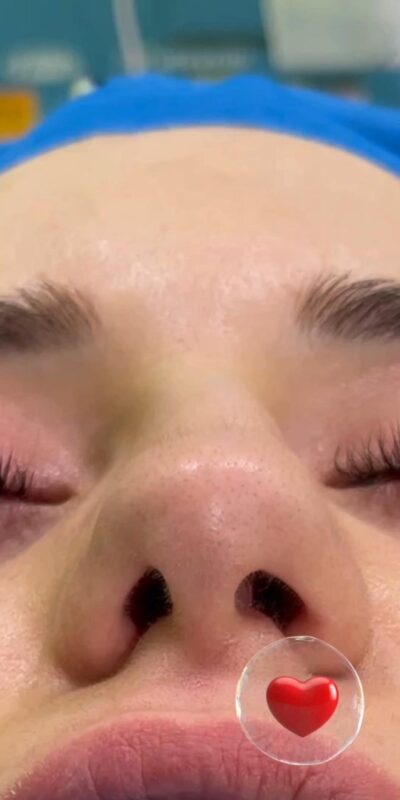
A CT scan shows what cannot be evaluated during an external examination or from a photograph: the condition of the septum and its deviation, the position of the inferior turbinates, the shape of the cartilaginous framework, the asymmetry of bone structures, and the consequences of previous injuries or surgeries. All of this directly affects what can realistically be done and how the final result will look.
Sometimes a patient wants a nose that is significantly thinner or higher — but anatomy does not allow it: the skin is too thick, the cartilages are weak, or the nasal support is insufficient. Discussing this honestly and beforehand is my duty.
Computer modeling: what it provides and what it doesn’t promise
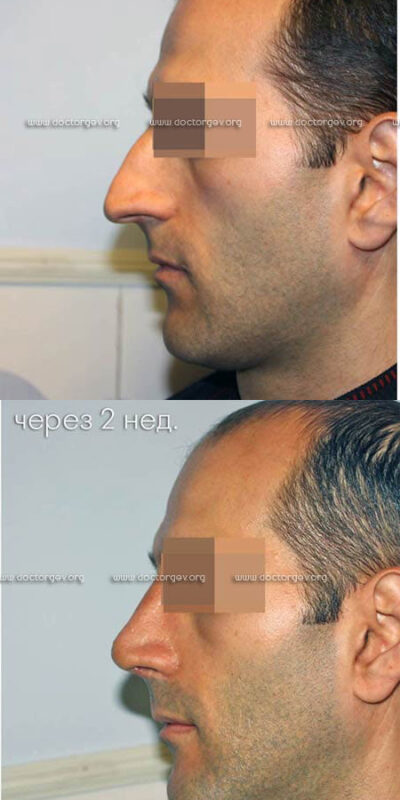
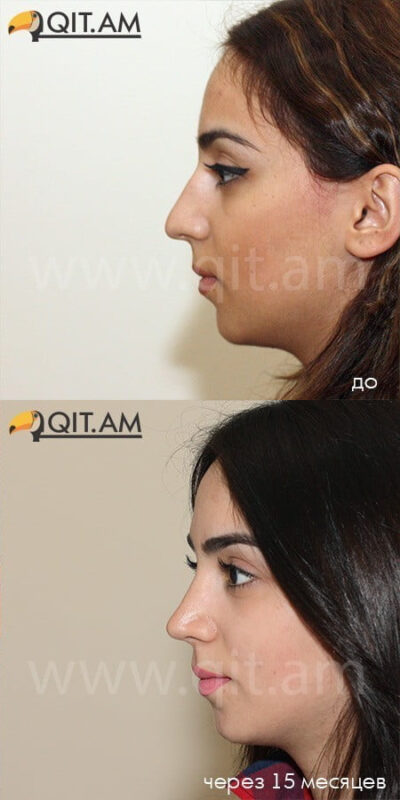
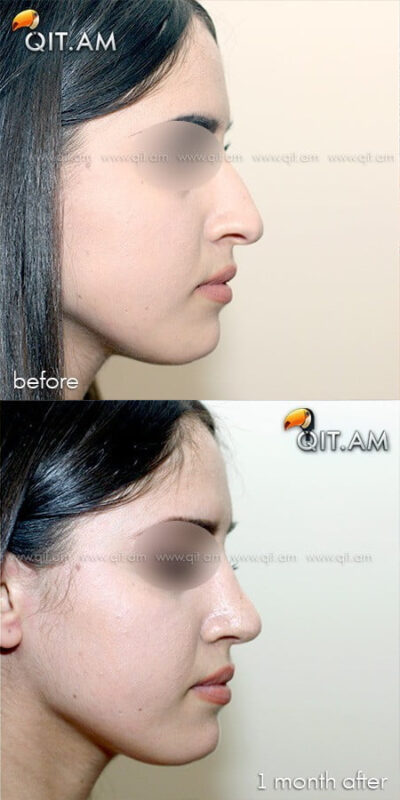
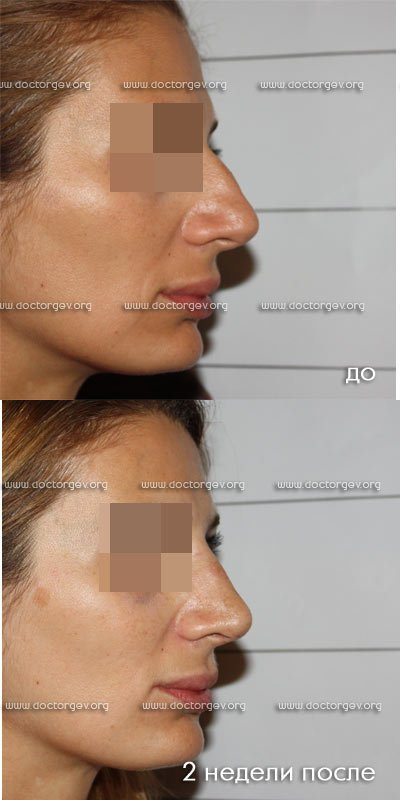
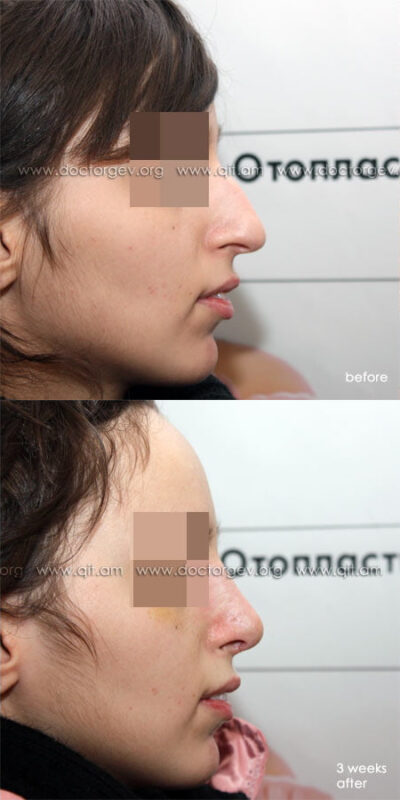
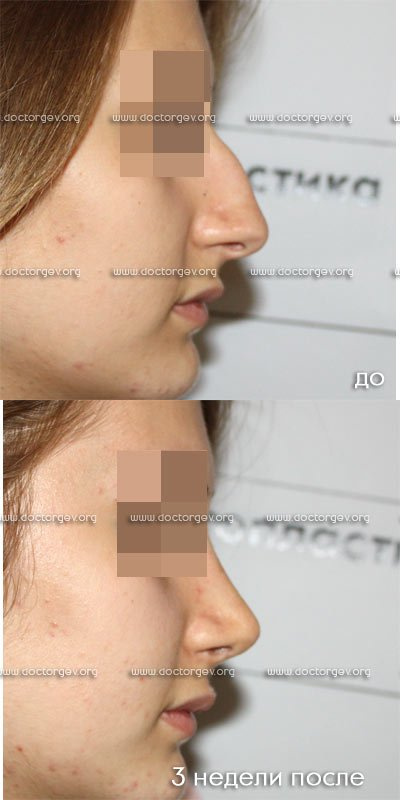
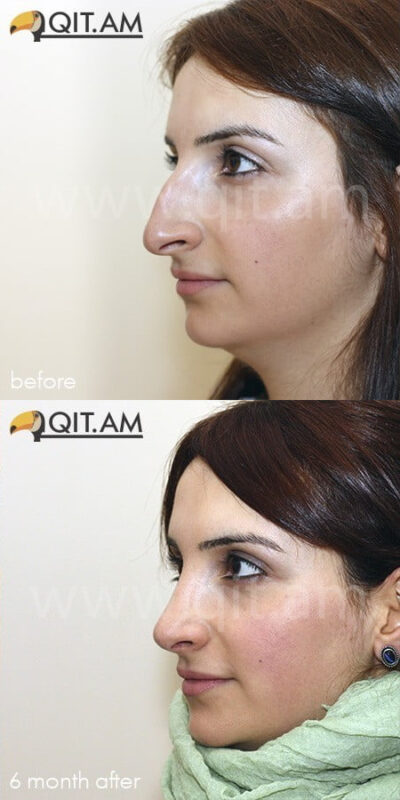
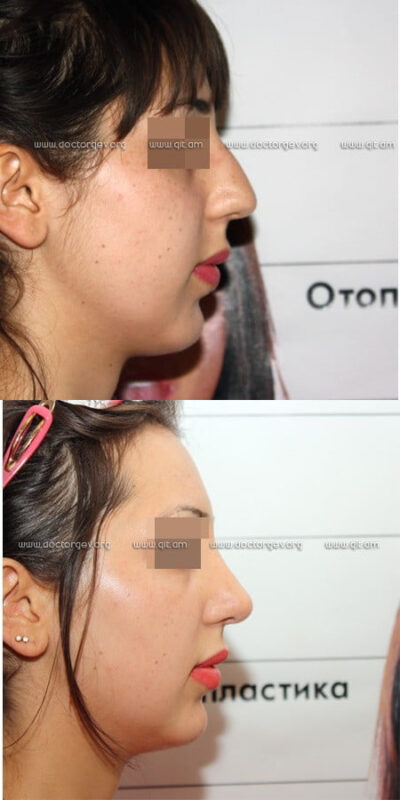
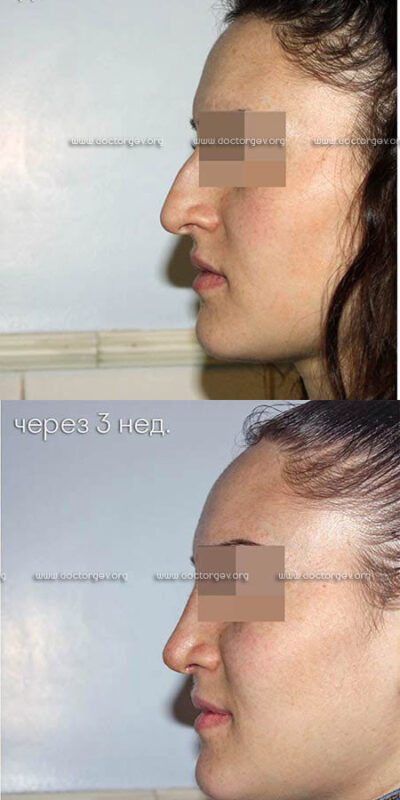
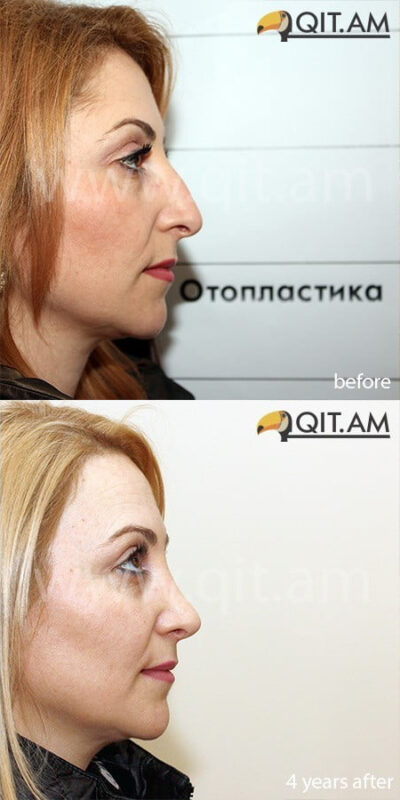
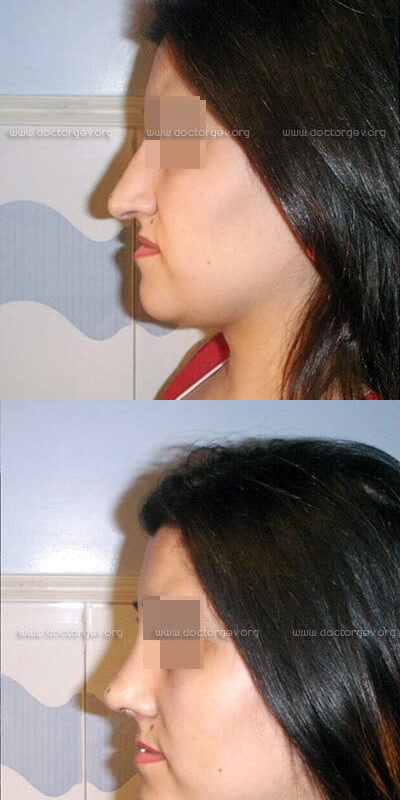
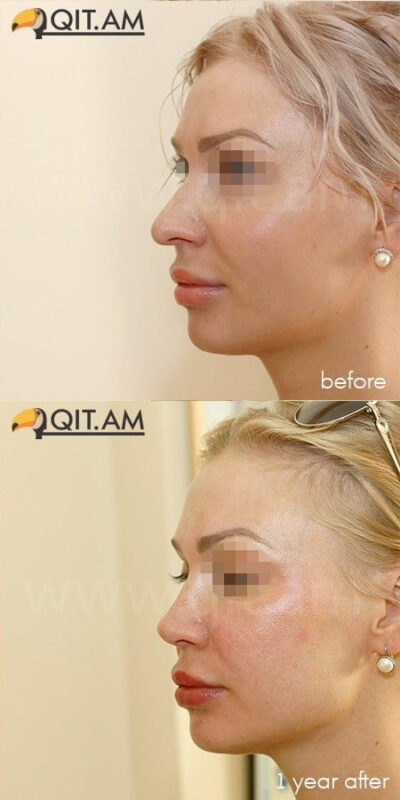
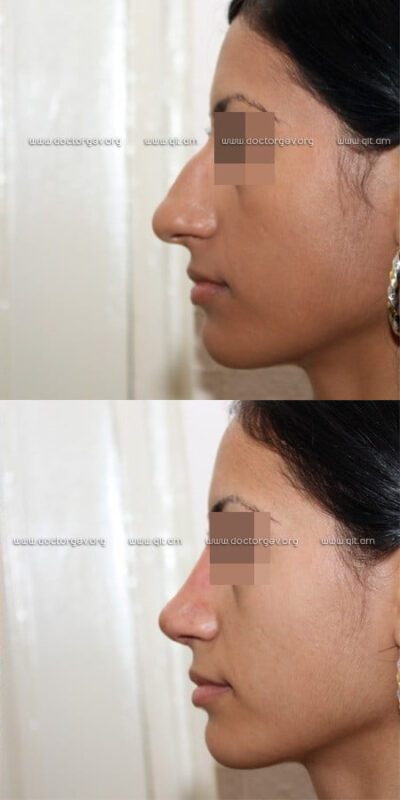
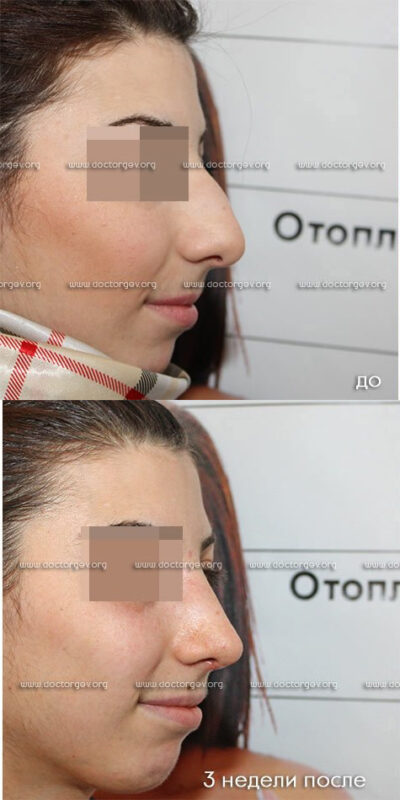
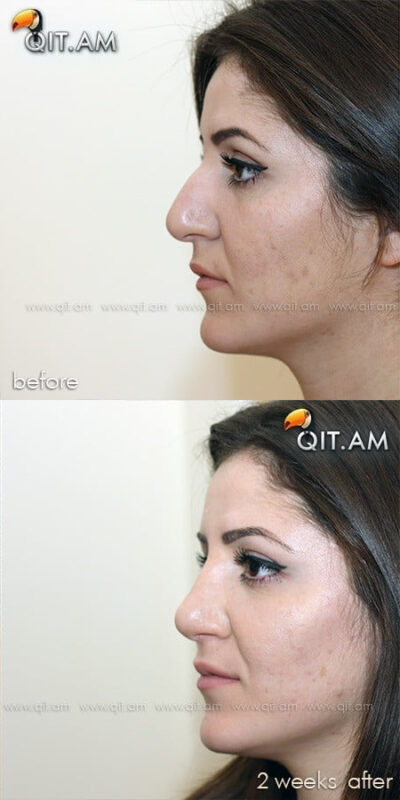
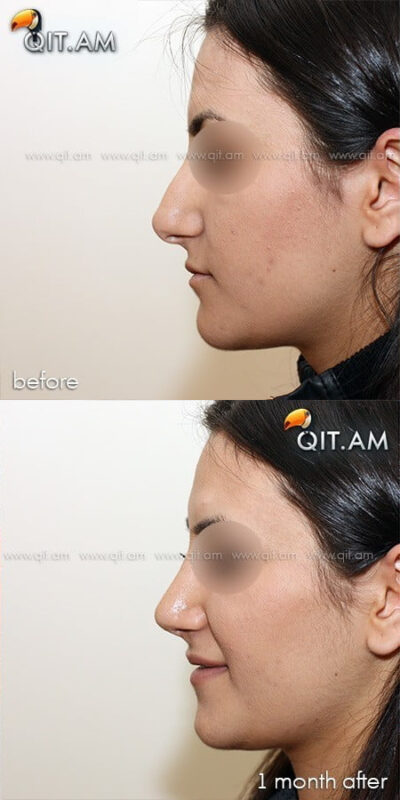
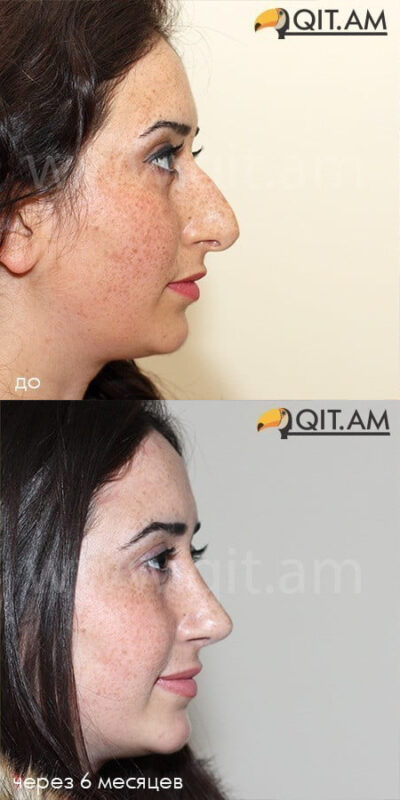
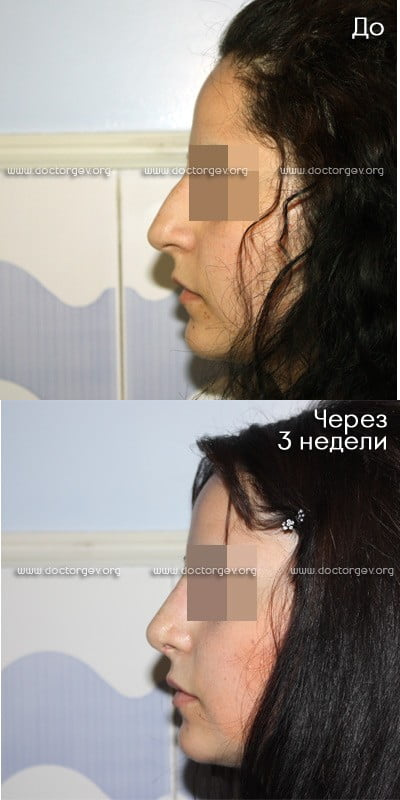
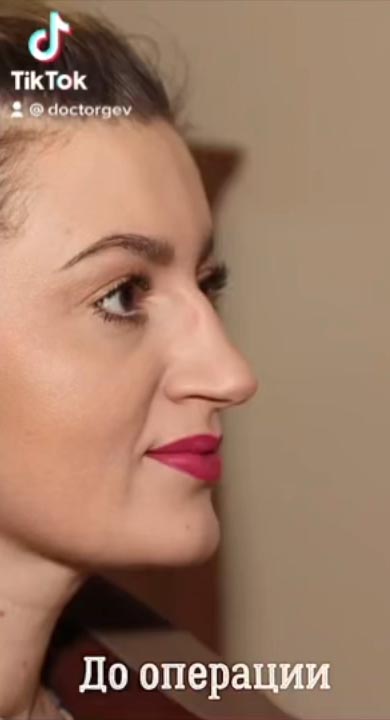
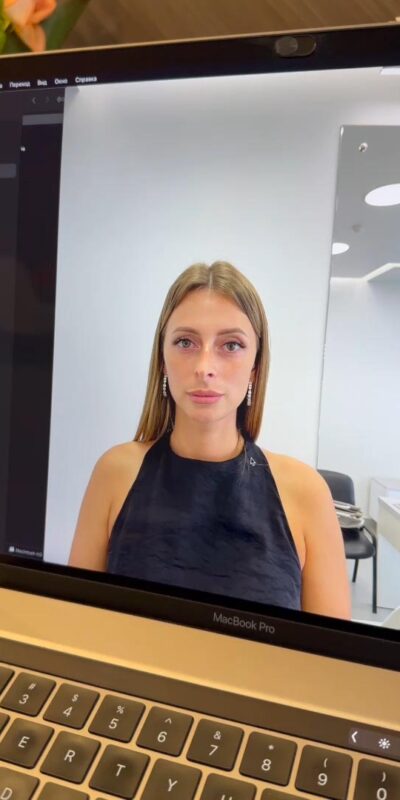
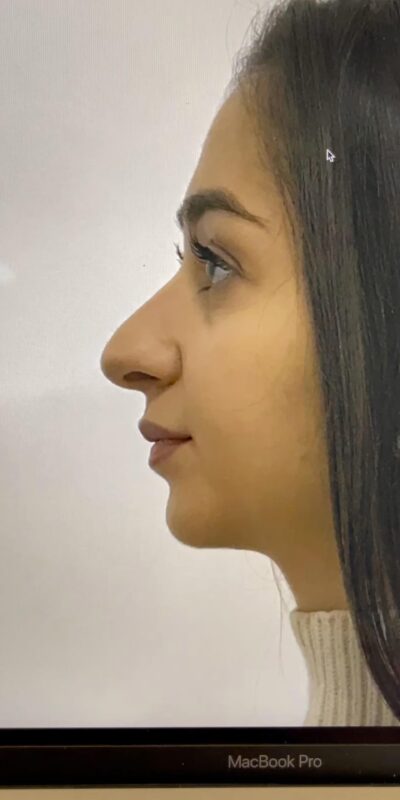
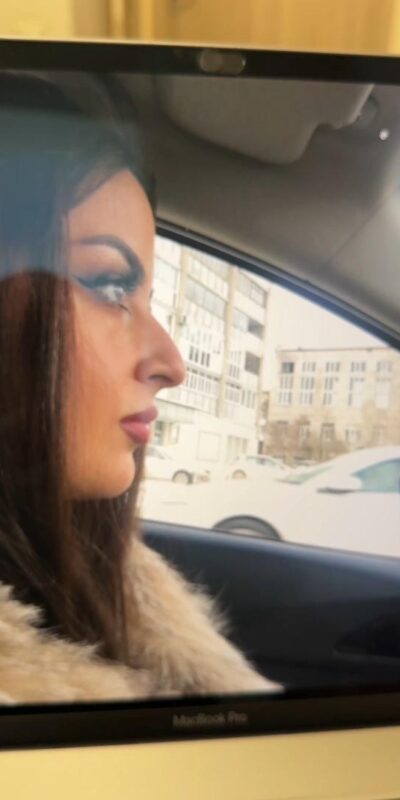
Before the surgery, I perform computer modeling in profile. This allows me to show the vector of changes: how the silhouette might look after hump correction, tip lifting, or changing the angle between the nose and the upper lip.
It is important to understand: modeling is not a guarantee of “this is exactly how it will be.” It is a tool for dialogue. Living tissues — skin, cartilage, scar tissue — react to surgery in a more subtle and complex way than digital pixels. Therefore, I do not promise an exact match with the image. I show the direction and the limitations — and this allows the patient to go into surgery with realistic expectations.
A patient with realistic expectations undergoes the recovery period much more calmly — even when the nose is still swollen and the shape is “not final.”
When I do not agree with the patient’s request
Sometimes a patient comes with a request that contradicts the biomechanics of the nose or the safety of the result. A nose much thinner than the skin thickness allows. A tip significantly higher than the cartilages can support without the risk of collapse. Removing a hump so radically that the nose loses its supporting structure.
In such cases, I do not agree to this plan. Not because I just feel like it, but because such surgeries end in secondary deformities, impaired breathing, or a result that will require a complex revision in 5 years.
A good rhinoplasty is a balance: between what the patient wants to see and what anatomy allows to be done safely and for years to come. The right question is not “can the nose be made more beautiful,” but “which nose will be right specifically for your face — and will remain that way in 10 years.”