
A charming young woman reached out for correction with a very complex and delicate request—she needed a secondary rhinoplasty. Deciding on a revision surgery is always psychologically difficult, as the patient already carries the disappointment of an unsuccessful past experience and the fear of a new intervention. My main goal was to restore her peace of mind, justify her trust, and give her the result she originally dreamed of.
Initial Anatomical Features
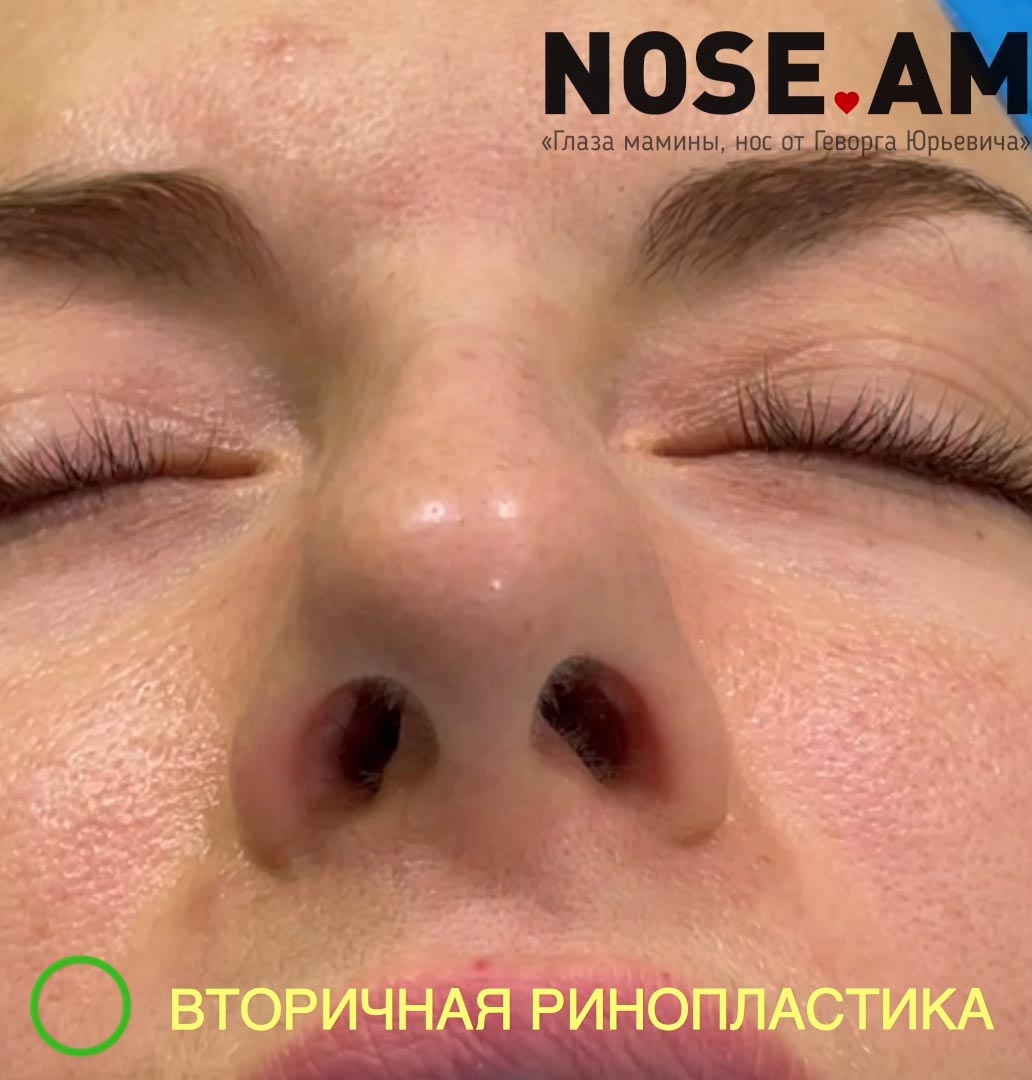
During a detailed visual and palpatory examination of the initial situation, I immediately noted a number of aesthetic and functional problems remaining from the first surgery. I noticed pronounced nostril asymmetry and deformation of the nasal tip cartilages—it looked unnatural, the contours were distorted, and the tip itself lacked proper structural support. Furthermore, the patient has quite thick, porous skin. Such thickness of the skin flap in itself complicates the creation of elegant, refined lines, and combined with internal scarring and adhesions from the previous surgery, it posed a serious professional challenge. Due to a deviated axis and disrupted internal anatomy, the patient also experienced noticeable difficulties with nasal breathing, which required me to perform a meticulous reconstructive septoplasty.
Surgical Process
Secondary rhinoplasty is always a complex architectural puzzle. During the surgery, I had to work with already altered tissues, carefully excising fibrosis and scar tissue. My main task was to rebuild a reliable and strong cartilaginous framework that could properly “carry” the thick skin and create a neat, stable tip without the risk of future collapse. I performed the surgery using an open approach (the neat sutures on the columella are visible in the “After” photos) to have absolute visual control over every millimeter of the restored structures.
Result
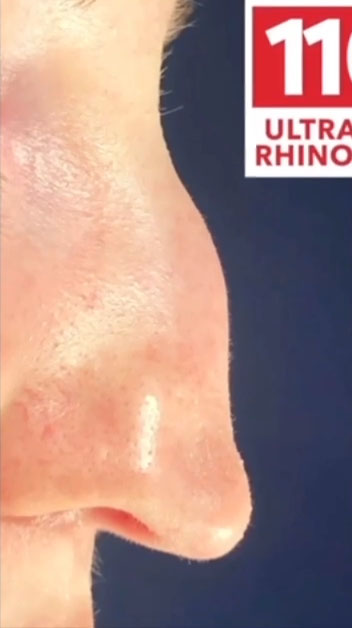
In the footage taken immediately after the completion of the surgery, the initial but already highly indicative result is visible. Despite the inevitable primary postoperative tissue swelling, the drastic difference is obvious. I completely eliminated the asymmetry: the nostrils became symmetrical and neat, and the nasal tip acquired proper projection, elegance, and a natural look. The lines of the dorsum became straight and smooth, which instantly made her facial features softer and more harmonious.
But most importantly for me as a doctor, I completely restored the correct internal geometry of the nose, which returned free, full breathing to my patient. I am sincerely glad that I was able to correct the mistakes of the past intervention and give this young woman a nose that suits her perfectly.