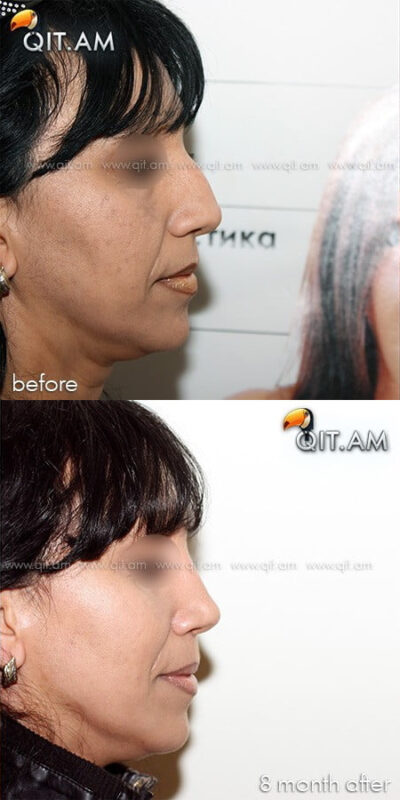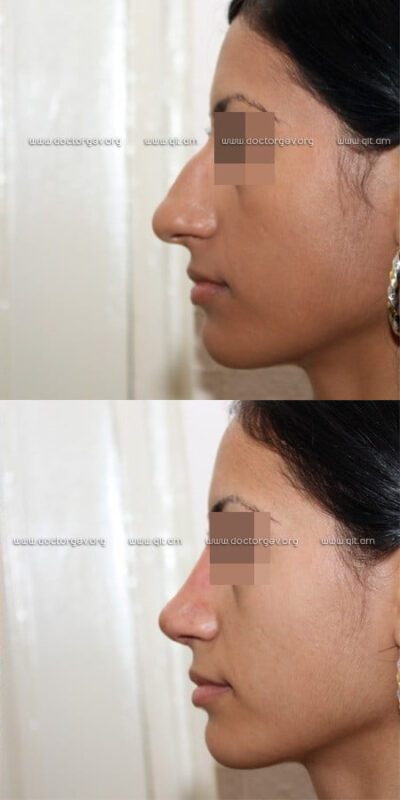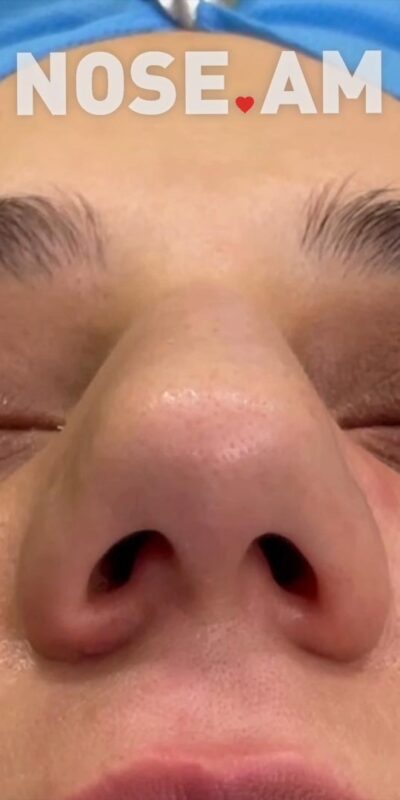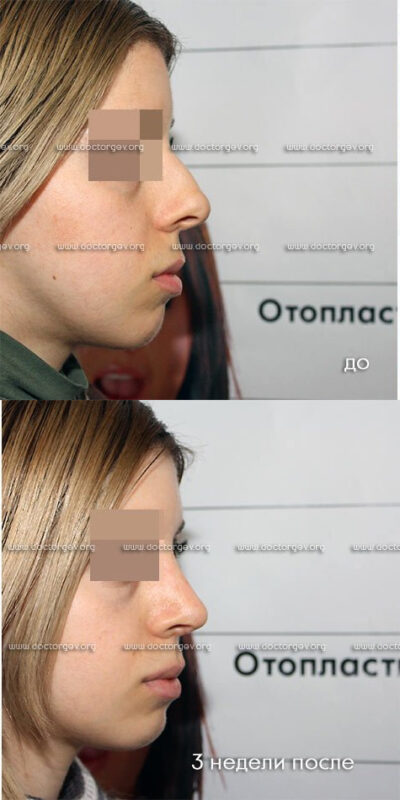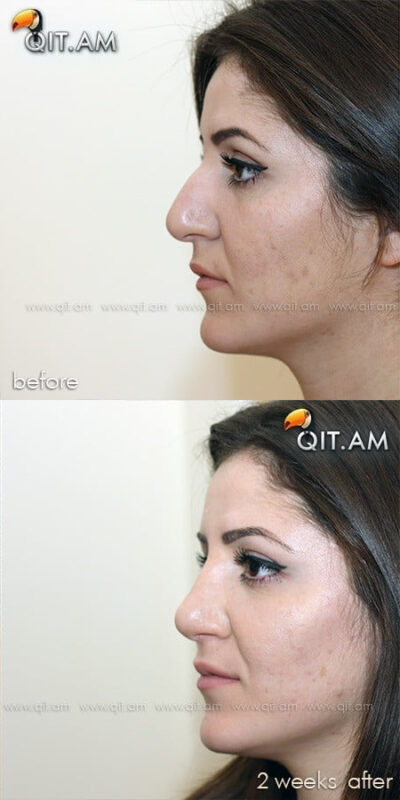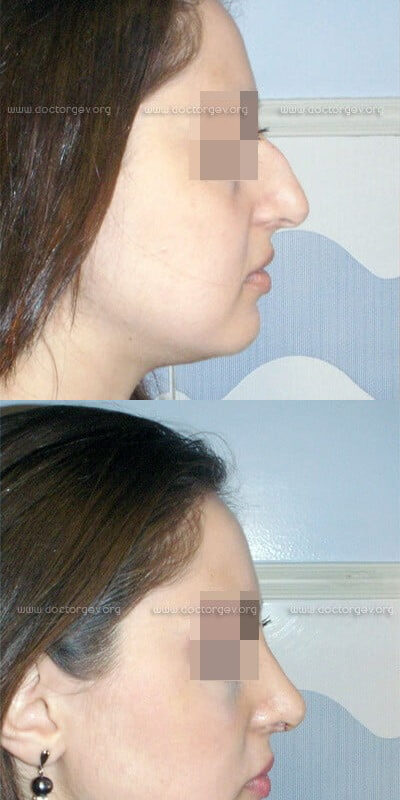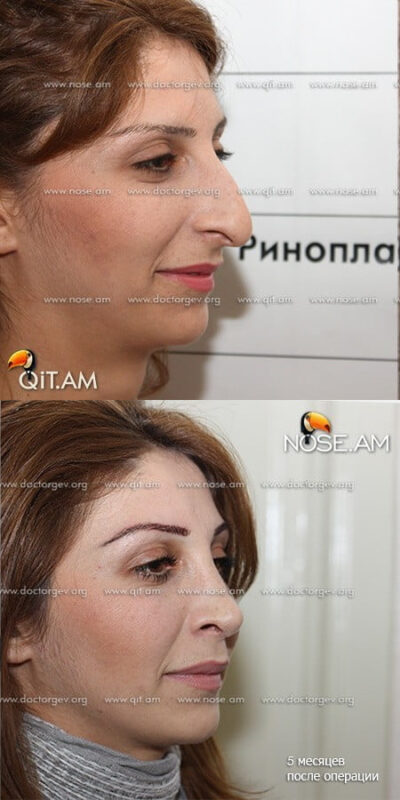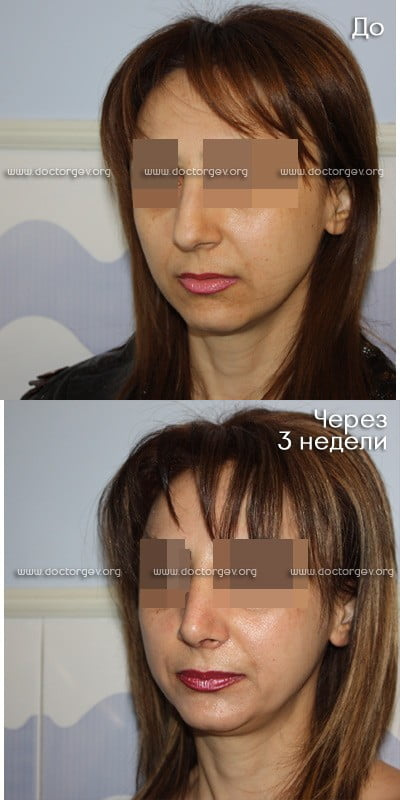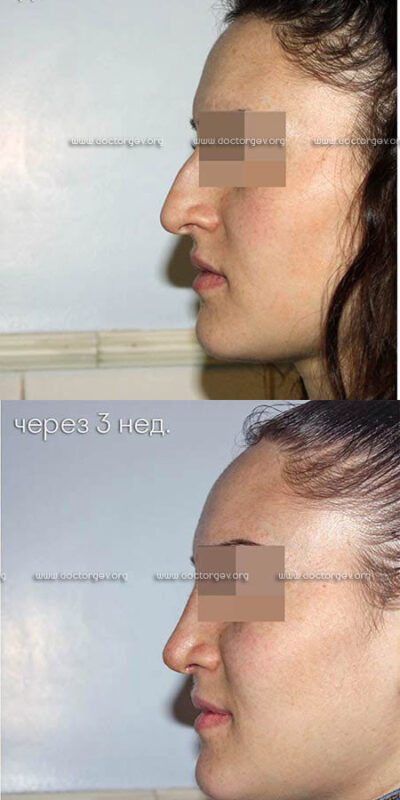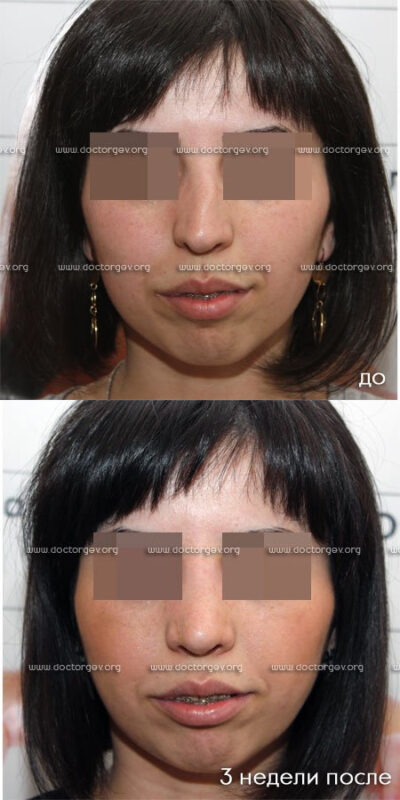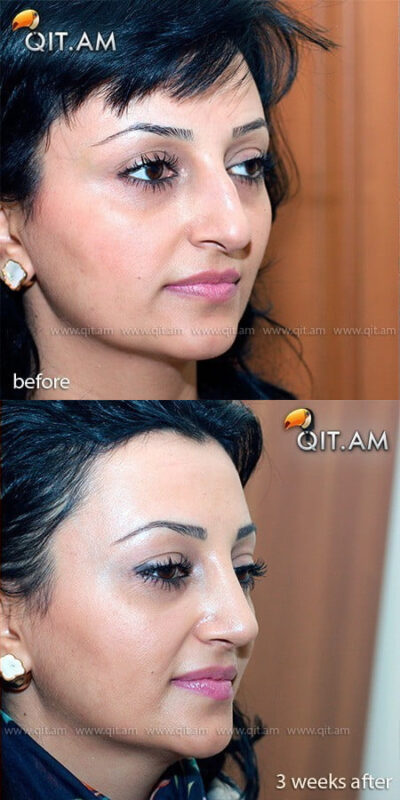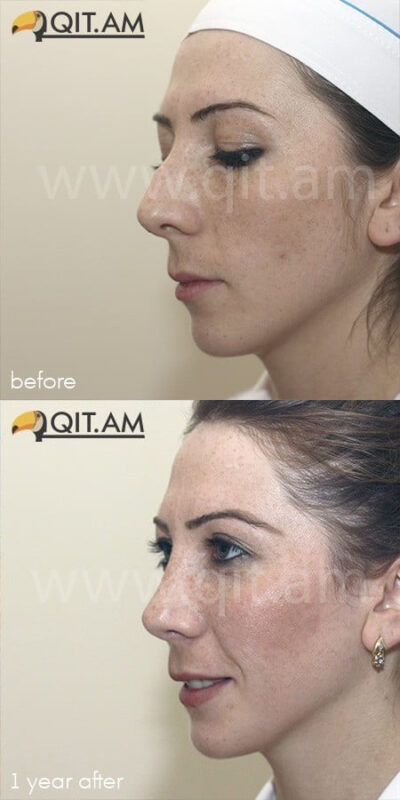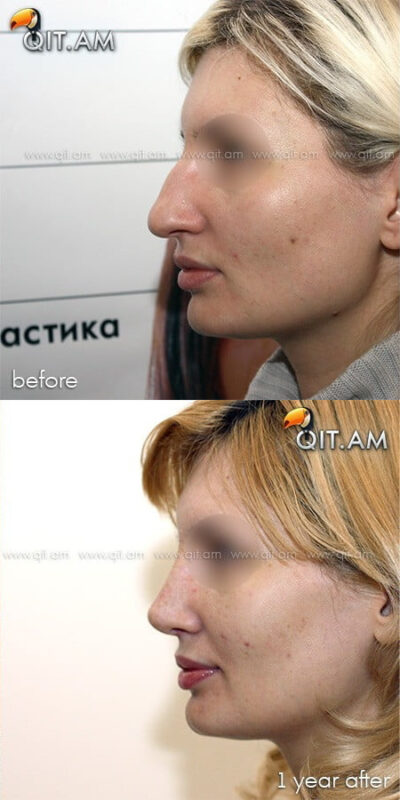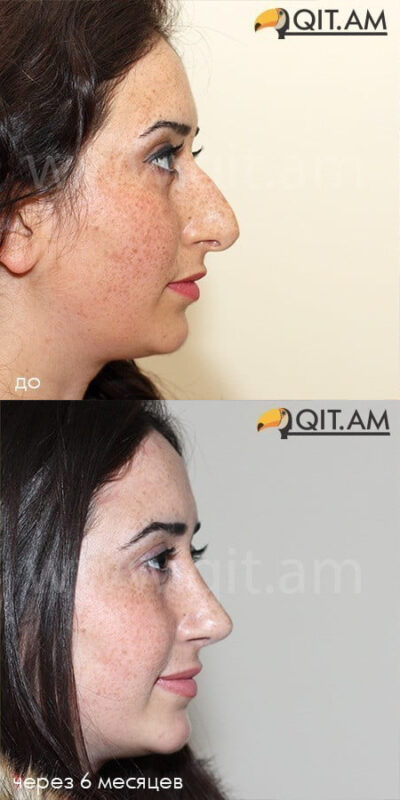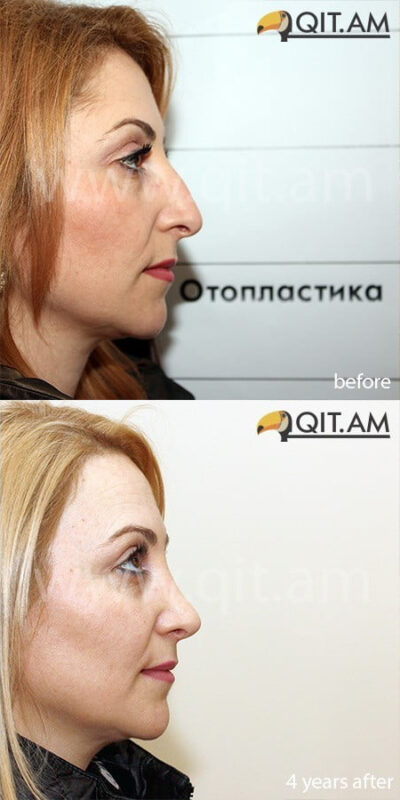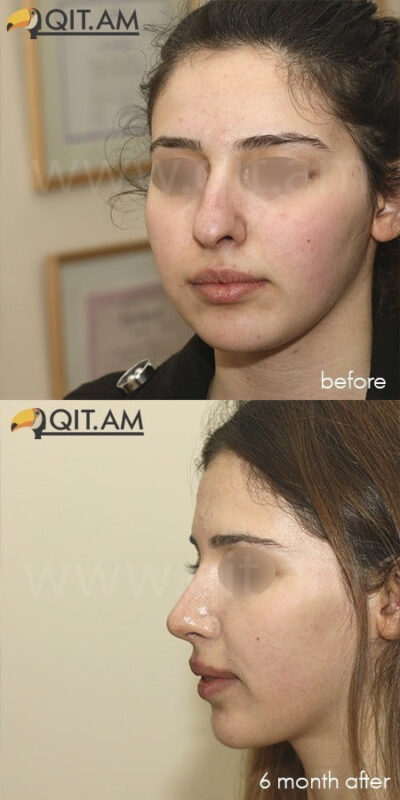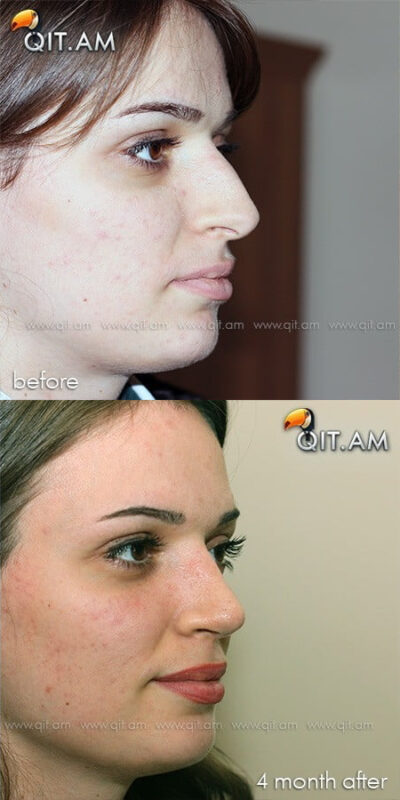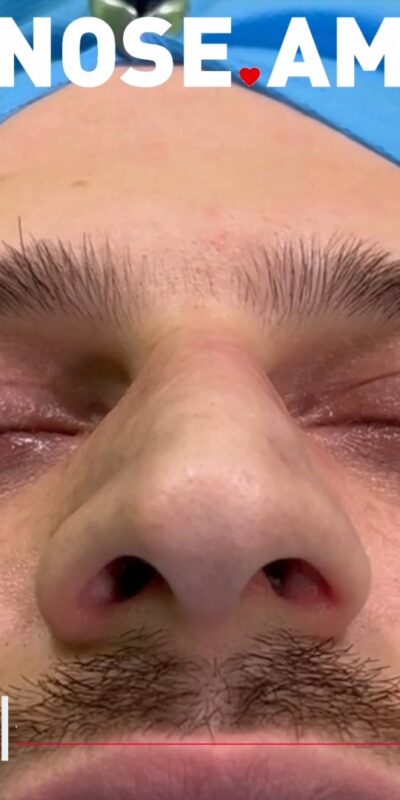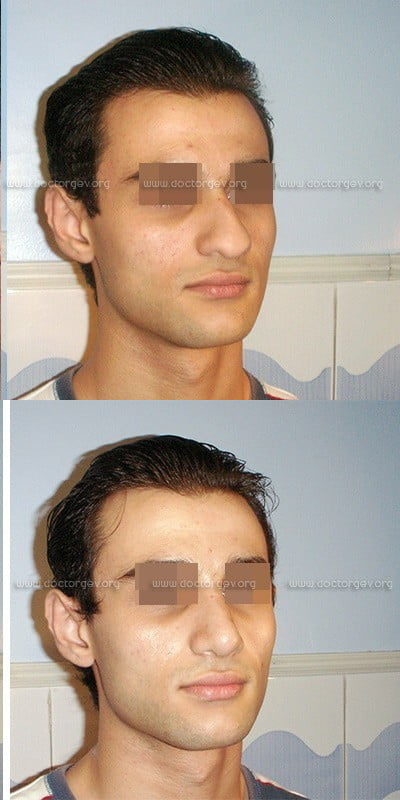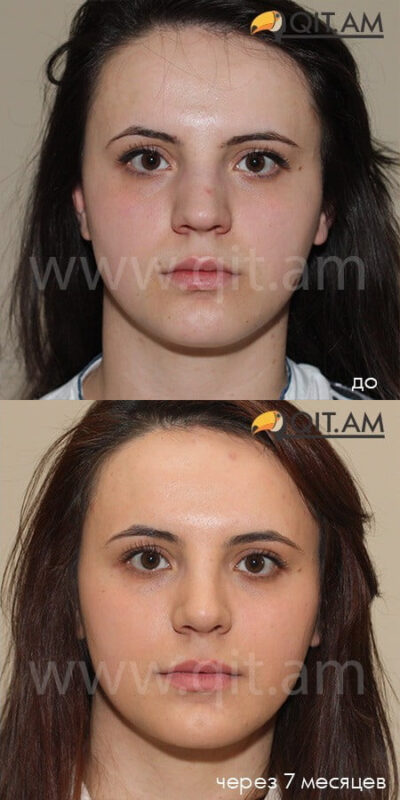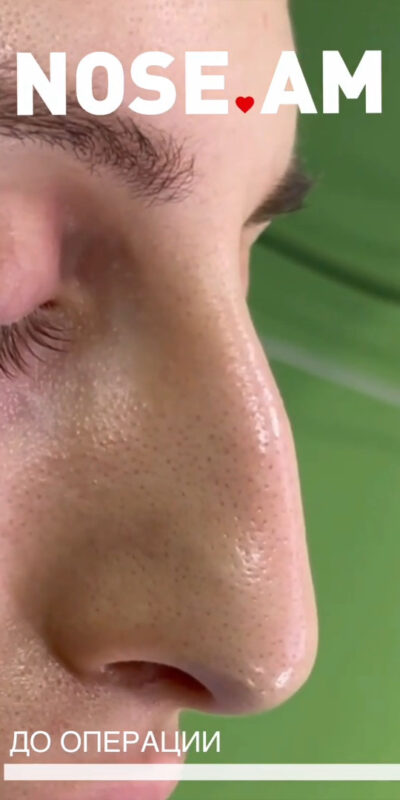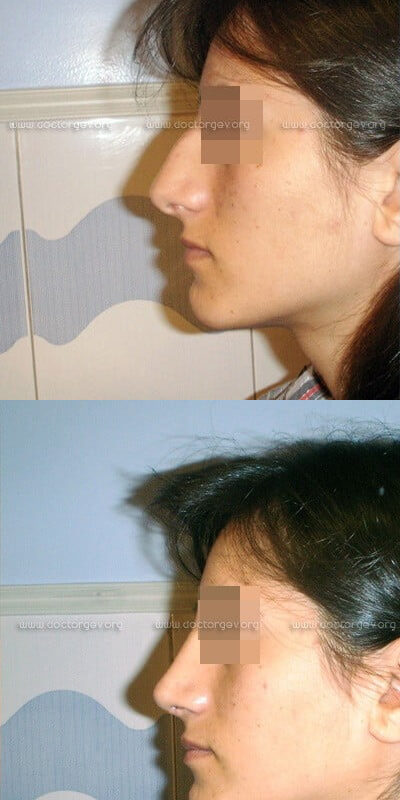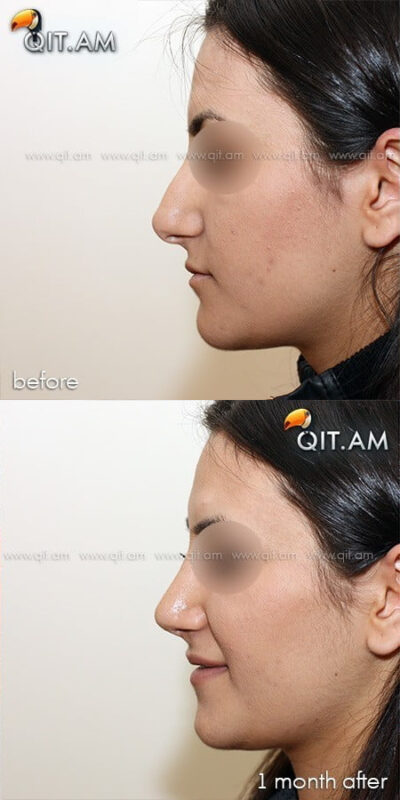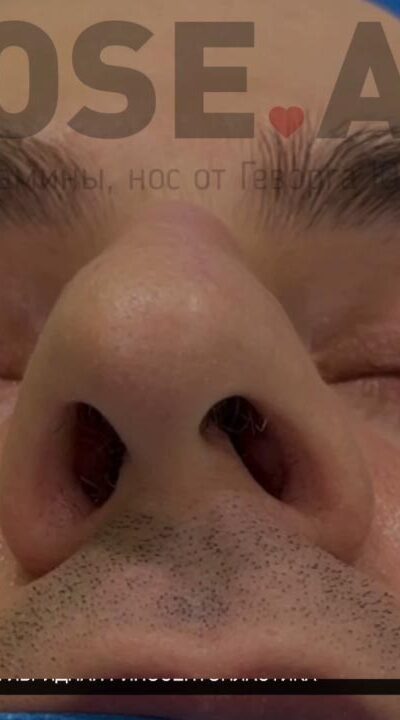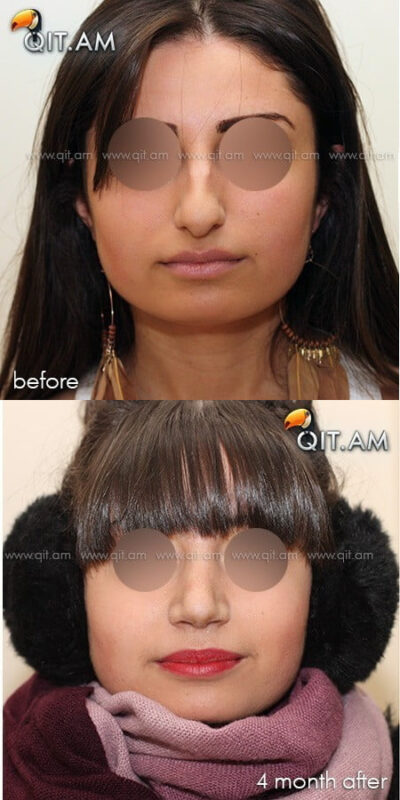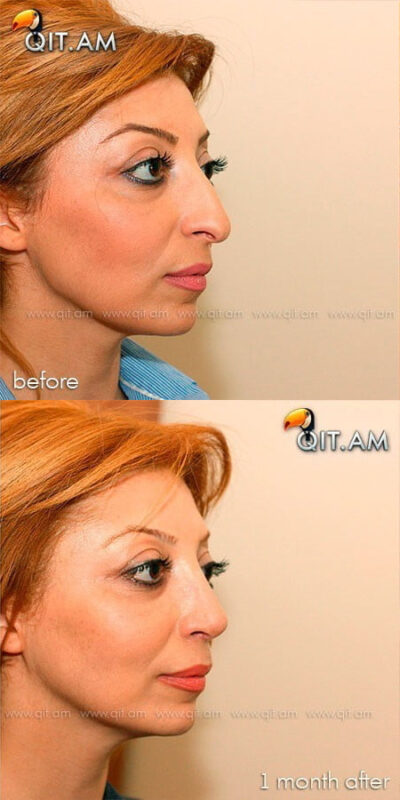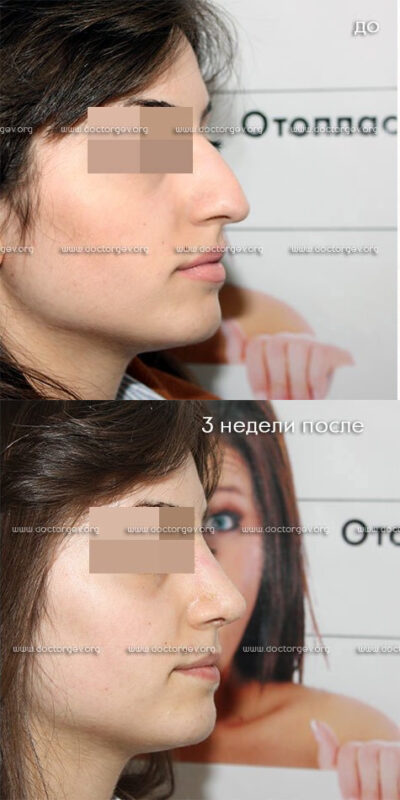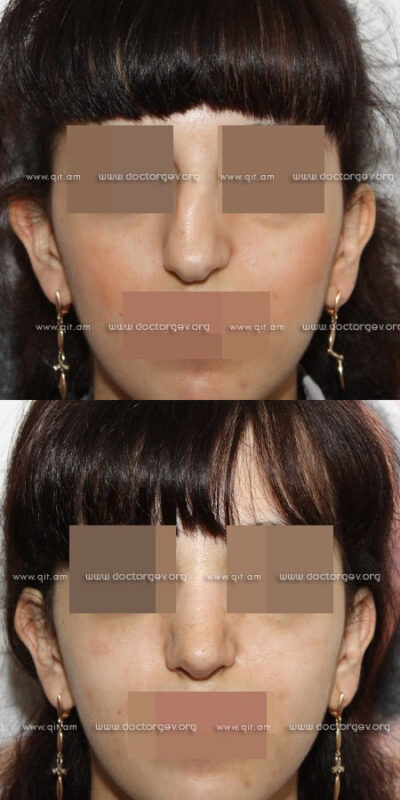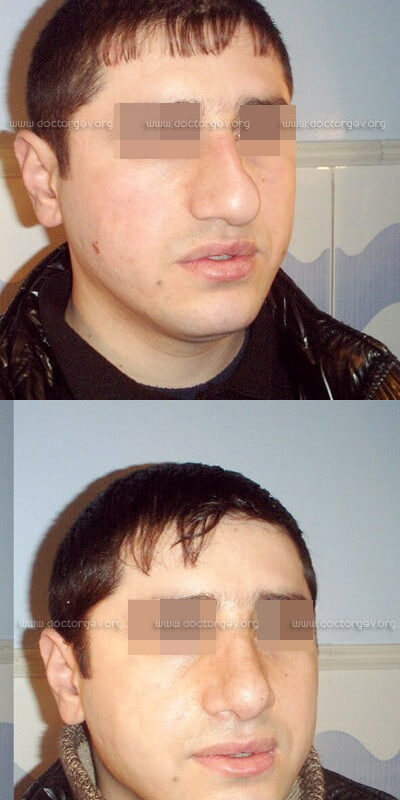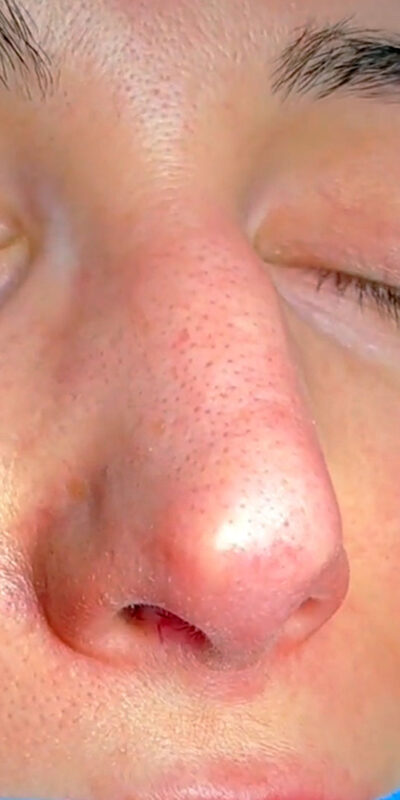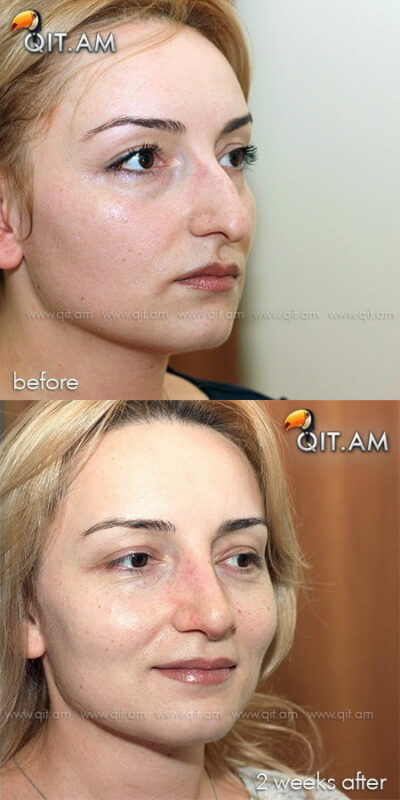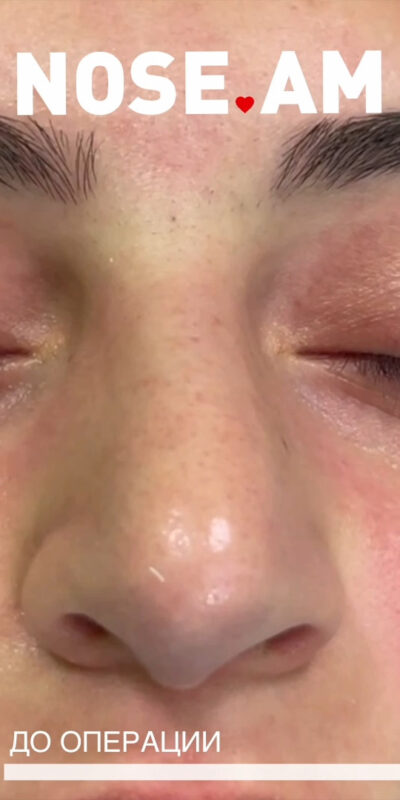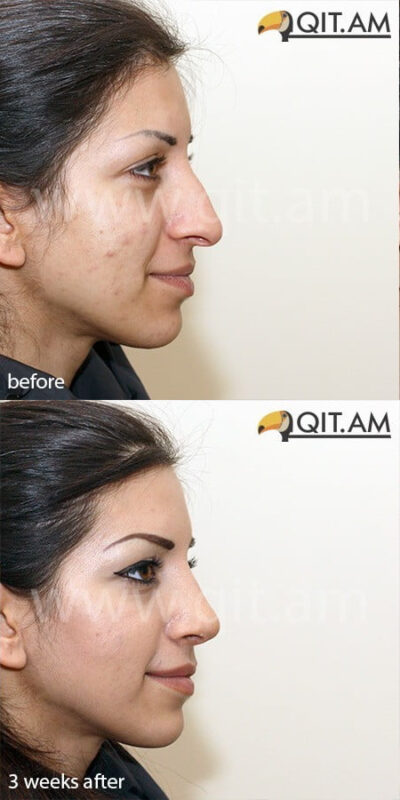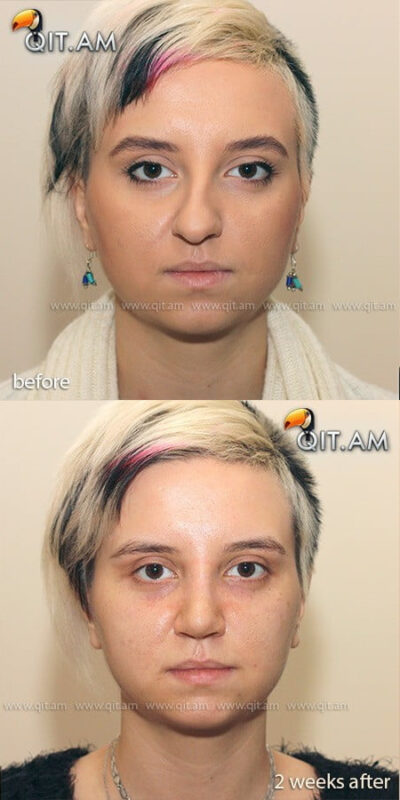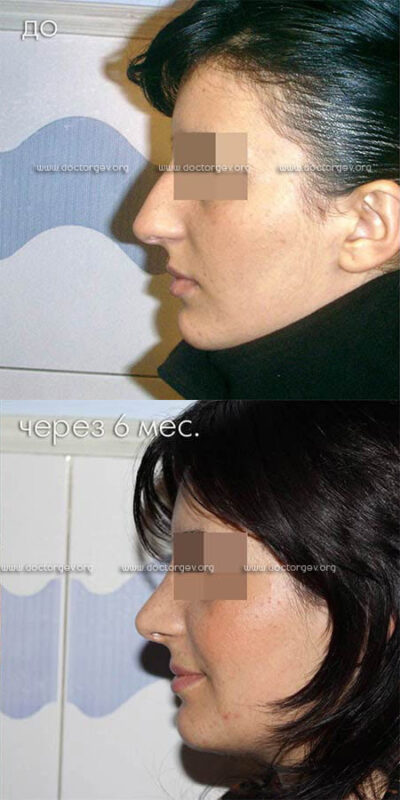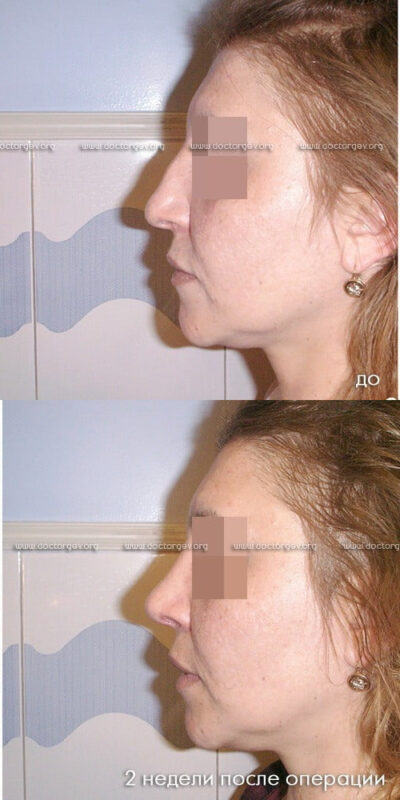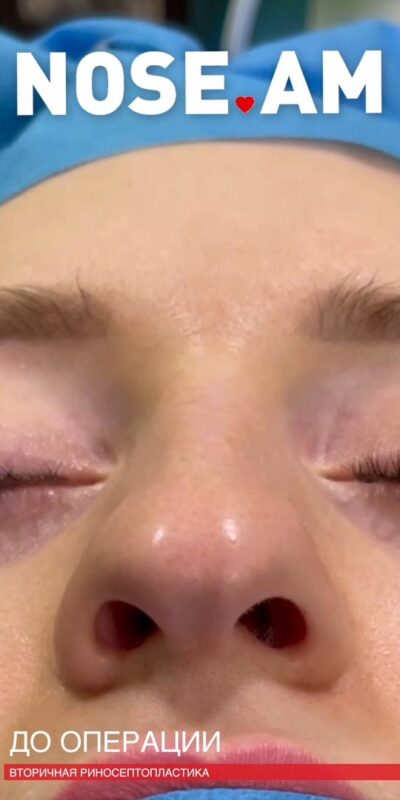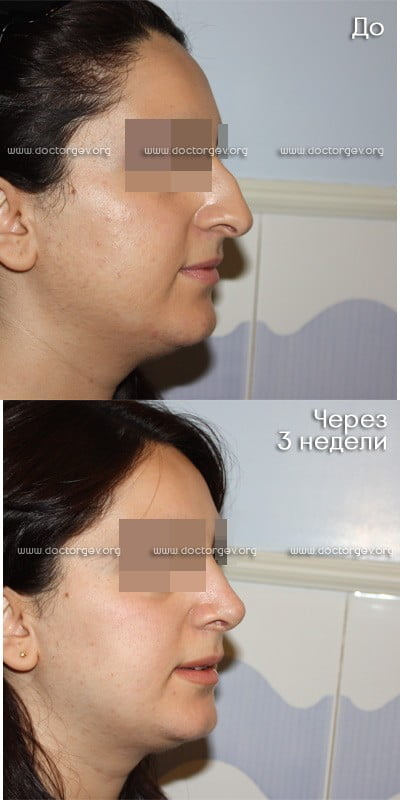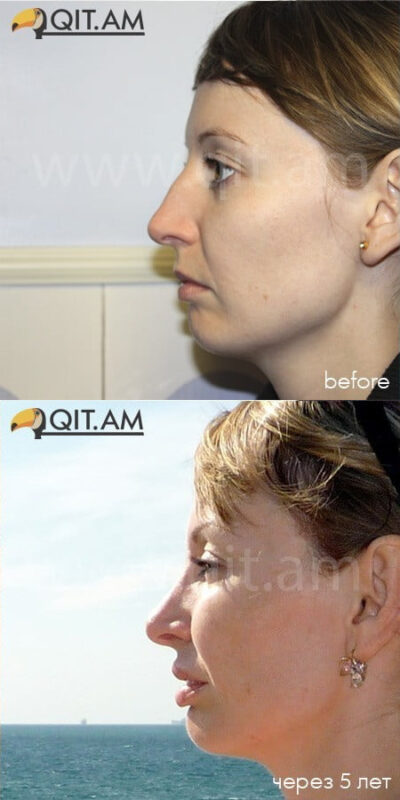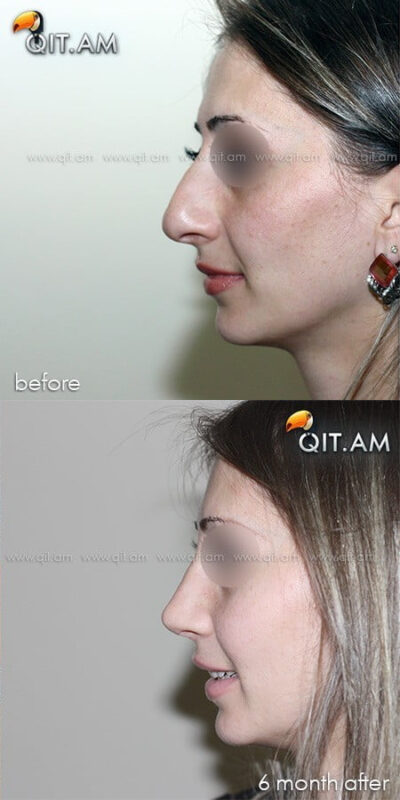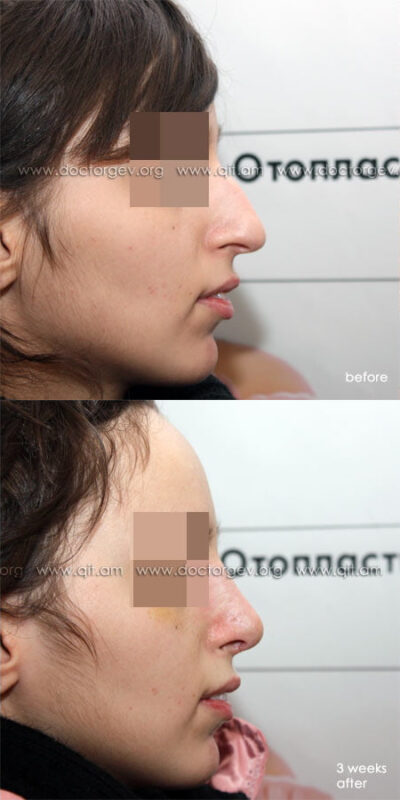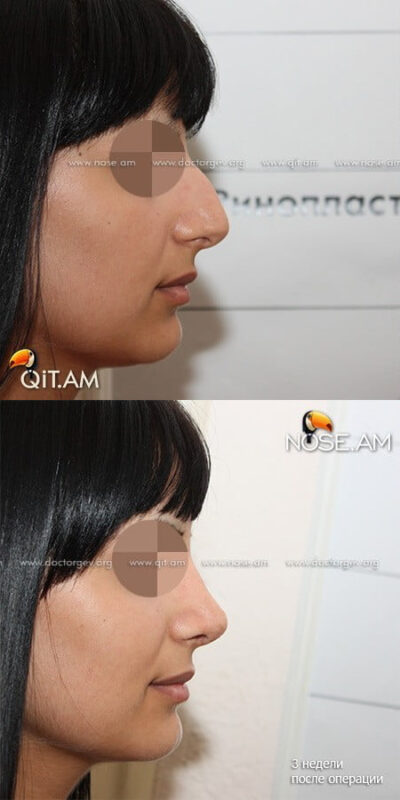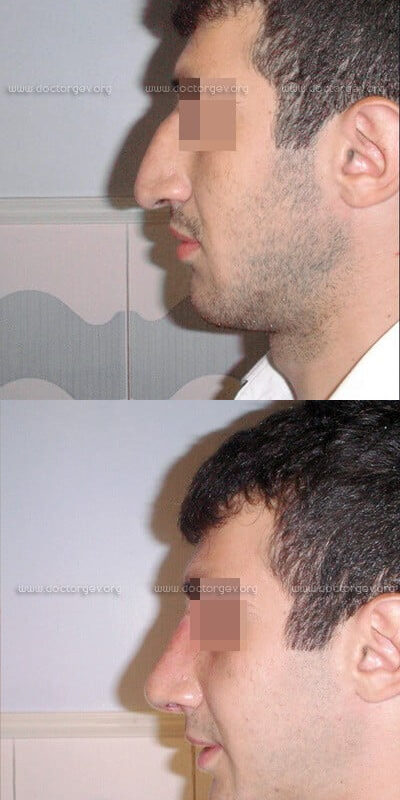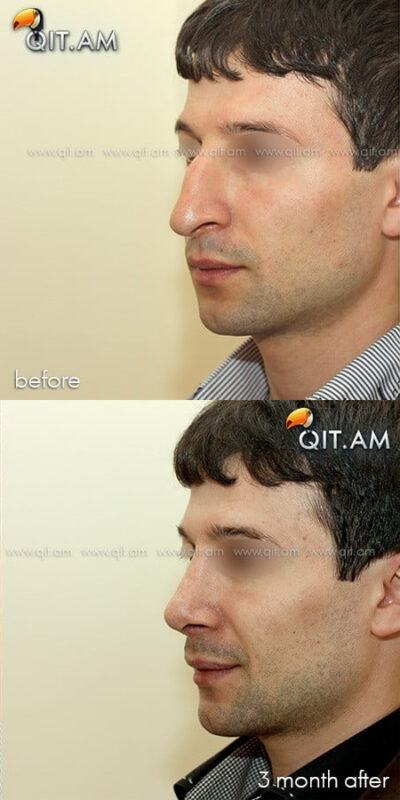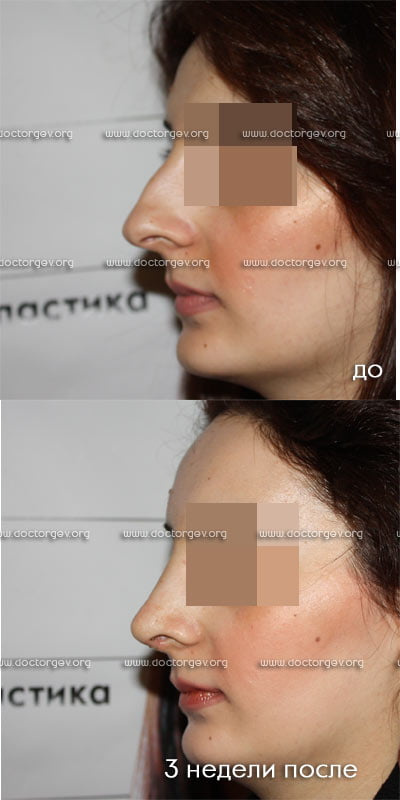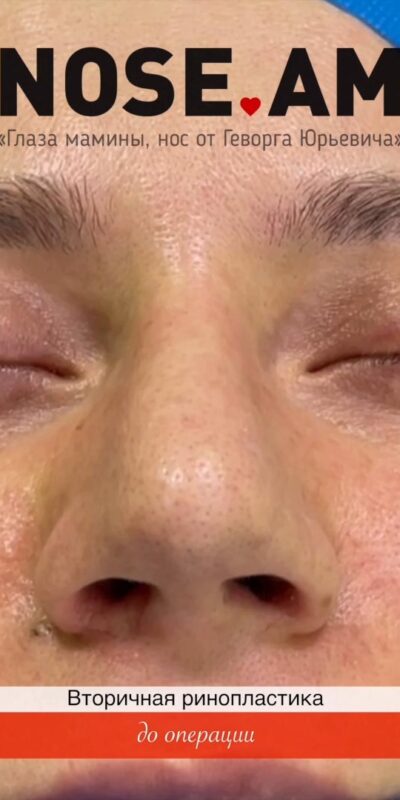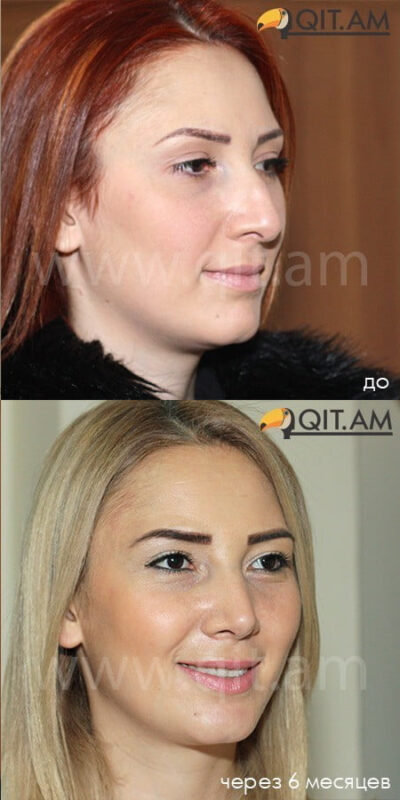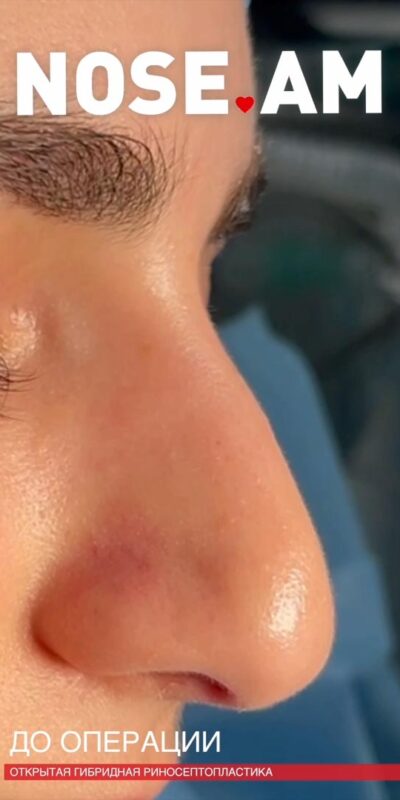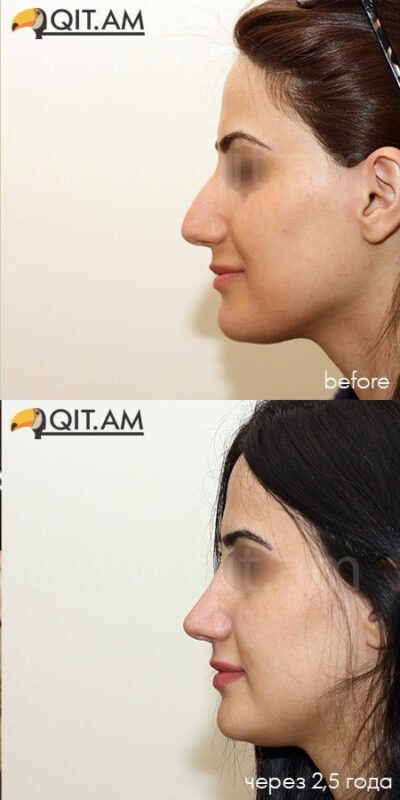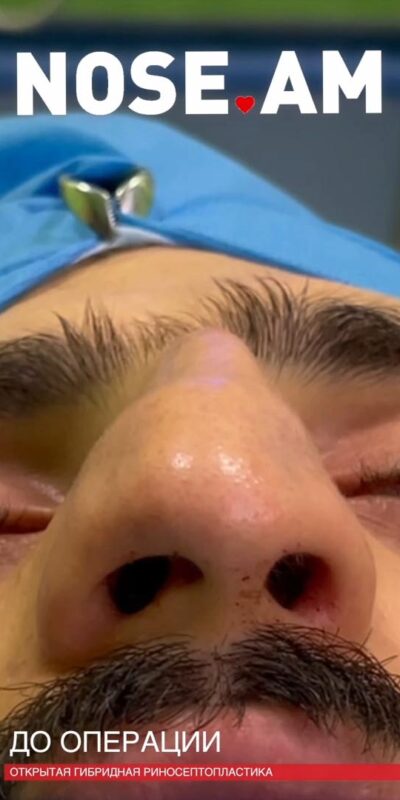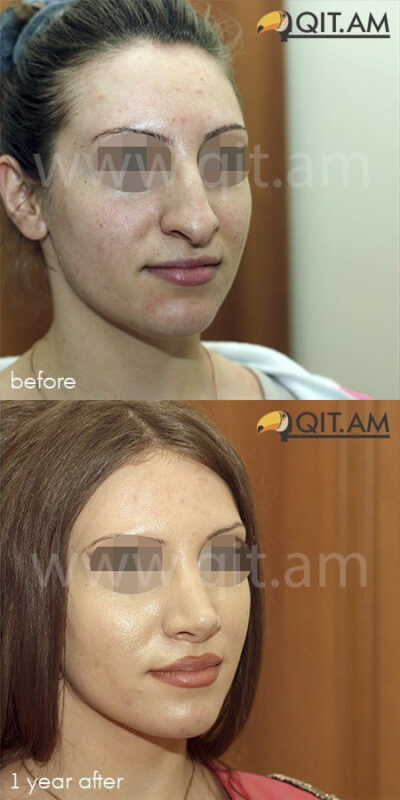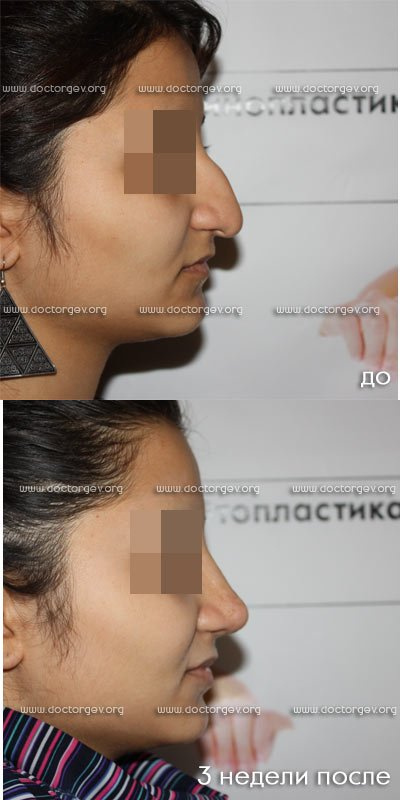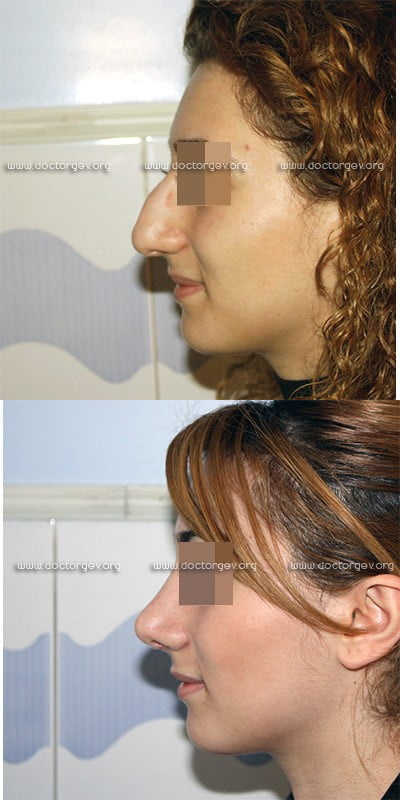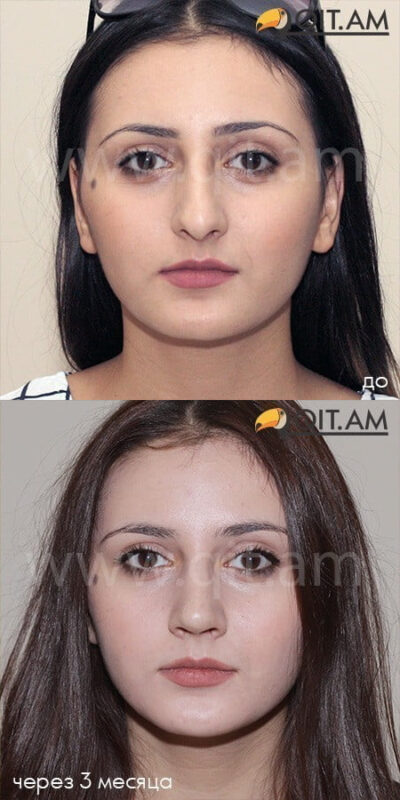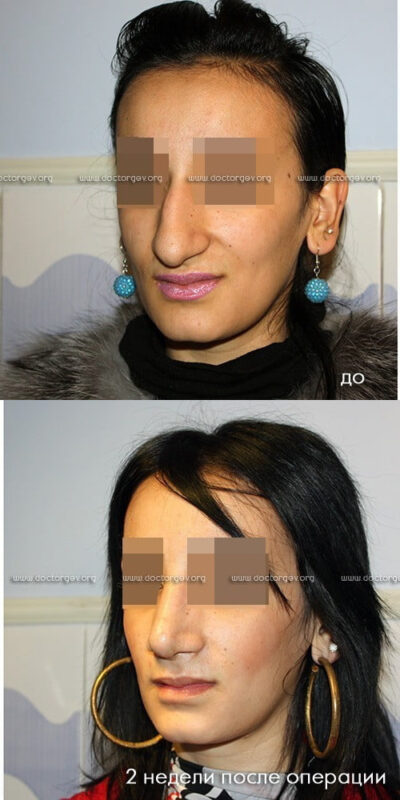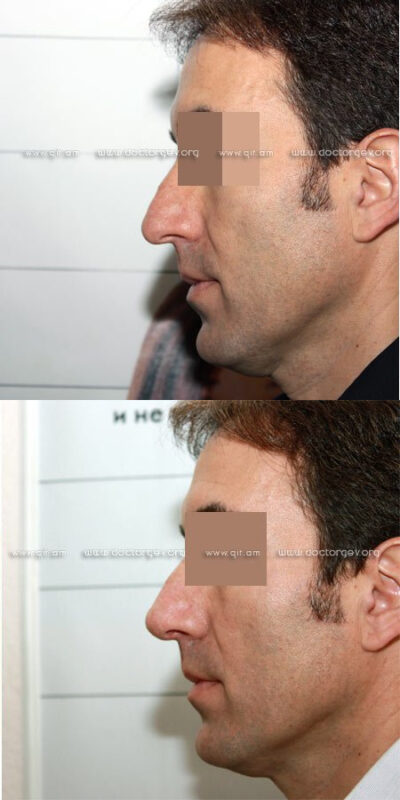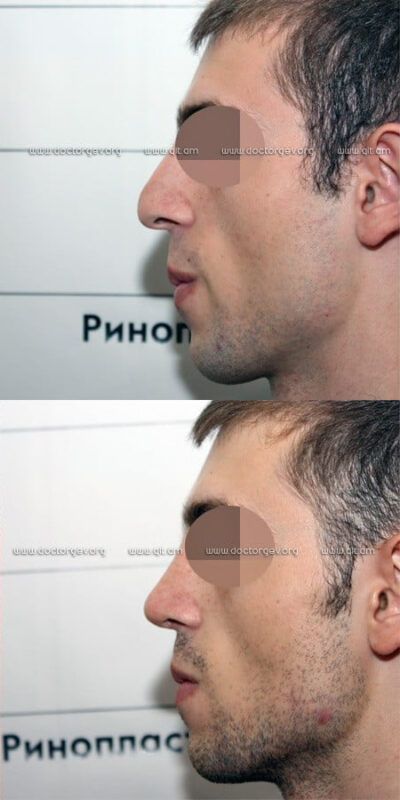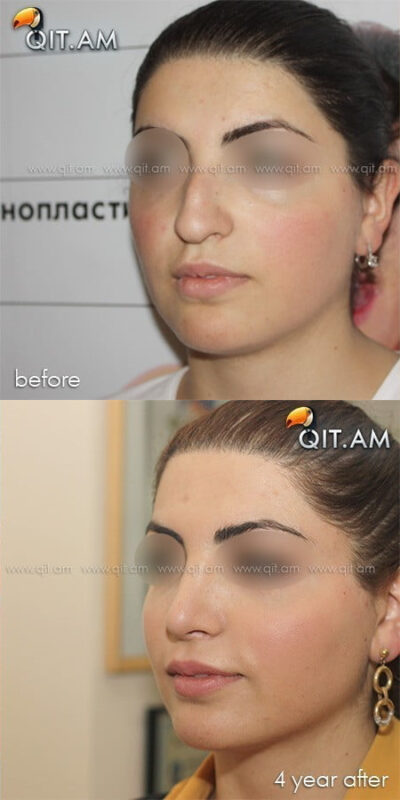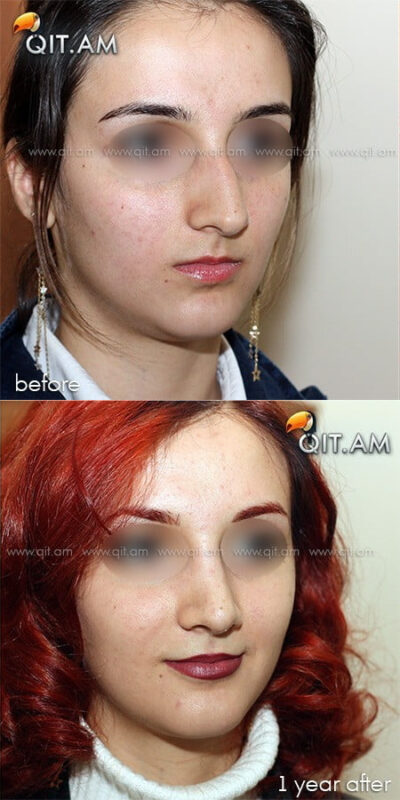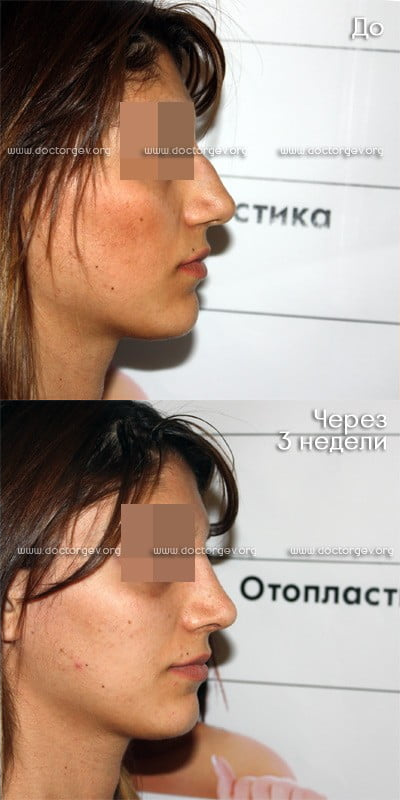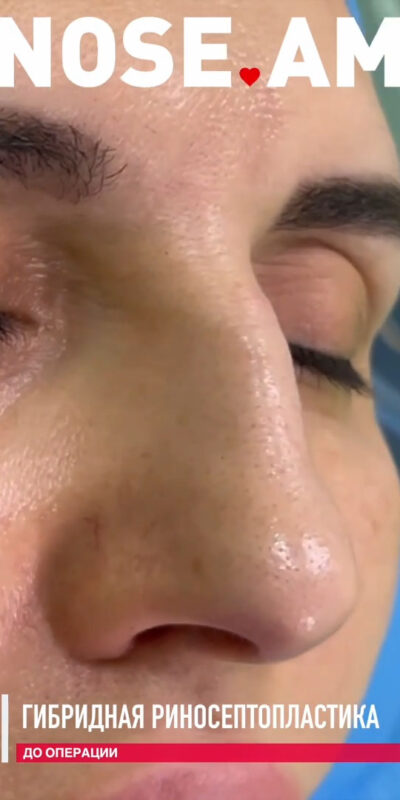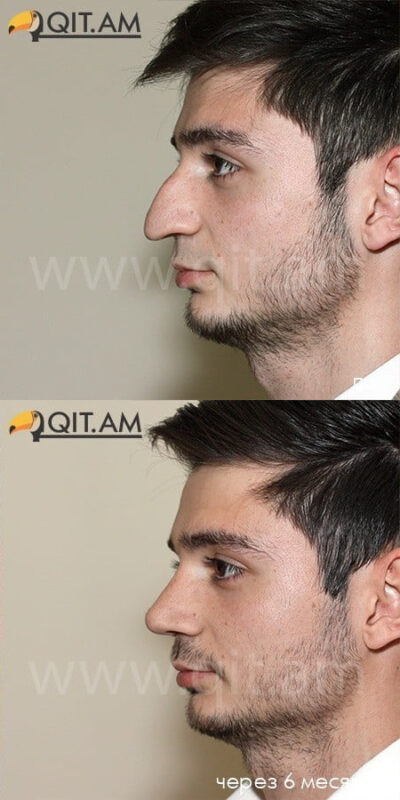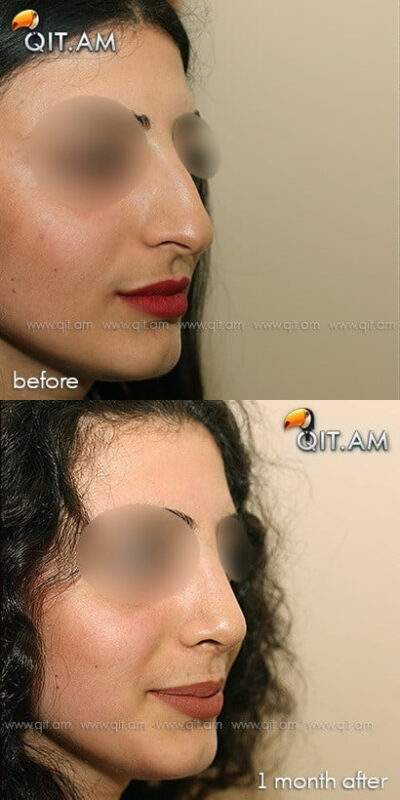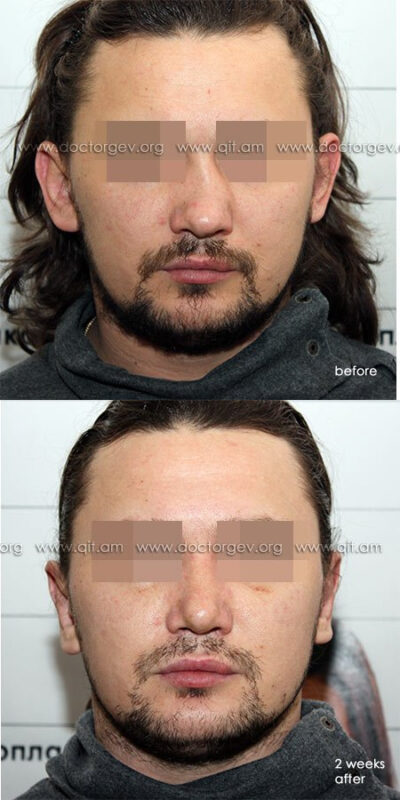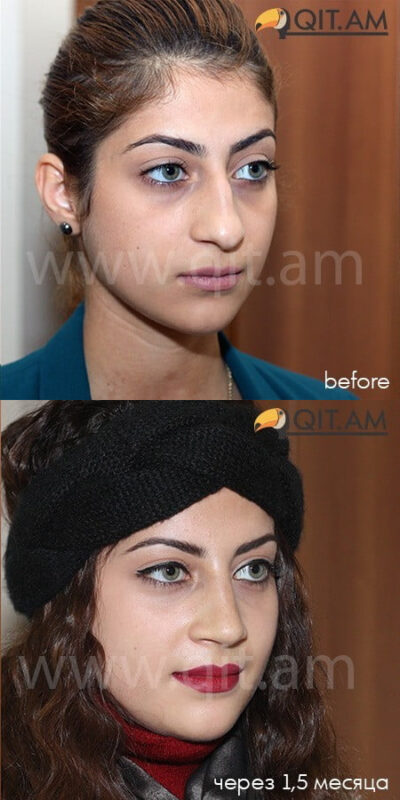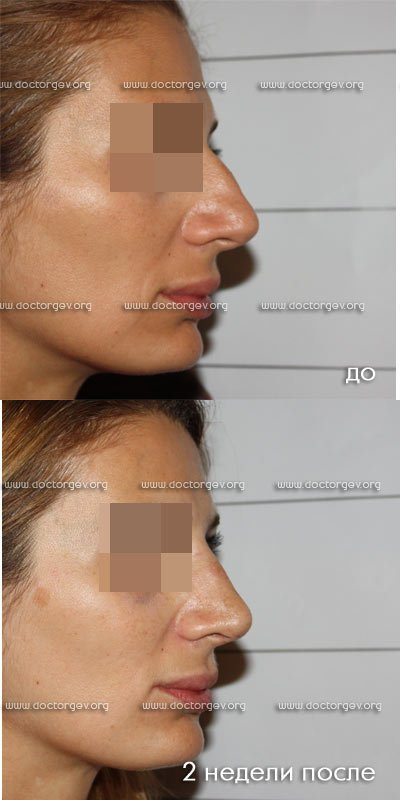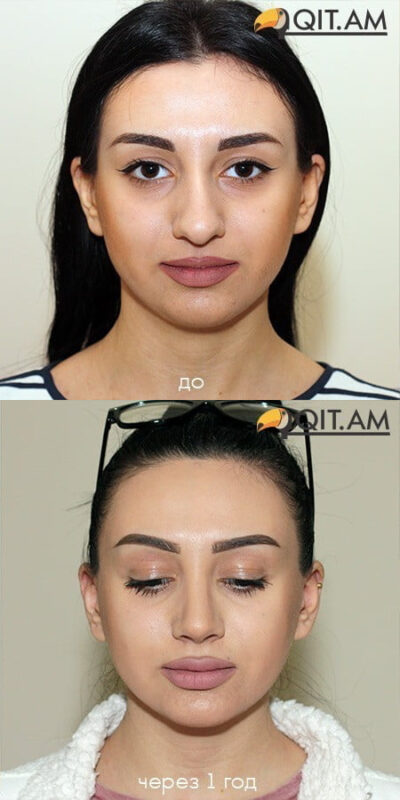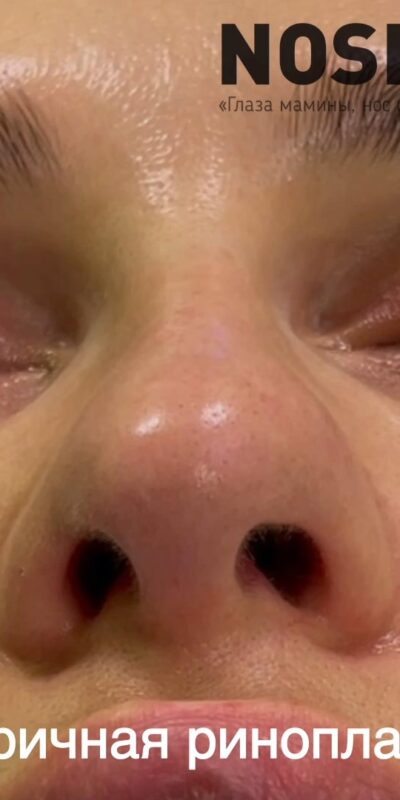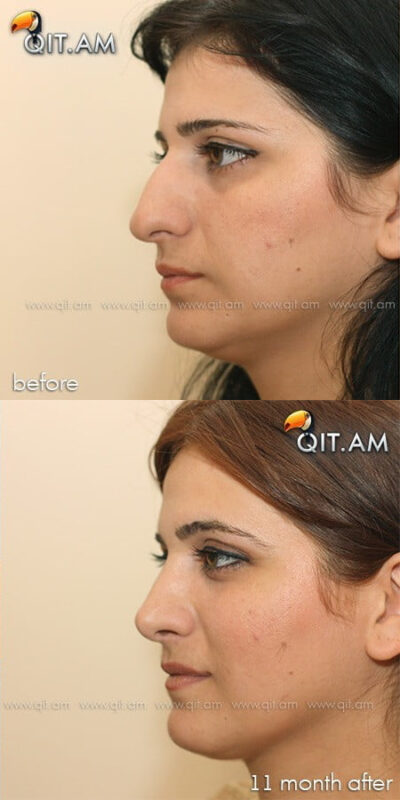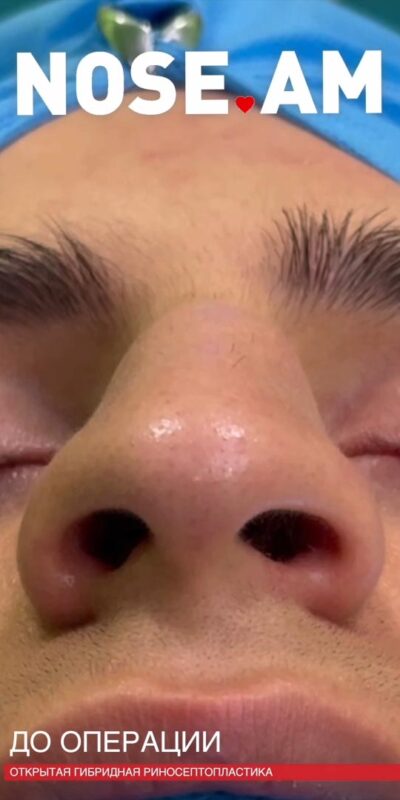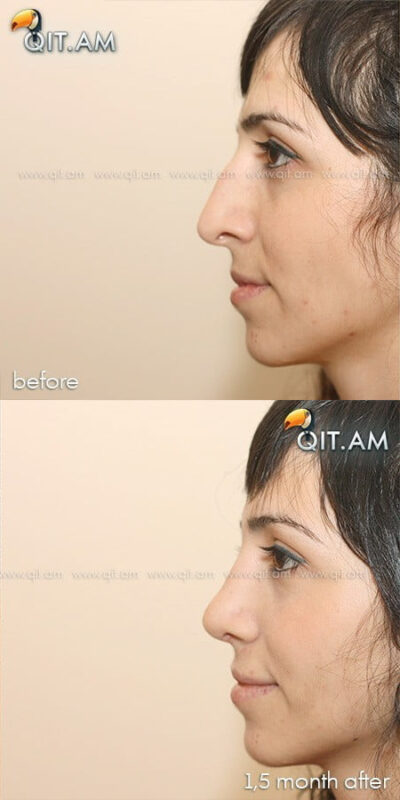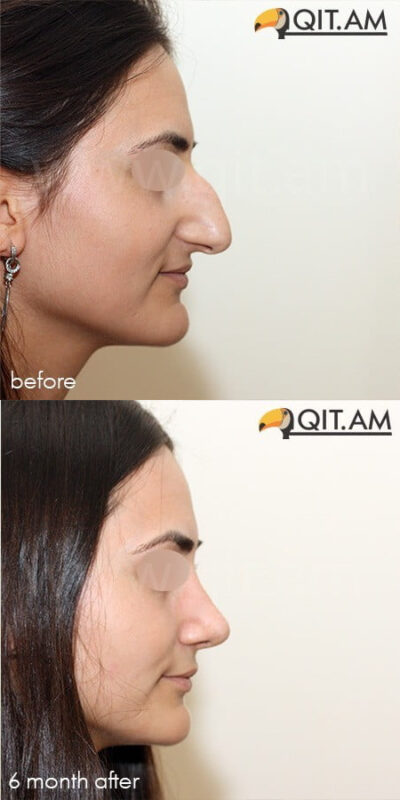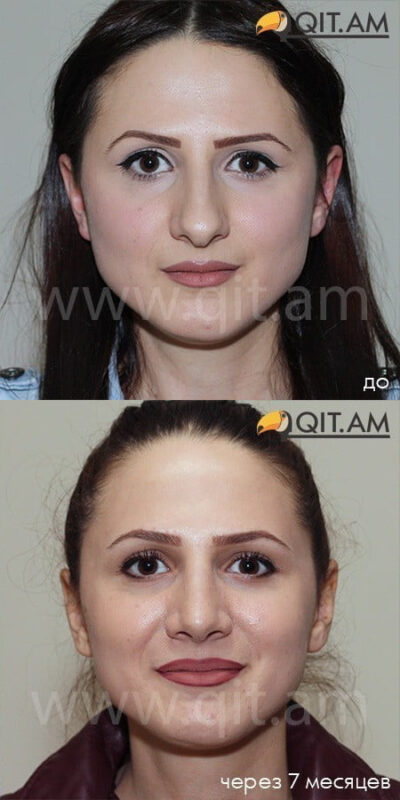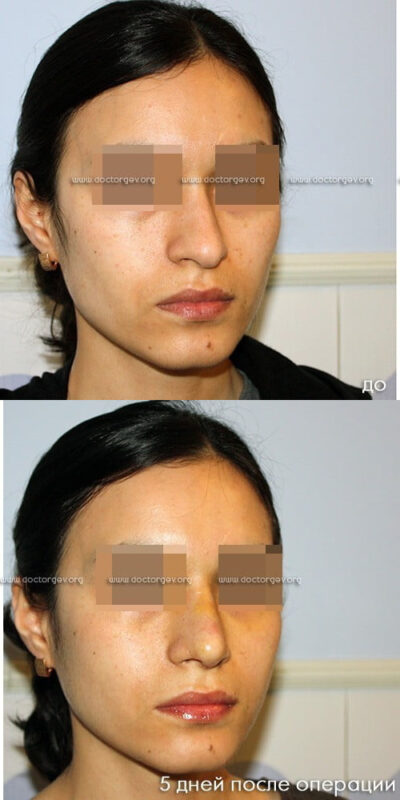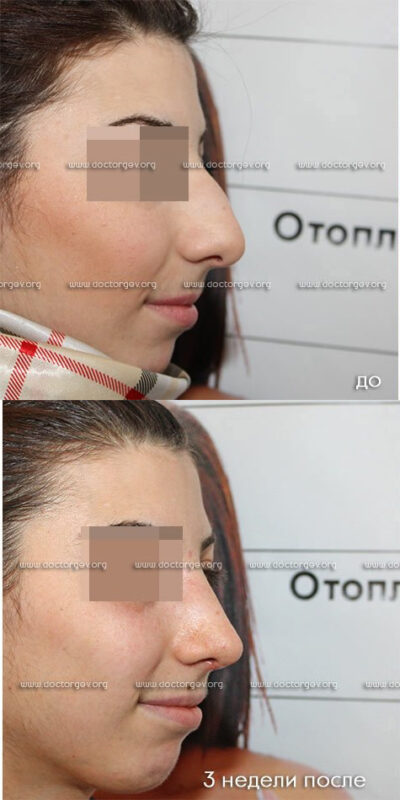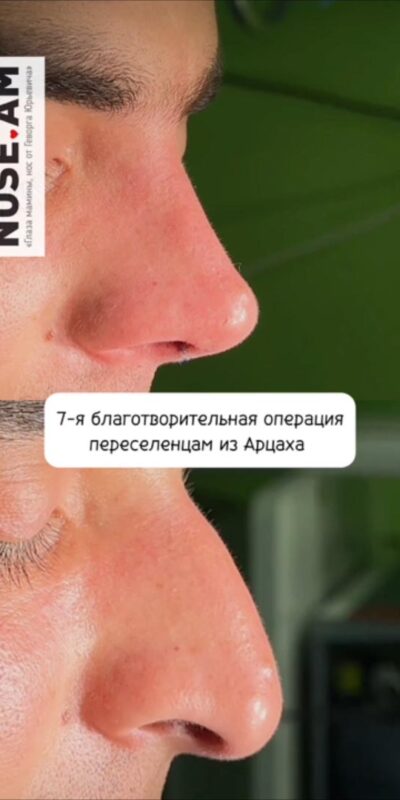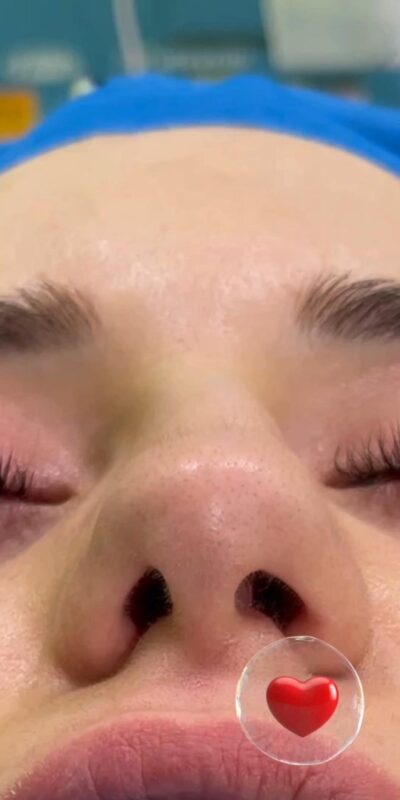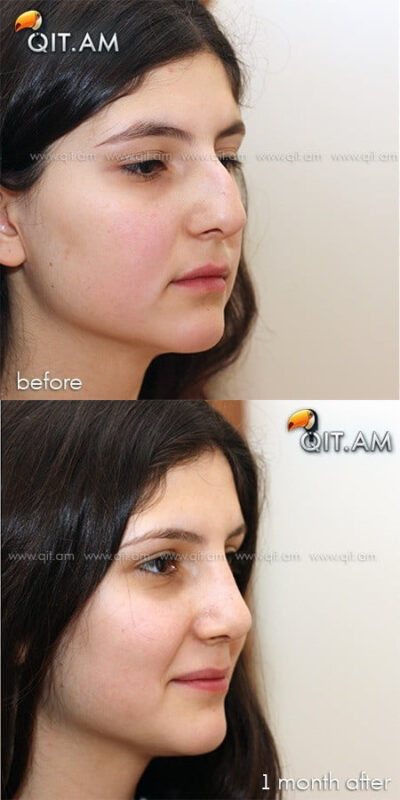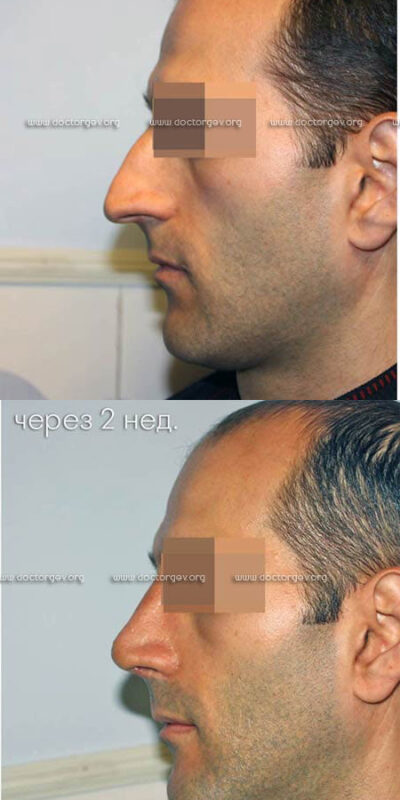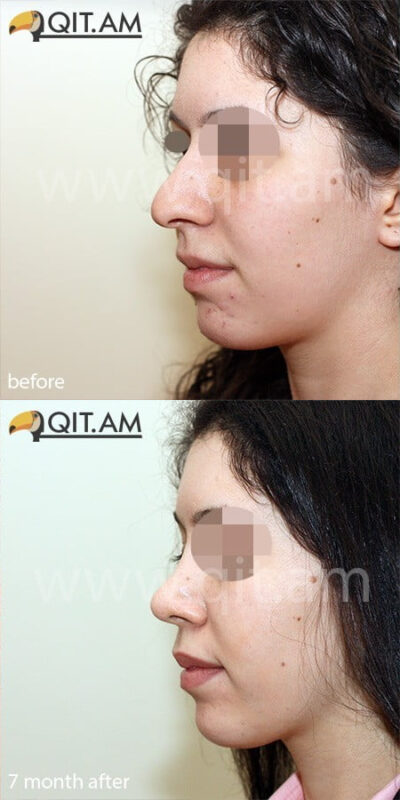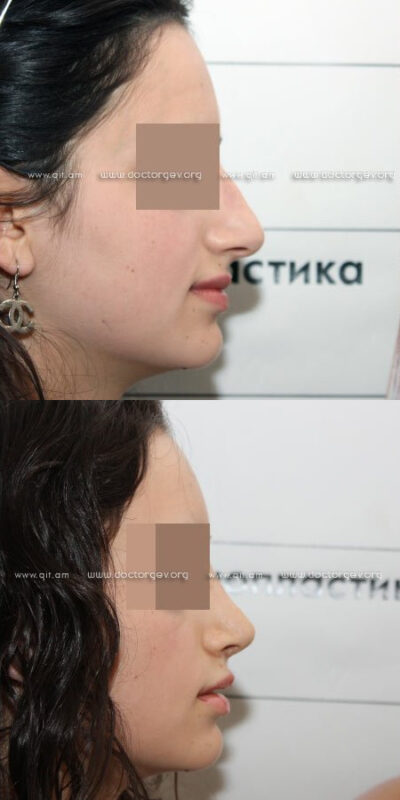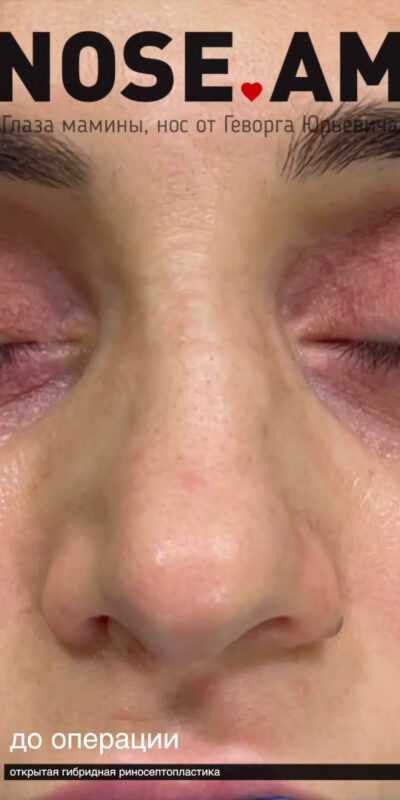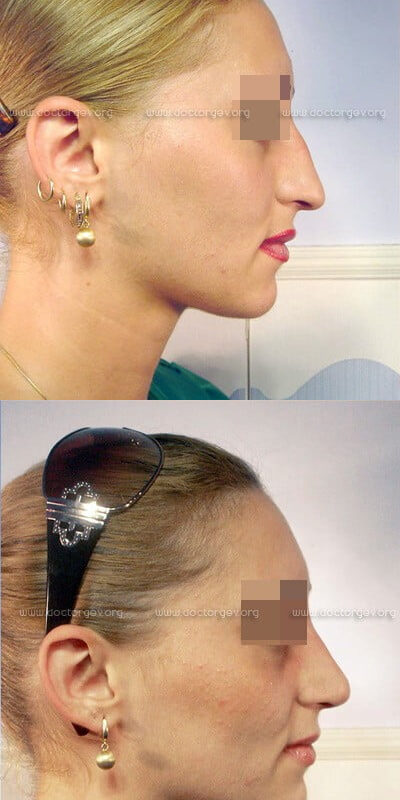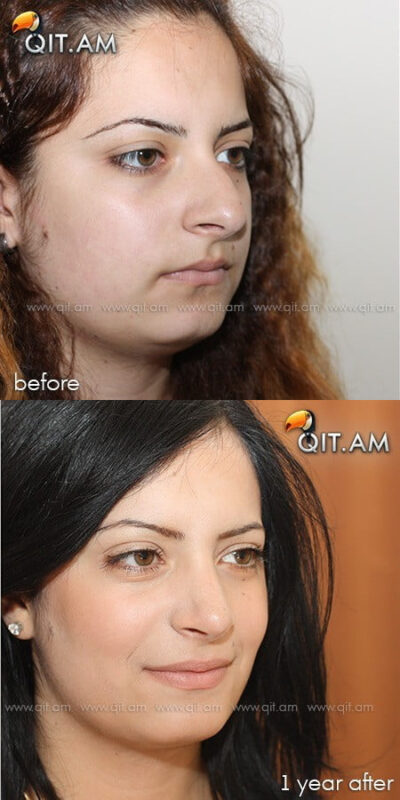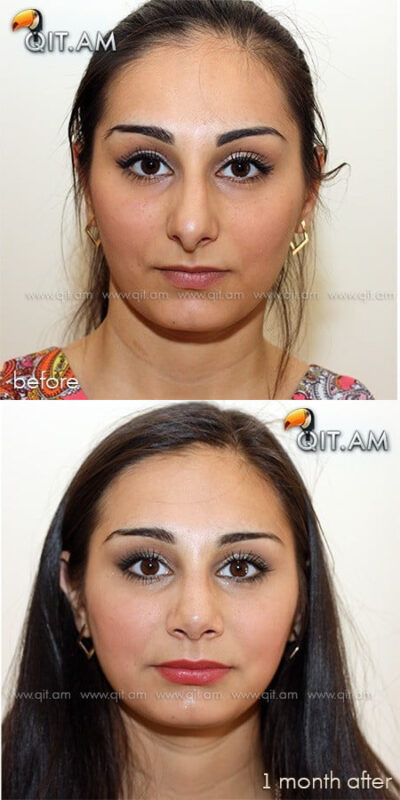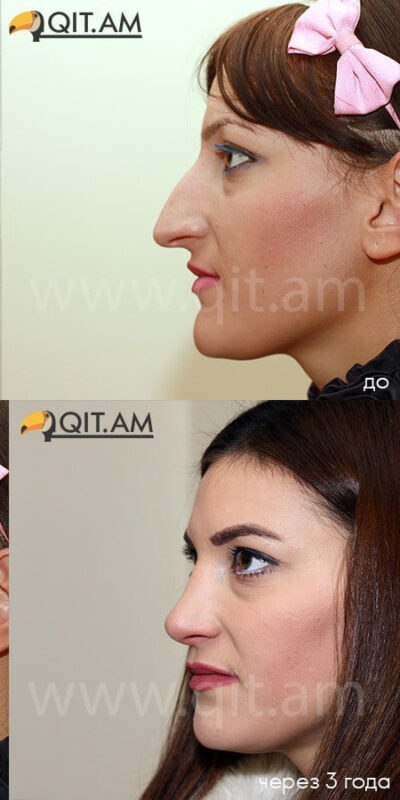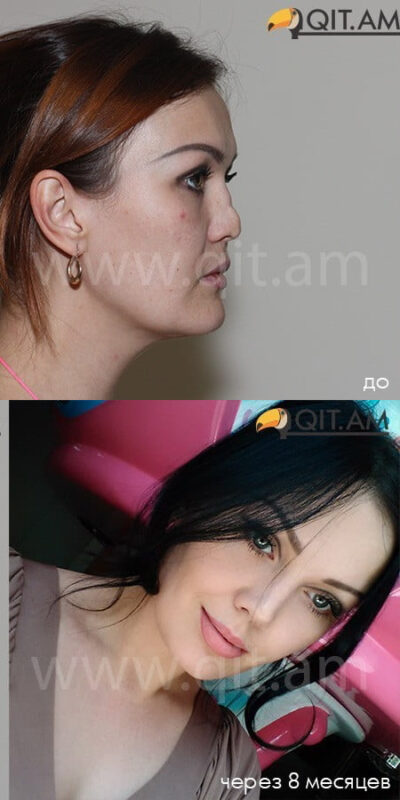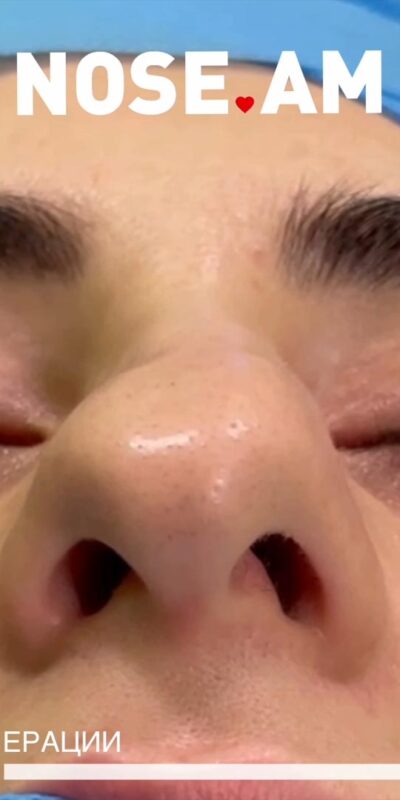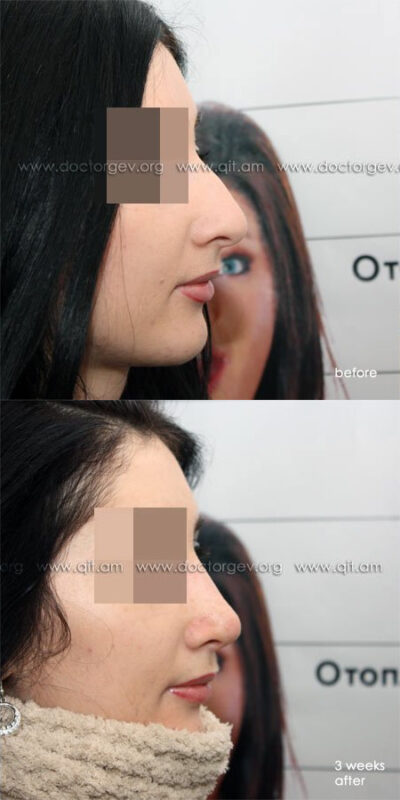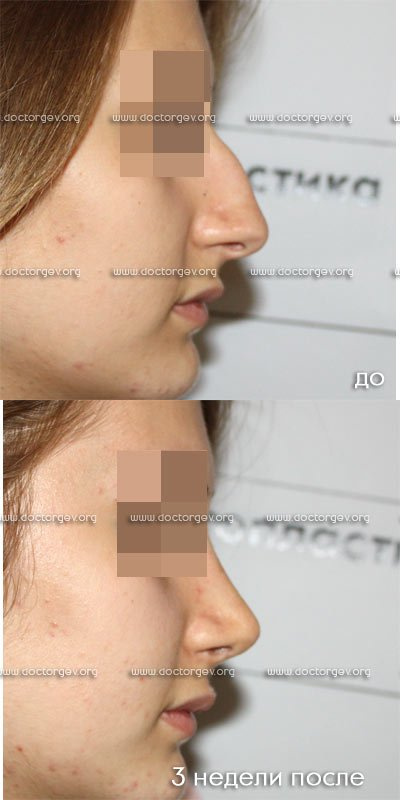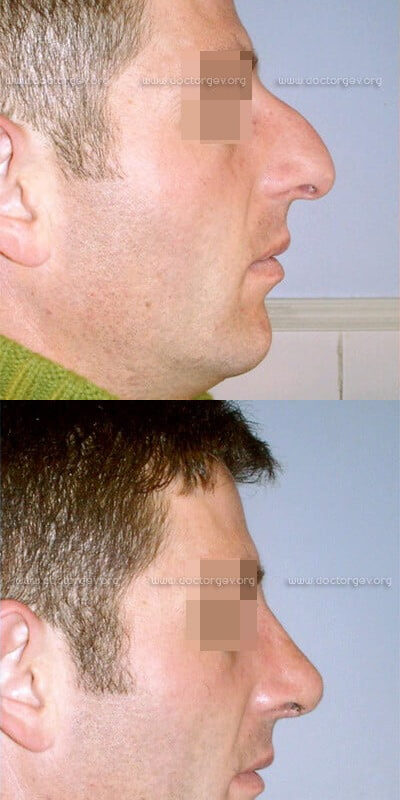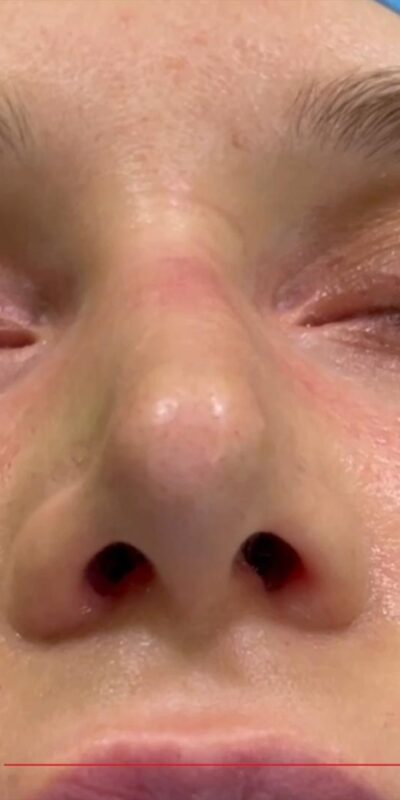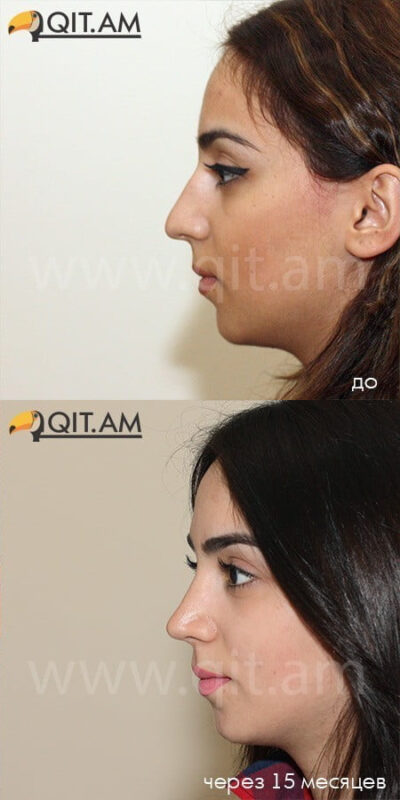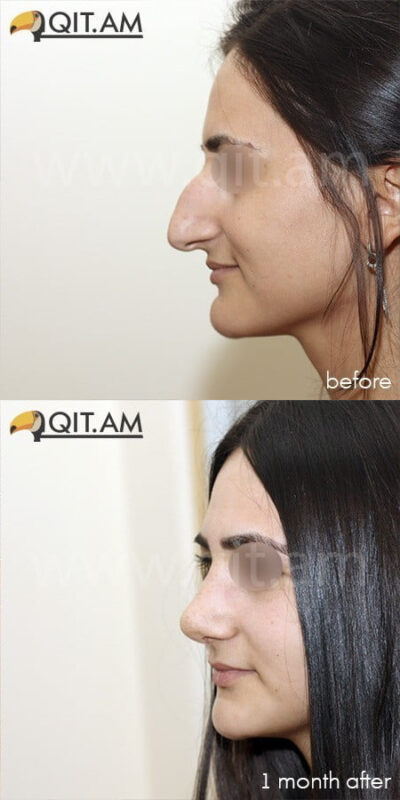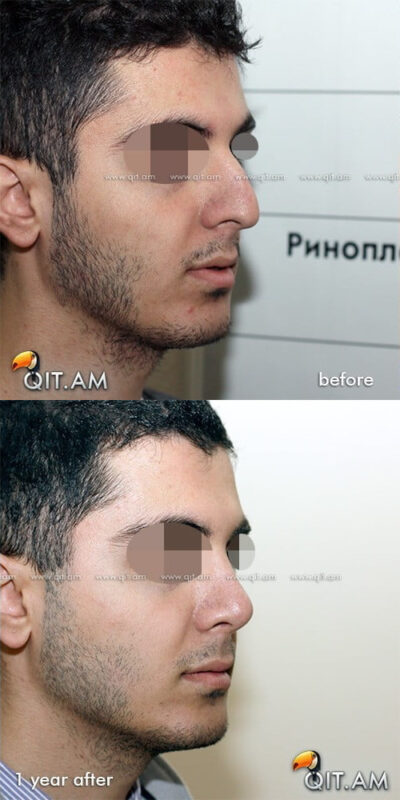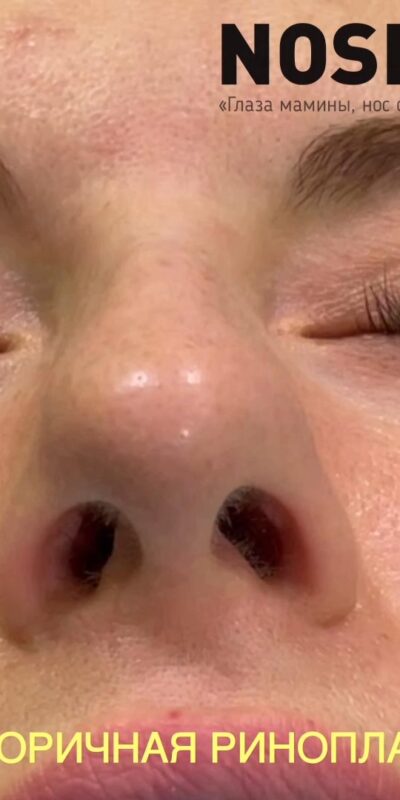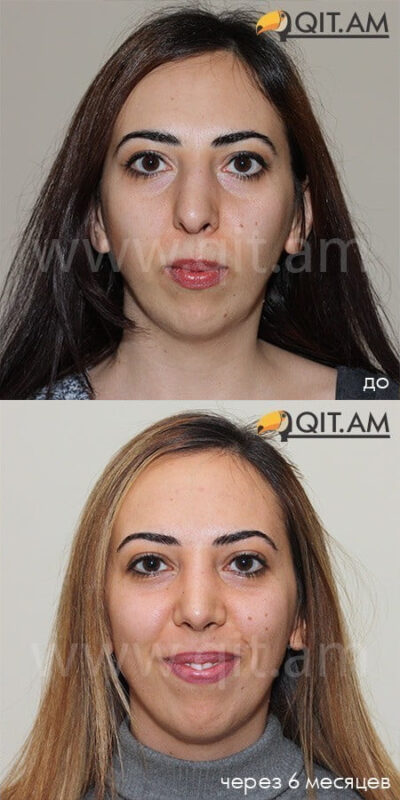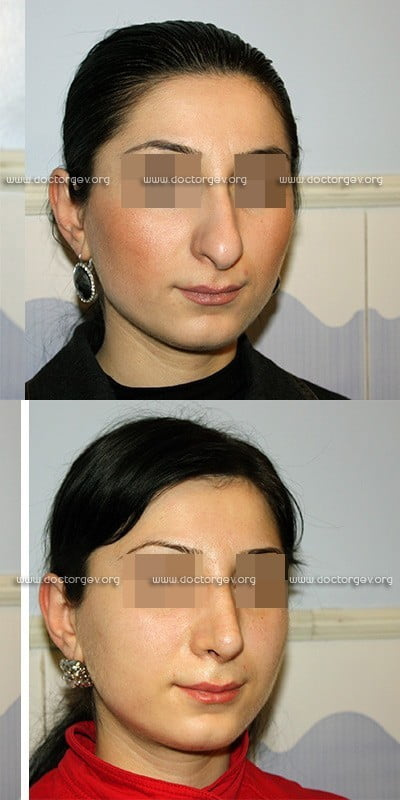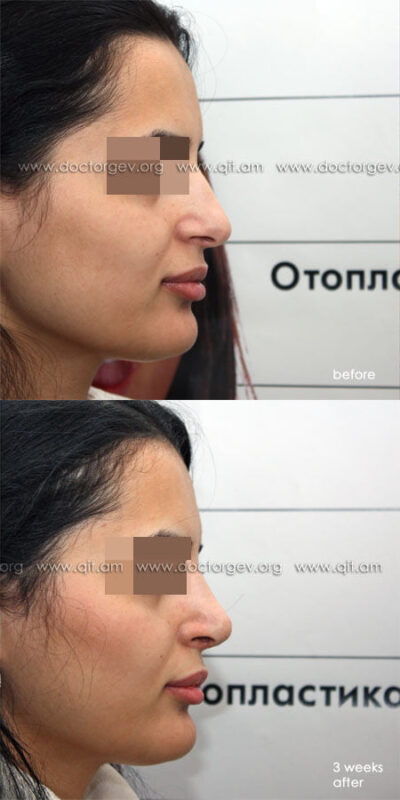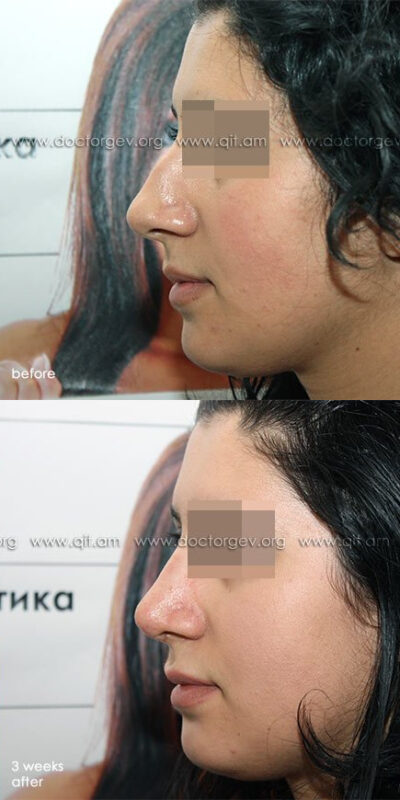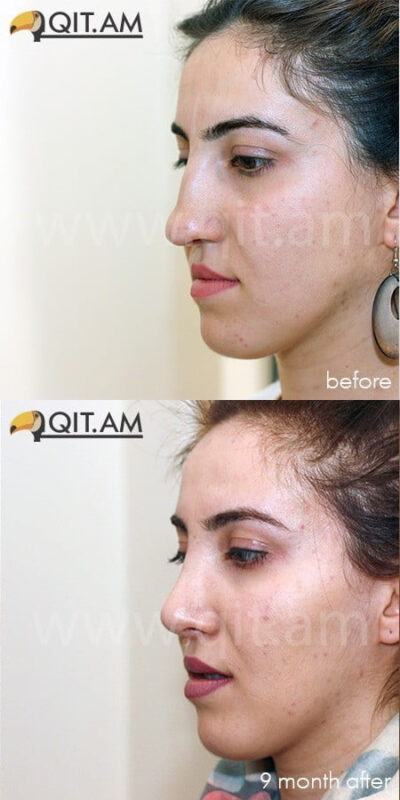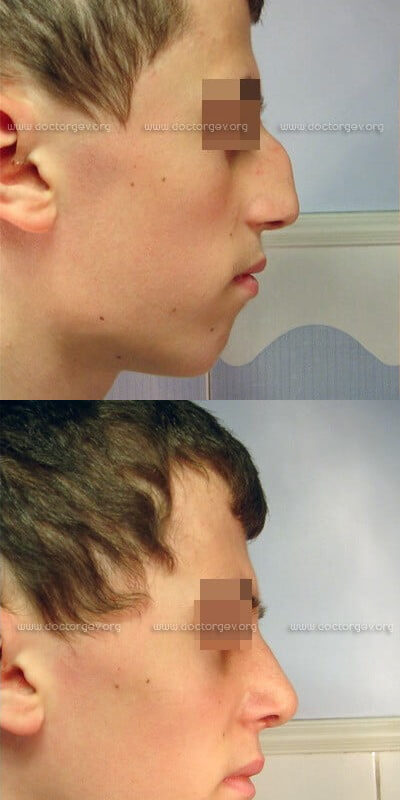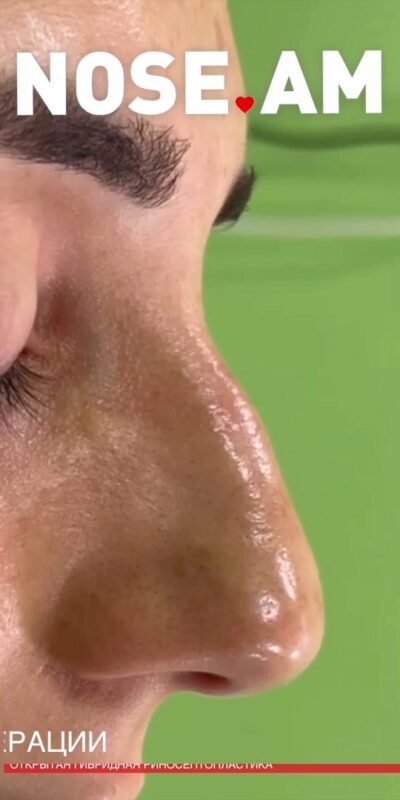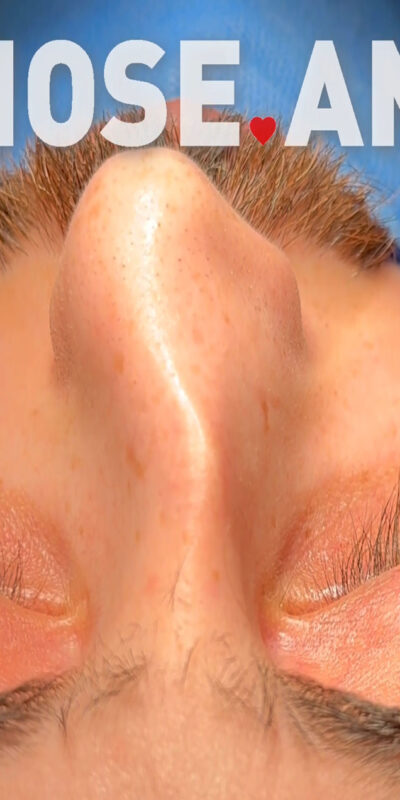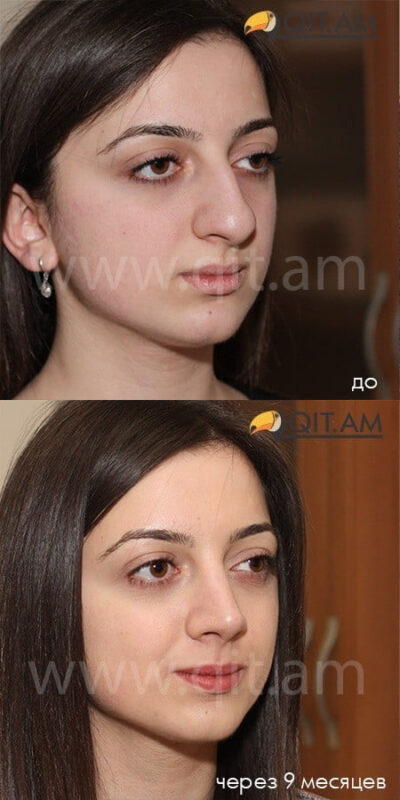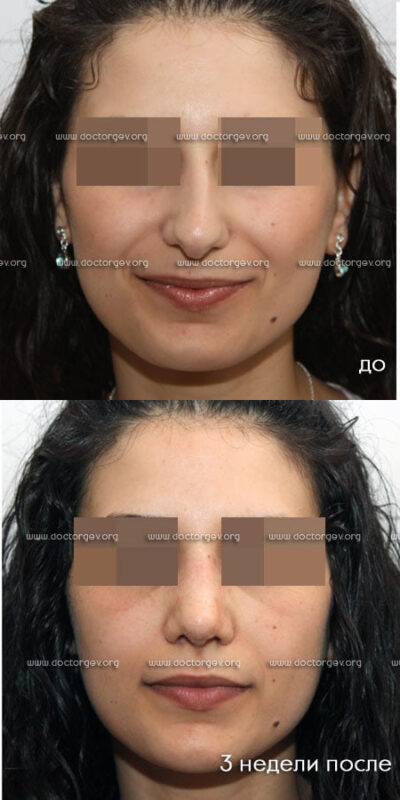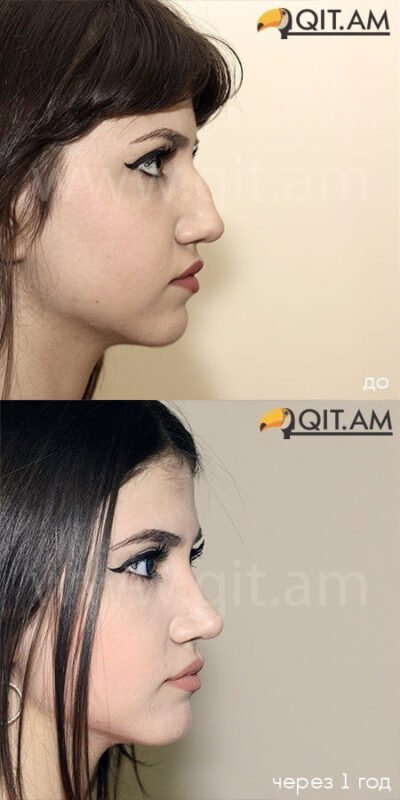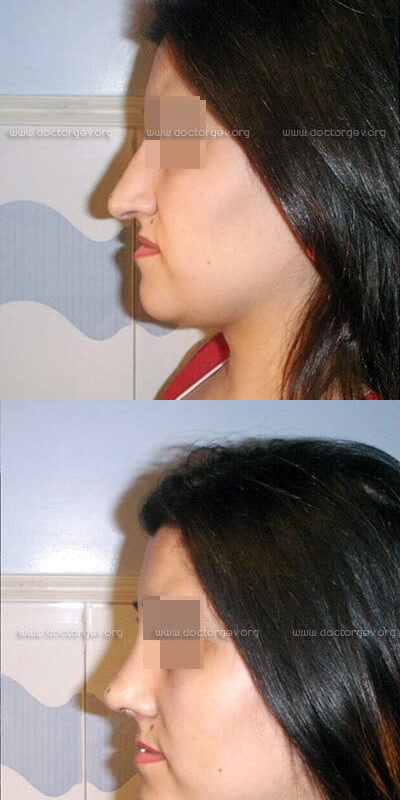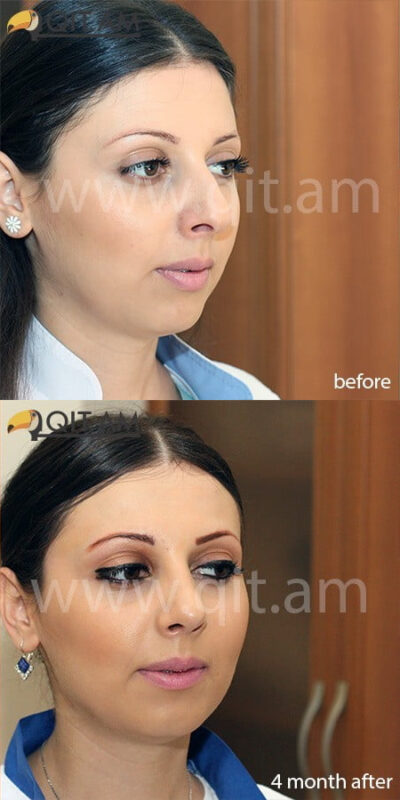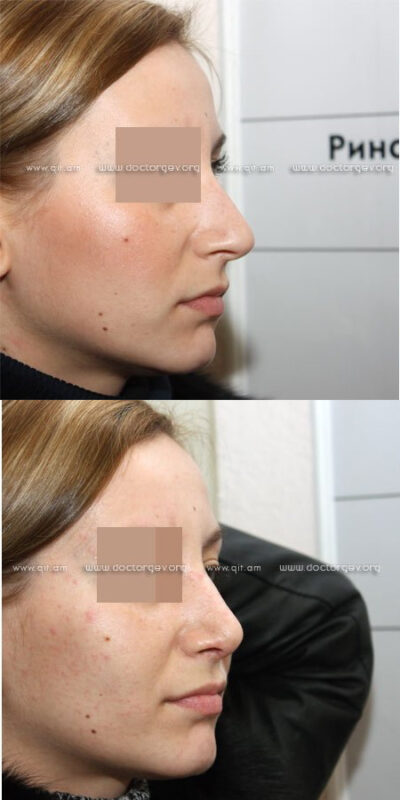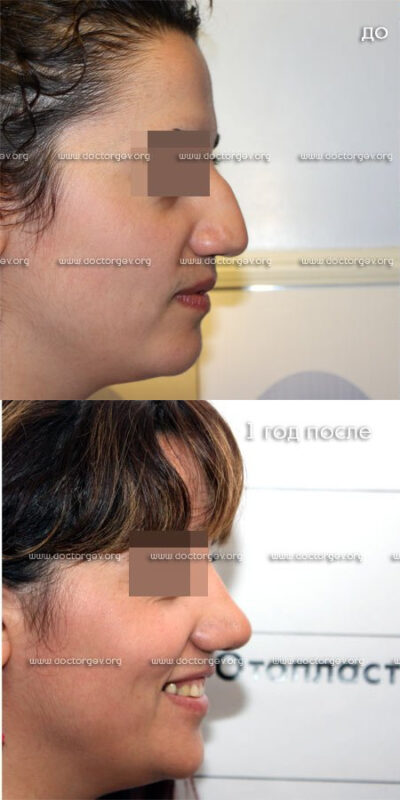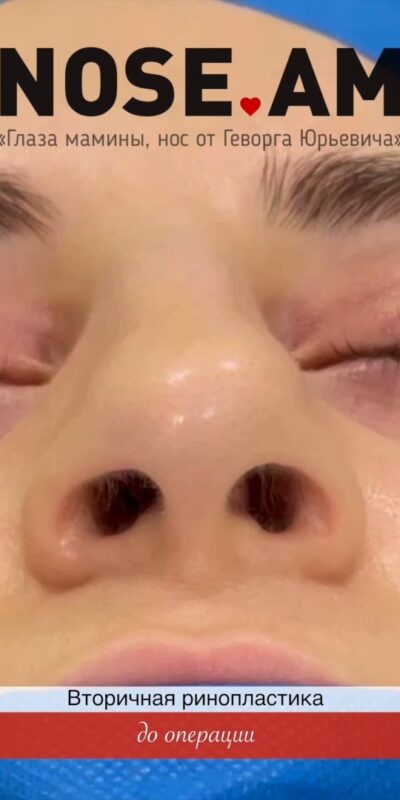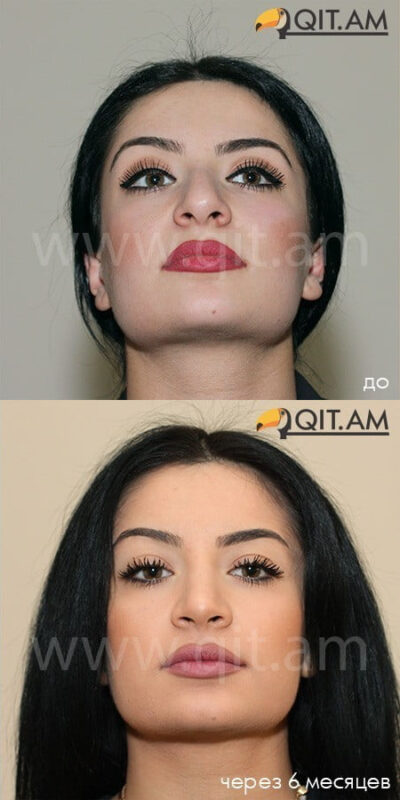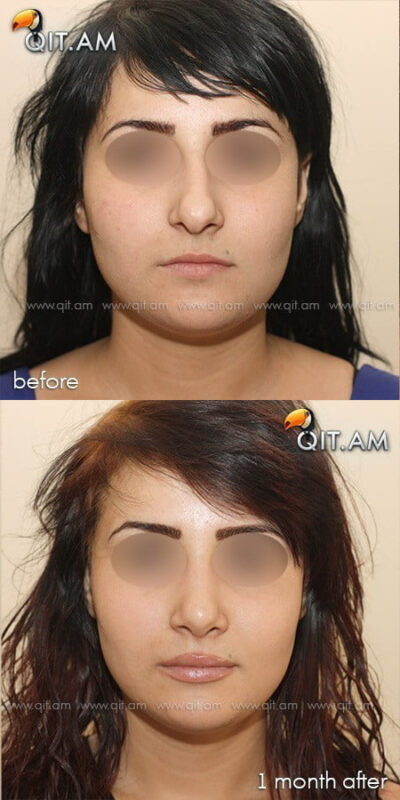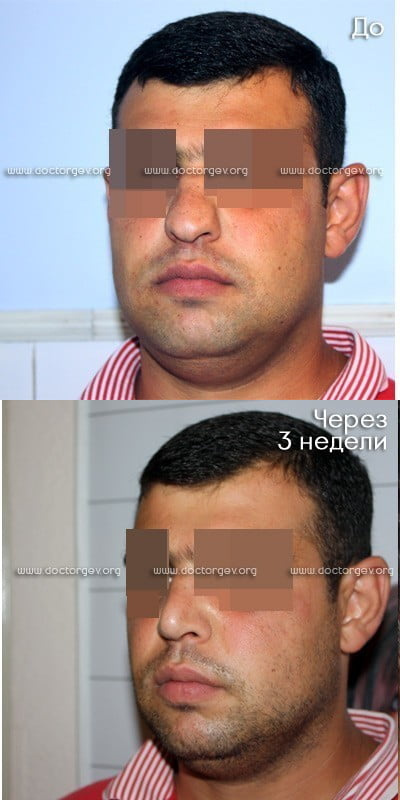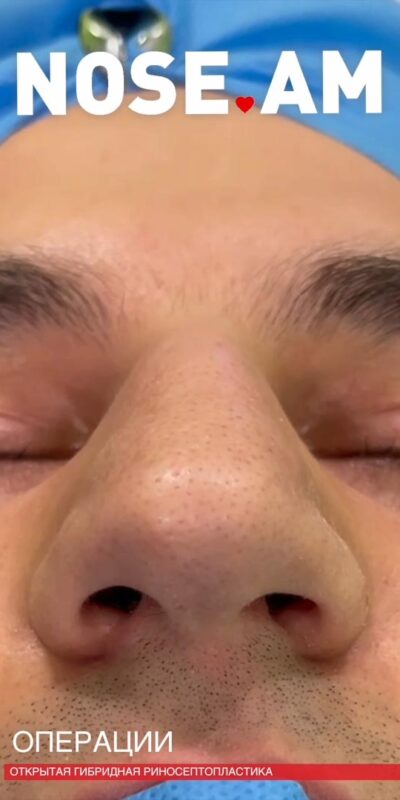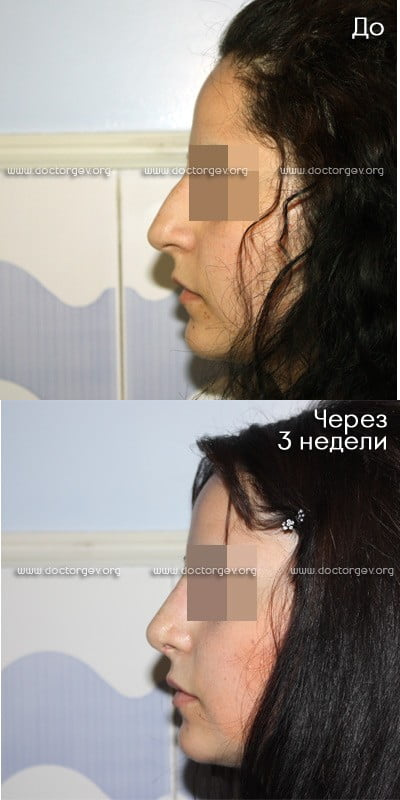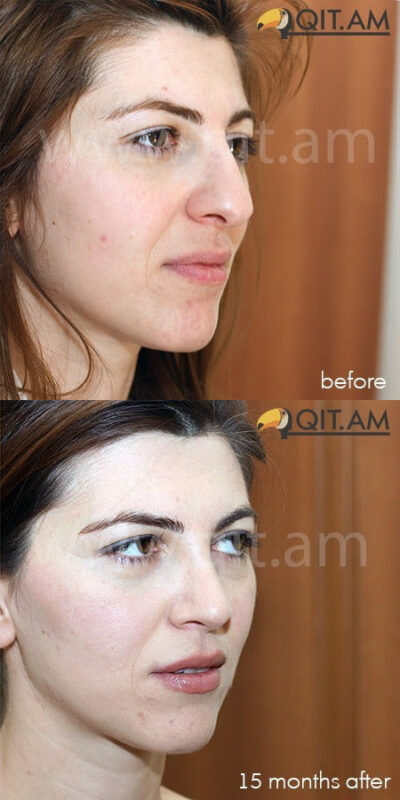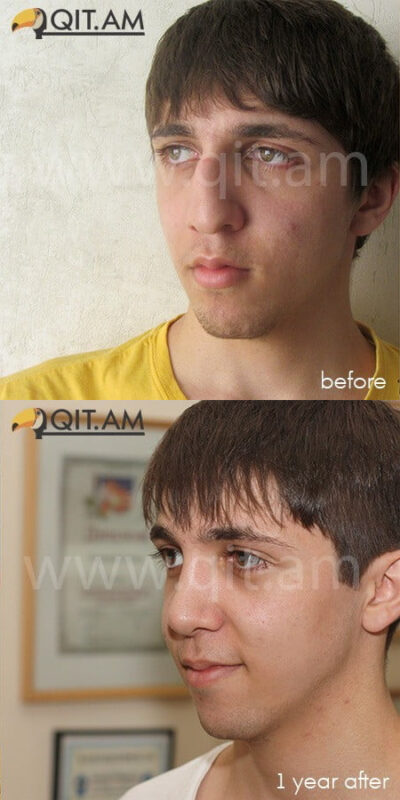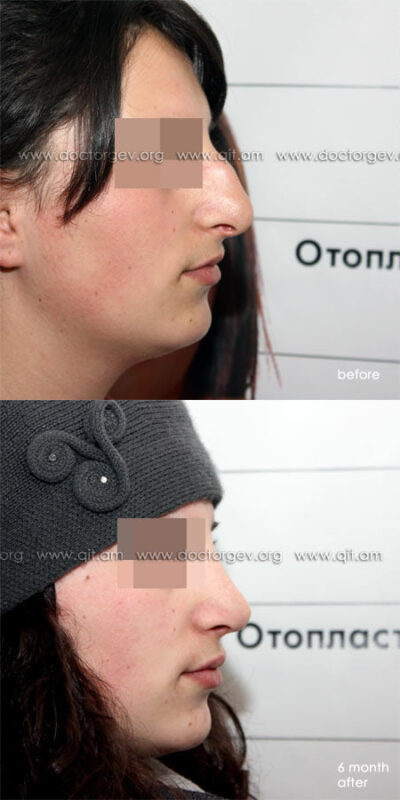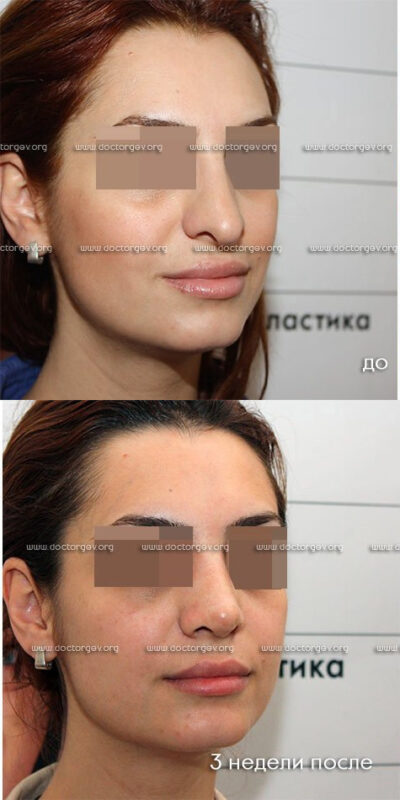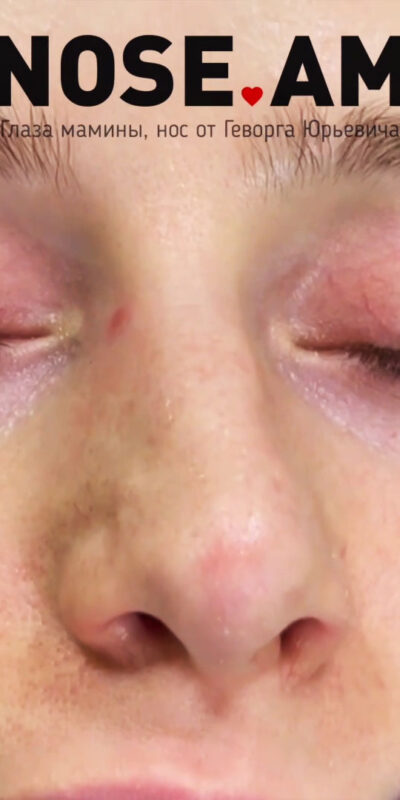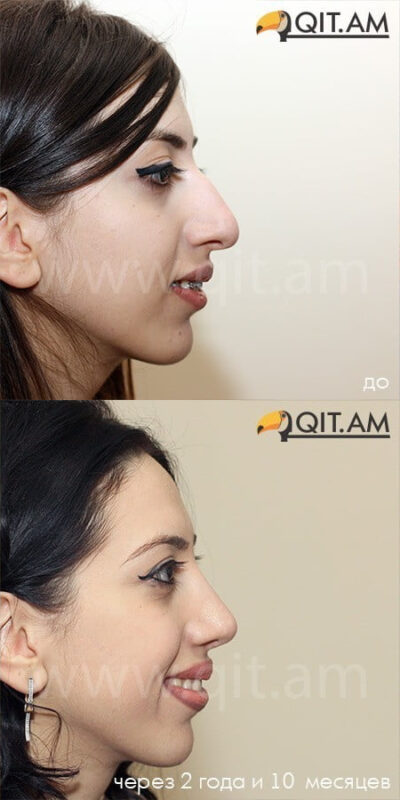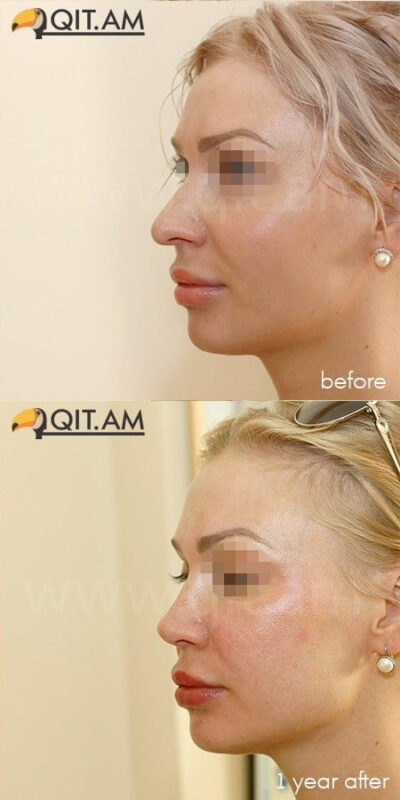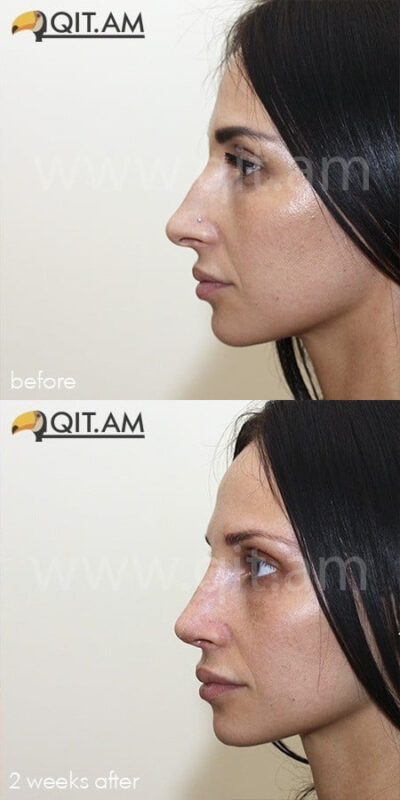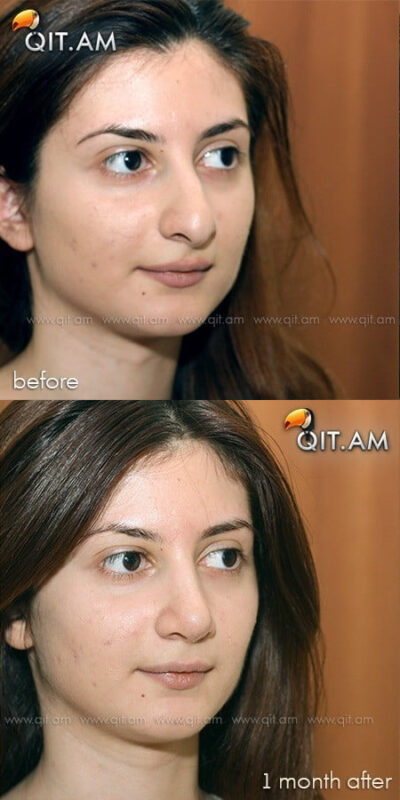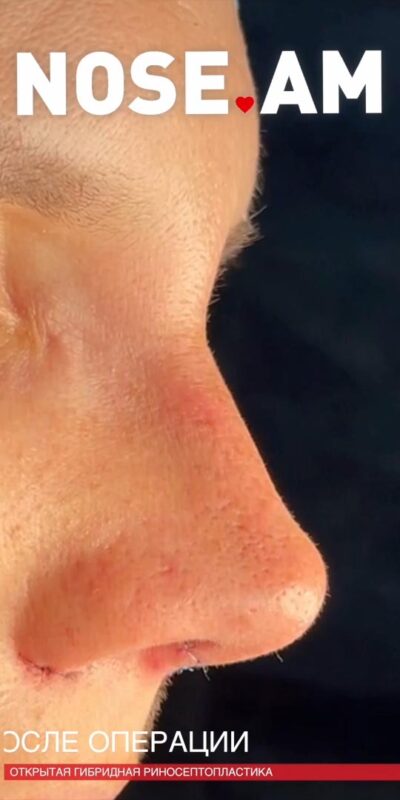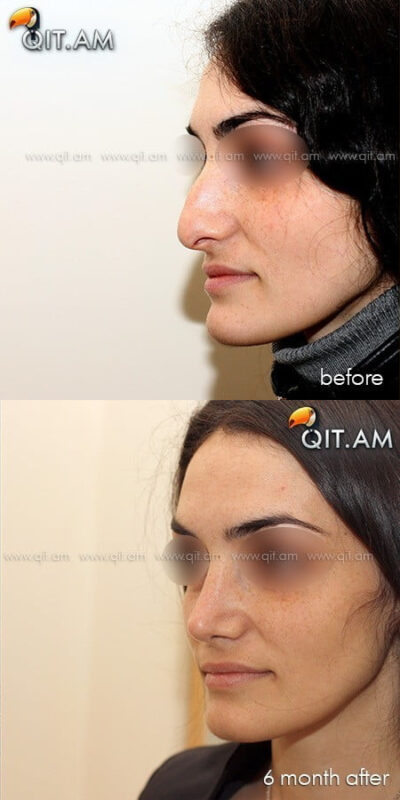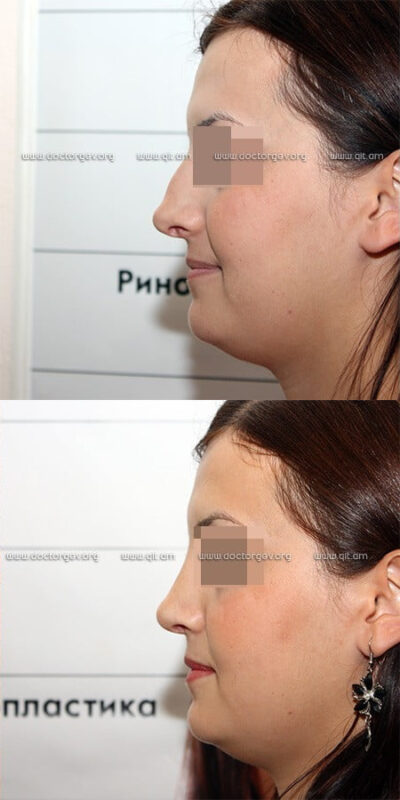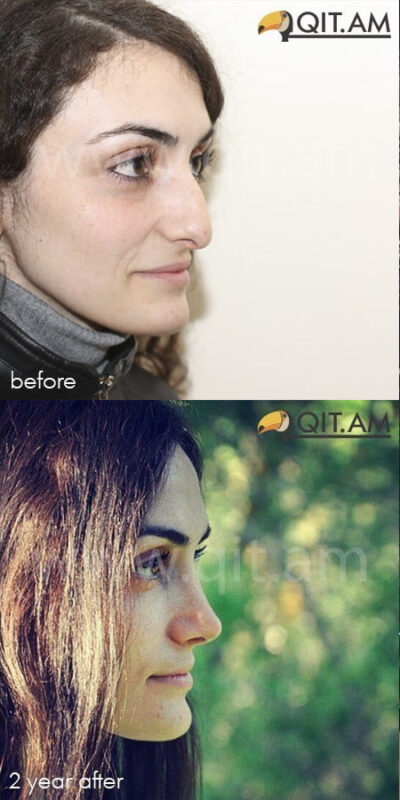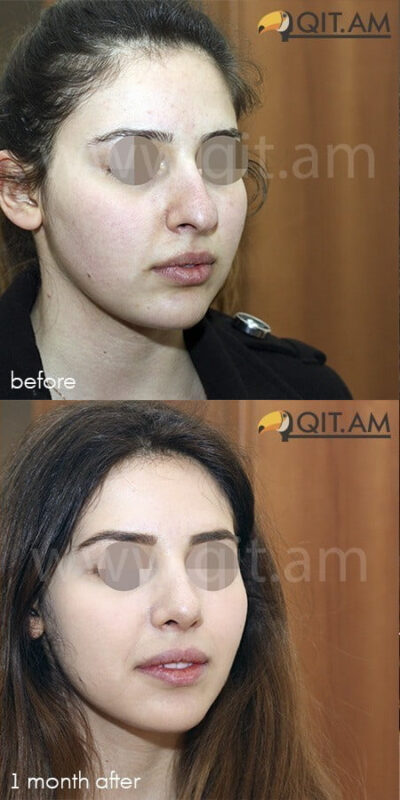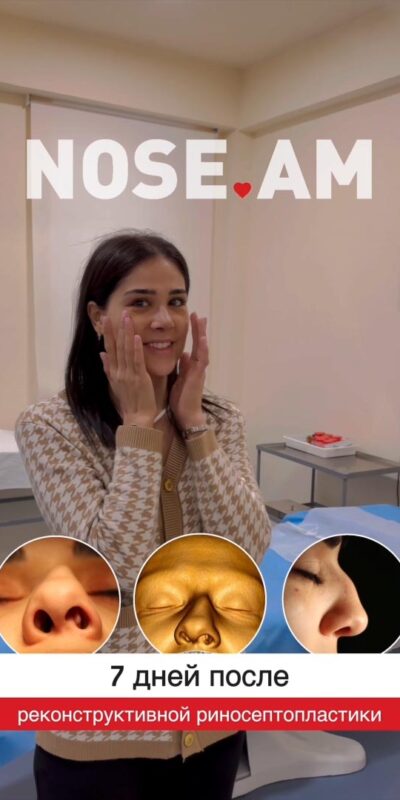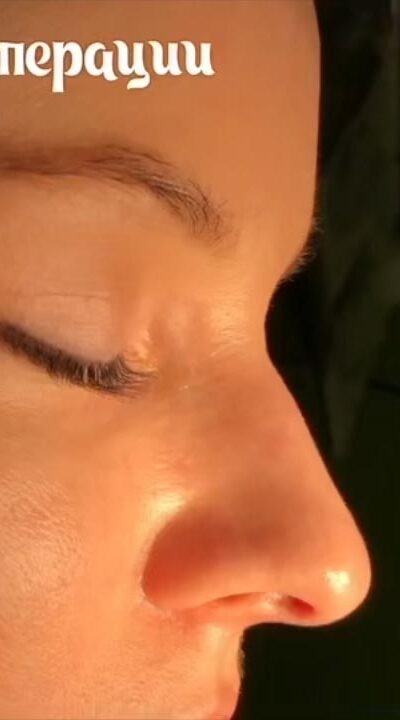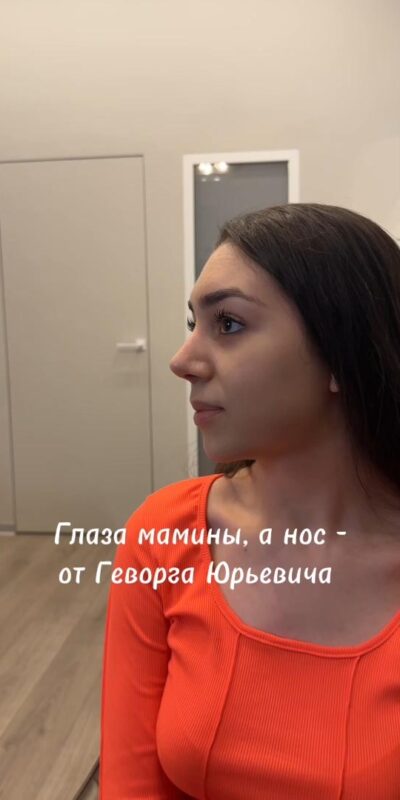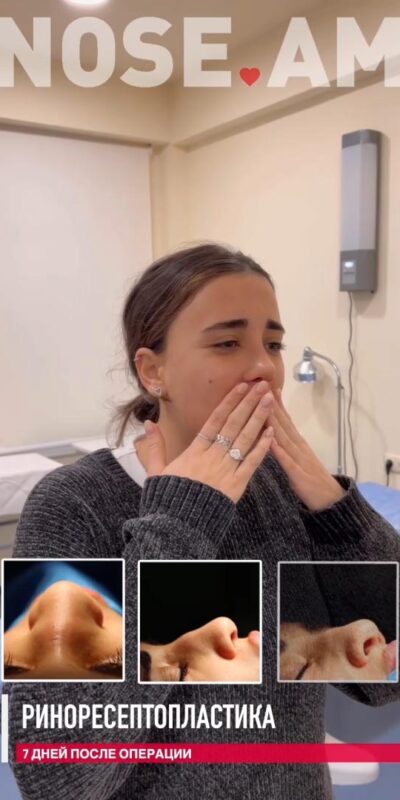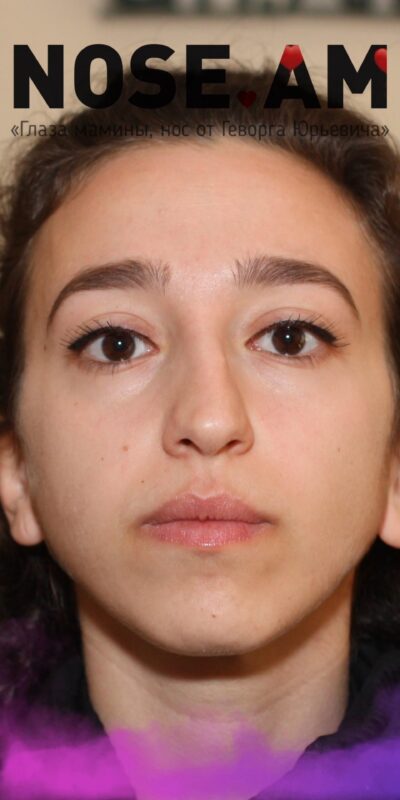

Rhinoplasty can be organized even if you live in another country. This requires more planning — but not more risk. The main thing is to follow the correct sequence of steps and not start by buying tickets.
Step 1. Online consultation — the starting point
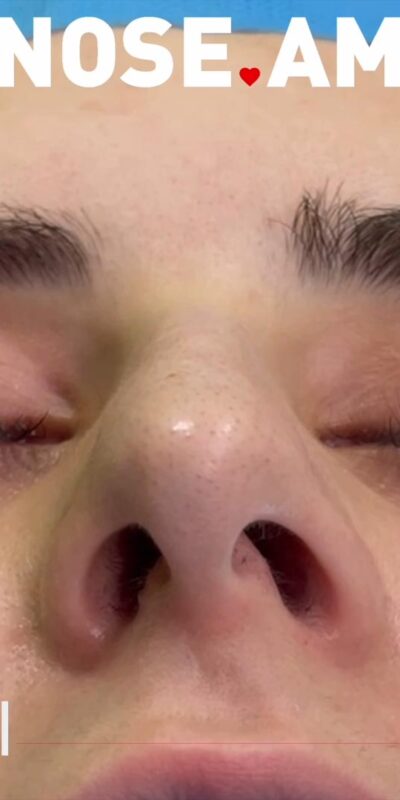
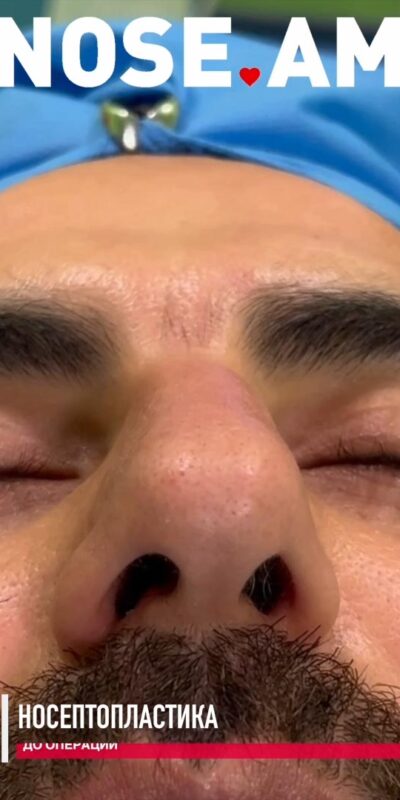
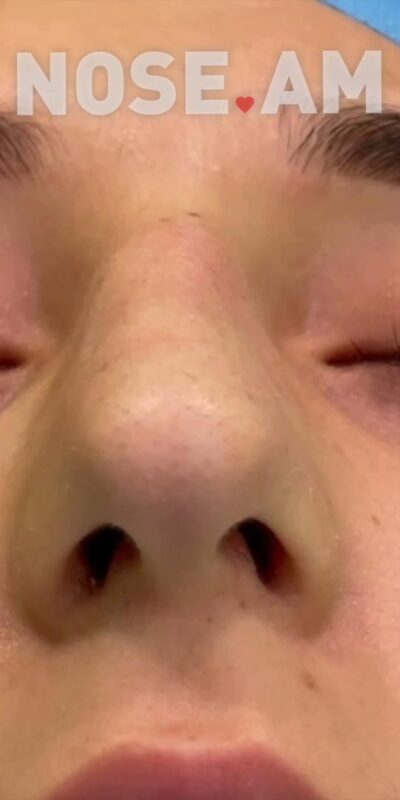
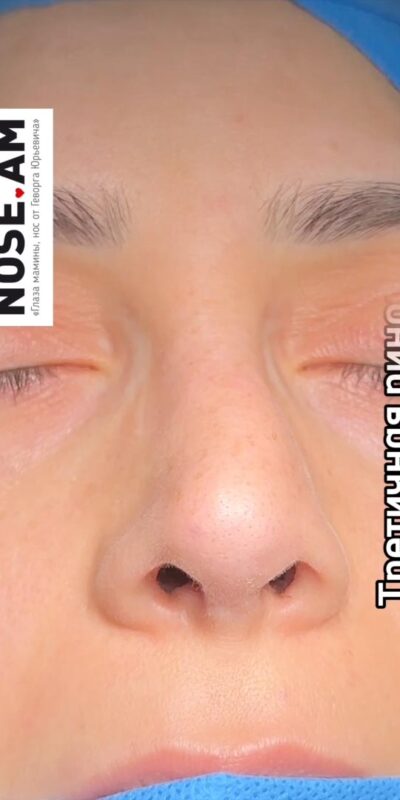
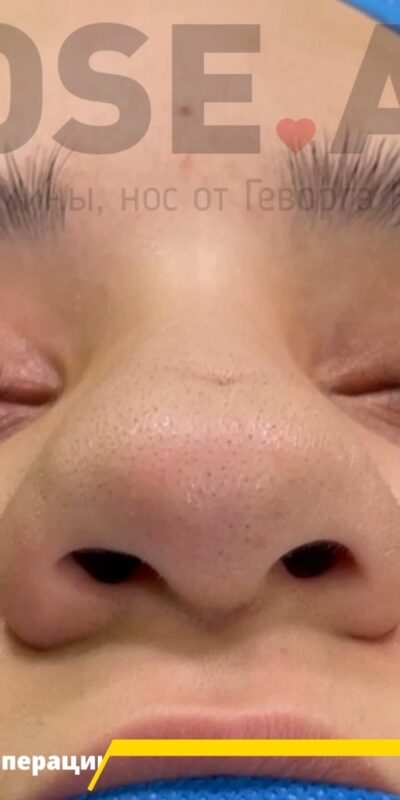
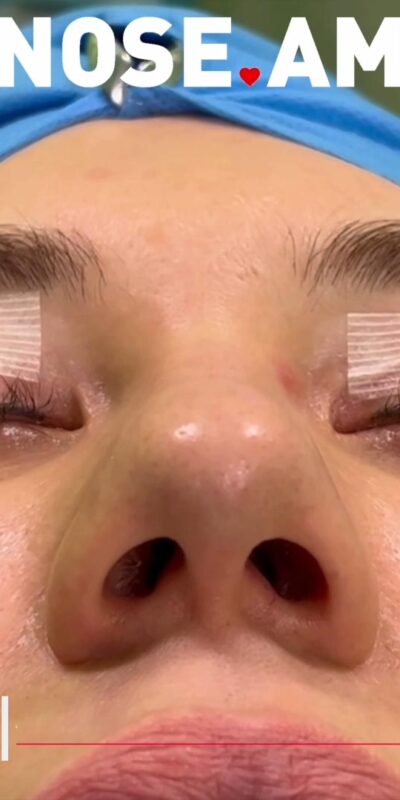
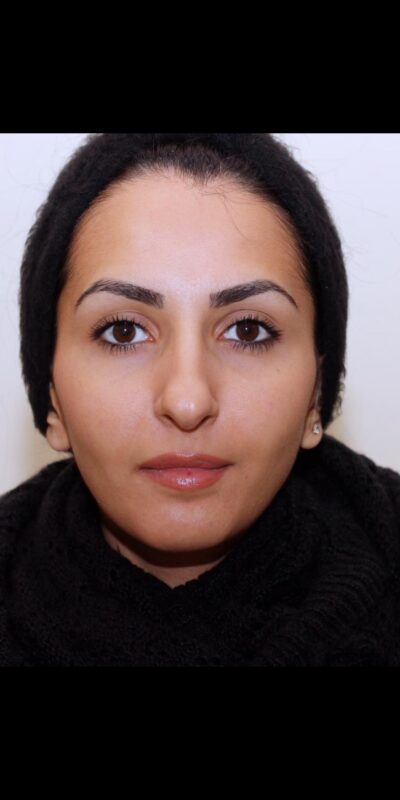
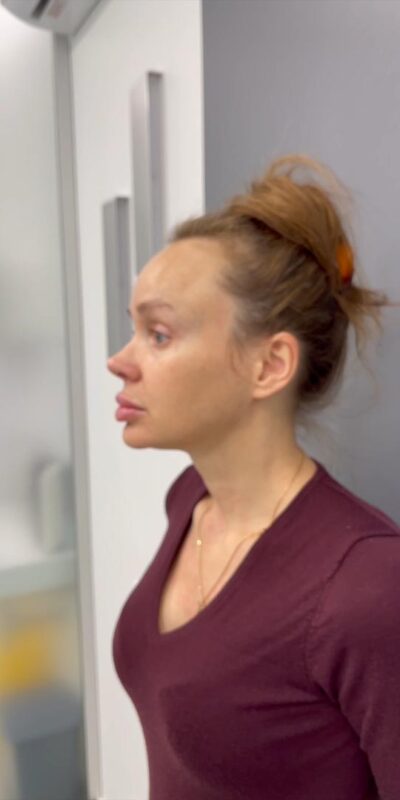
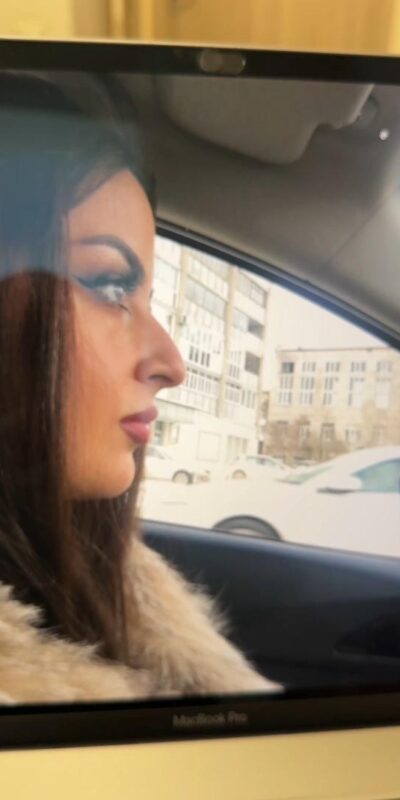
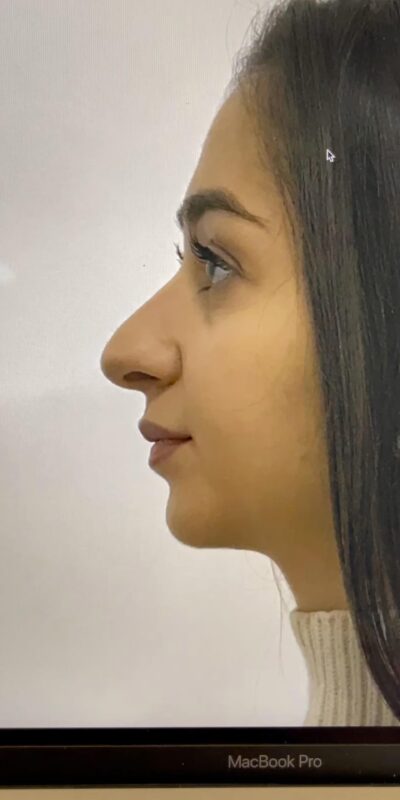
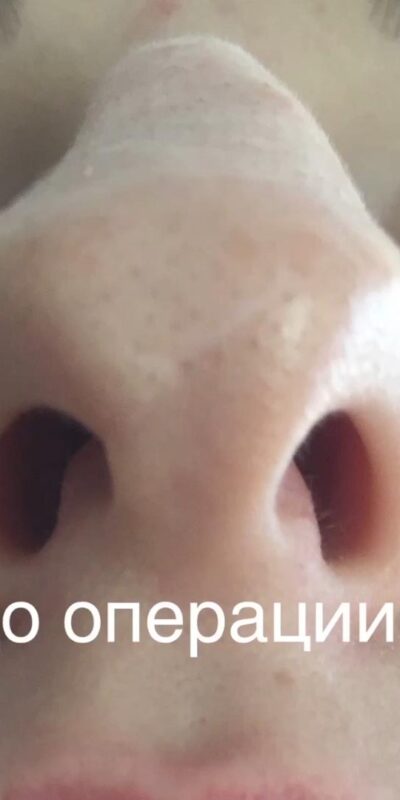
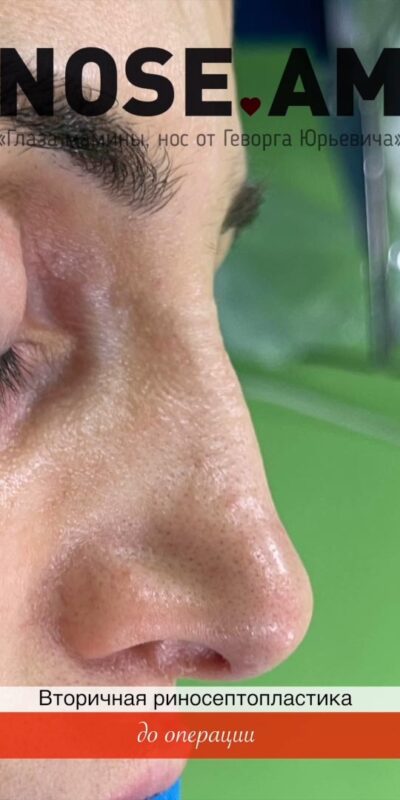
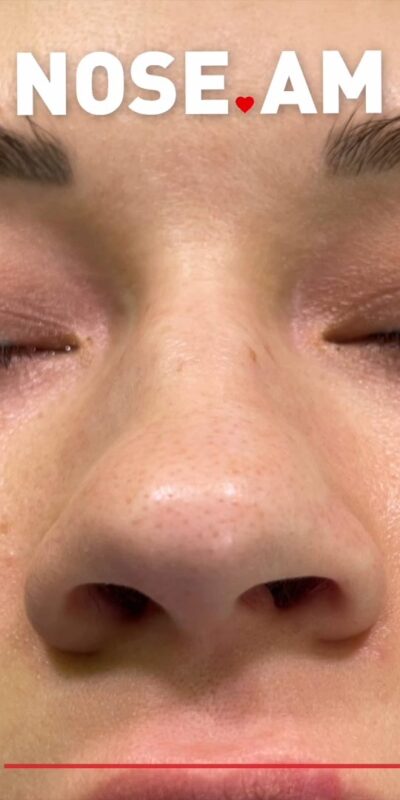
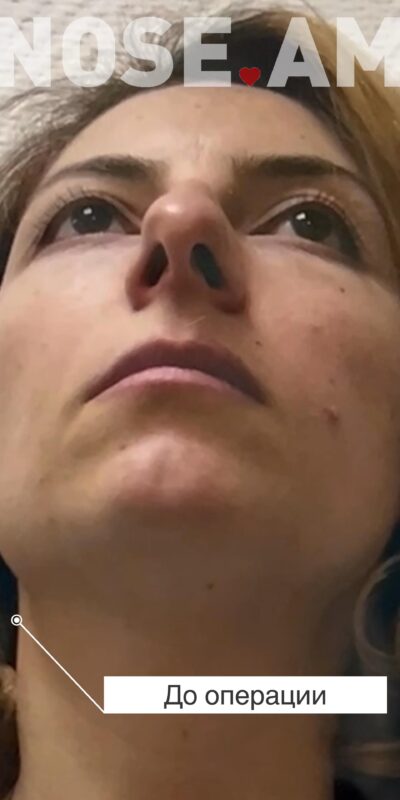
First, a consultation is required. For an initial introduction, it can be held online: you send photos from 6 angles (full face, profile from both sides, semi-profile from both sides, bottom view) and ask your questions. I review them, answer, and explain what can realistically be done in your case.
But it is important to understand: an online consultation based on photos is only a preliminary conversation. For full-scale surgical planning, I need data that a photo cannot provide.
Step 2. CT scan — can be done at home
A CT scan of the nose and paranasal sinuses is an essential part of the diagnostics. The good news is: you do not have to do it in Yerevan. You can get a CT scan in your city and send me the files in DICOM format (a series of images on a CD or via a link).
CT shows what cannot be evaluated externally: the condition of the nasal septum and the degree of its deviation, the location of the inferior nasal turbinates, the shape of the osteochondral framework, the presence of cysts or polyps in the sinuses, and the consequences of trauma or previous surgeries. This is the foundation for planning. Without a CT scan, it is impossible to accurately answer either the question “what can realistically be done” or “how much it costs.”
Step 3. Coordinating the plan before arrival
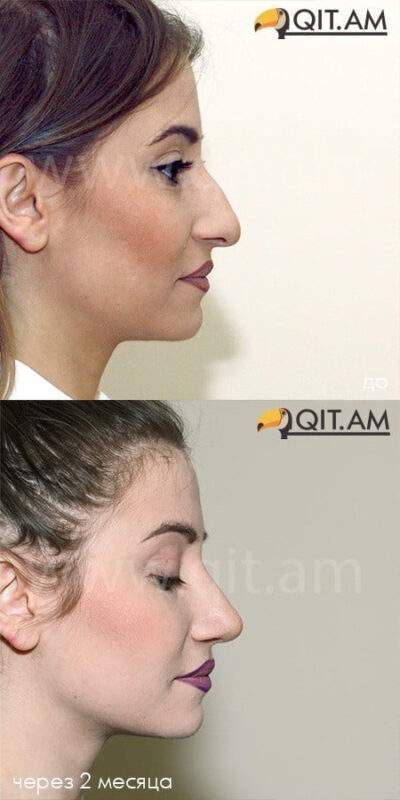
After analyzing the CT scan and photos, we hold a detailed online consultation: I show a computer simulation in profile, explain the surgical plan, and discuss anatomical limitations. Only after this can we secure a date and buy tickets.
How much time do I need to spend in Yerevan?
The minimum duration for a patient from another country is 8 days:
- Day −1: arrival, brief examination, final preoperative tests;
- Day 0: surgery, stay at the clinic;
- Days 1–6: staying in Yerevan, daily monitoring of condition, nose care according to the schedule;
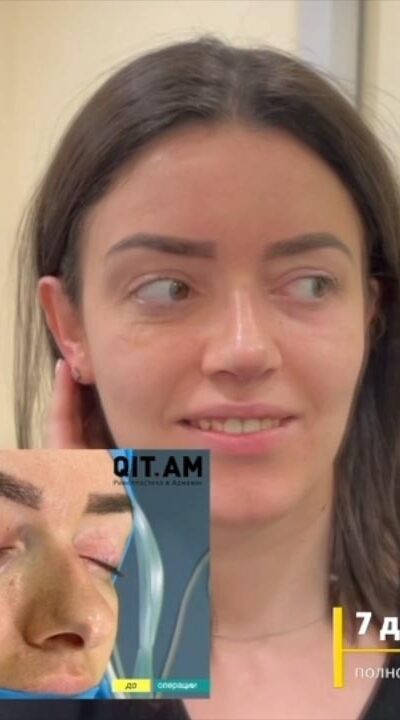
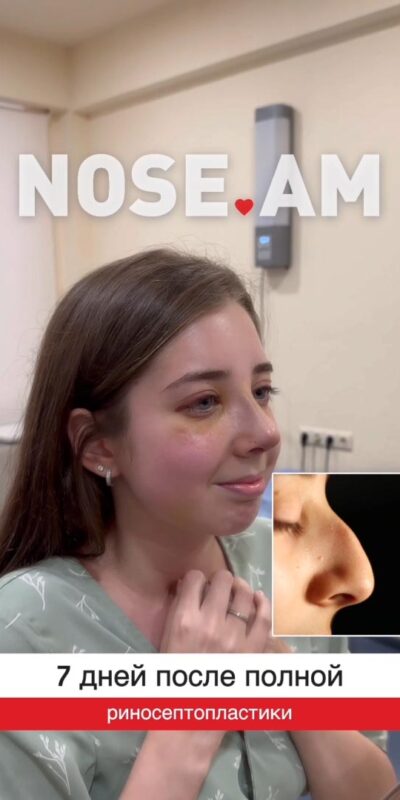
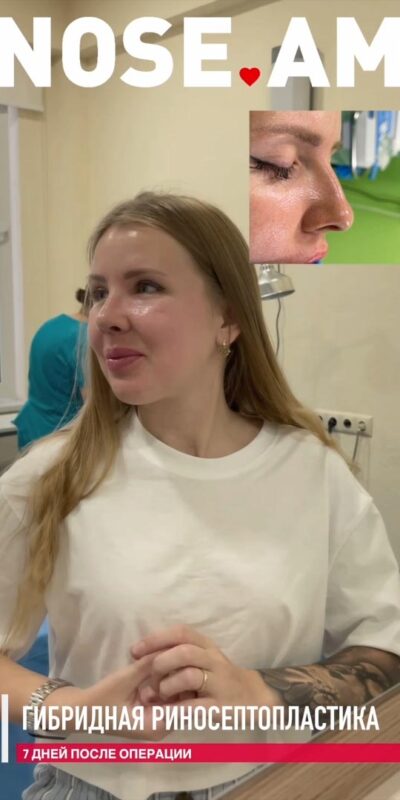
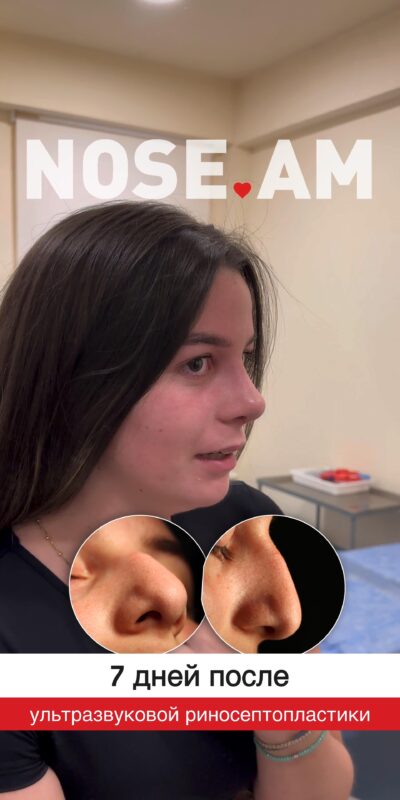
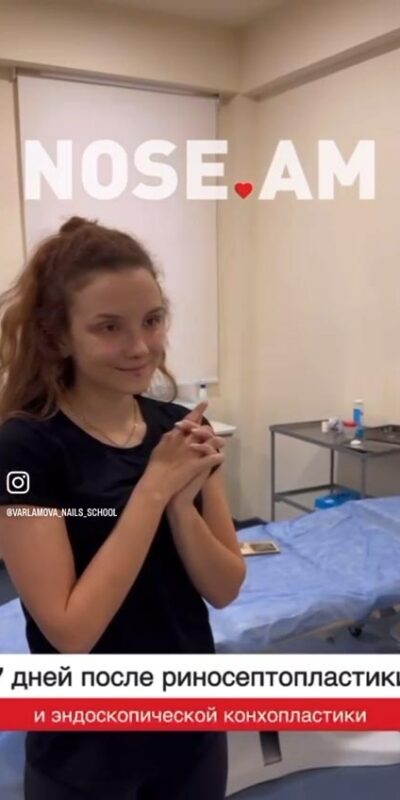
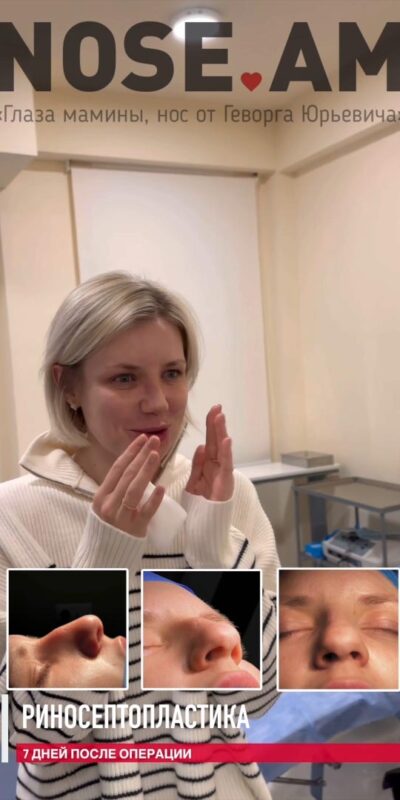
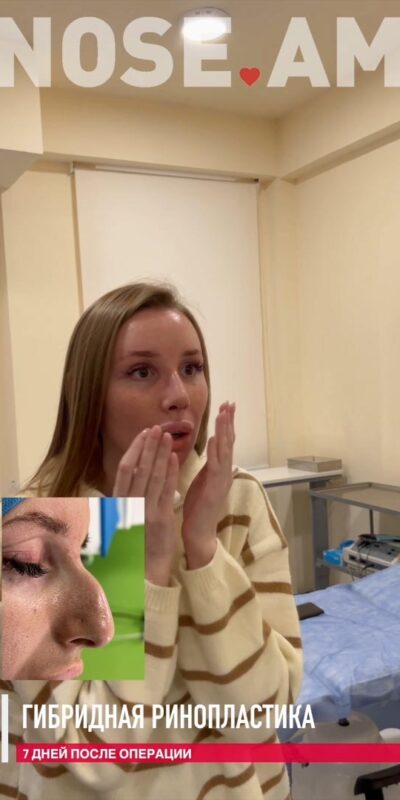
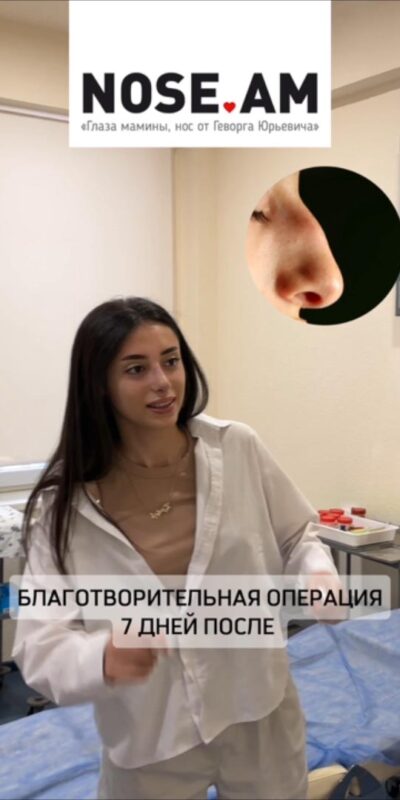
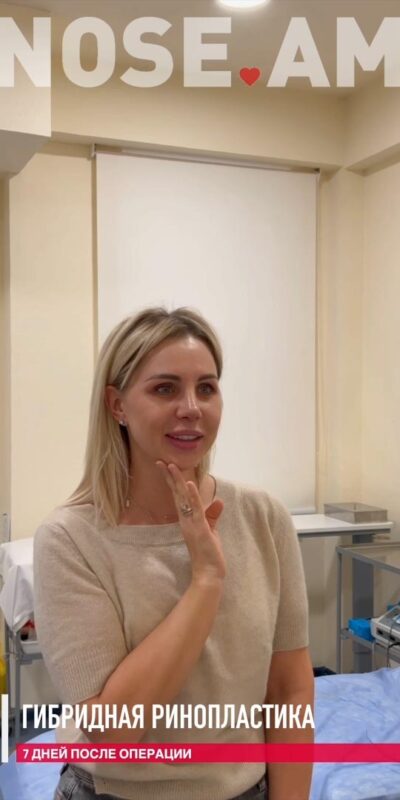
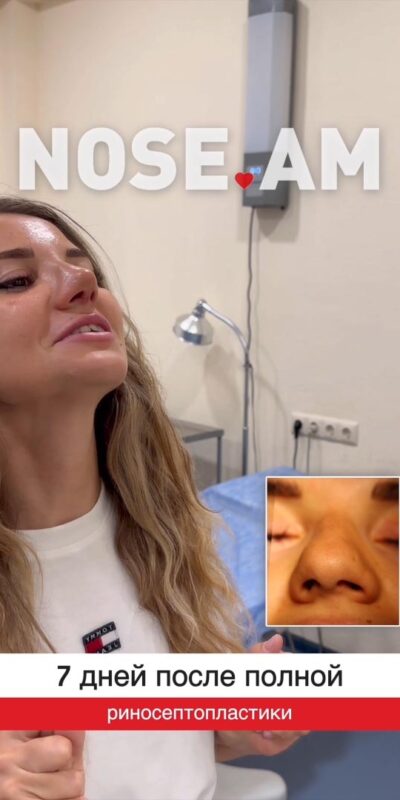
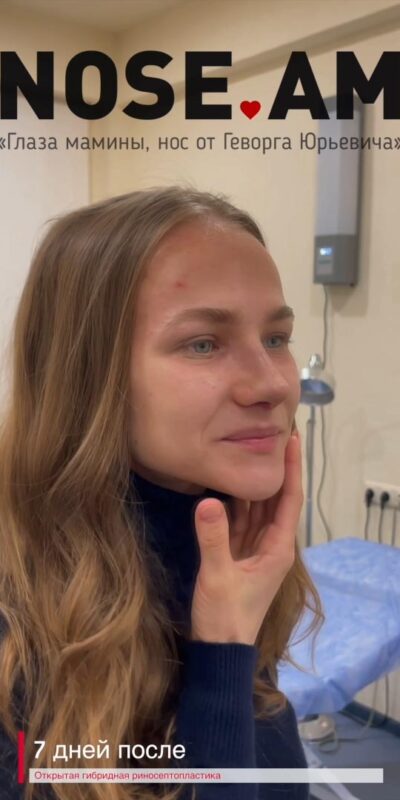
- Day 7: removal of fixation, follow-up examination, permission to leave.
Leaving ahead of schedule is not allowed. If anything requiring an examination arises during the first days after the surgery, I need to be able to see the patient in person. This is not just “just in case” — it is a real part of safe patient management.
After returning home
Further follow-up is conducted remotely: photo reports according to the schedule at agreed times (1, 3, 6, and 12 months), video consultations if necessary, and written recommendations based on the results of each examination. If needed, a referral to a local specialist with my specific instructions.
Proper organization saves both time and nerves. Therefore — first the CT scan and consultation, then tickets and the date. Not the other way around.