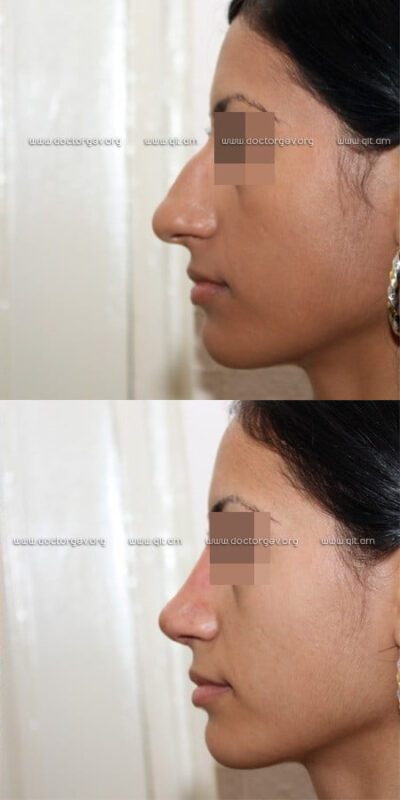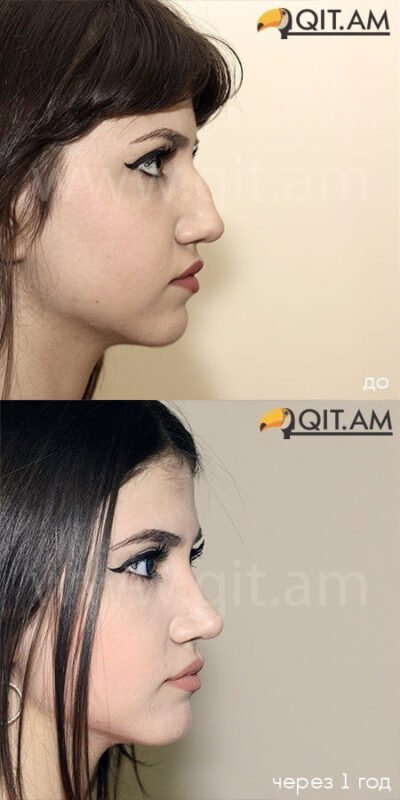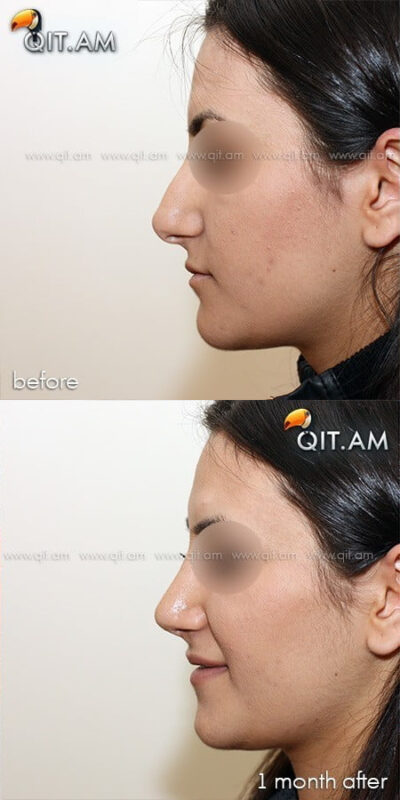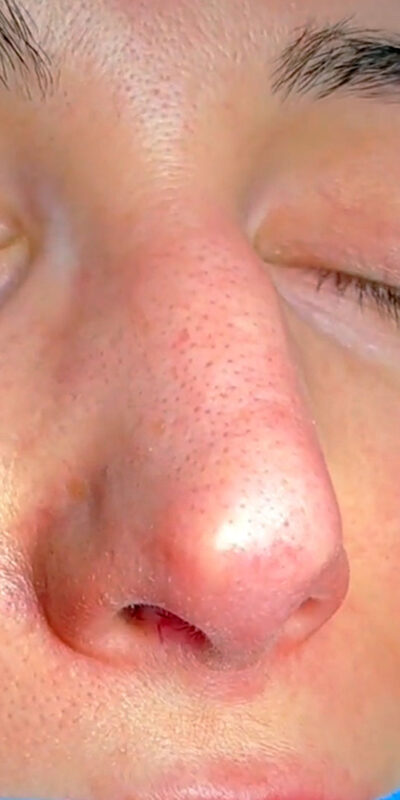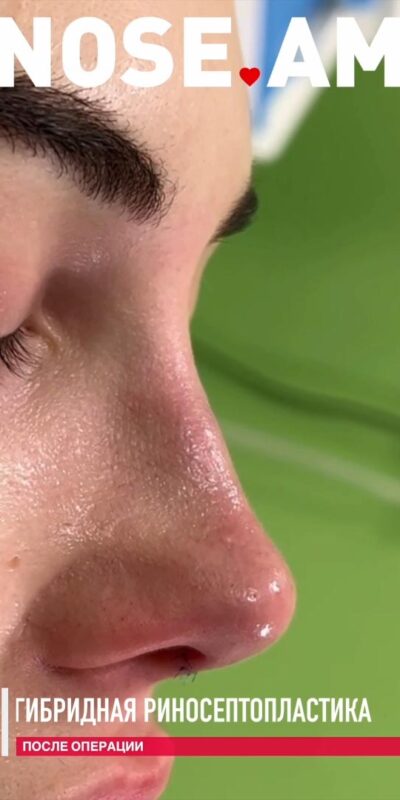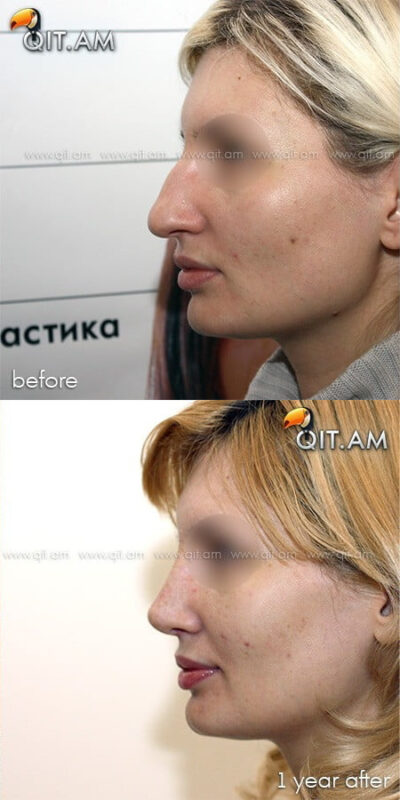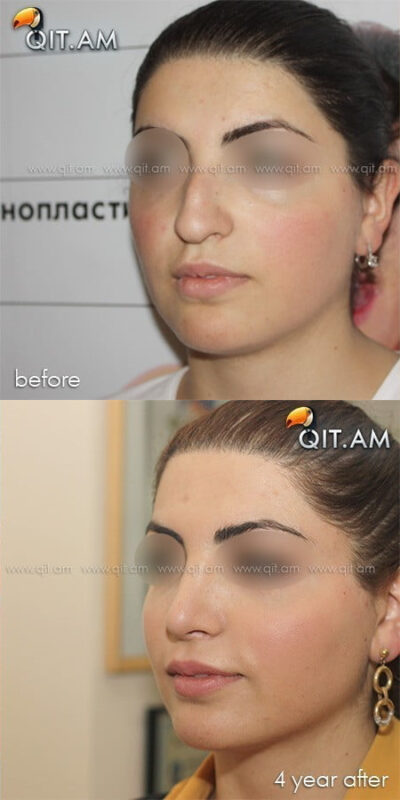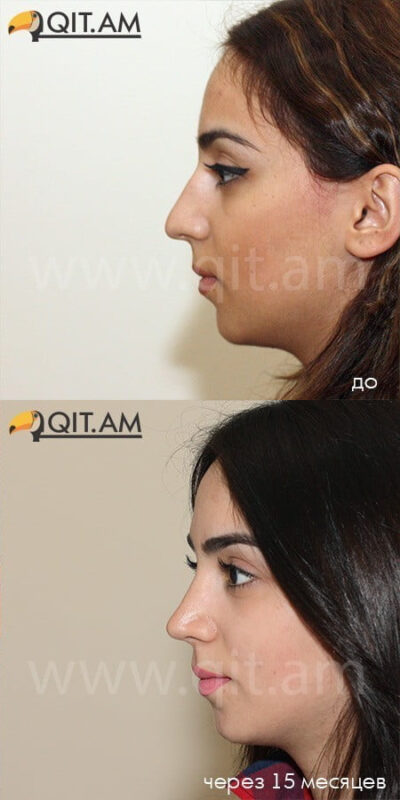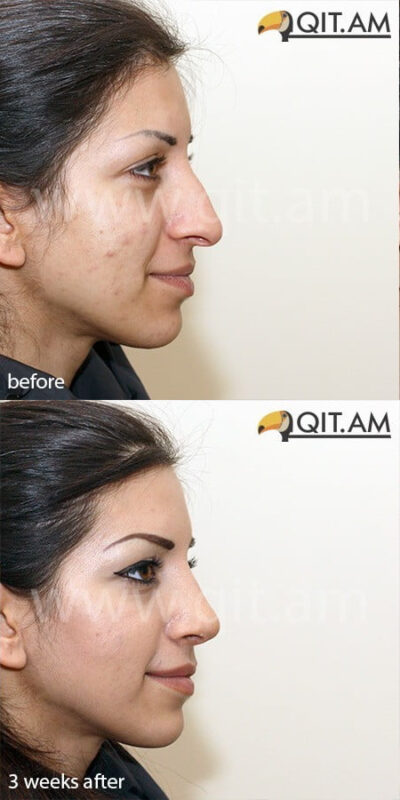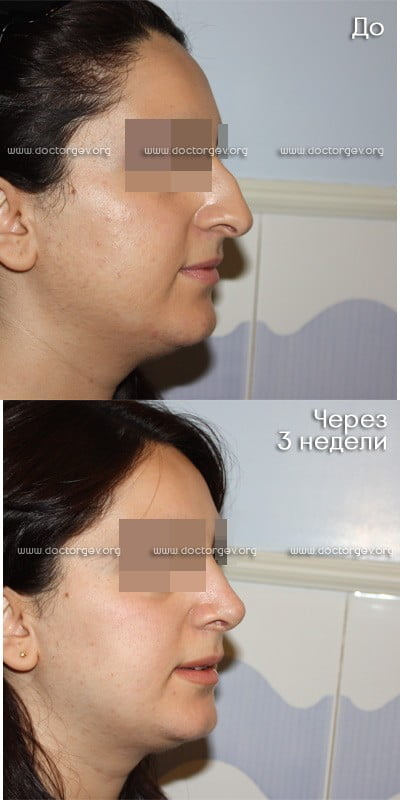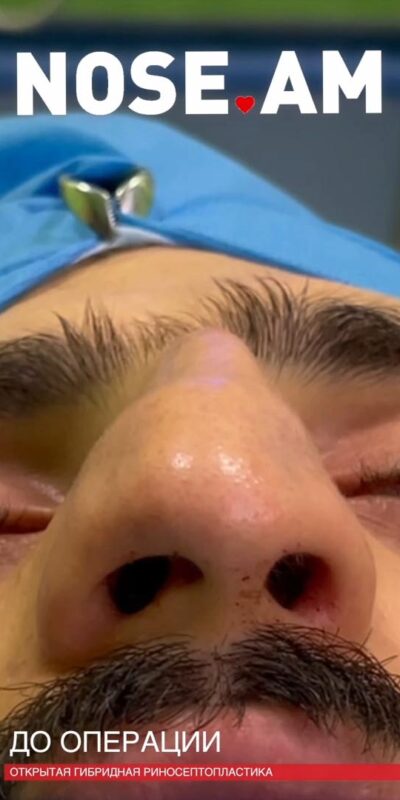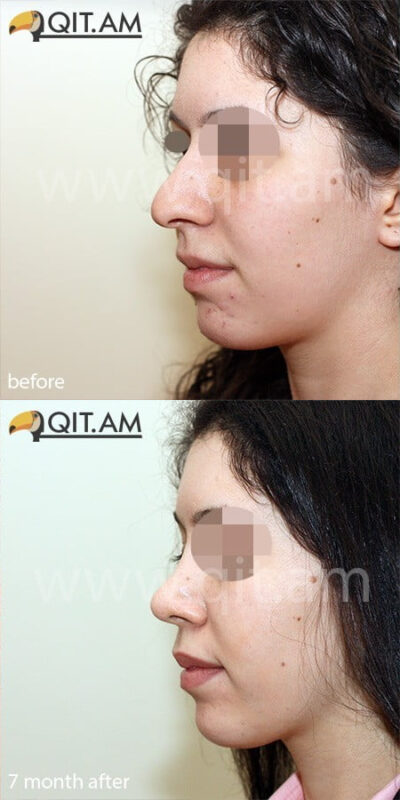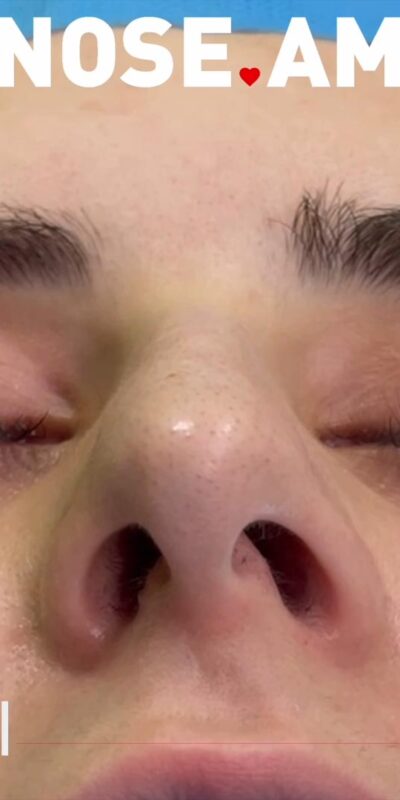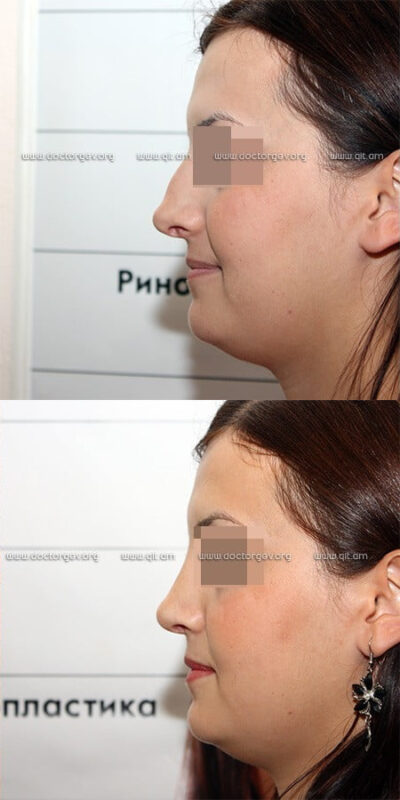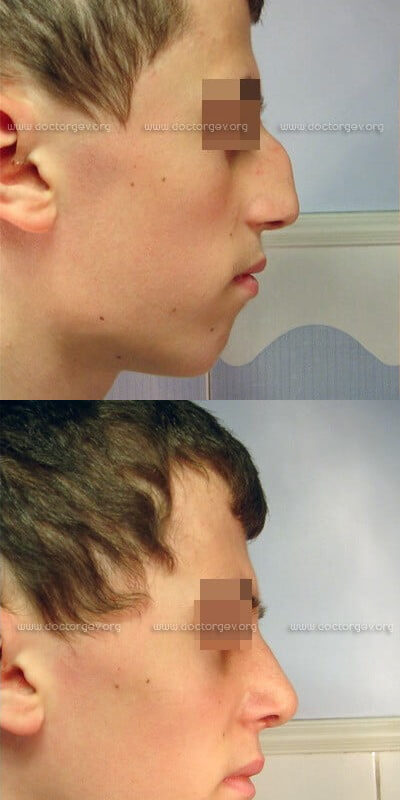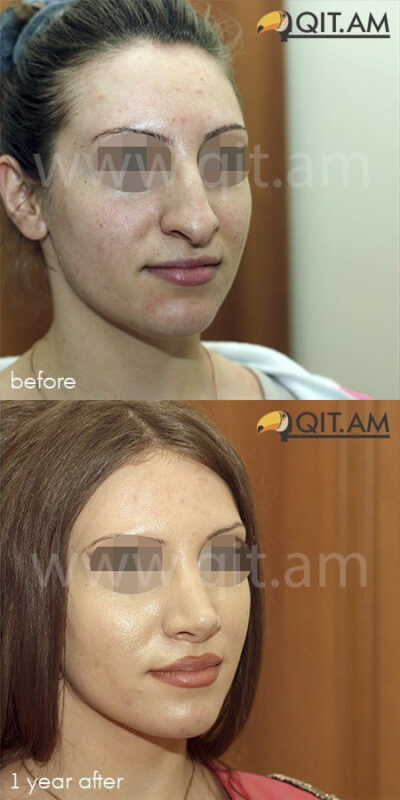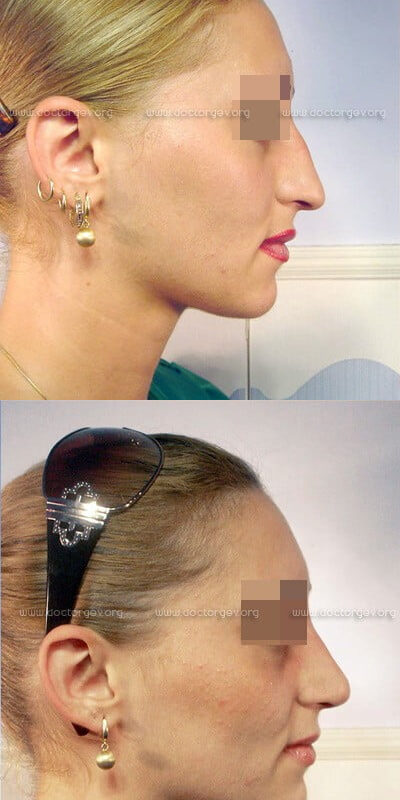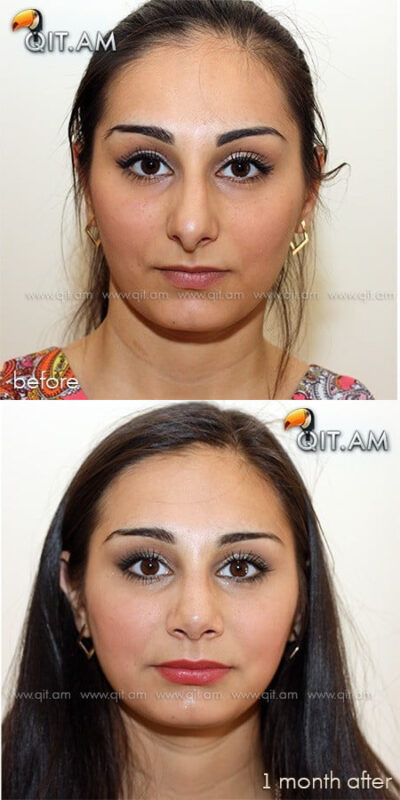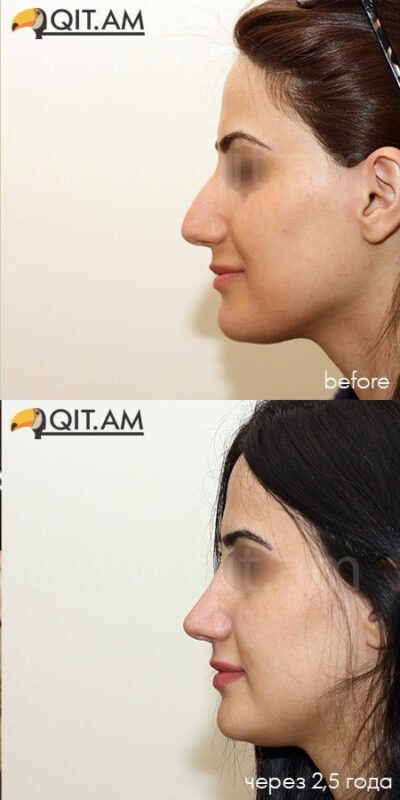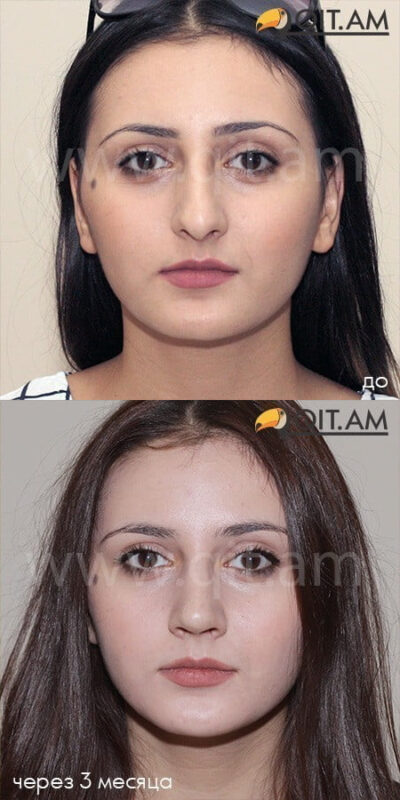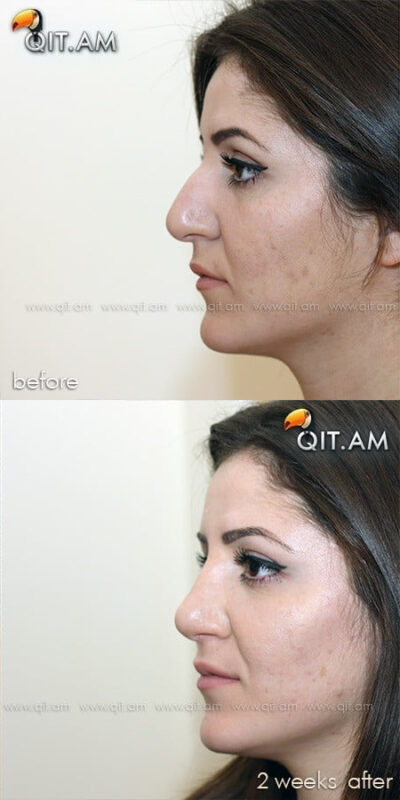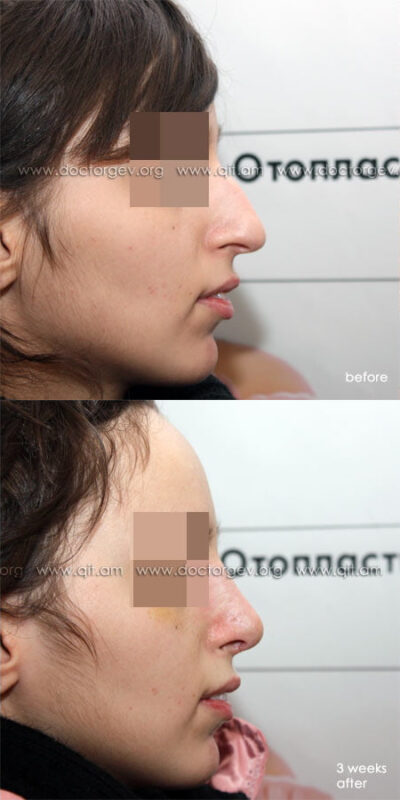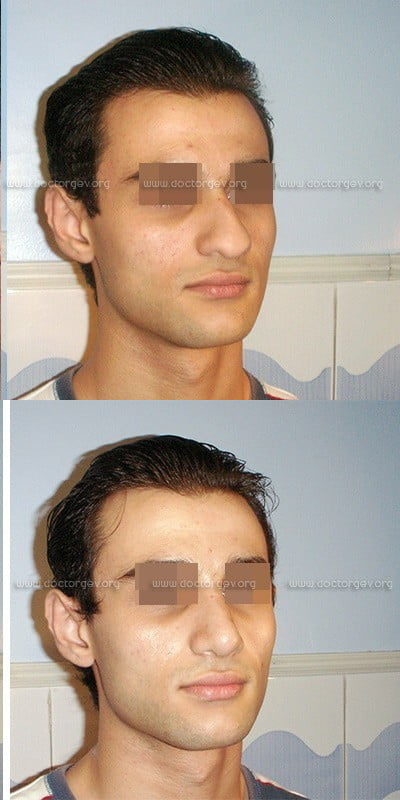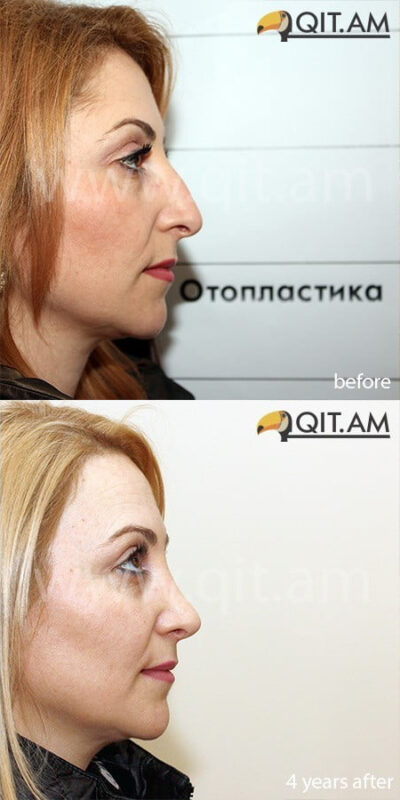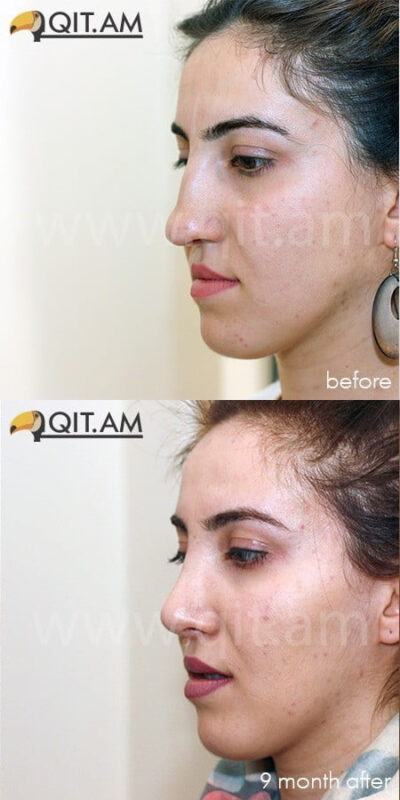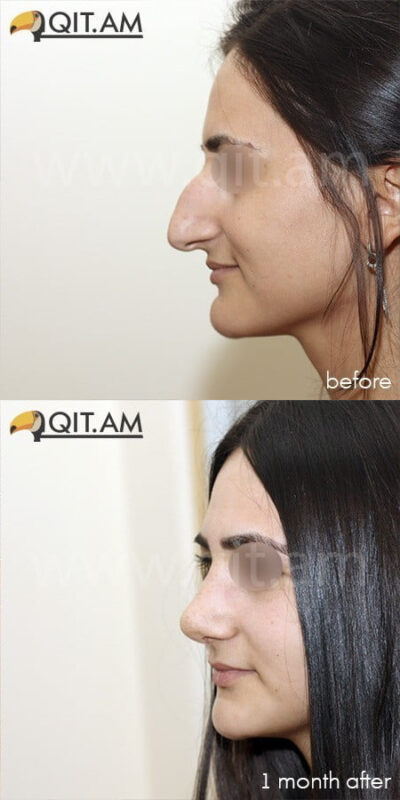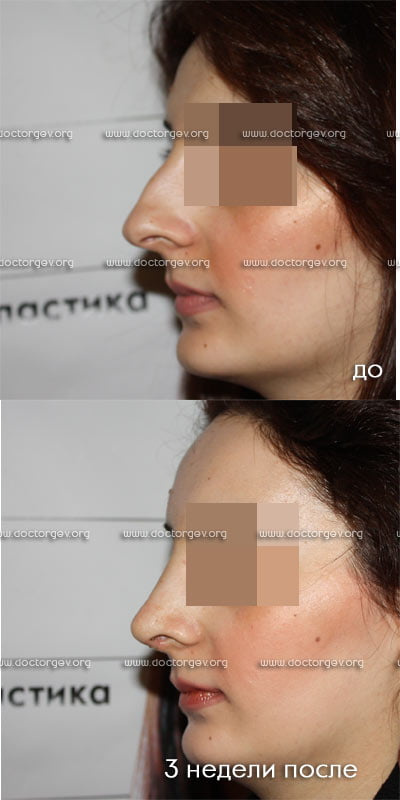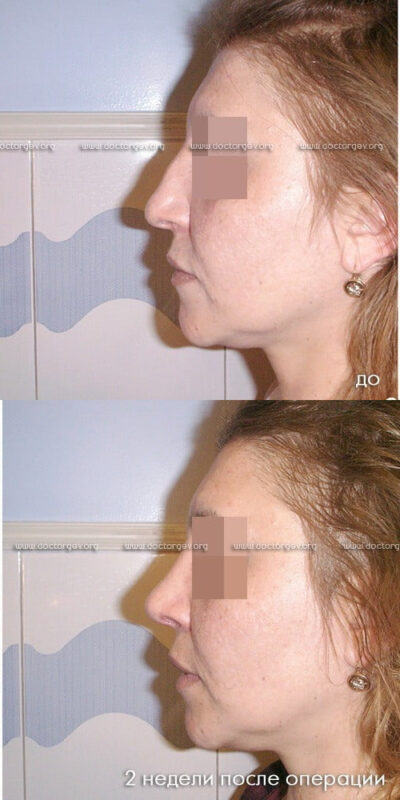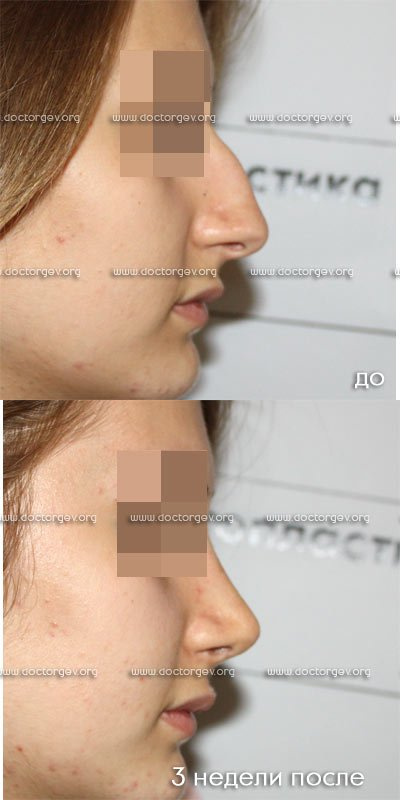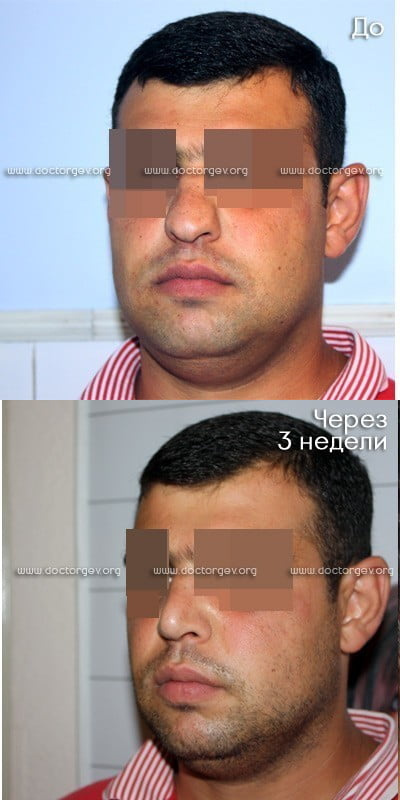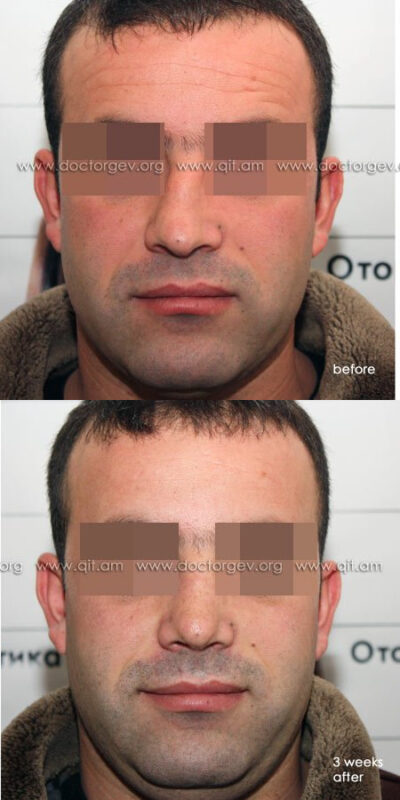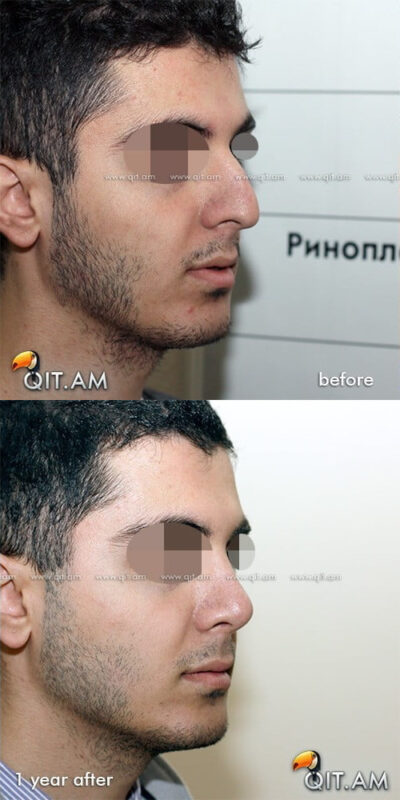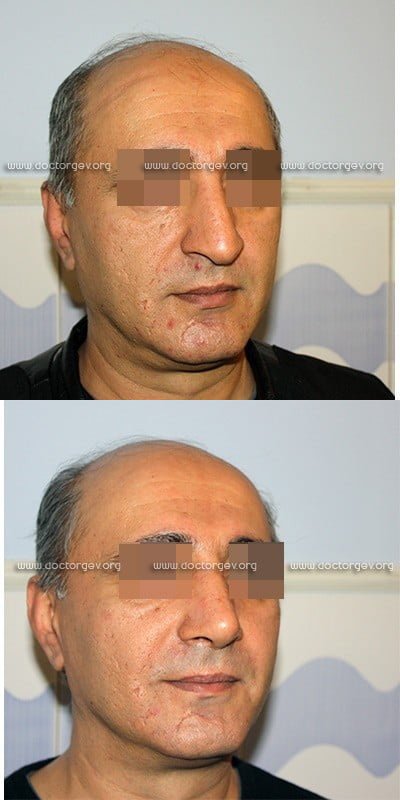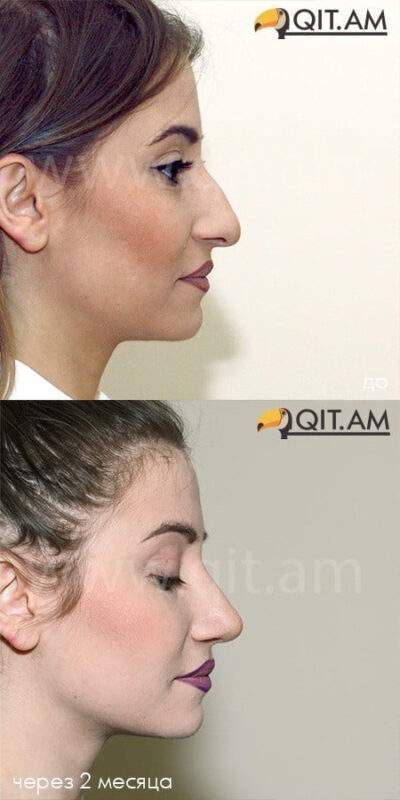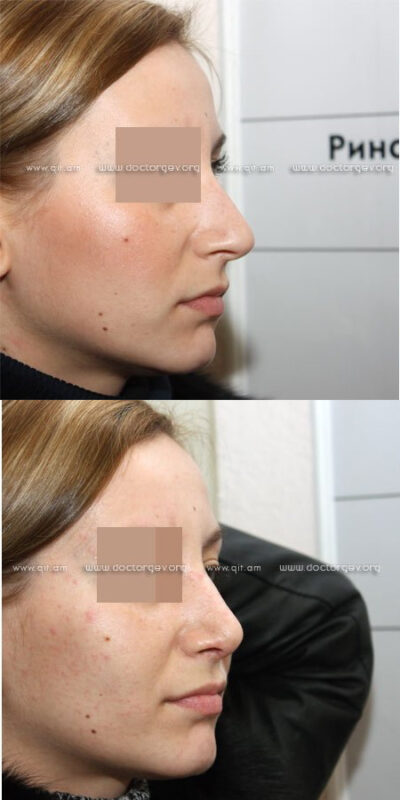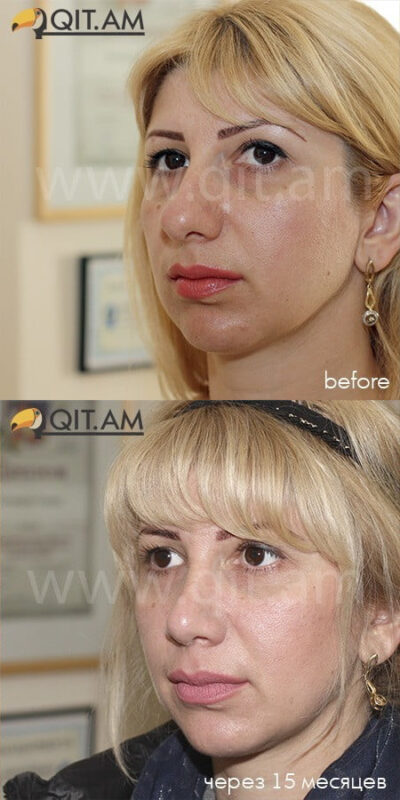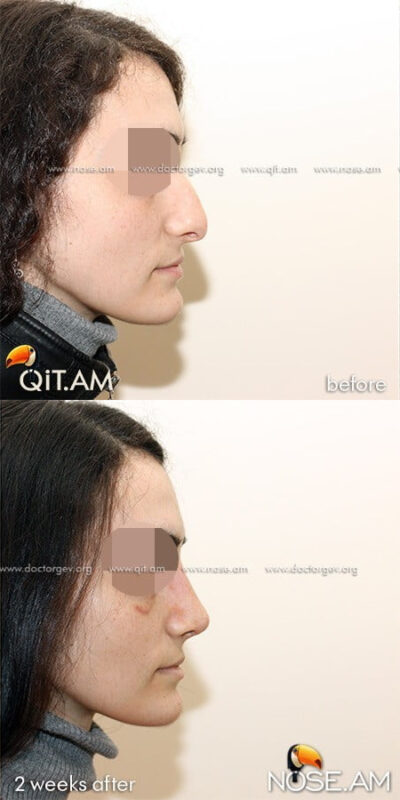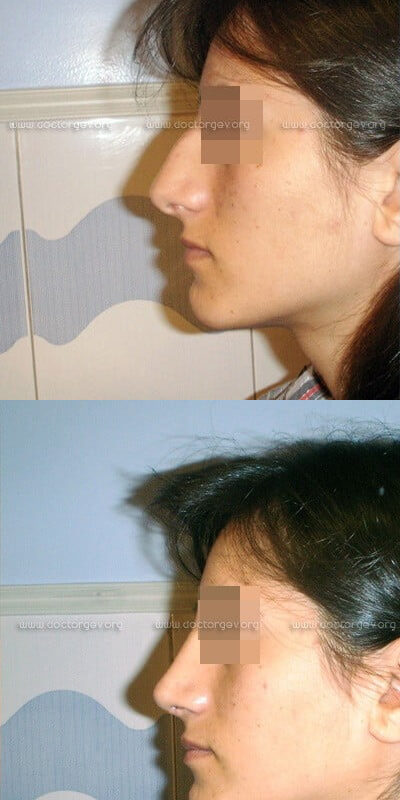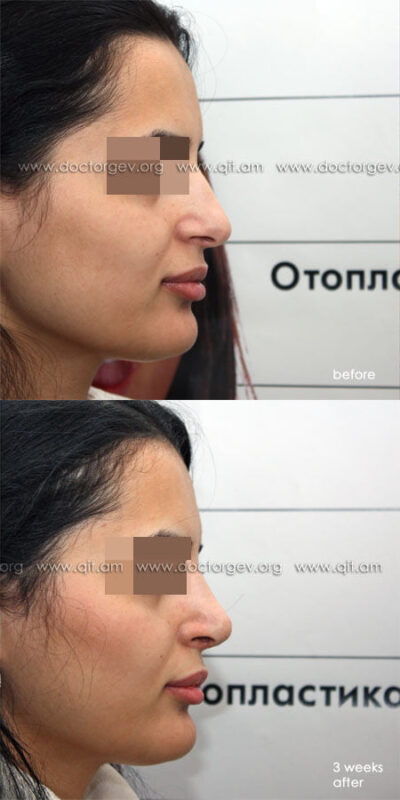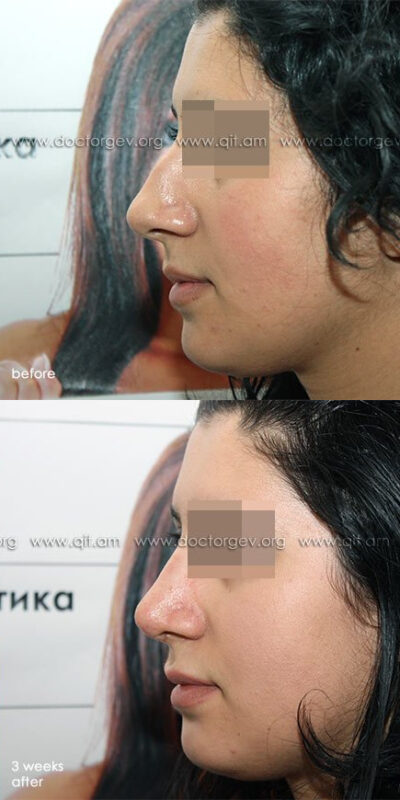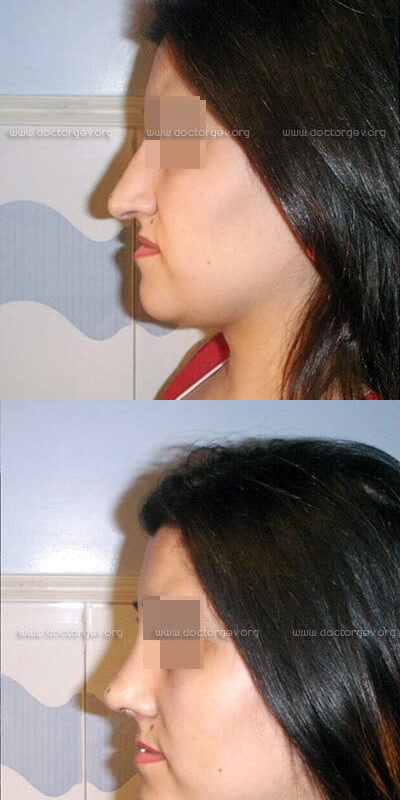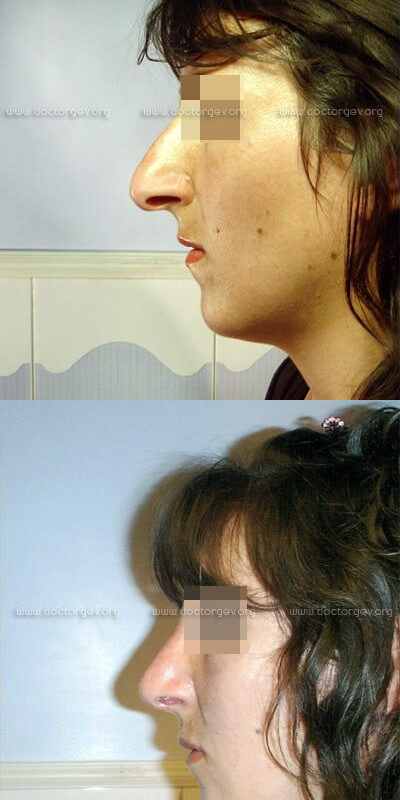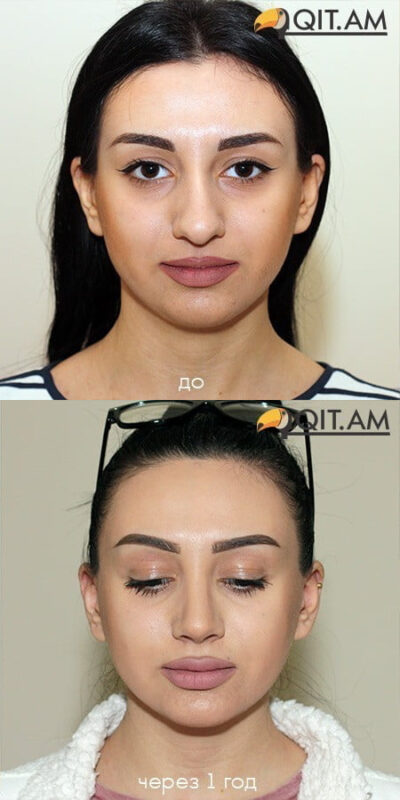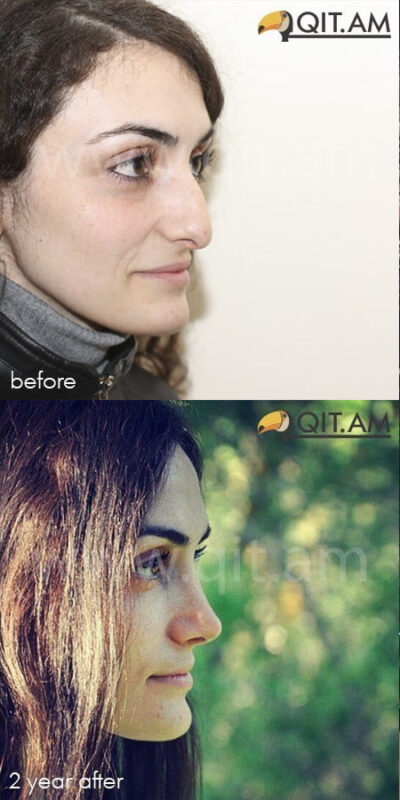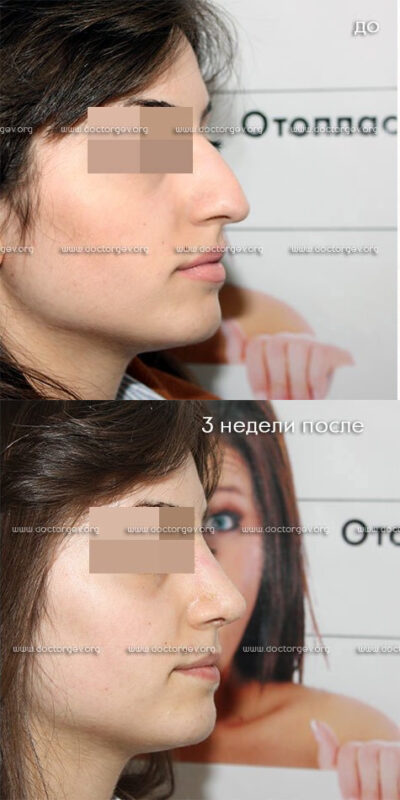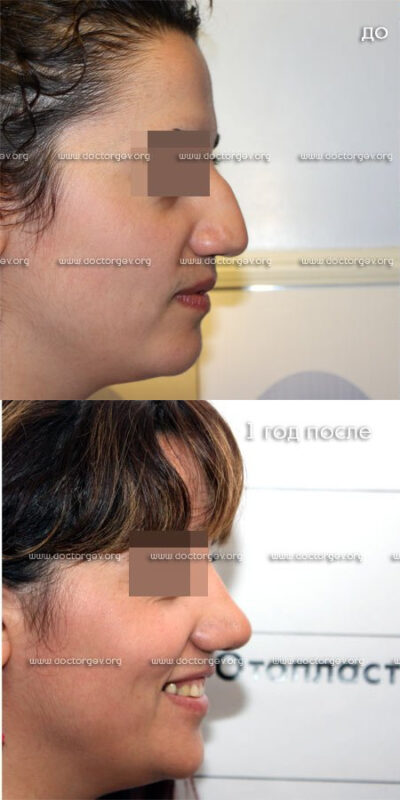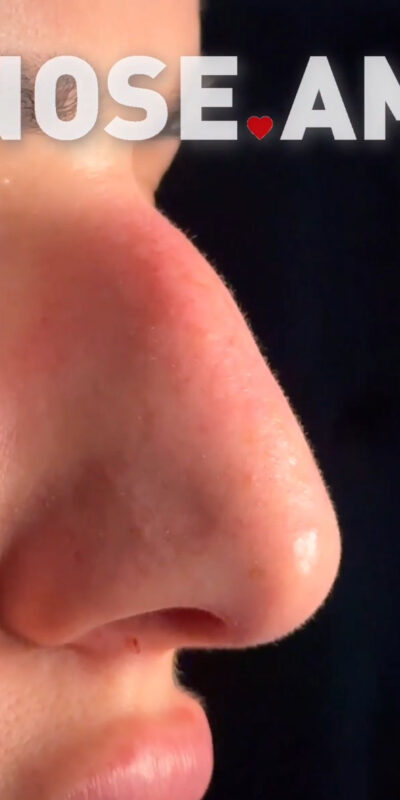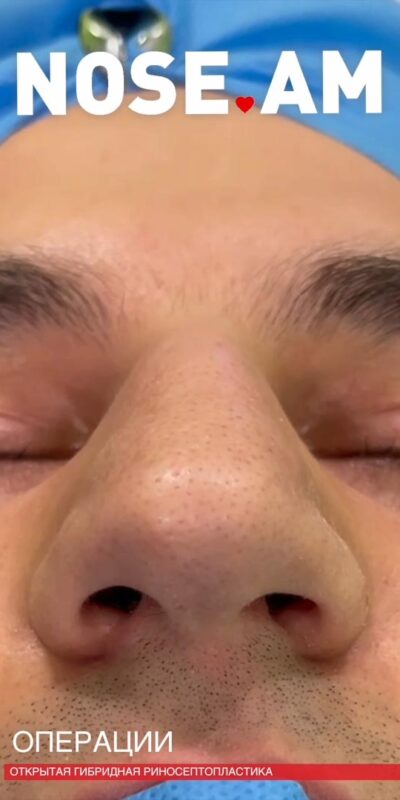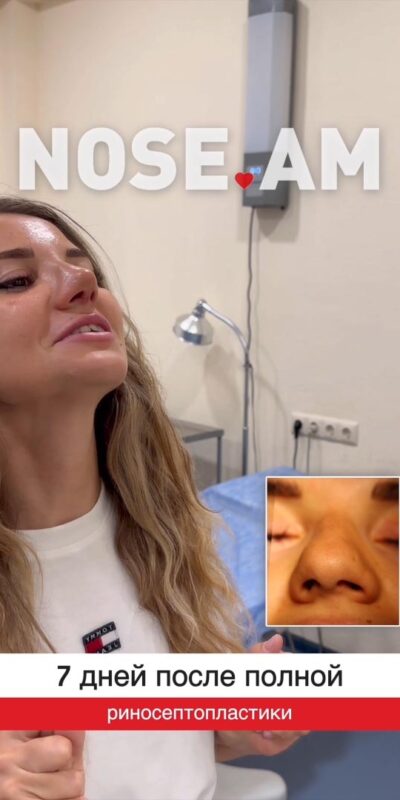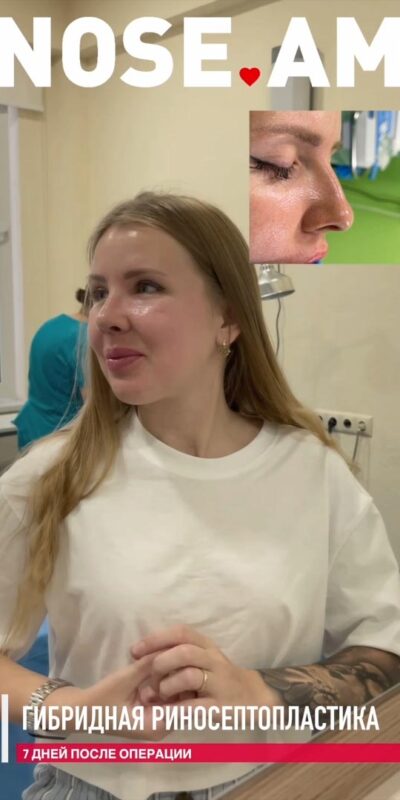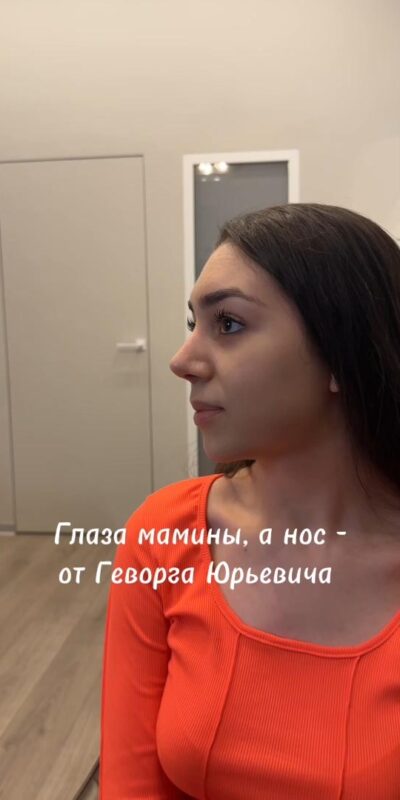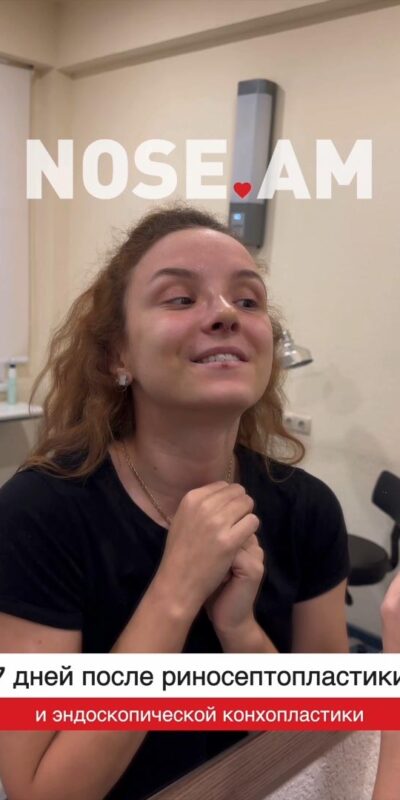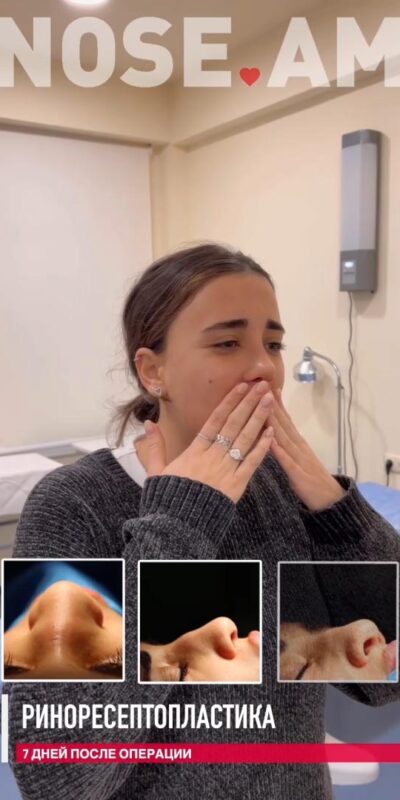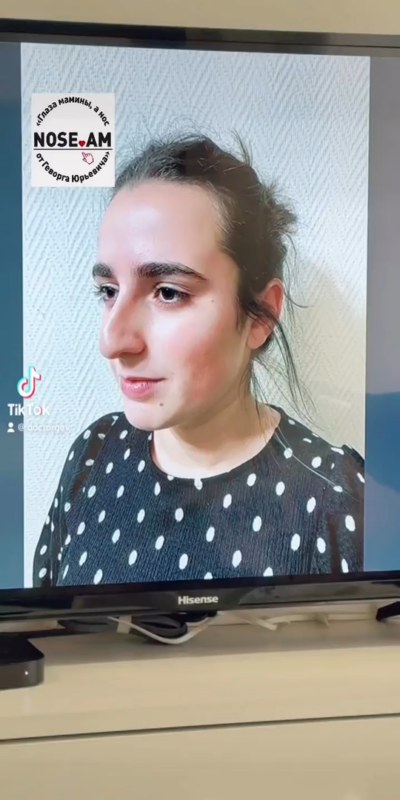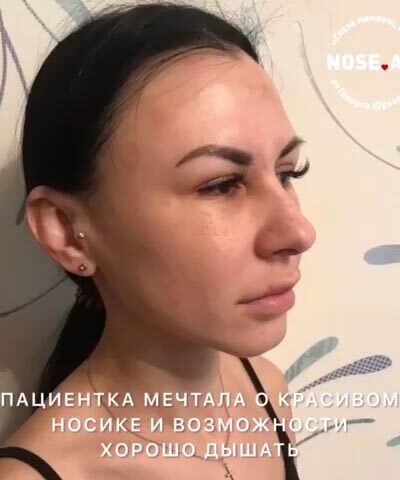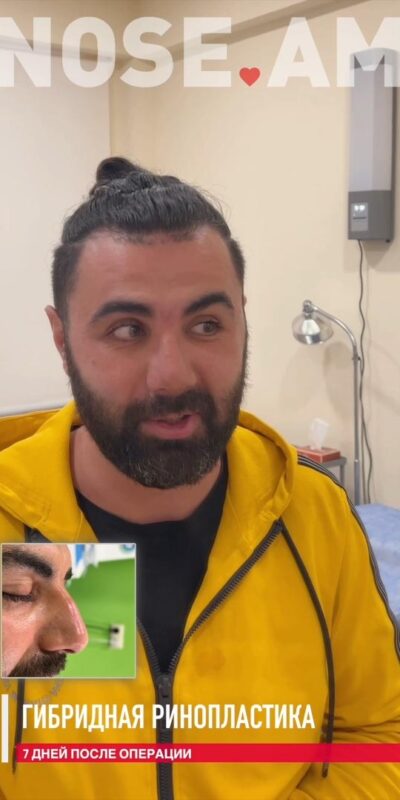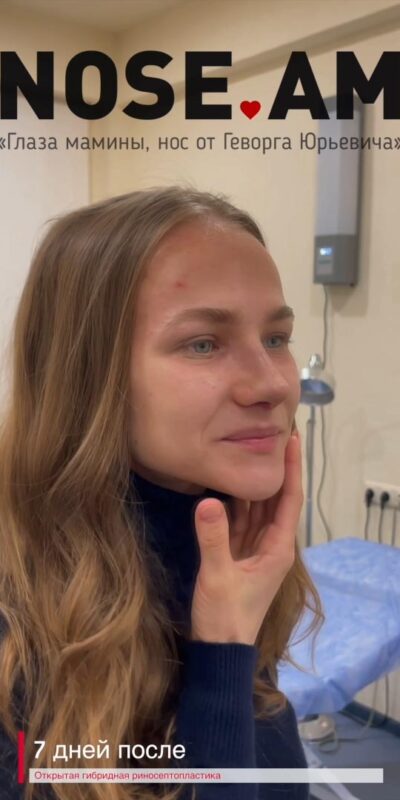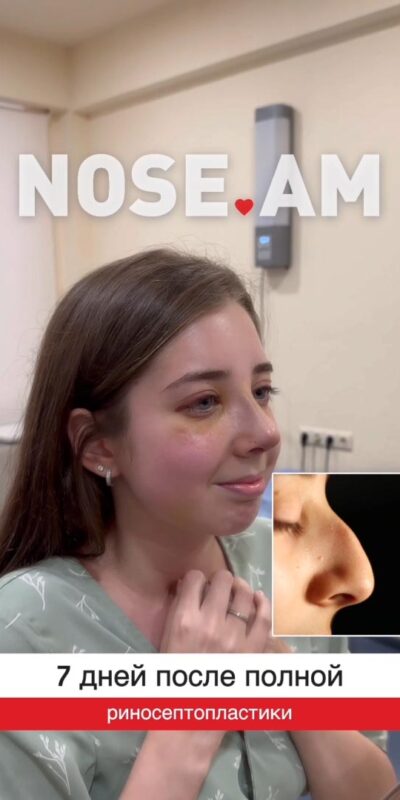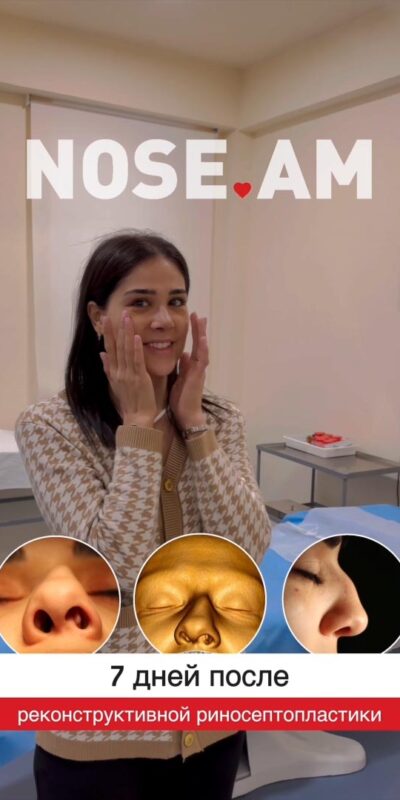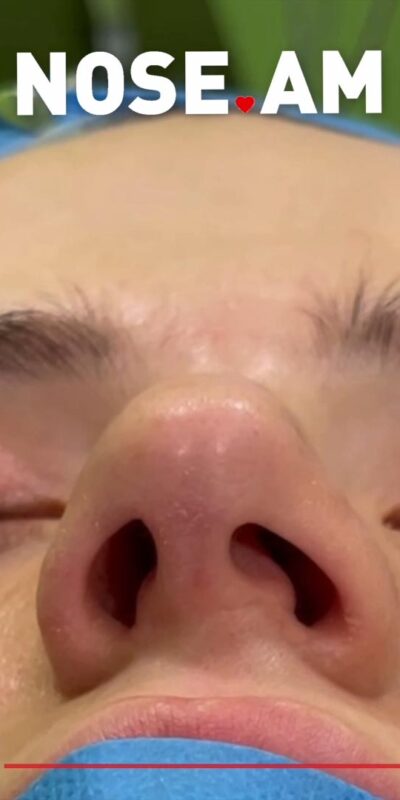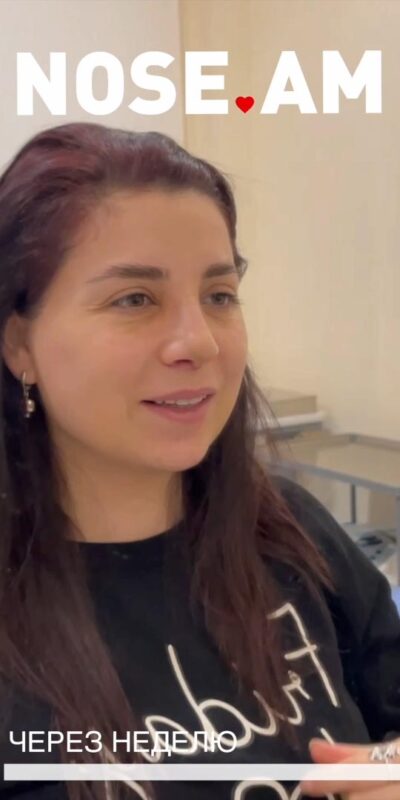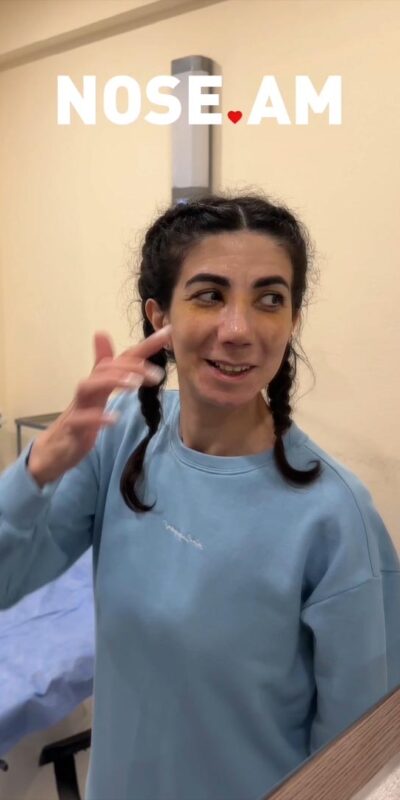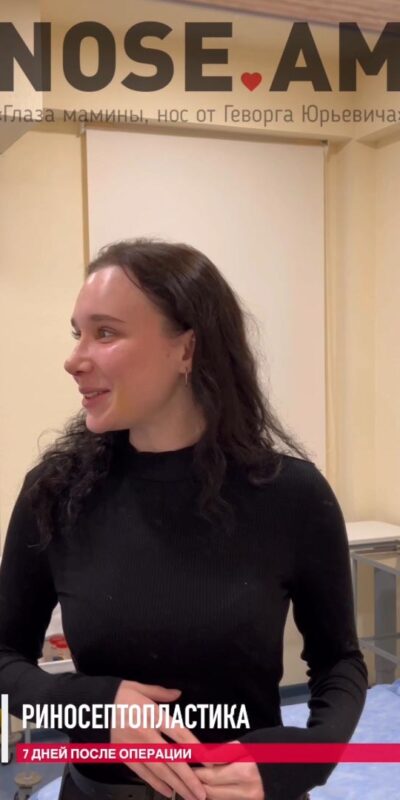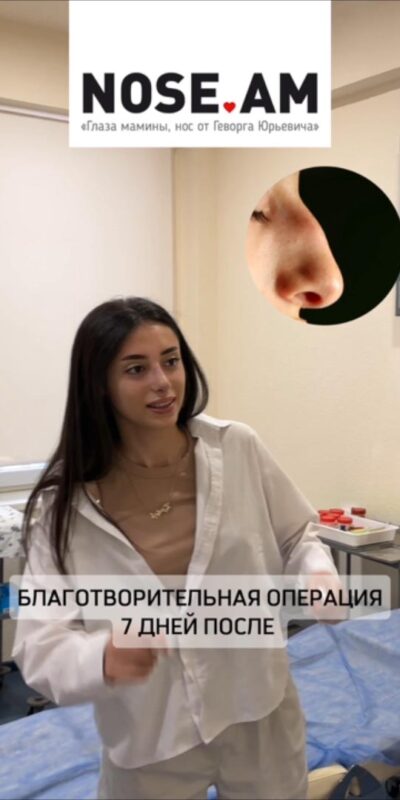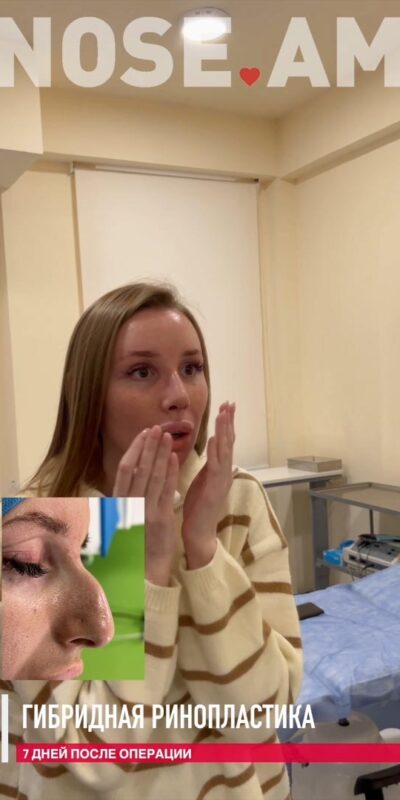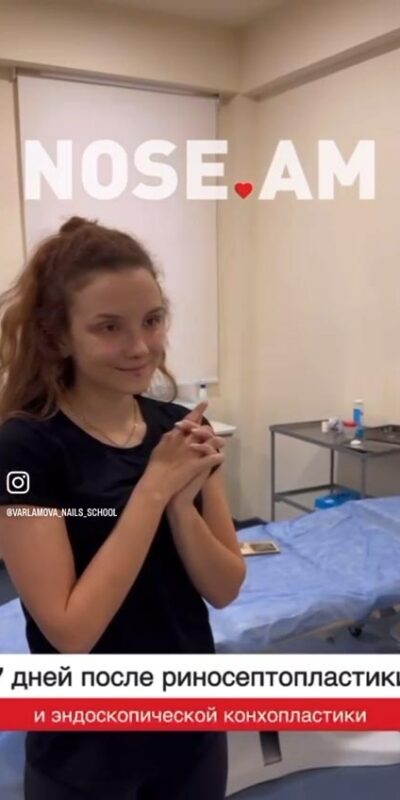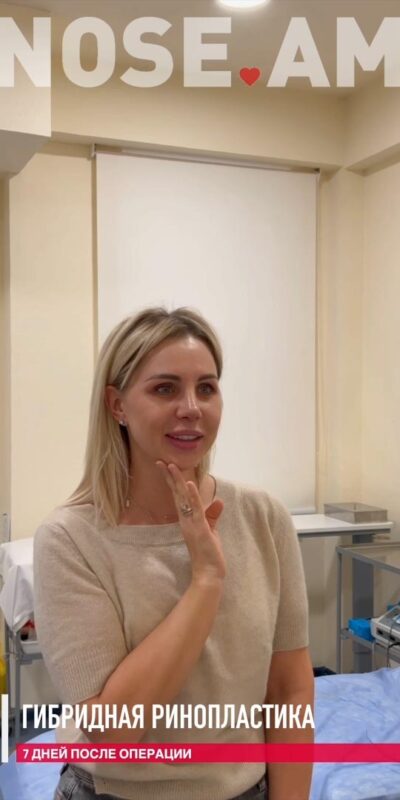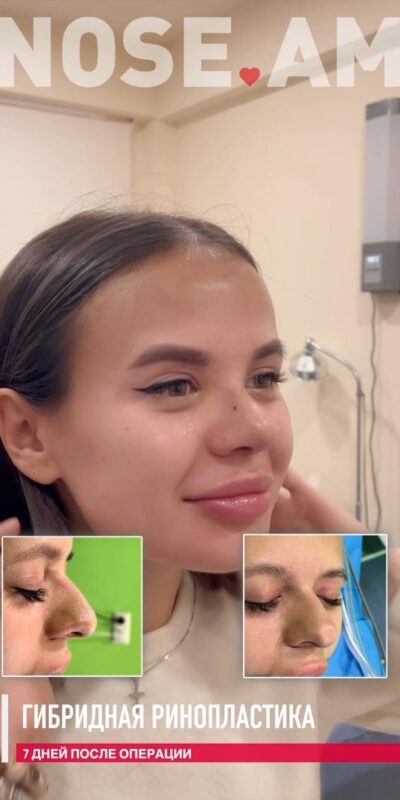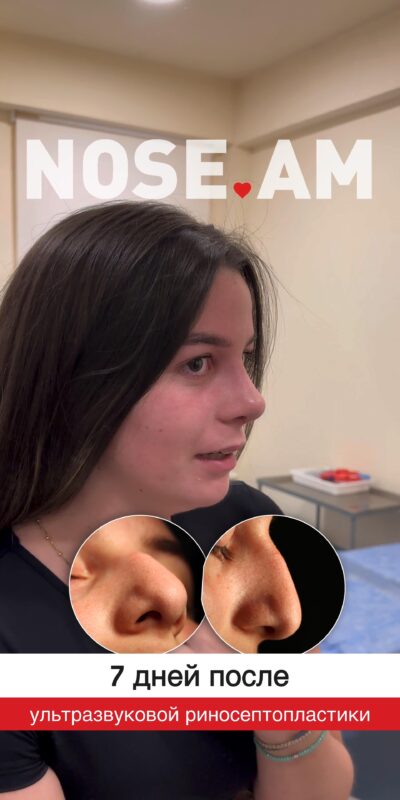

This fear is one of the most well-founded. The surgery is over, the patient is discharged, and then—left alone with the swelling, questions, and anxiety about whether everything is going right.
I consider this approach to be wrong. And I work differently.
Why the postoperative period is part of the surgery
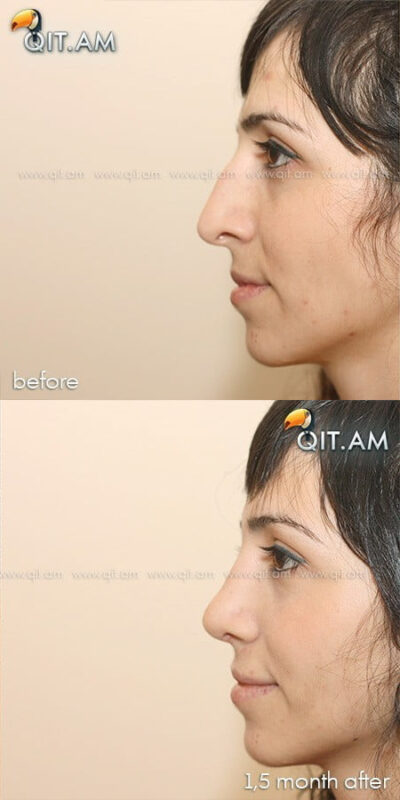
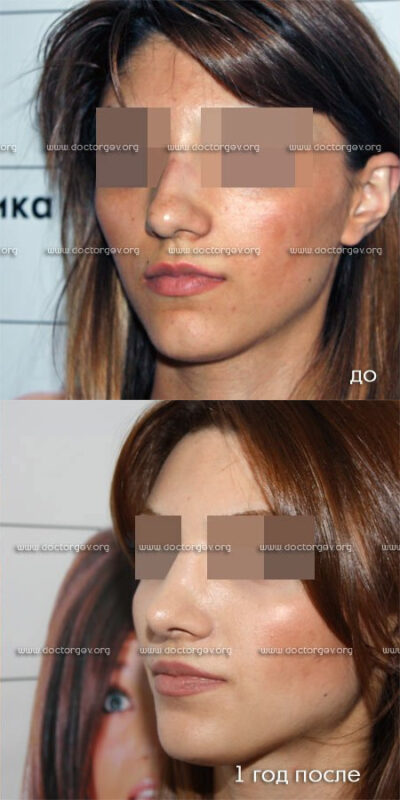
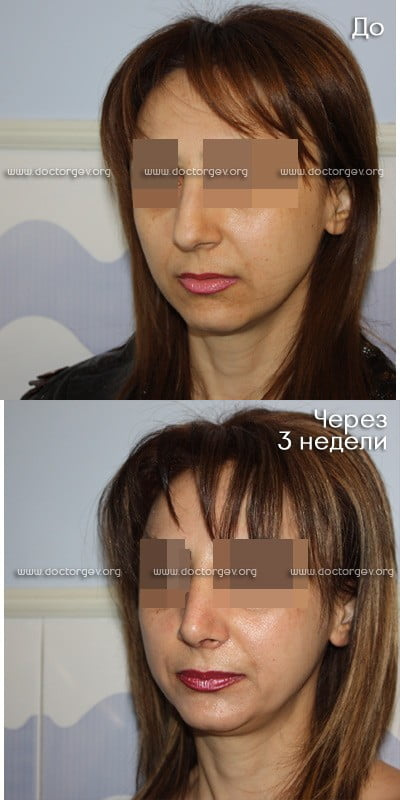
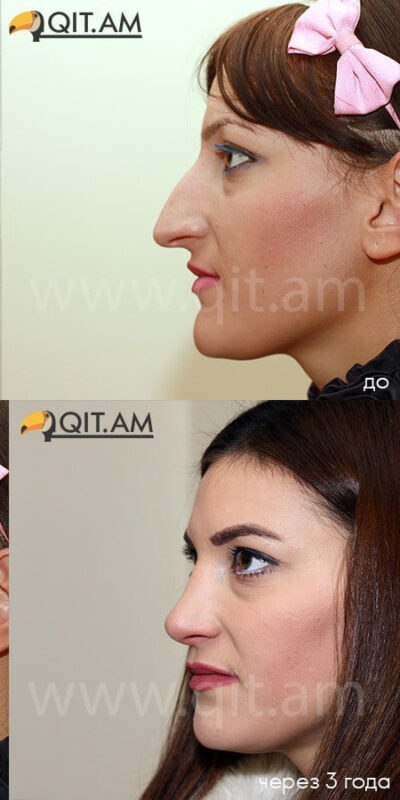
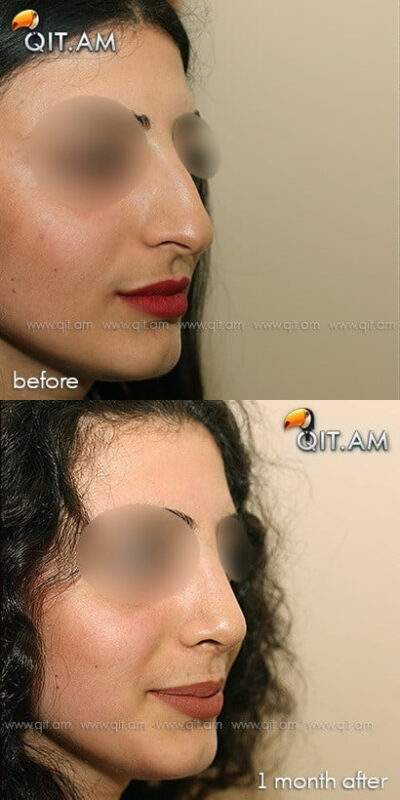
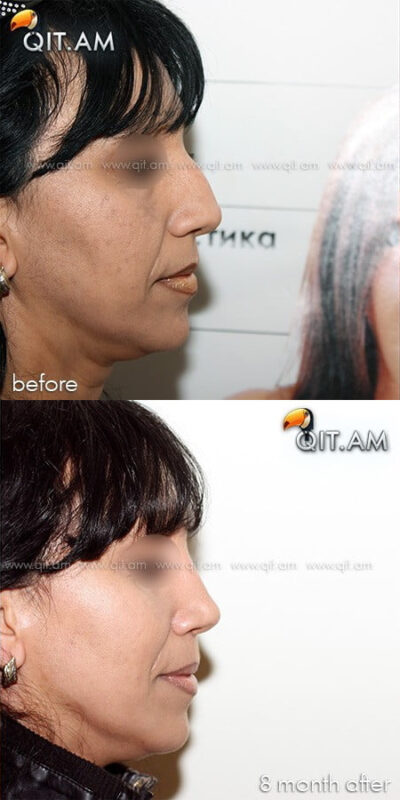
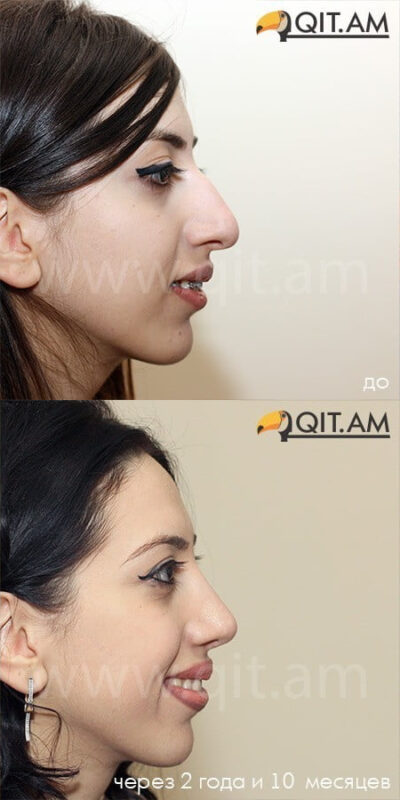
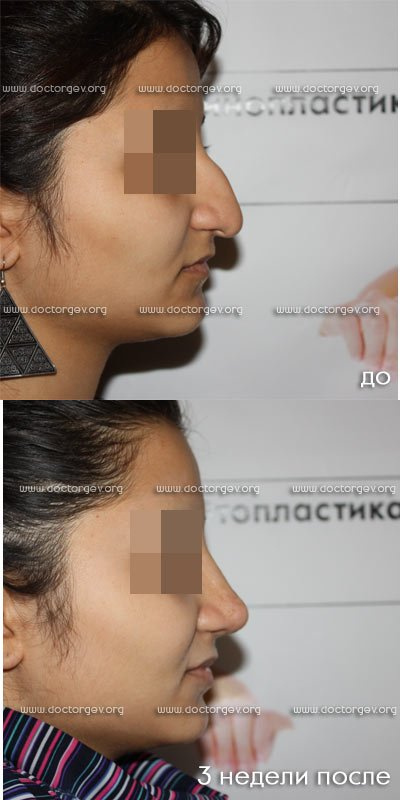
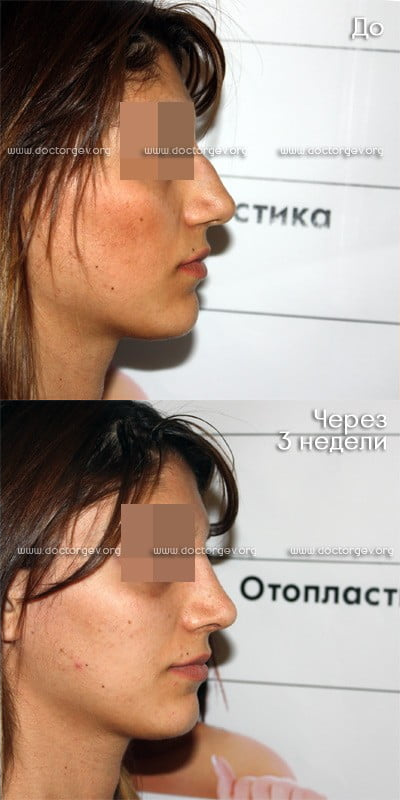
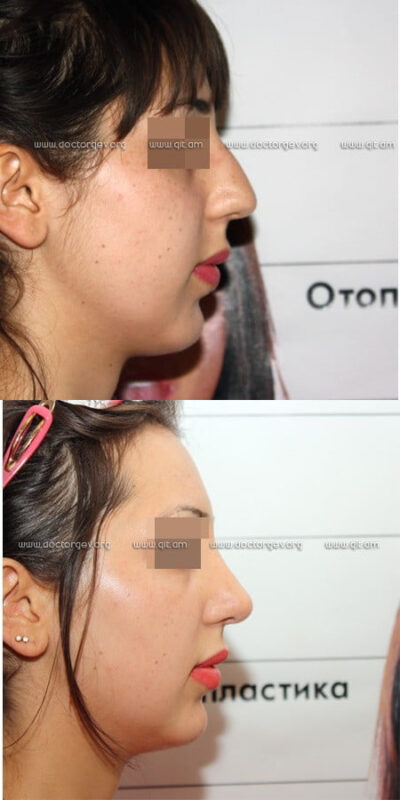
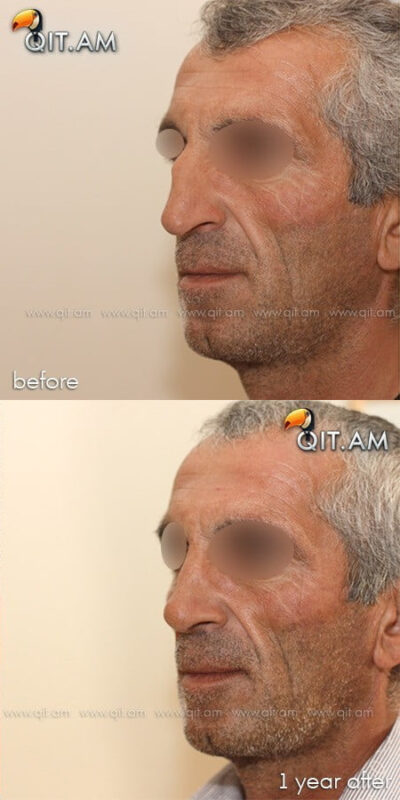
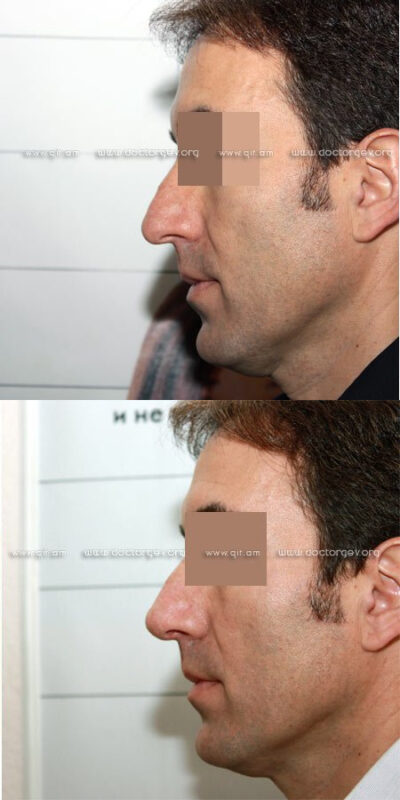
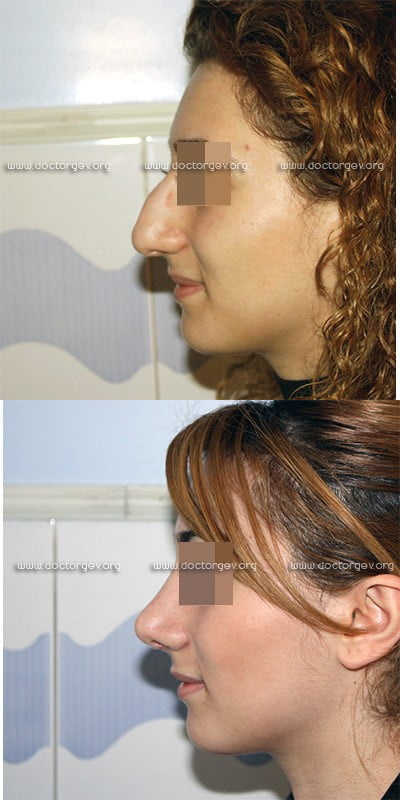
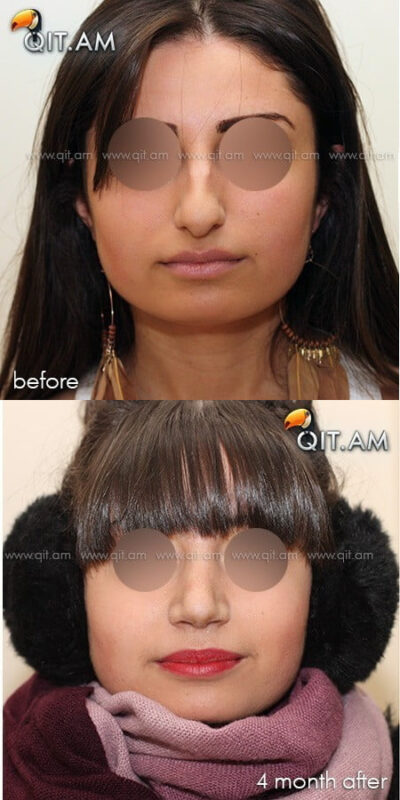
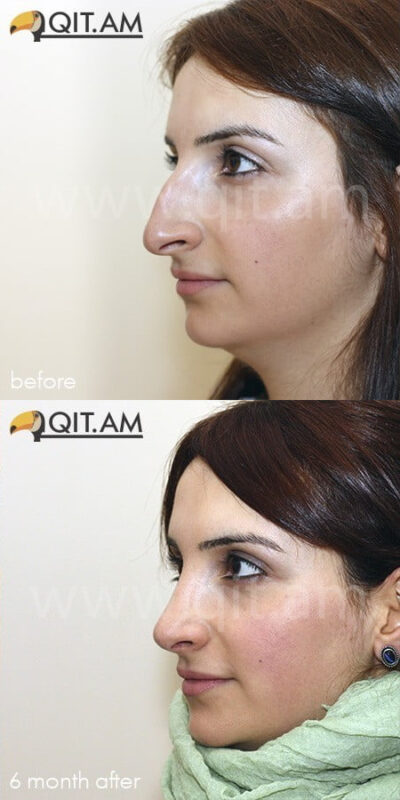
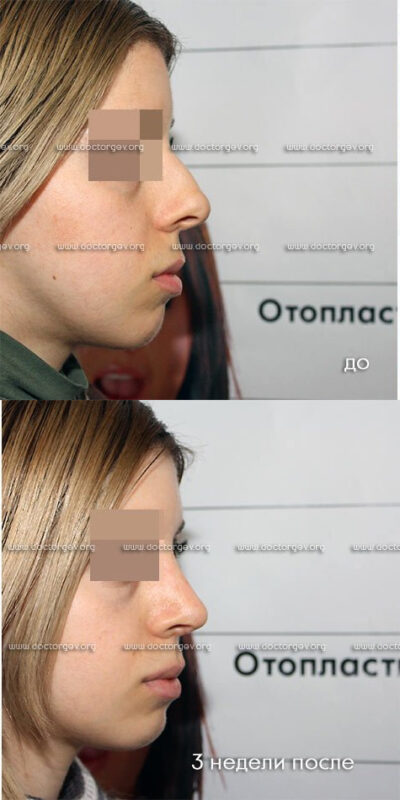
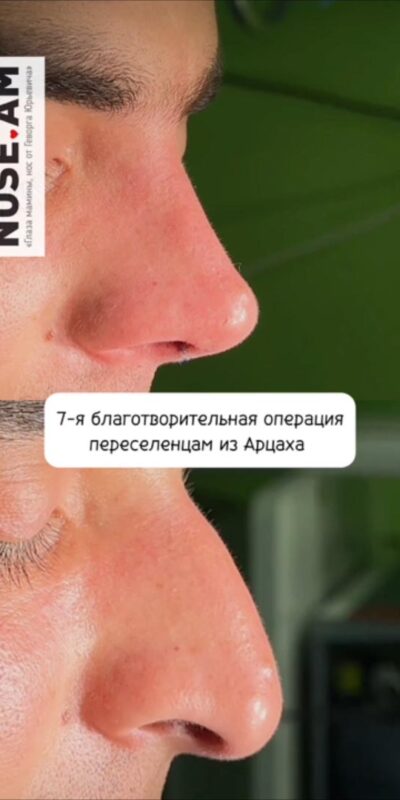
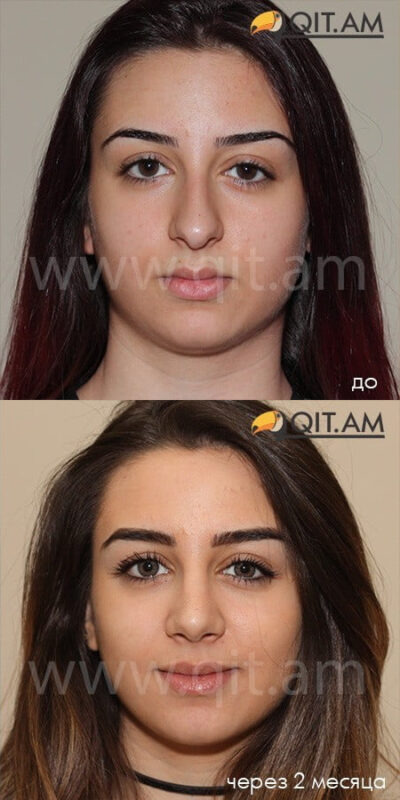
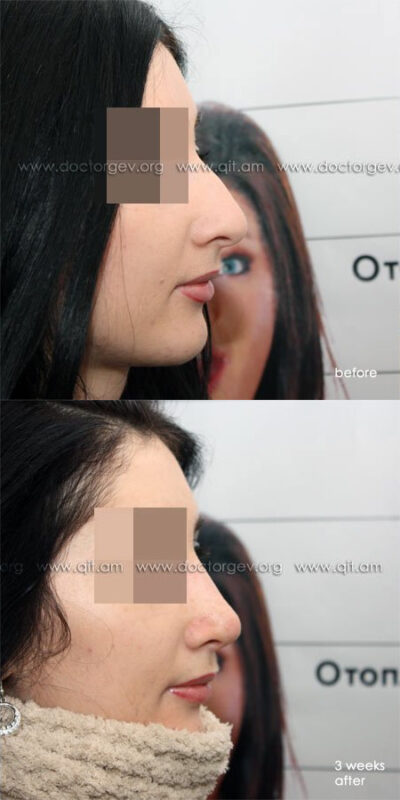
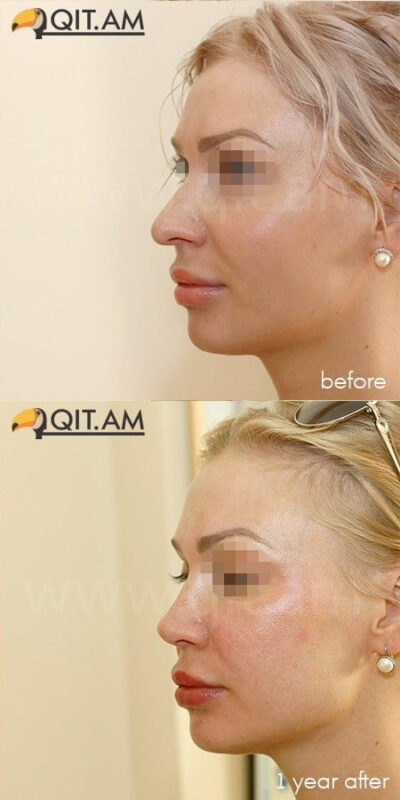
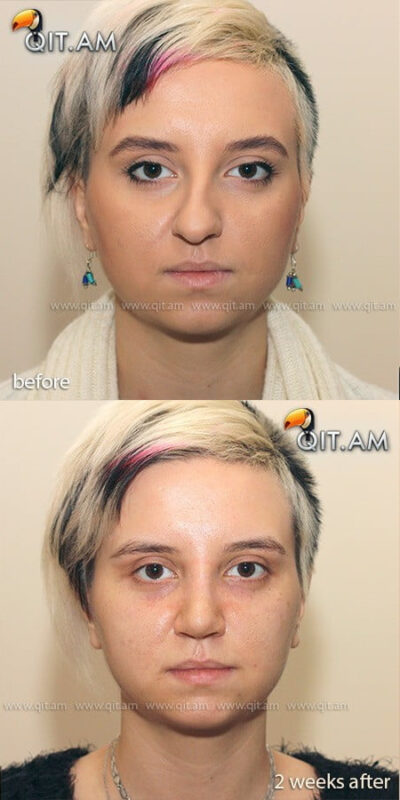
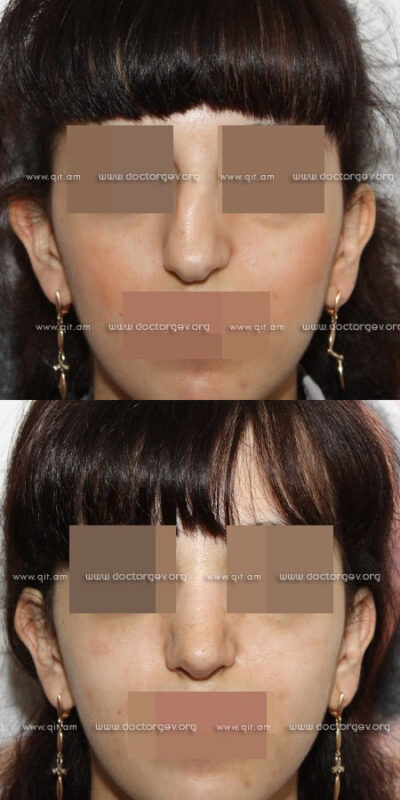
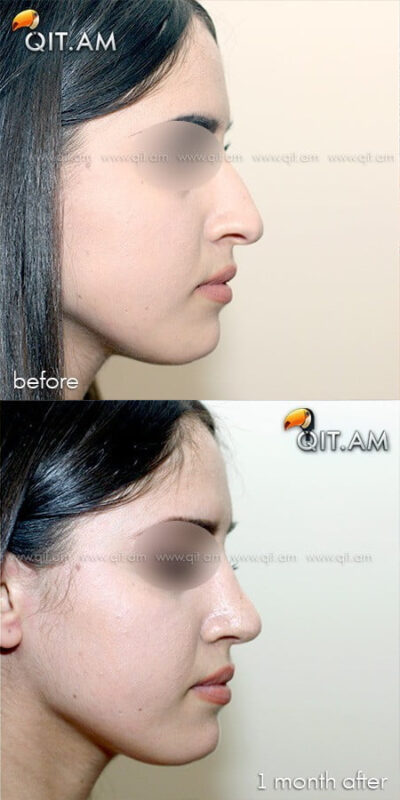
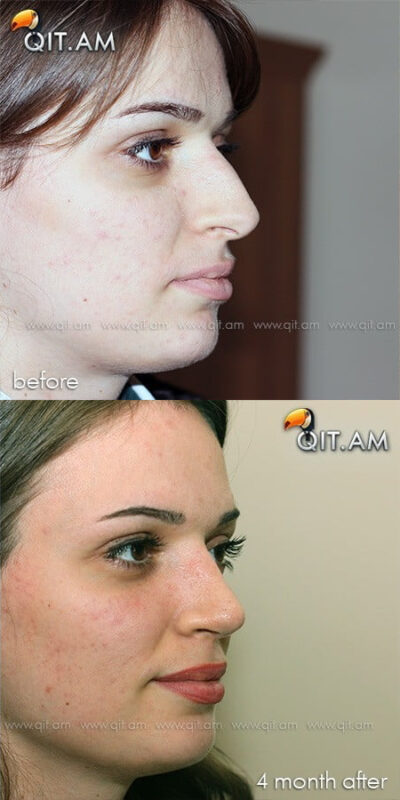
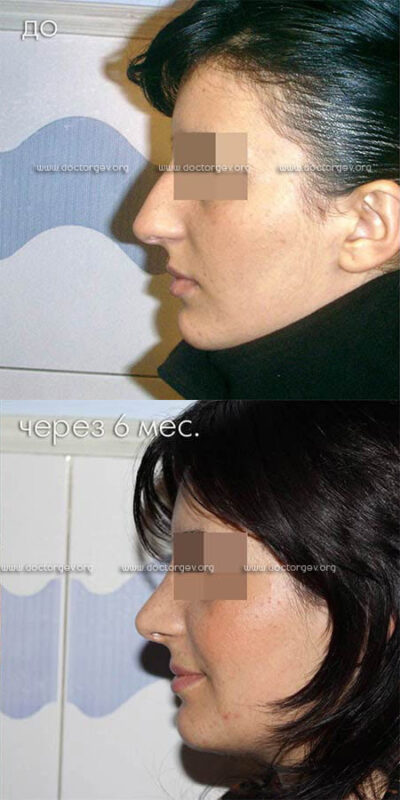
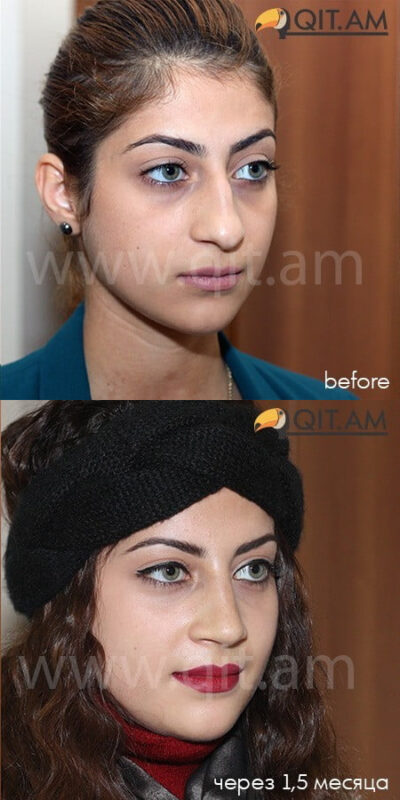
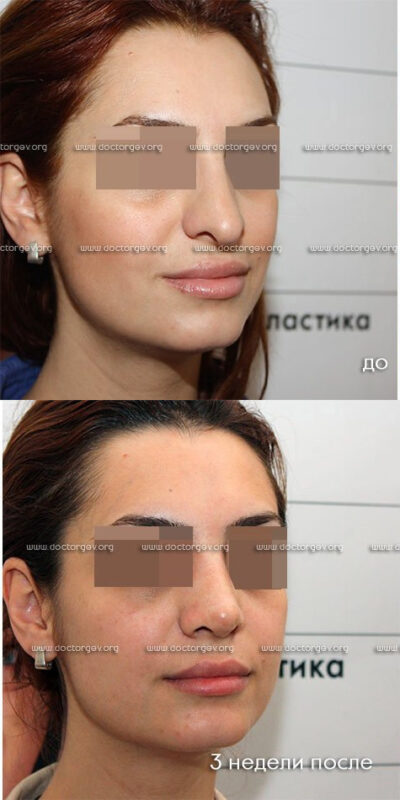
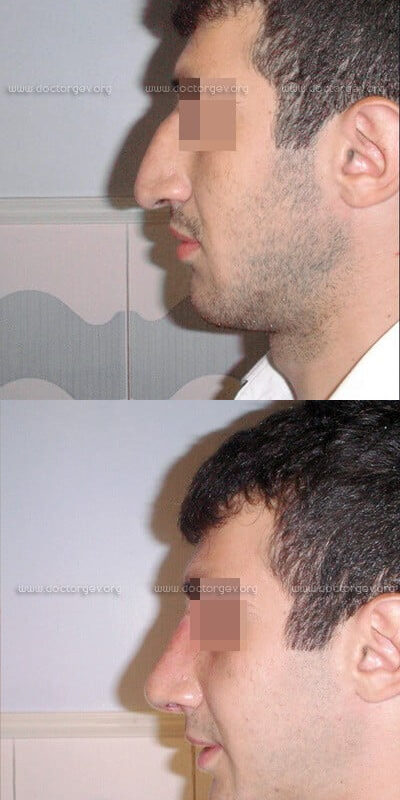
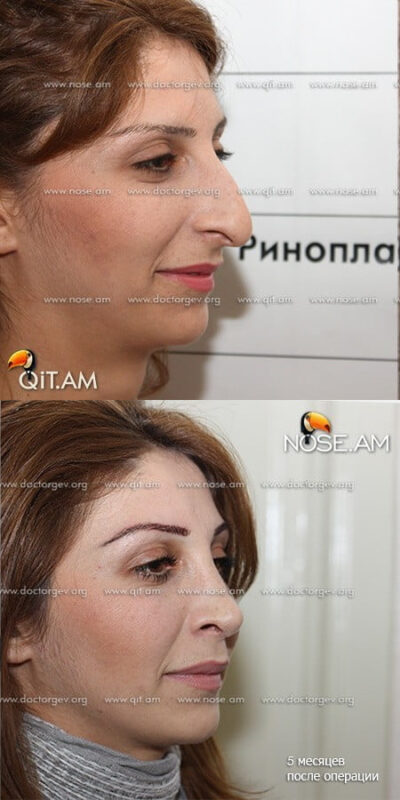
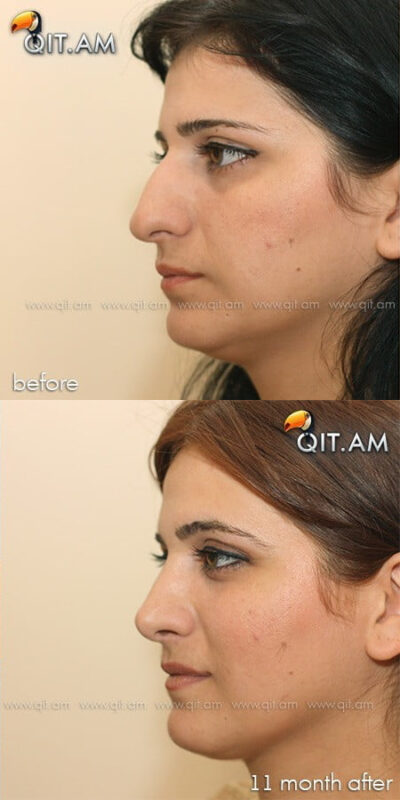
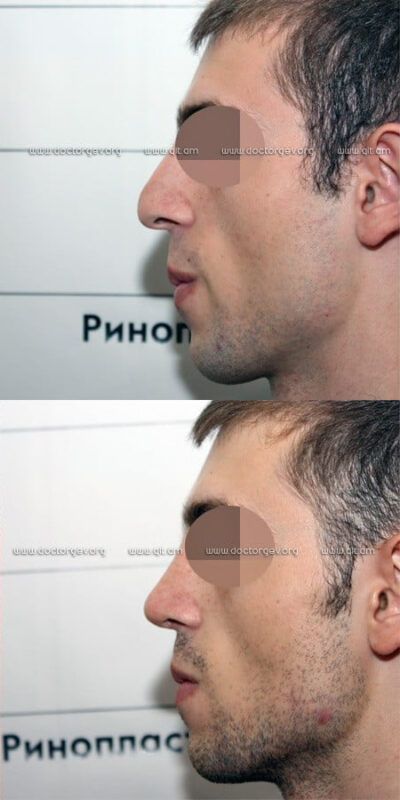
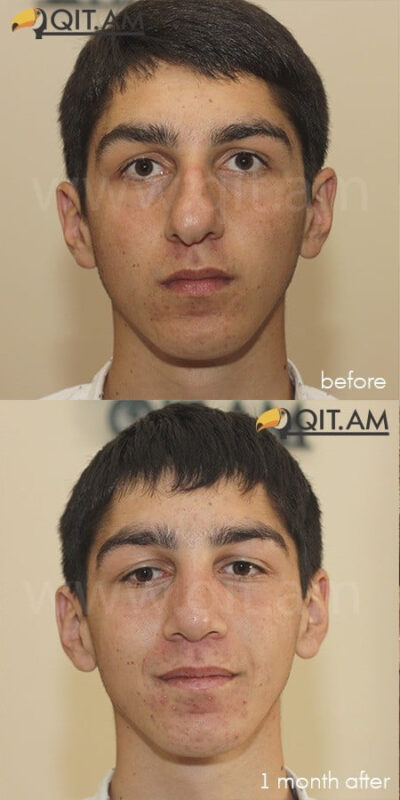
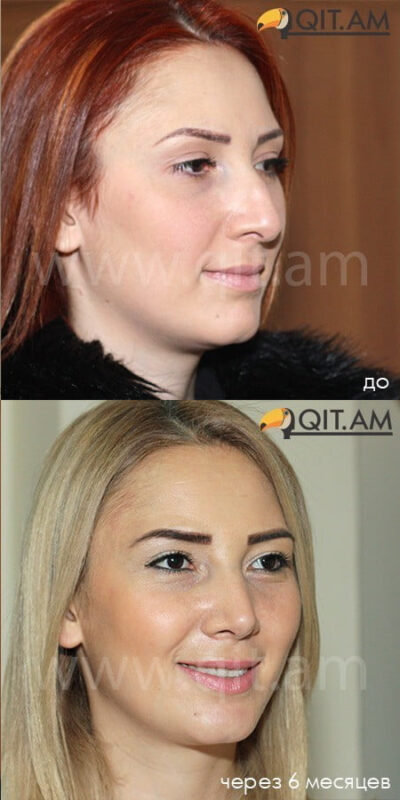
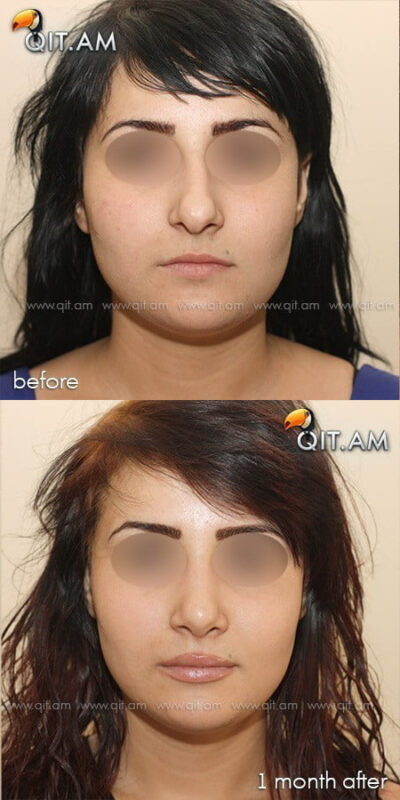
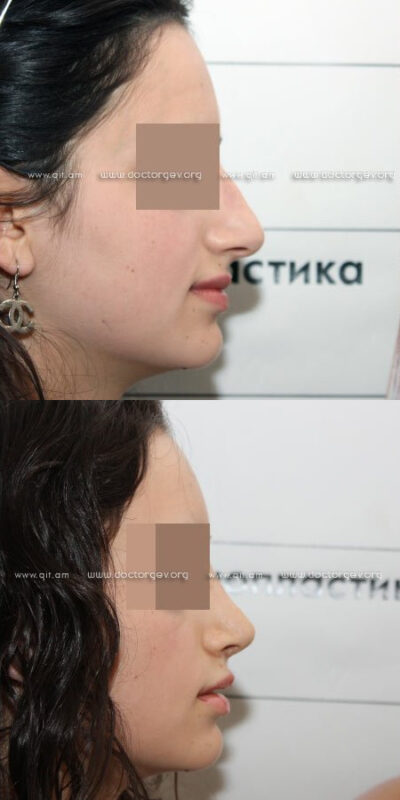
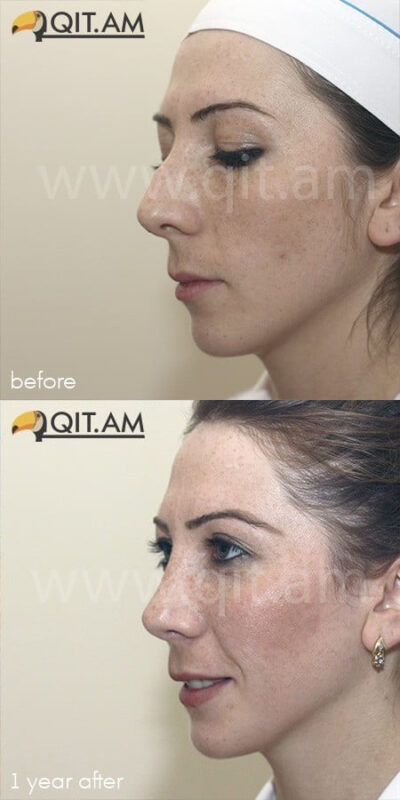
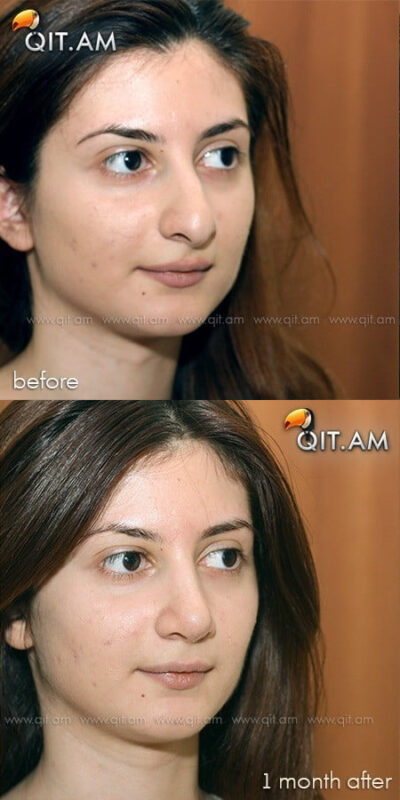
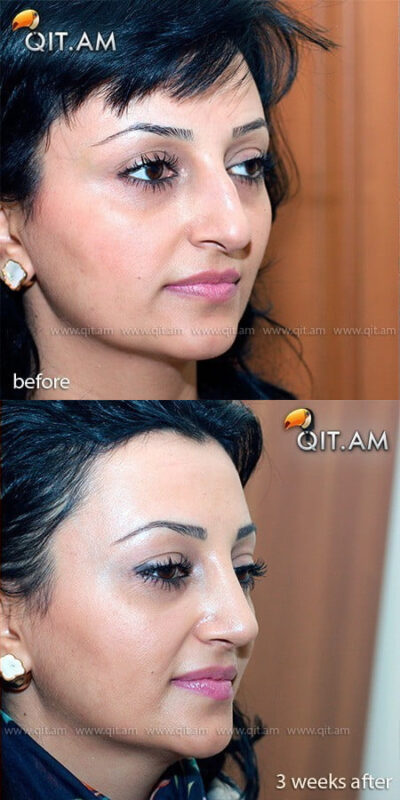
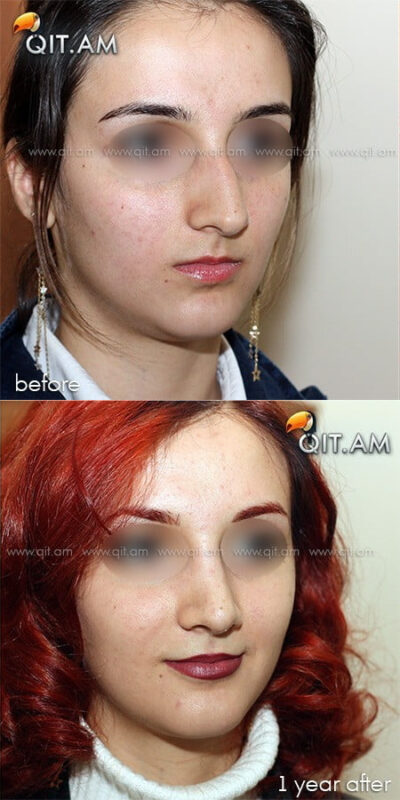
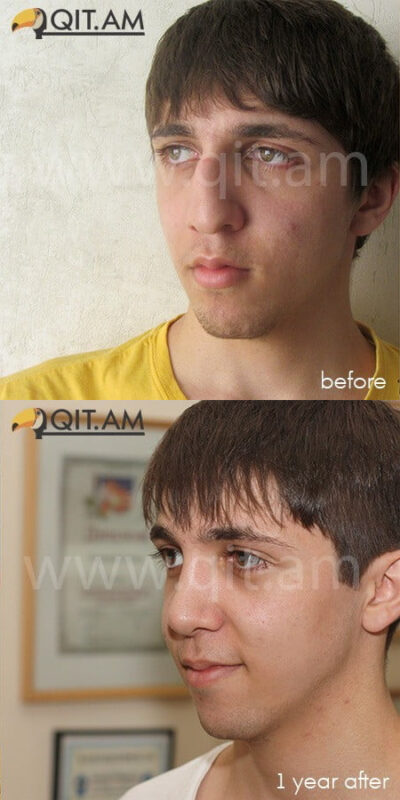
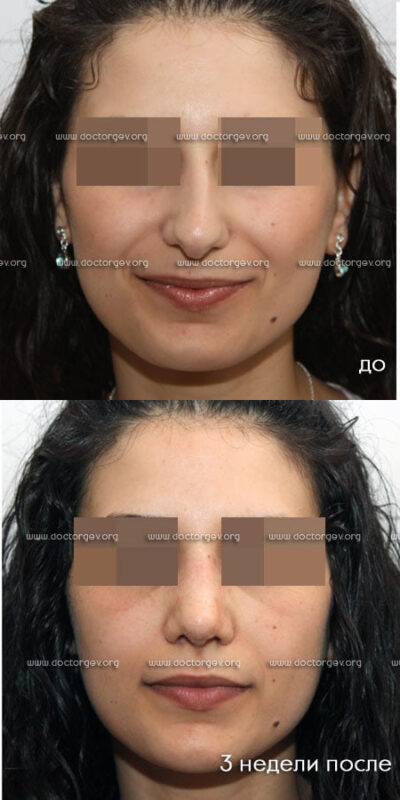
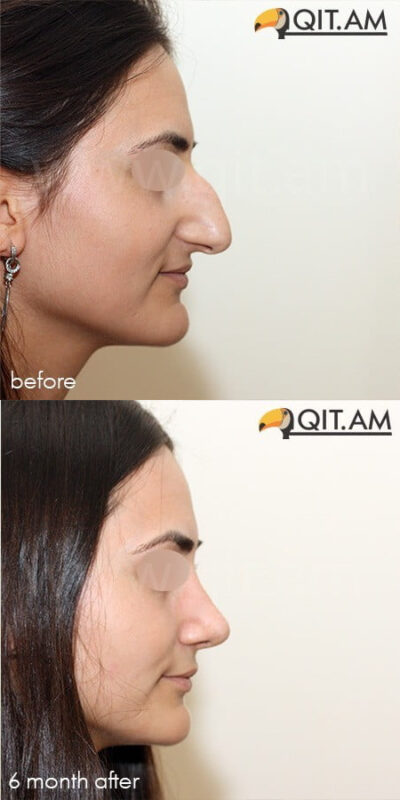
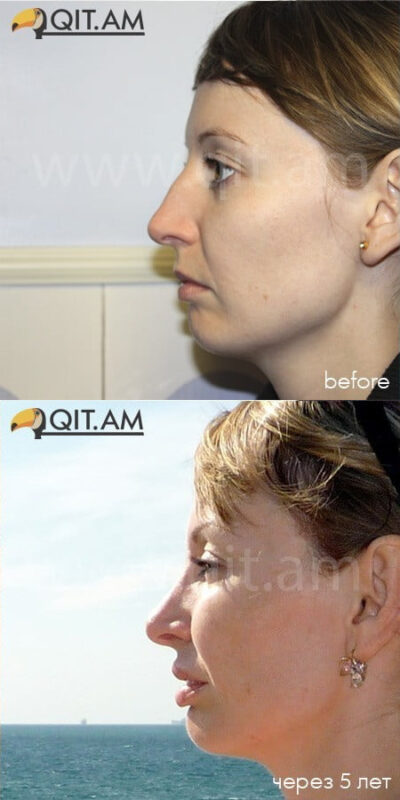
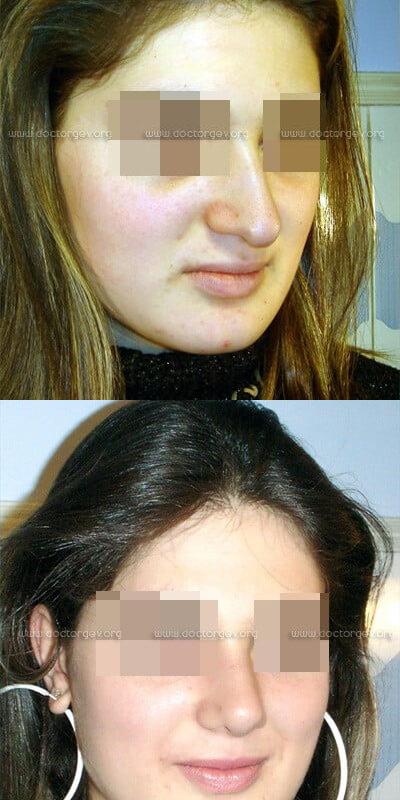
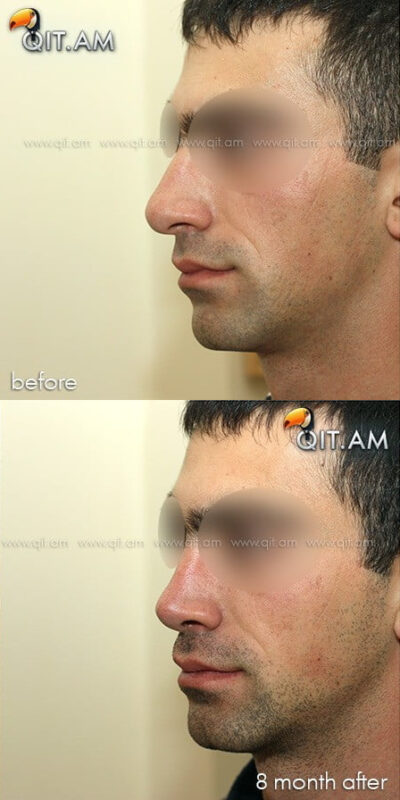
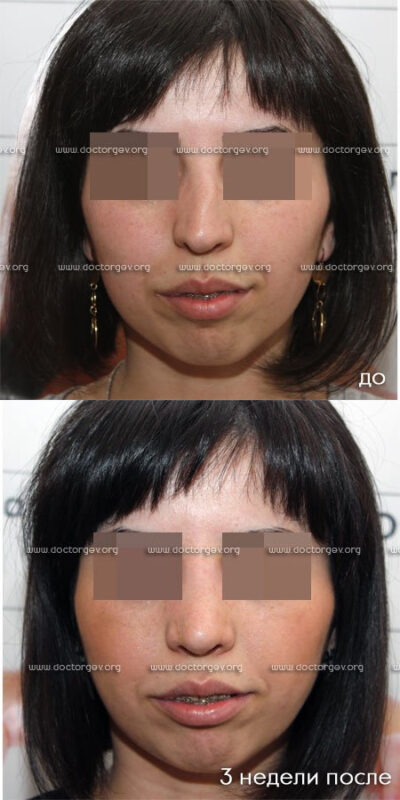
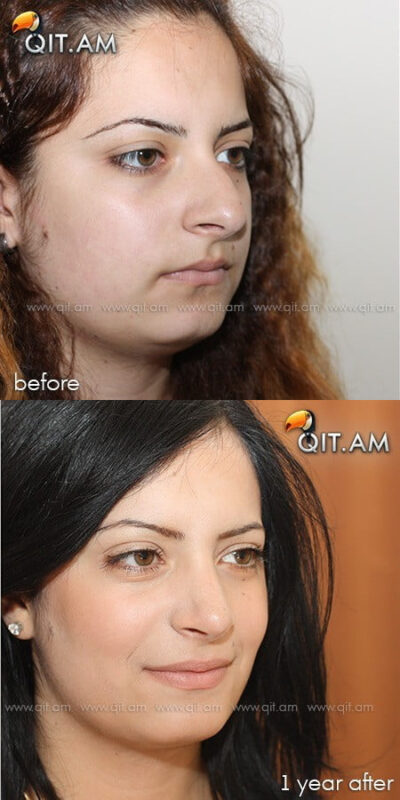
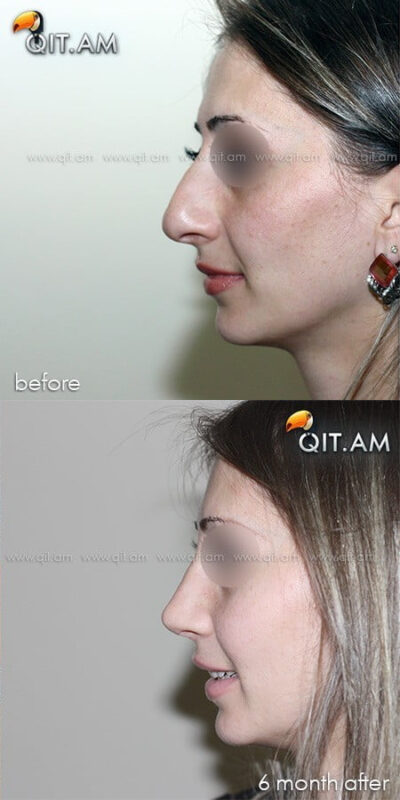
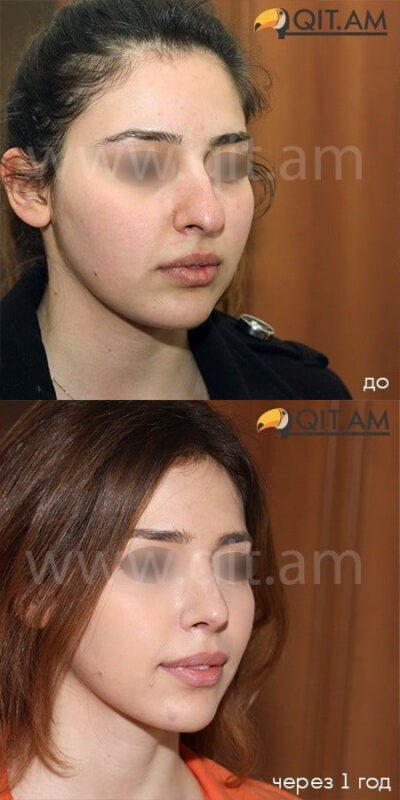
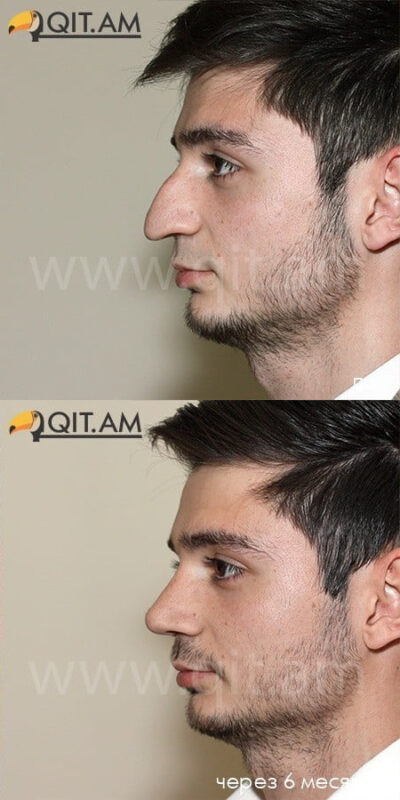
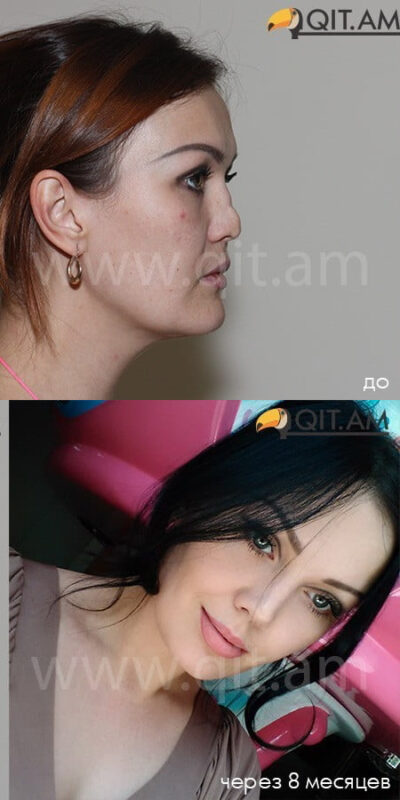
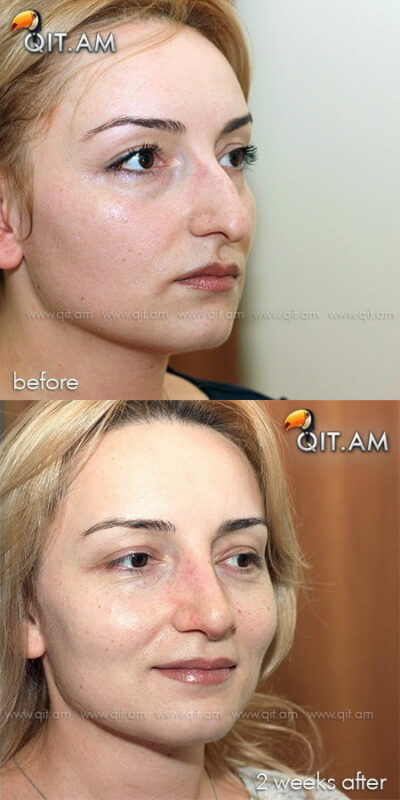
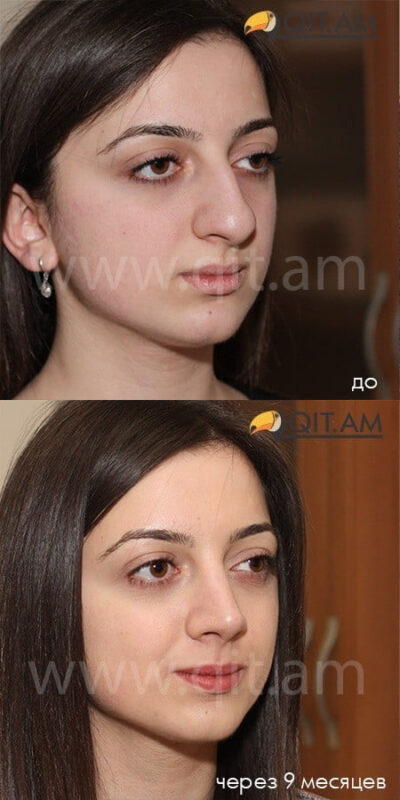
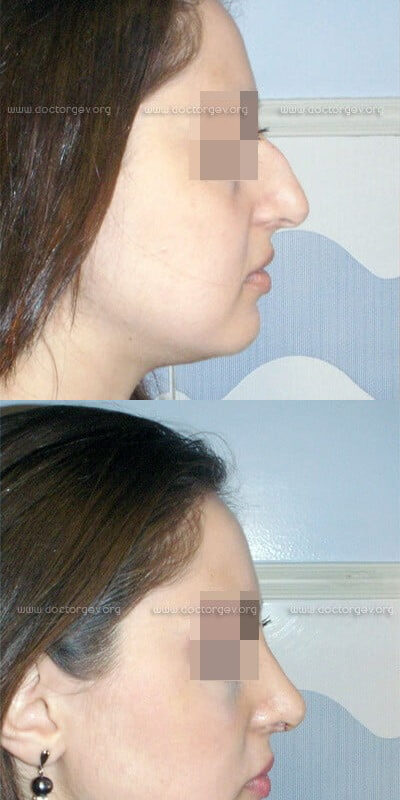
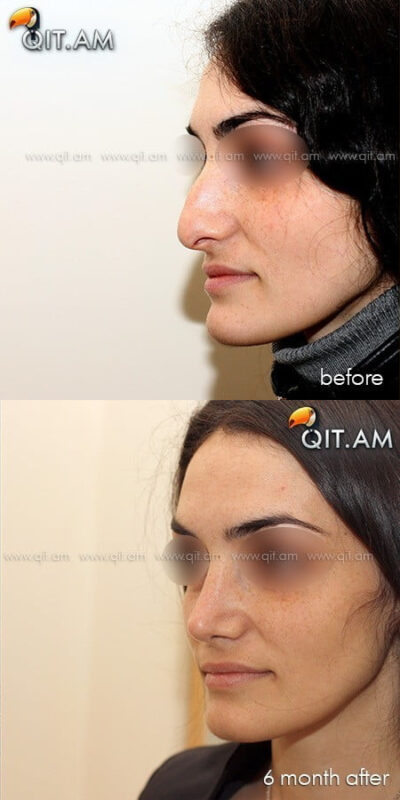
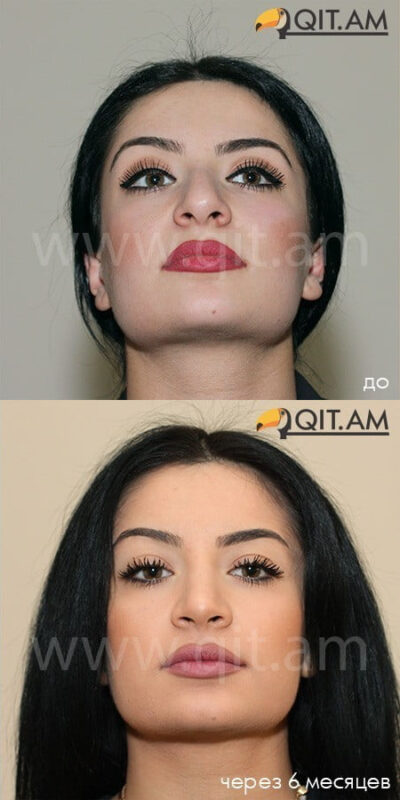
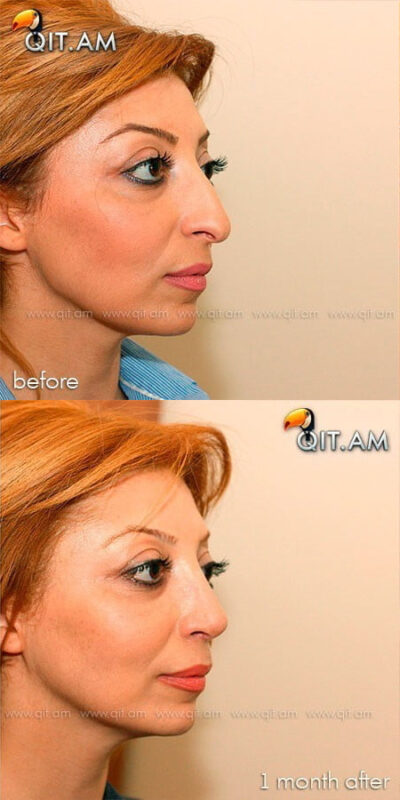
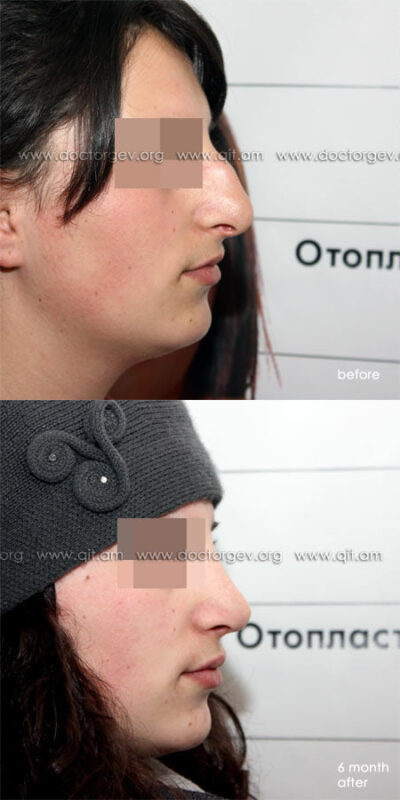
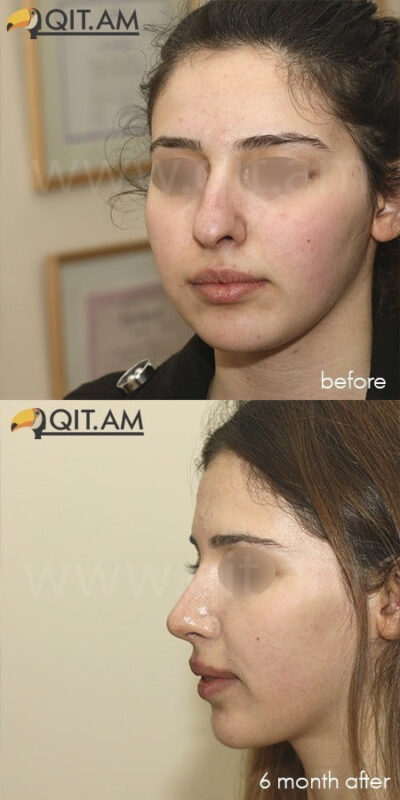
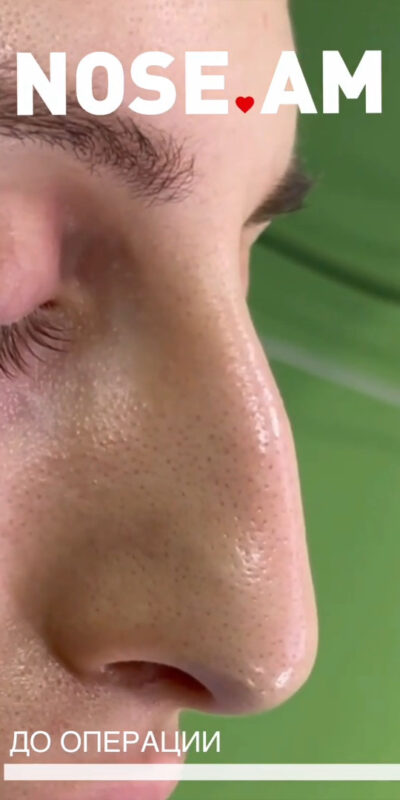
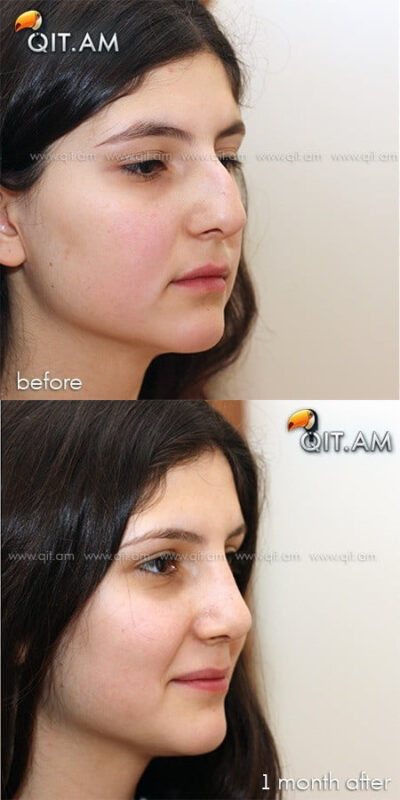
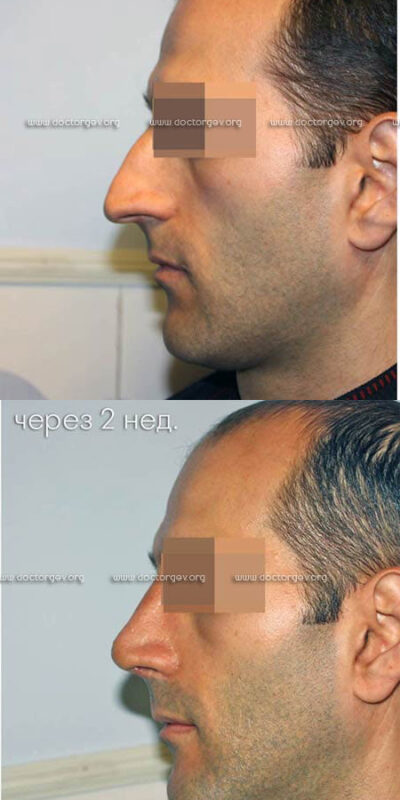
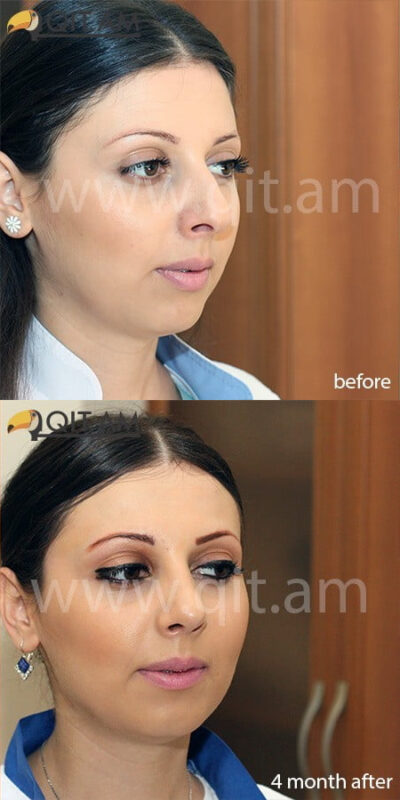
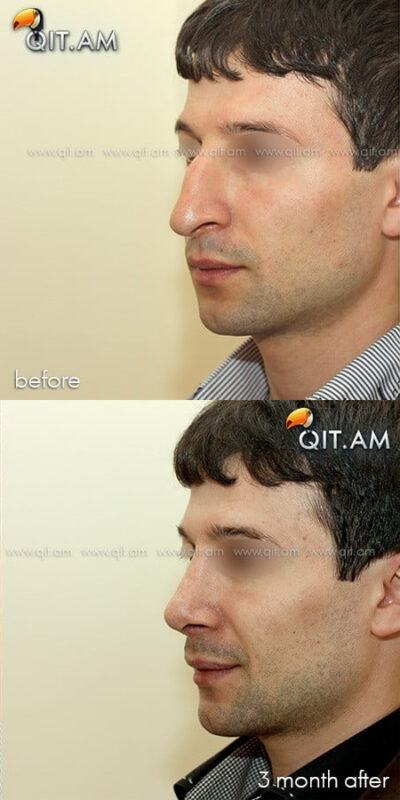
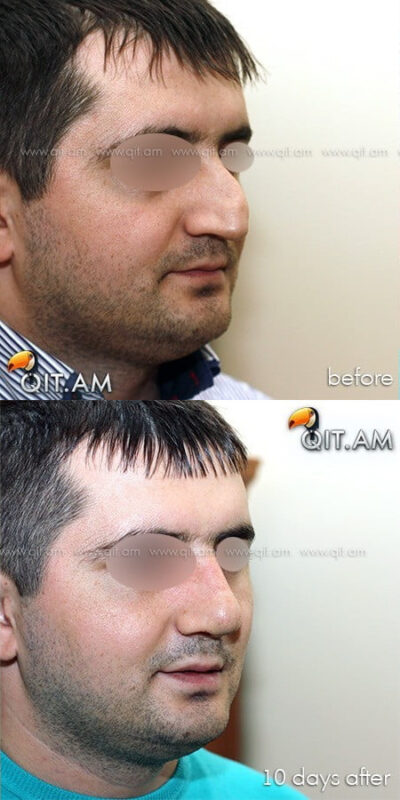
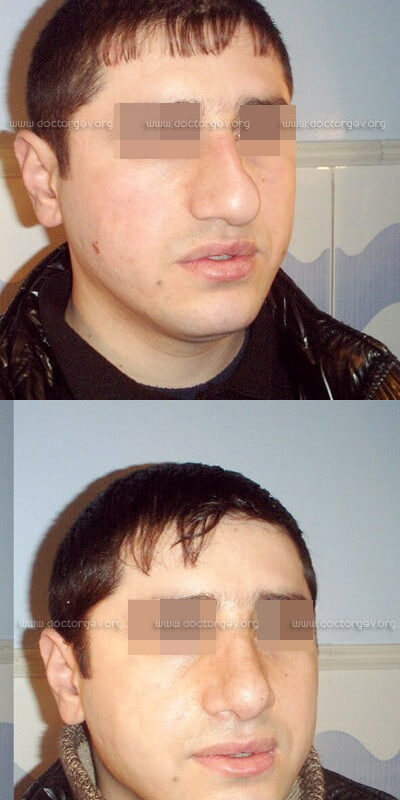
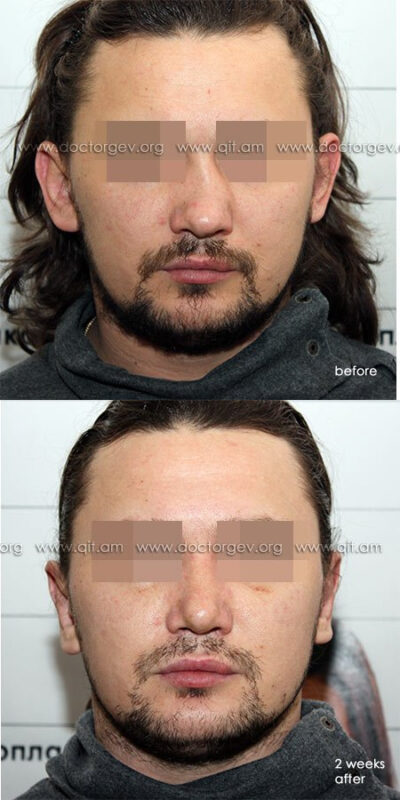
Rhinoplasty does not give immediate results. The nose takes shape over 12 months after the surgery. During the first month, the swelling actively subsides. By three months, the nose takes on about 60–70% of its final appearance. By six months—about 80–85%. The final shape, especially of the tip, stabilizes only by the one-year mark.
During this period, tissues react to external influences—heat, pressure, physical exertion. Scarring progresses at its own pace. Breathing is gradually restored. If something goes wrong, it is better to notice it in the first weeks, rather than a year later.
How postoperative follow-up is organized
After discharge, every patient receives detailed written recommendations: what to do, what not to do, how to care for the nose, sleeping positions, what medications to use, what to look out for, and when to write without delay. This is not a general standard—it is a specific plan for a specific case.
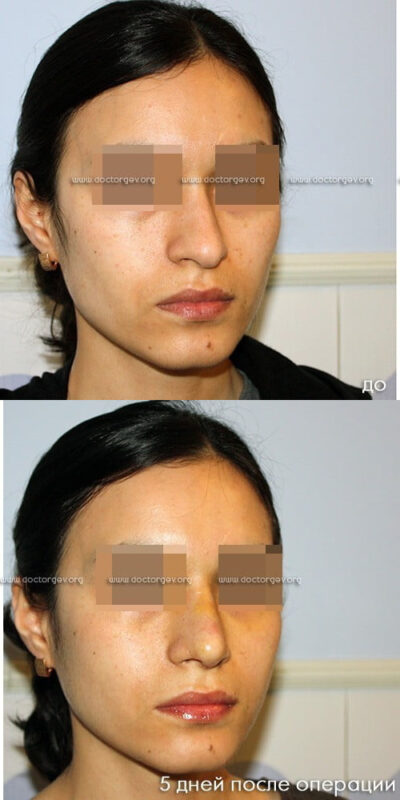
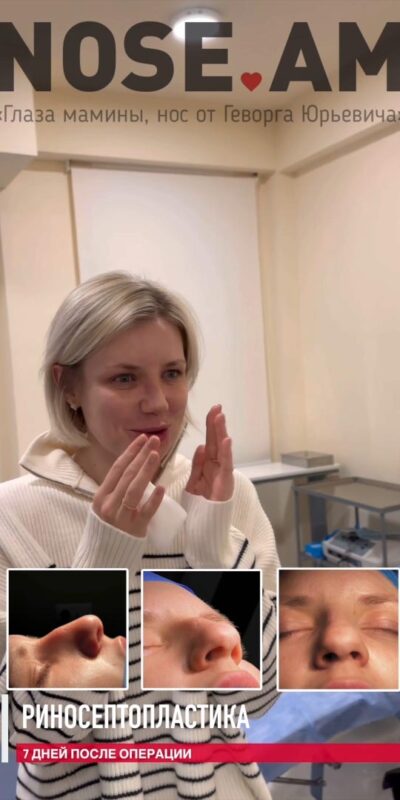
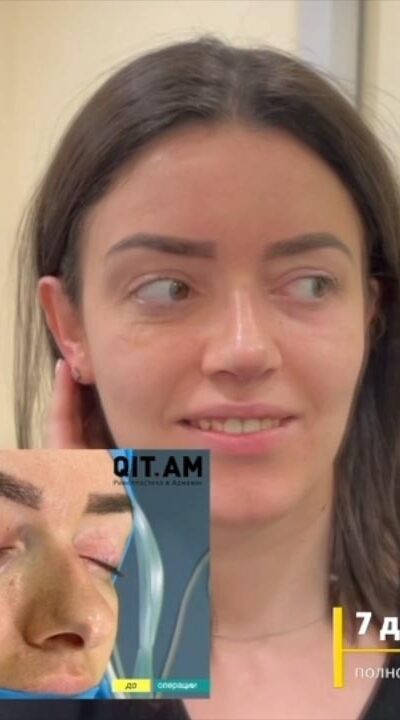
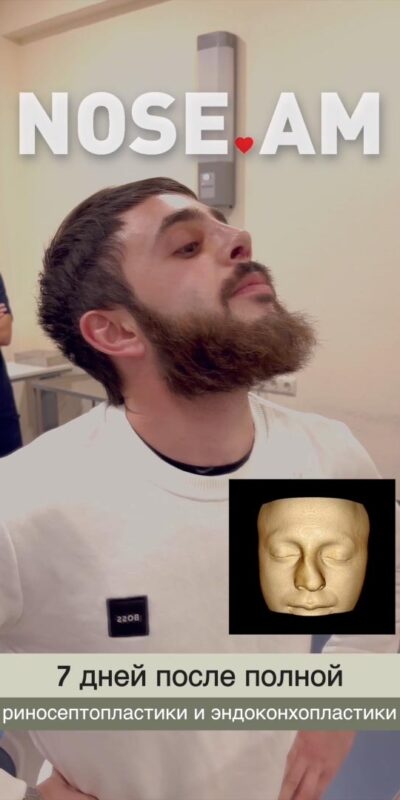
The first follow-up examination takes place when the splint is removed, approximately after 7–10 days. The next one is in 3–4 weeks. Throughout the year, the patient sends photo updates at agreed intervals; I review the dynamics and, if necessary, adjust the recommendations or schedule an in-person consultation.
Photo updates: why and how
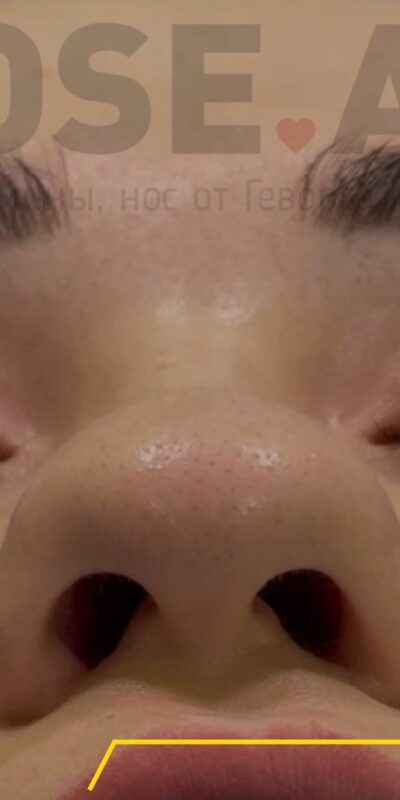
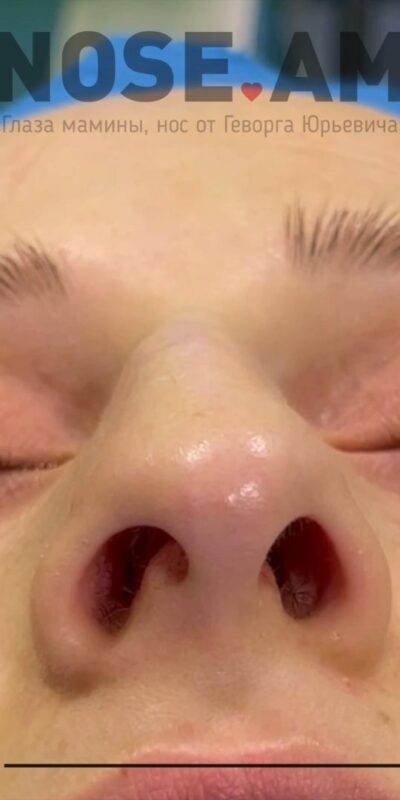
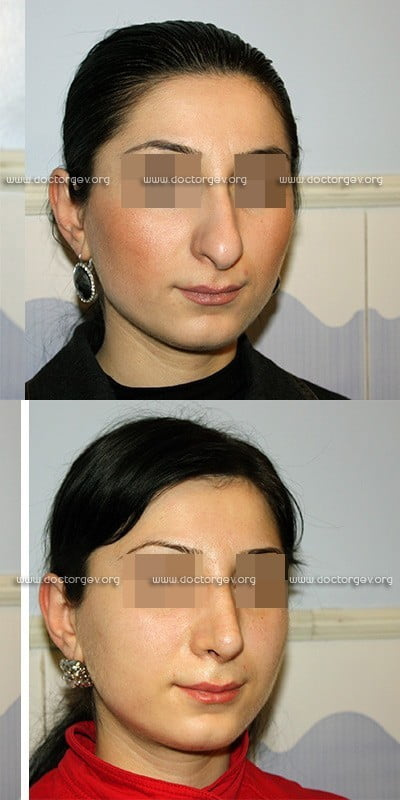
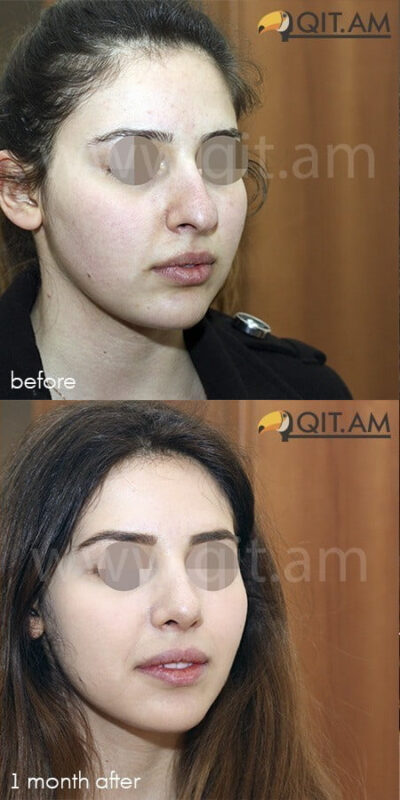
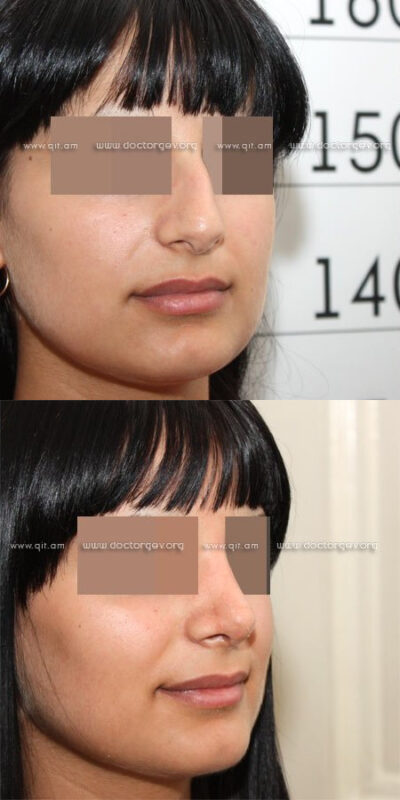
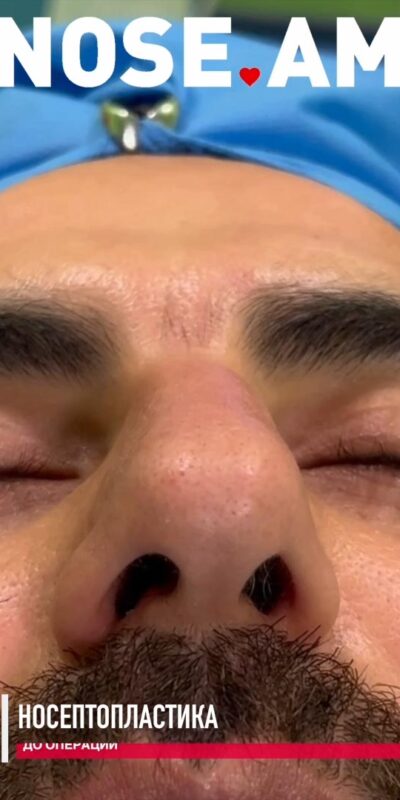
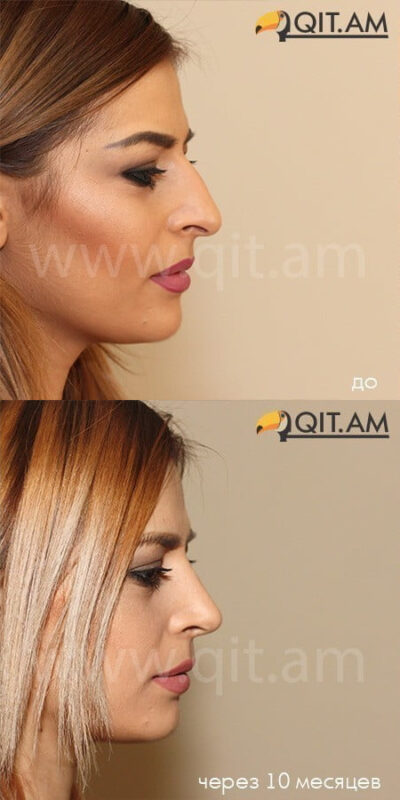
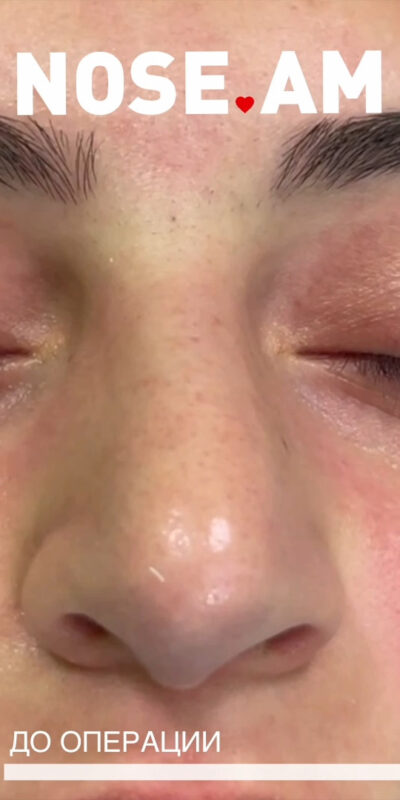
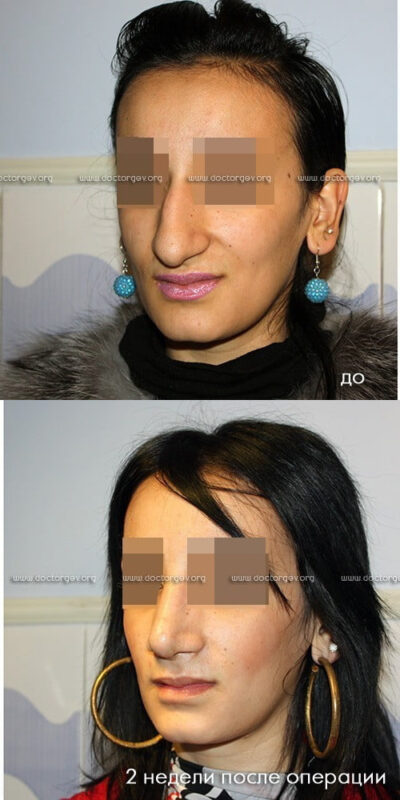
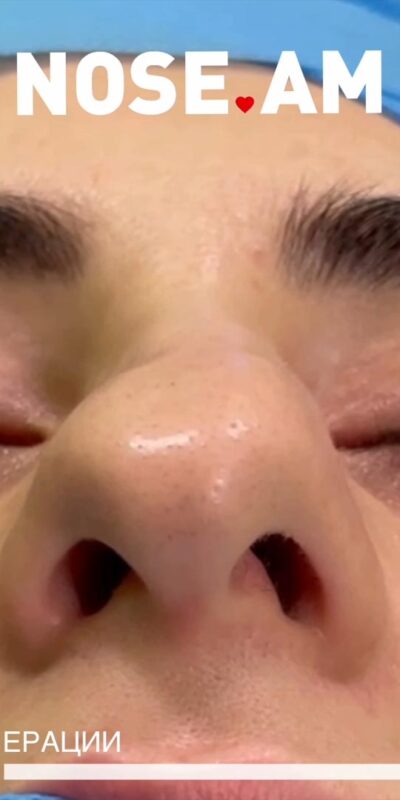
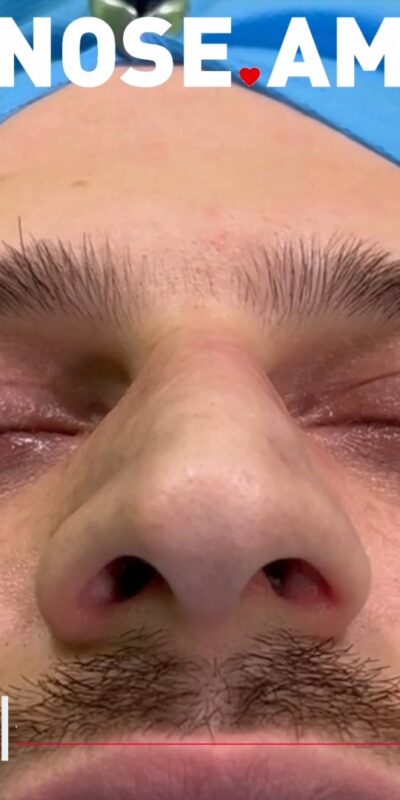
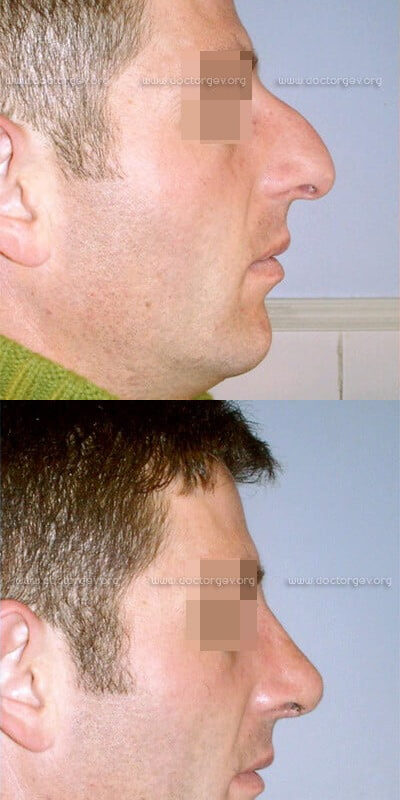
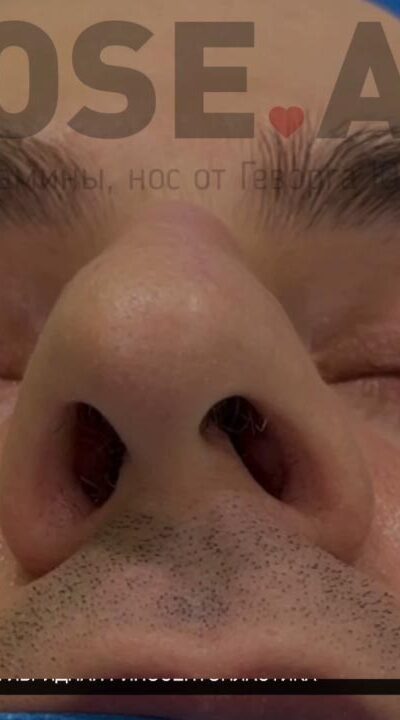
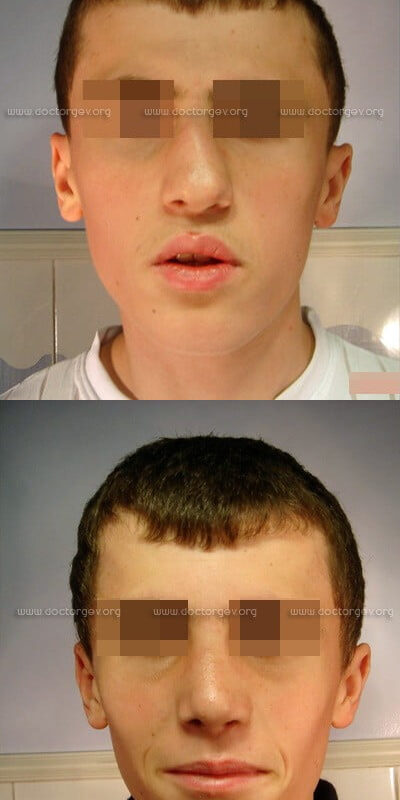
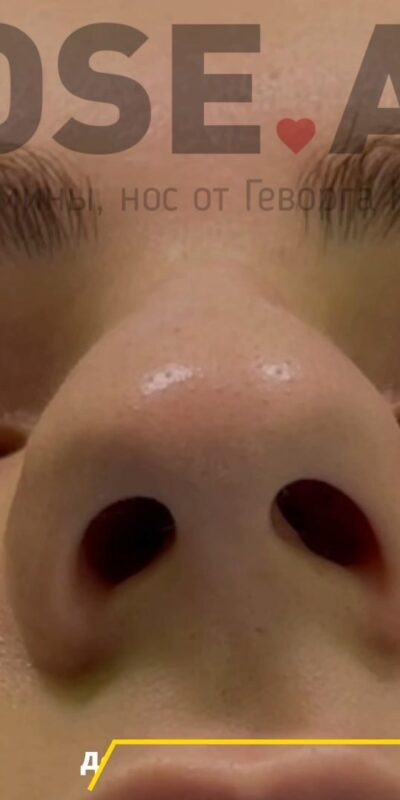
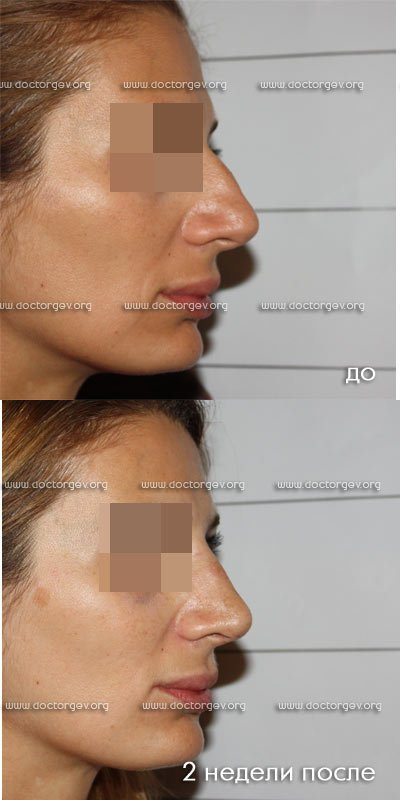
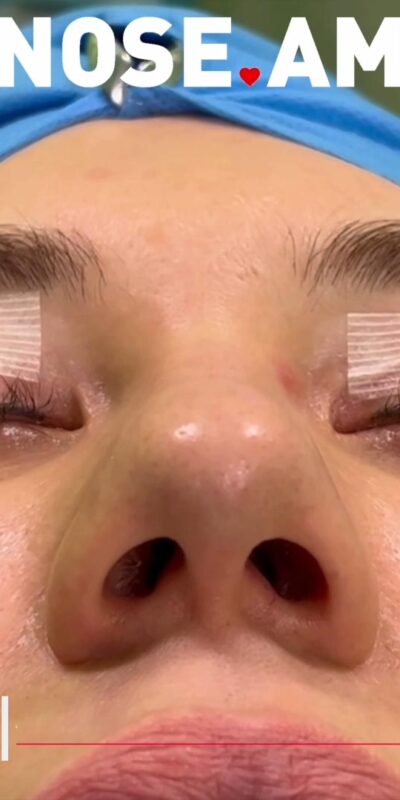
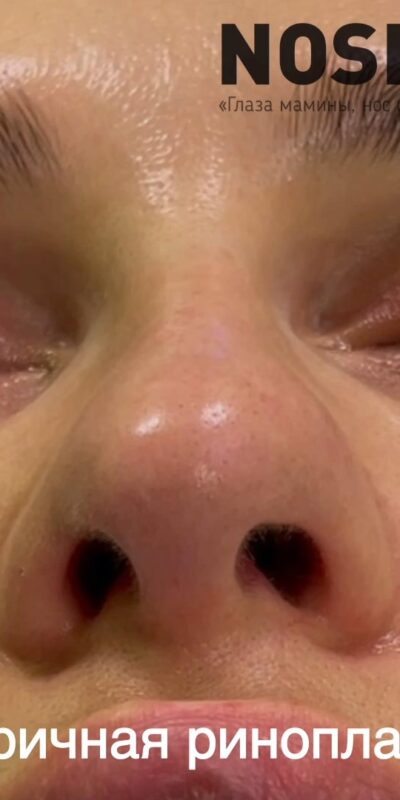
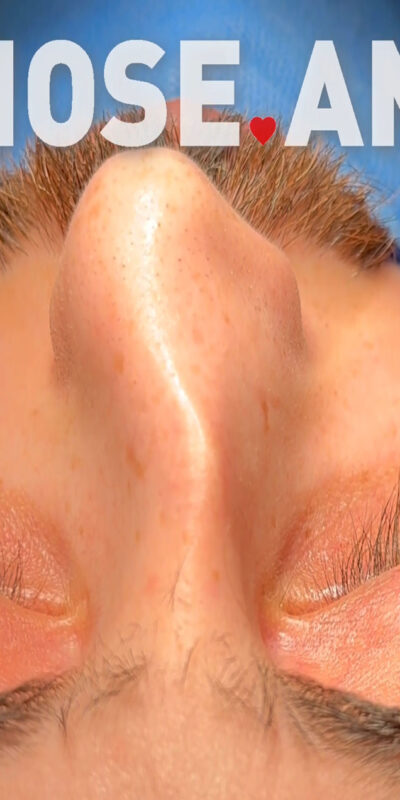
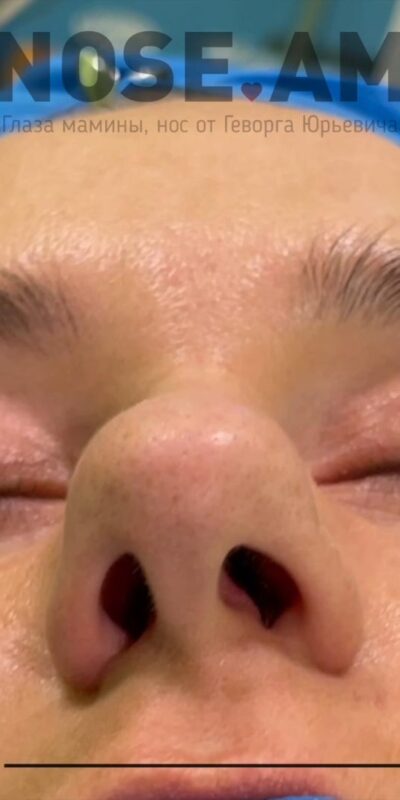
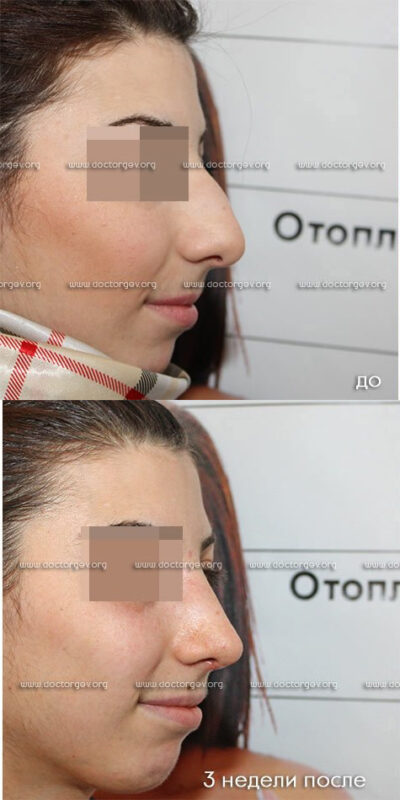
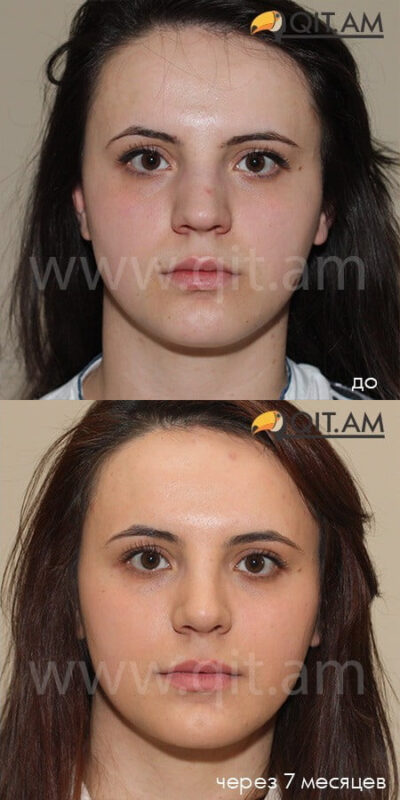
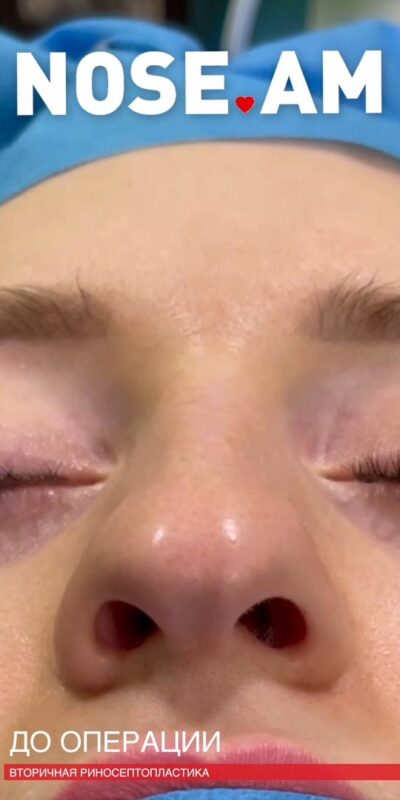
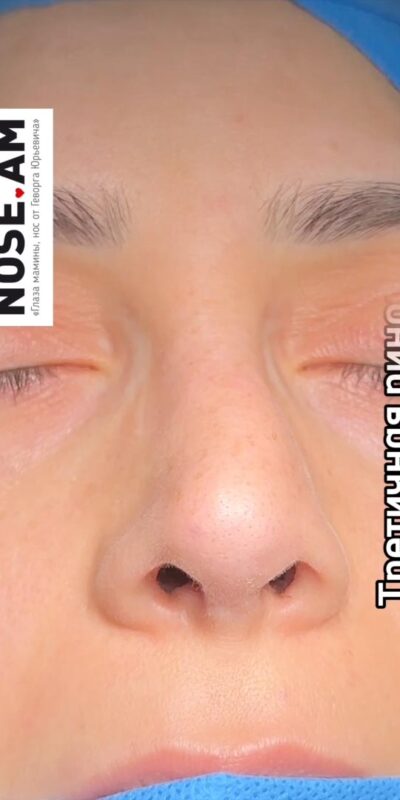
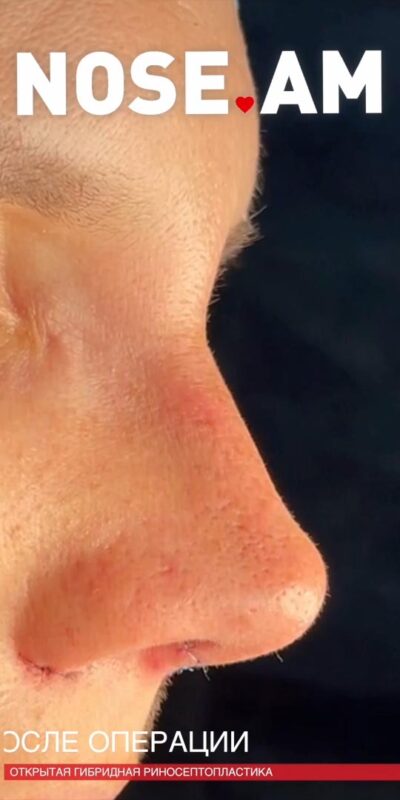
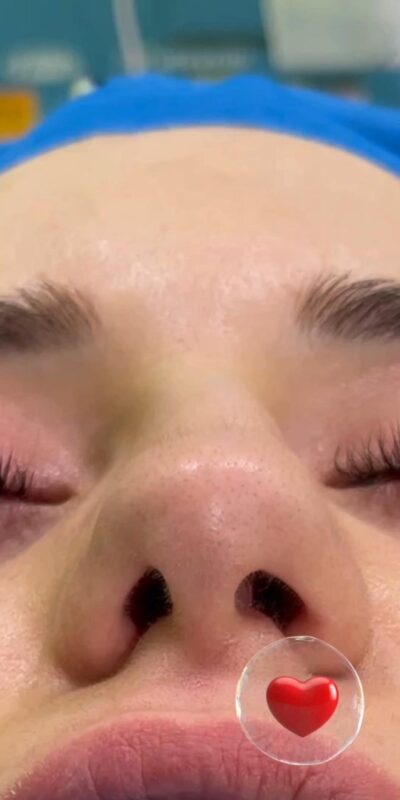
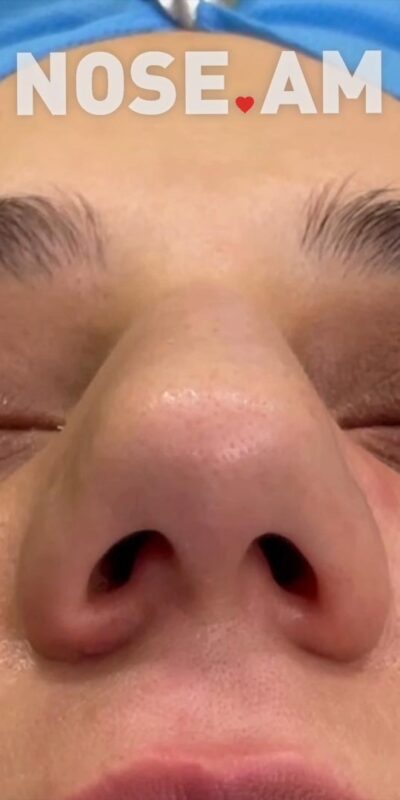
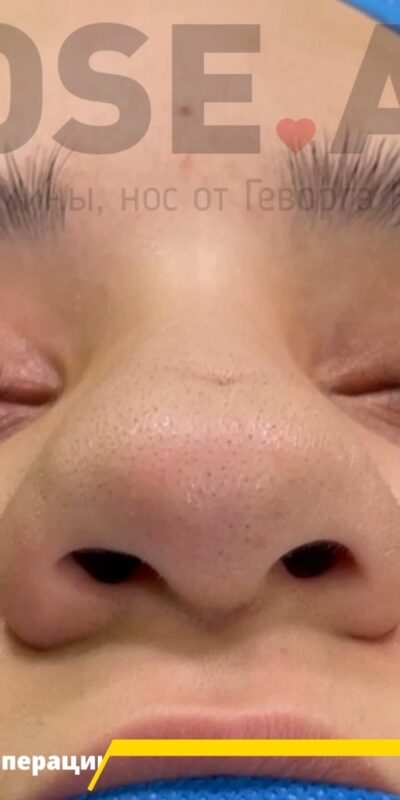
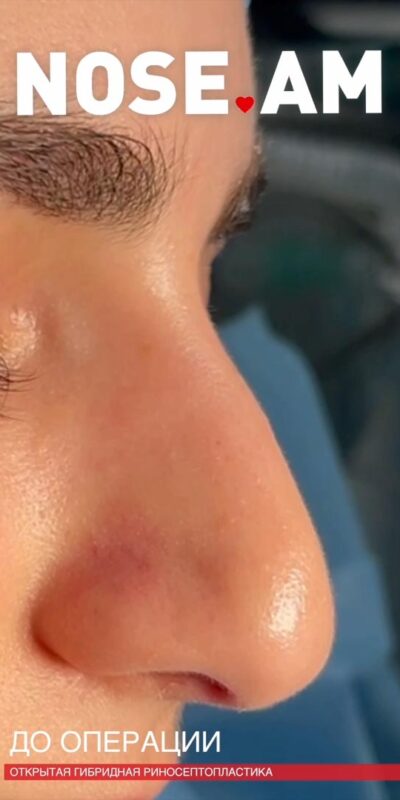
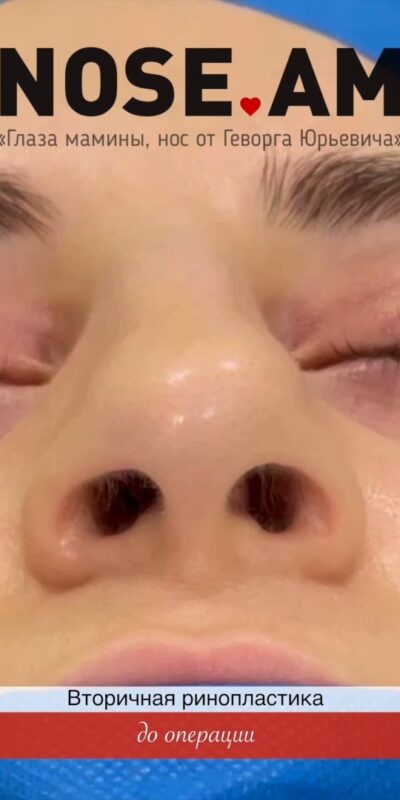
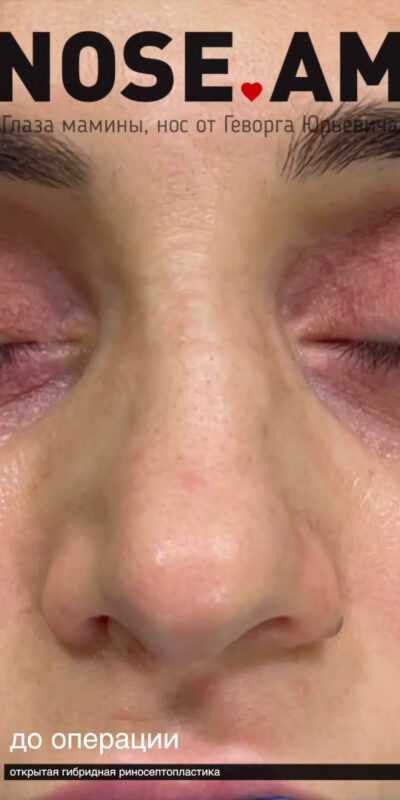
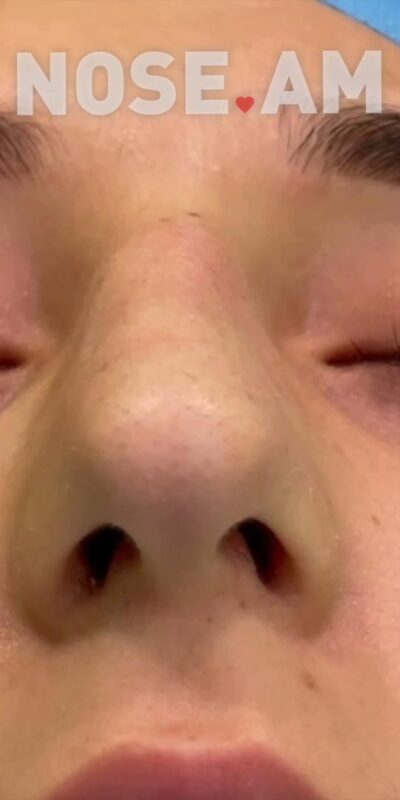
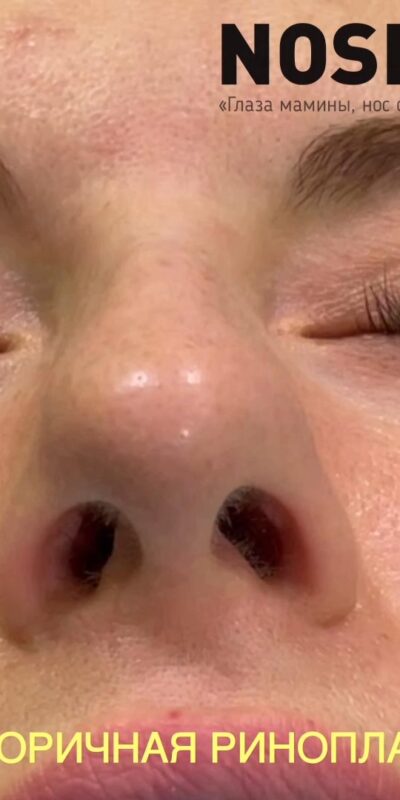
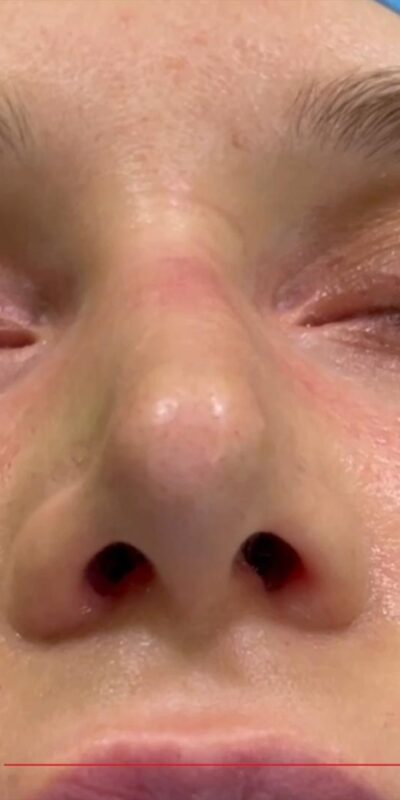
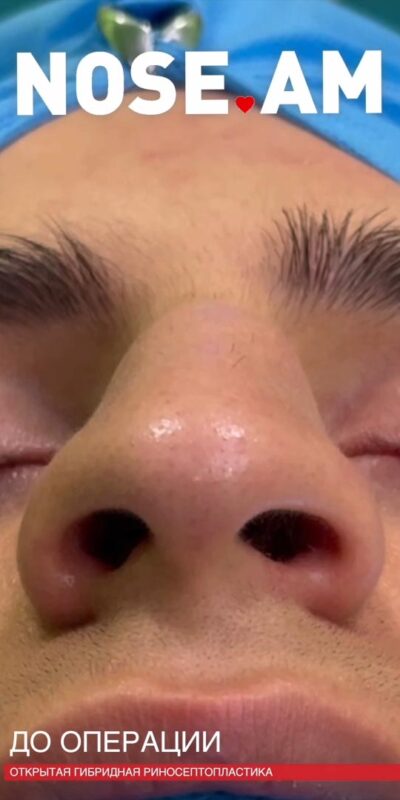
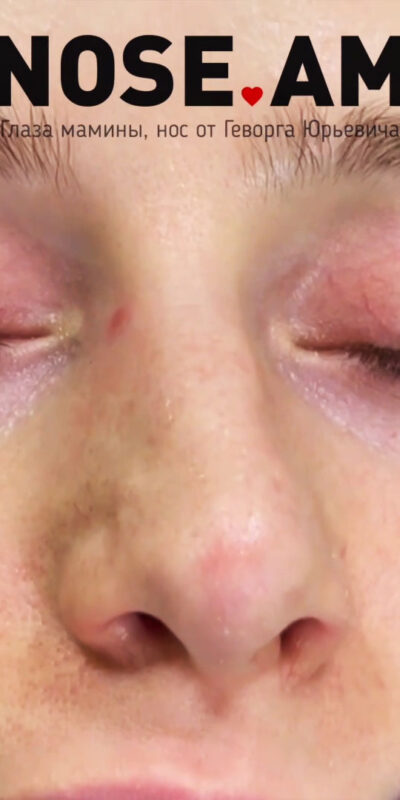
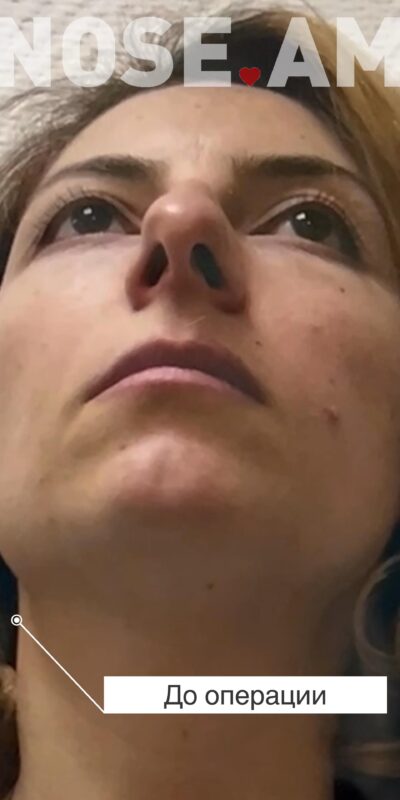
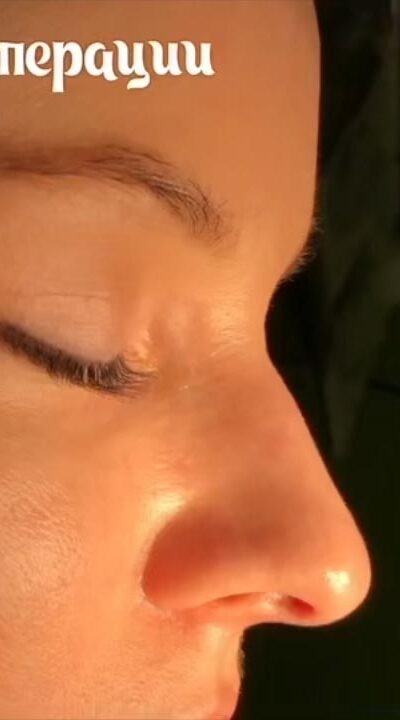
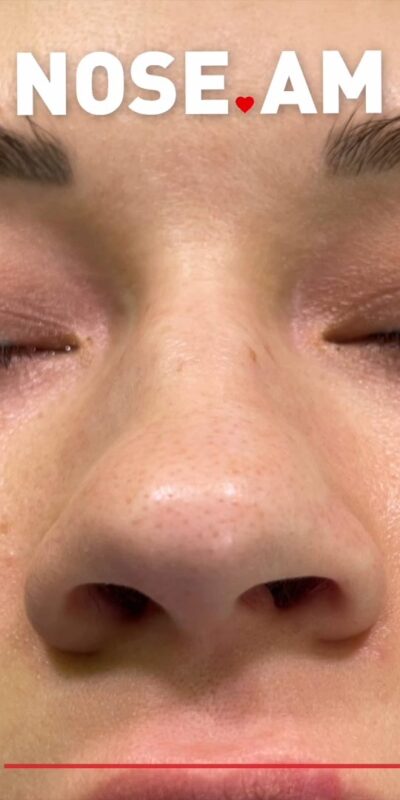
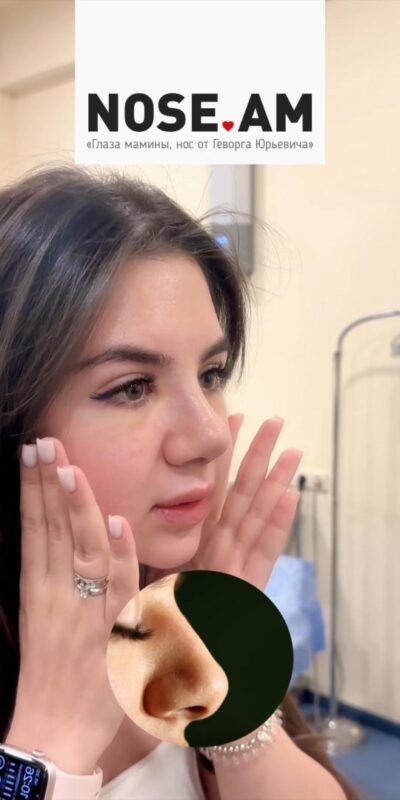
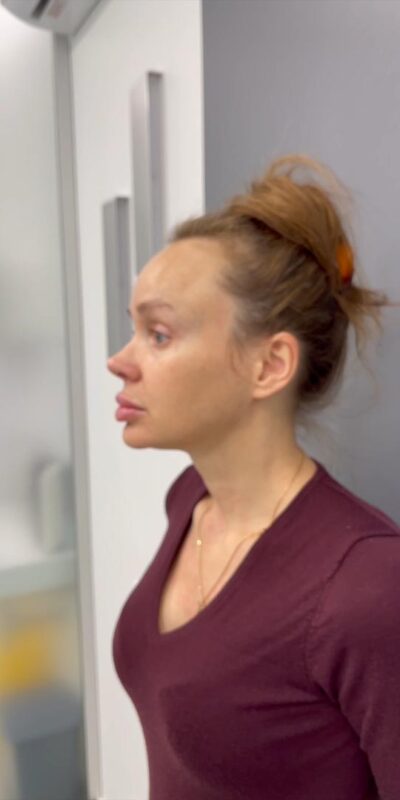
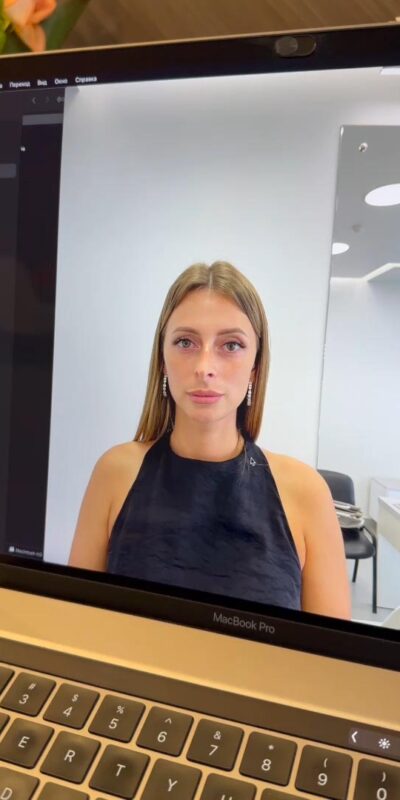
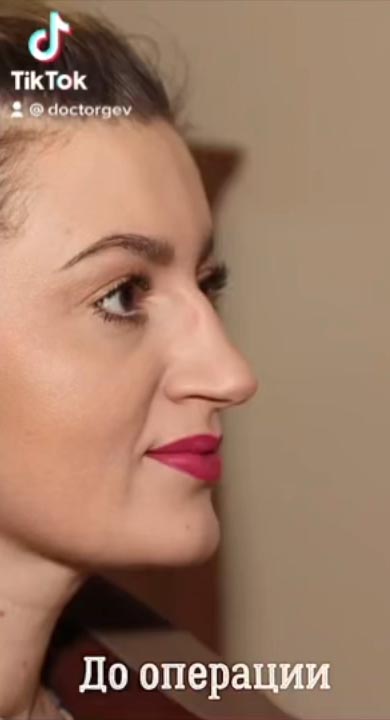
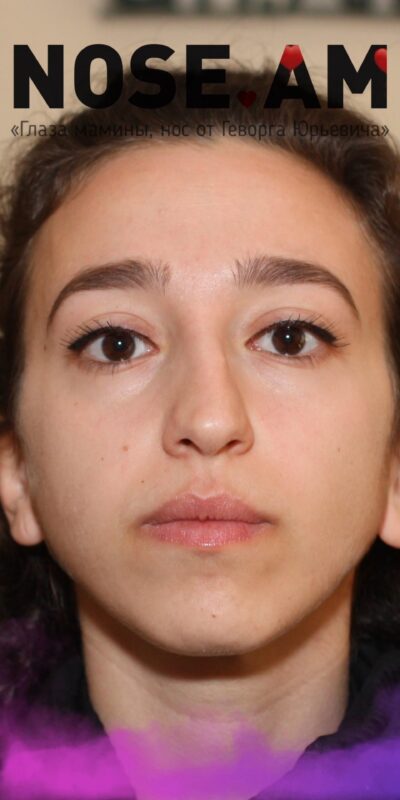
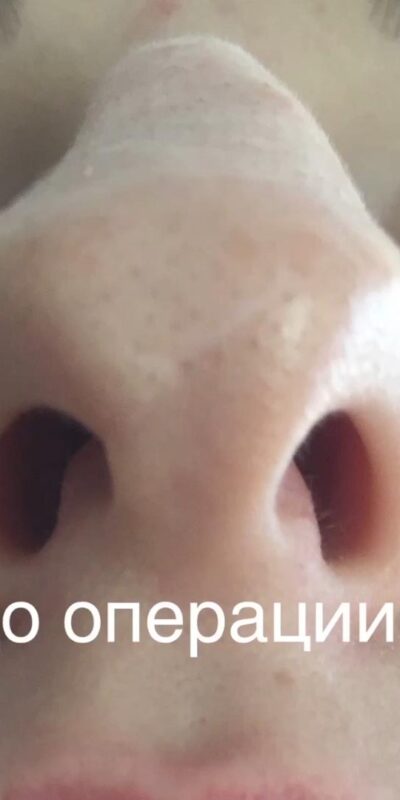
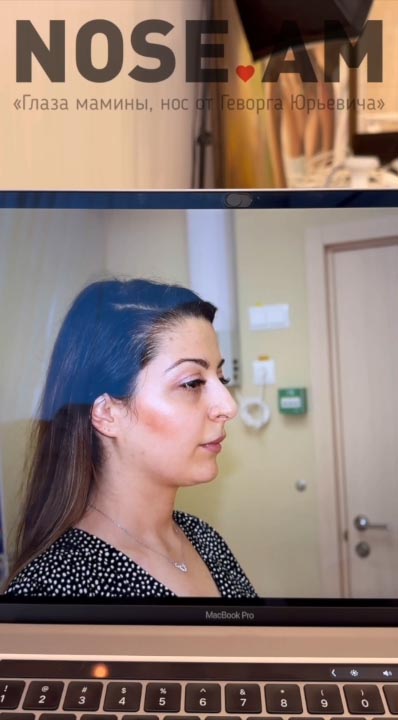
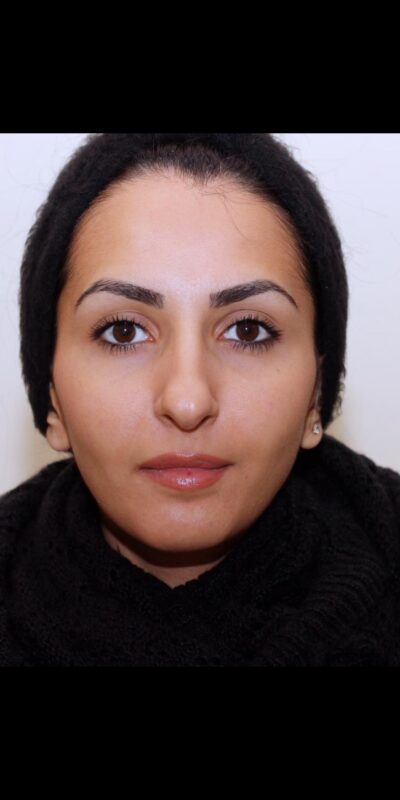
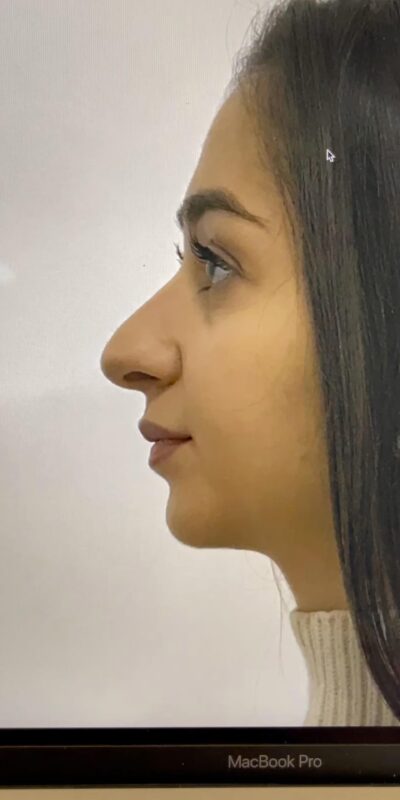
Photos are sent according to a specific layout: full face, profile from both sides, and bottom view. Under identical lighting, without filters, at the agreed intervals (1 month, 3 months, 6 months, 1 year).
This is not just a formality. From the photos, I can see how scarring is progressing, how the swelling is subsiding, how the tip is forming, and whether there is excessive contracture. Sometimes, based on the images, I prescribe massage, temporary compression, or adjust the aftercare—this truly affects the final result.
When to write immediately
Not every change requires an urgent reaction, but there are signs that must be reported without delay:
- fever above 38°C for more than 24 hours;
- increasing pain or a sensation of pressure that intensifies rather than decreases;
- purulent or atypical nasal discharge;
- pronounced asymmetry that was not present during the last examination;
- any changes that seem abnormal to you—even if you are in doubt.
The rule is simple: if you are in doubt, write. I will reply and tell you whether you need to come in urgently or if we can continue to observe. This is not bothering me; it is normal postoperative communication.
My responsibility does not end on the day of surgery
The result of rhinoplasty is not just what was achieved in the operating room. It is the outcome of the entire cycle: diagnostics → planning → surgery → follow-up → adjustment of recommendations. Skipping any of these stages means lowering the quality of the final result.
Therefore, I guide the patient until the moment when the result can be truly evaluated. Not until discharge, but until the final formation of the nose.