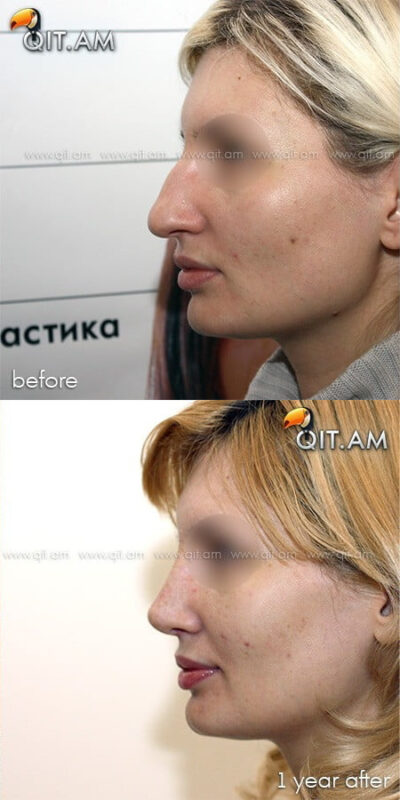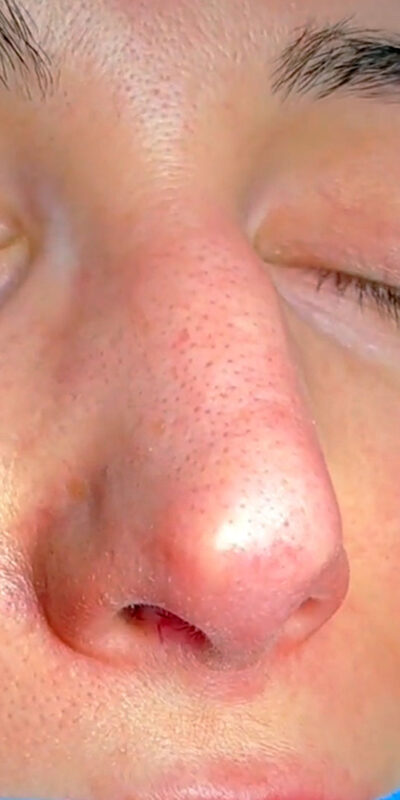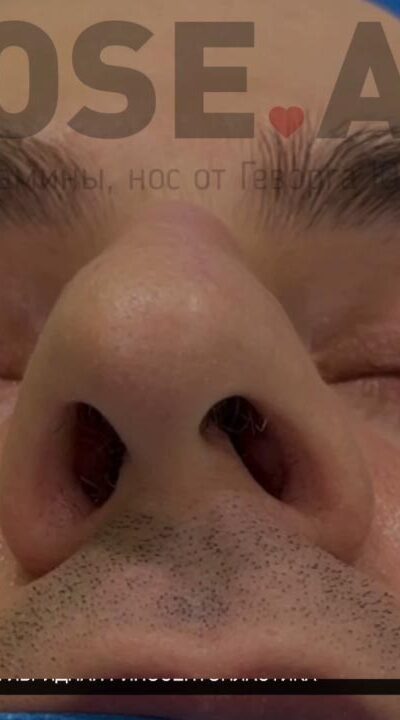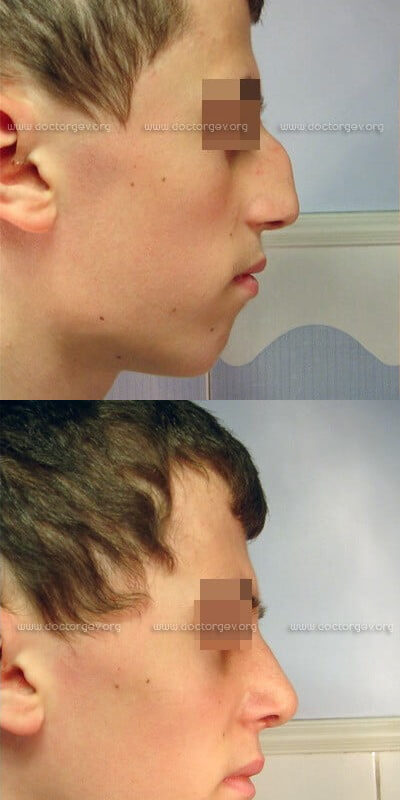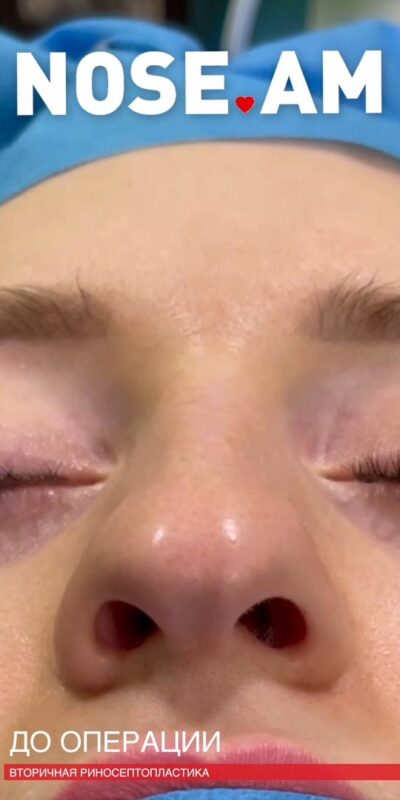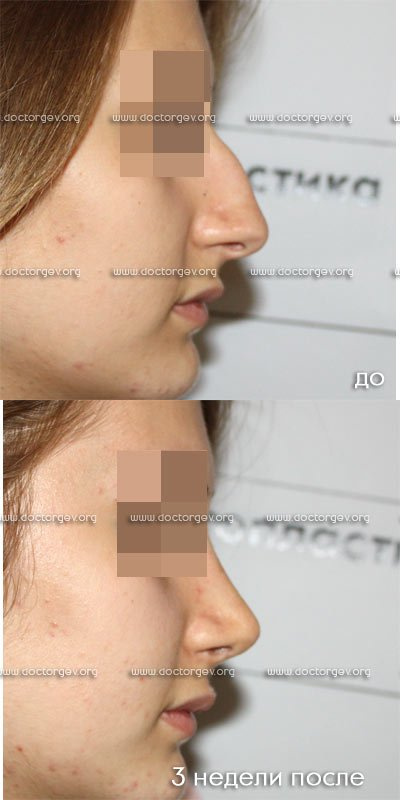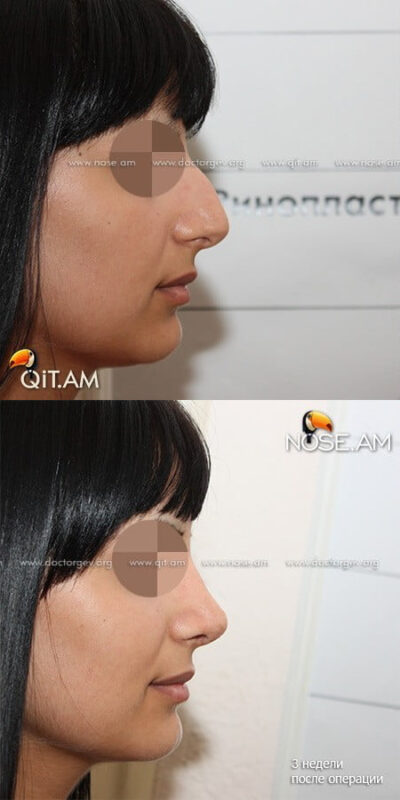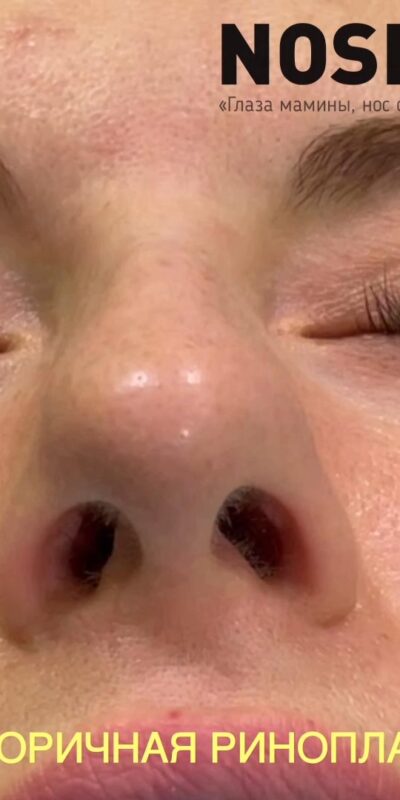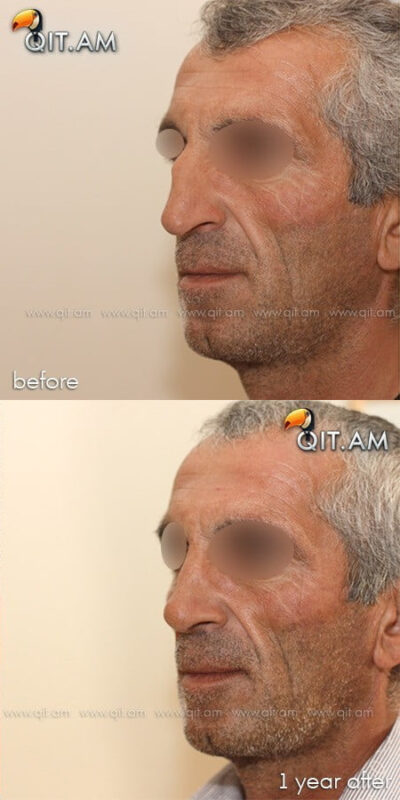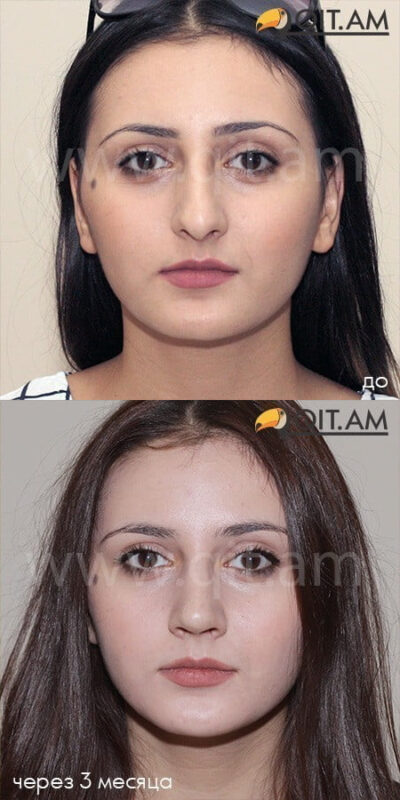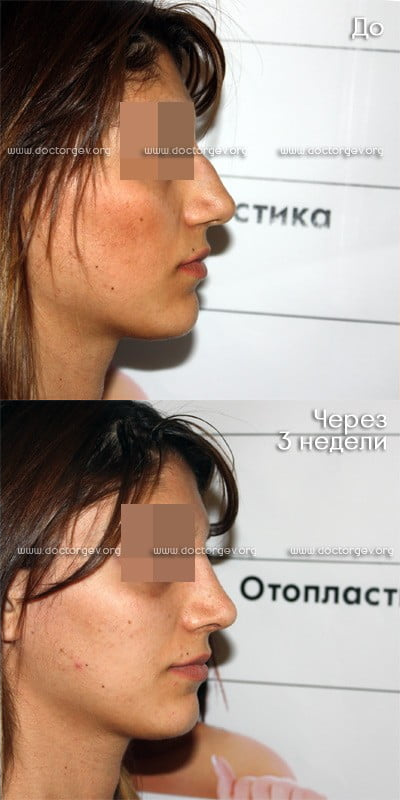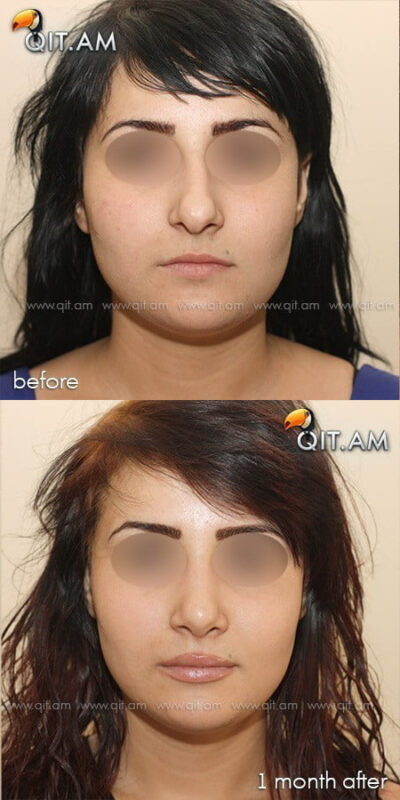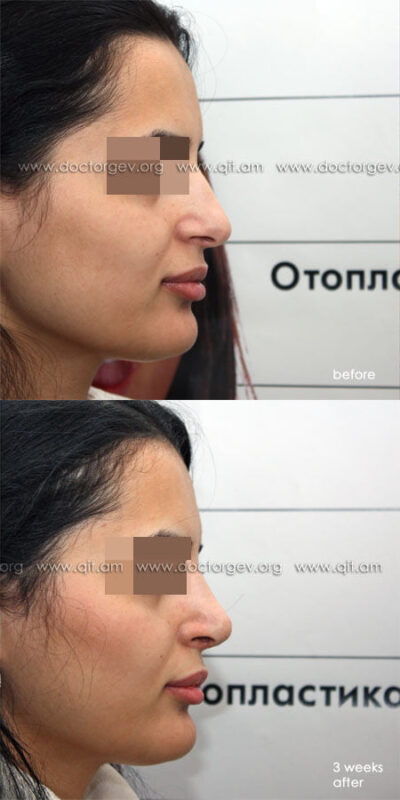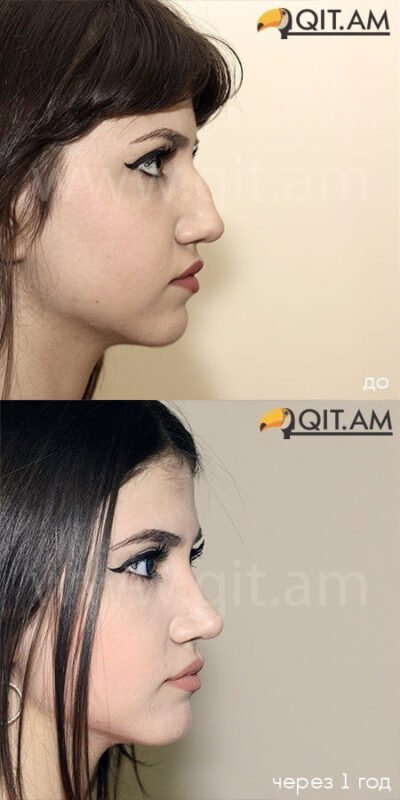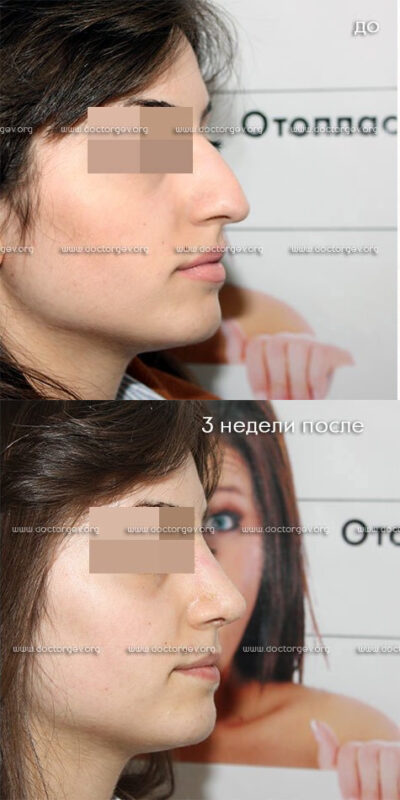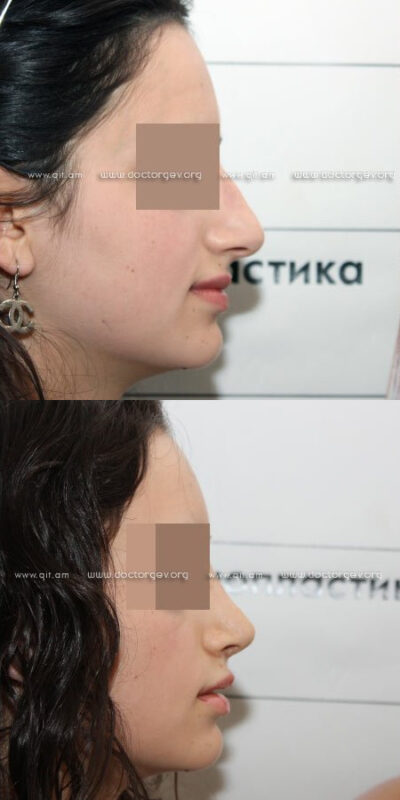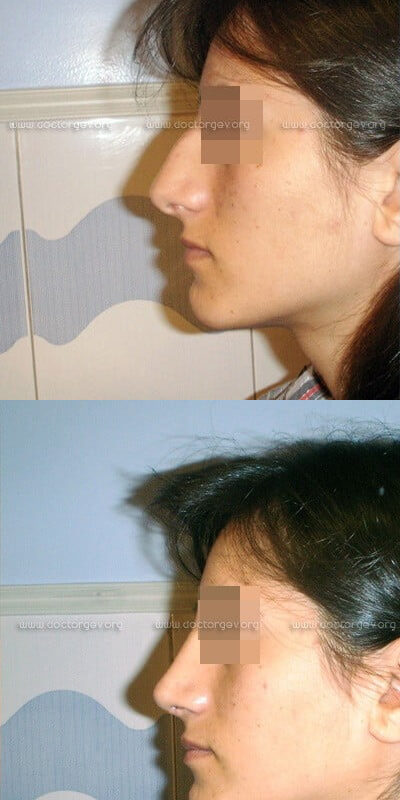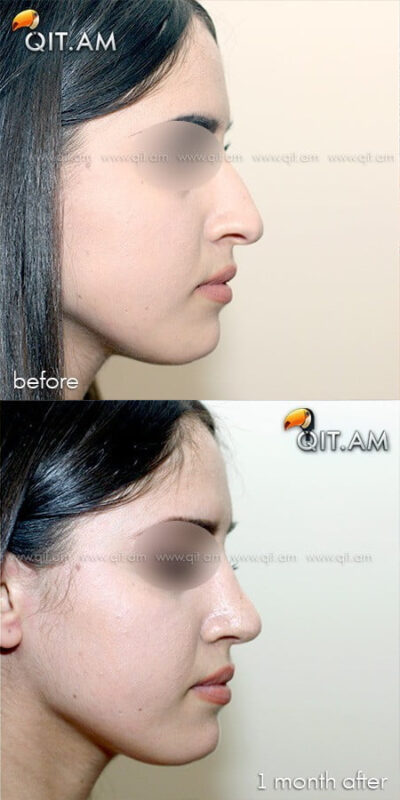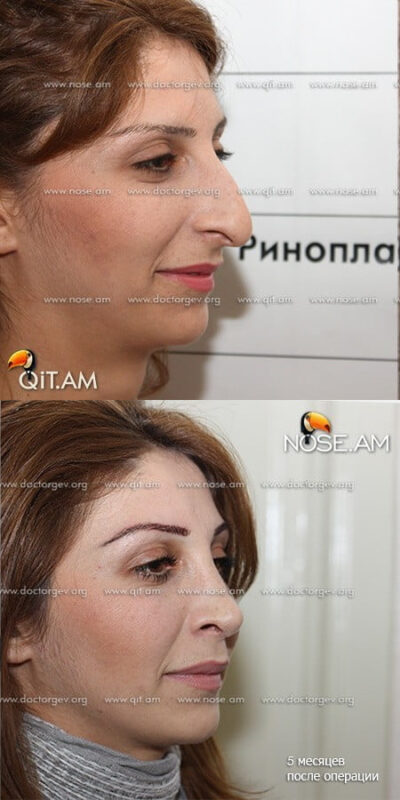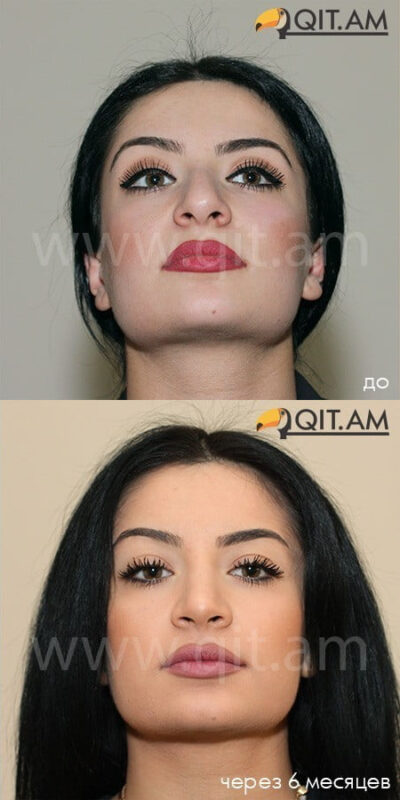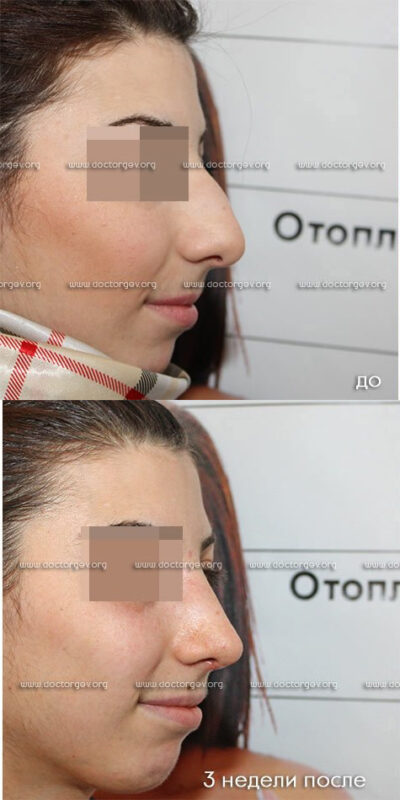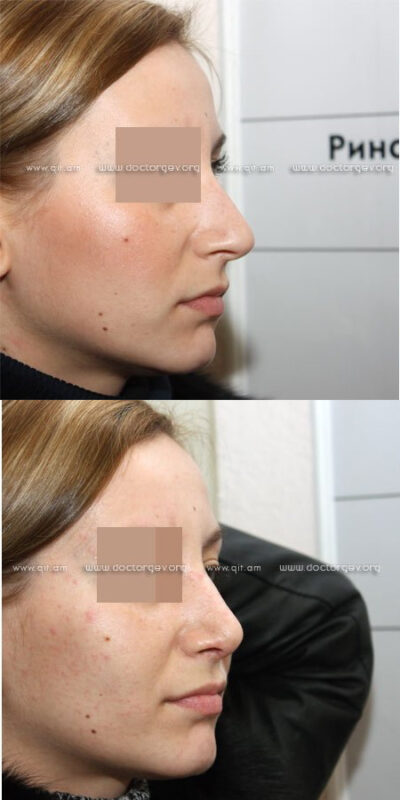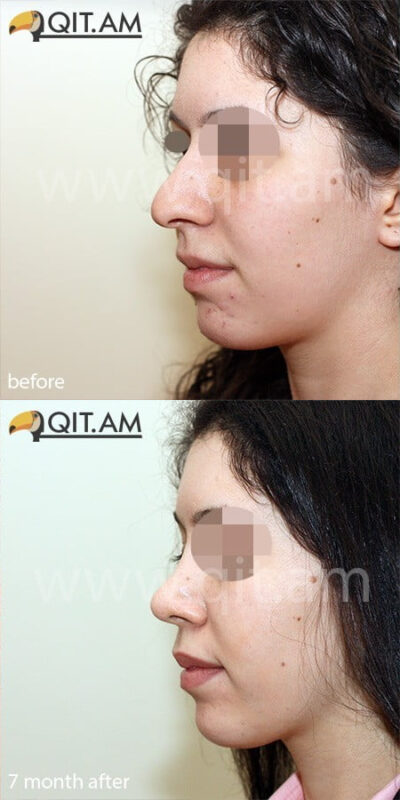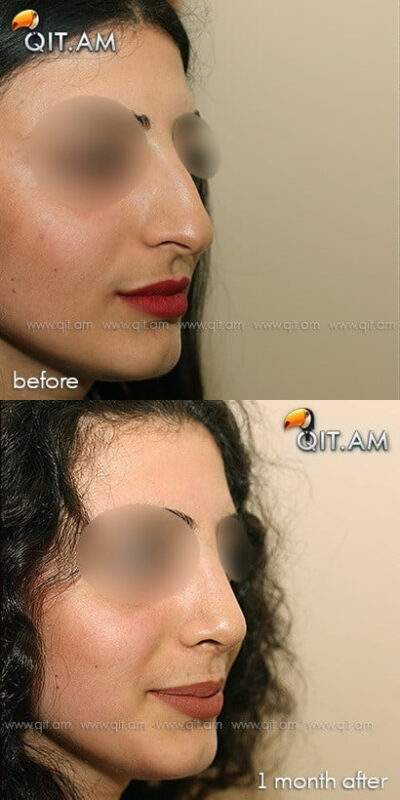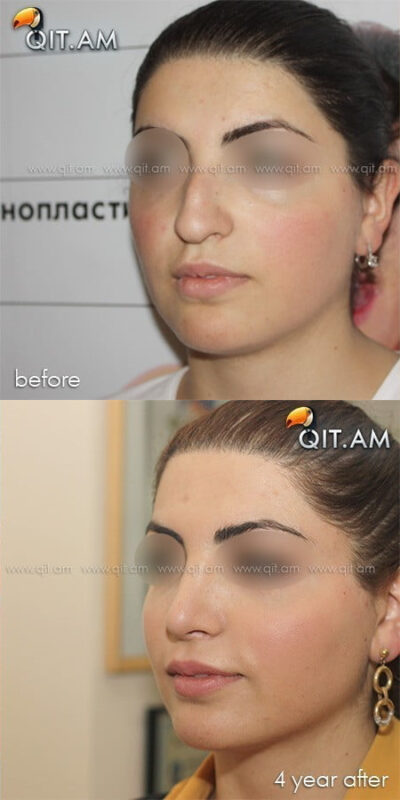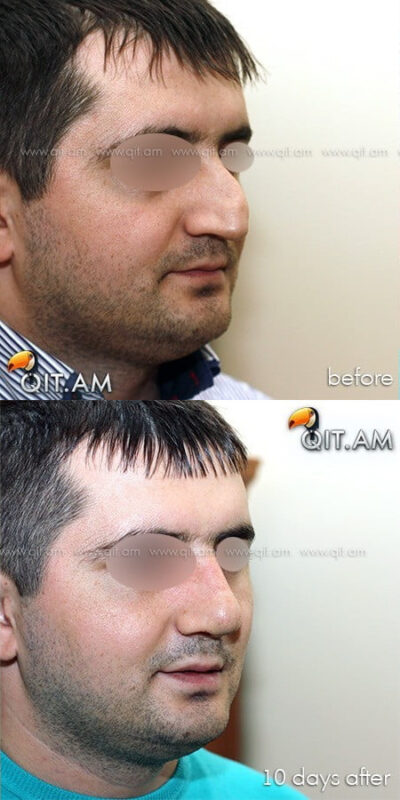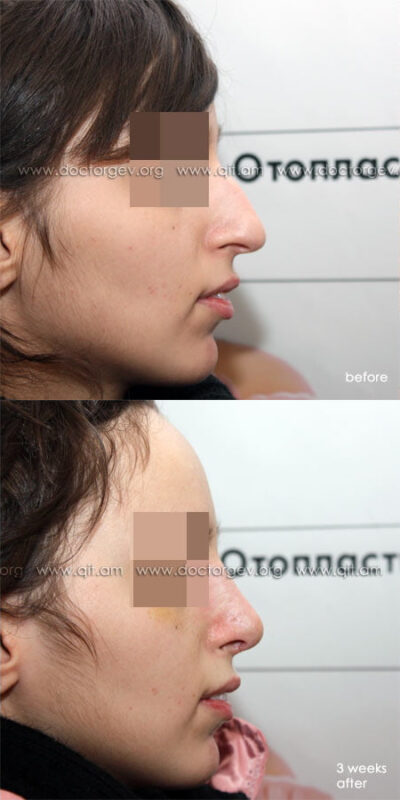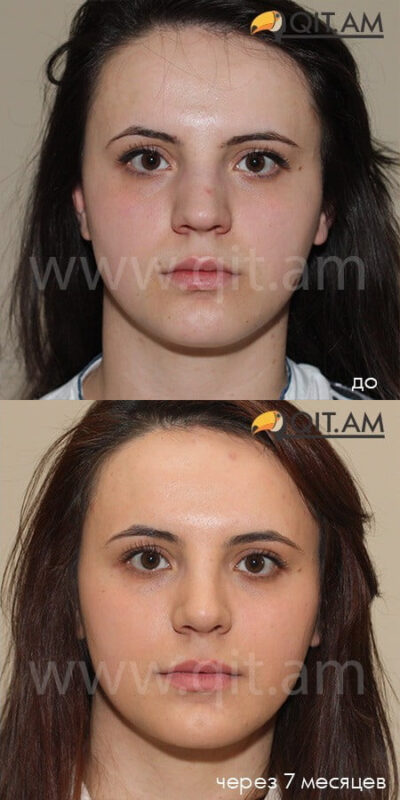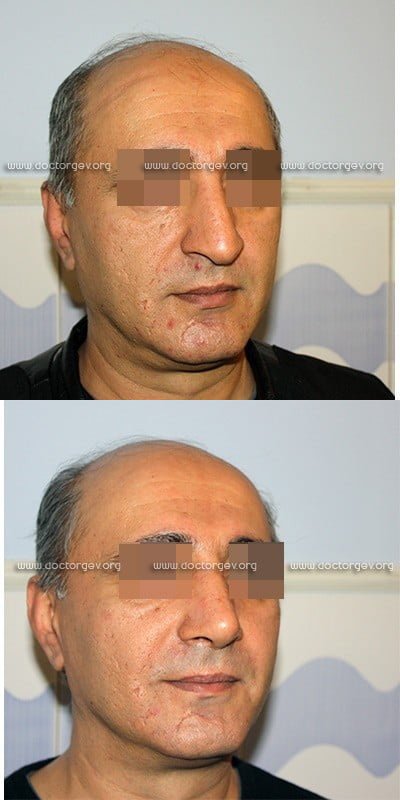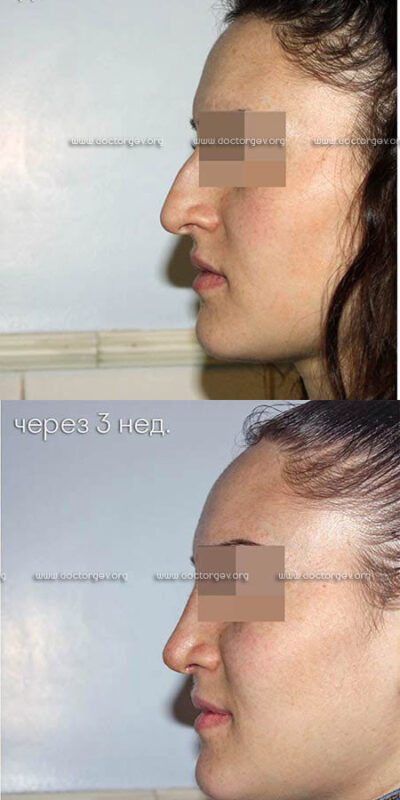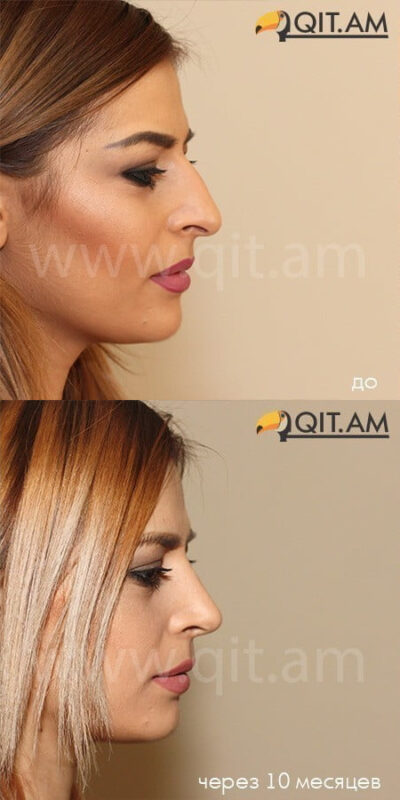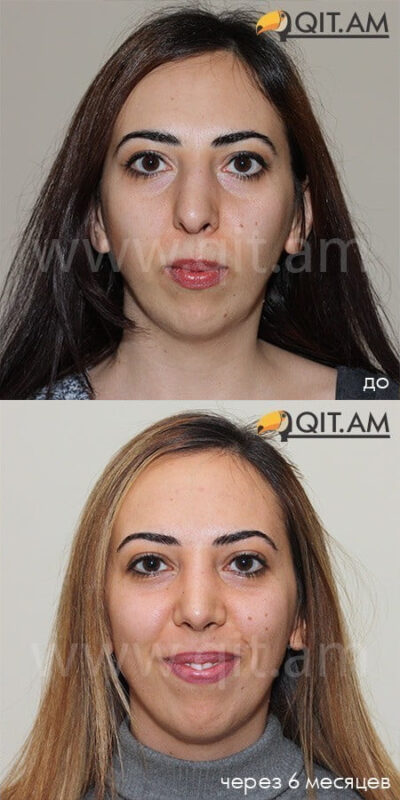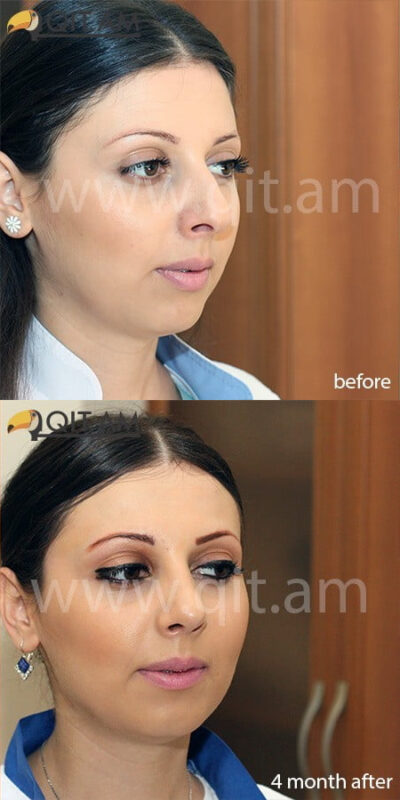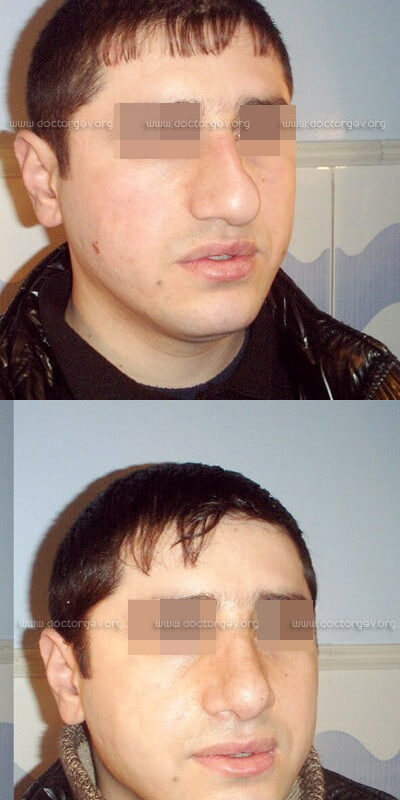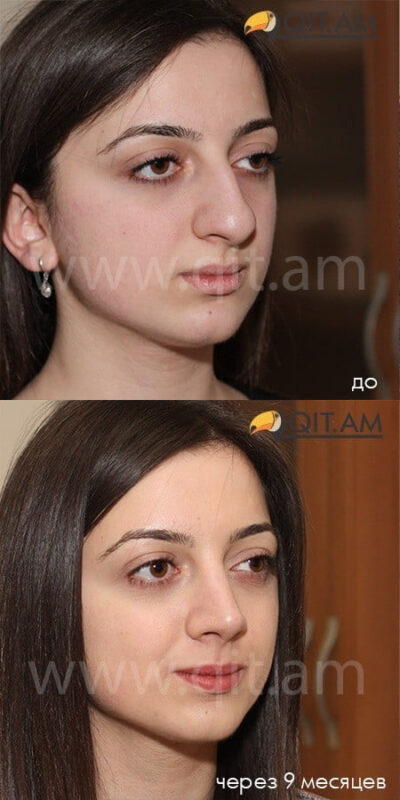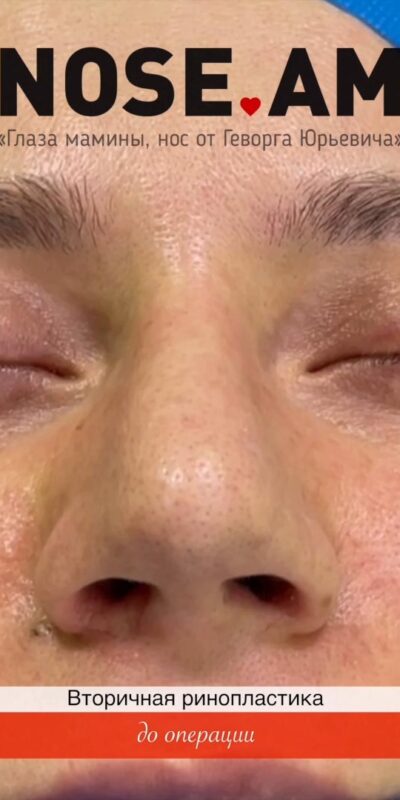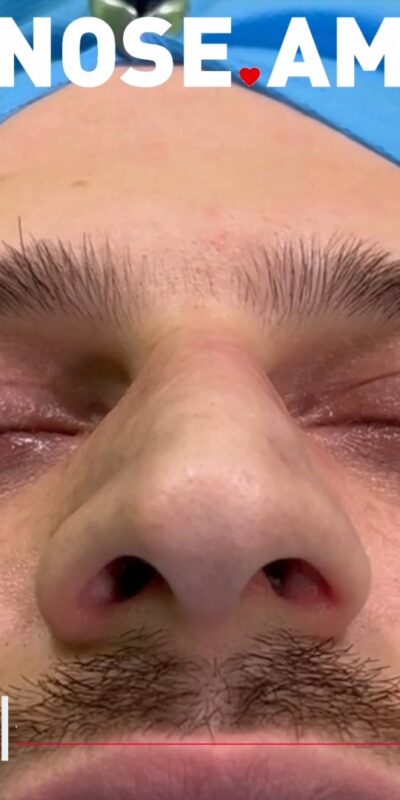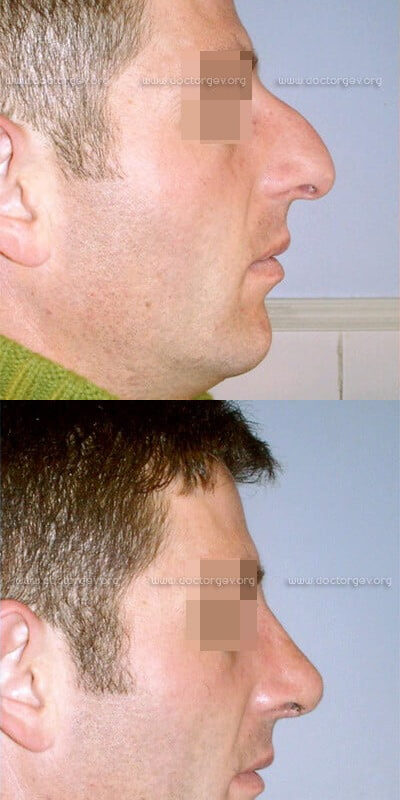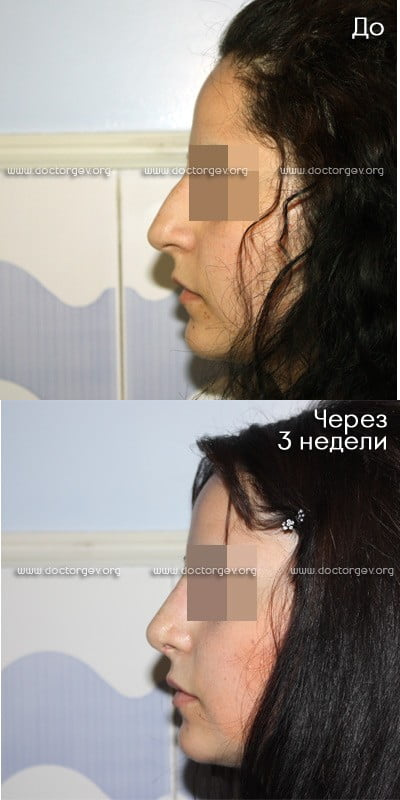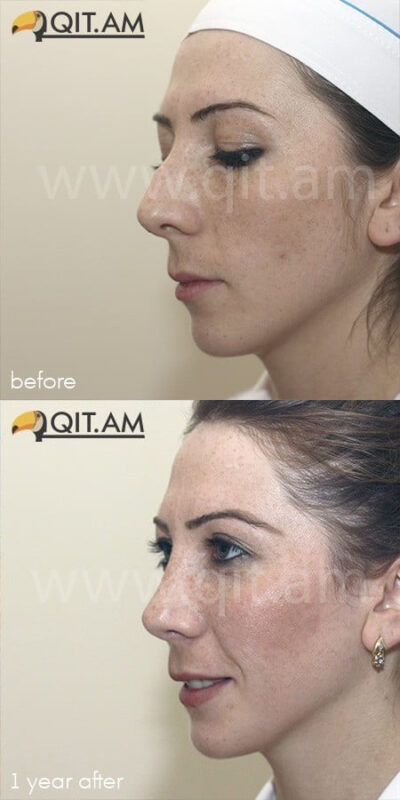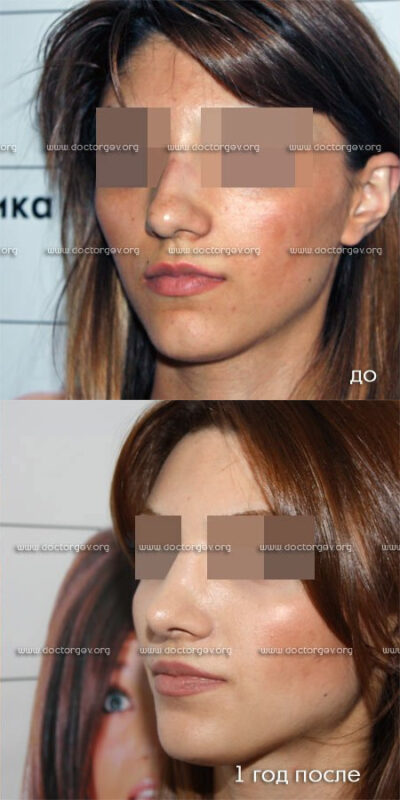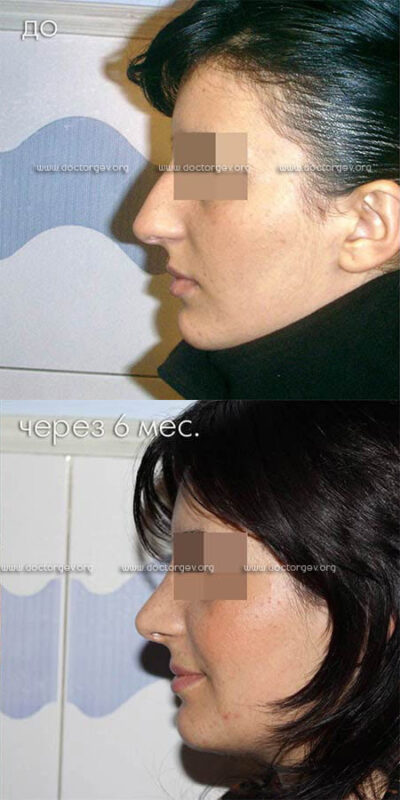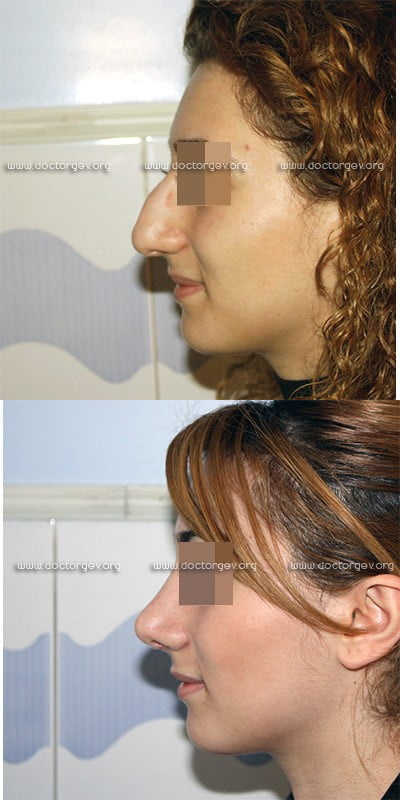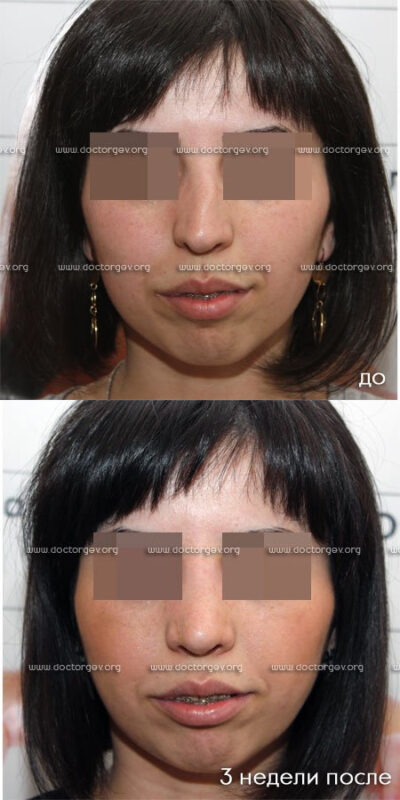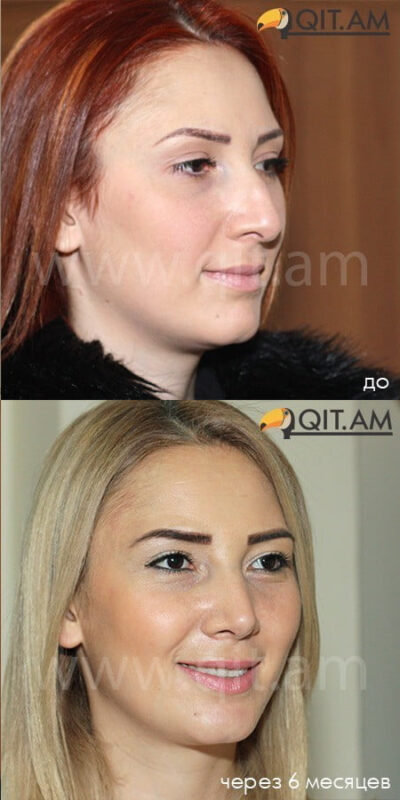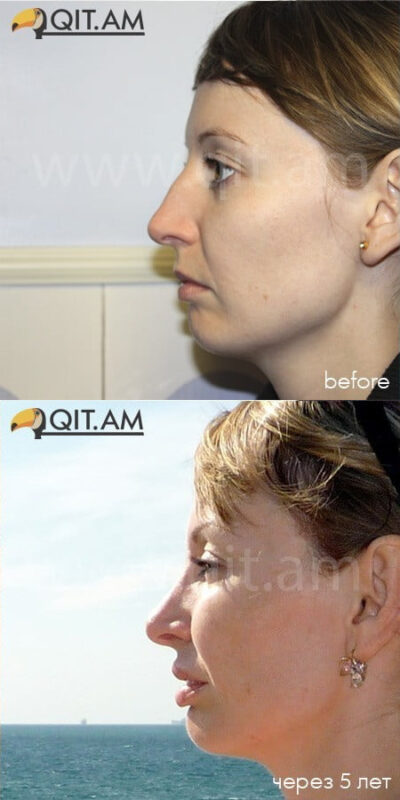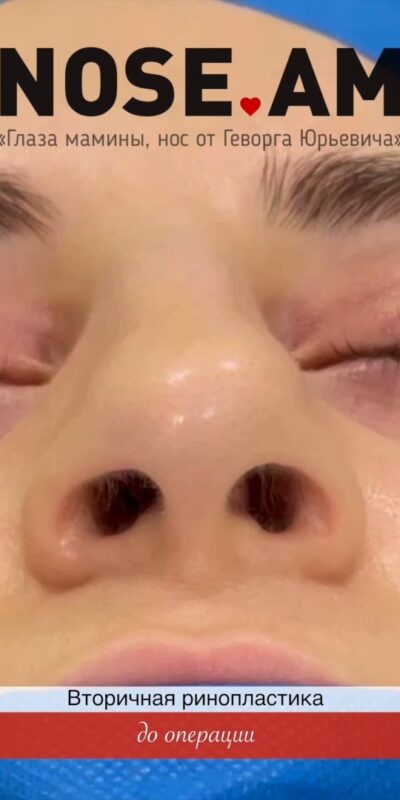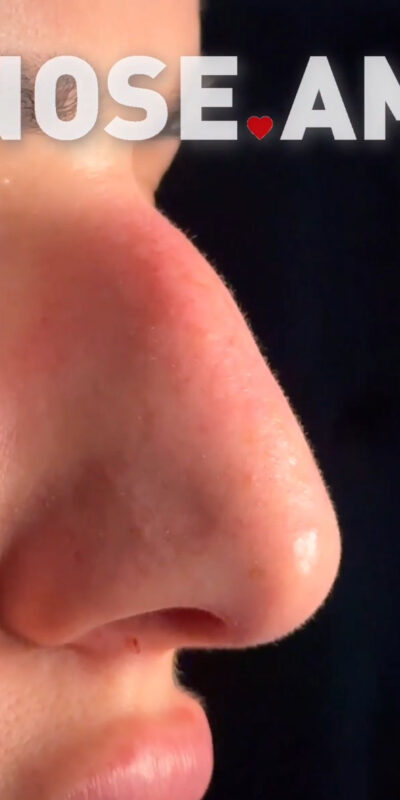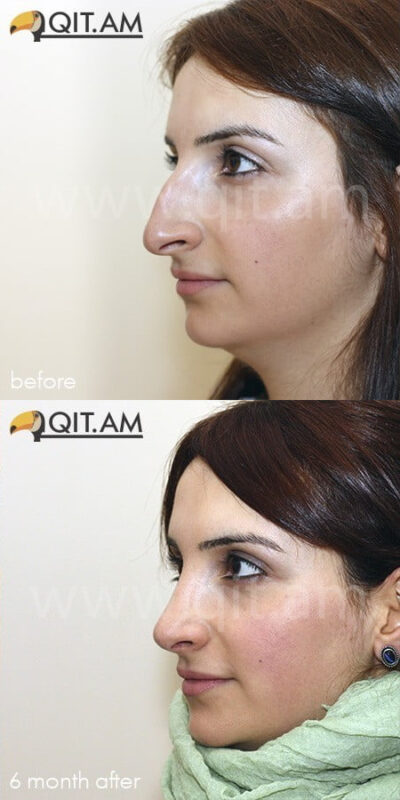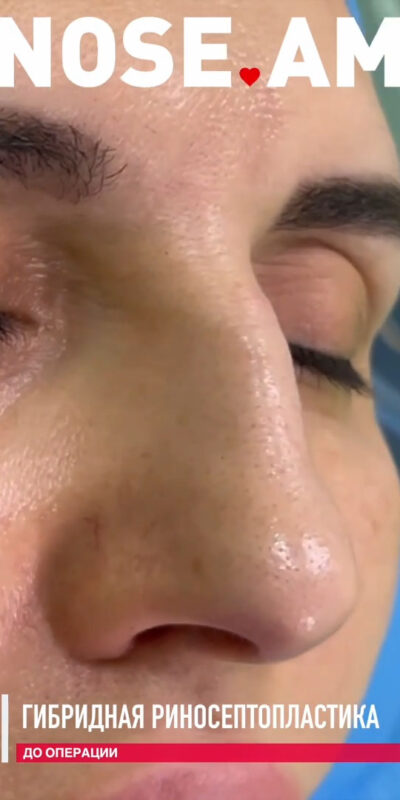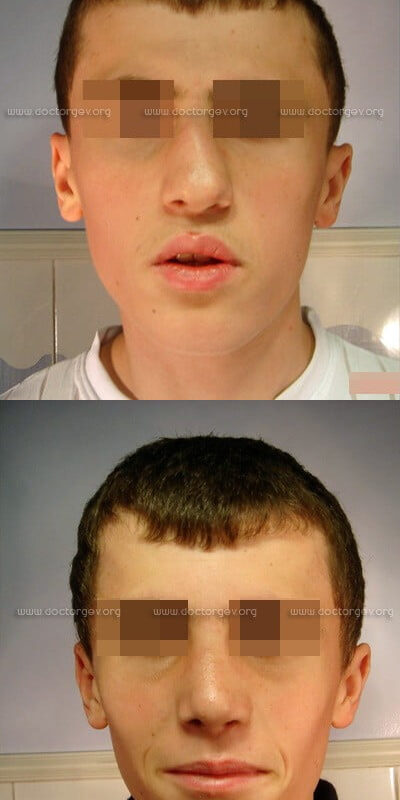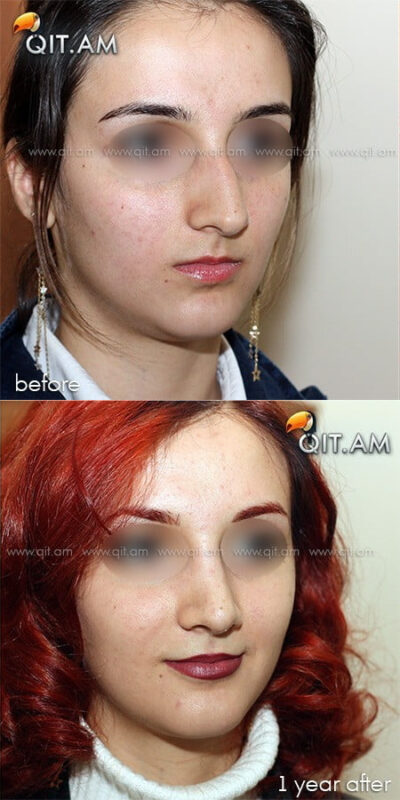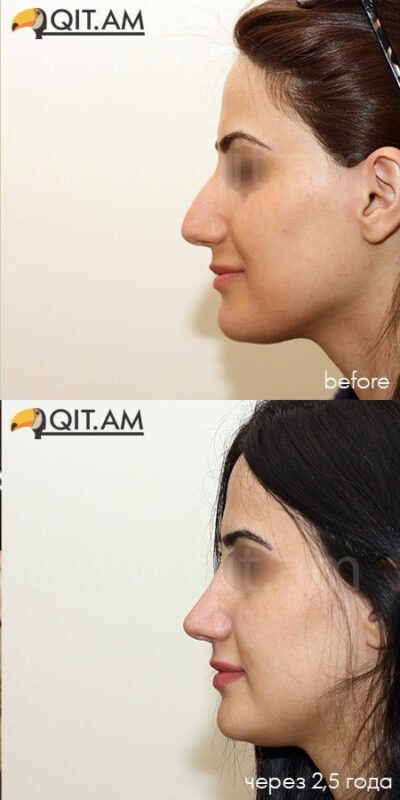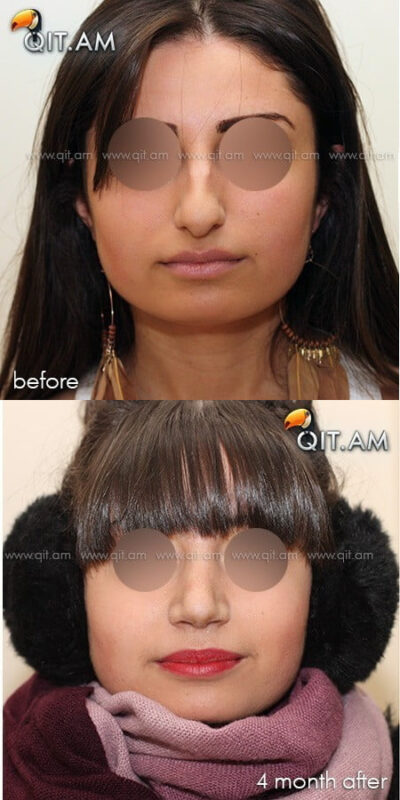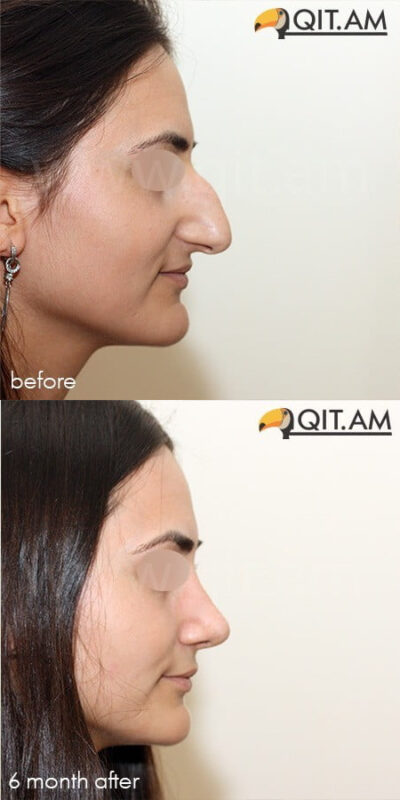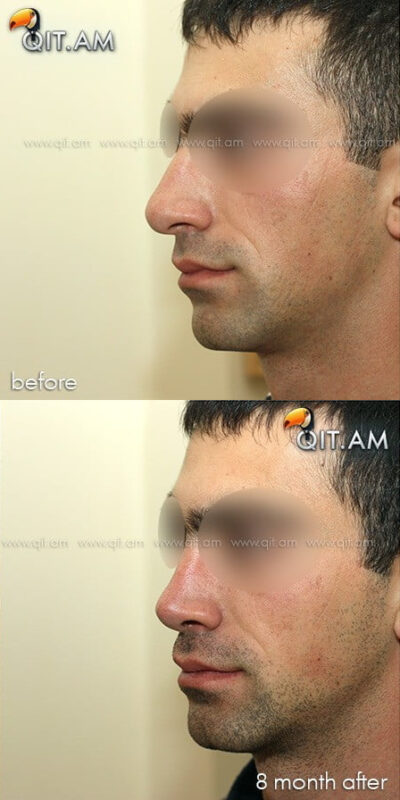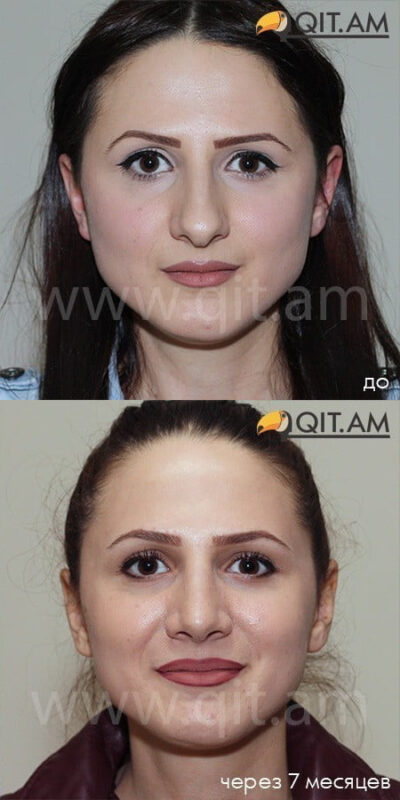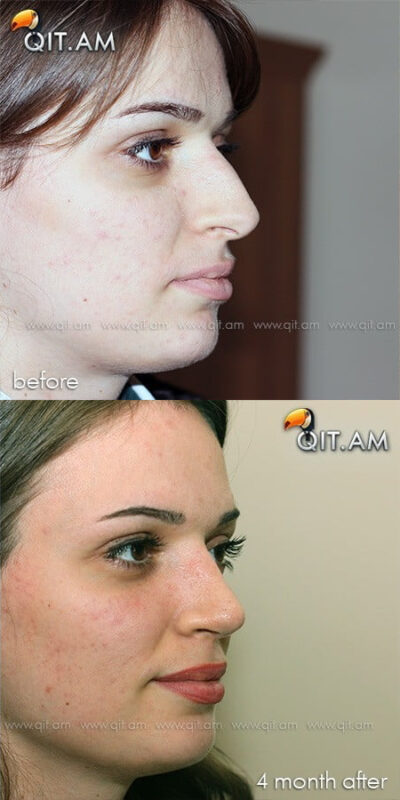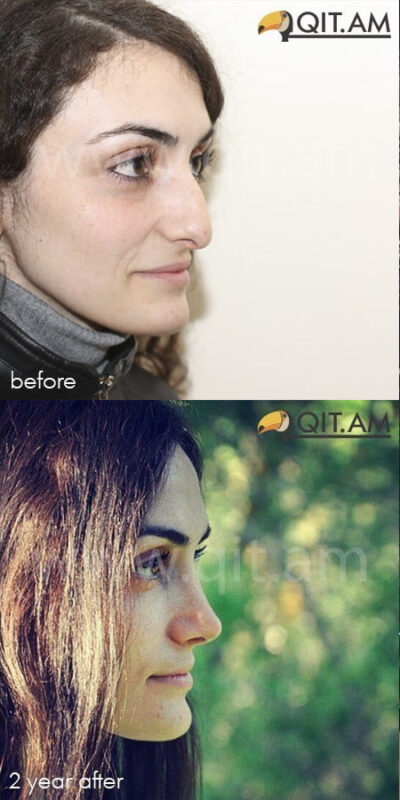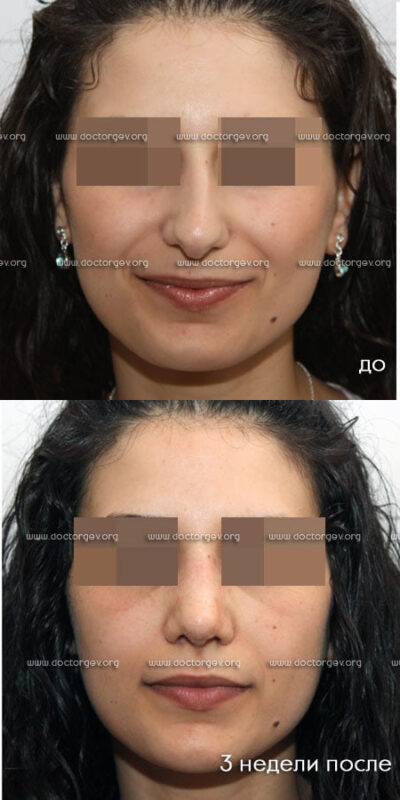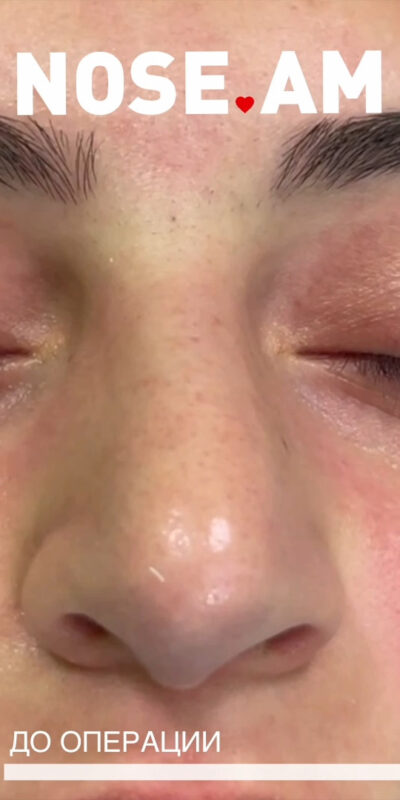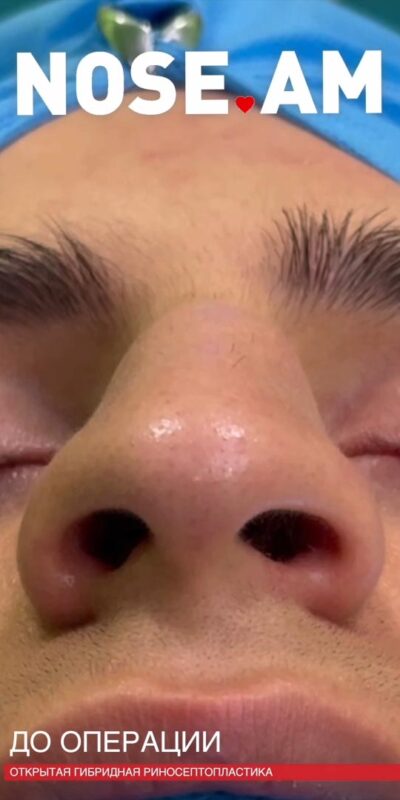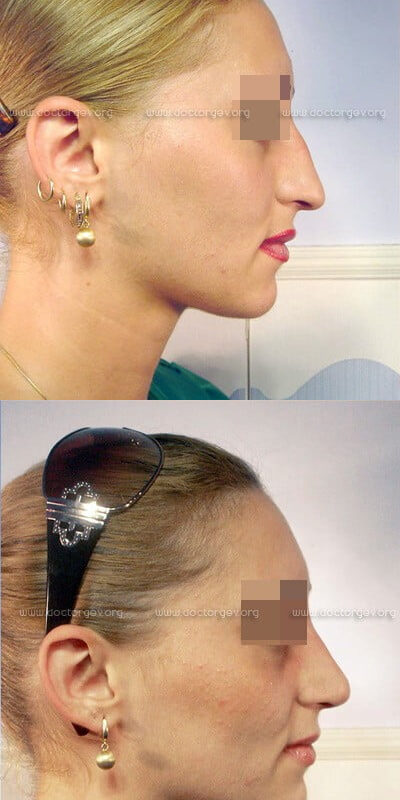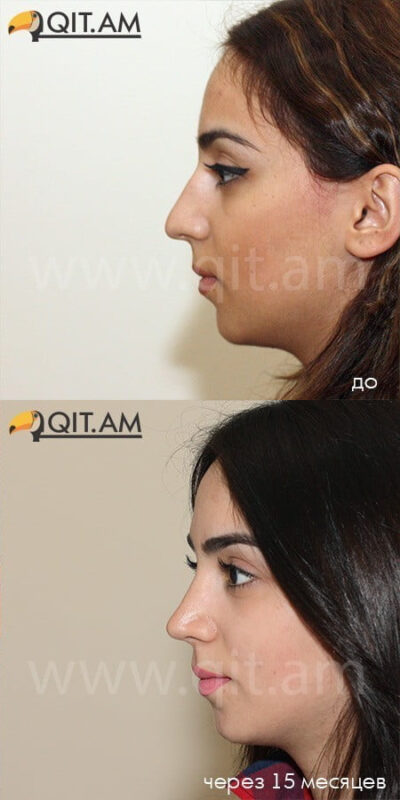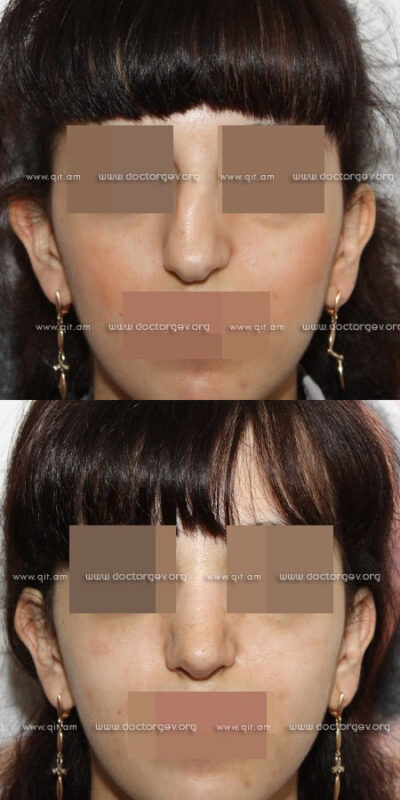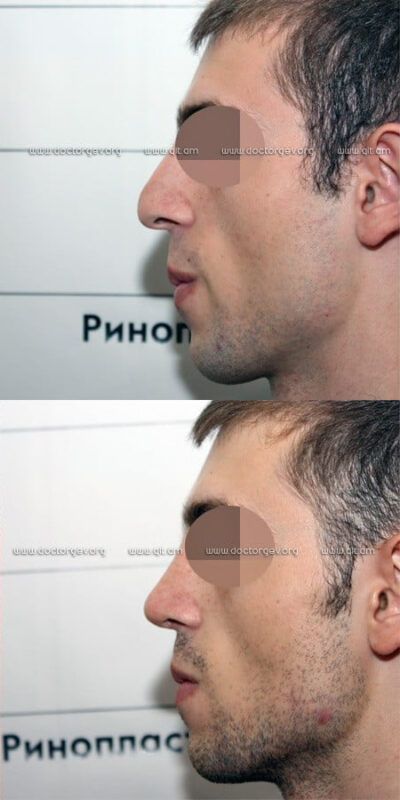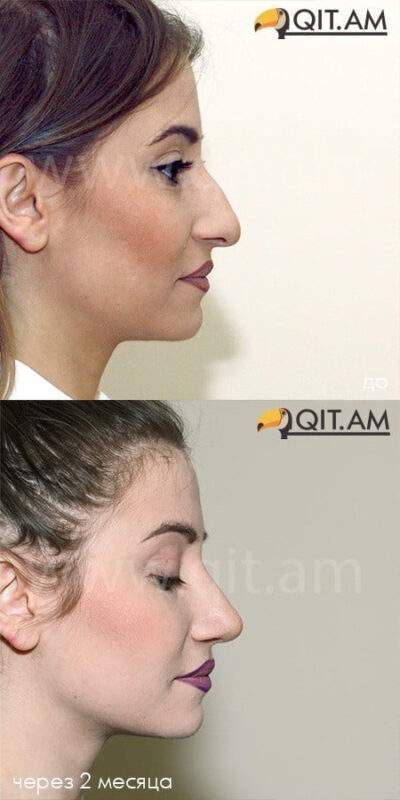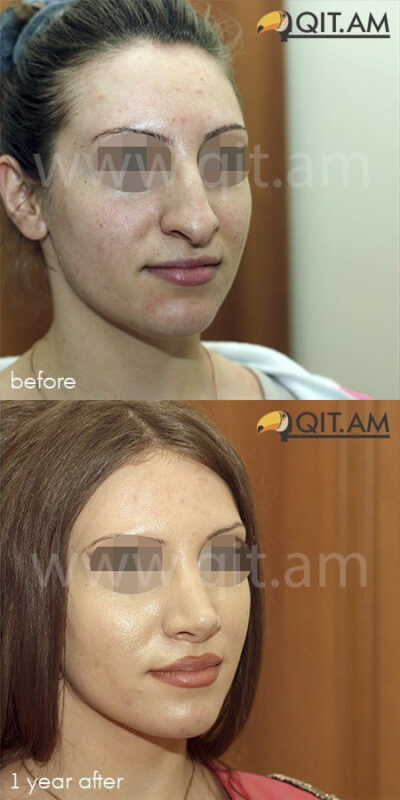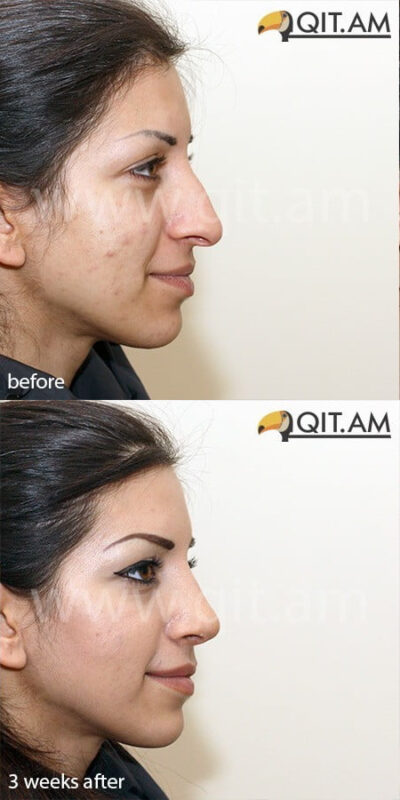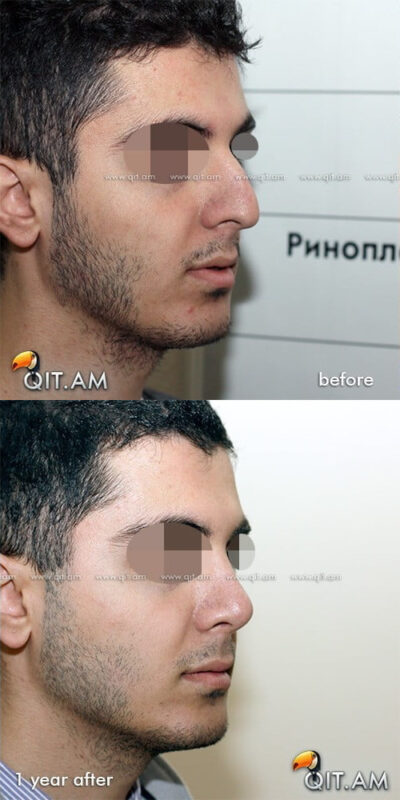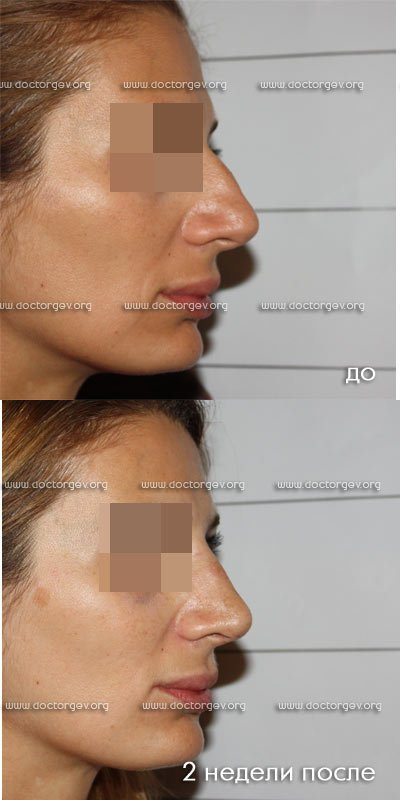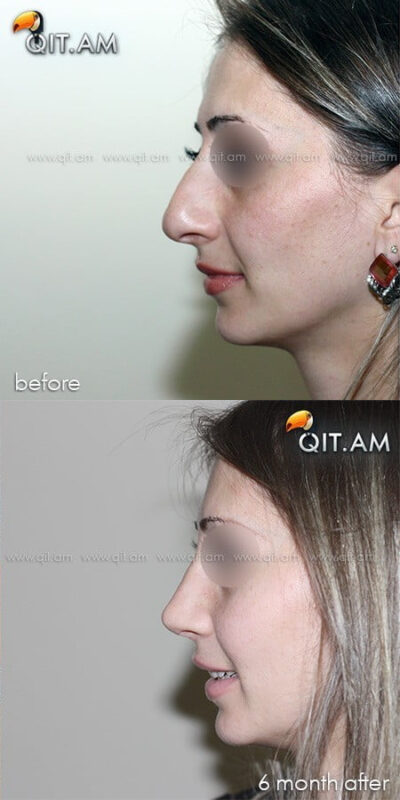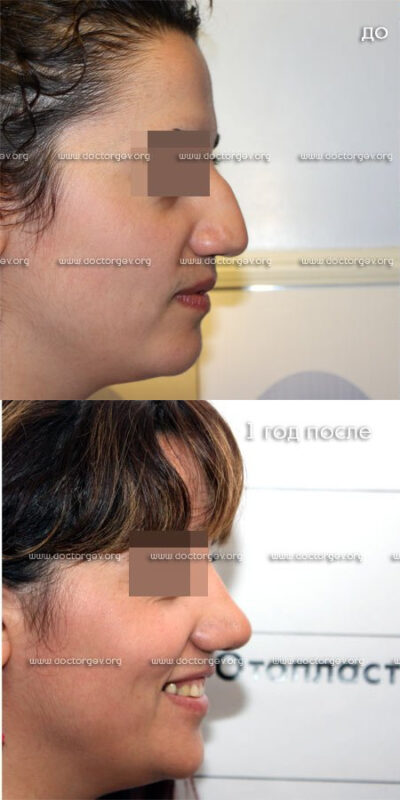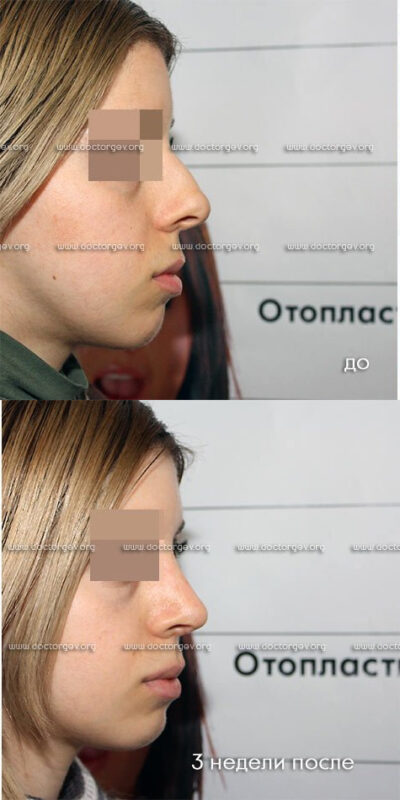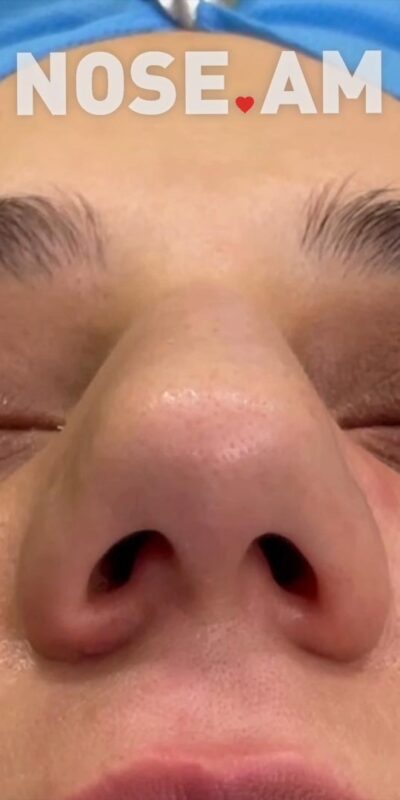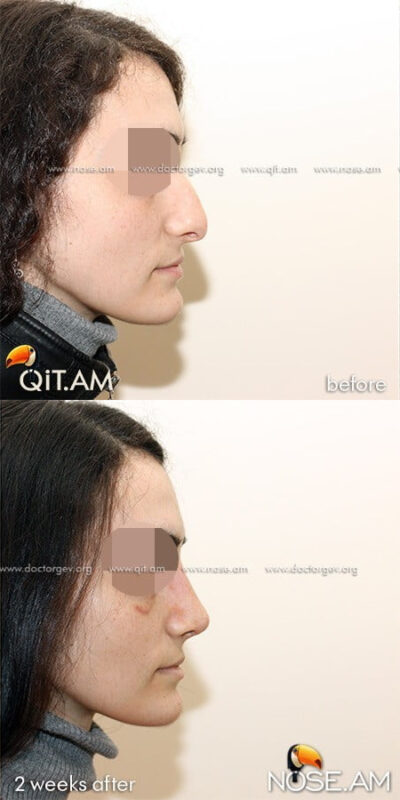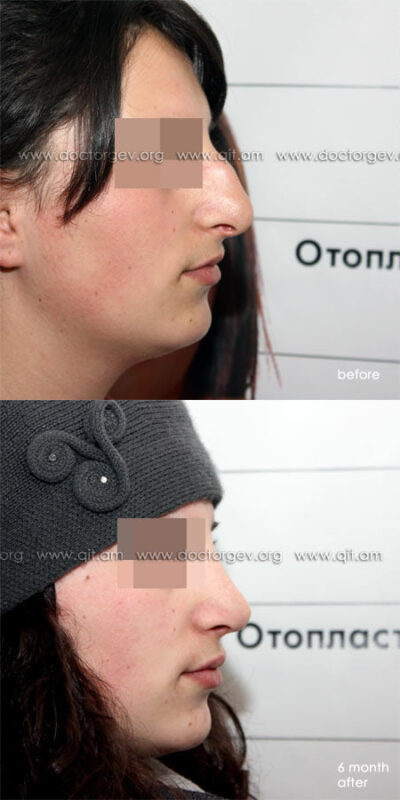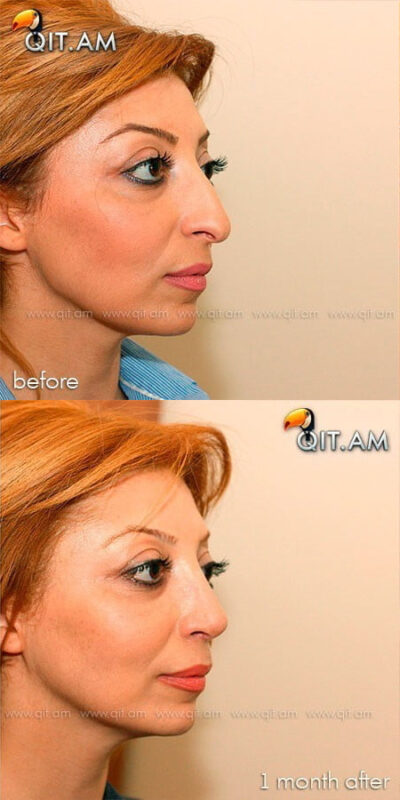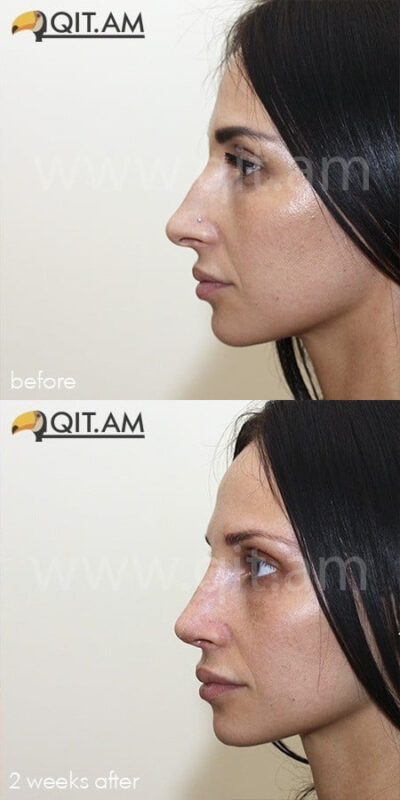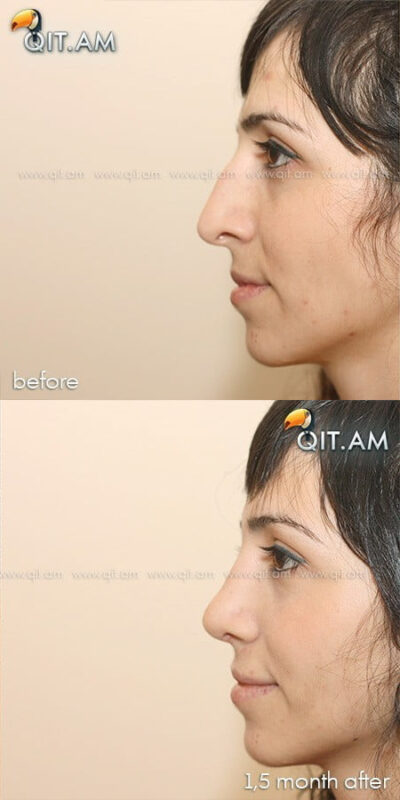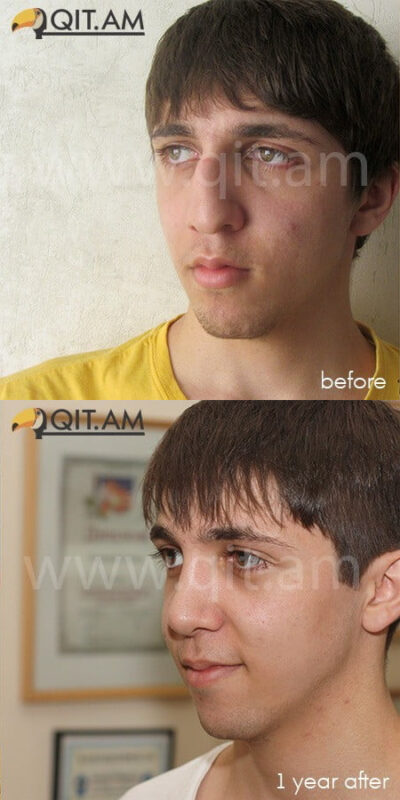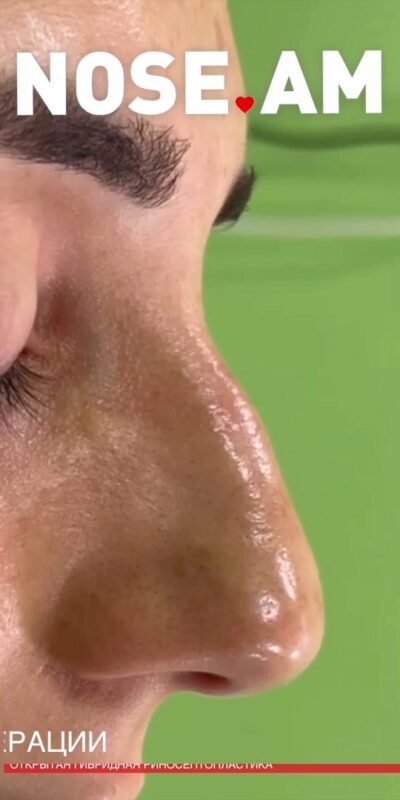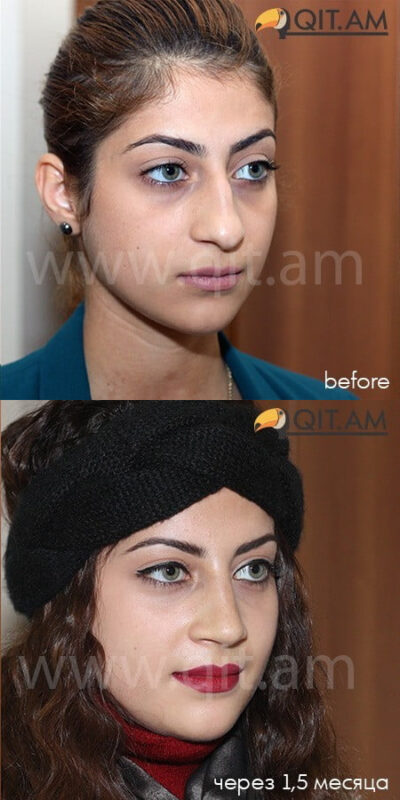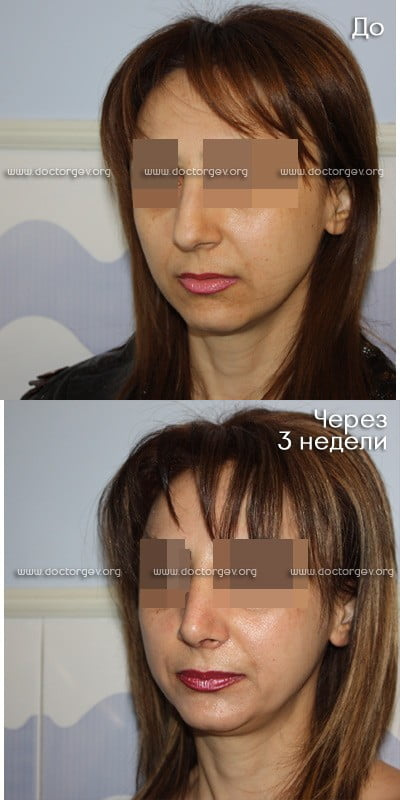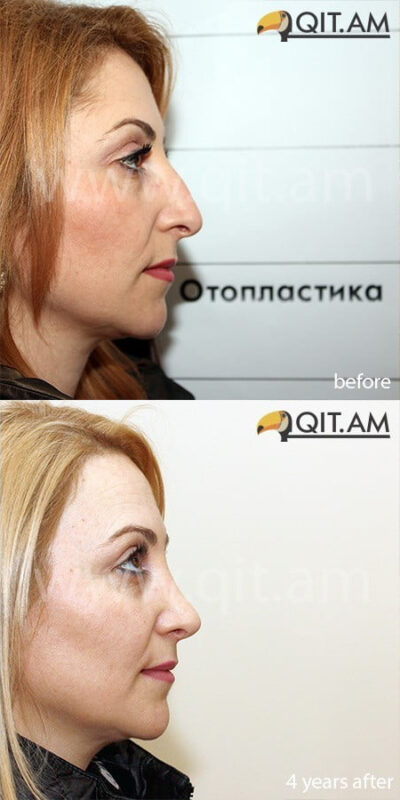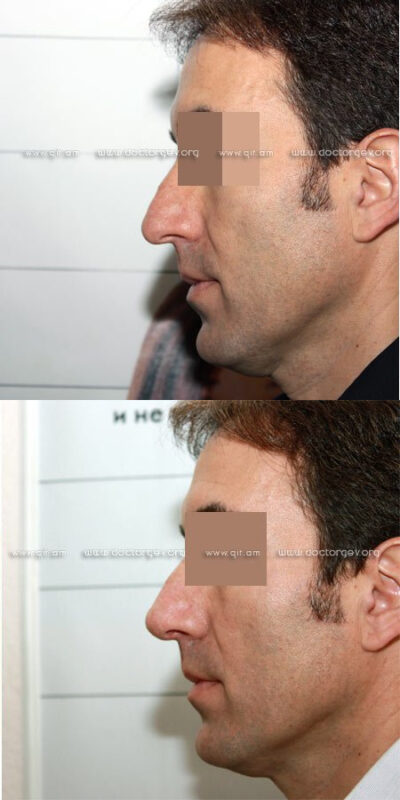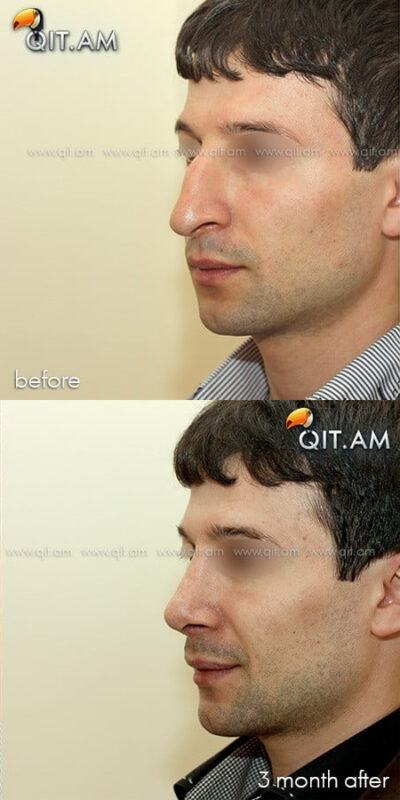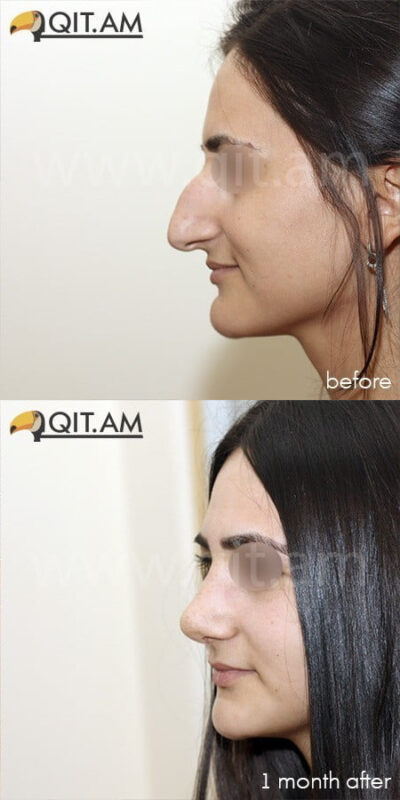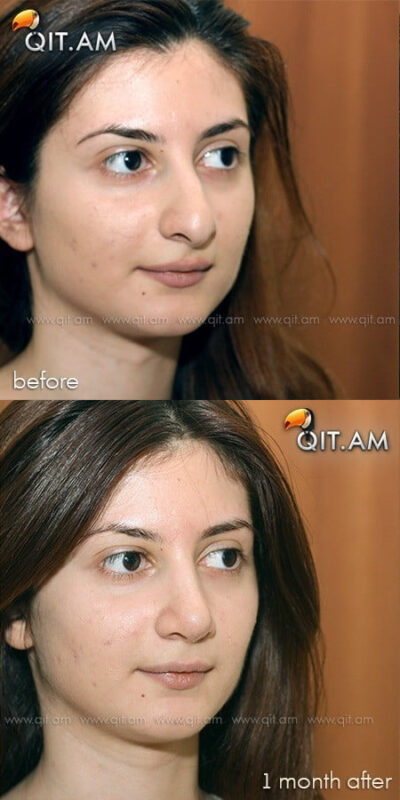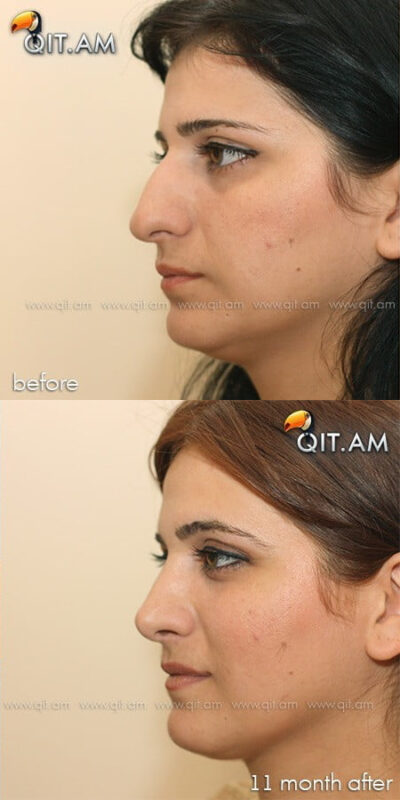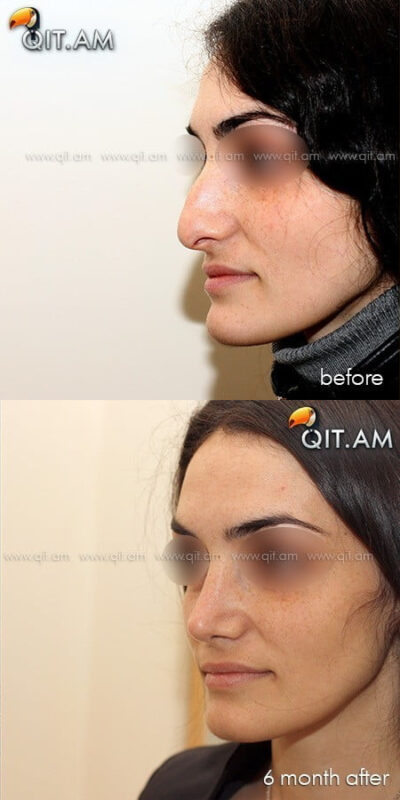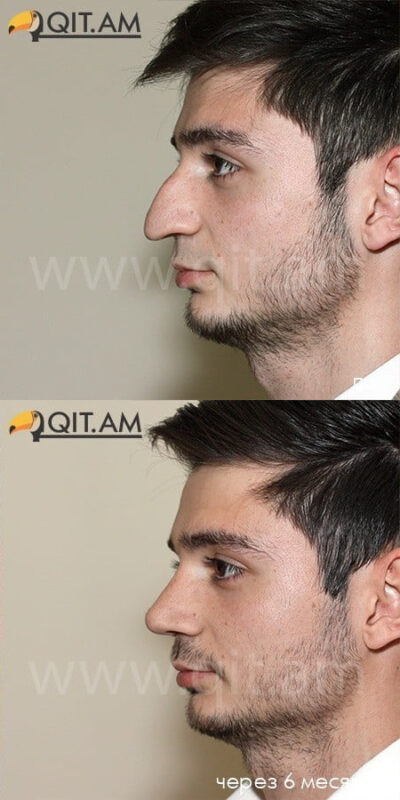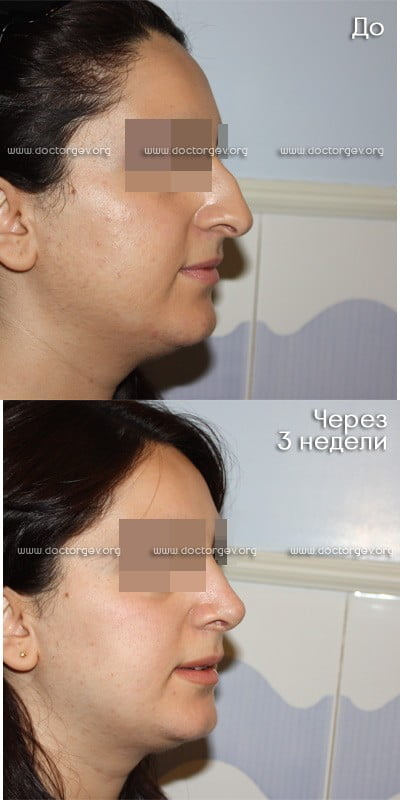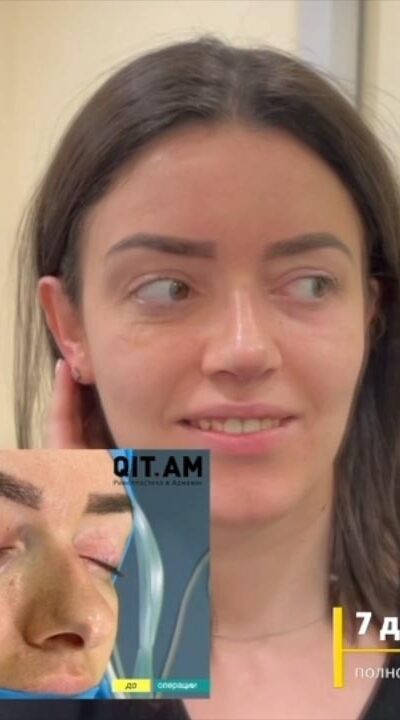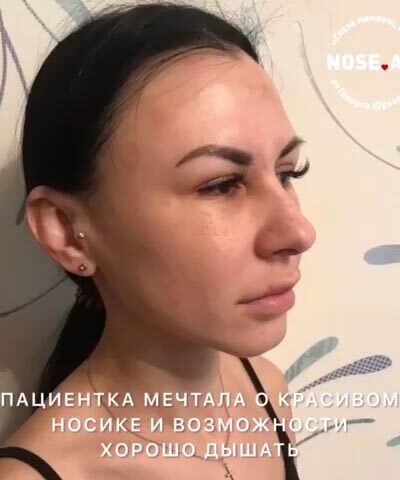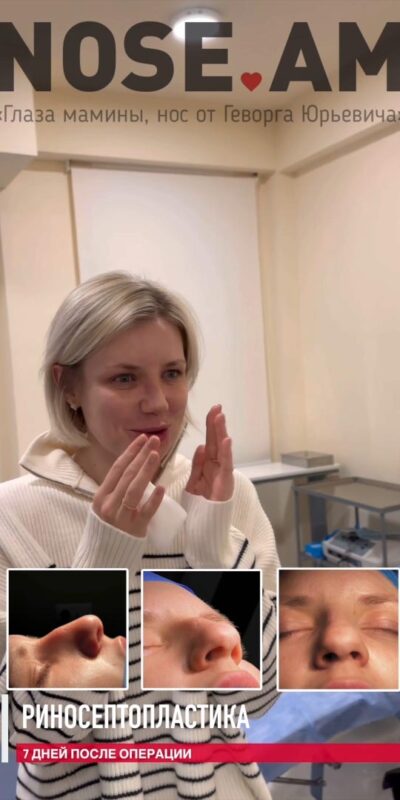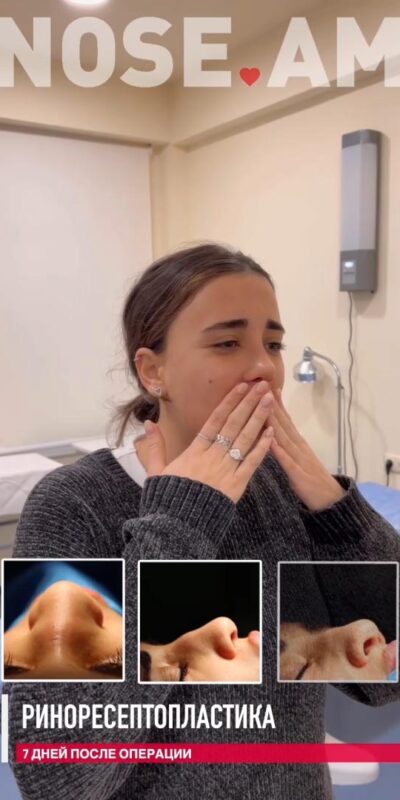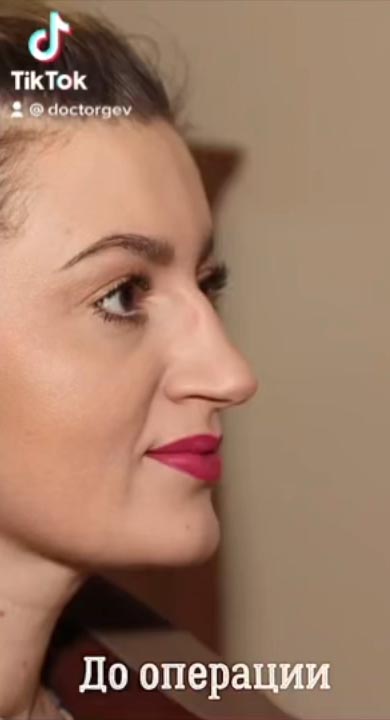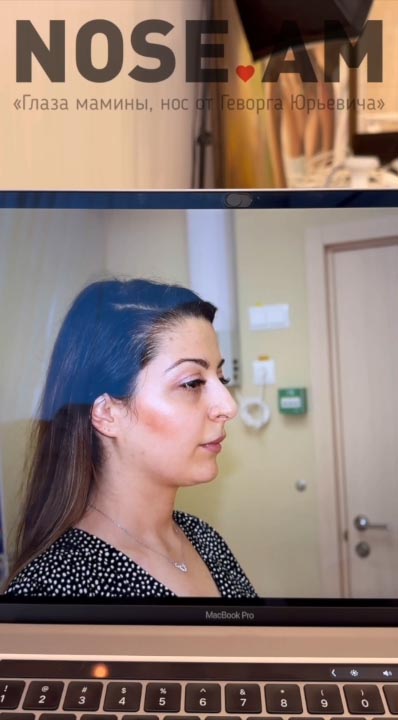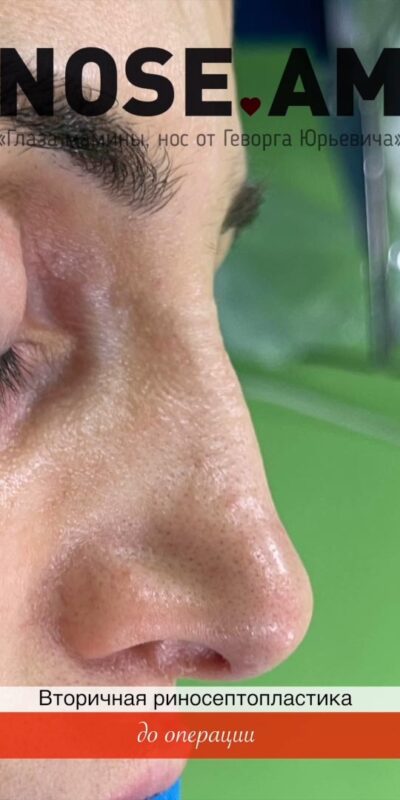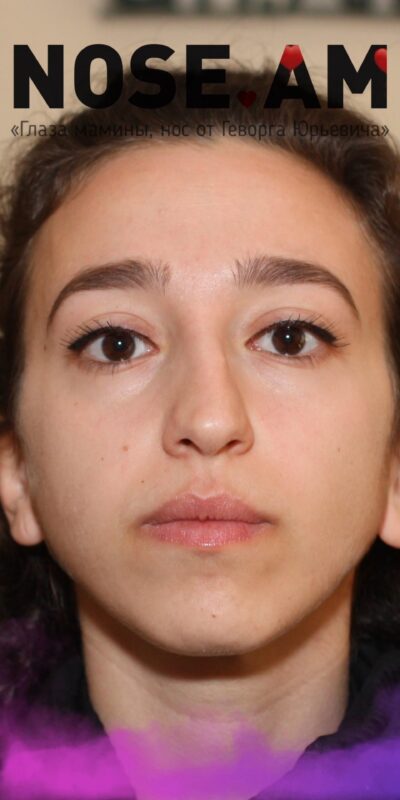

The fear of severe bruising under the eyes is one of the most common concerns before rhinoplasty. And one of the most vivid: it is enough to see photos after an “old-style” surgery just once, and the image is ingrained for a long time. A swollen, blue face that is impossible to hide.
The good news: modern rhinoplasty and the one that existed 15–20 years ago are fundamentally different surgeries. And it is not just about the surgeon’s experience.
Where do bruises come from in the first place?
Bruises (soft tissue hematomas) occur when small blood vessels are damaged during surgery. When the surgeon works with the bony structures of the nose—removing a hump, performing osteotomy to narrow the bridge—the use of rough mechanical instruments (chisel, mallet) inevitably causes microvibration and trauma to the surrounding tissues. Blood from the damaged vessels spreads under the skin and appears as bruises around the eyes and on the cheeks.
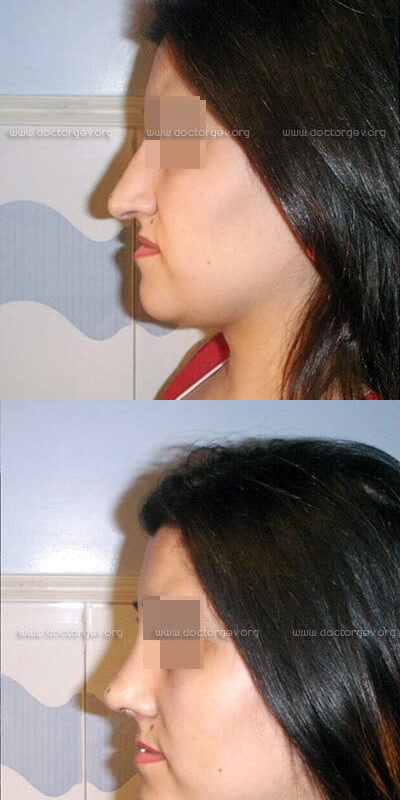
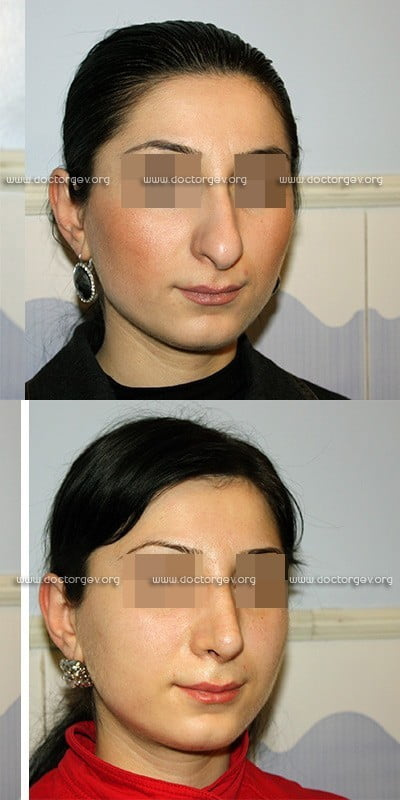
That is exactly why traditional rhinoplasty often resulted in those “photos that everyone has seen”.
Piezotechnology: a different working principle
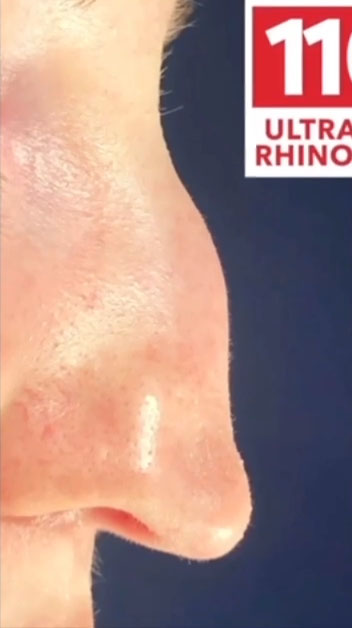
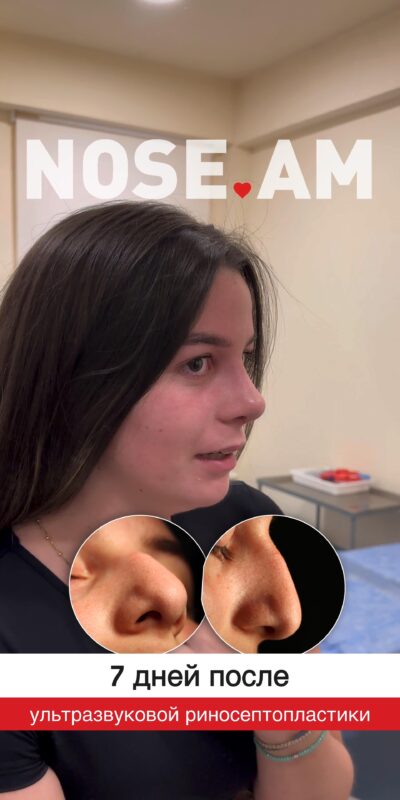
In my practice, when working with the bony structures of the nose, I use piezorhinoplasty—a method in which an ultrasonic piezoelectric scalpel is used instead of mechanical instruments.
The working principle is fundamentally different: high-frequency ultrasonic vibrations act selectively—they cut the bone while practically not affecting the soft tissues, vessels, and mucous membranes. This means:
Deleted:
- significantly fewer damaged vessels during the surgery;
- less blood in the tissues after the intervention;
- as a result—substantially less pronounced bruising and swelling.
According to clinical observations, the use of piezo instruments reduces the frequency and intensity of postoperative hematomas by 2–3 times compared to traditional chisel osteotomy.
What to expect in reality
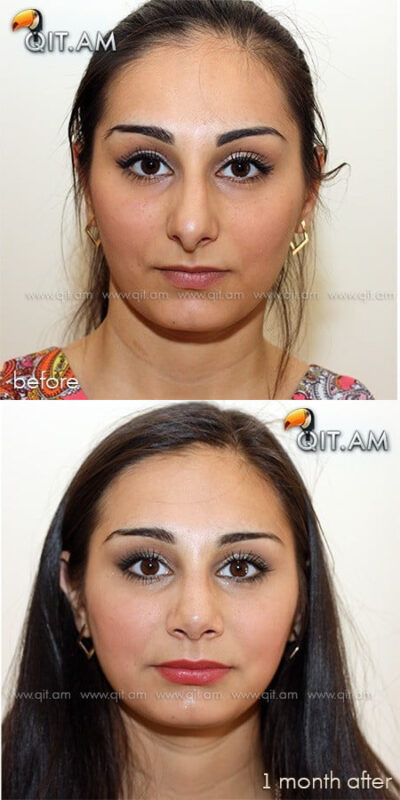
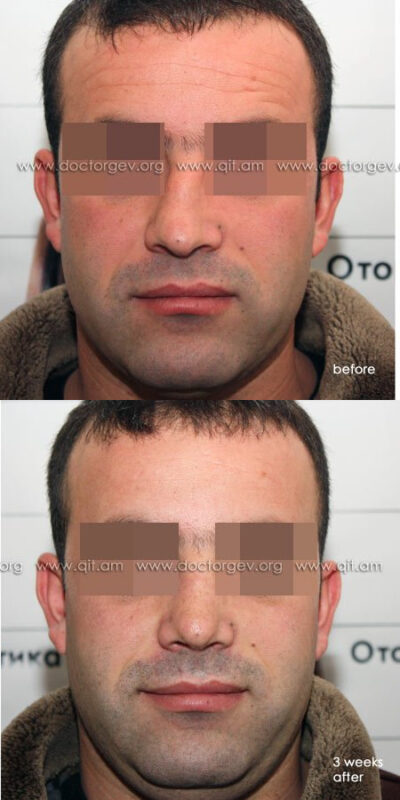
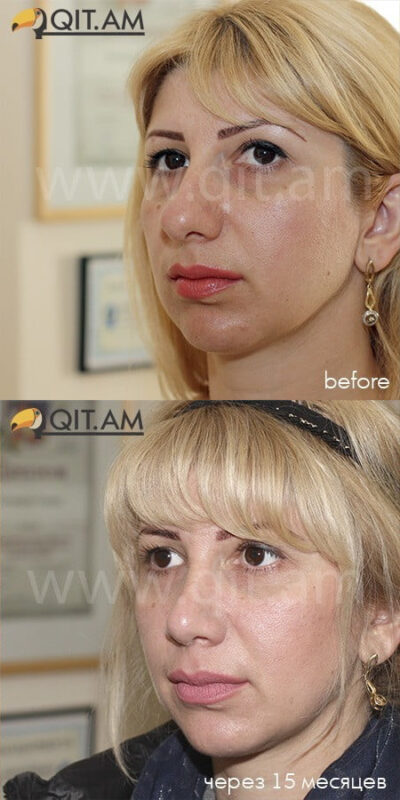
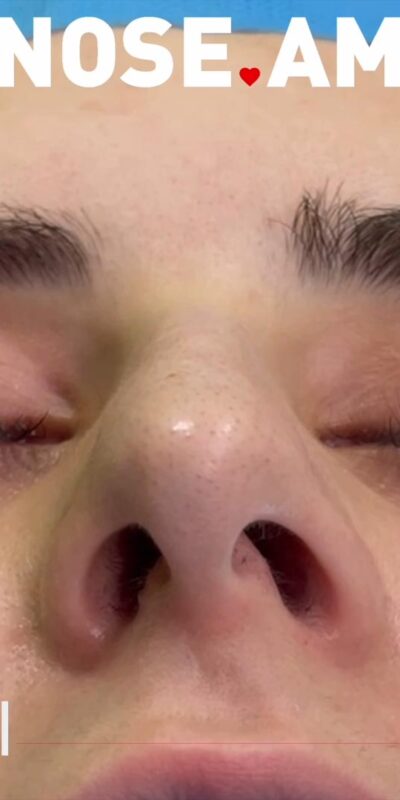
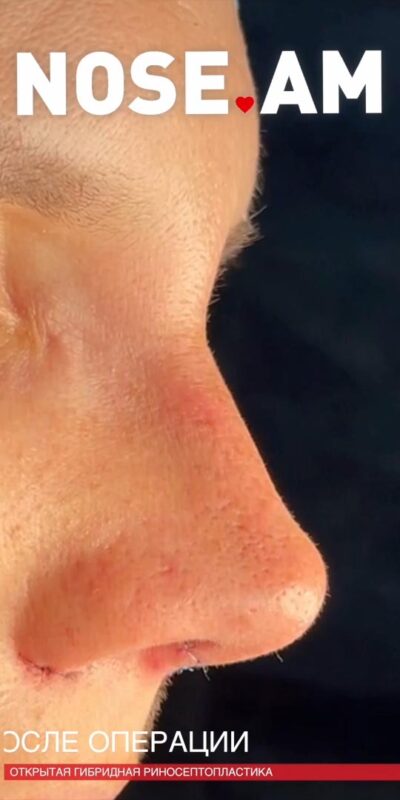
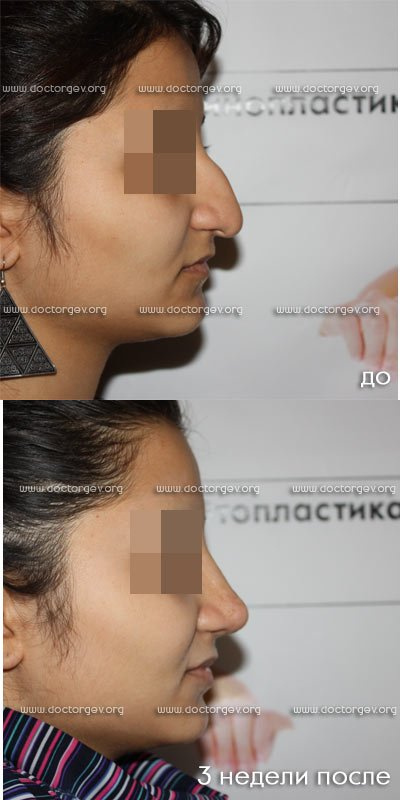
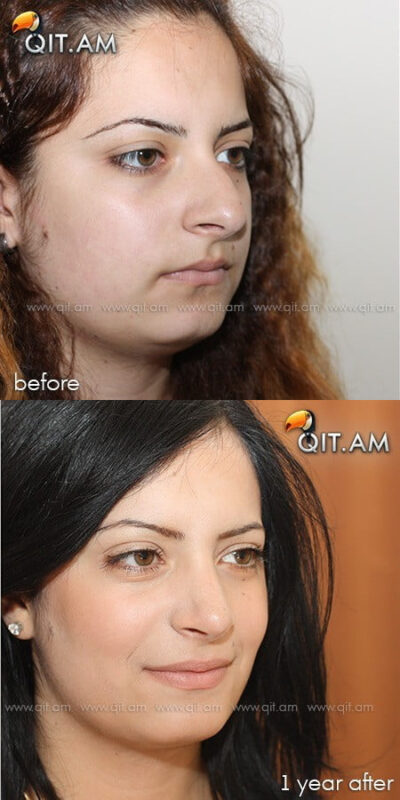
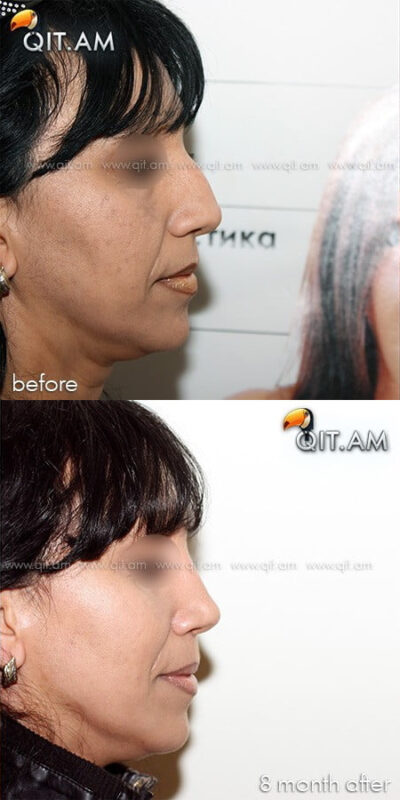
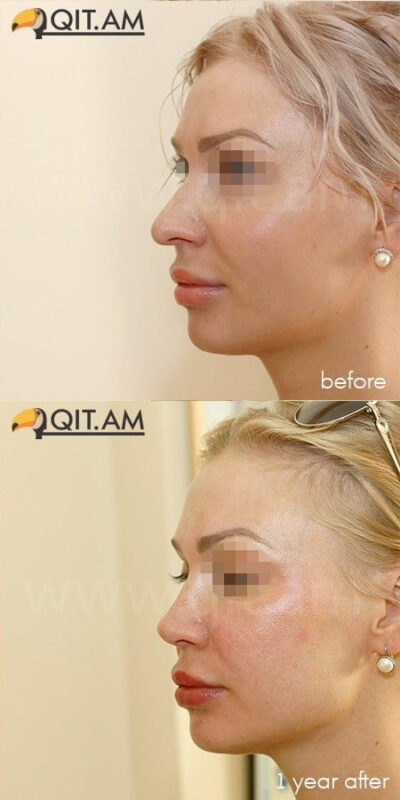
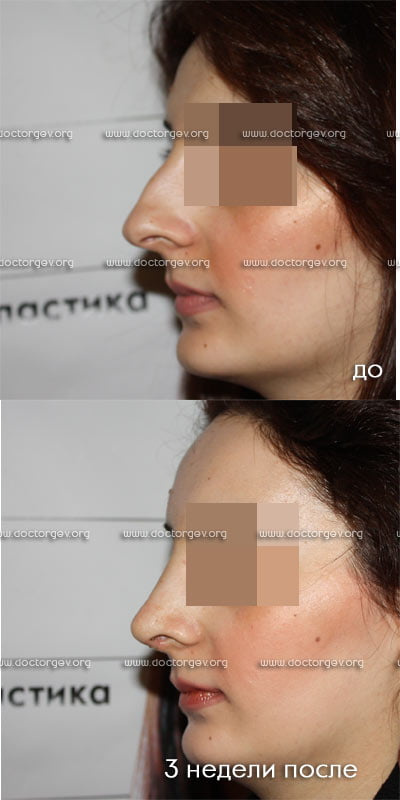
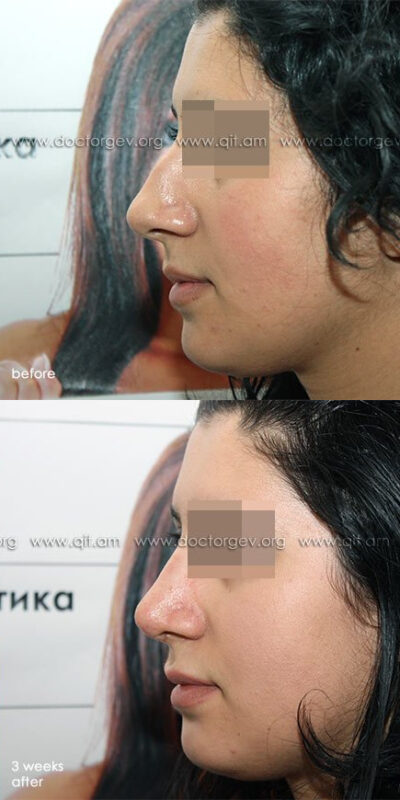
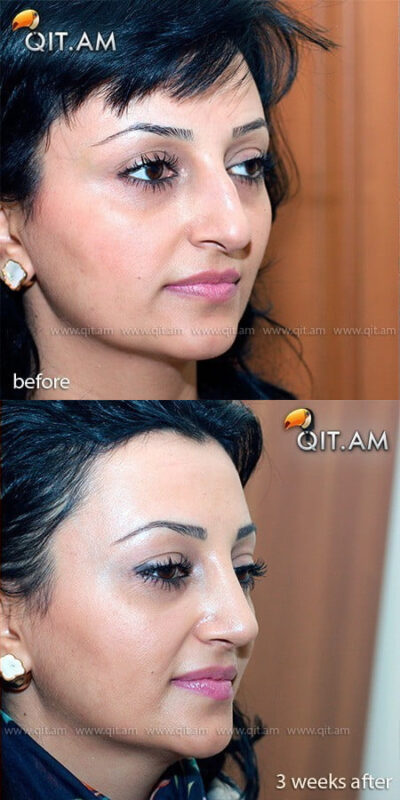
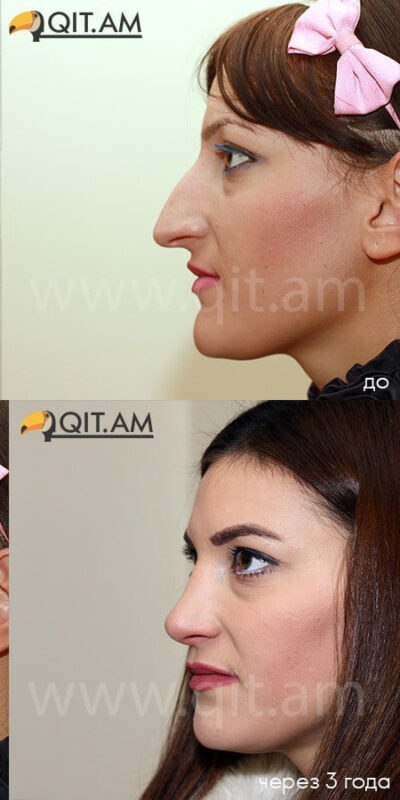
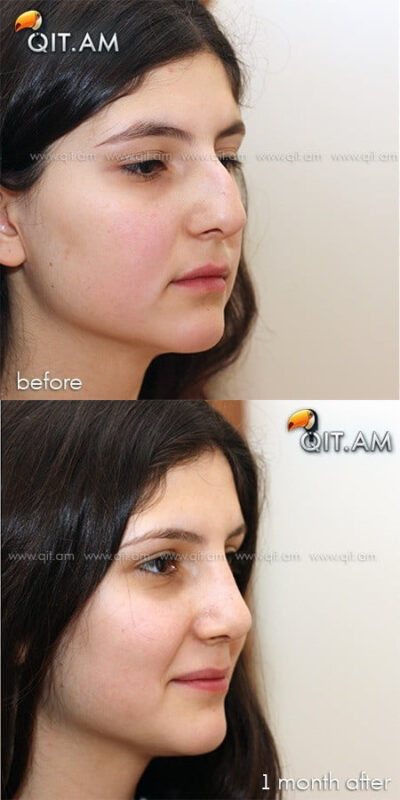
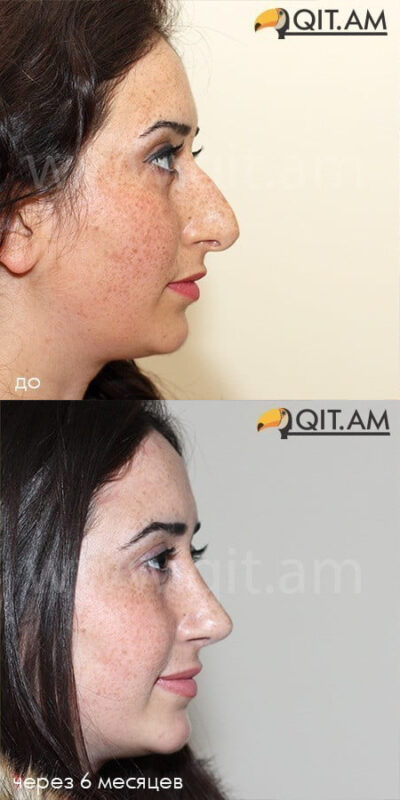
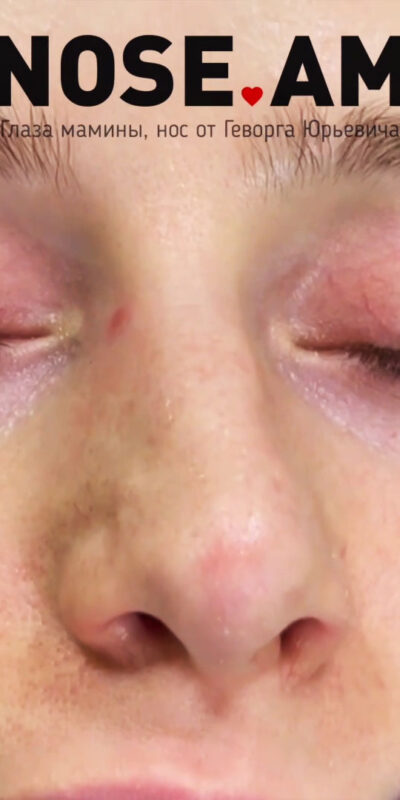
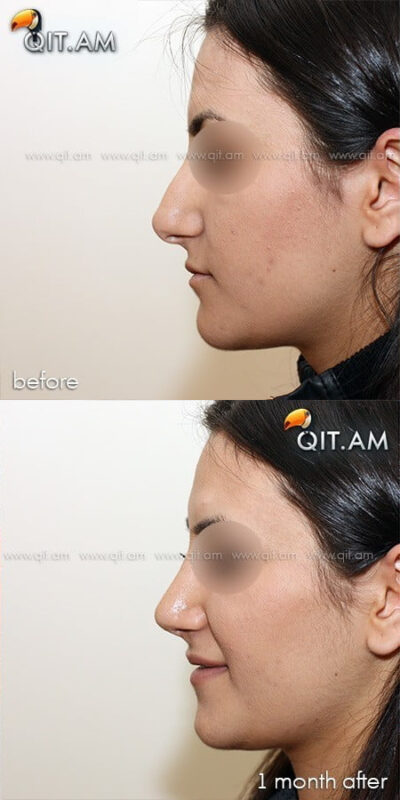
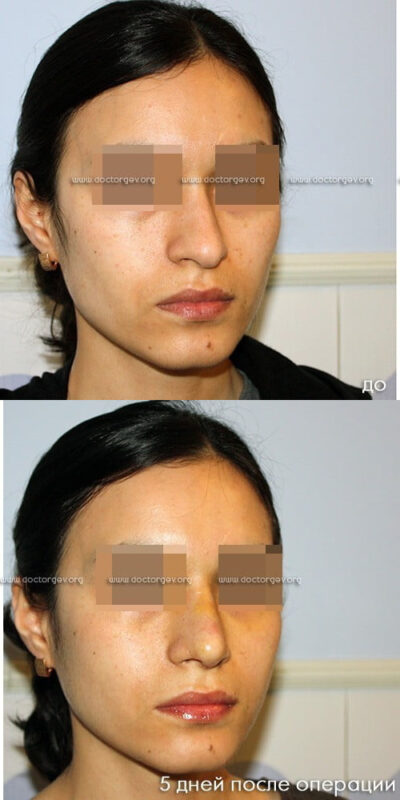
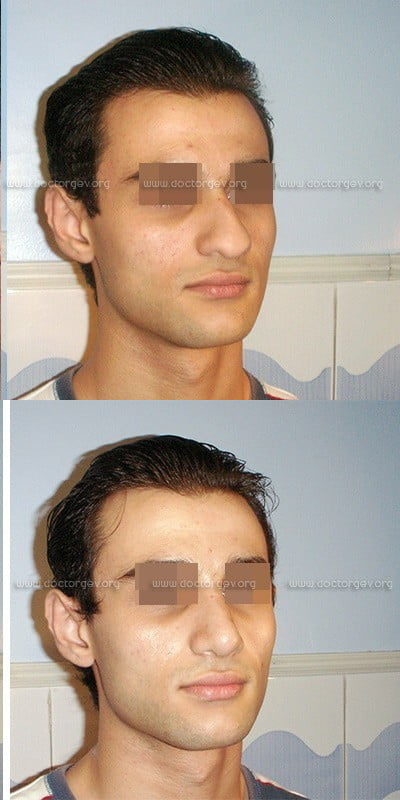
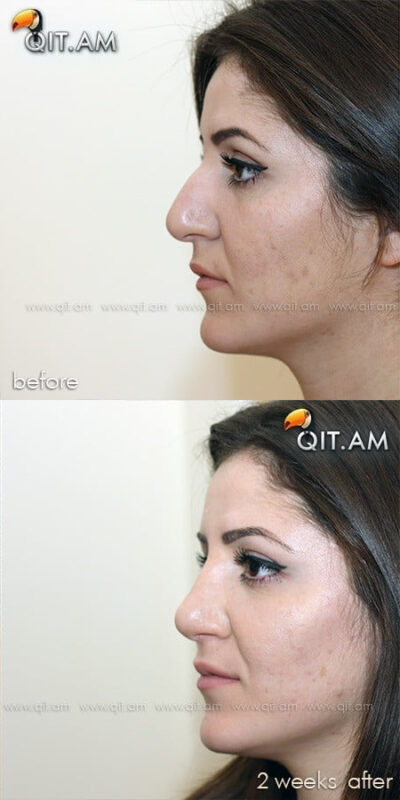
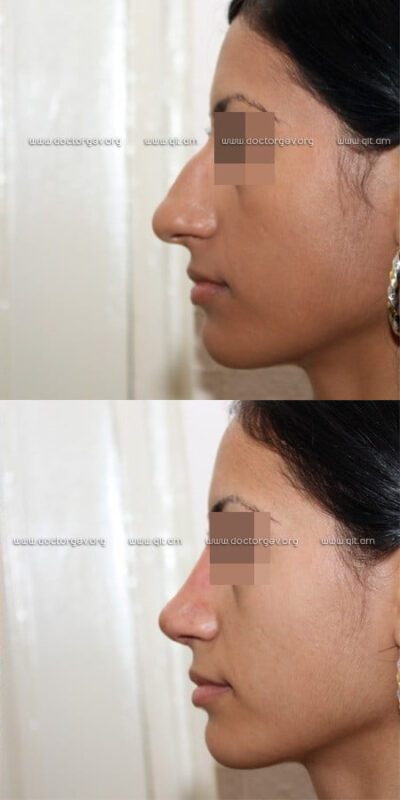
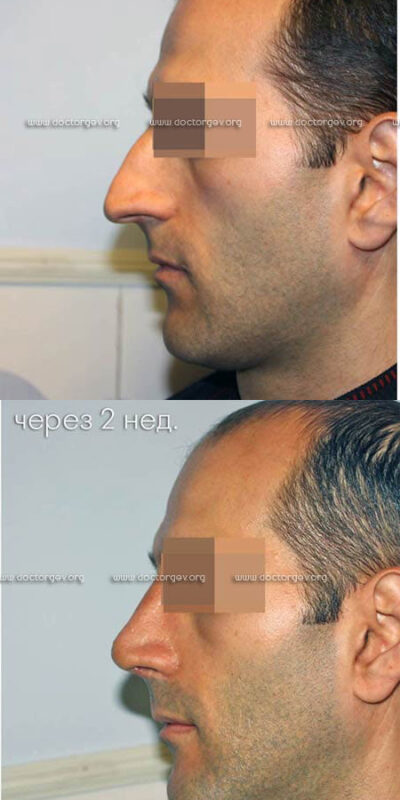
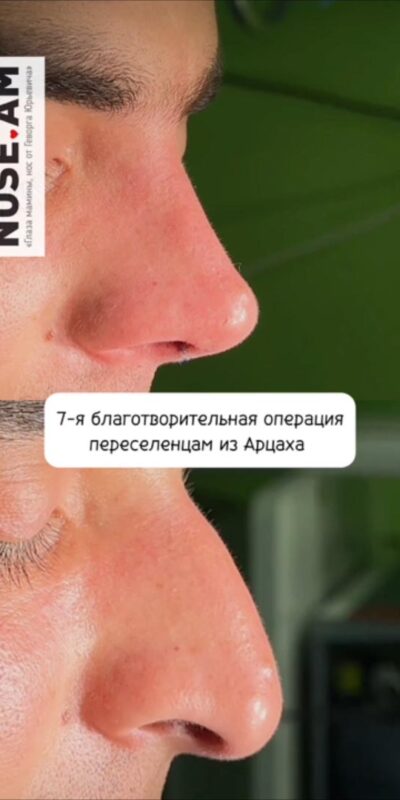
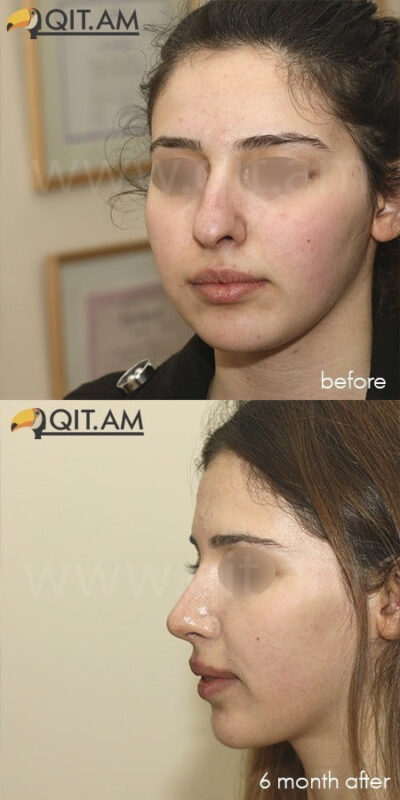
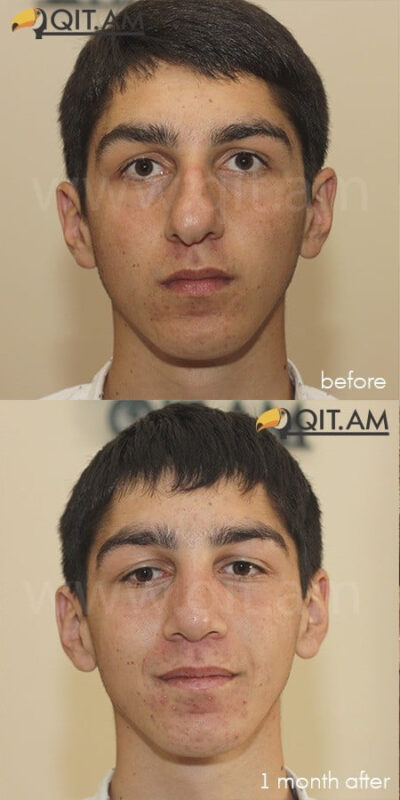
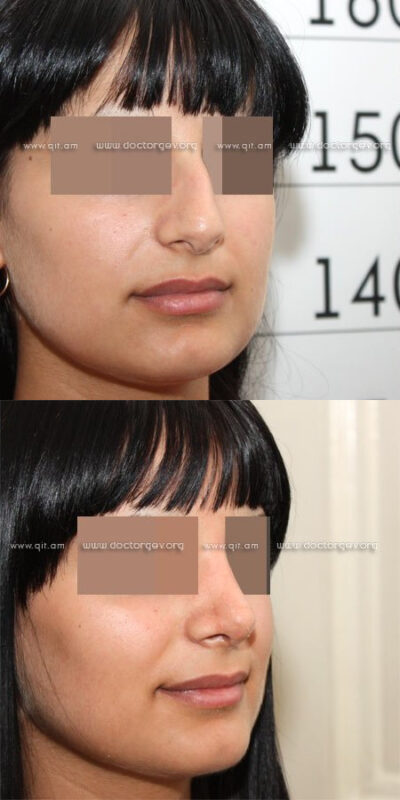
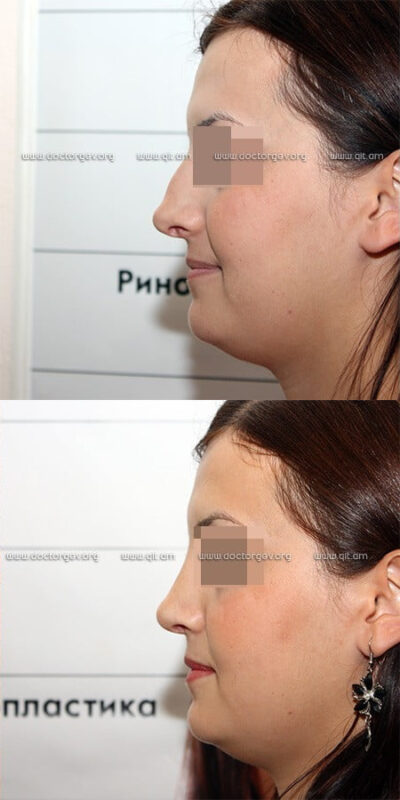
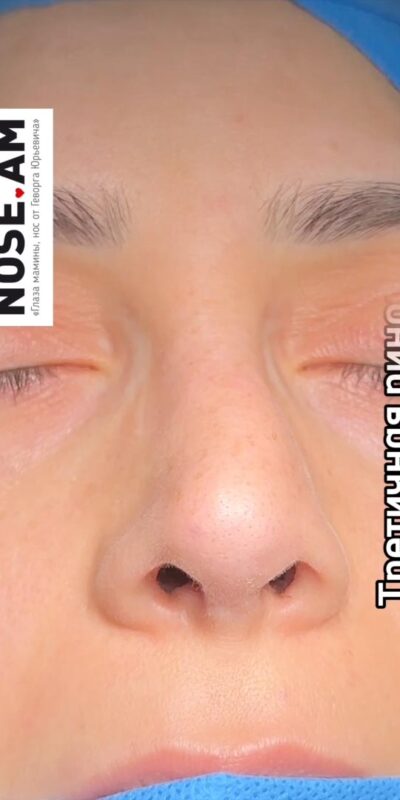
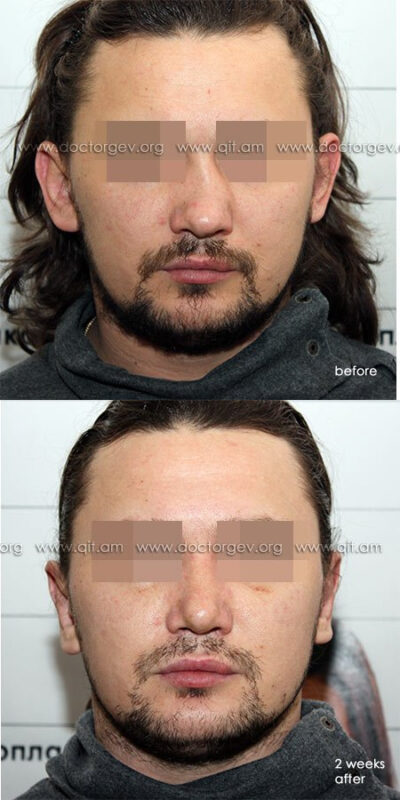
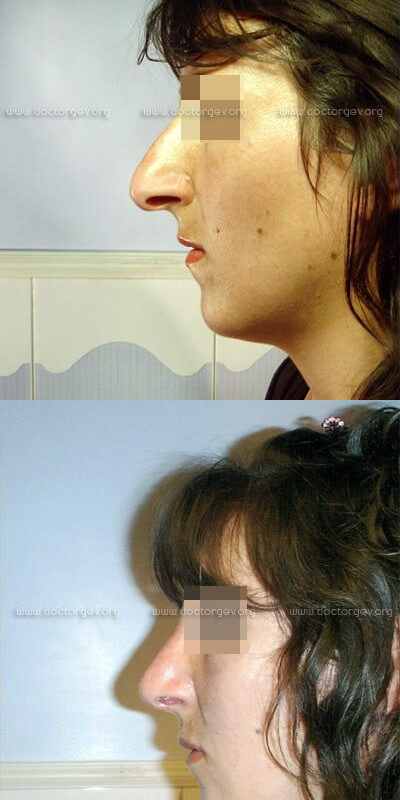
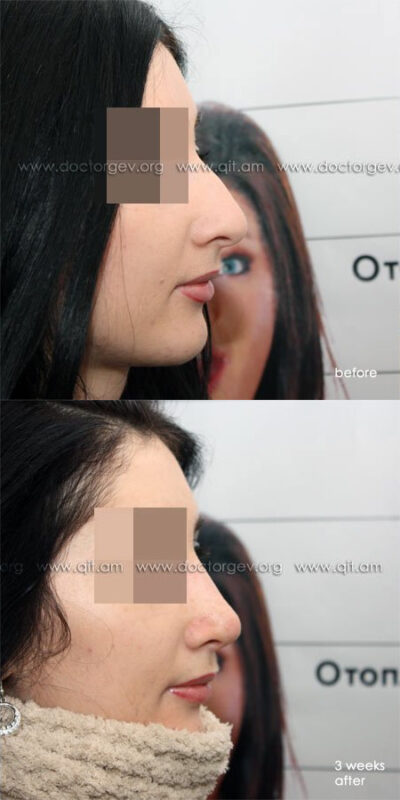
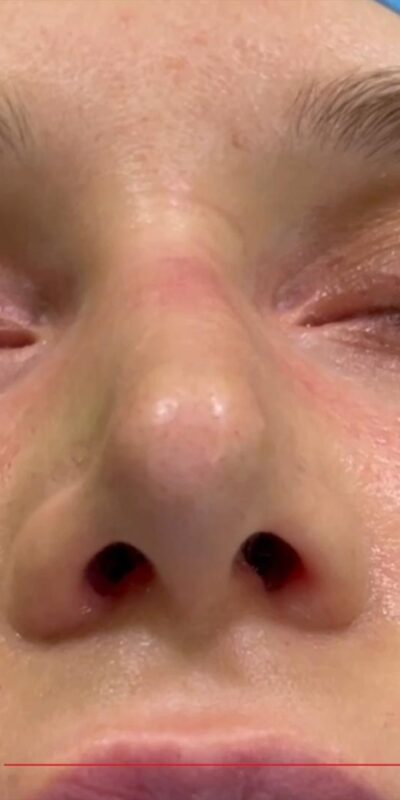
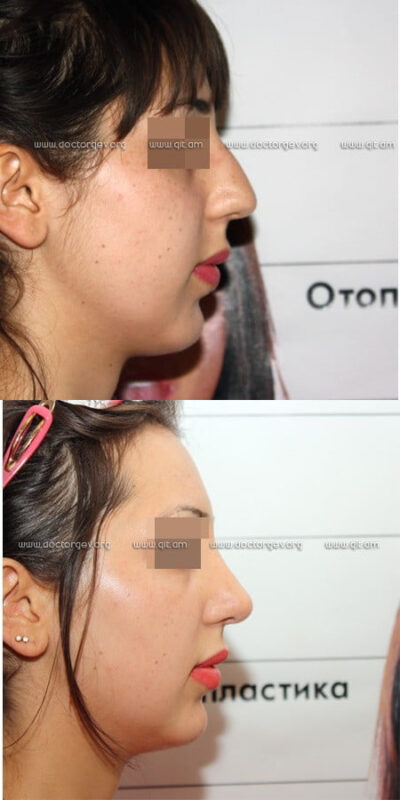
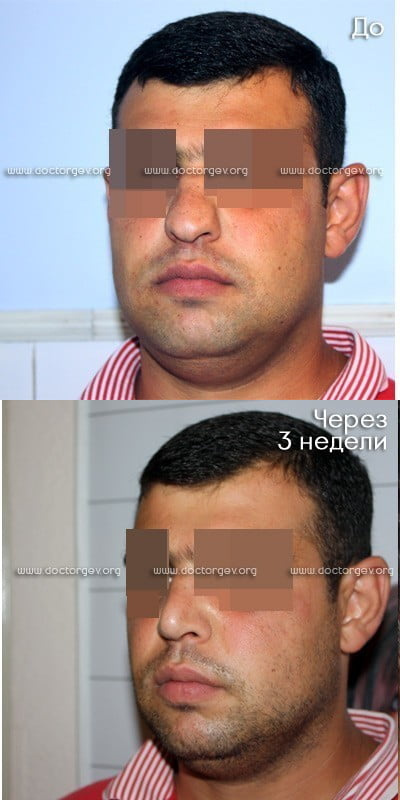
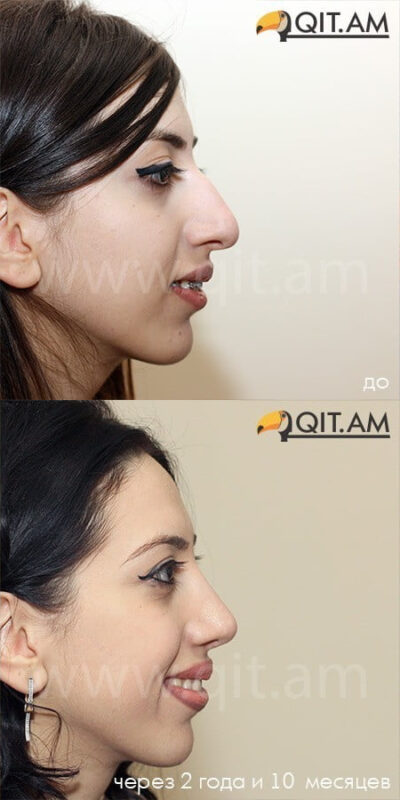
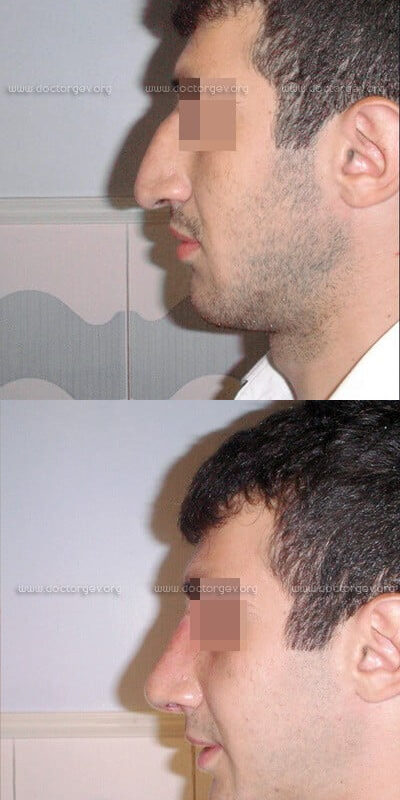
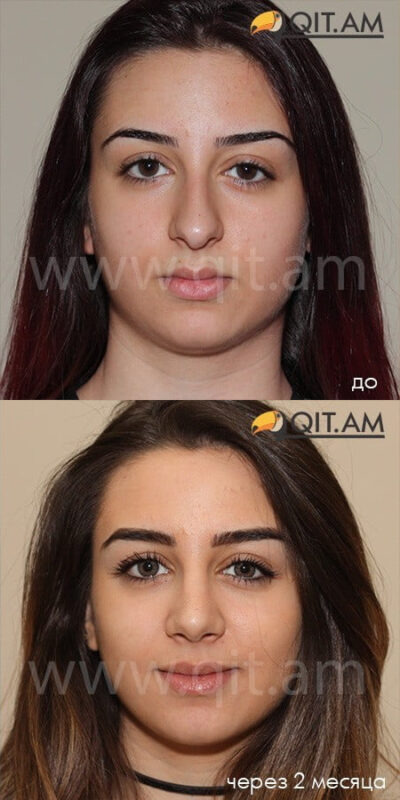
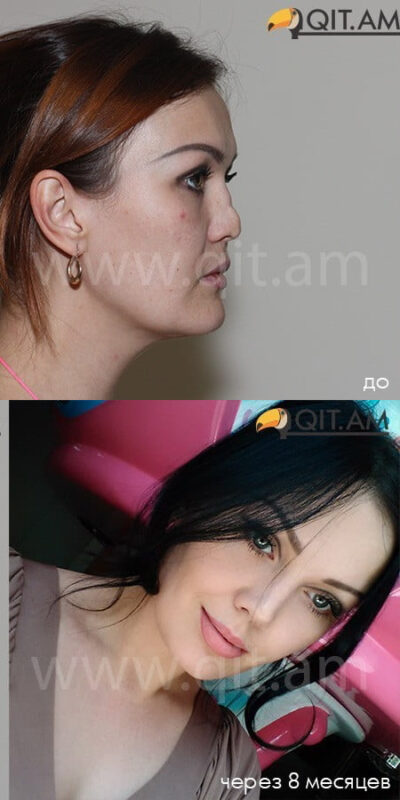
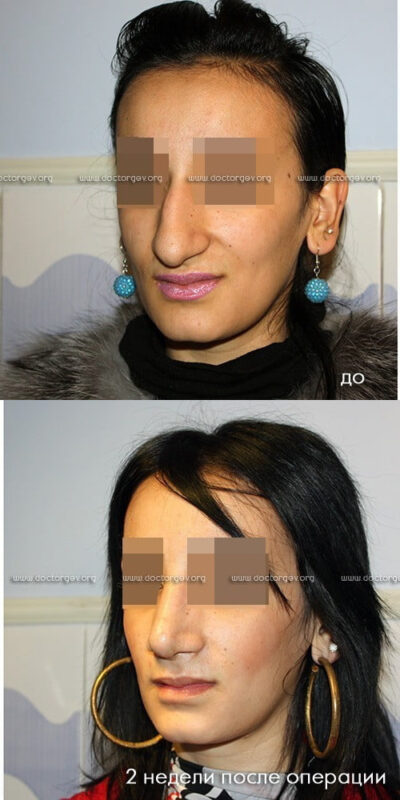
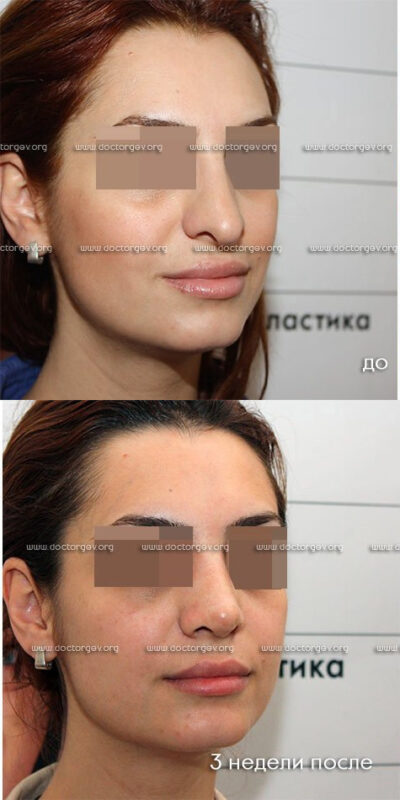
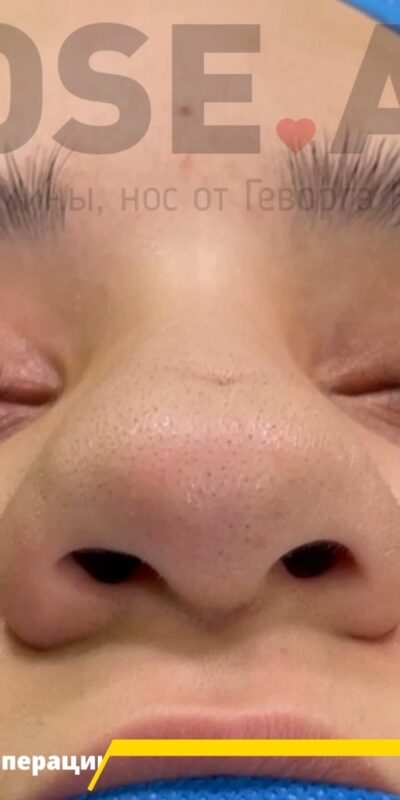
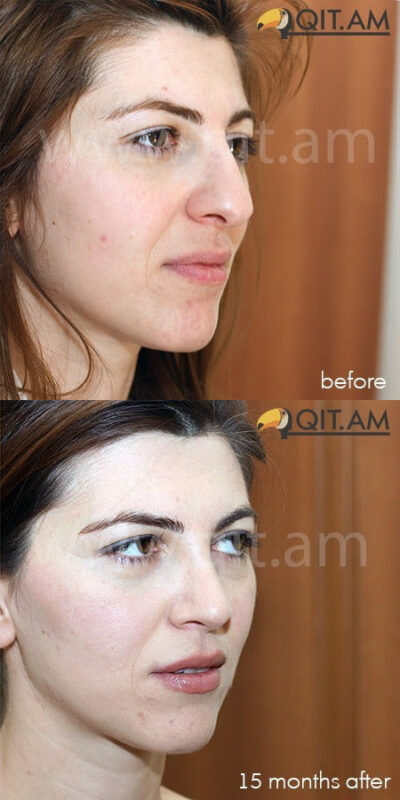
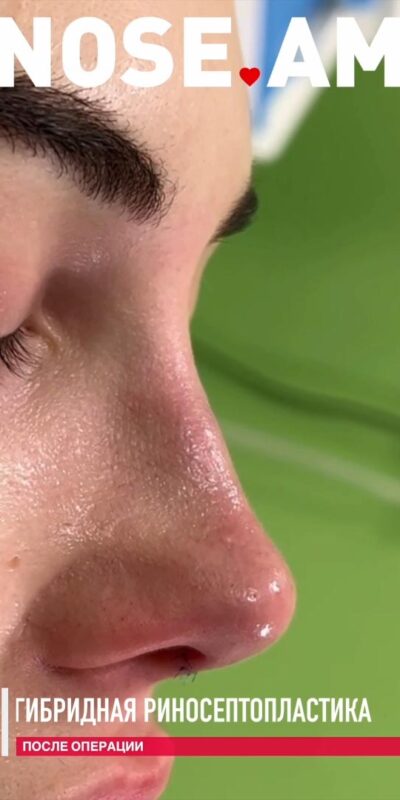
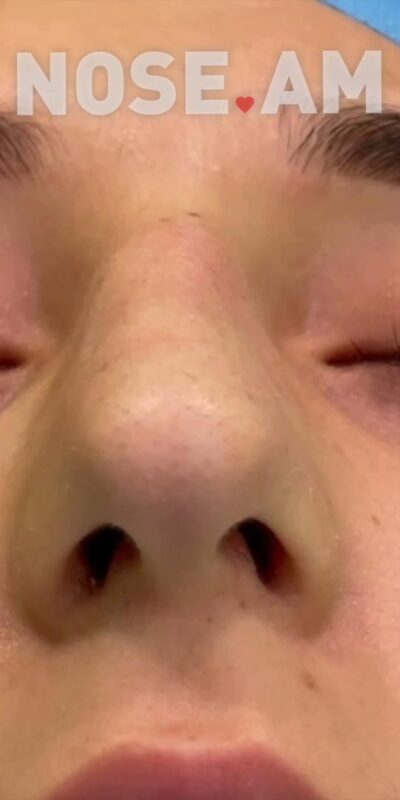
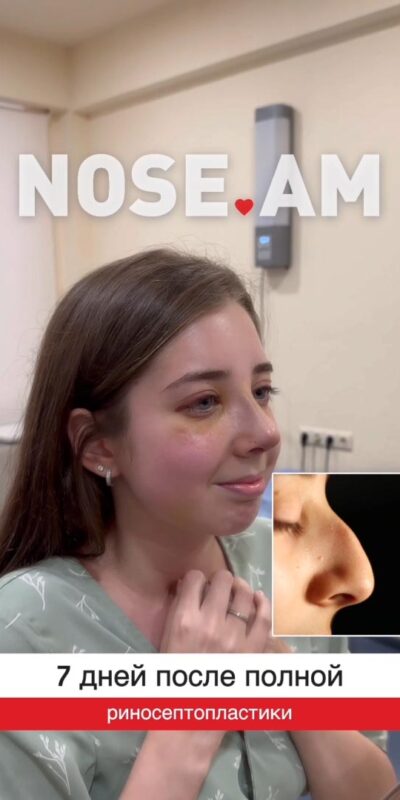
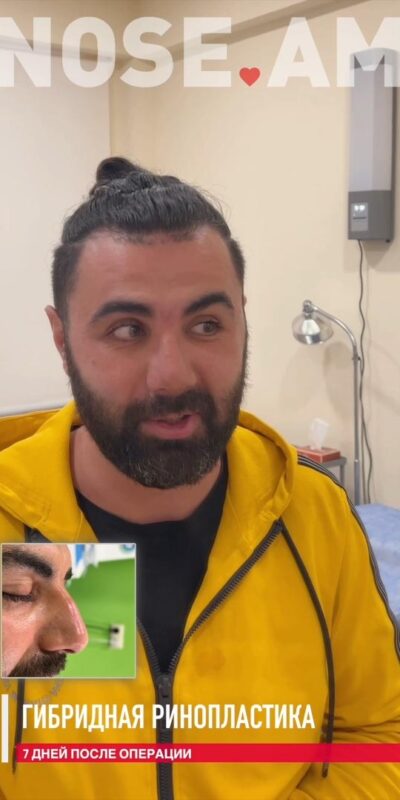
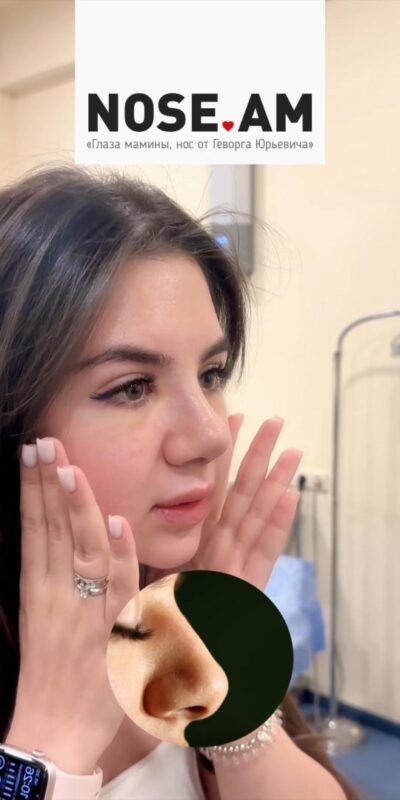
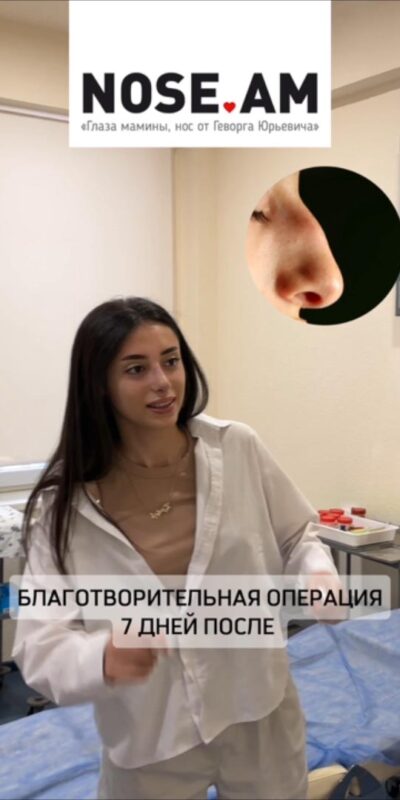
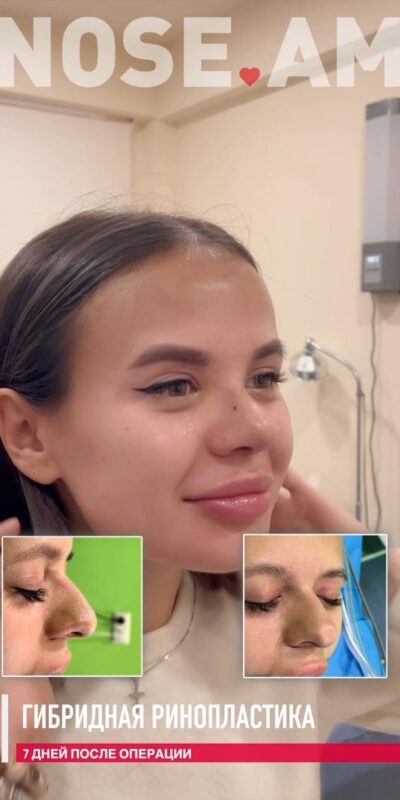
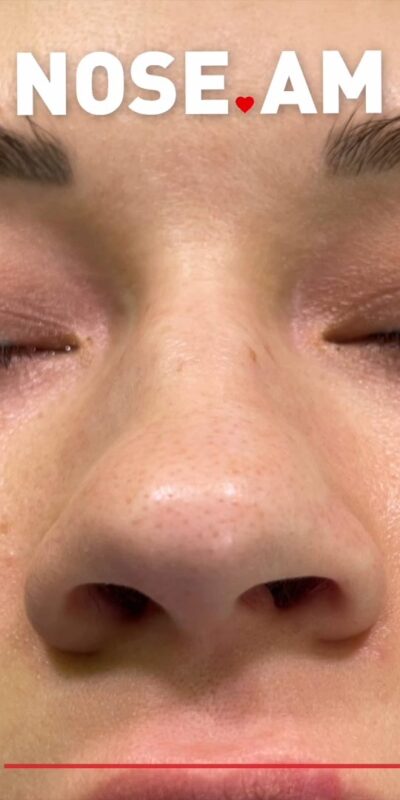
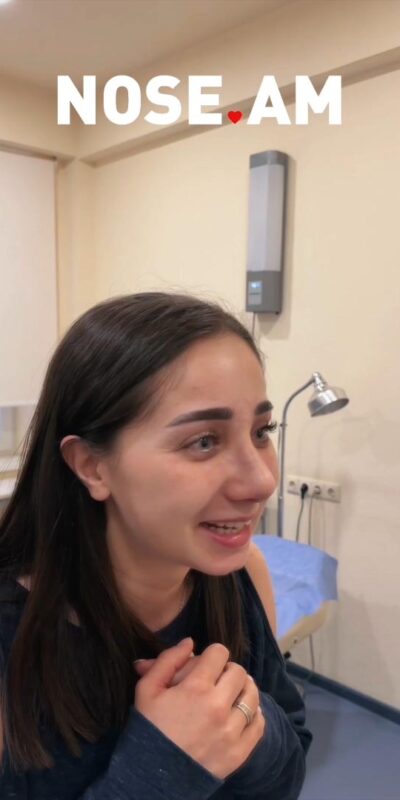
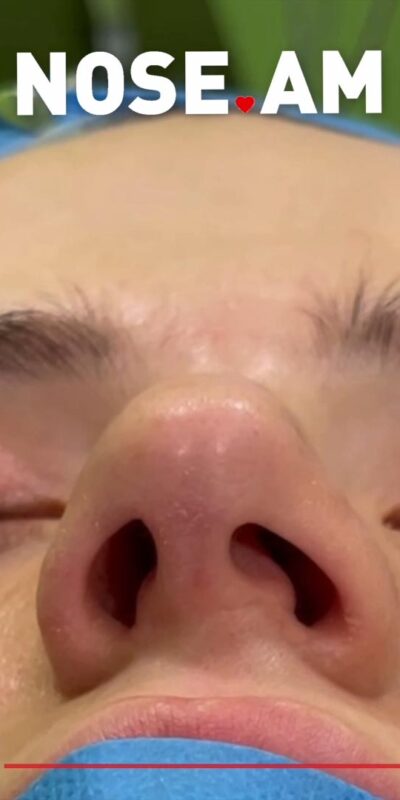
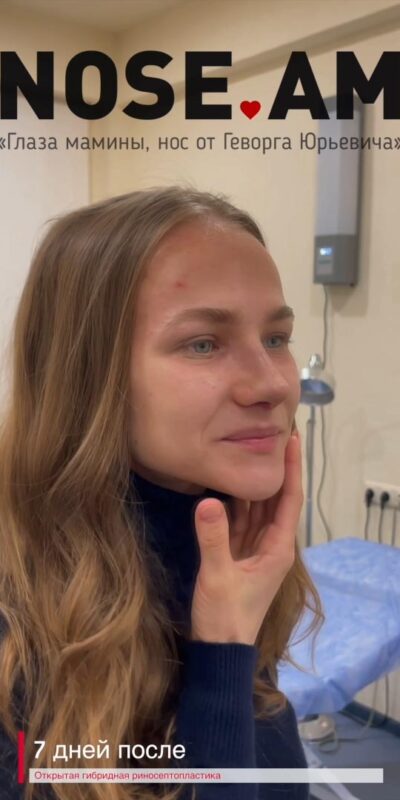
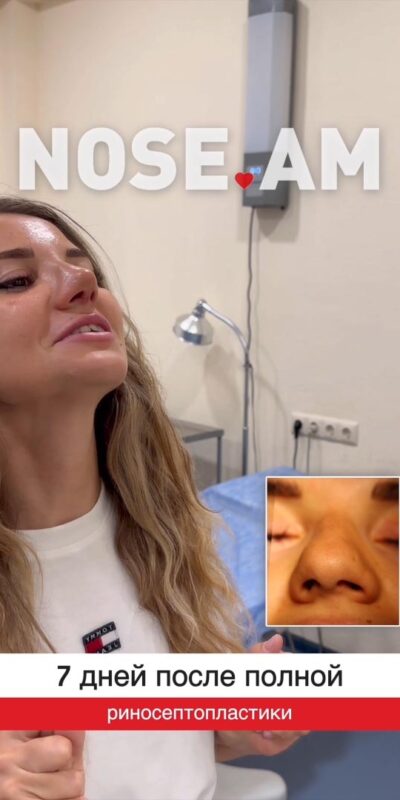
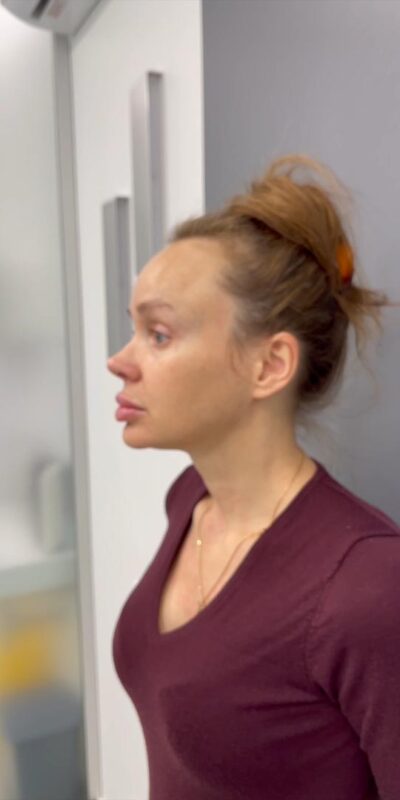
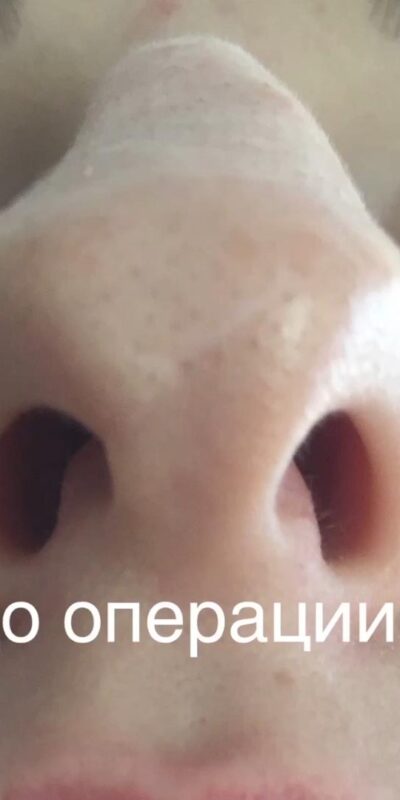
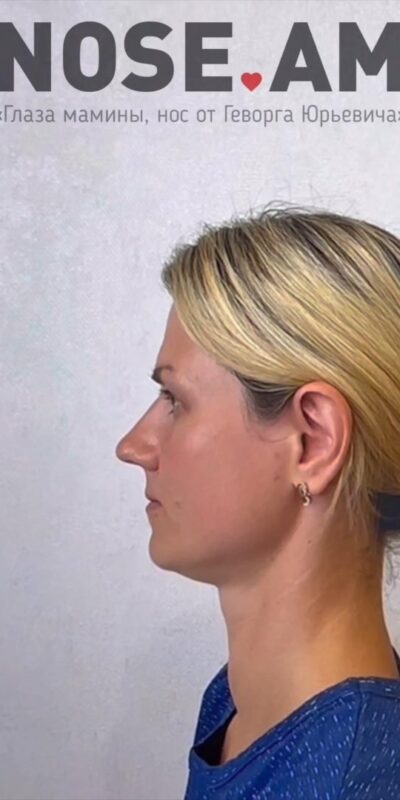
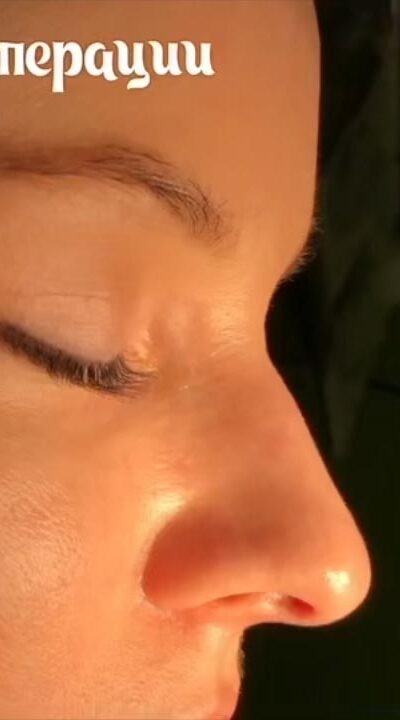
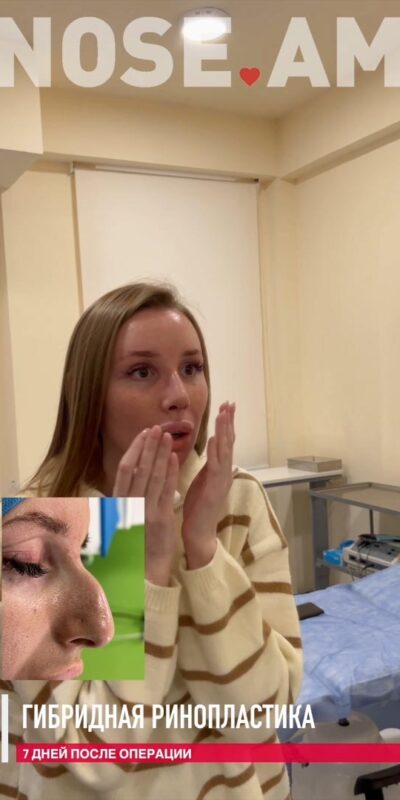
In the vast majority of cases, after piezorhinoplasty, patients look significantly better than they expected. There is swelling—especially in the first 48–72 hours—but it is localized in the area of the nose and lower eyelids. Bruises that spread all over the face are generally absent.
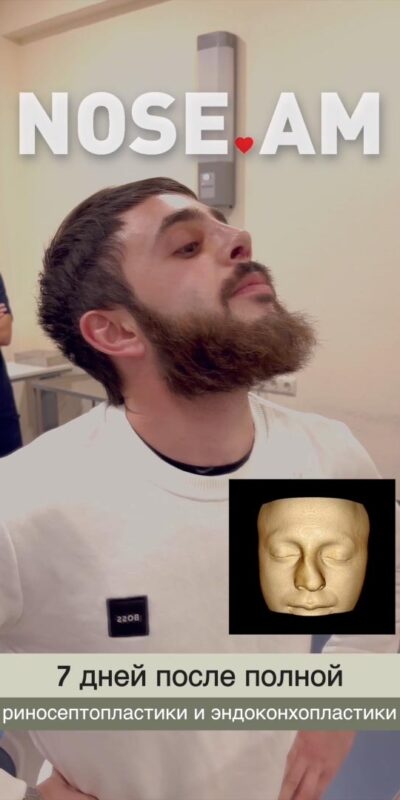
Most patients by the 7th–10th day, when the splint is removed, already look presentable enough to go out. Residual blueness under the eyes, if any, is easily covered with concealer.
But honestly: bruises cannot be completely ruled out
There is a group of patients who bruise more easily than others—even from a minor bump, a cosmetological procedure, or simply pressure. This is associated with:
- the thinness of the capillary walls (often a genetic trait);
- the intake of medications that affect coagulation (certain vitamins, supplements, NSAIDs);
- chronic diseases affecting hemostasis;
- the type of skin and its thinness.
For such patients, bruises are also possible after piezorhinoplasty. But they are usually significantly smaller and lighter than they would be with standard instruments, and they resolve faster.
How we discuss this at the consultation
I do not say: “there will be no bruises.” That would not be true.
I say it differently: if you are prone to bruising, tell me about it at the consultation. We will discuss your specific case in advance: we will review your test results, clarify the medications you are taking, and adjust your preparation if necessary. And you will understand what to realistically expect after the surgery—instead of getting scared by comparing yourself to other people’s “scary photos” from the internet.
Piezorhinoplasty is not marketing. It is a real technological step forward that makes recovery smoother, faster, and more predictable.