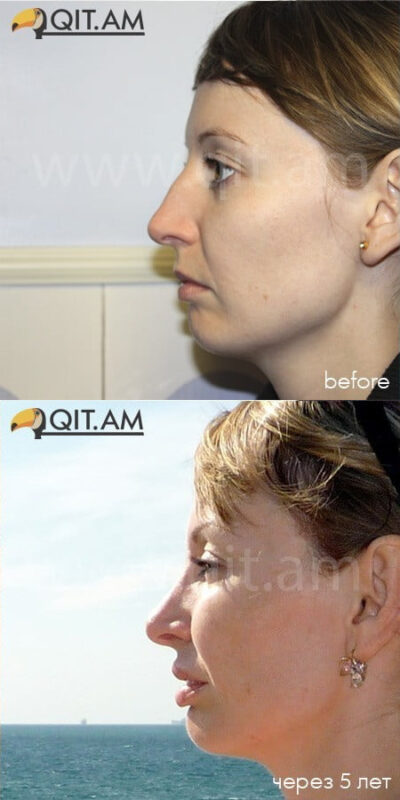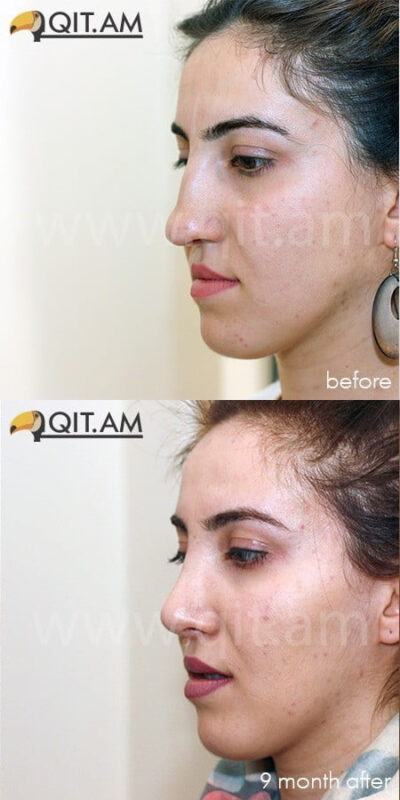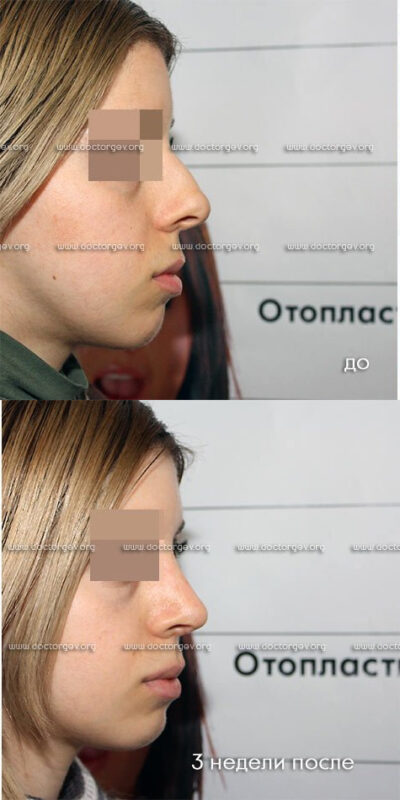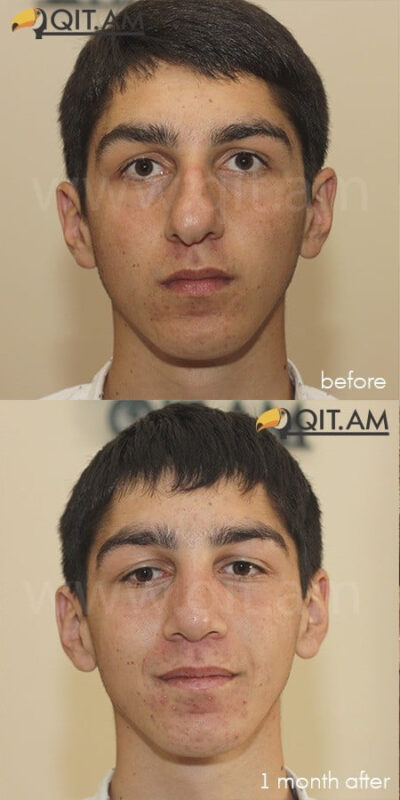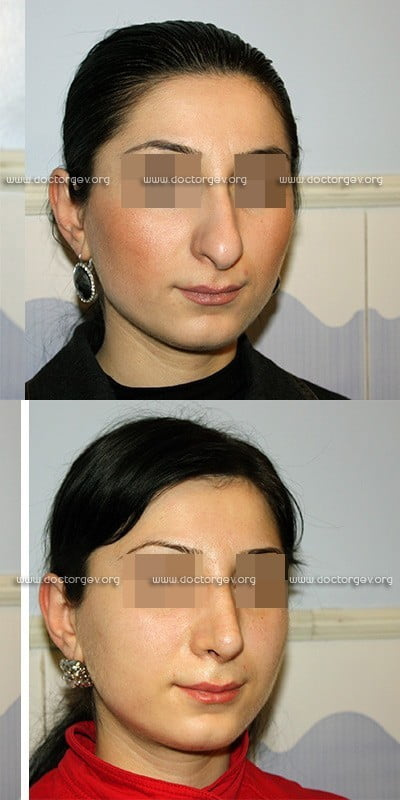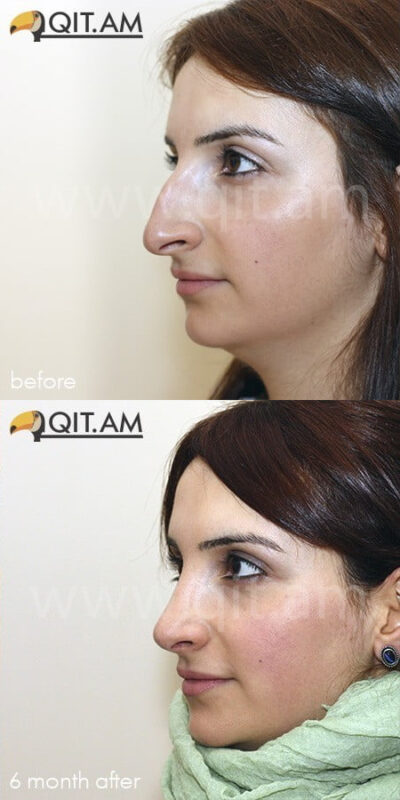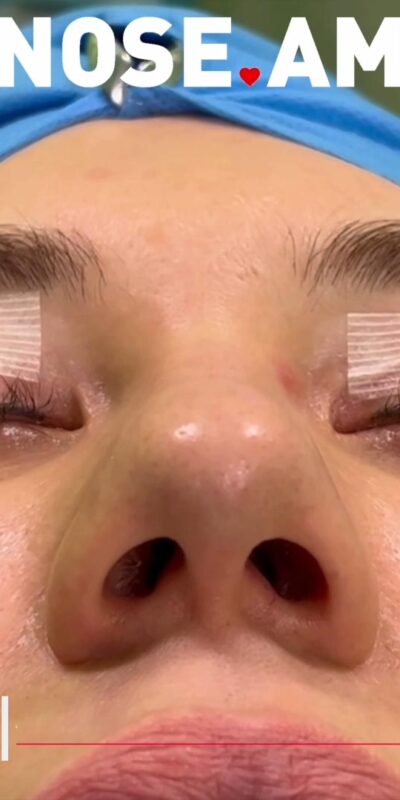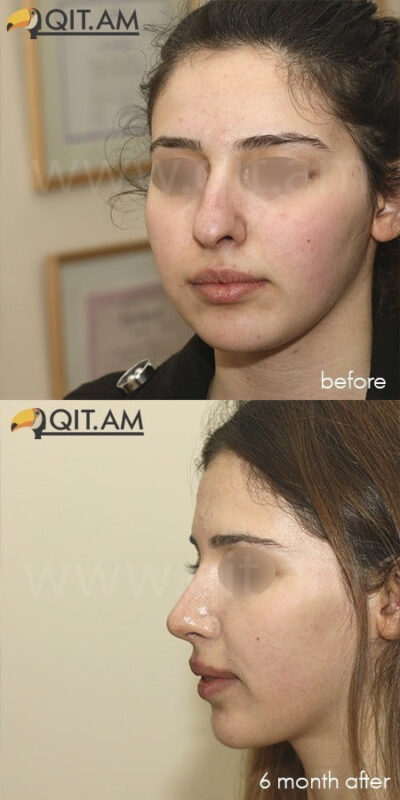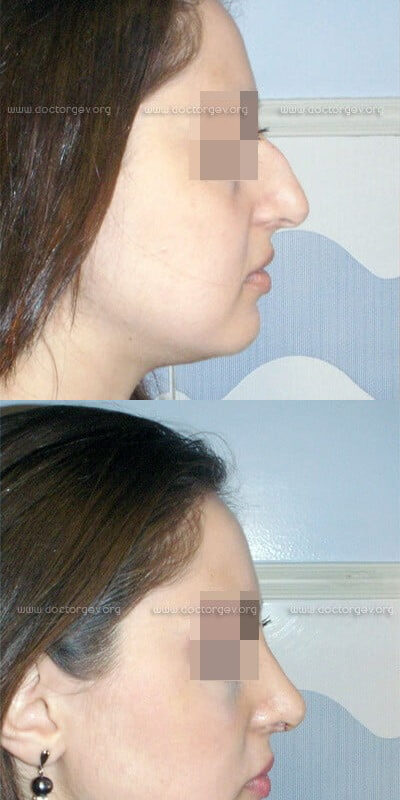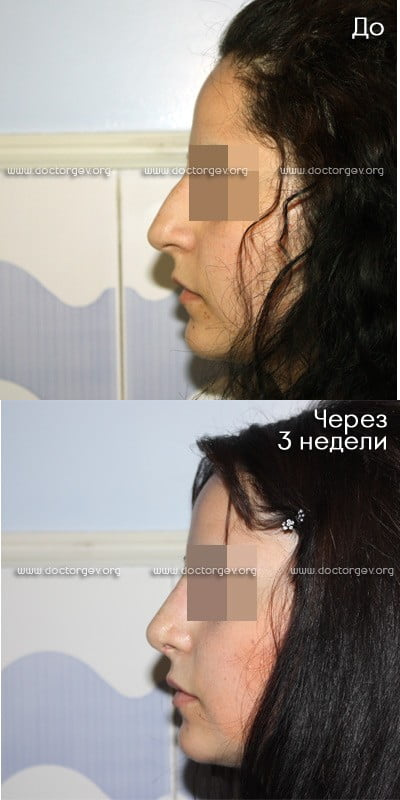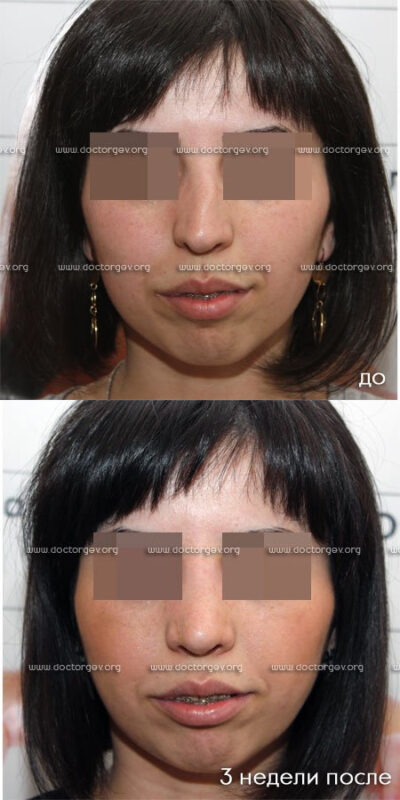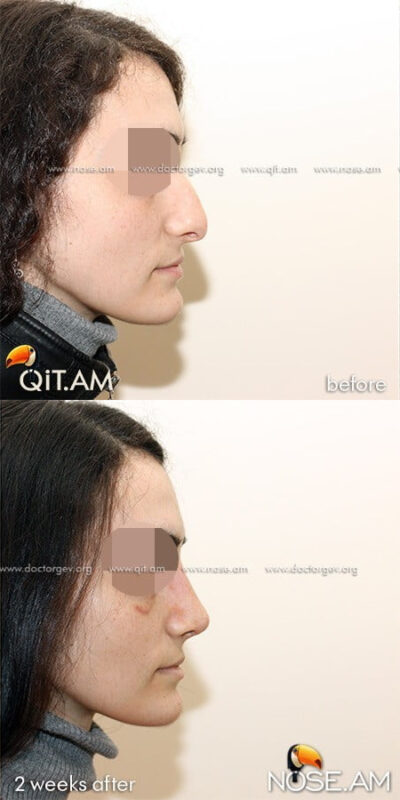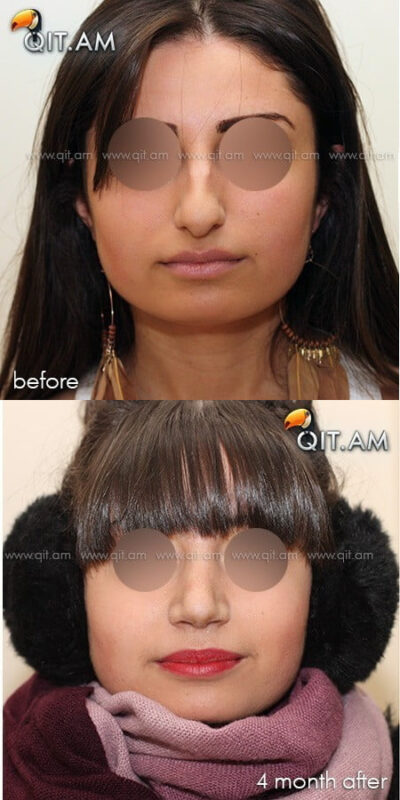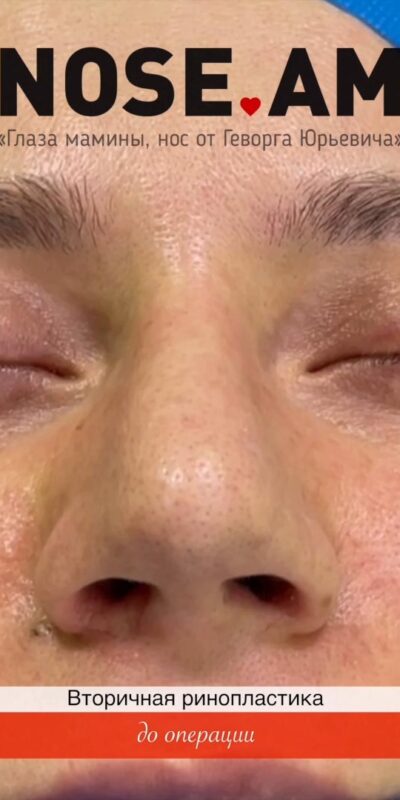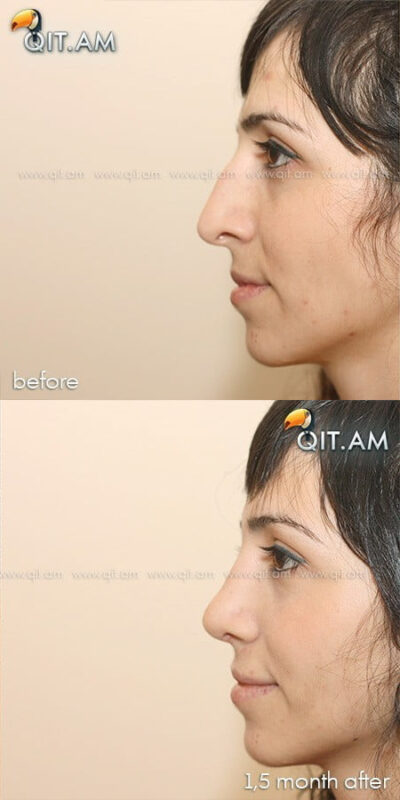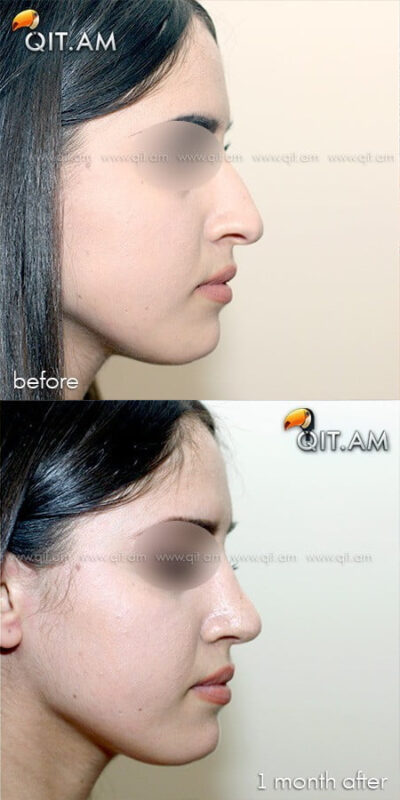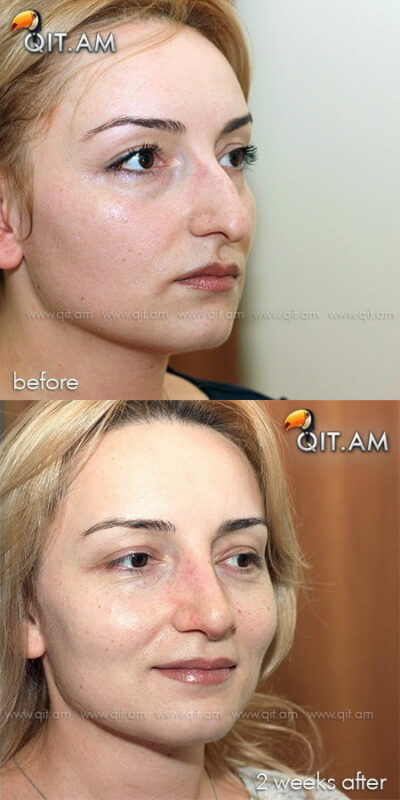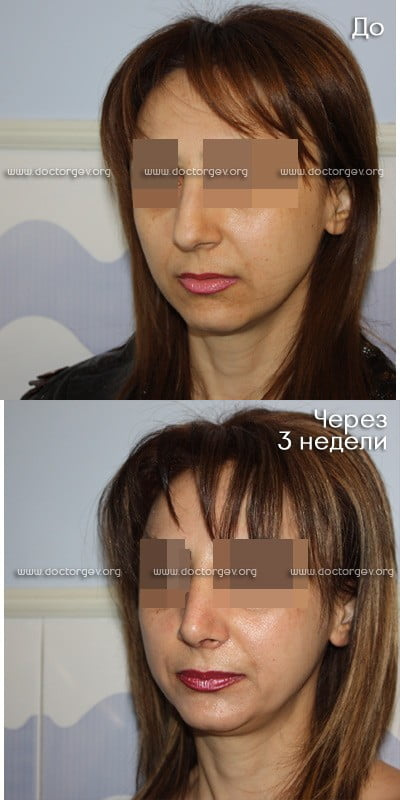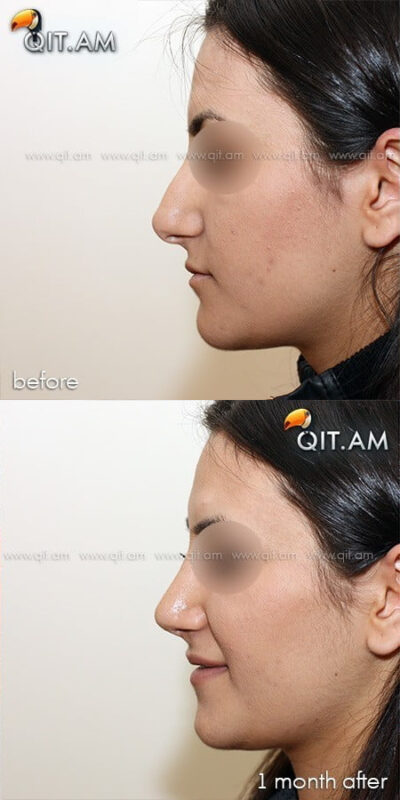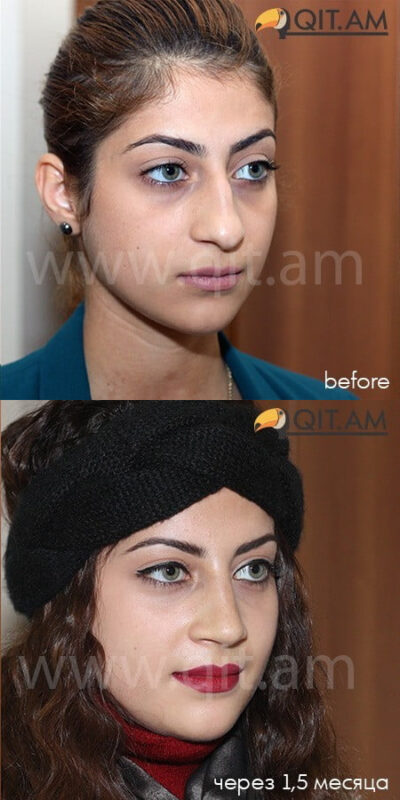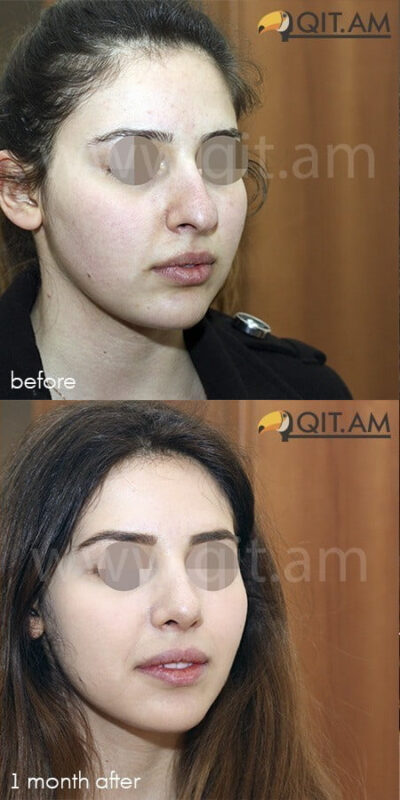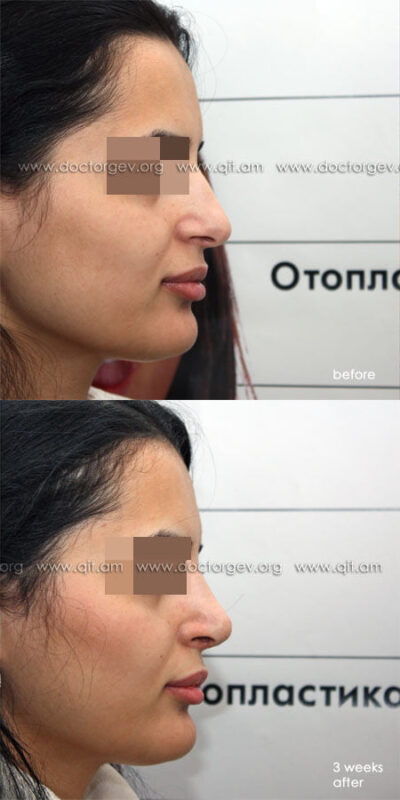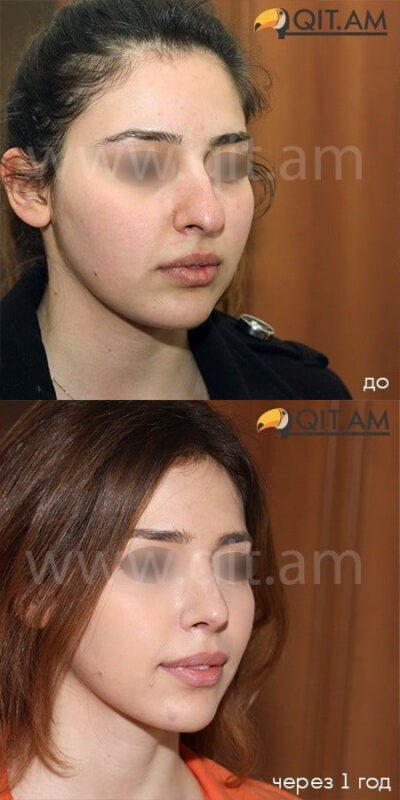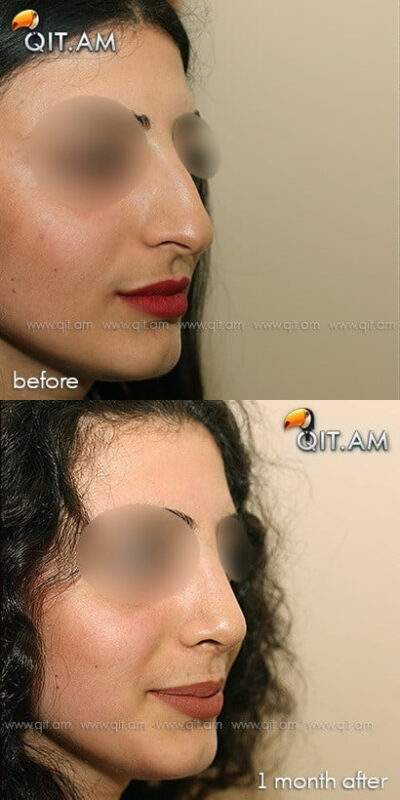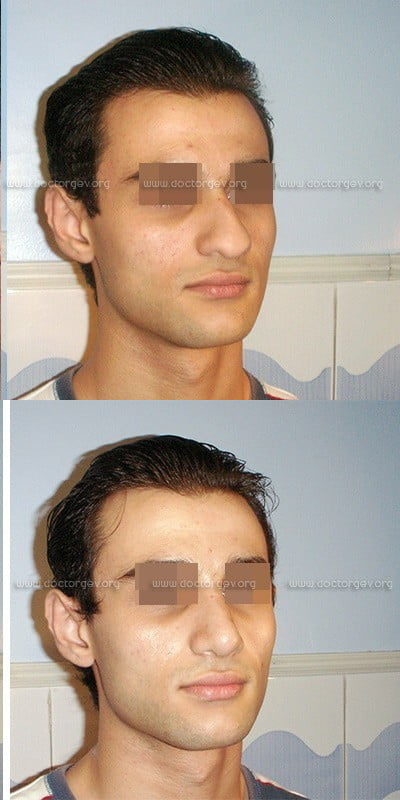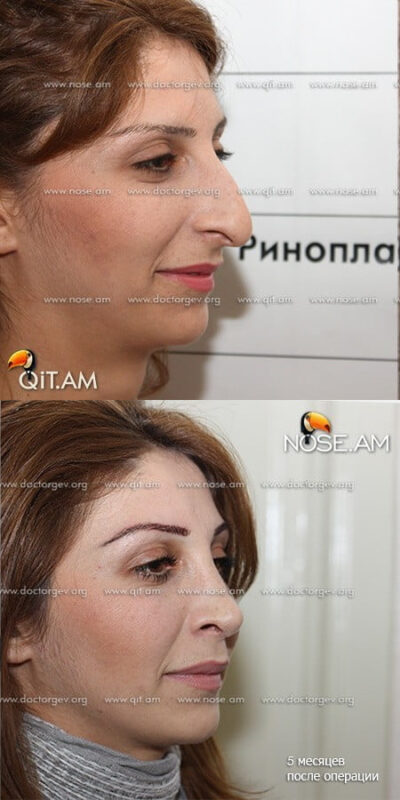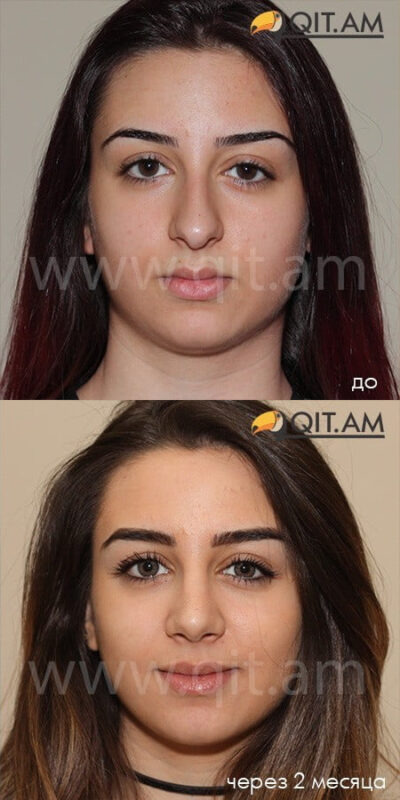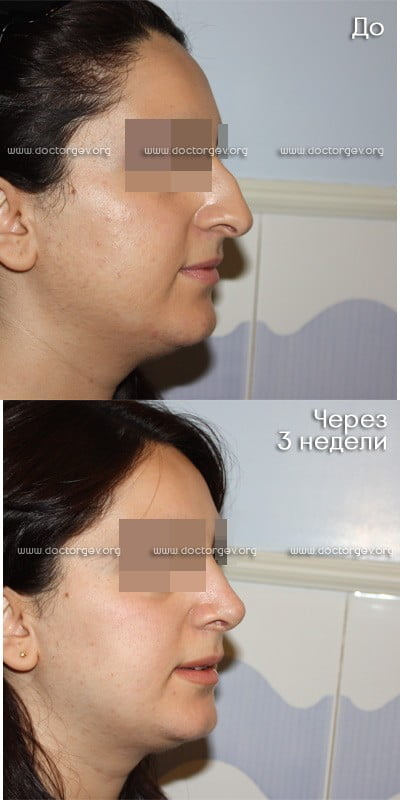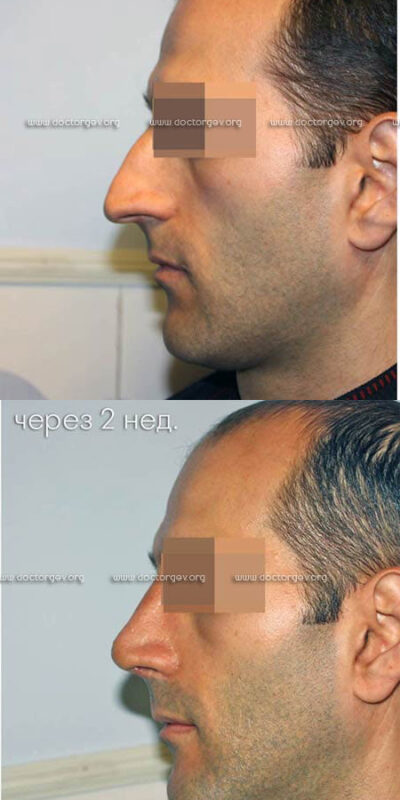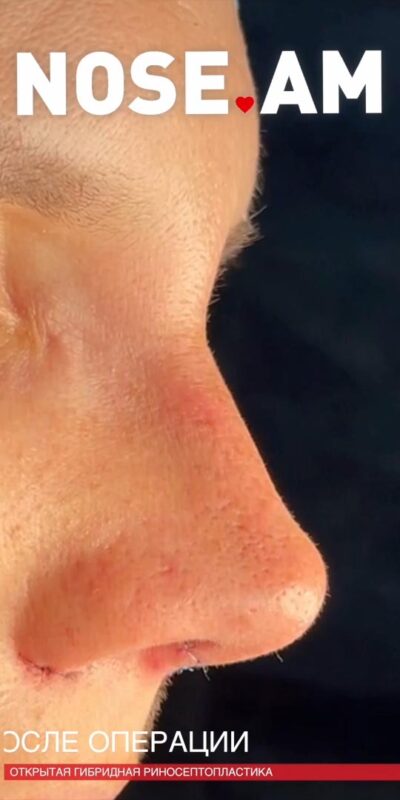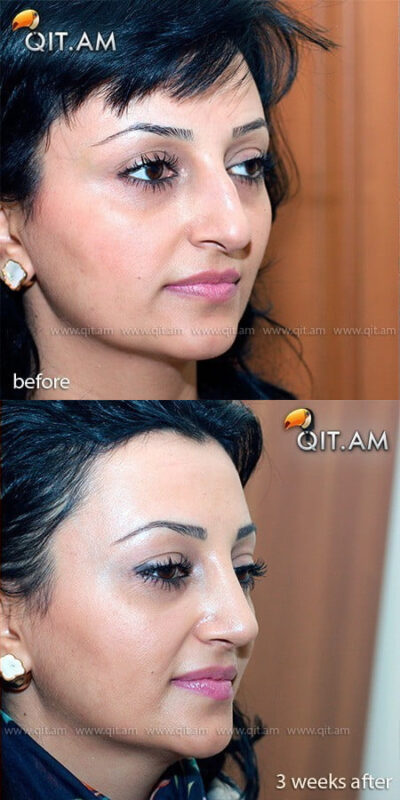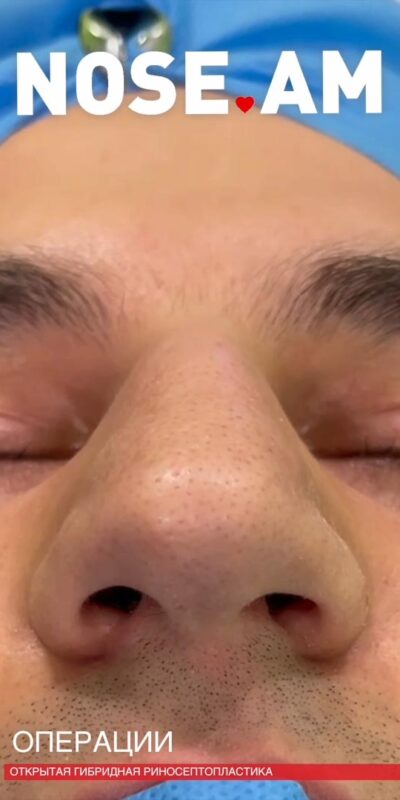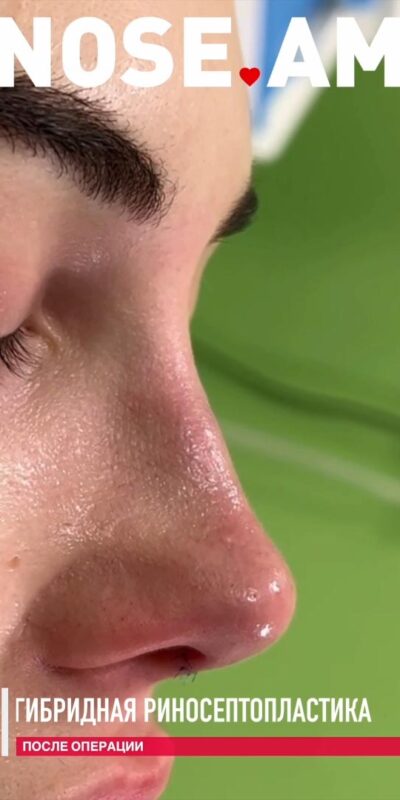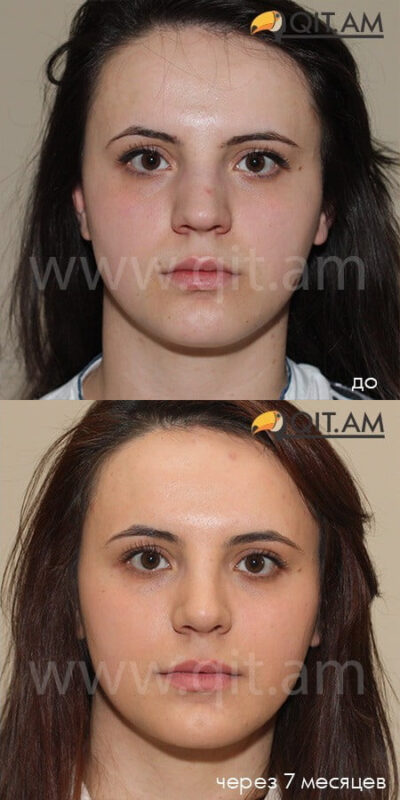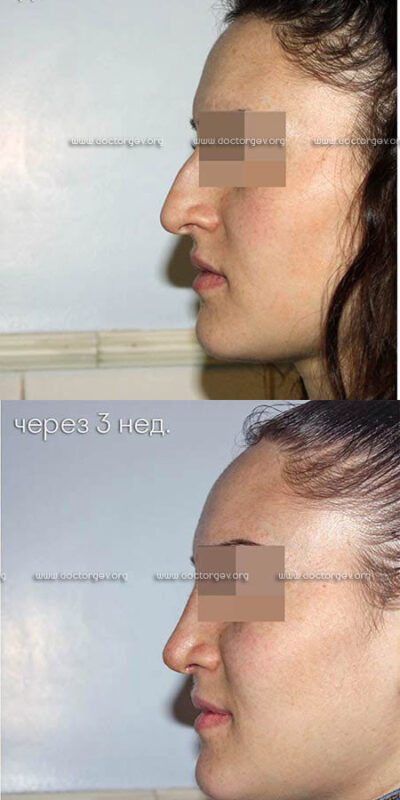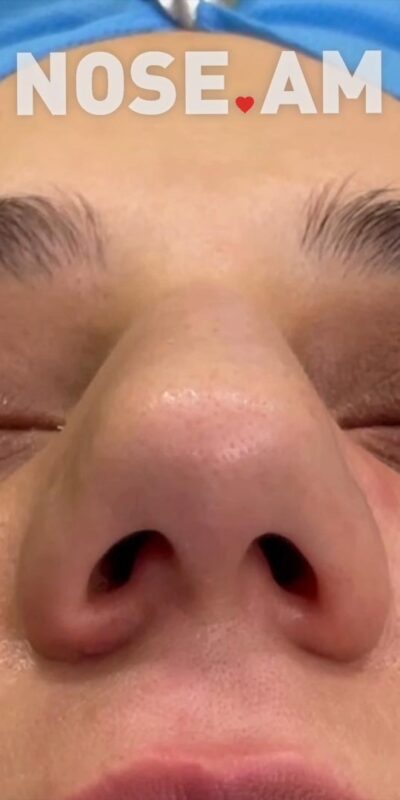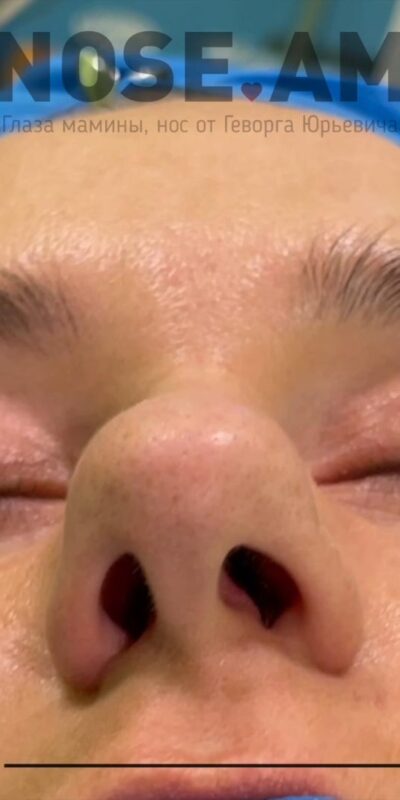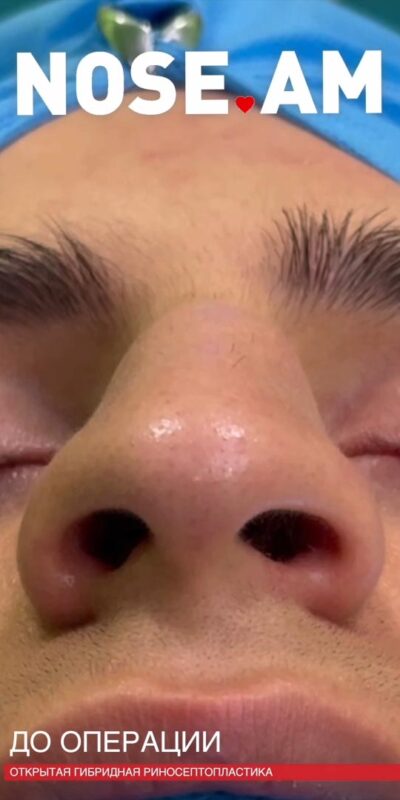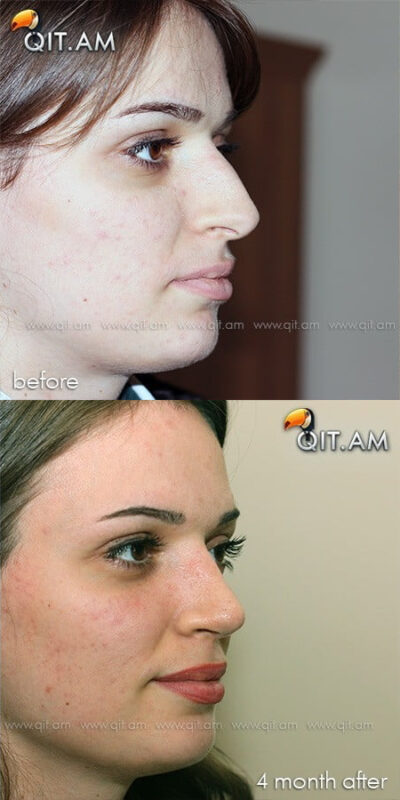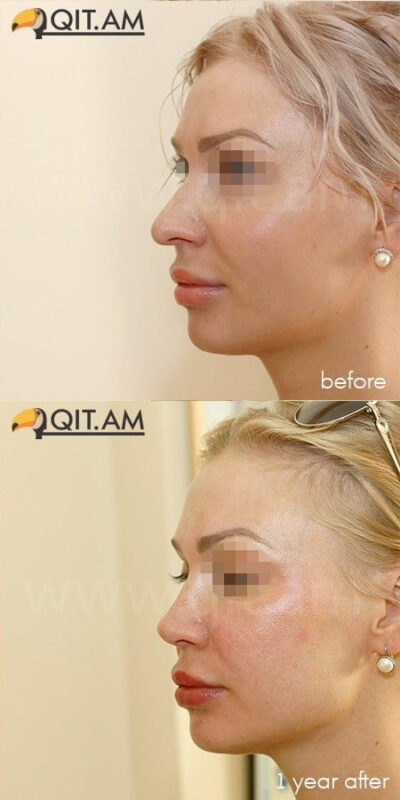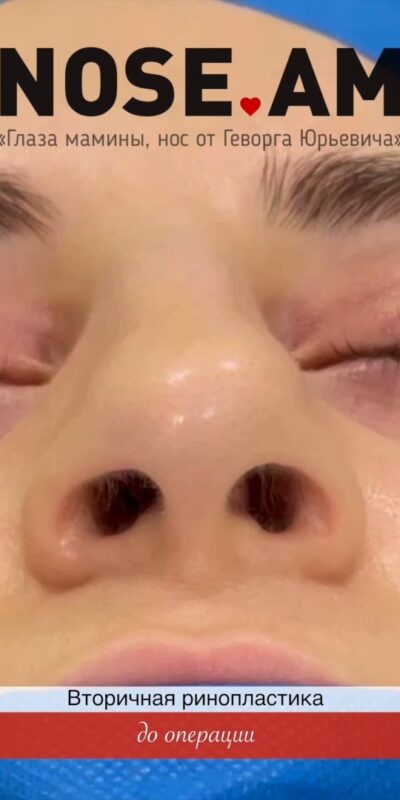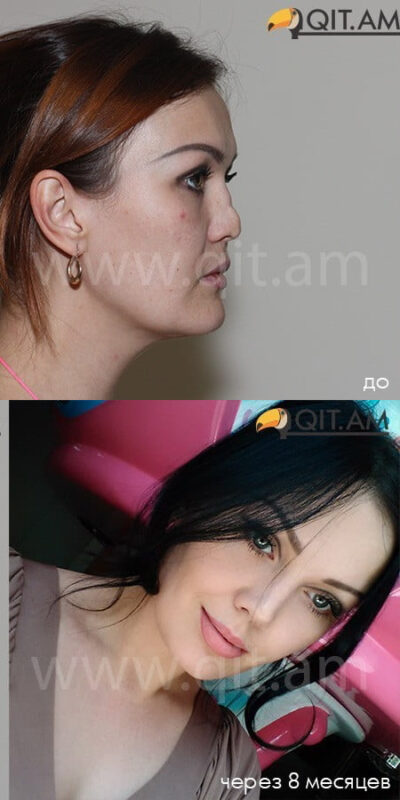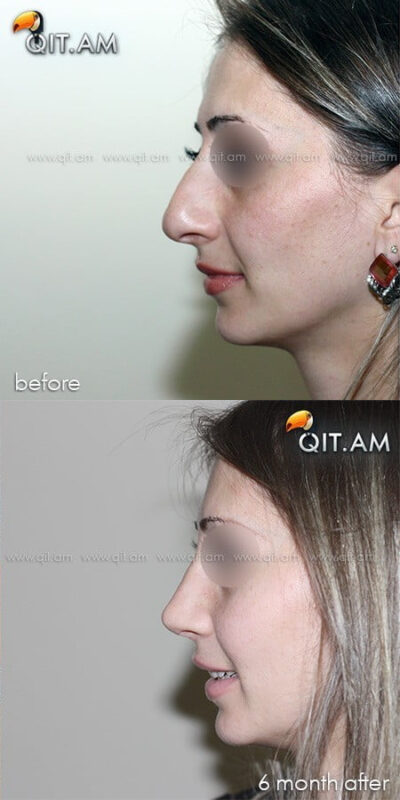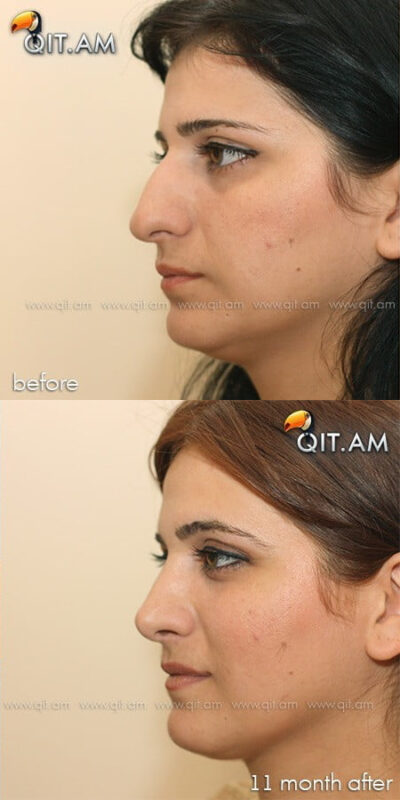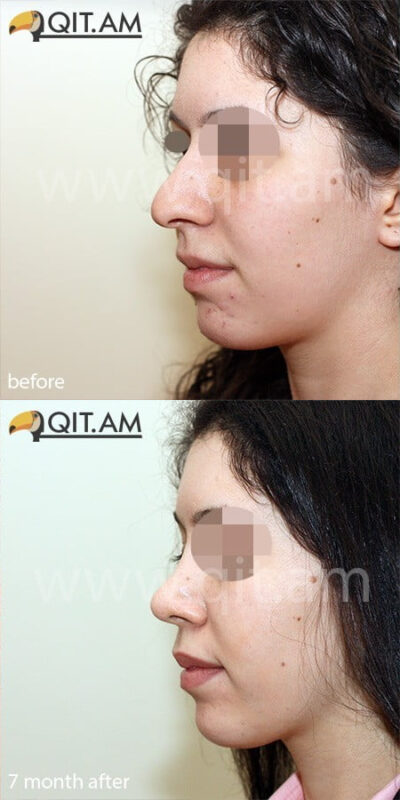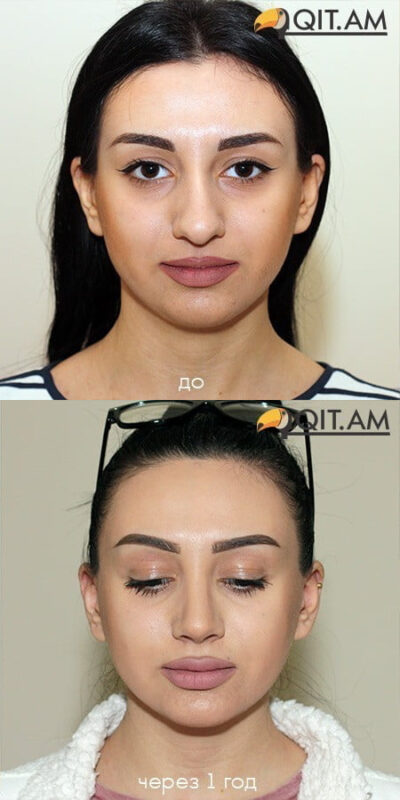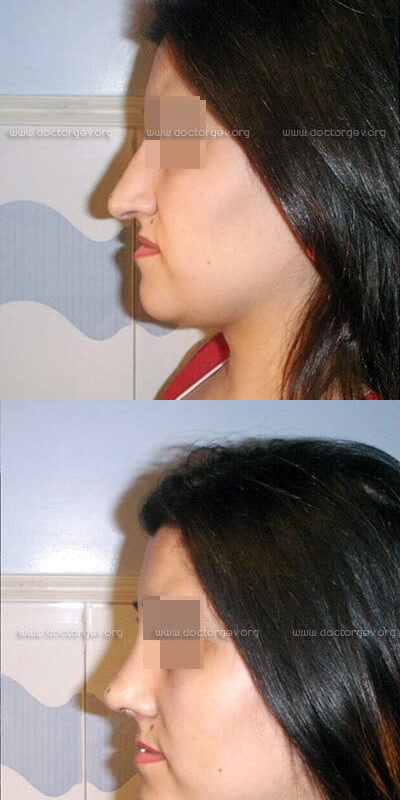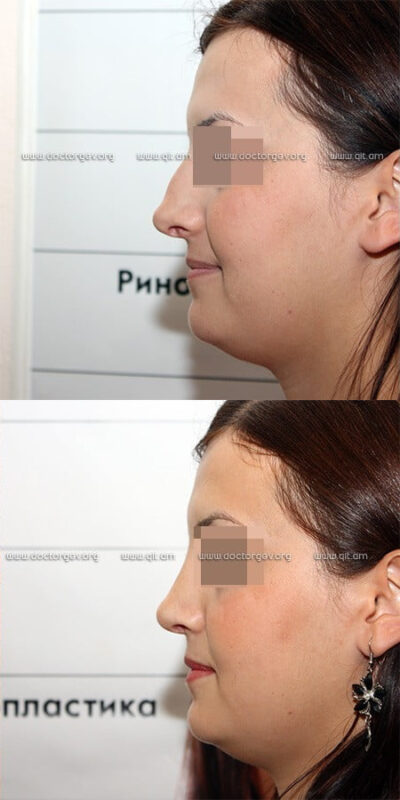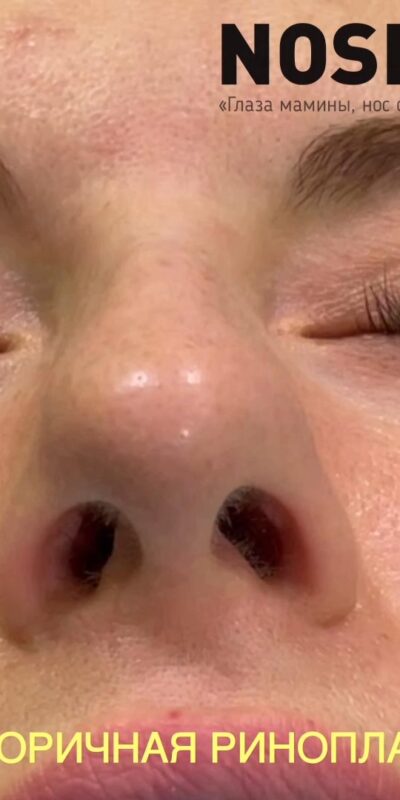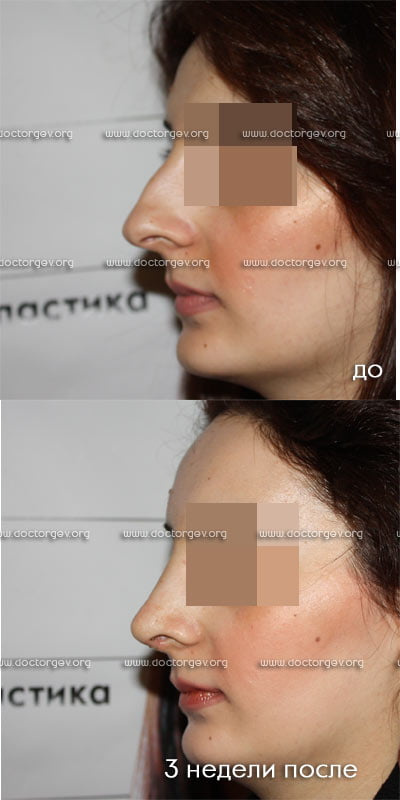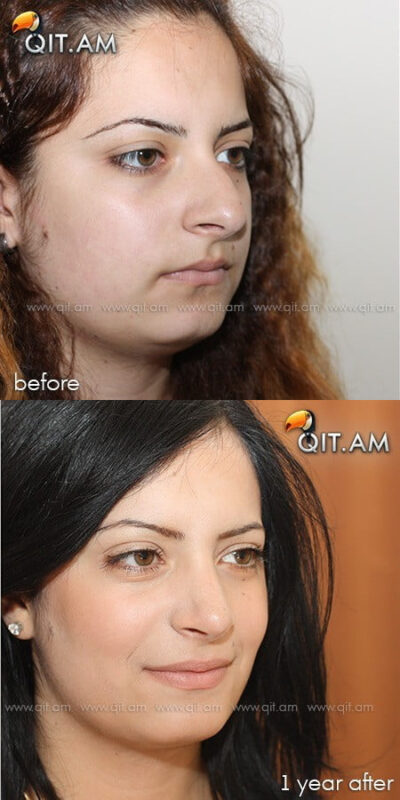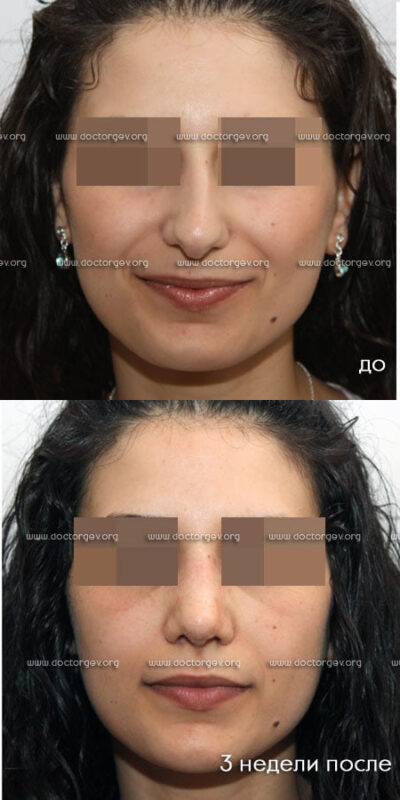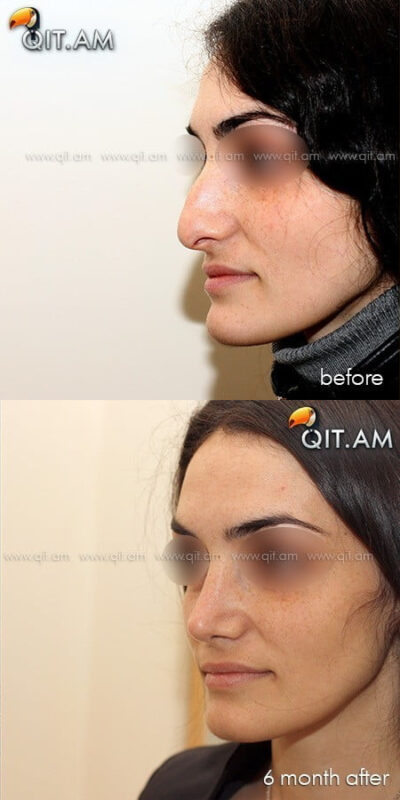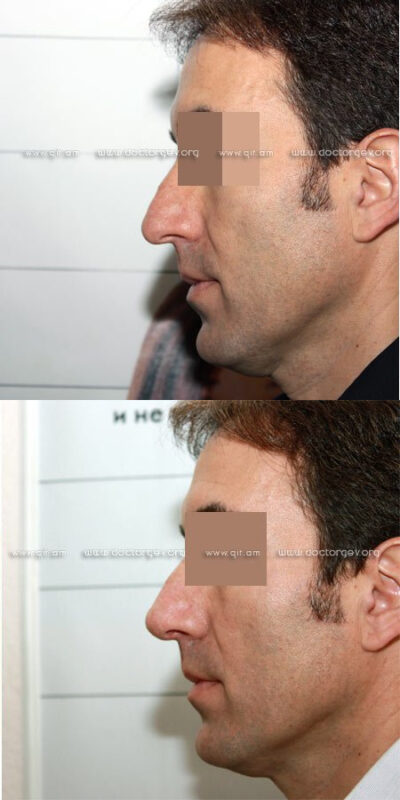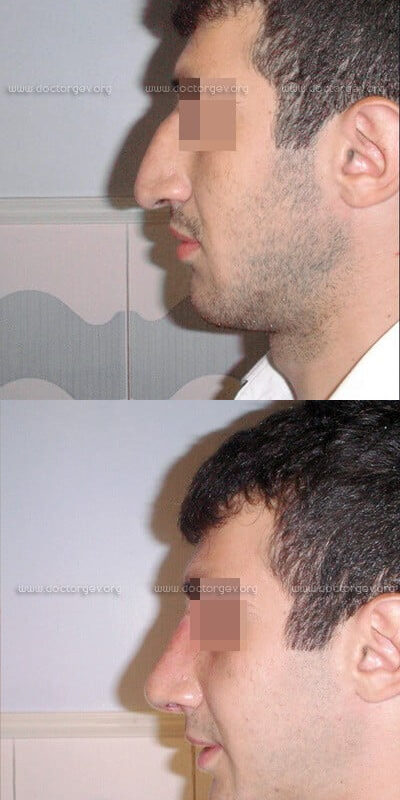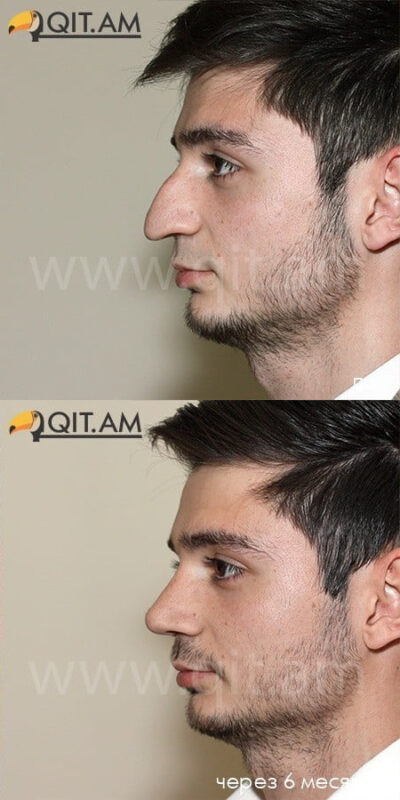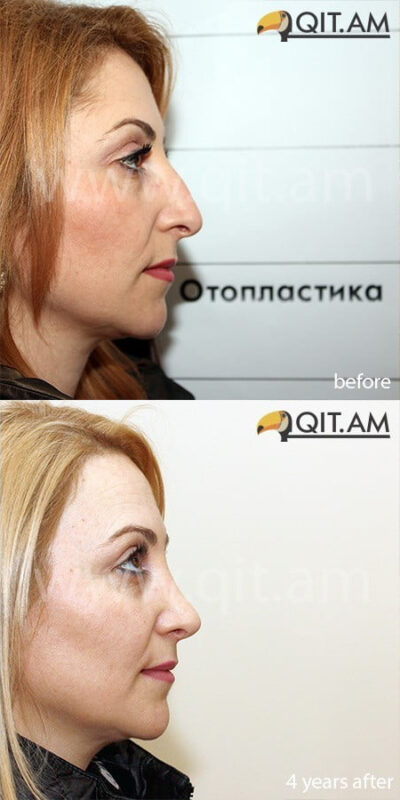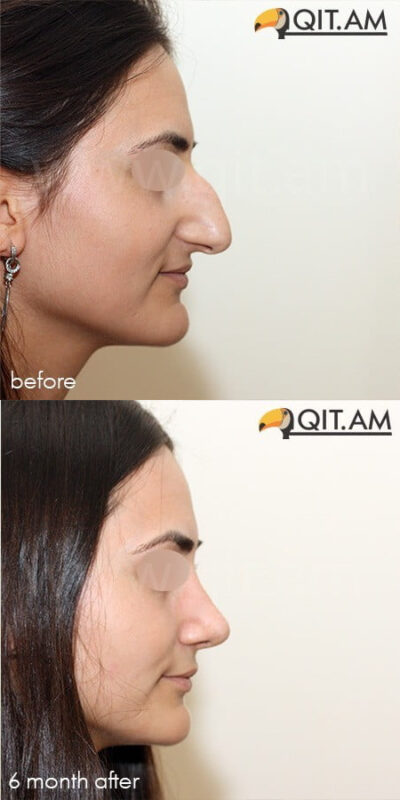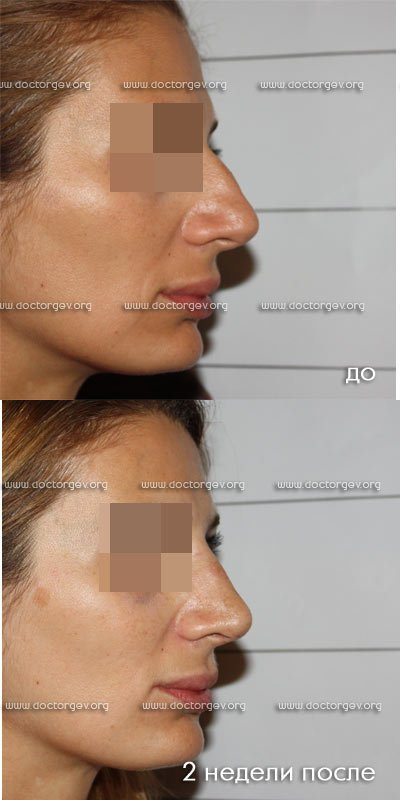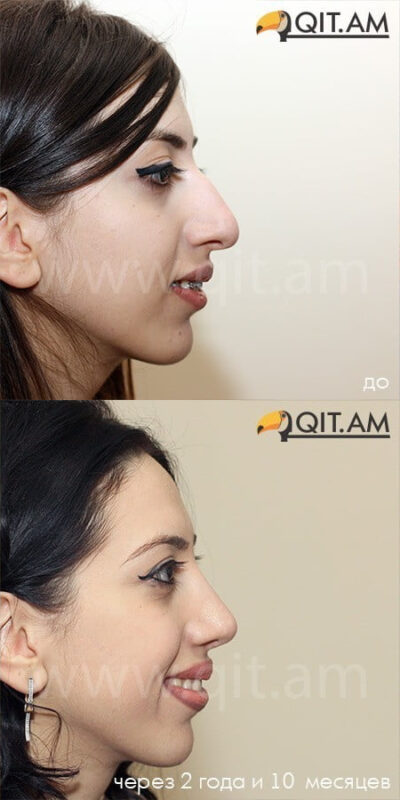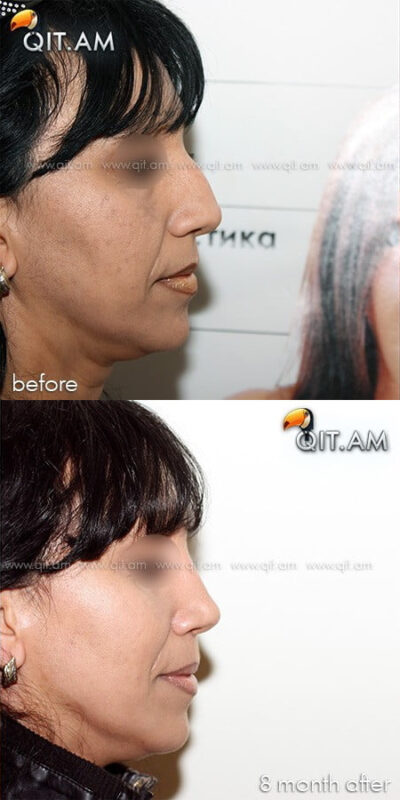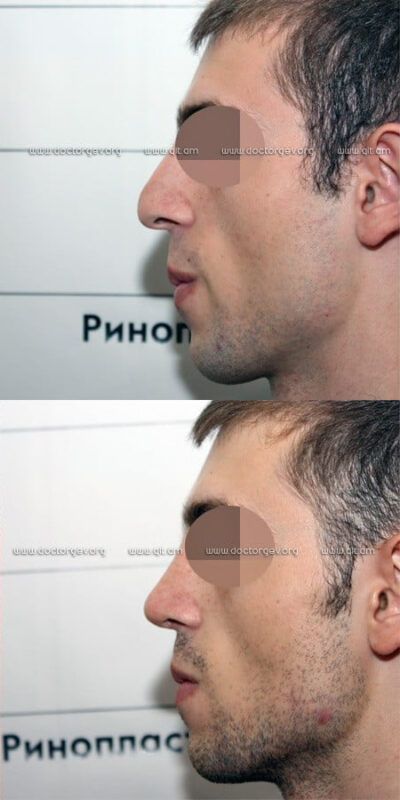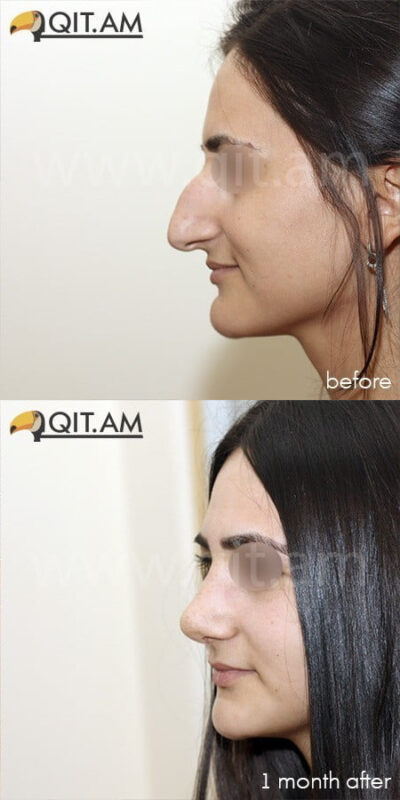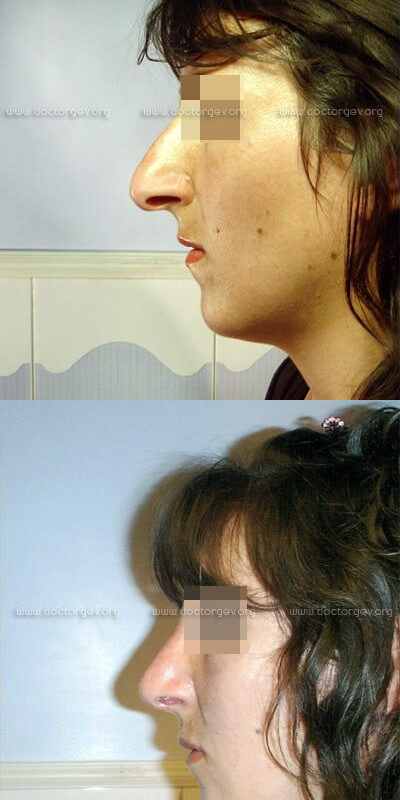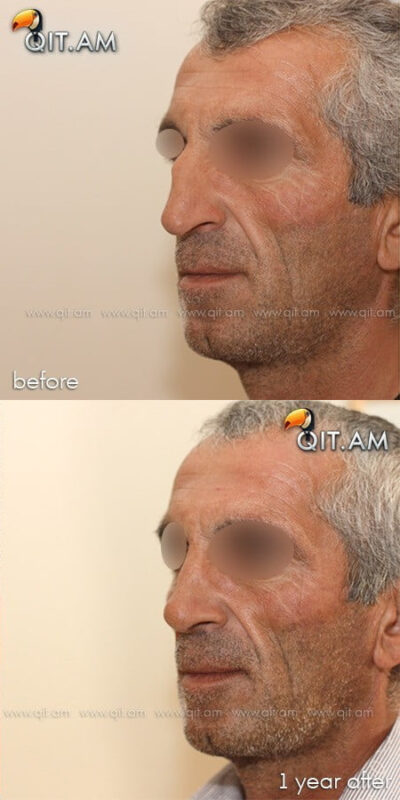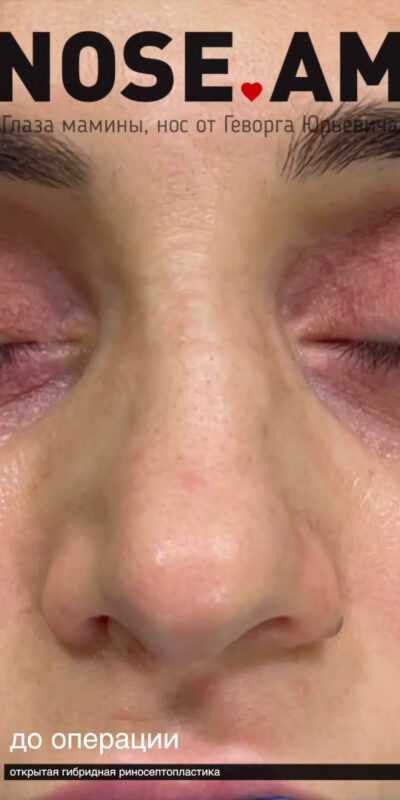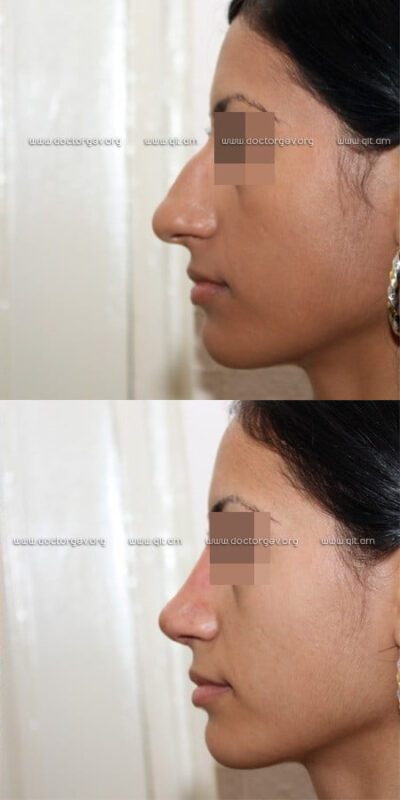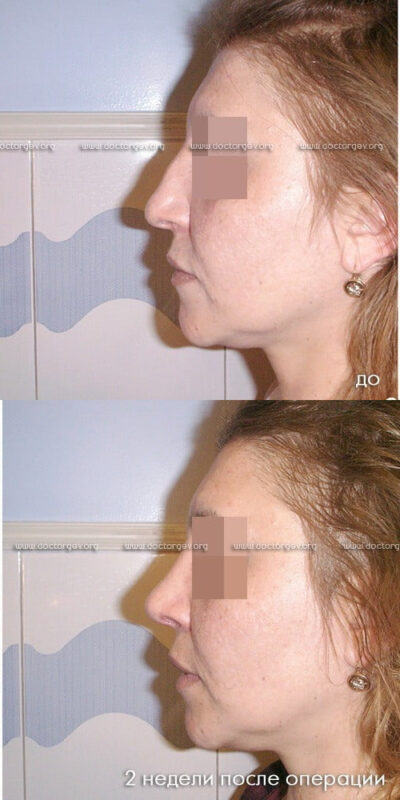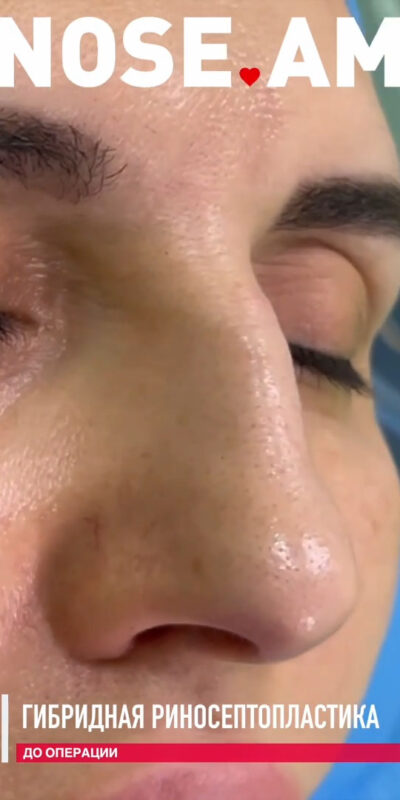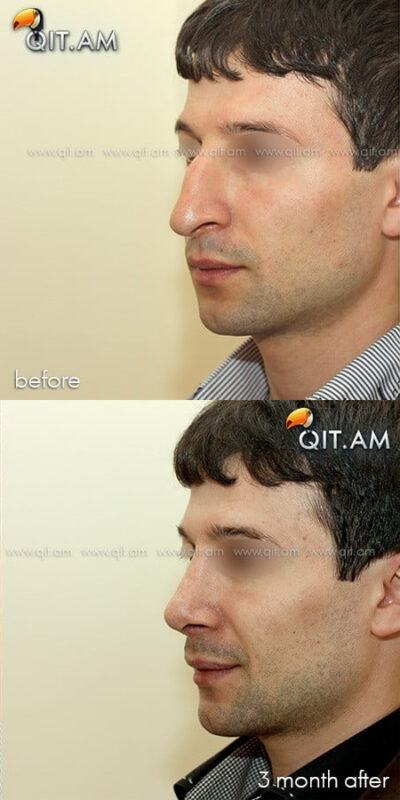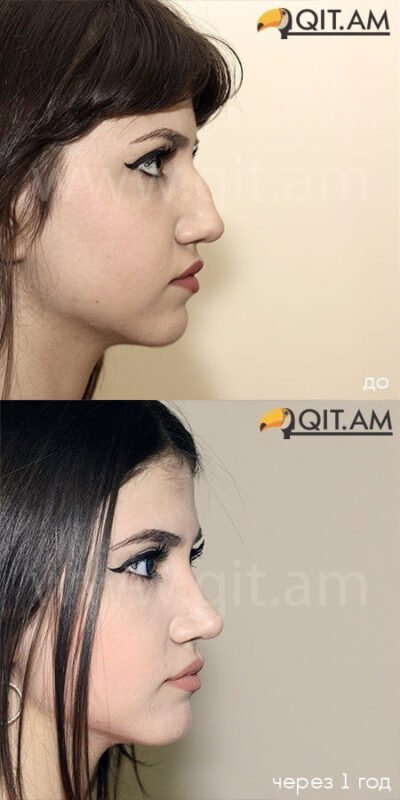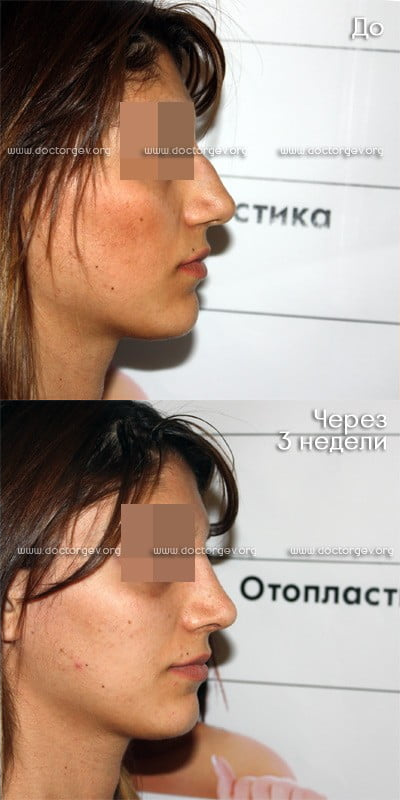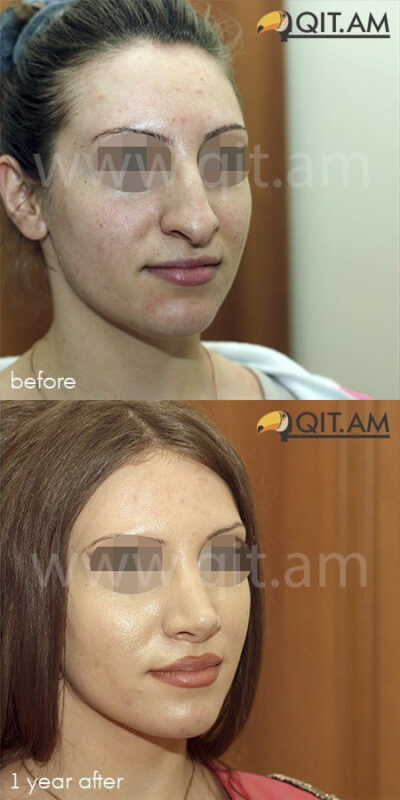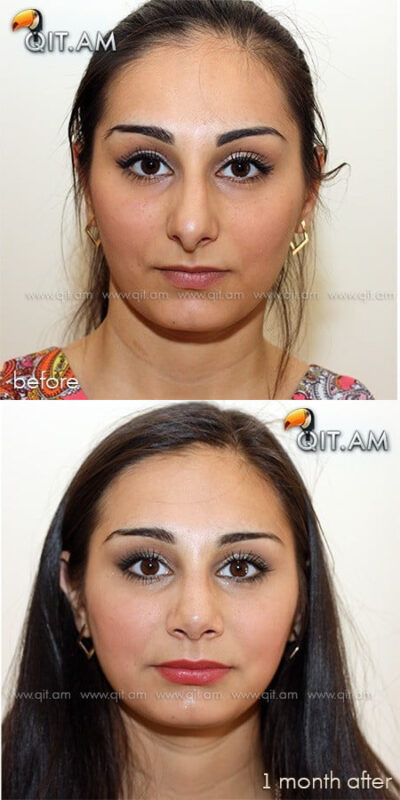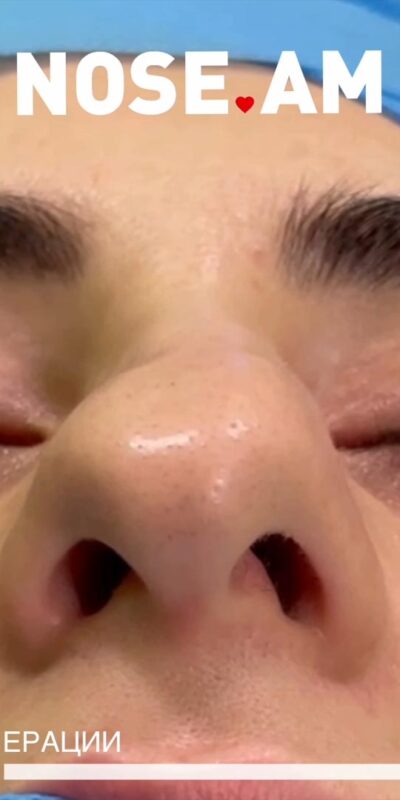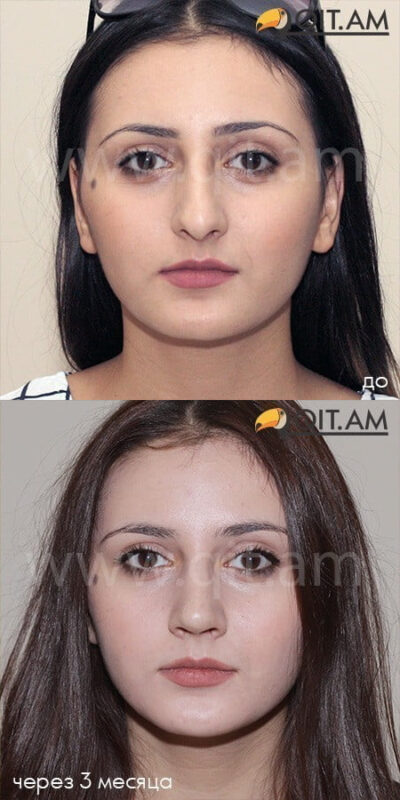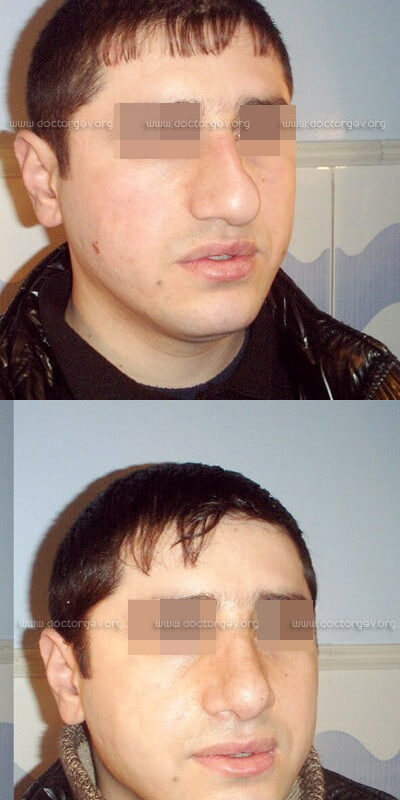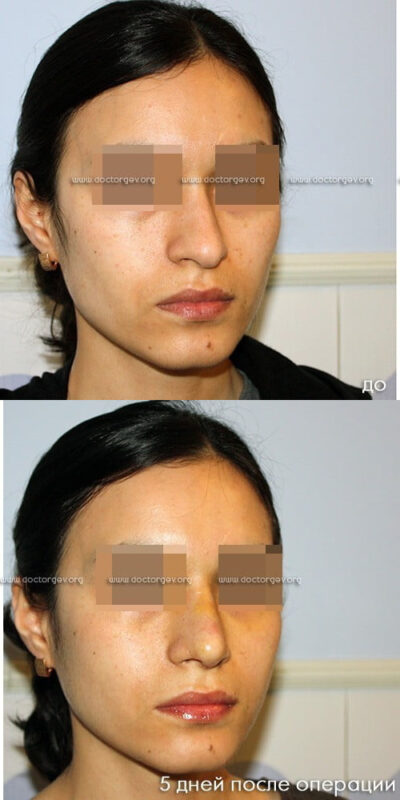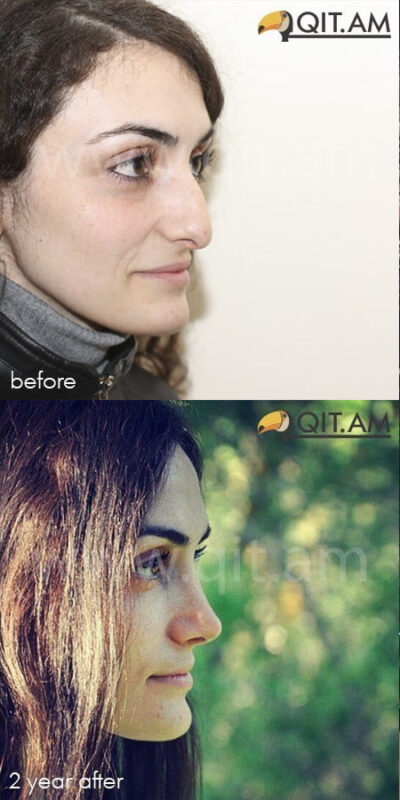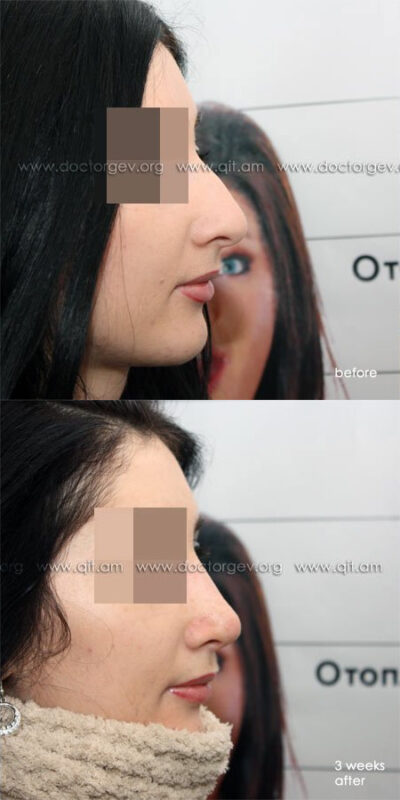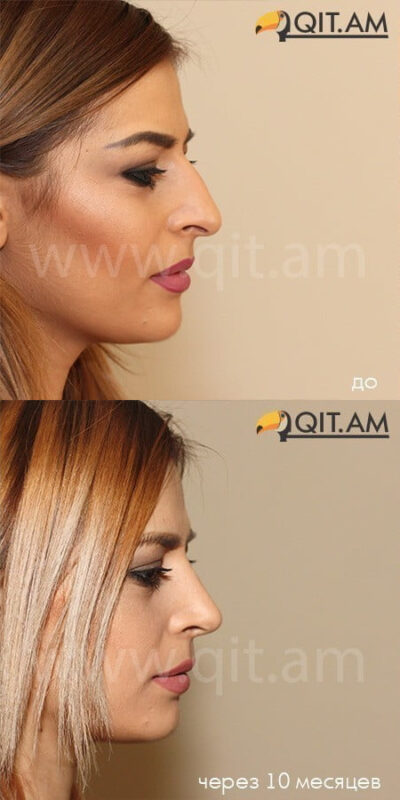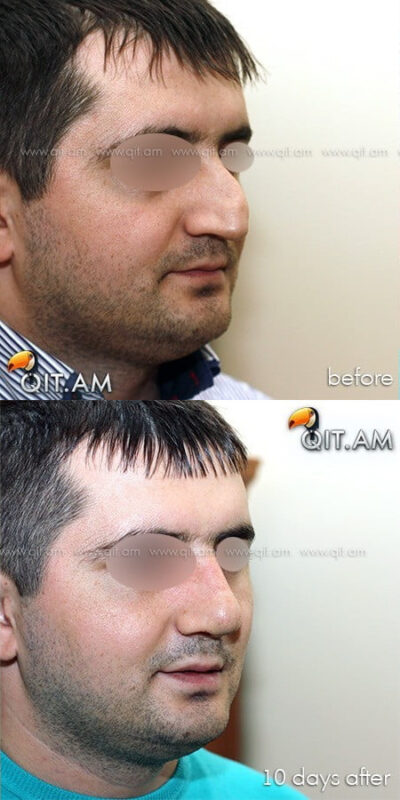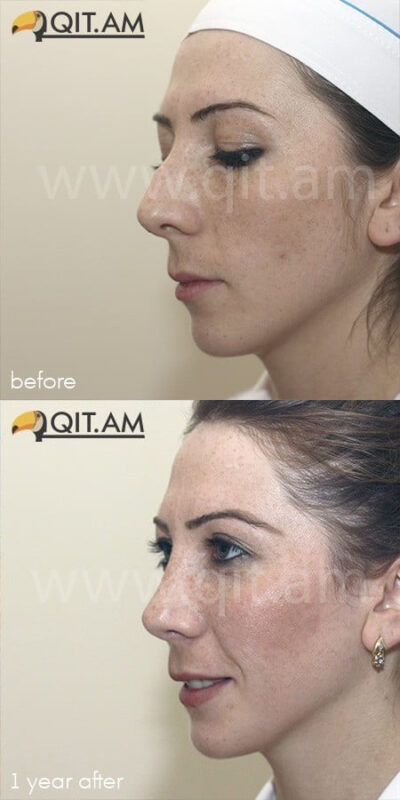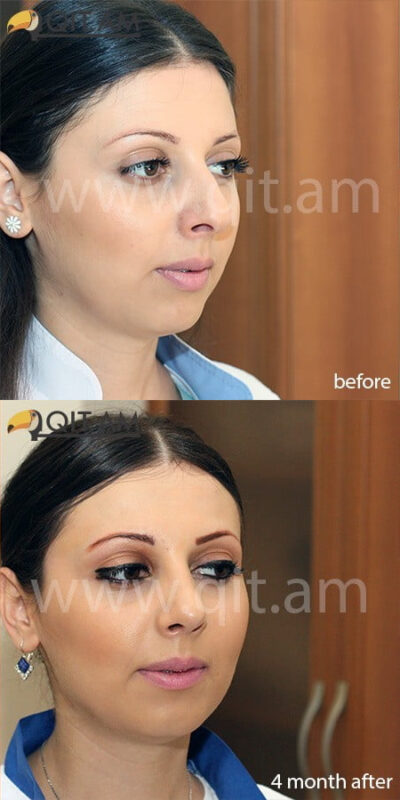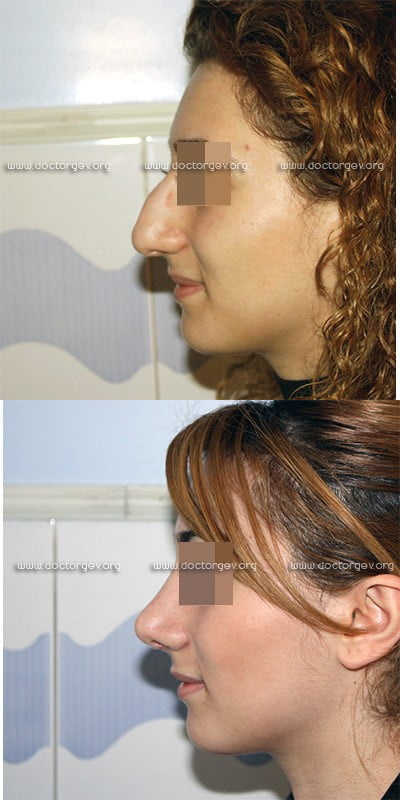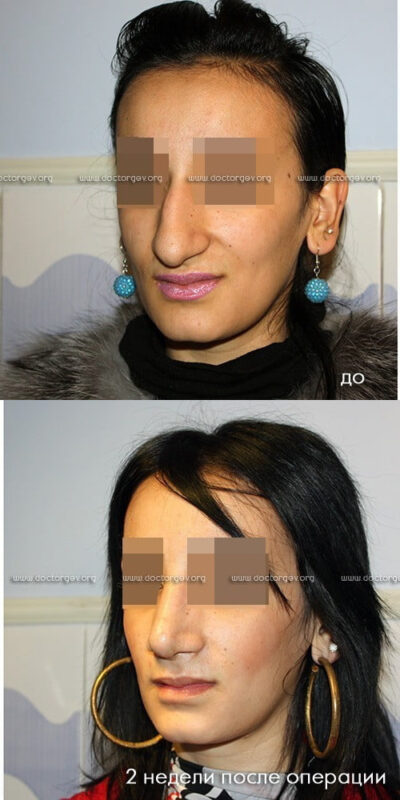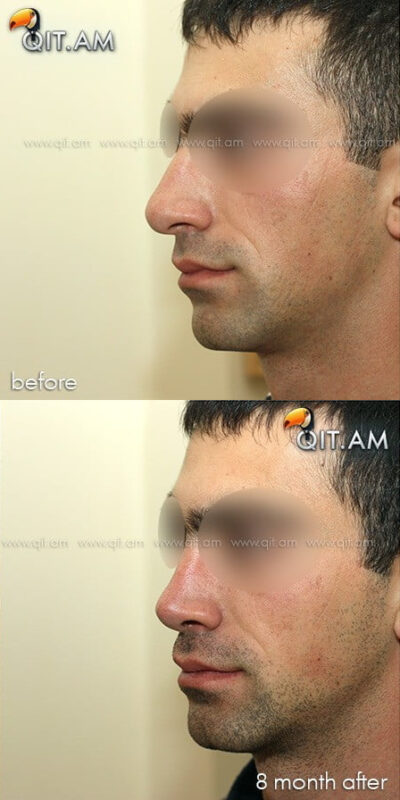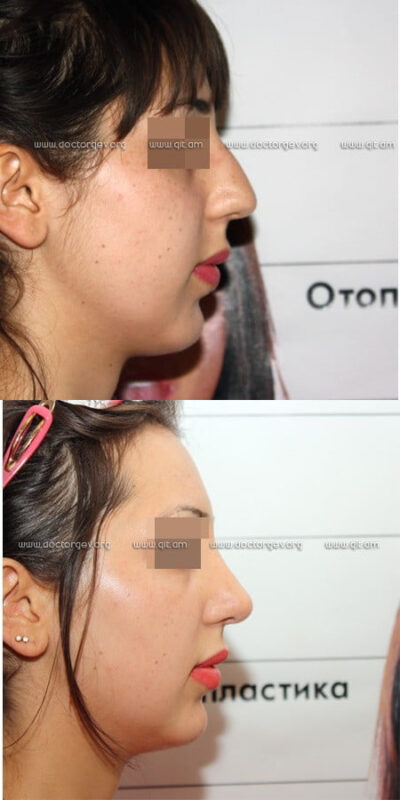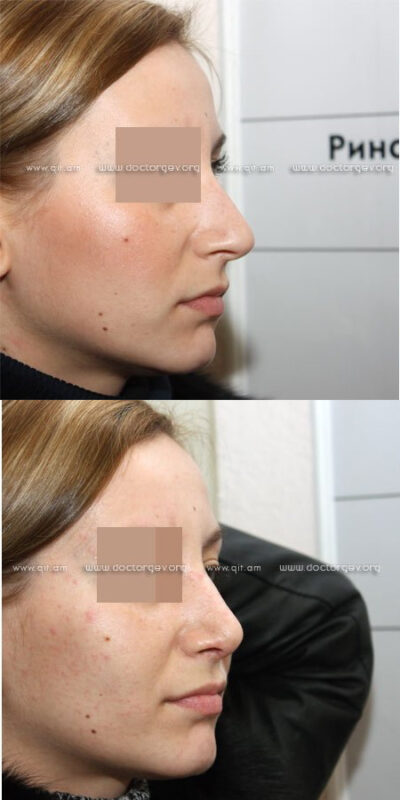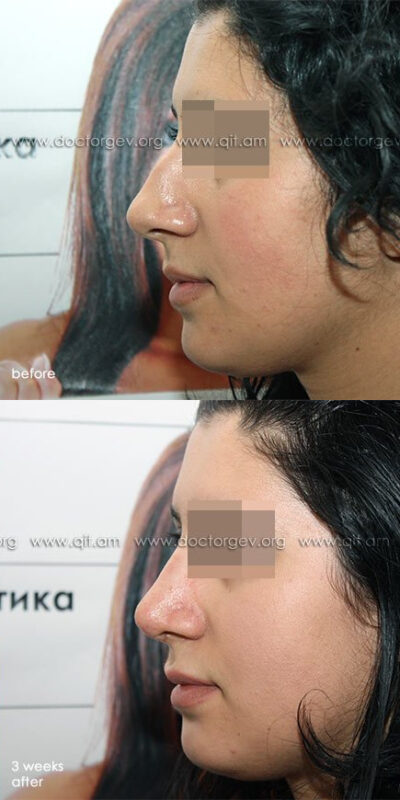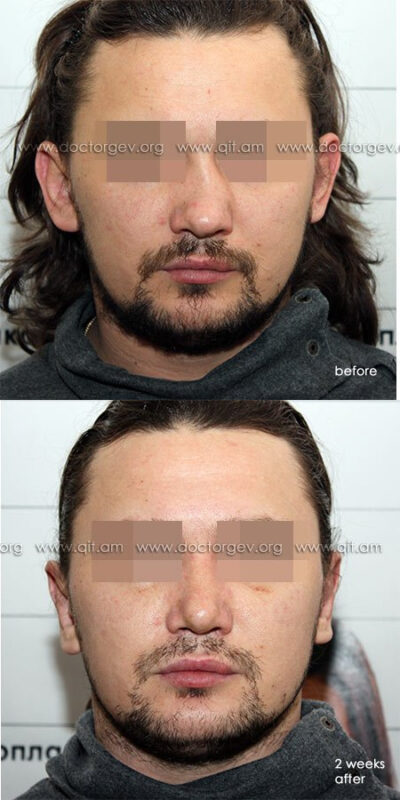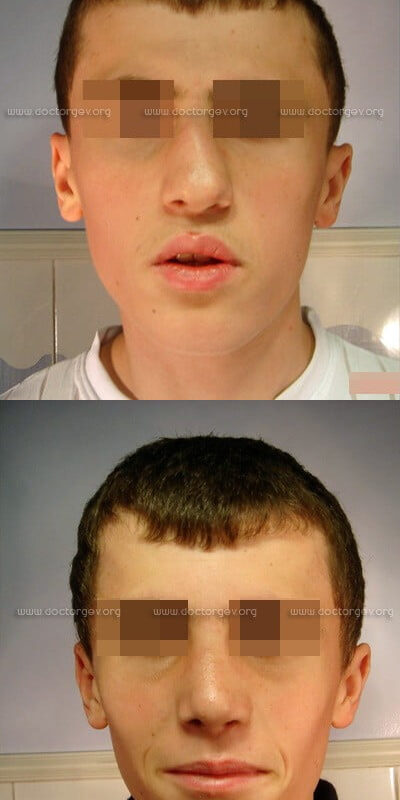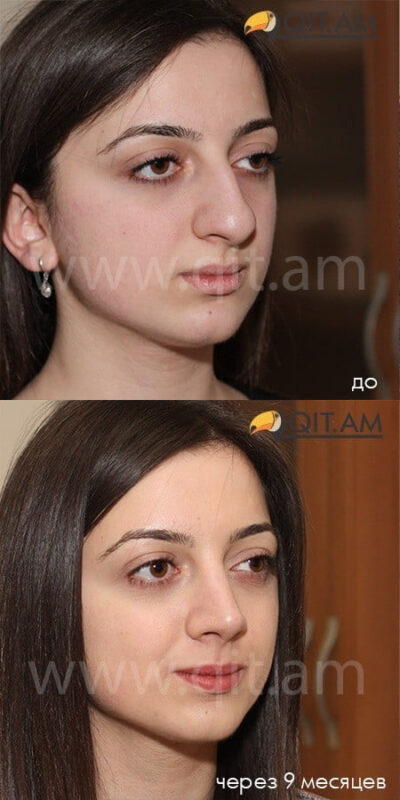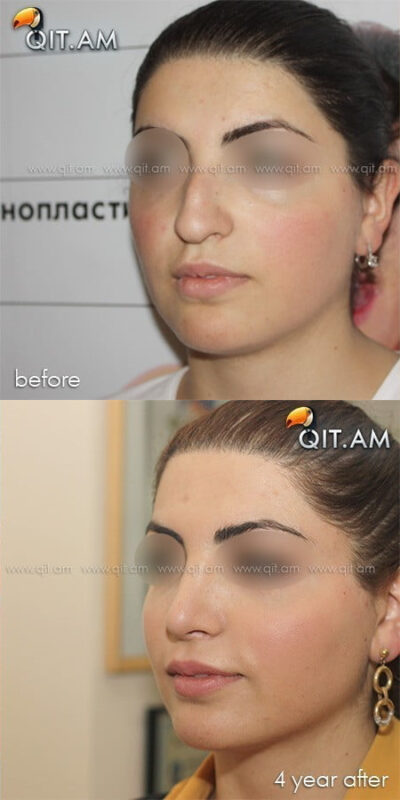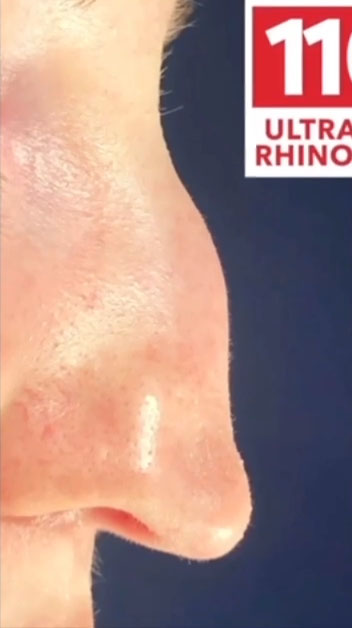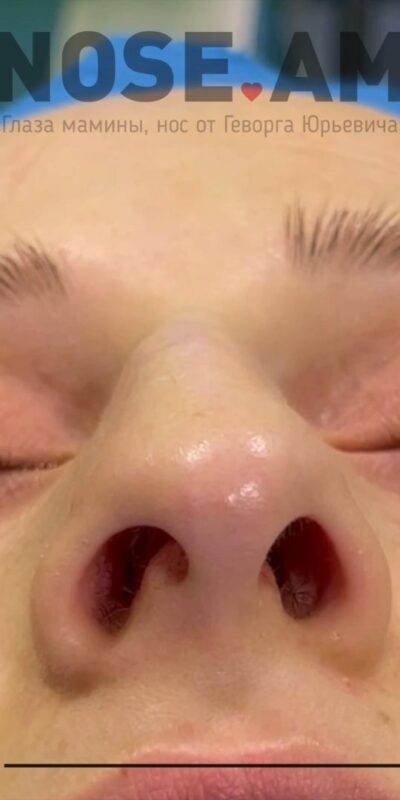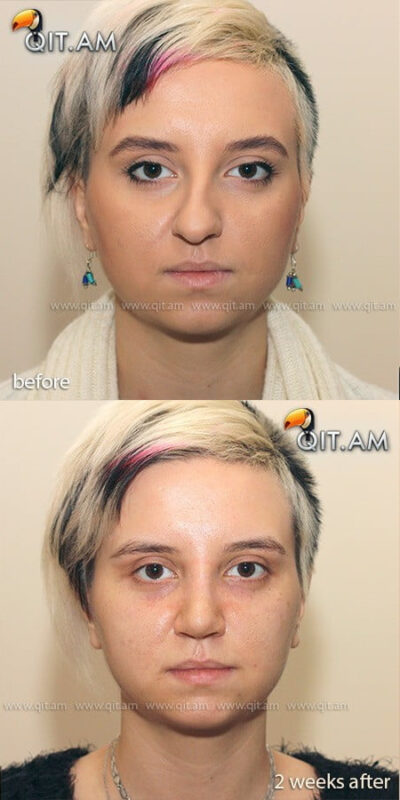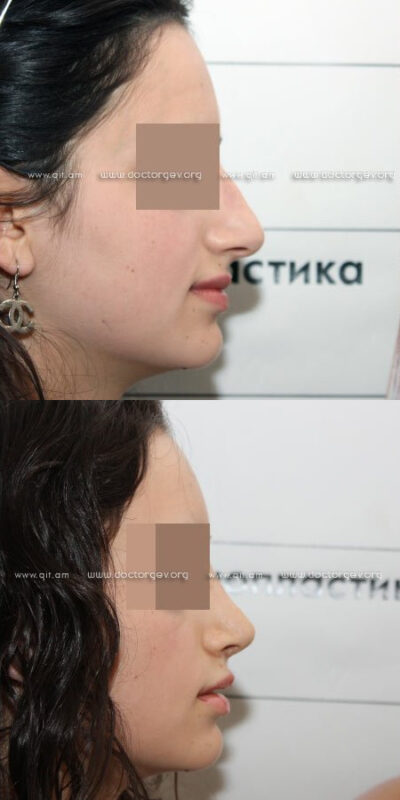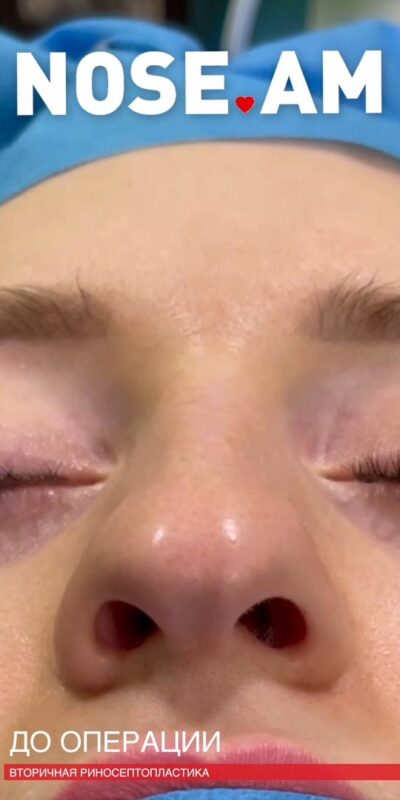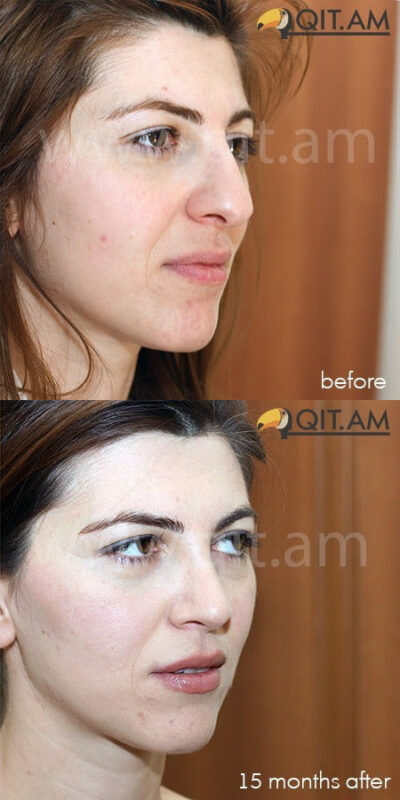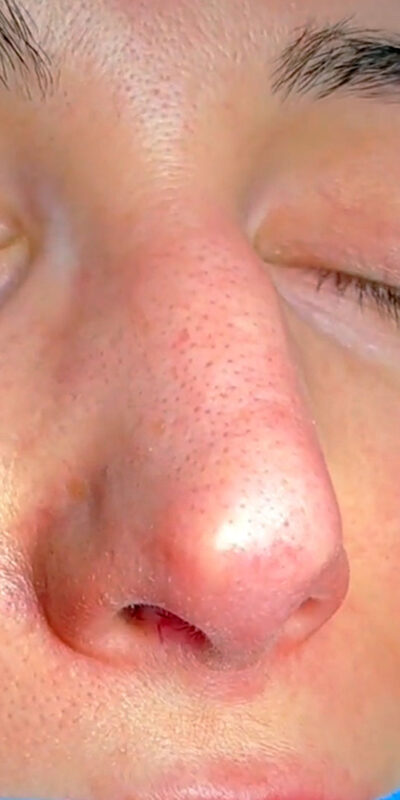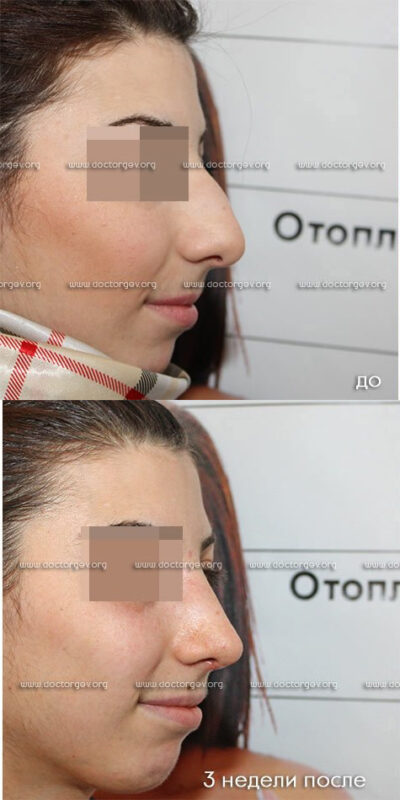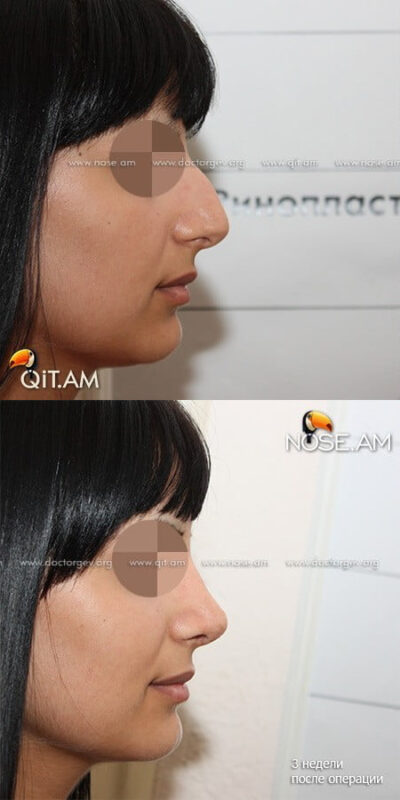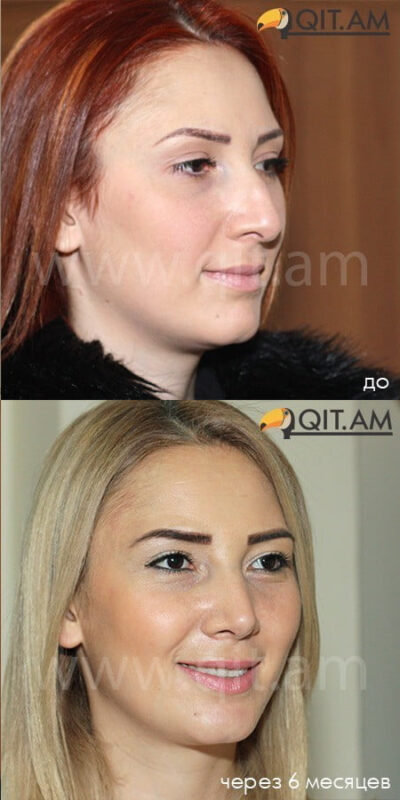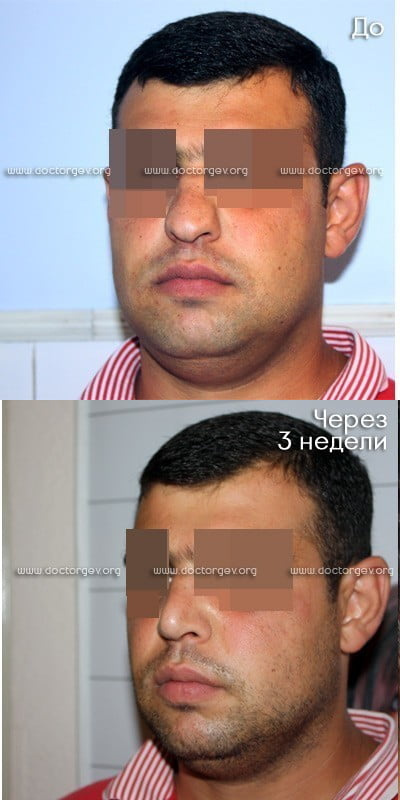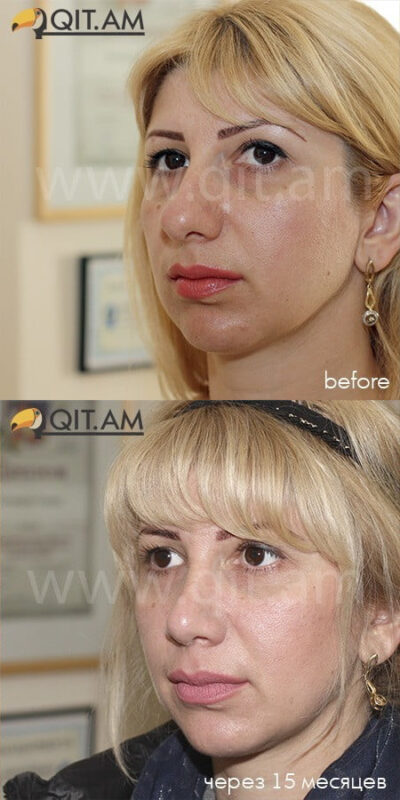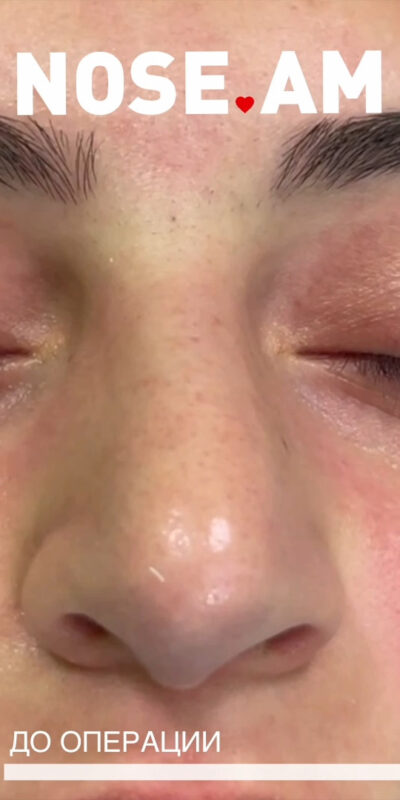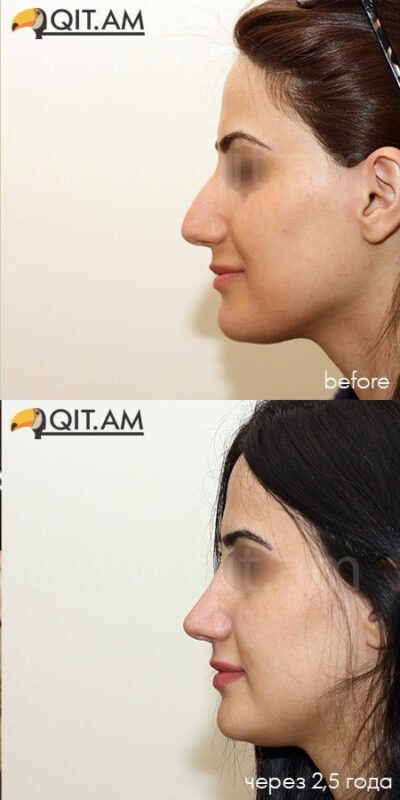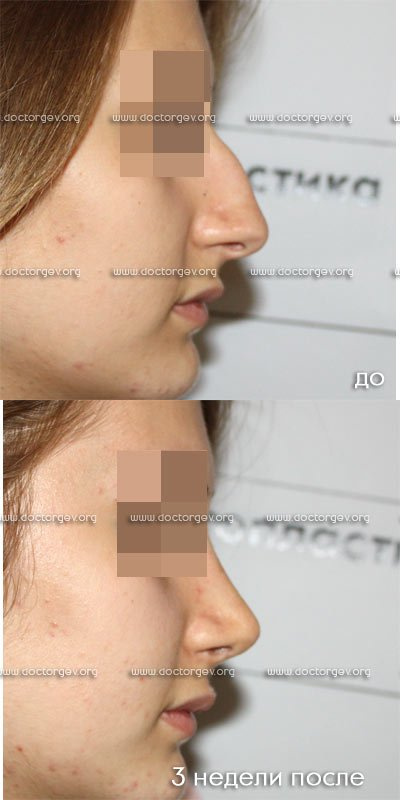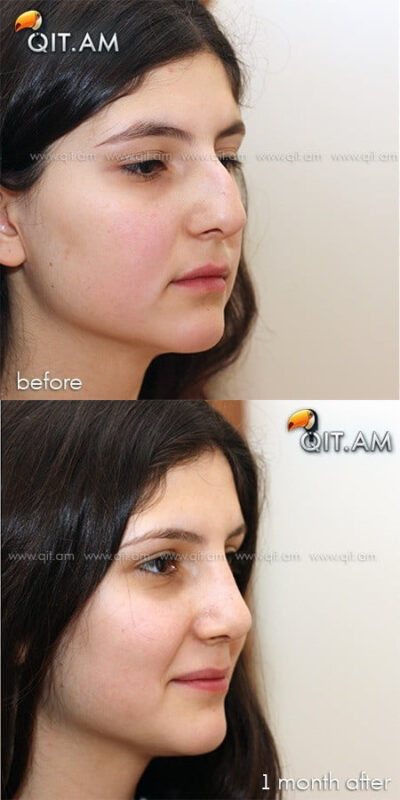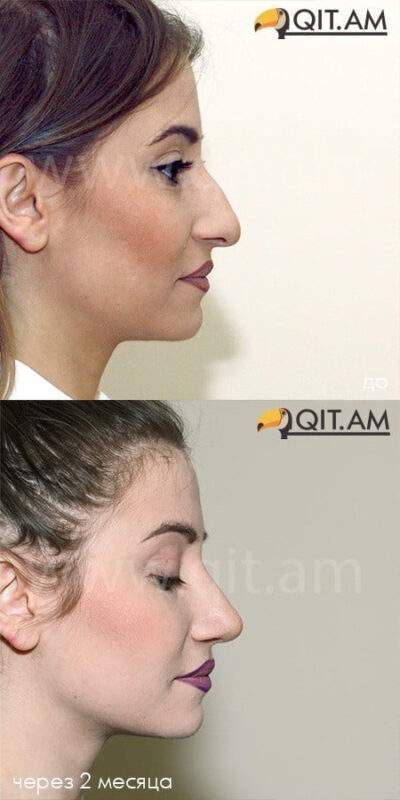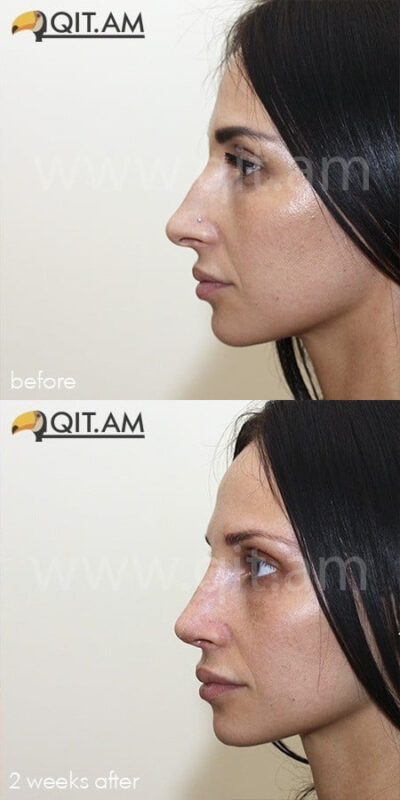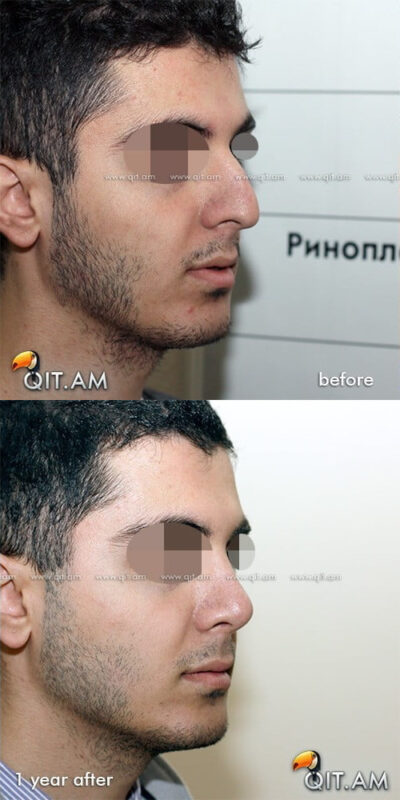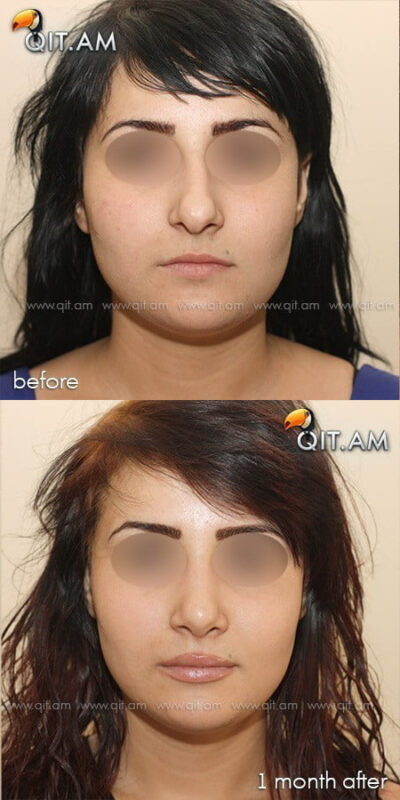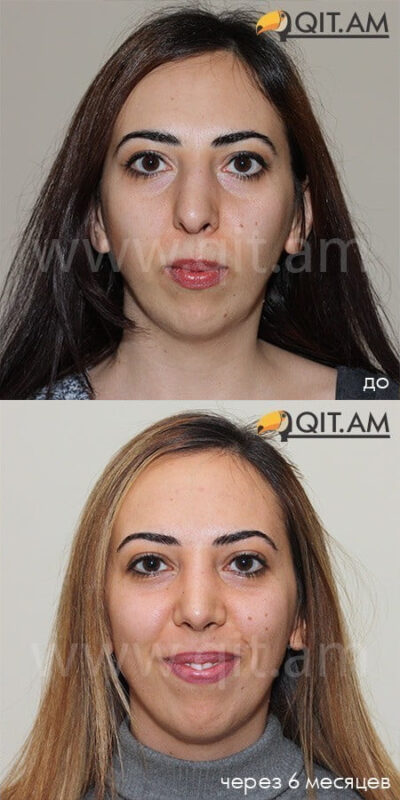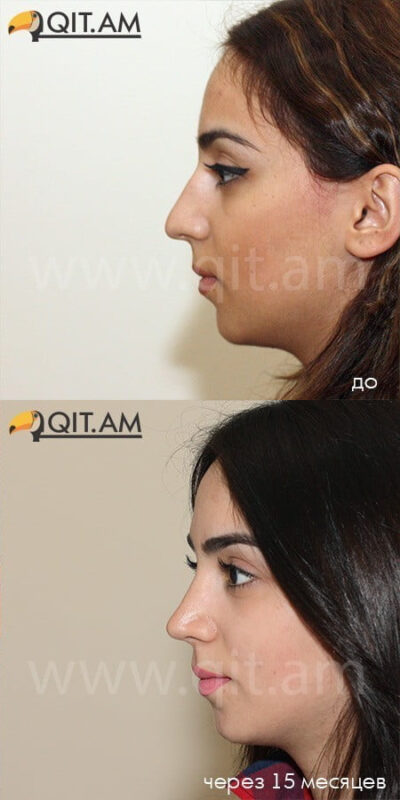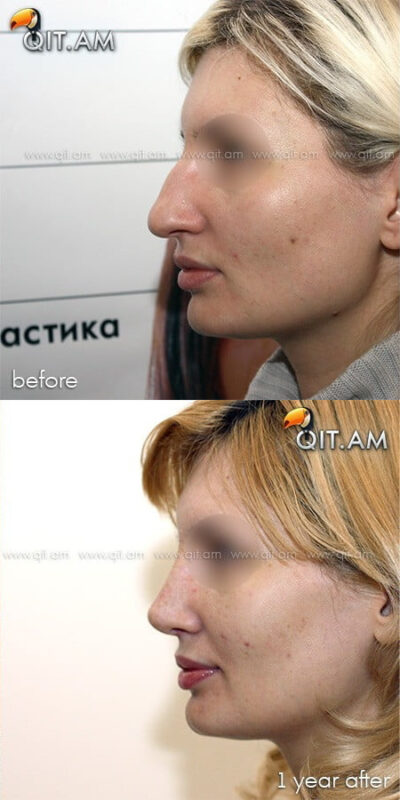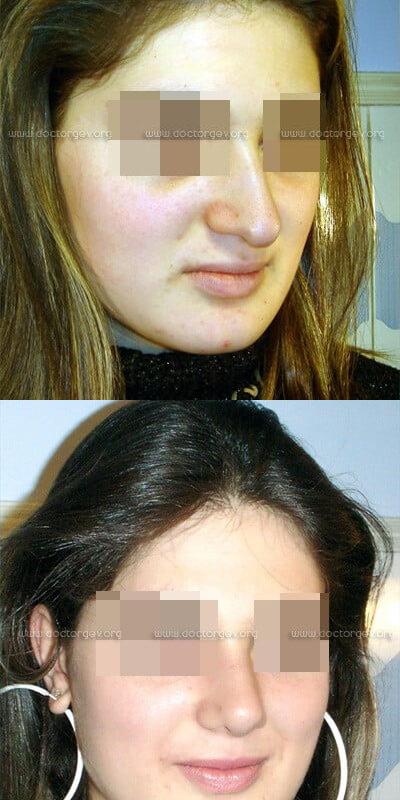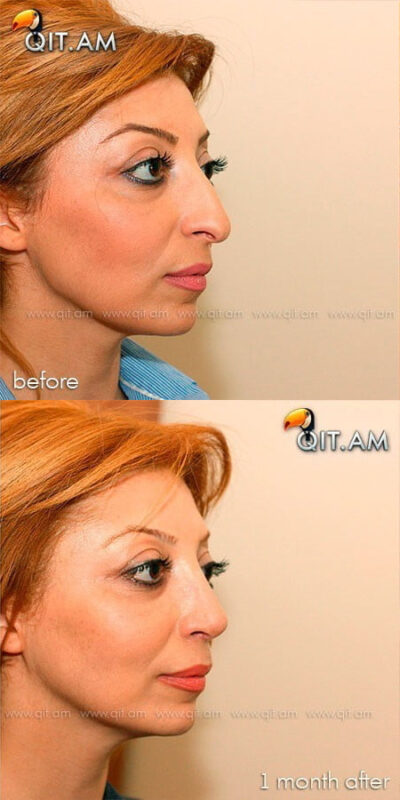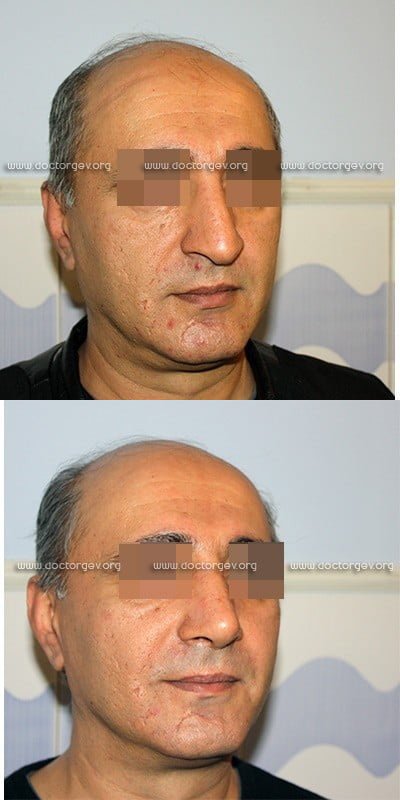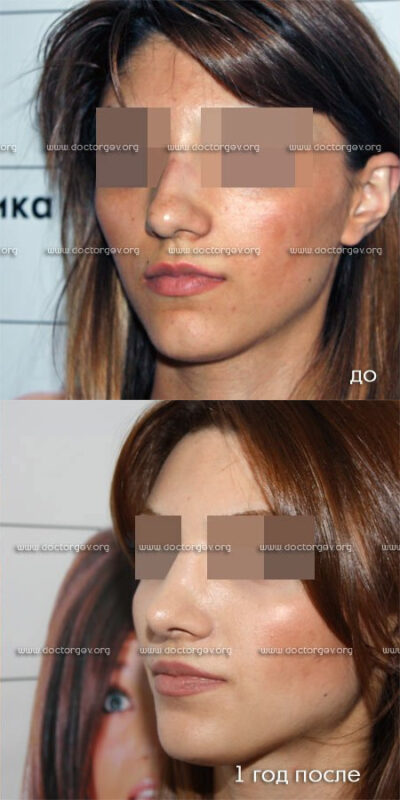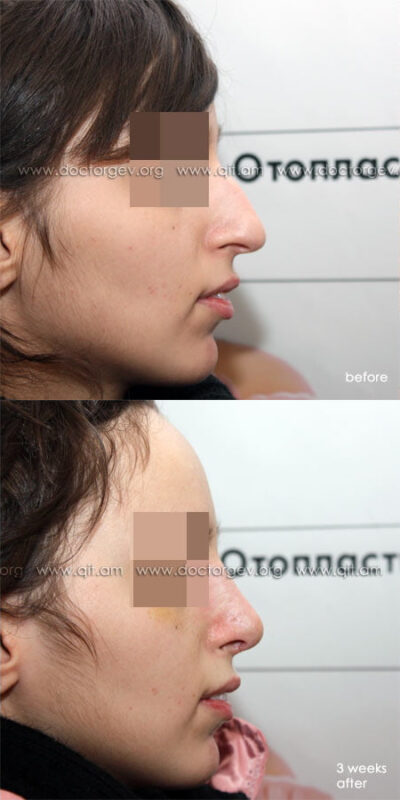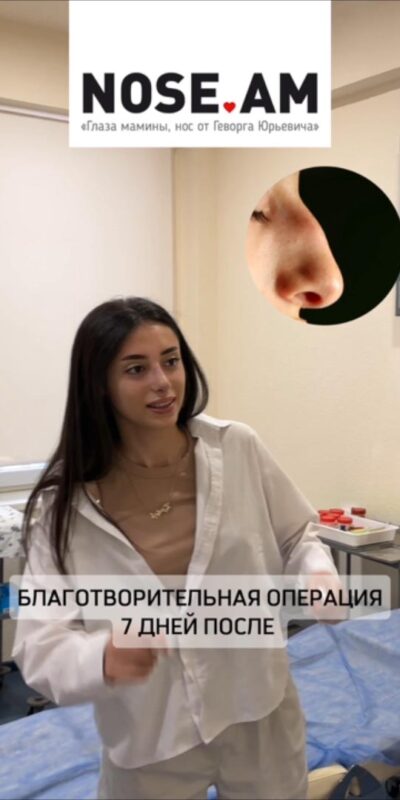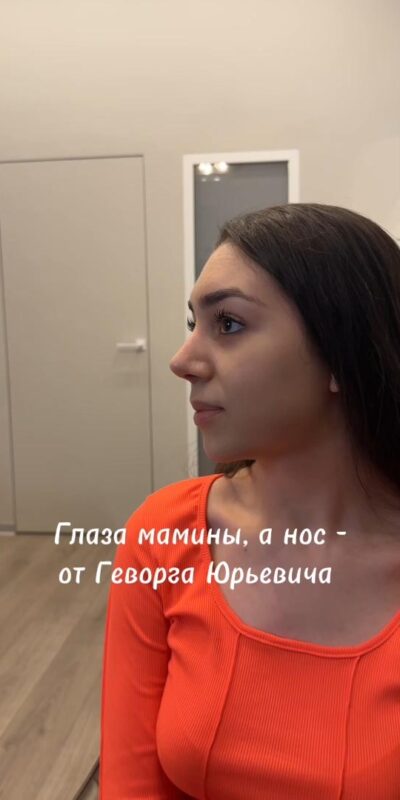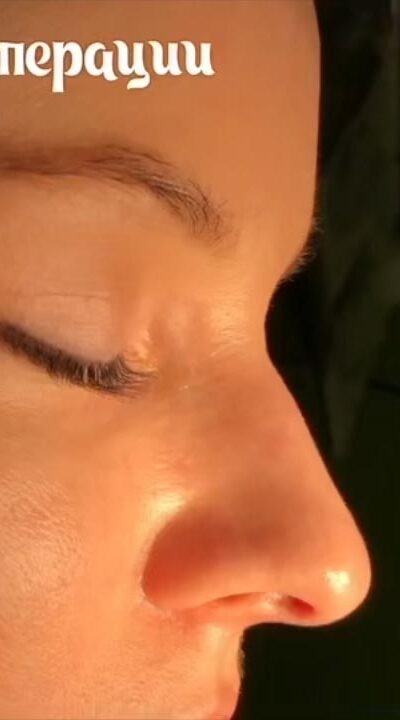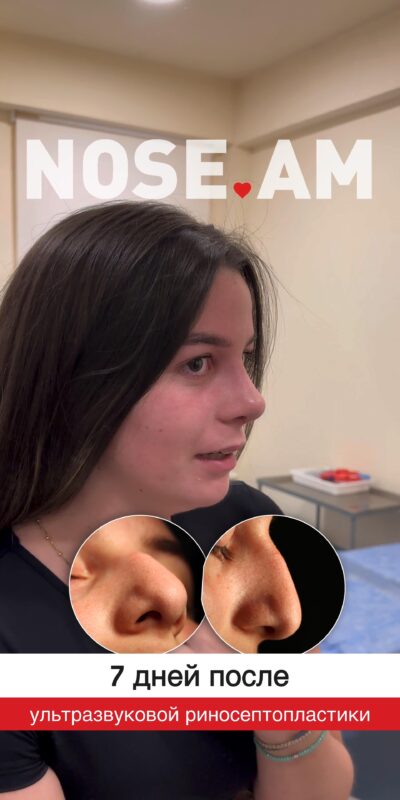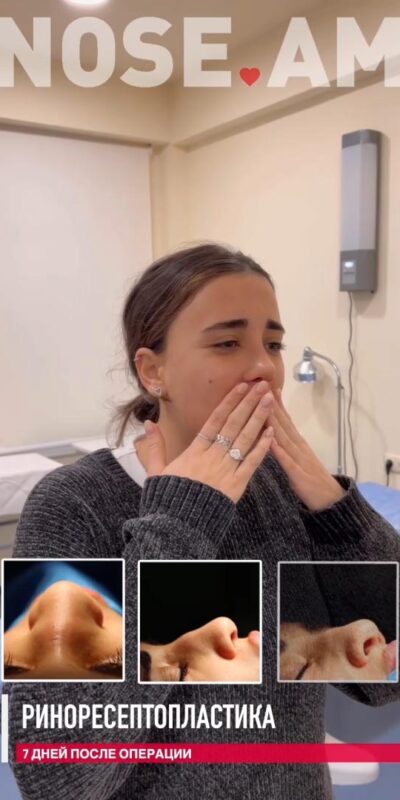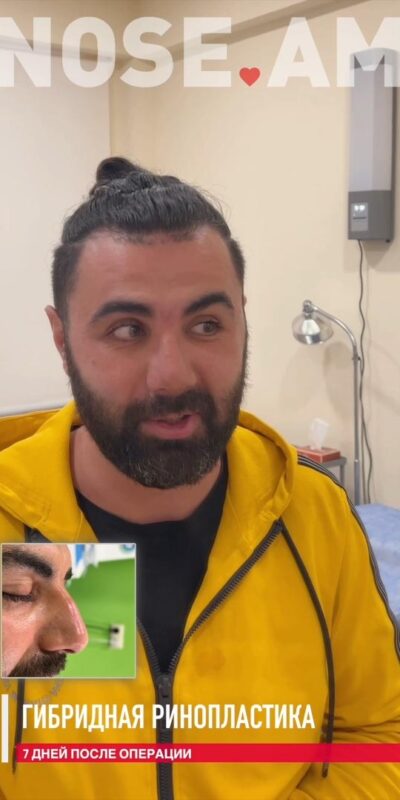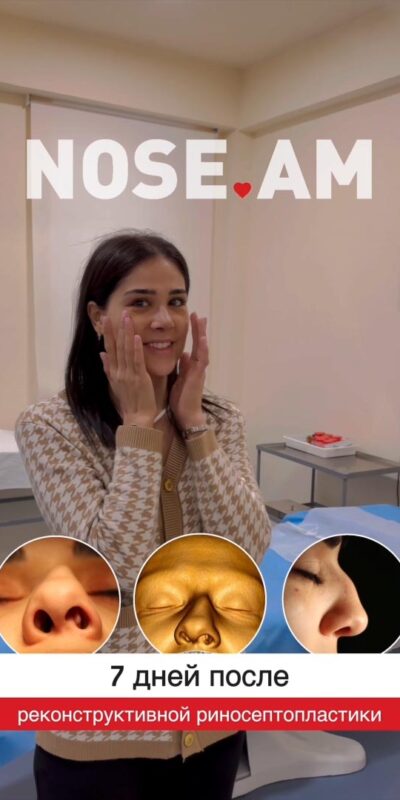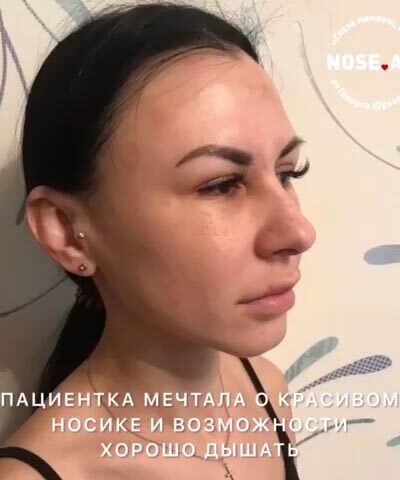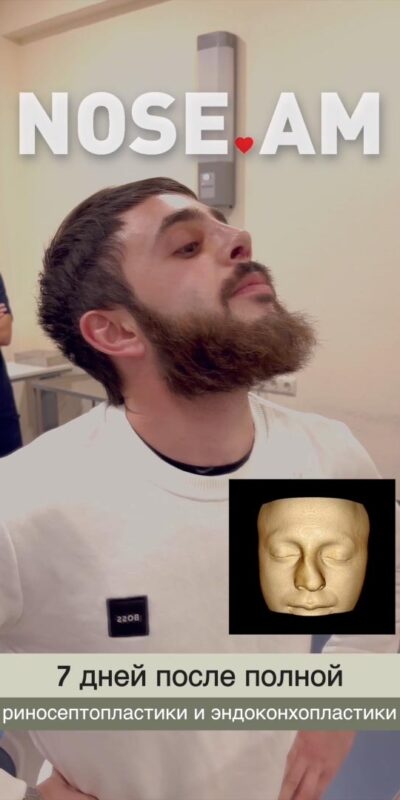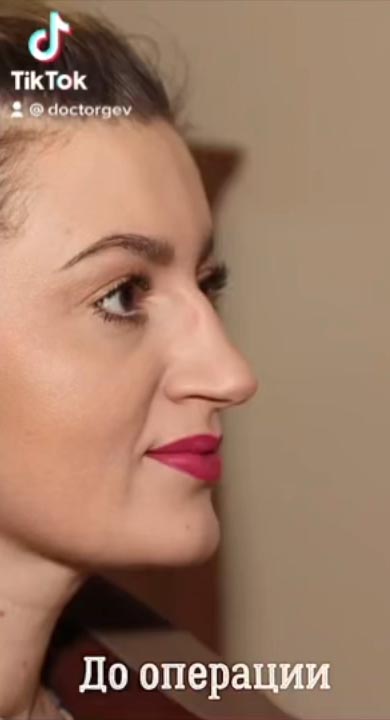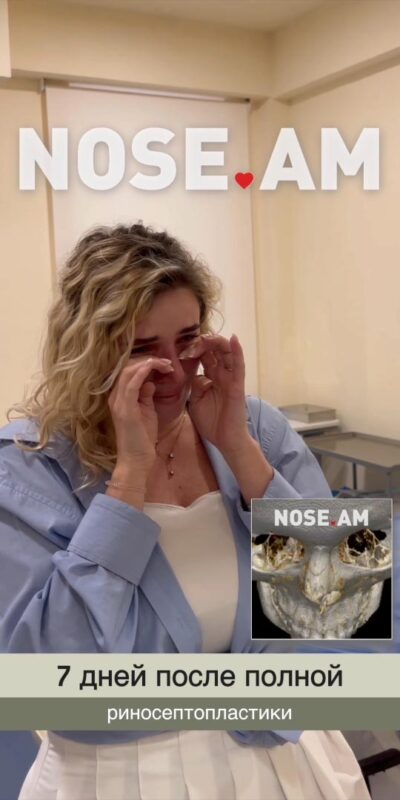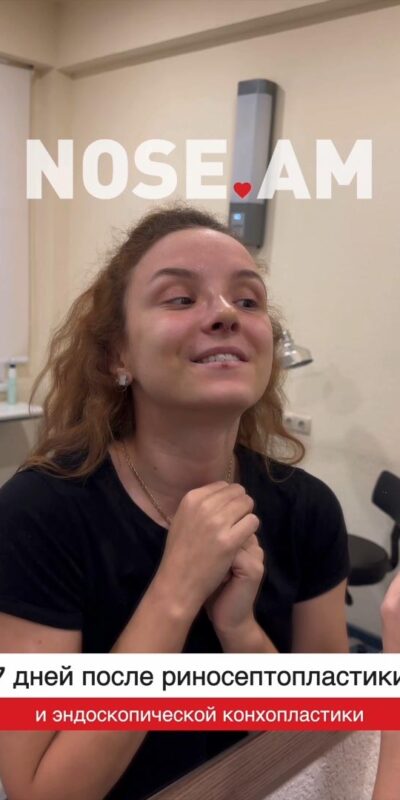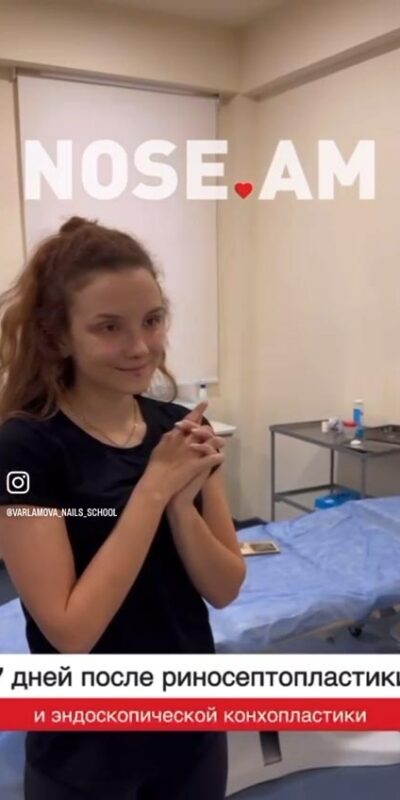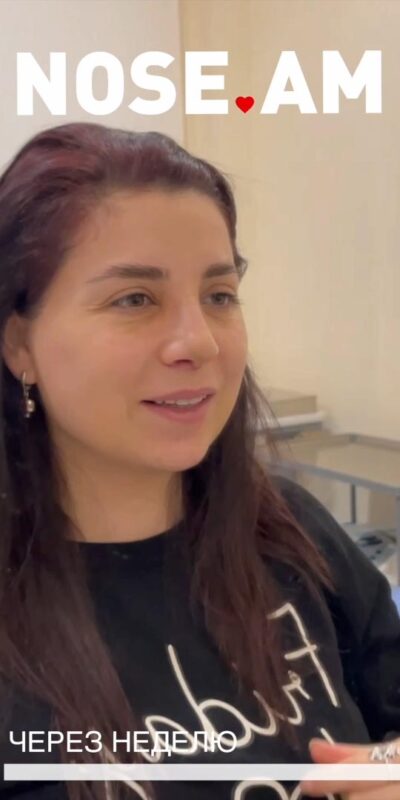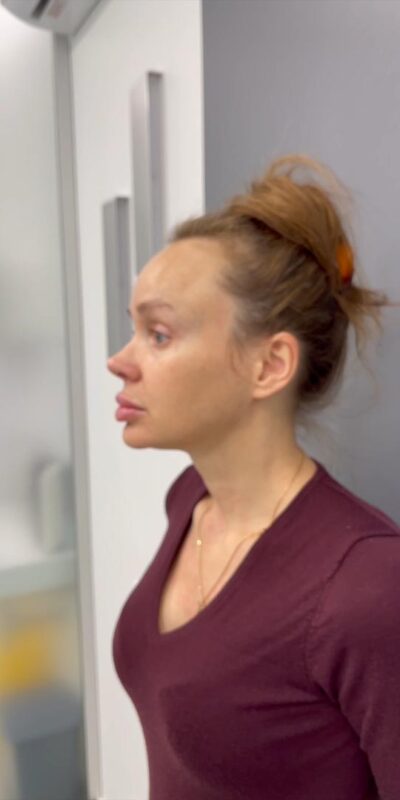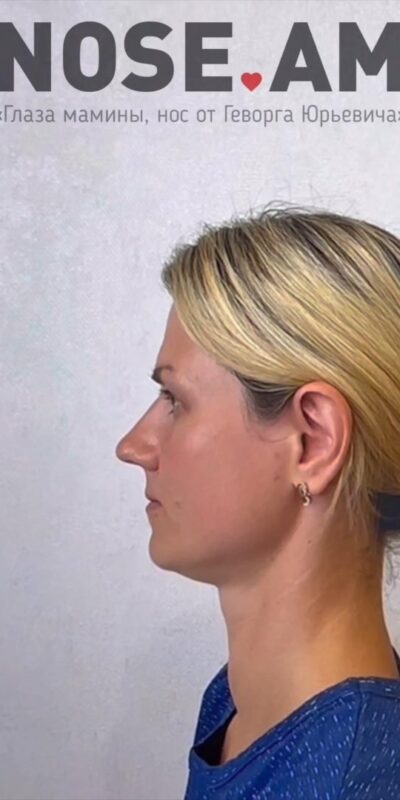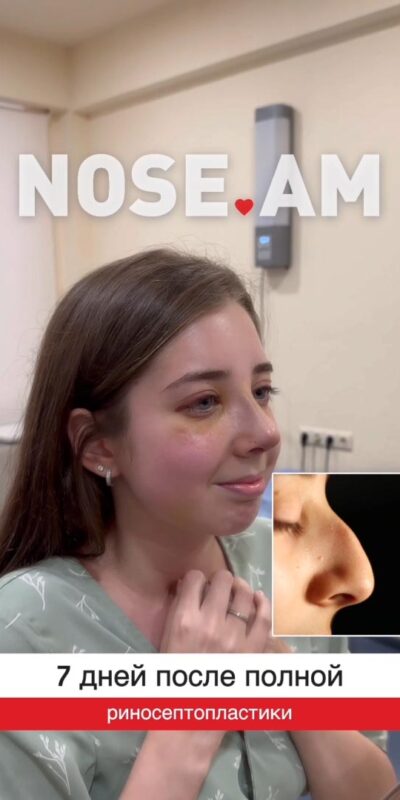

The surgery is behind you — it is a big step. But right now, the second stage begins: recovery. And it requires your involvement no less than the preparation for the surgery did.
How the nose changes over time — a realistic timeline
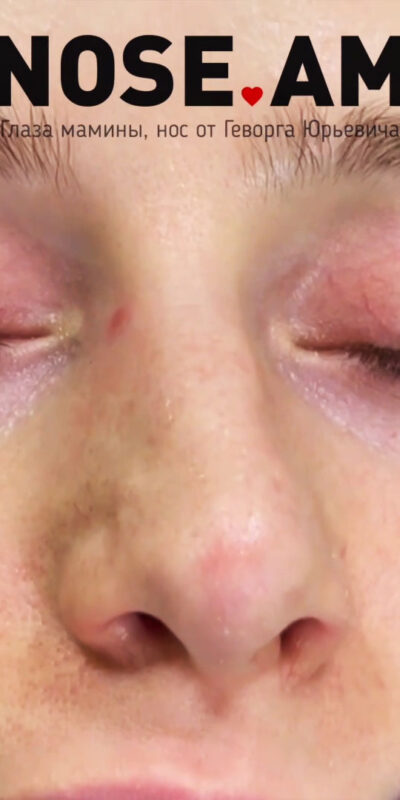
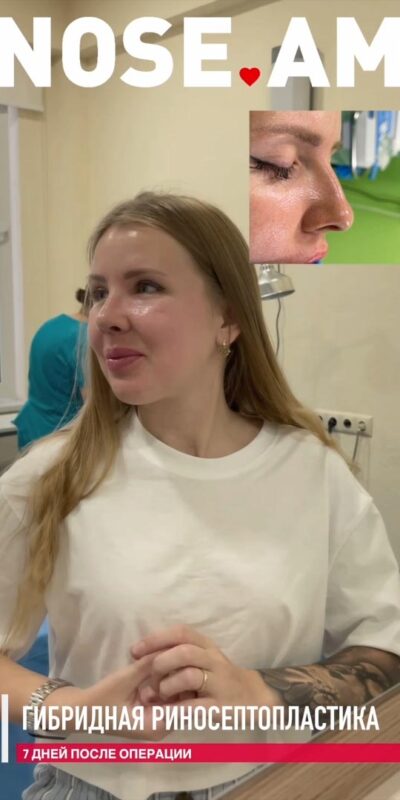
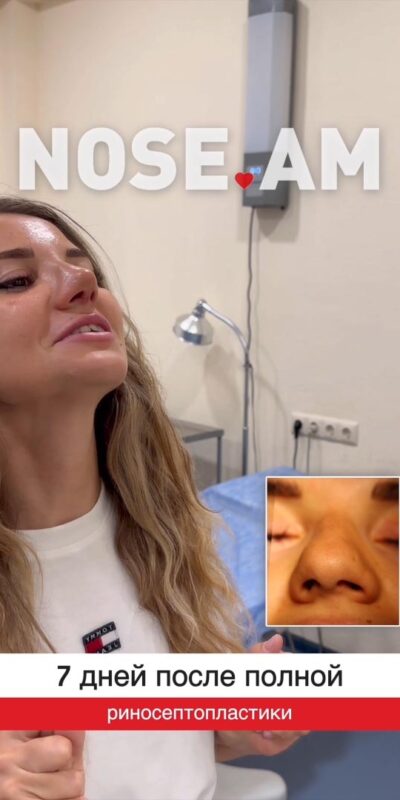
- Days 1–5: maximum swelling, nasal congestion, a feeling of pressure. Breathing through the nose is difficult but partially possible through the splints. Bruises under the eyes — disappear by day 5–7 for most people. This is normal.
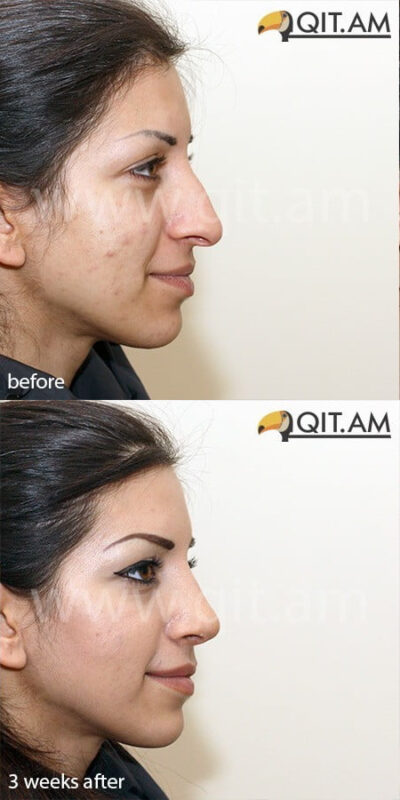
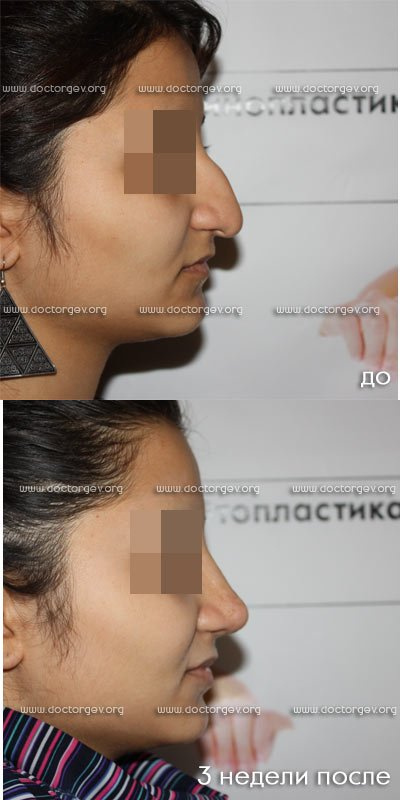
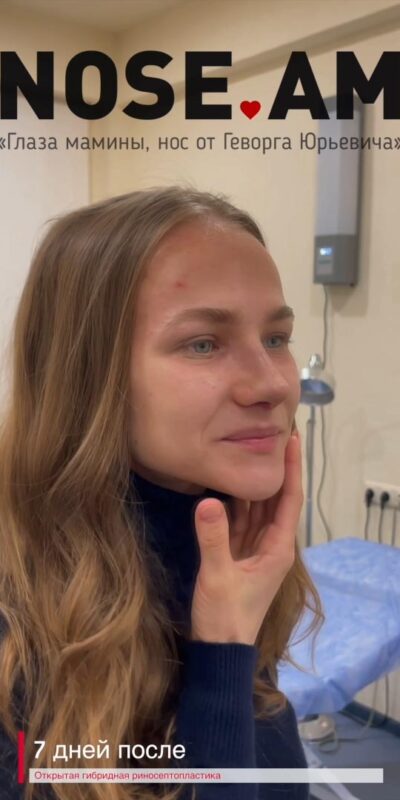
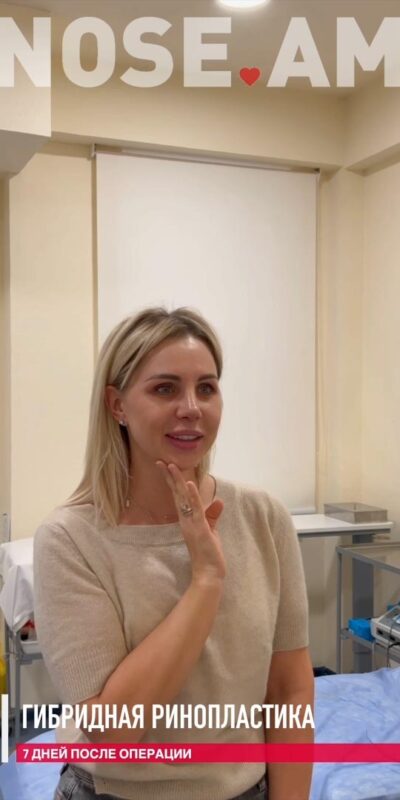
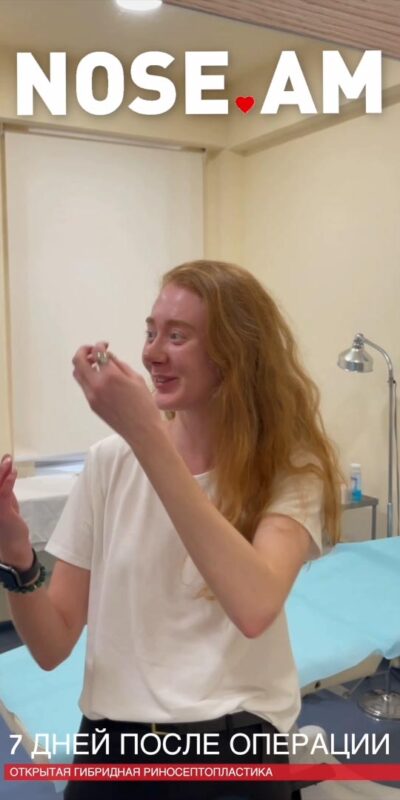
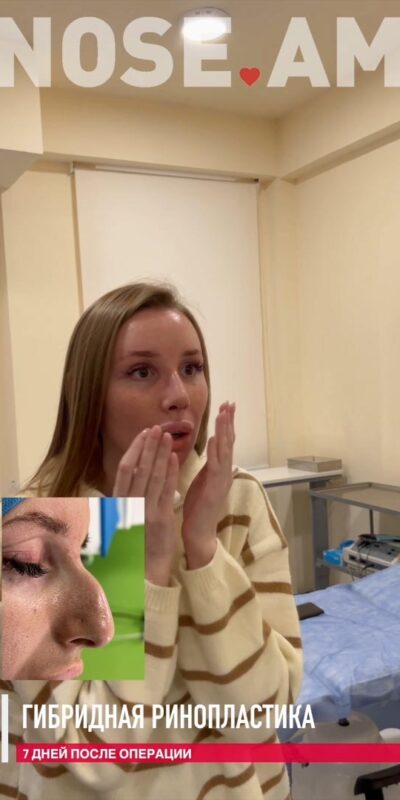
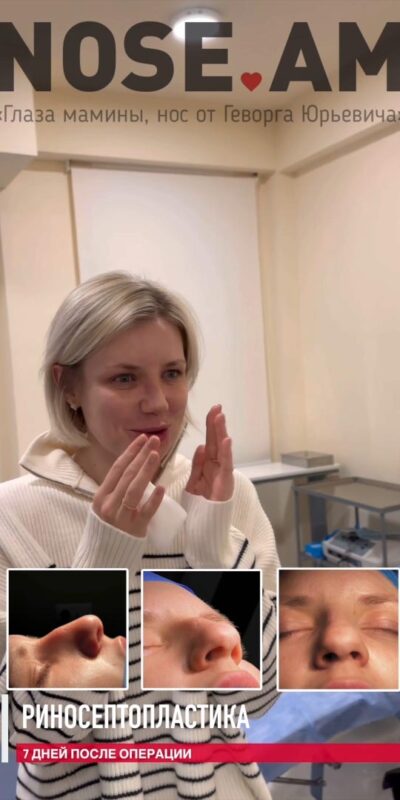
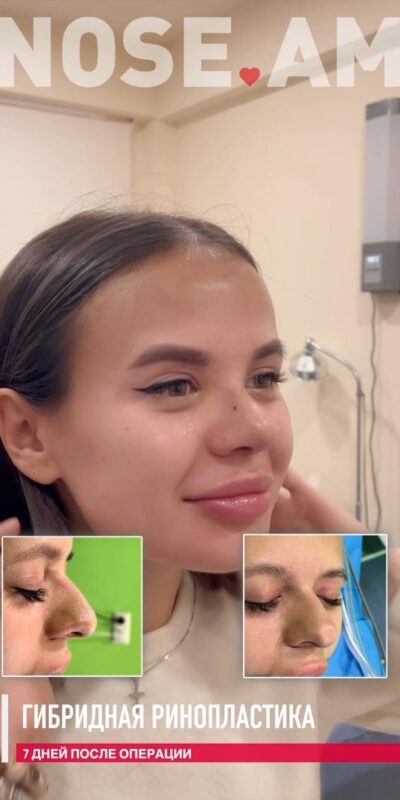
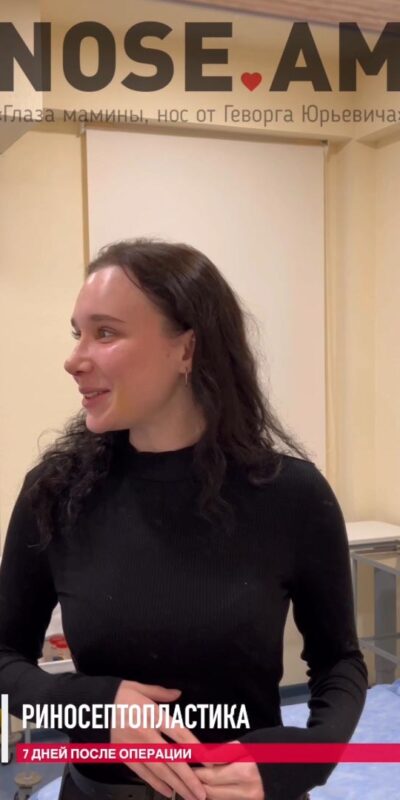
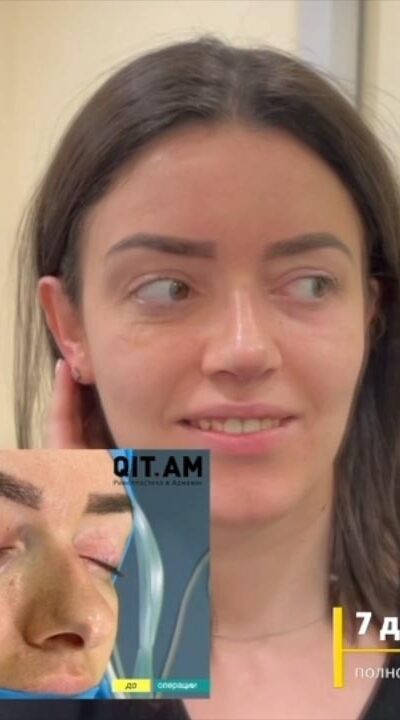
- Days 7–10: removal of the cast and splints. Breathing improves immediately. The nose is still swollen — the shape is still “rough,” and the tip appears droopy and wide. This is not the final look.
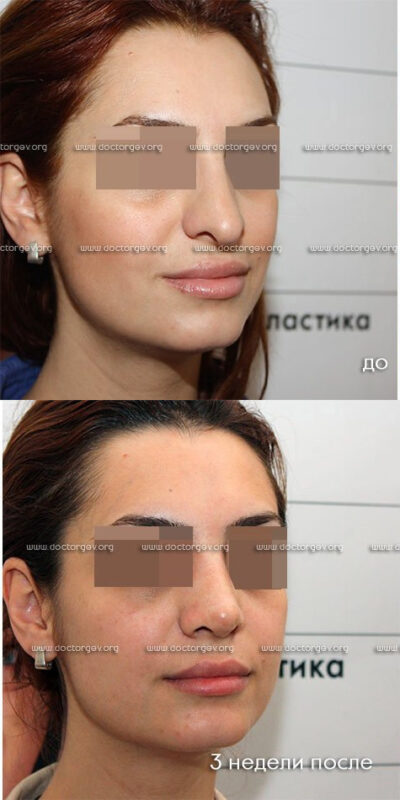
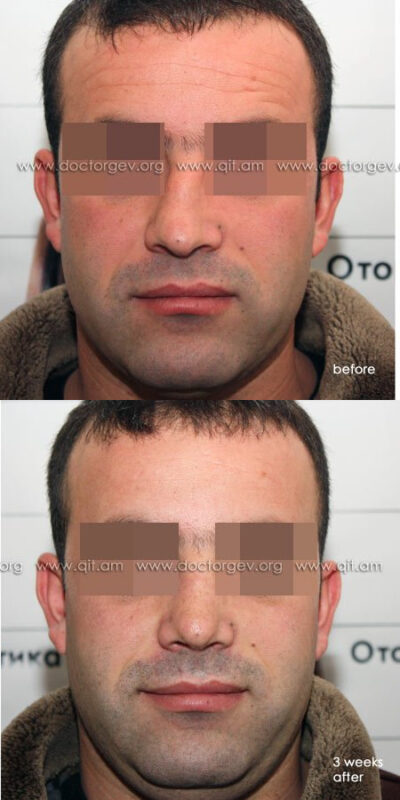
- Weeks 2–4: return to sedentary work and light walks. Swelling decreases noticeably but unevenly — the tip of the nose remains swollen the longest.
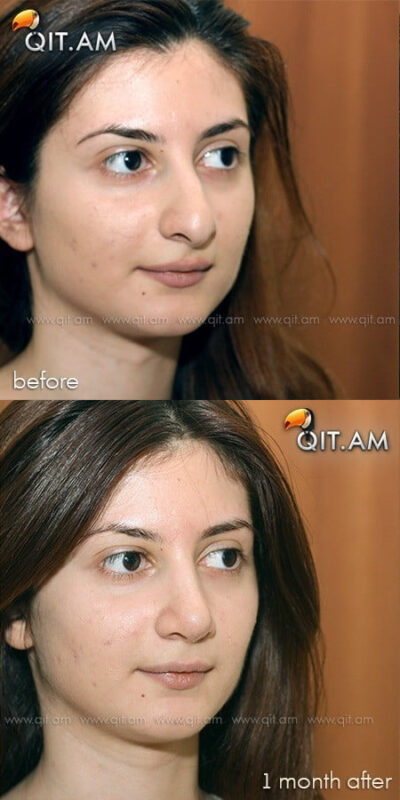
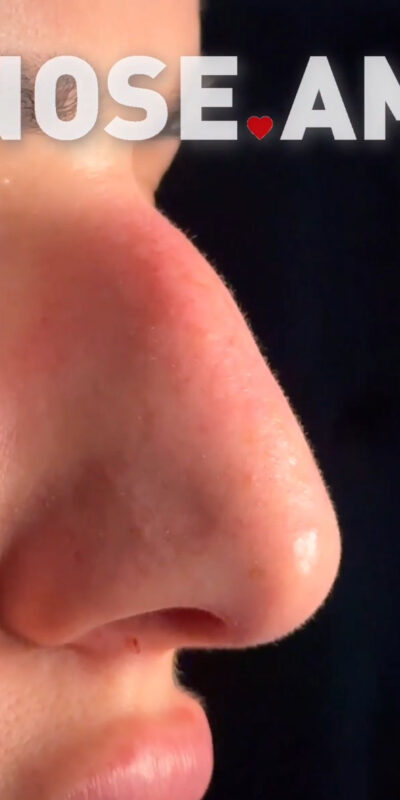
- Months 2–3: the main part of the swelling subsides. The shape becomes more defined, and the first outlines of the result appear. This is not the final result yet — the tip continues to change.
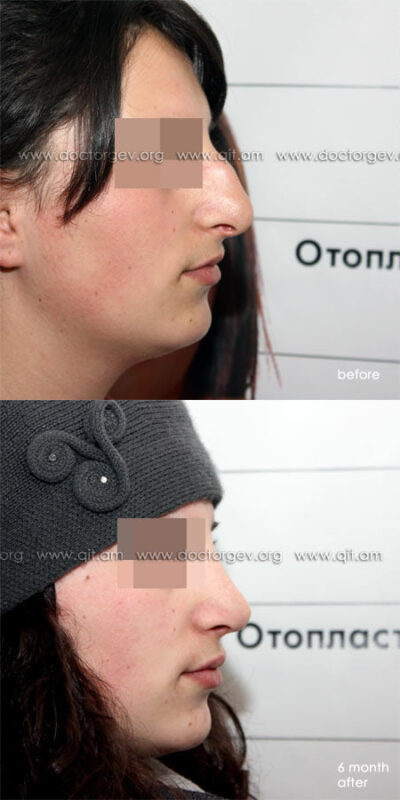
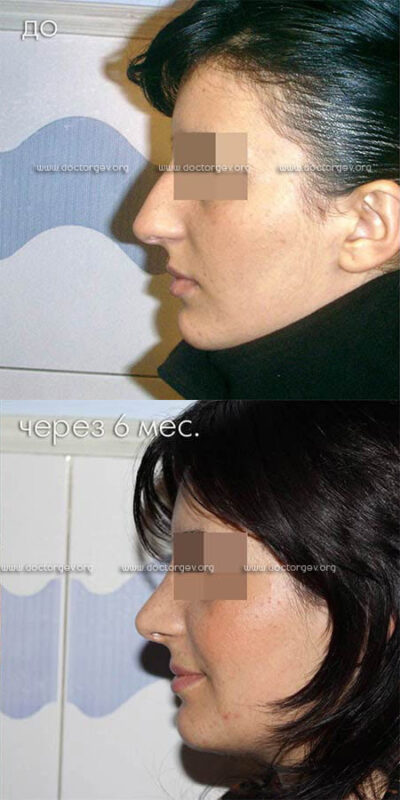
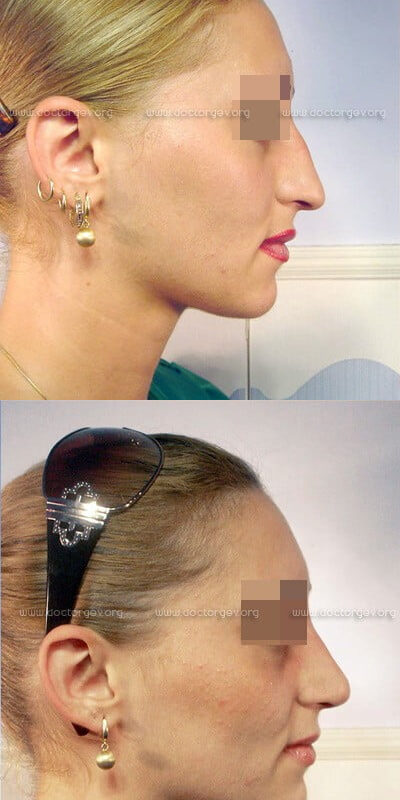
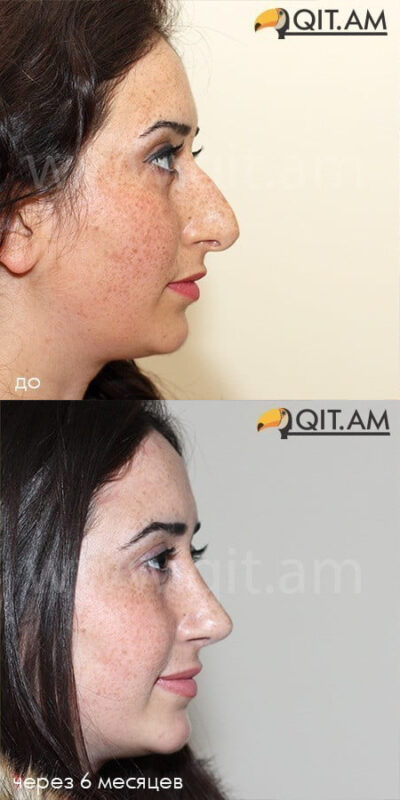
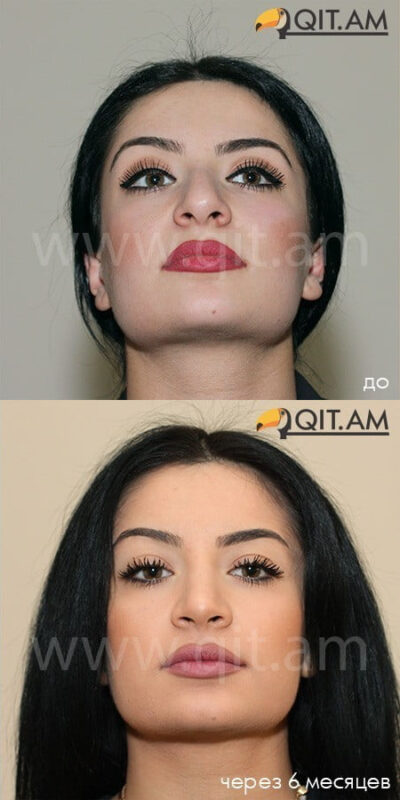
- 6 months: about 75–80% of the final result. The first reasonable conclusions can be drawn here.
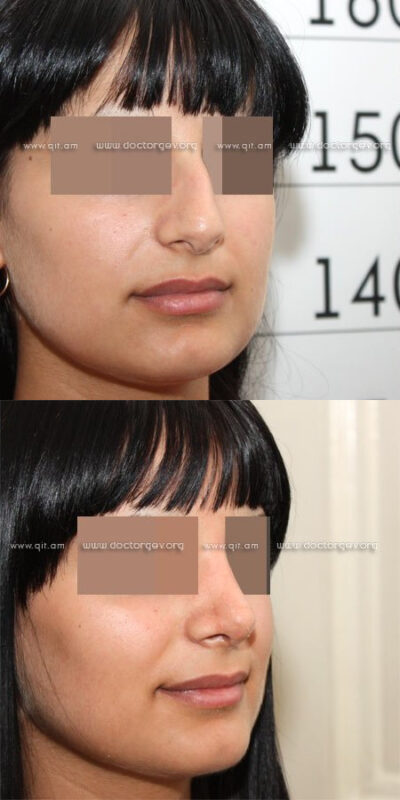
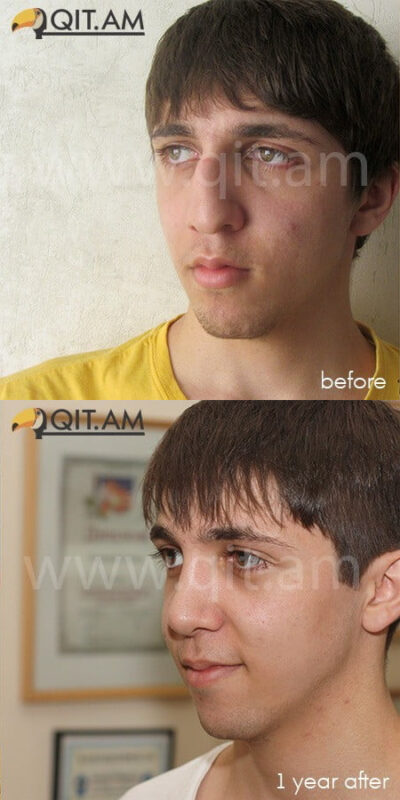
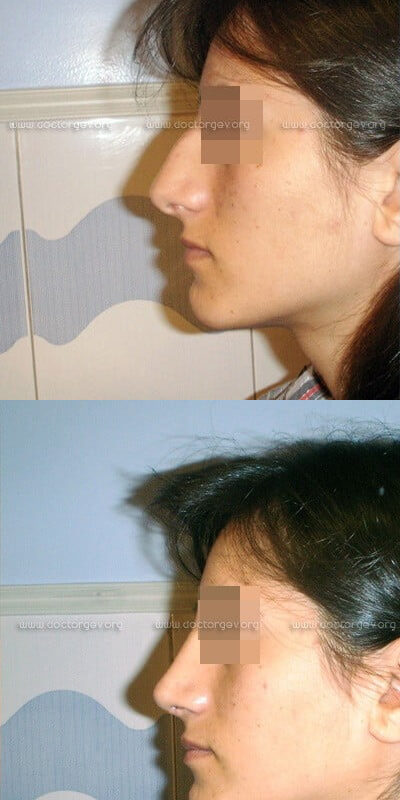
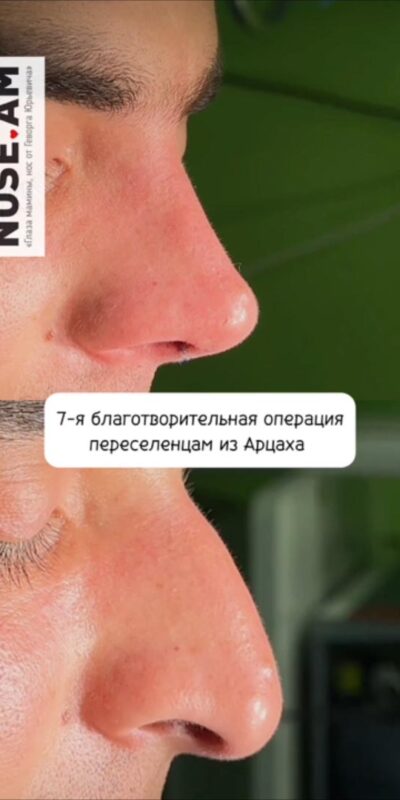
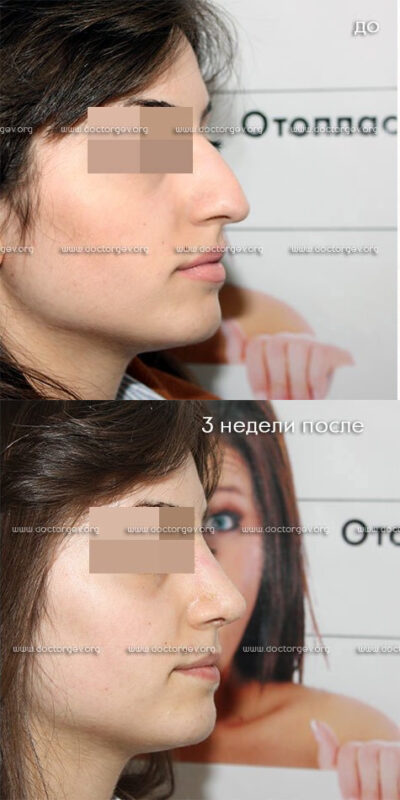
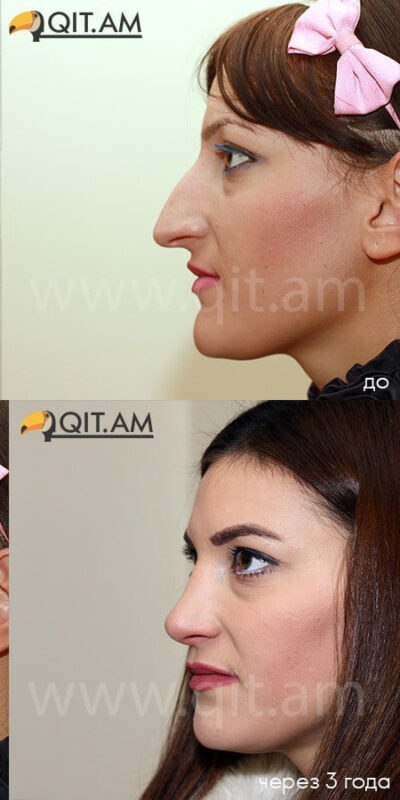
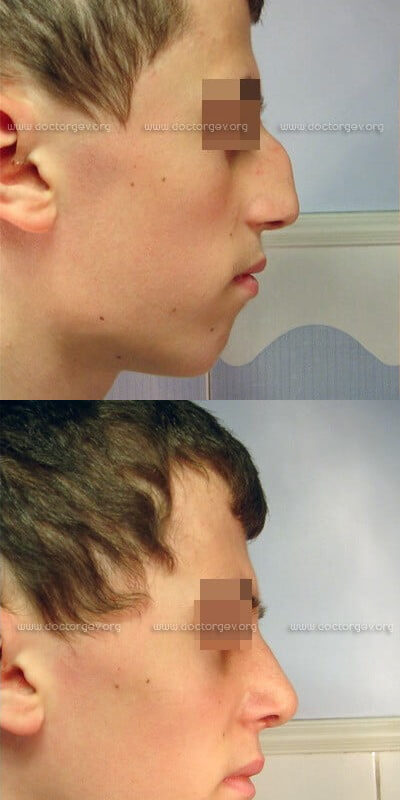
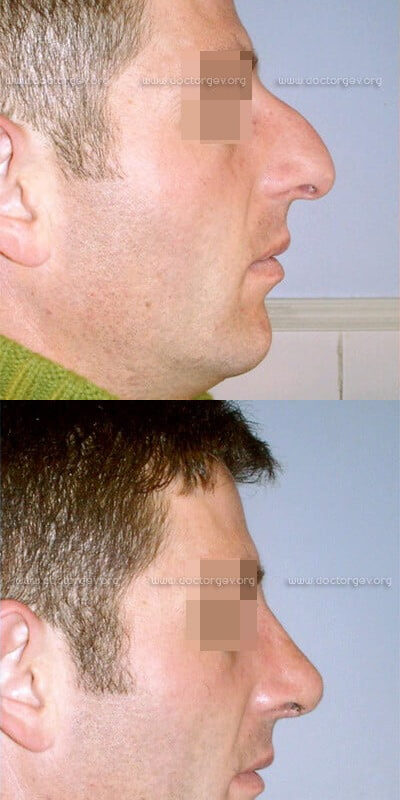
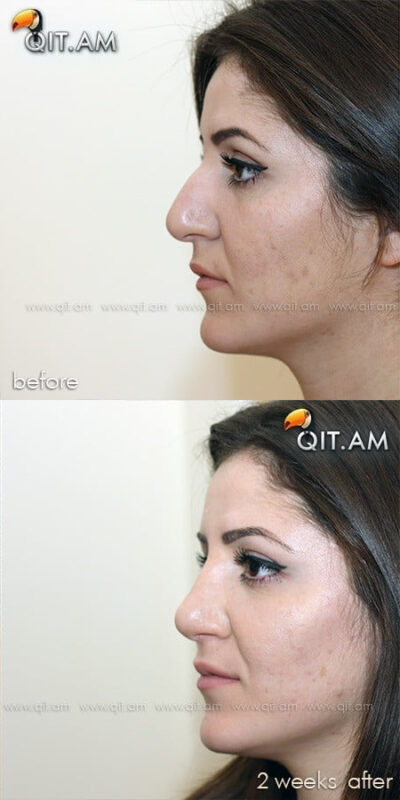
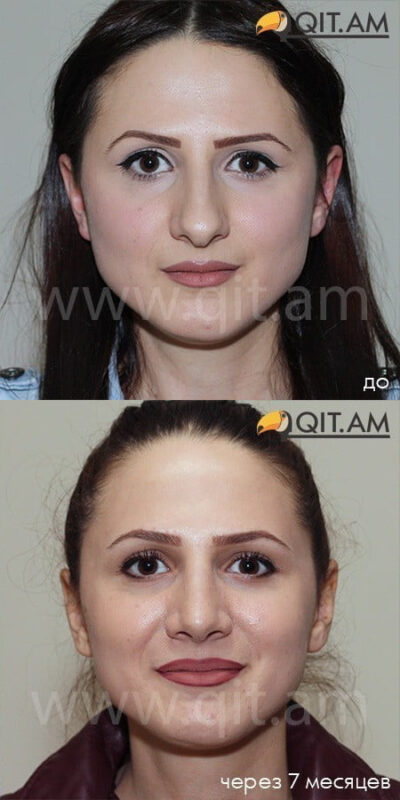
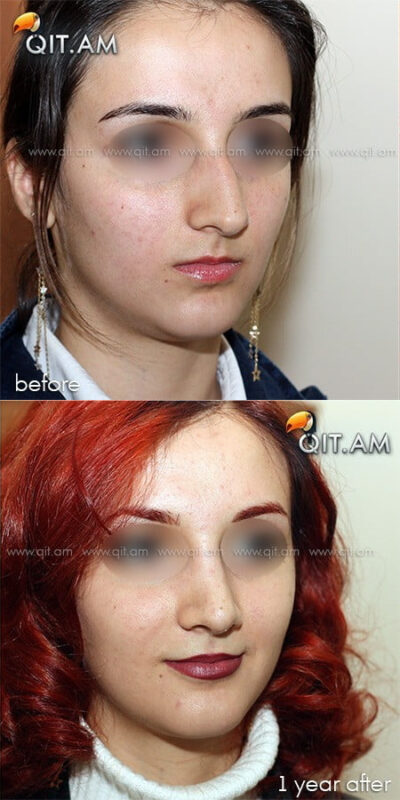
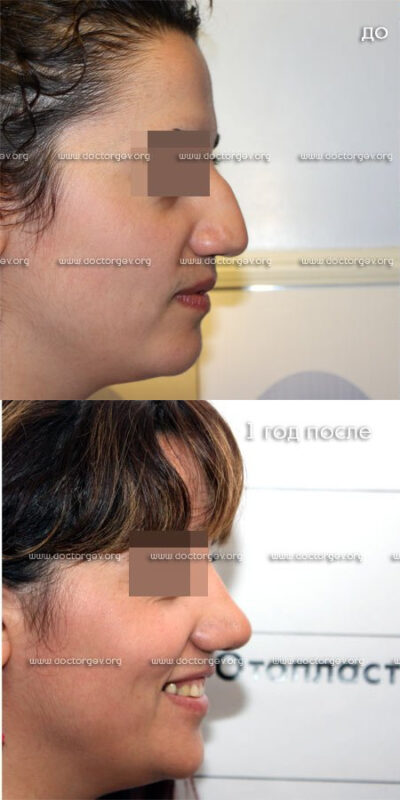
- 12 months: the result is fully formed. This is the point for the final evaluation — and for comparison with the initial state.
What not to do and why
- Overheating (bathhouse, sauna, hot bath, direct sun): heat dilates blood vessels, increases swelling, and can trigger bleeding. Exclude for at least 3 months.
- Active sports: increased blood pressure slows down the resolution of swelling. Light walking — after 2 weeks, cardio and strength training — after 4–6 weeks.
- Glasses on the bridge of the nose: pressure deforms the still fragile cartilage and soft tissues. At least 3 months — contact lenses only or a special forehead strap.
- Blowing your nose: sudden pressure in the first weeks can disrupt the position of the septum. Gently and only after a few weeks, when the tissues have strengthened sufficiently.
- Aspirin and ibuprofen without approval: they thin the blood and can increase tissue bleeding. Pain relief — only according to the prescribed regimen.
- Alcohol: dilates blood vessels and slows down regeneration. Exclude for at least 1 month.
Why it is important to monitor the dynamics
There are days when the nose looks better, and days when the swelling is more noticeable. This is normal — tissues react to lack of sleep, stress, salty food, heat, flights. One bad day is not a reason to draw conclusions.
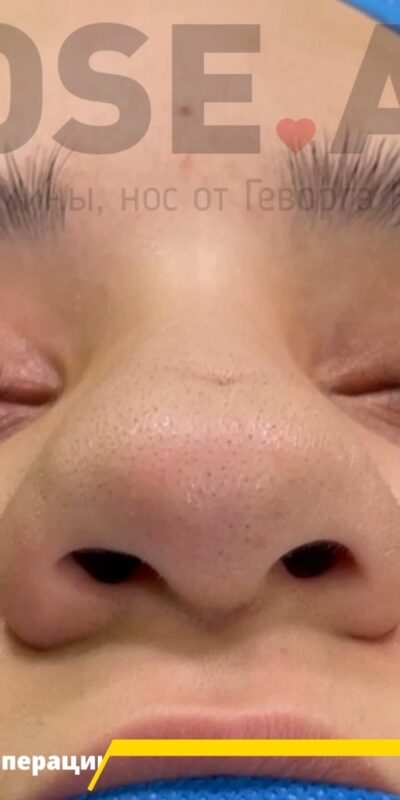
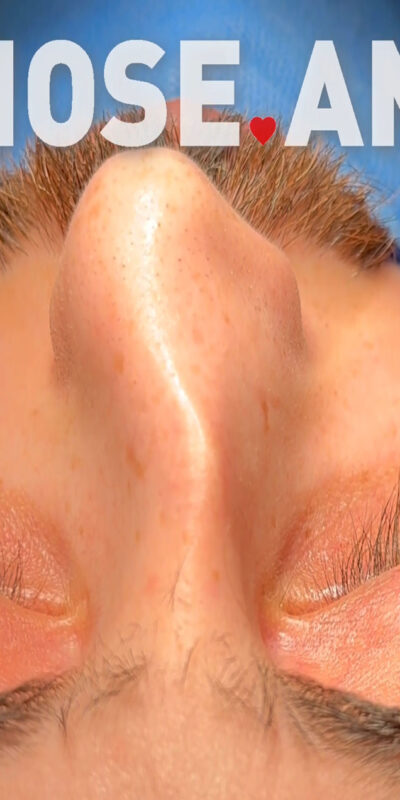
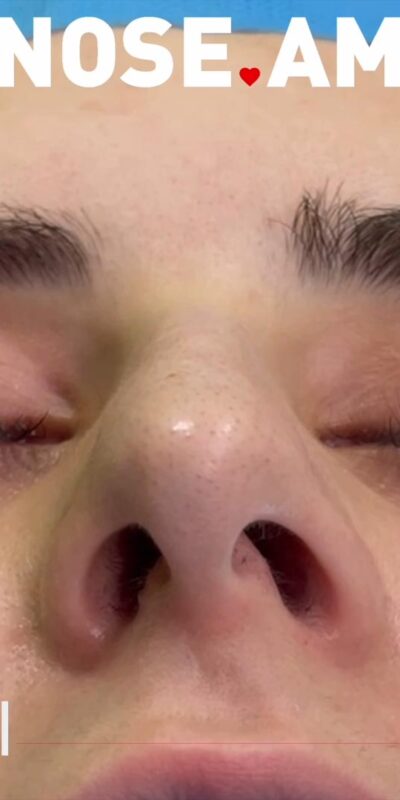
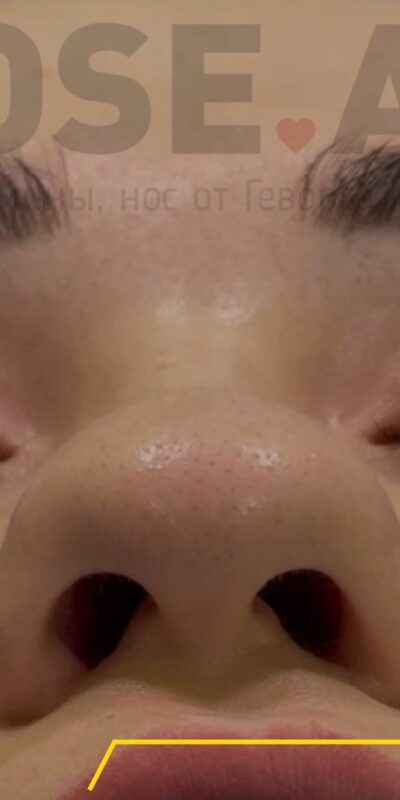
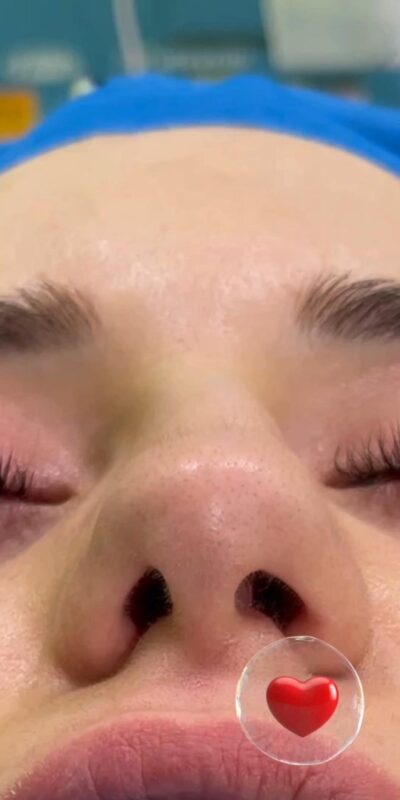
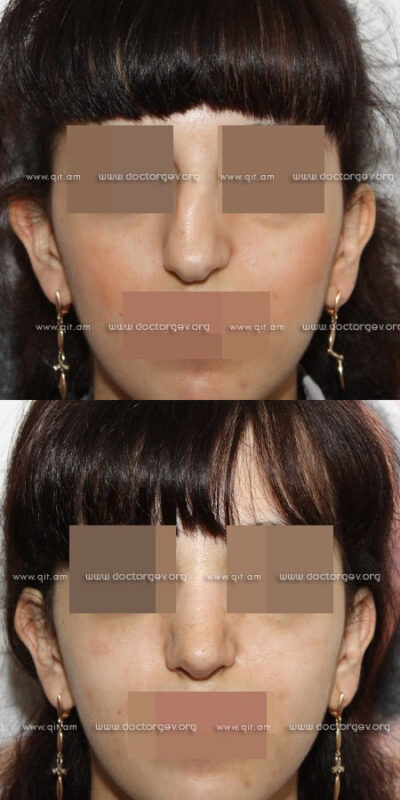
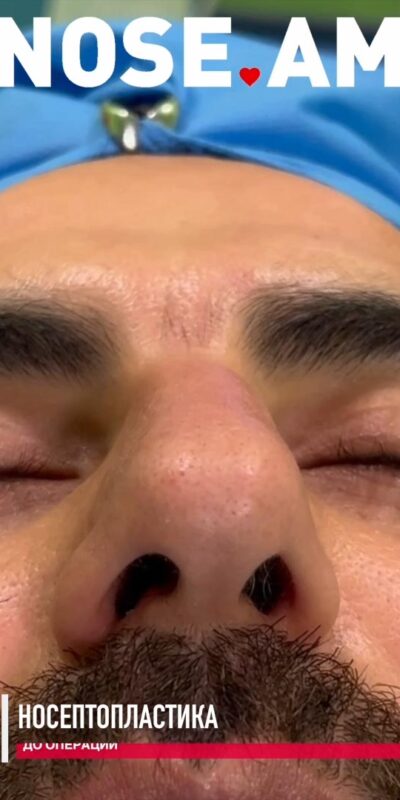
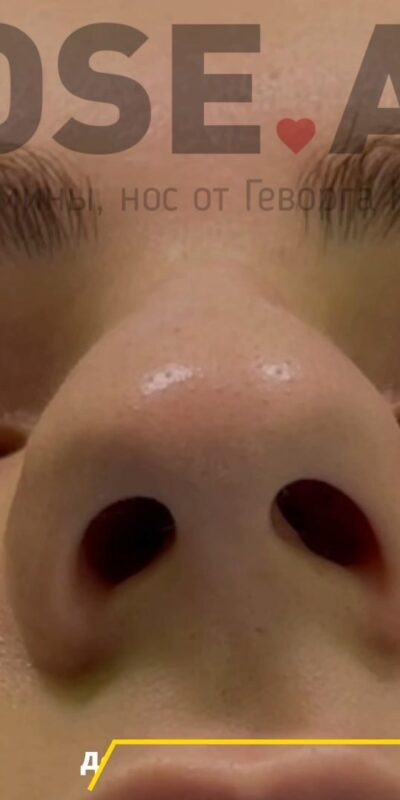
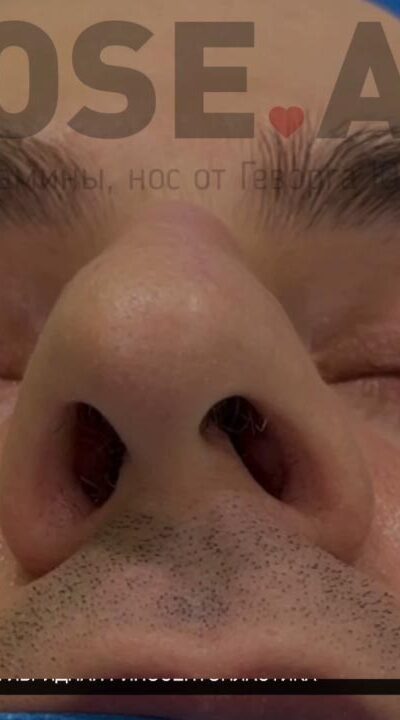
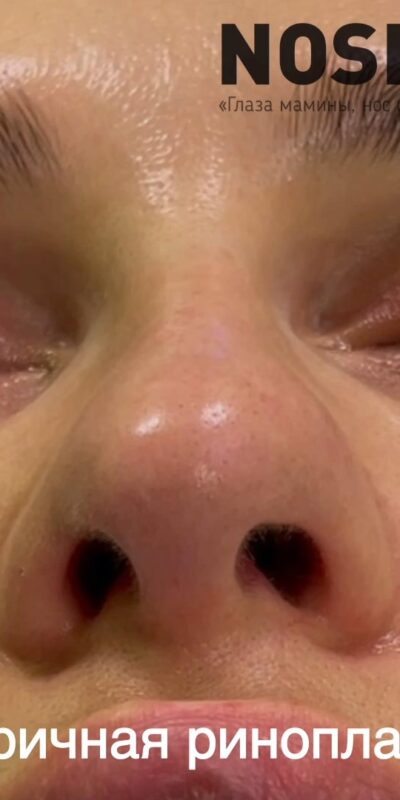
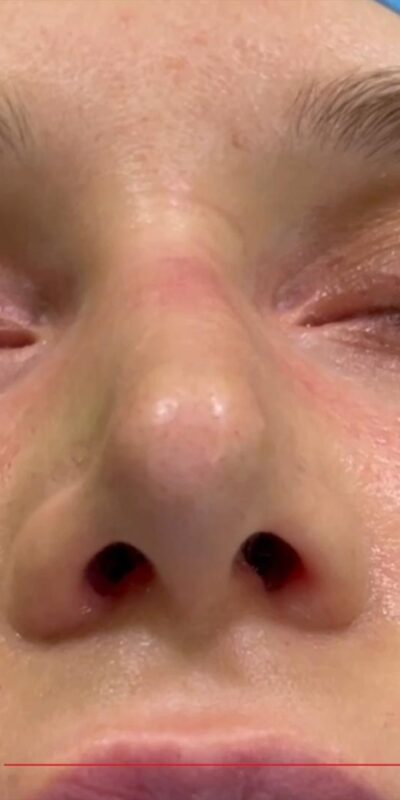
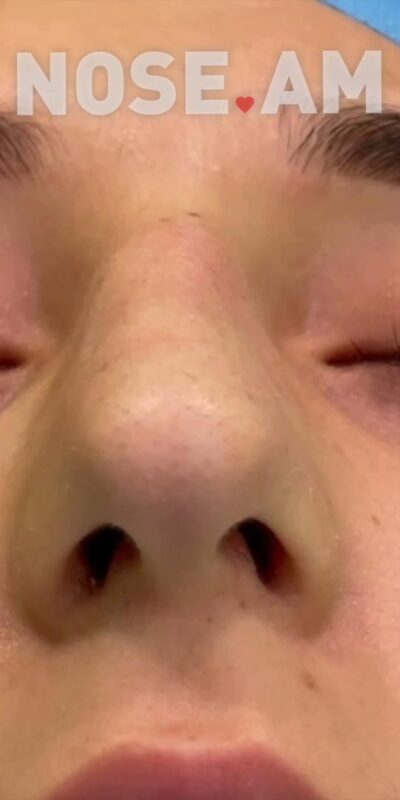
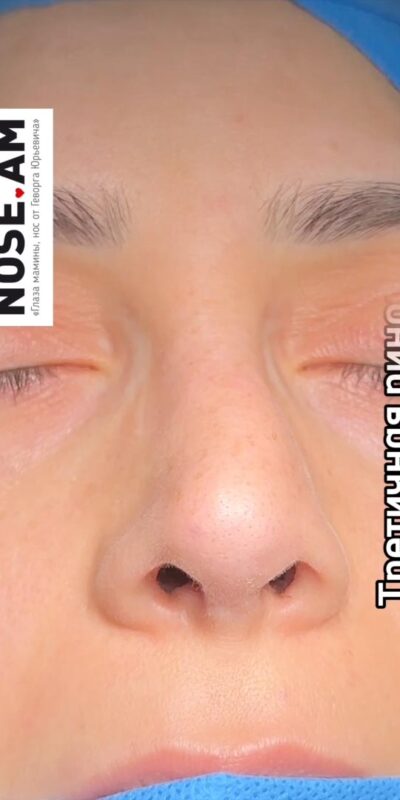
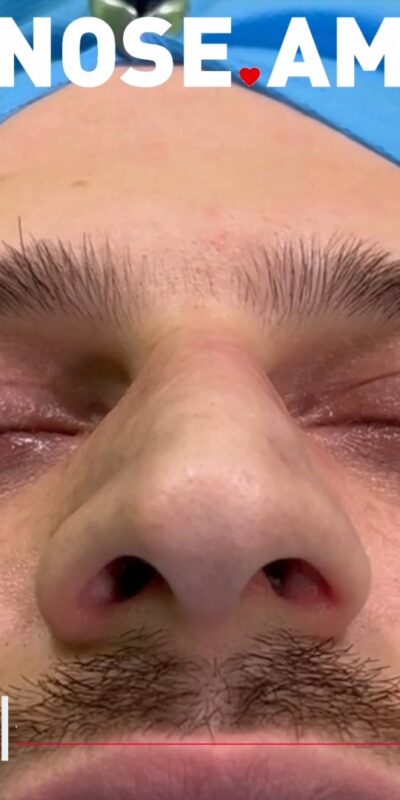
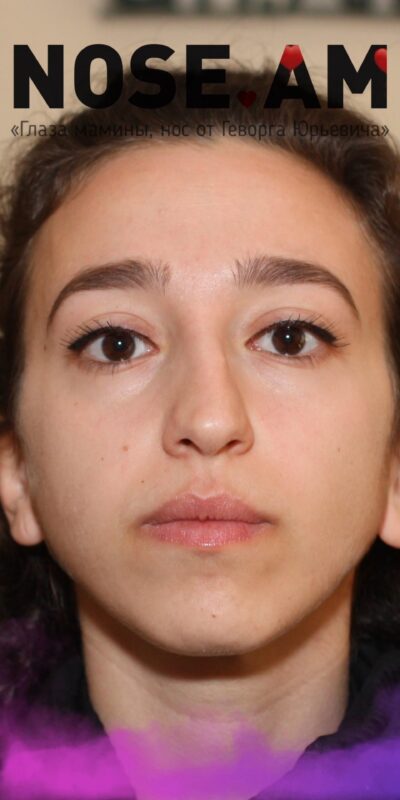
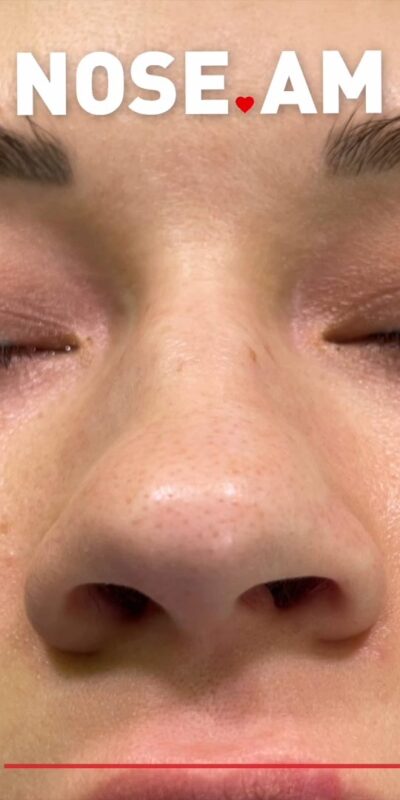
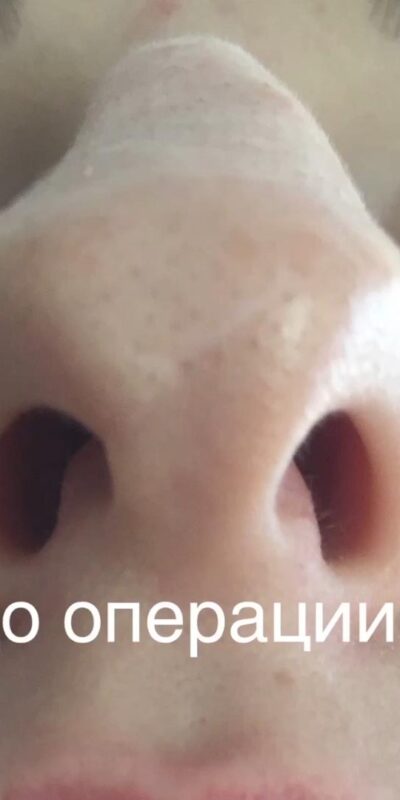
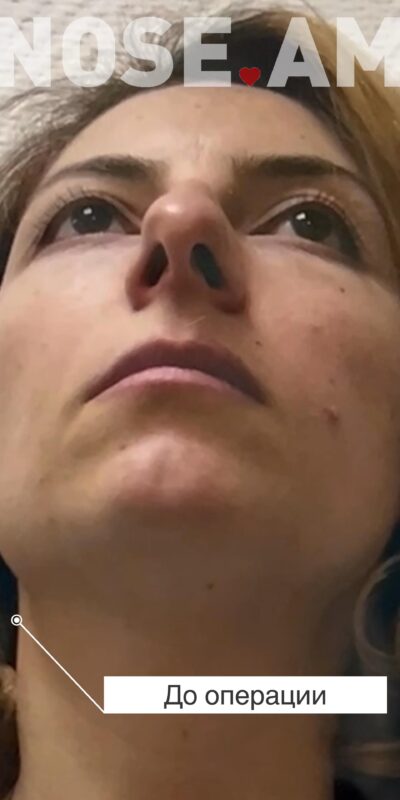
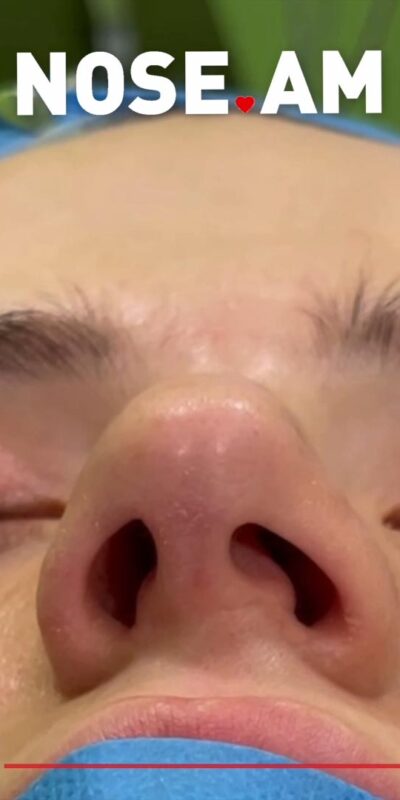
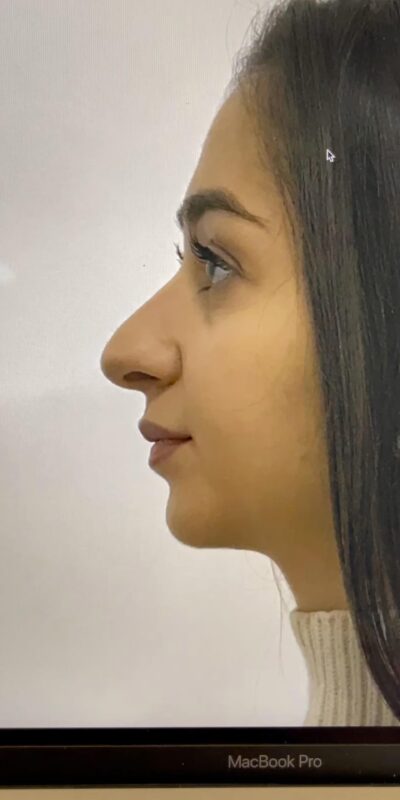
I ask you to send photo reports at the scheduled times (1, 3, 6, and 12 months): full face, profile from both sides, bottom view. From these photos, I can see the real dynamics — and can adjust the care, prescribe a massage, or provide lifestyle recommendations.
When to write immediately — do not wait
- Fever above 38°C for more than 24 hours;
- Increasing pain or worsening swelling instead of its decrease;
- Change in skin color on the nose (redness, bluish tint);
- Purulent or atypical discharge;
- Any situation that seems unusual to you.
The postoperative period is not about “waiting and enduring.” It is a joint effort: your discipline and timely questions directly influence what the final result will be.