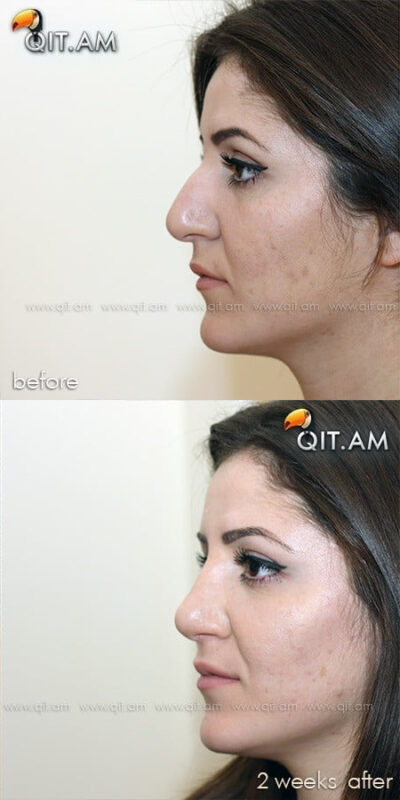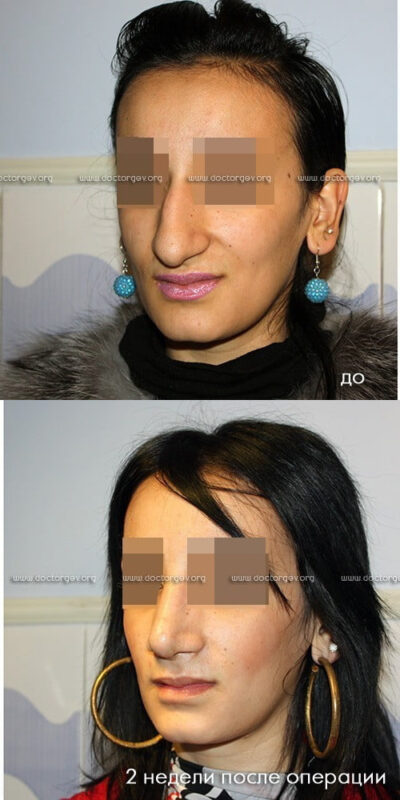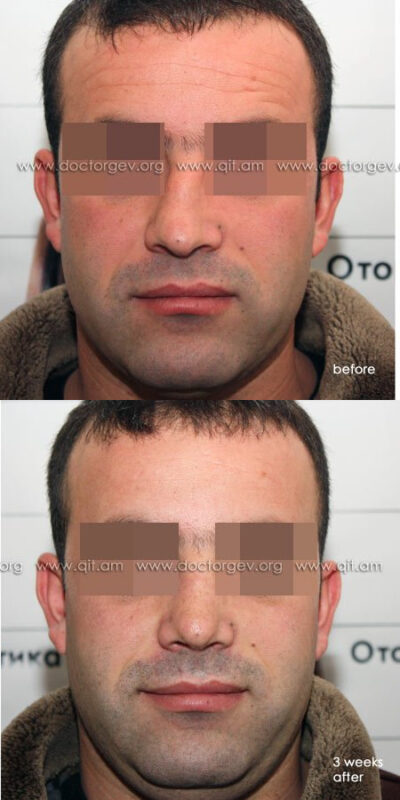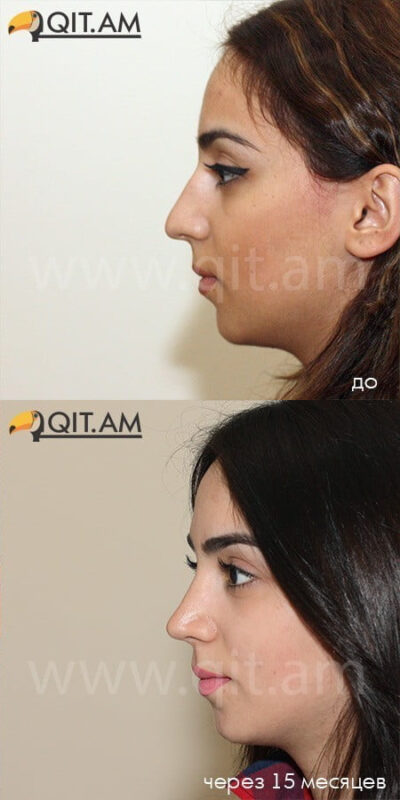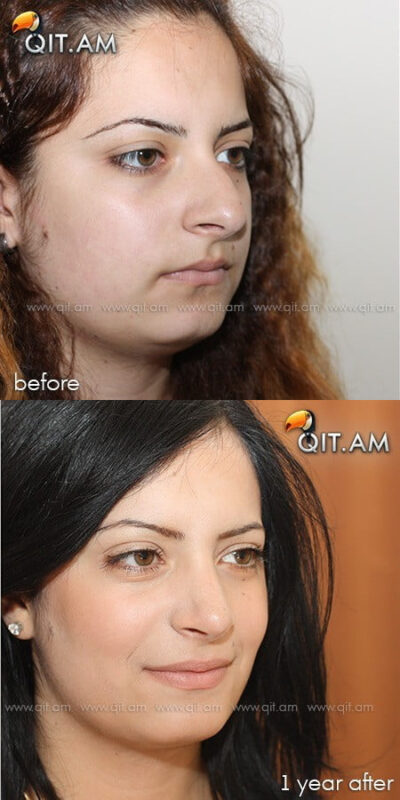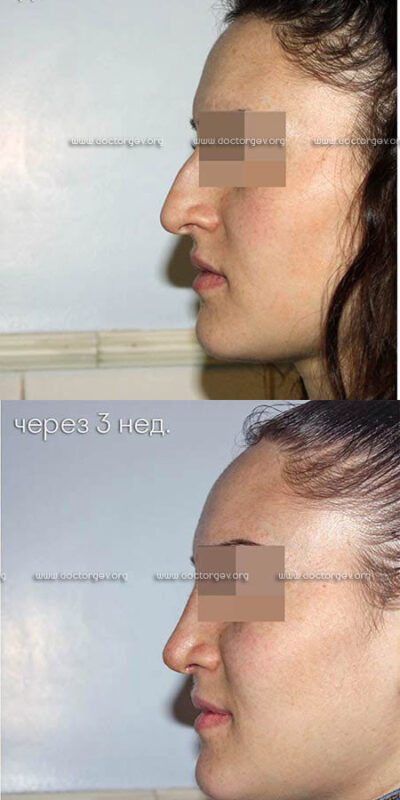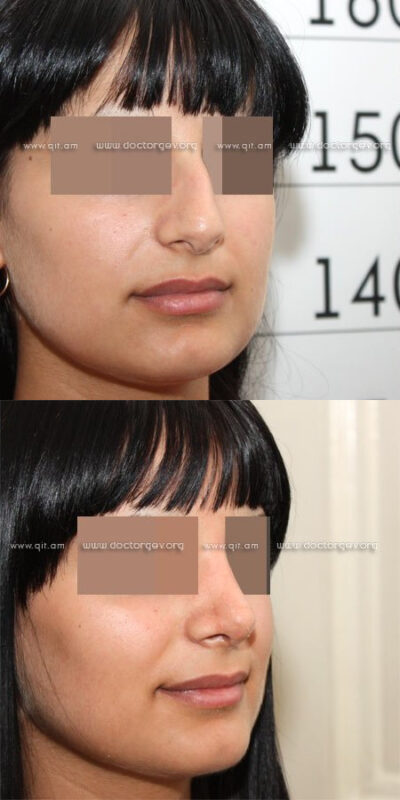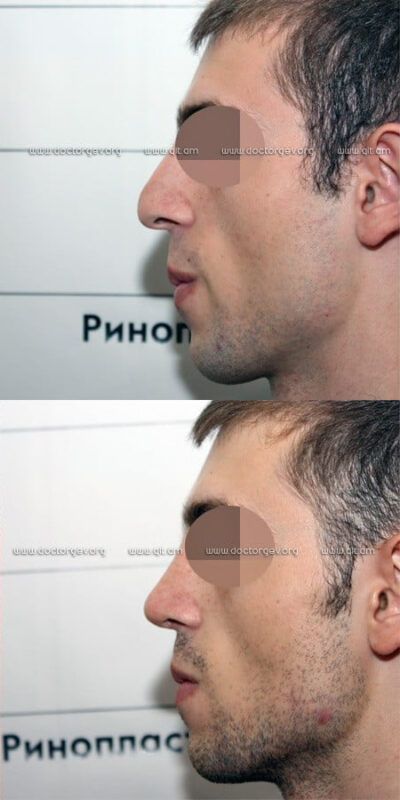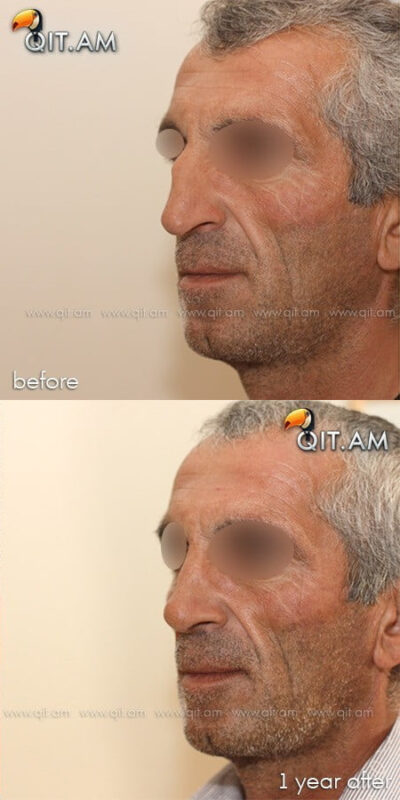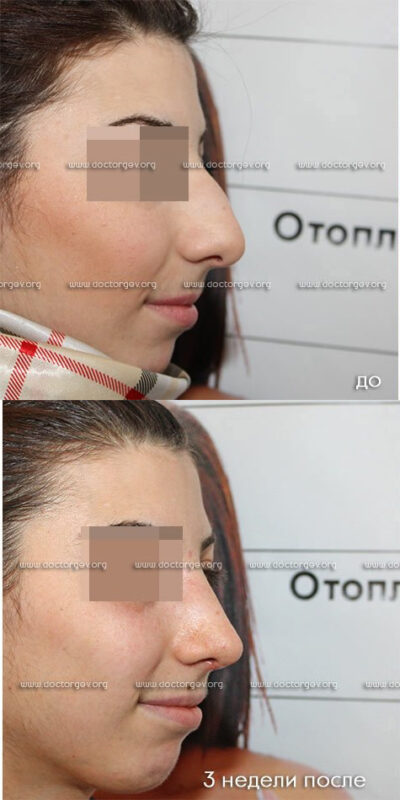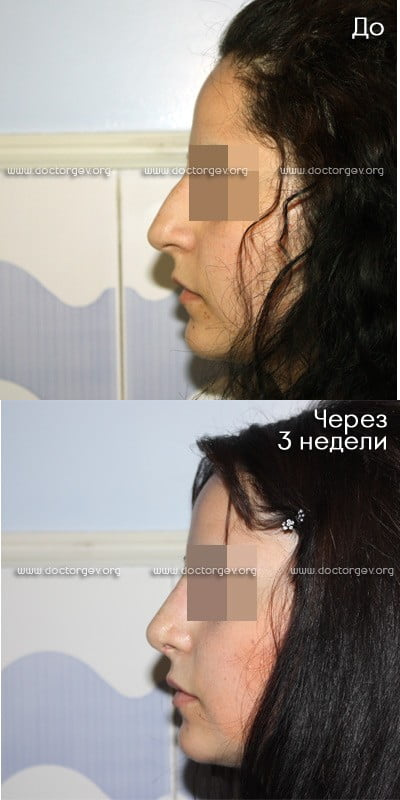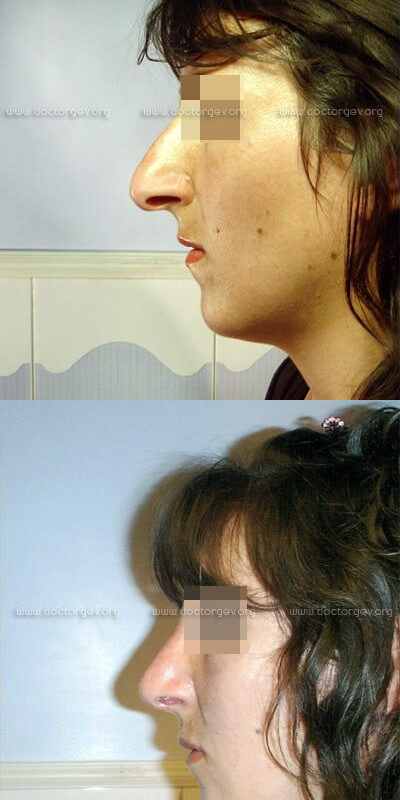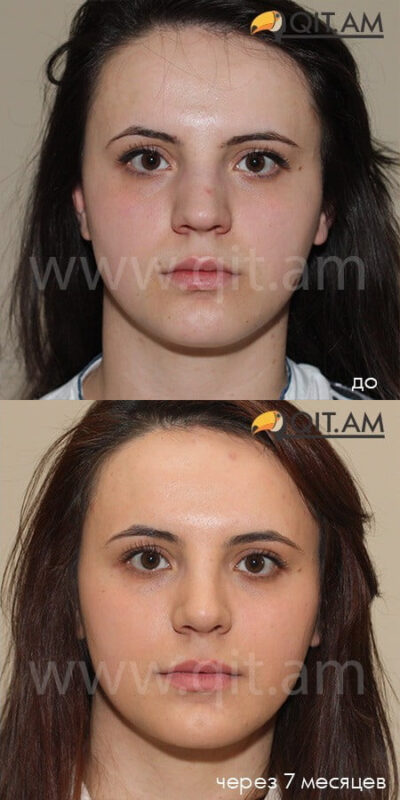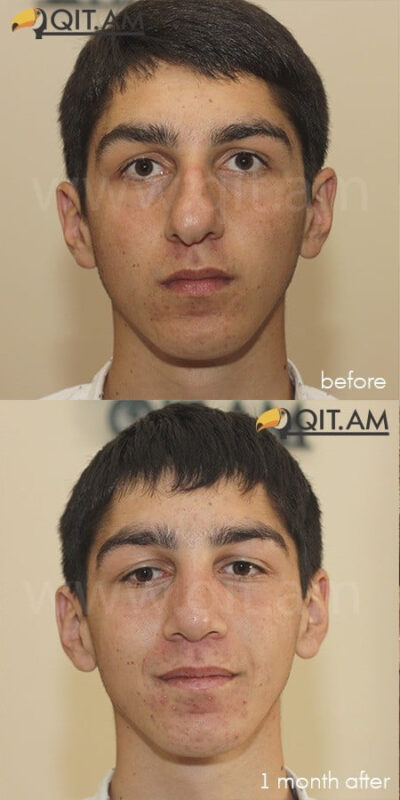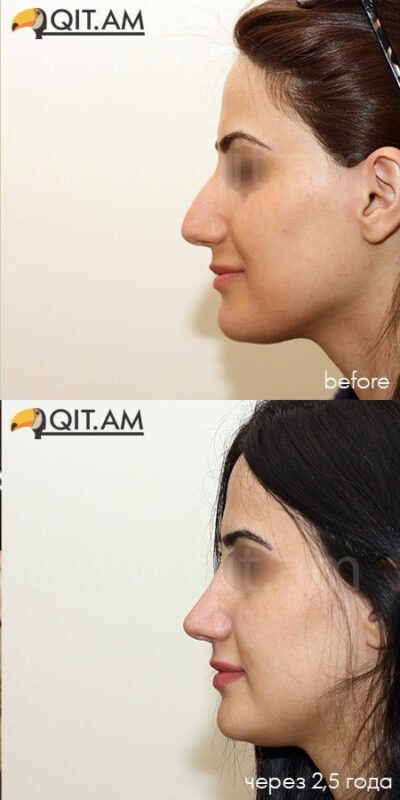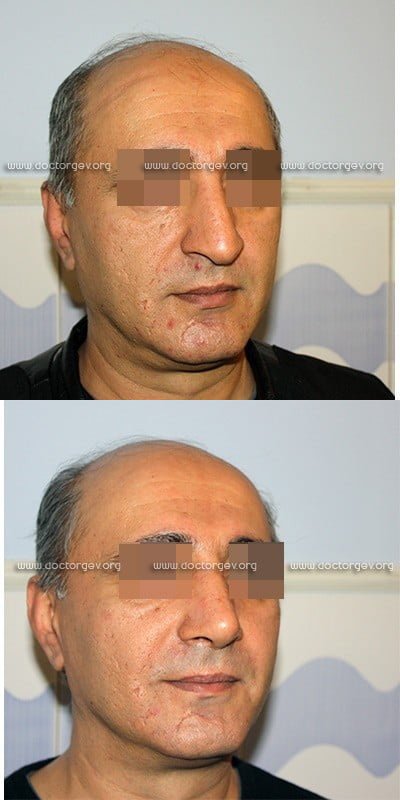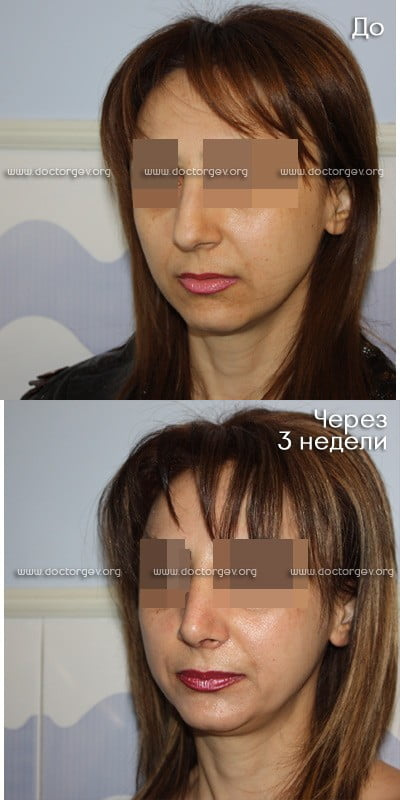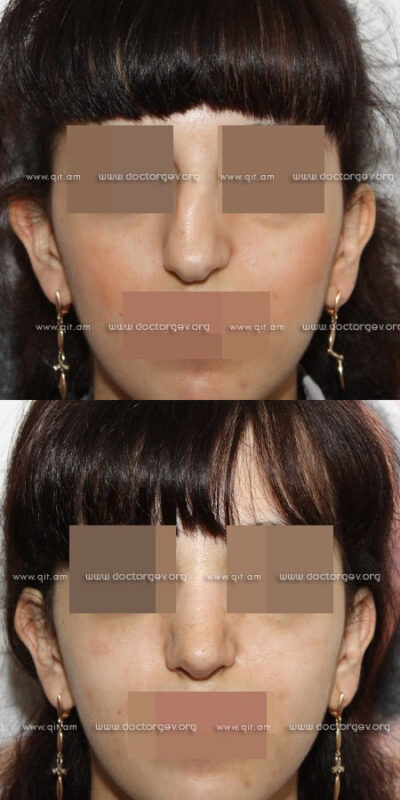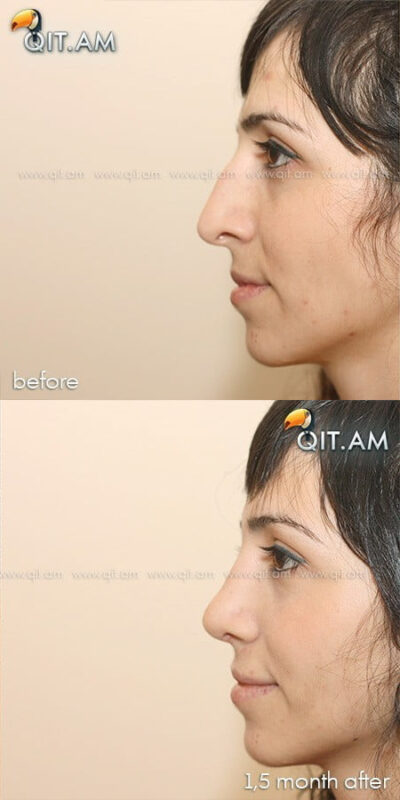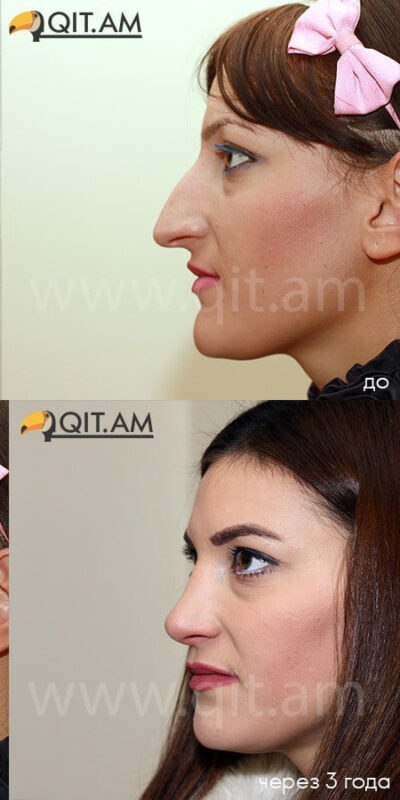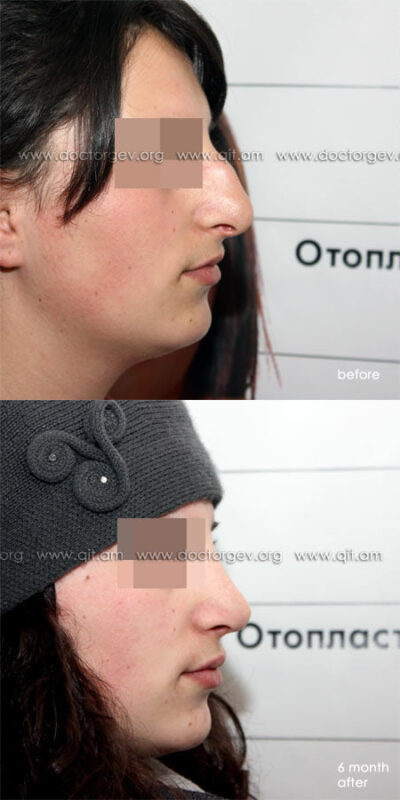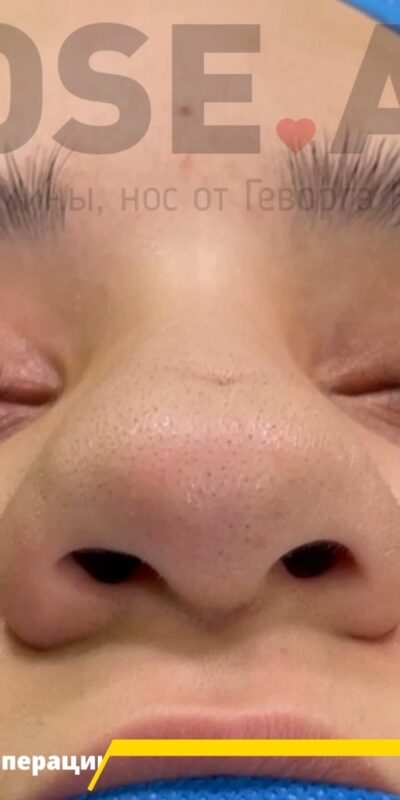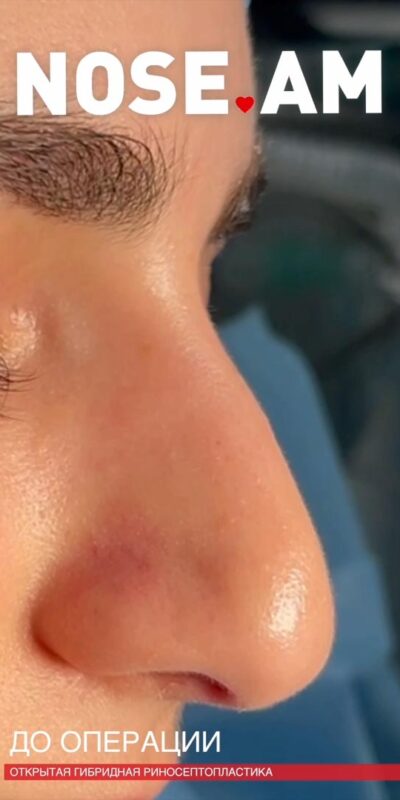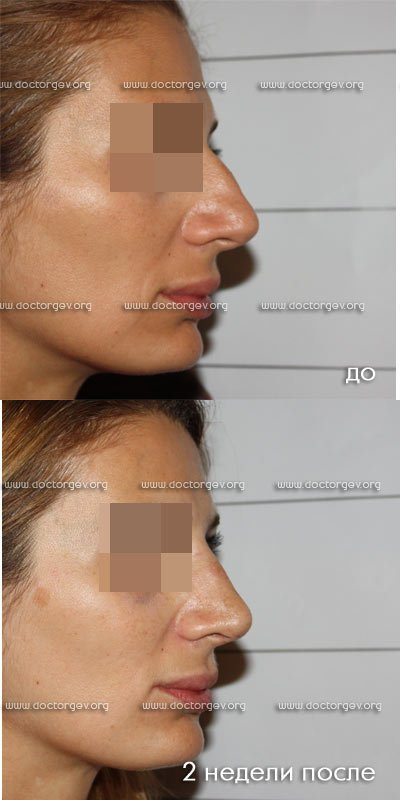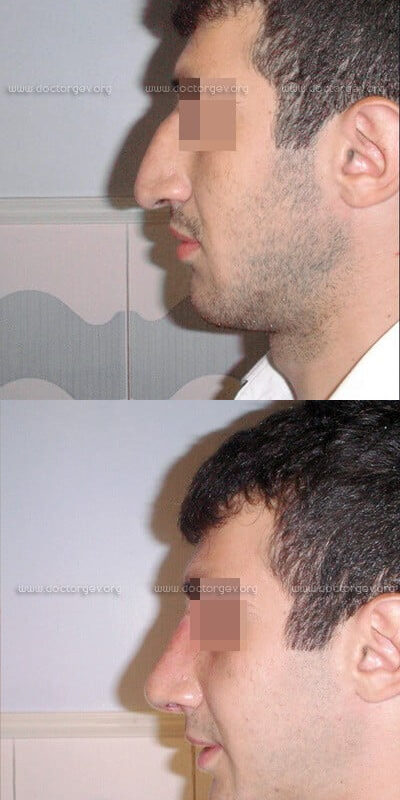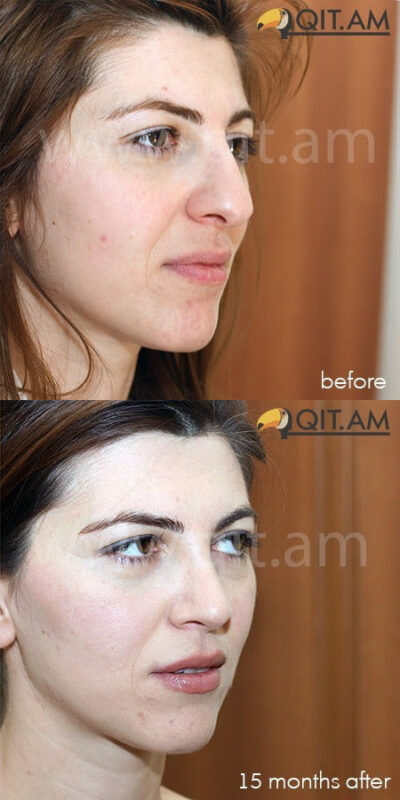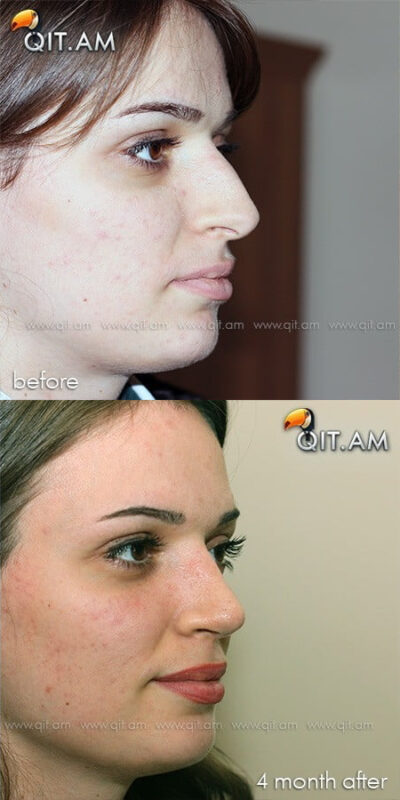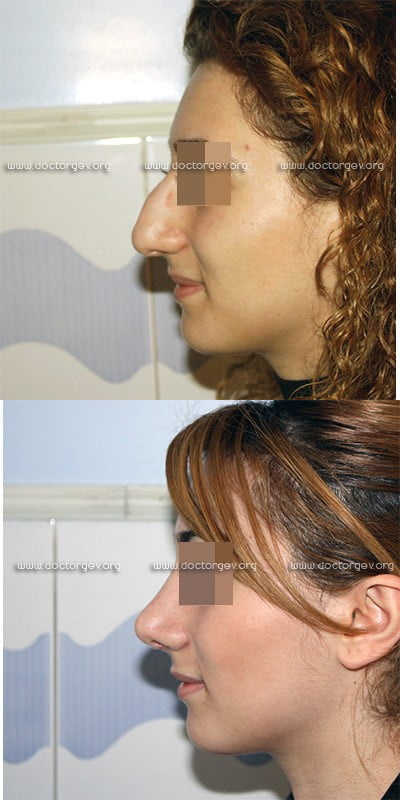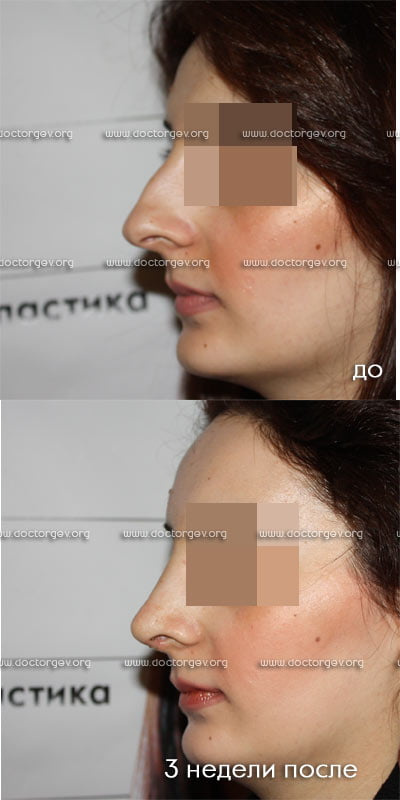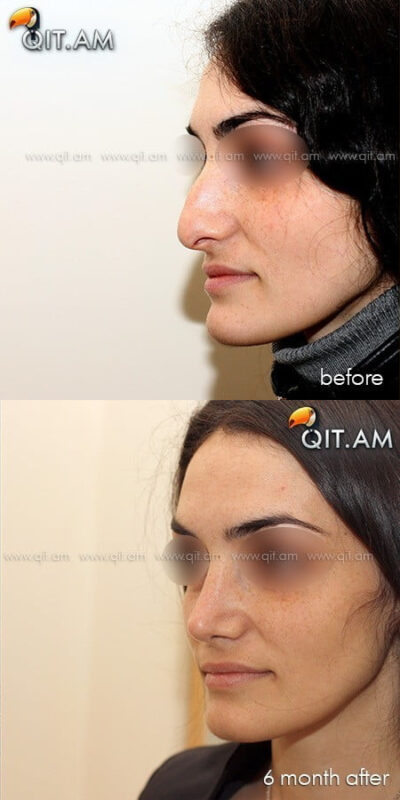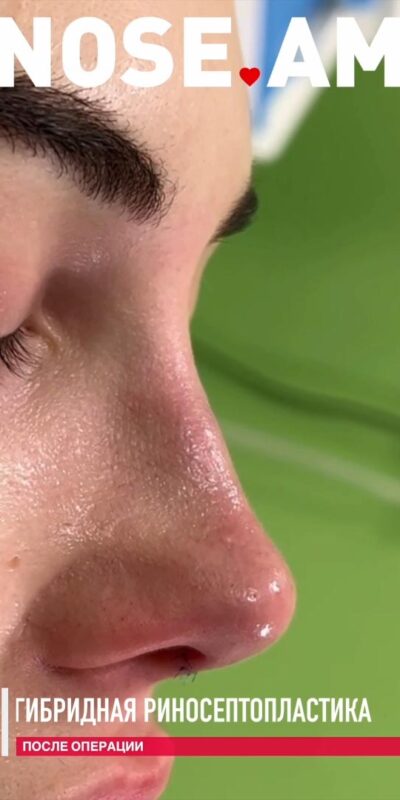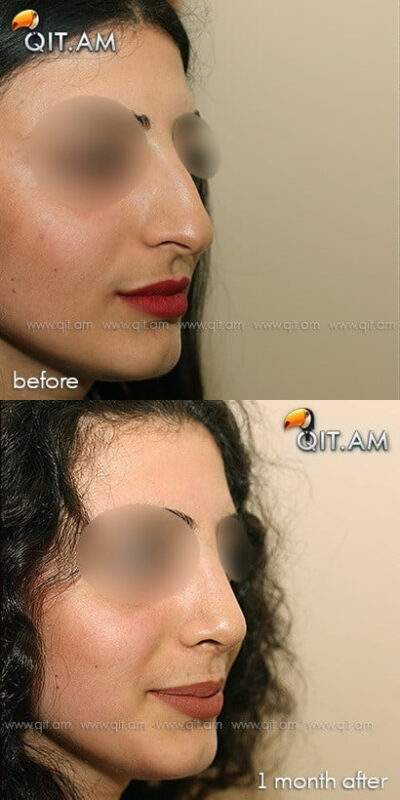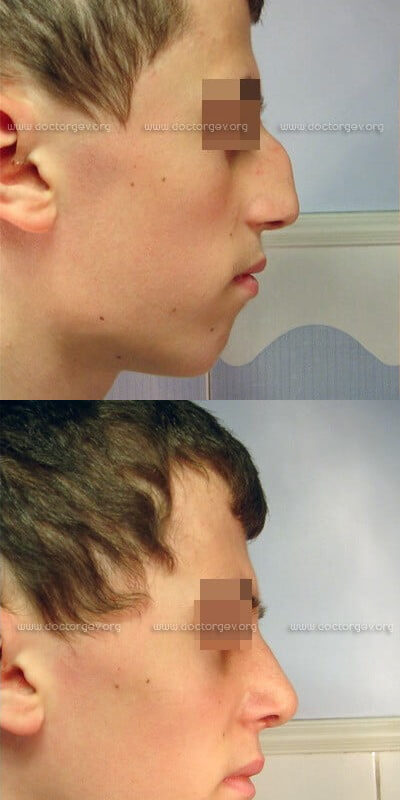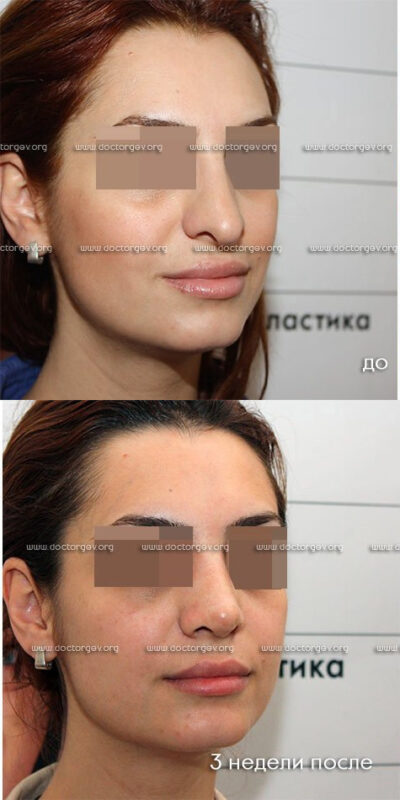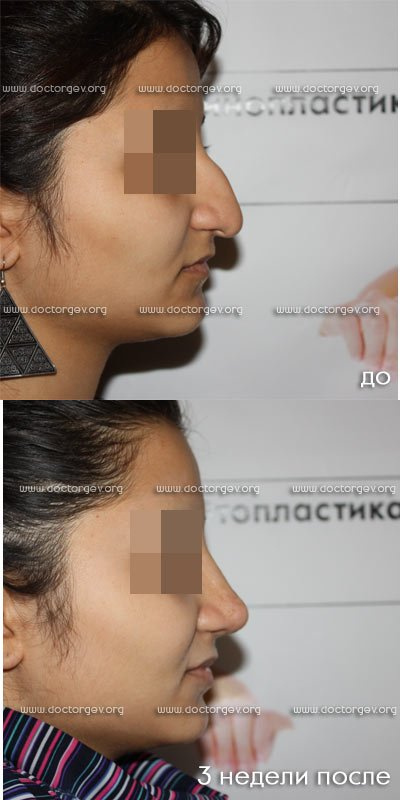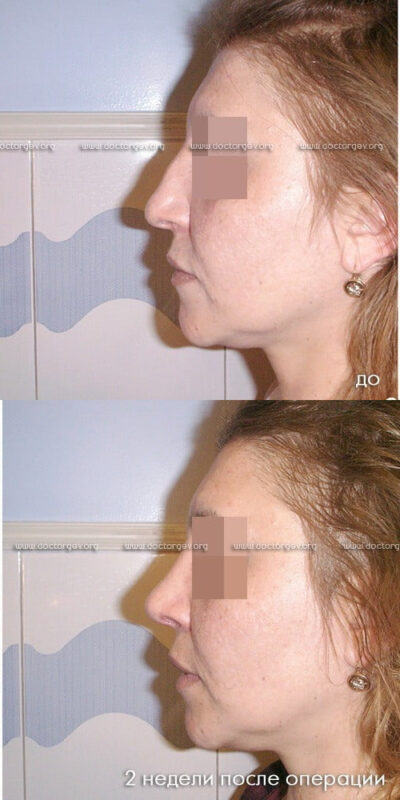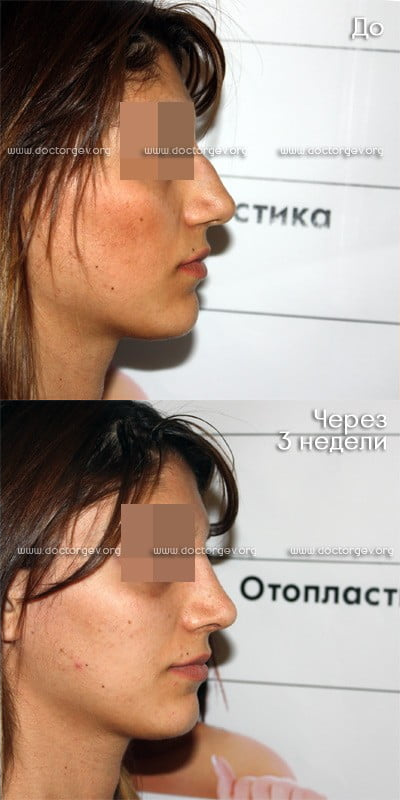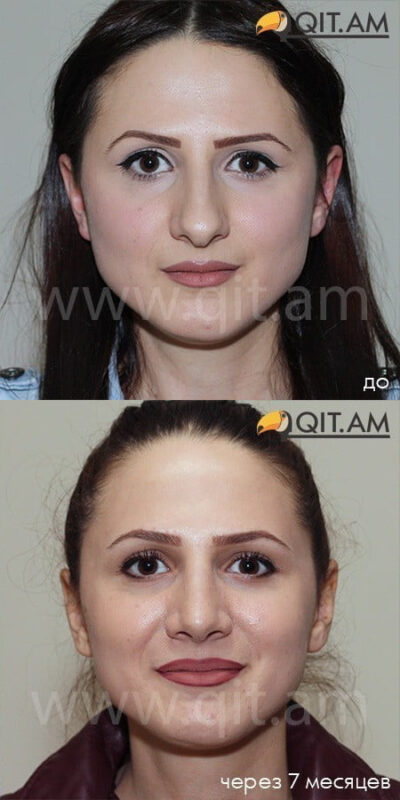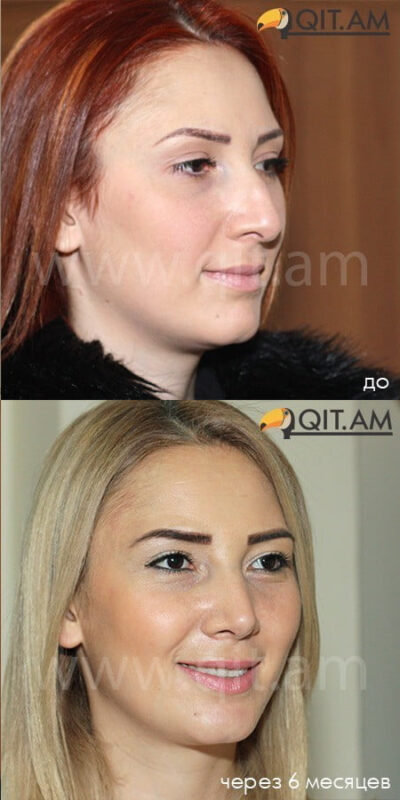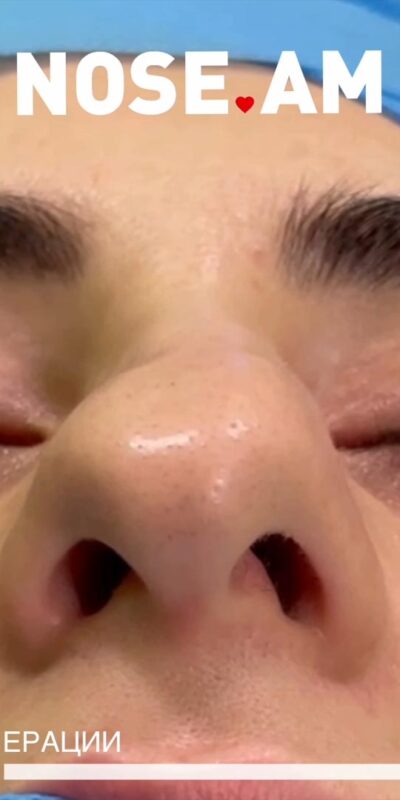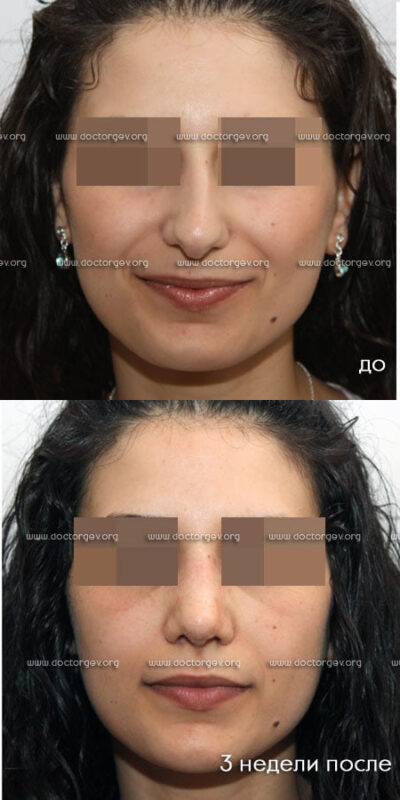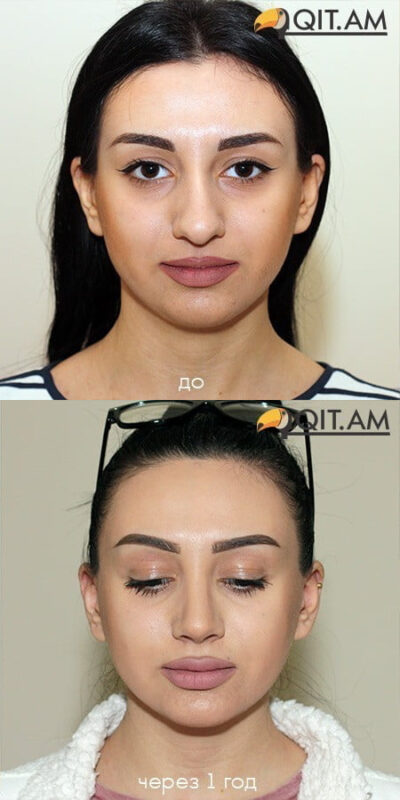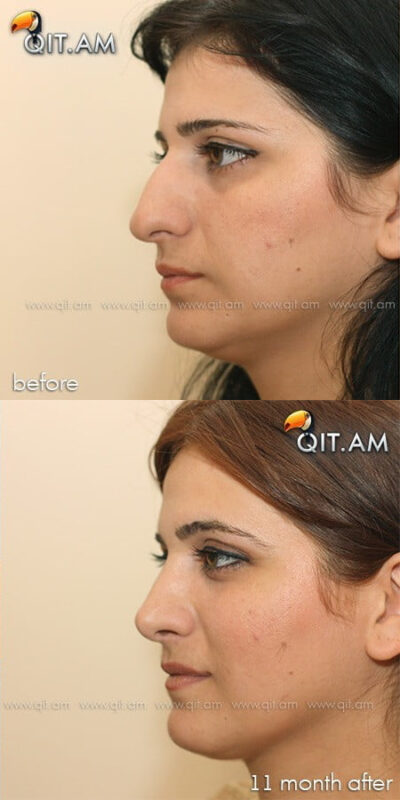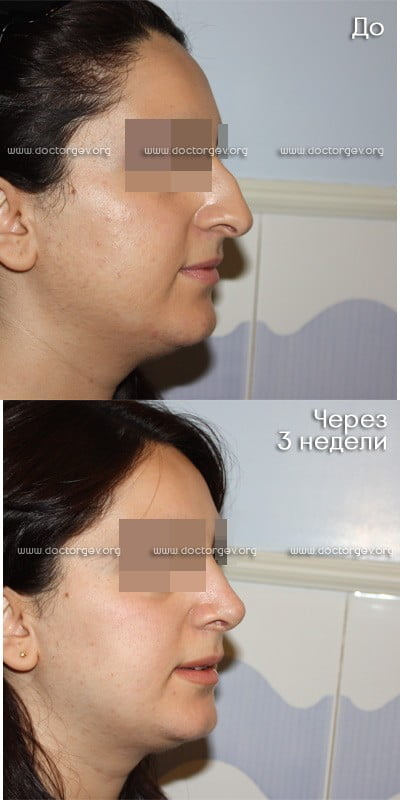

Every surgical procedure carries risks. In medicine, it is more honest to speak about this directly rather than promising “everything will be fine” without explanation. So, let’s break down what actually happens, where the risks really lie, and where they tend to be exaggerated.
How rhinoplasty differs from high-risk surgeries
Rhinoplasty is a planned surgery. This is fundamentally important: we have the time to prepare in a way that minimizes the likelihood of adverse outcomes. No rush, no emergency. Only comprehensive diagnostics and careful patient selection before the intervention.
According to international clinical studies, the incidence of serious complications in primary rhinoplasty in healthy patients is less than 2–3%. The most common are prolonged swelling, slight asymmetries during the scarring period, and temporary changes in skin sensitivity. They subside or can be corrected. Severe complications — infection, necrosis, significant bleeding — are isolated incidents and, as a rule, are associated with insufficient preparation or violation of the post-operative care protocol.
What can go wrong — and at what stage
Before surgery
Laboratory tests, CT scans, and the anesthesiologist’s consultation — this is precisely where contraindications are identified: blood clotting disorders, chronic diseases in the acute phase, or the intake of medications incompatible with anesthesia or affecting hemostasis. If anything significant is detected, the surgery is postponed. This is a rule, not an exception.
During surgery
Bleeding during rhinoplasty is usually minimal — especially when using piezo technology, which reduces the trauma of working with bone structures. Septal perforation is a rare but possible complication; in experienced hands, it occurs in less than 1% of cases. The anesthesiologist continuously monitors the patient’s condition throughout the entire intervention.
In the first weeks after surgery
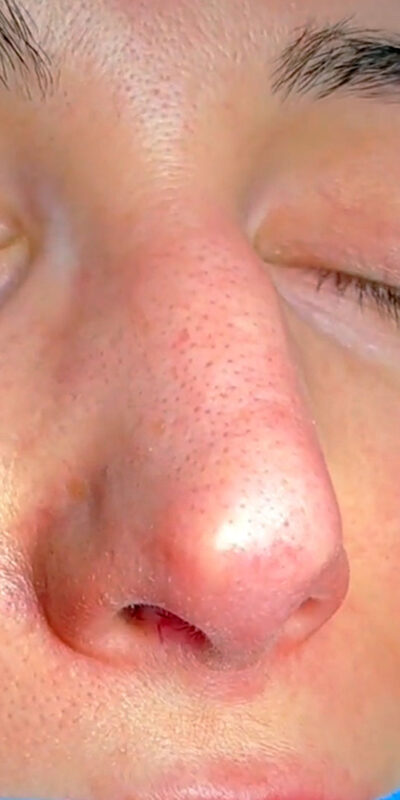
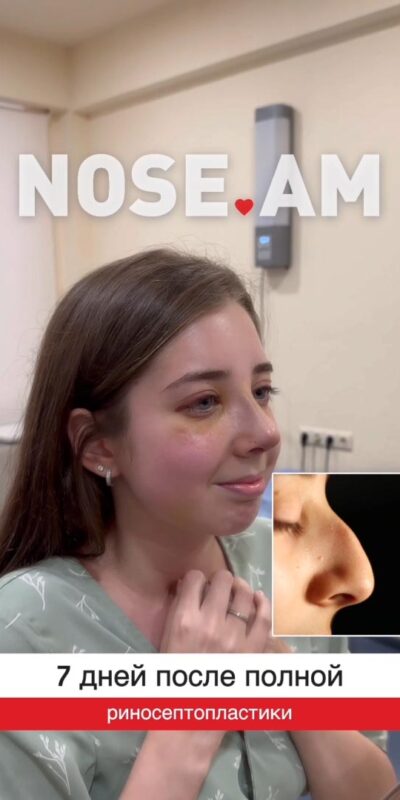
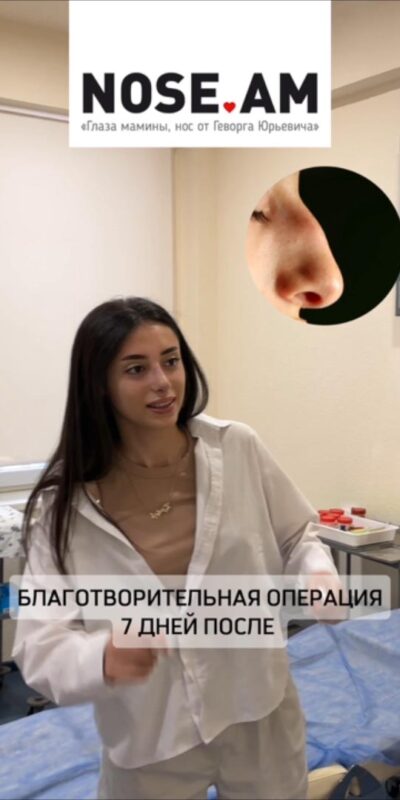
Swelling, temporary changes in breathing, and slight asymmetry against the background of edema are parts of a normal recovery, not complications. Real early complications include: infection (up to 1%), prolonged hematoma, and suture dehiscence. They respond well to treatment if detected in time. That is why a follow-up examination after the removal of the fixation is mandatory, not optional.
In the long term
Late complications include: changes in the shape of the nose as it scars, contracture of the tip, and asymmetry. They occur least frequently and, in most cases, are corrected using minimally invasive methods — corticosteroid injections, massage, or, in rare cases, a minor revision surgery.
Three things that genuinely reduce risk
- Comprehensive diagnostics. A CT scan allows the surgeon to see the internal structures of the nose before the operation and anticipate anatomical difficulties. The more information the surgeon has in advance, the fewer surprises there will be during the surgery.
- Surgical technique. Open approach combined with piezo instruments allows for precise work with minimal tissue trauma, accurate control over the volume of correction, and excellent visualization of the nasal structures.
- Patient discipline after surgery. The nose after rhinoplasty is not a finished object, but a living tissue that continues to shape itself. No alcohol, no thermal procedures, no injuries, and no independent adjustments to the recommendations without consulting the doctor.
Complications cannot be erased with beautiful words. However, they can be systematically reduced through proper preparation, precise technique, and proper post-operative follow-up. This is exactly how I work with every patient.