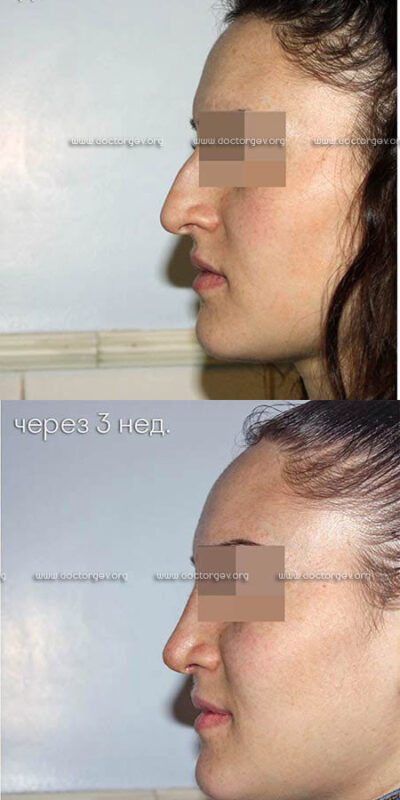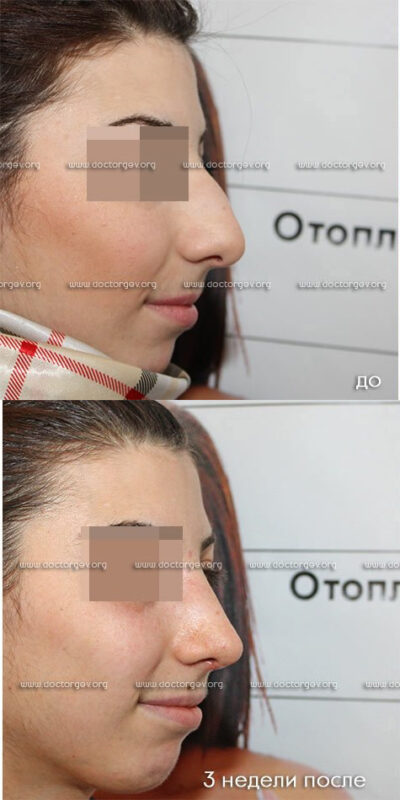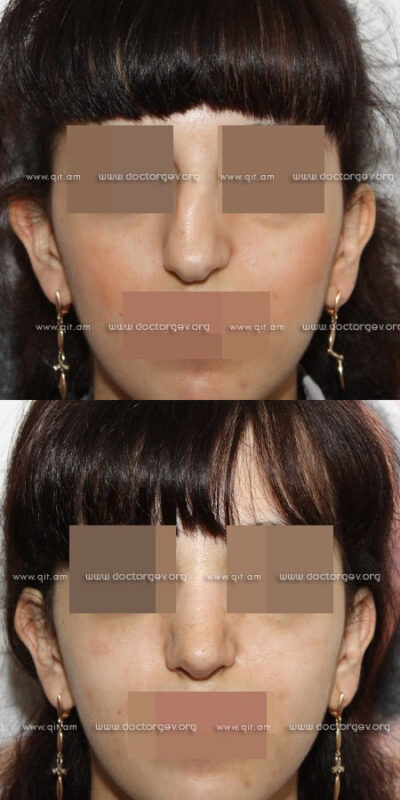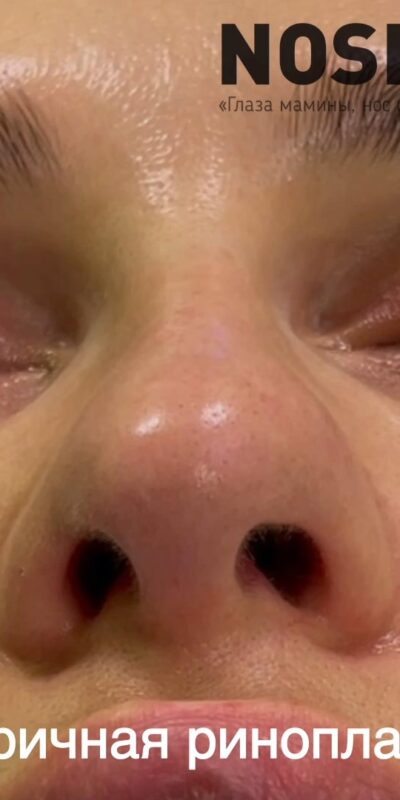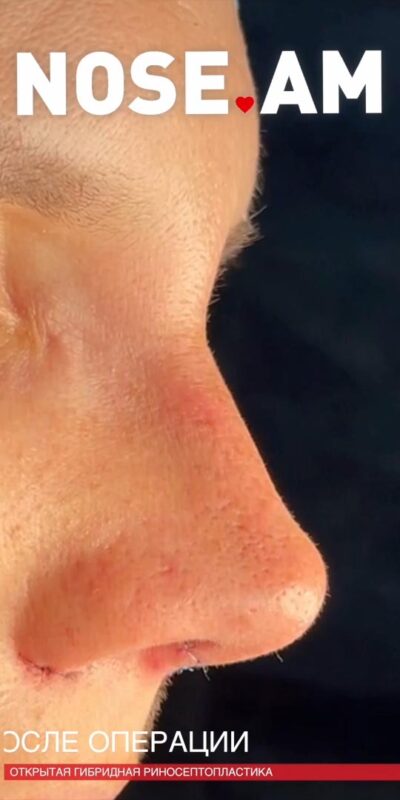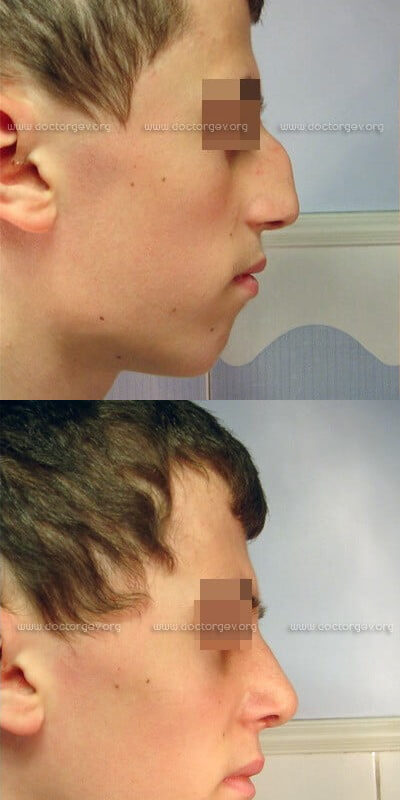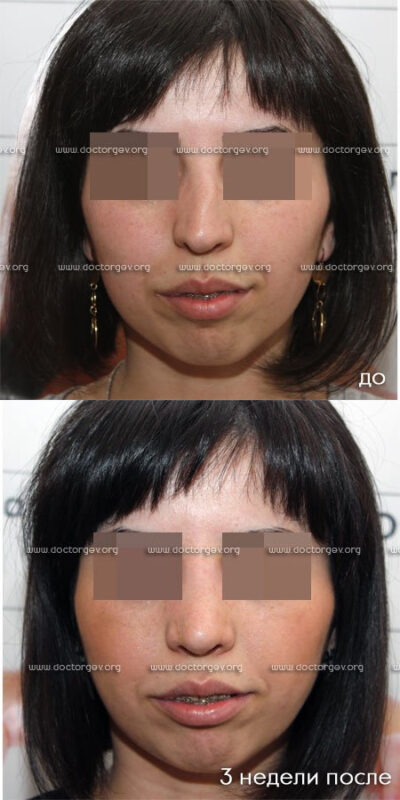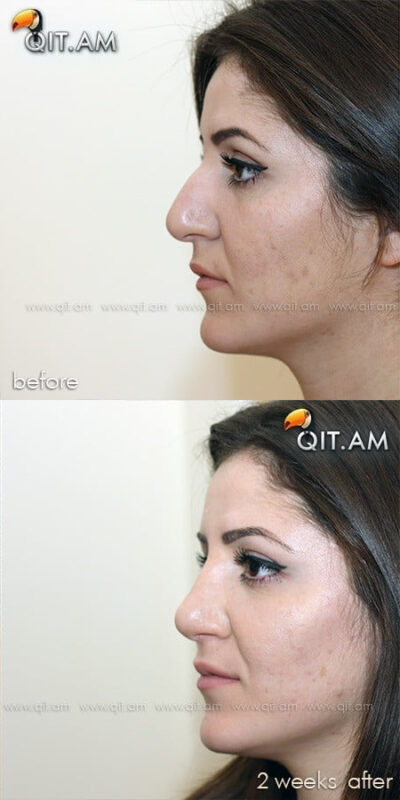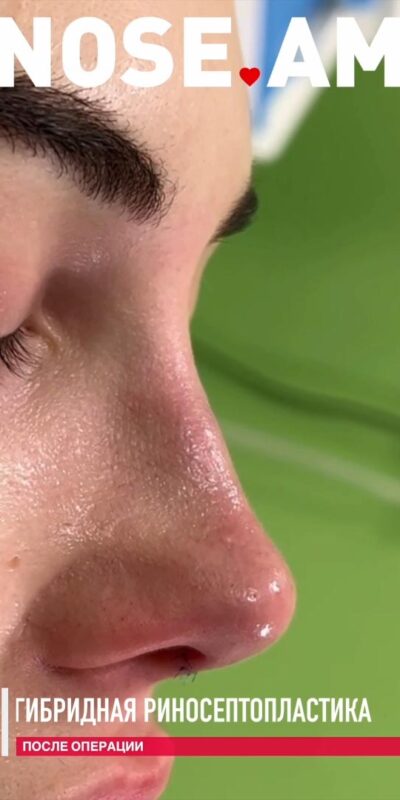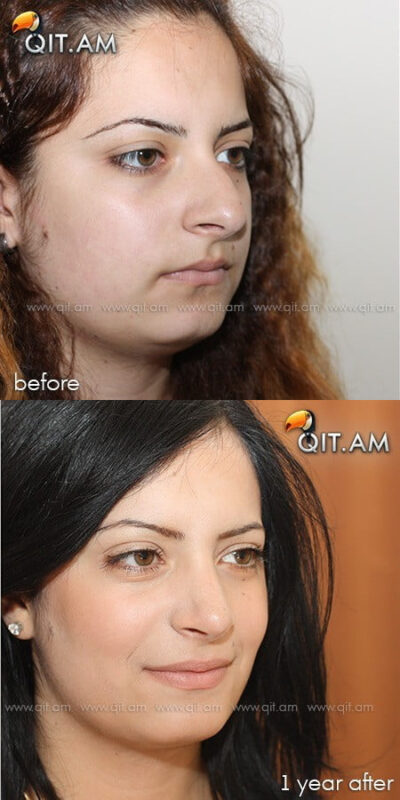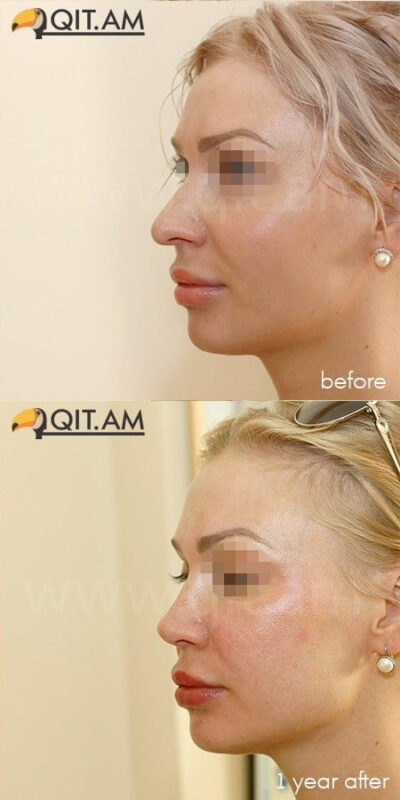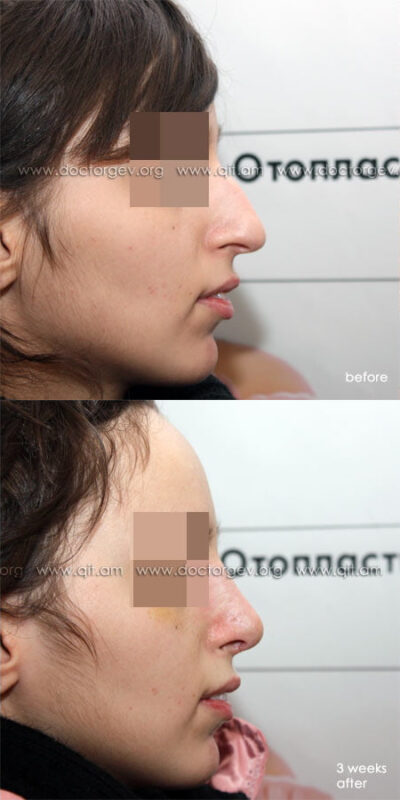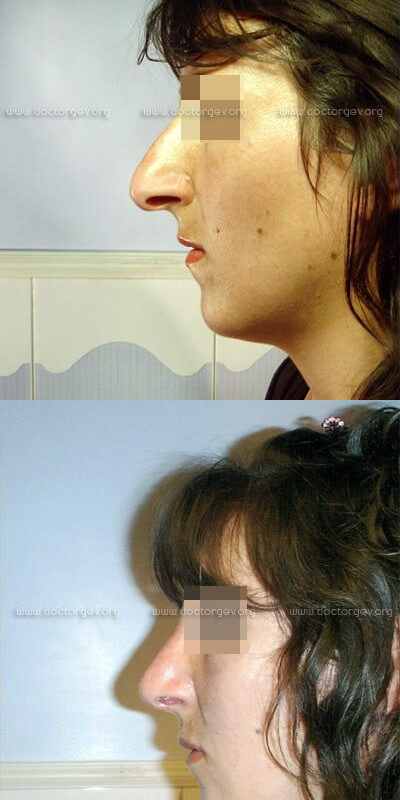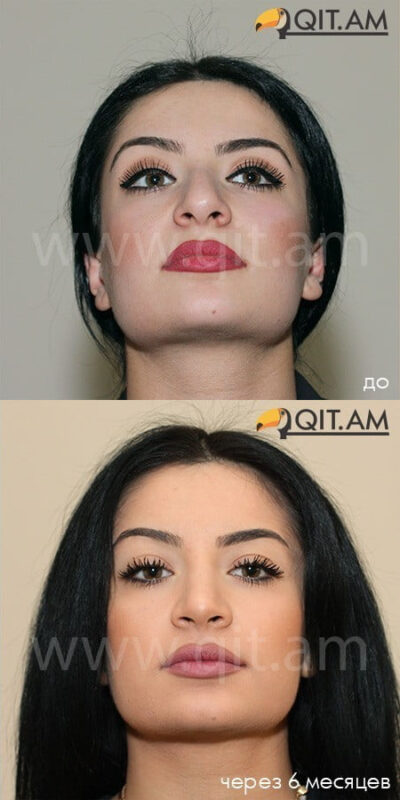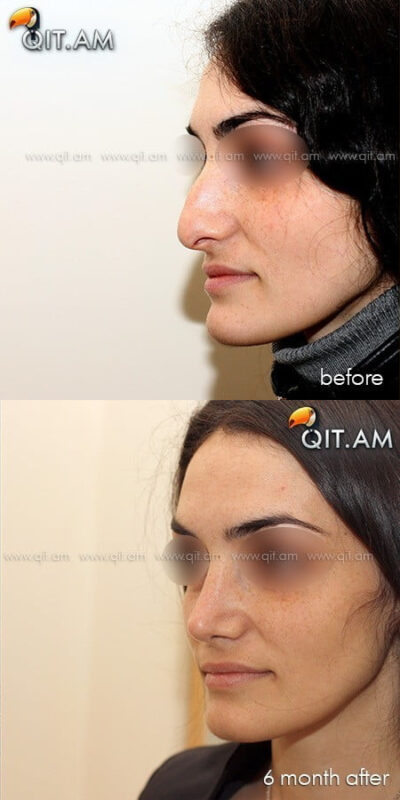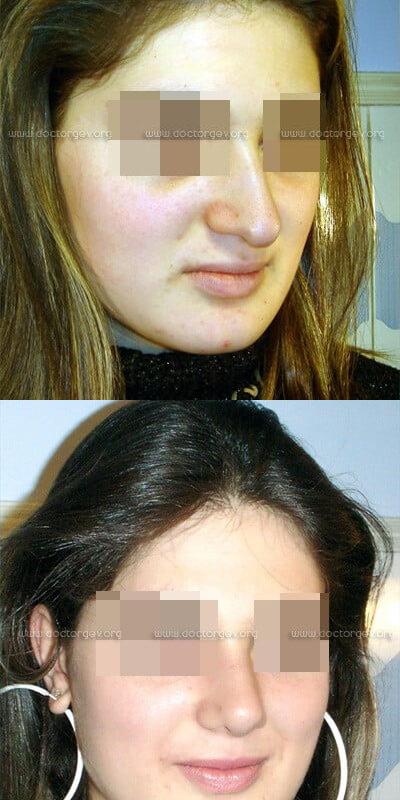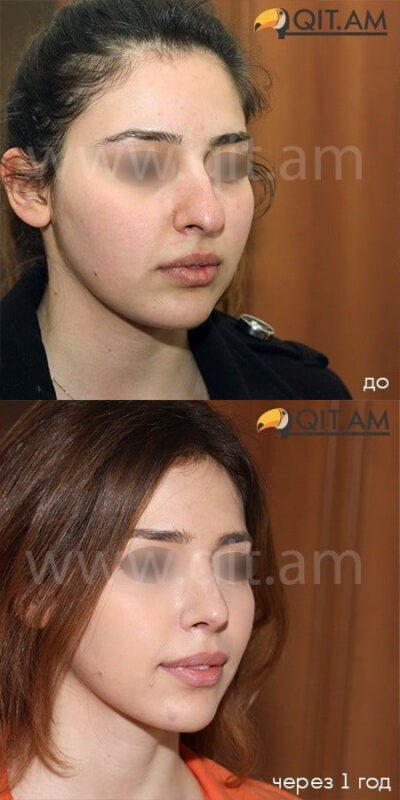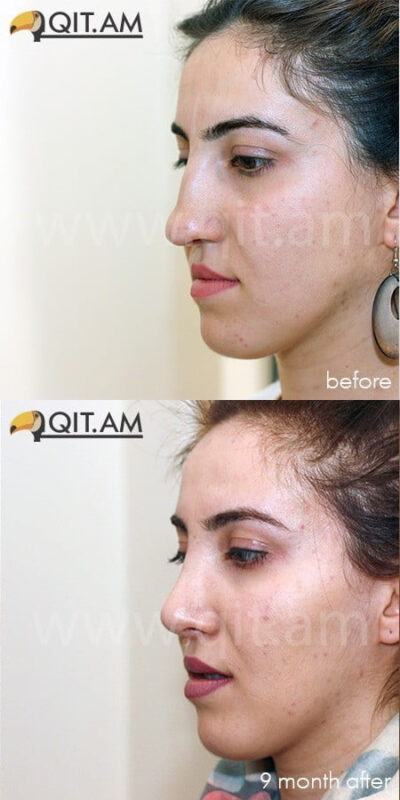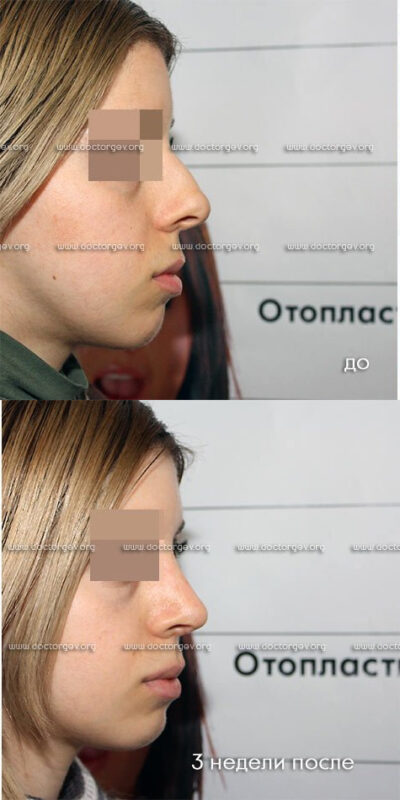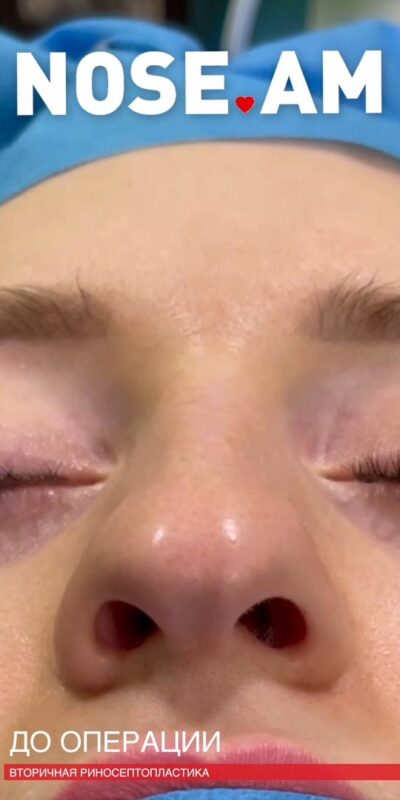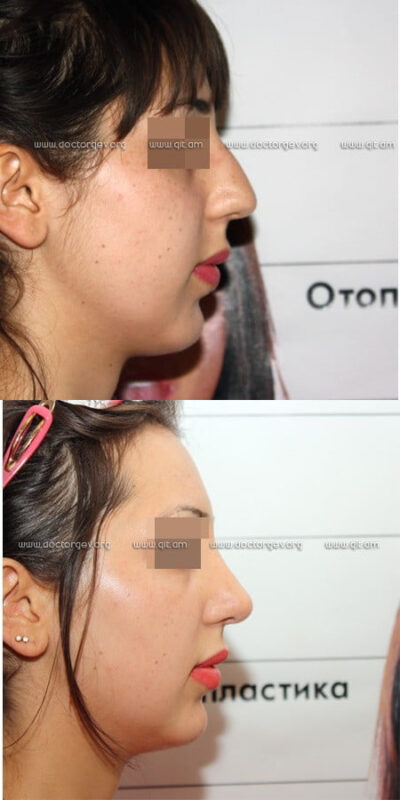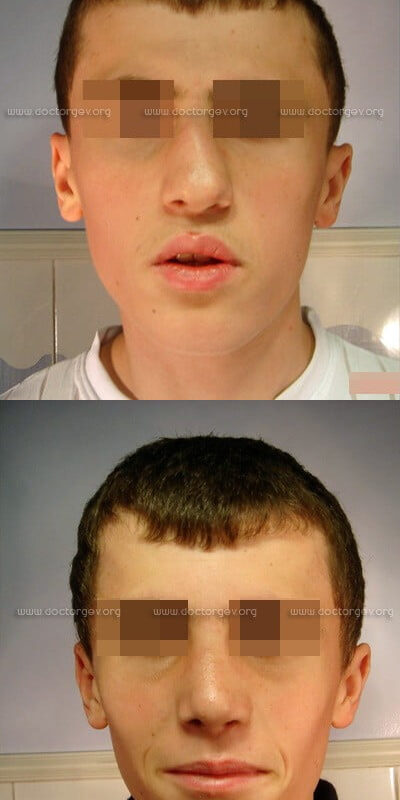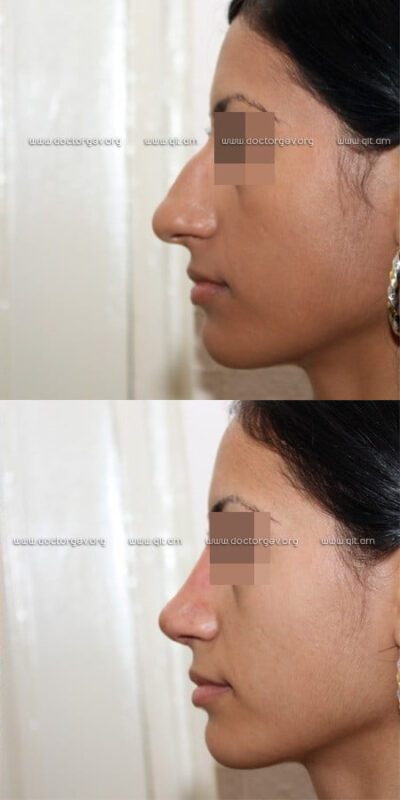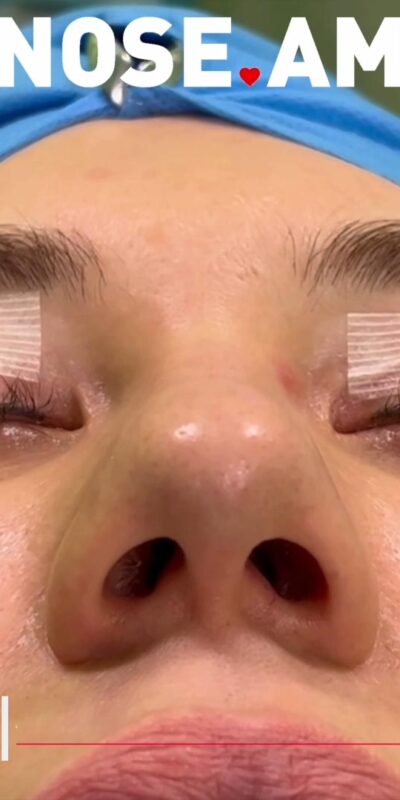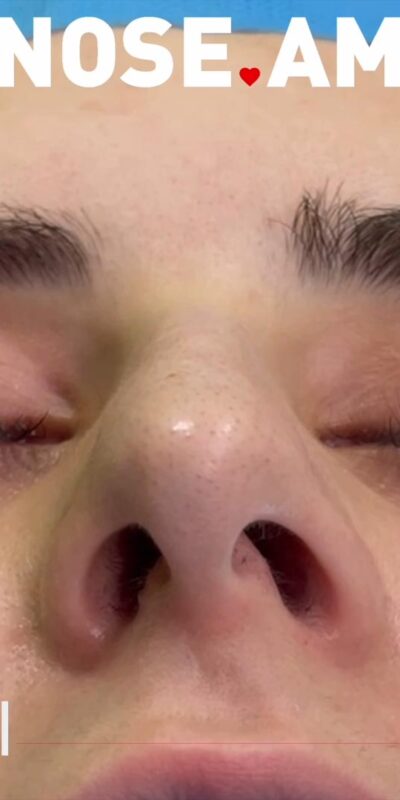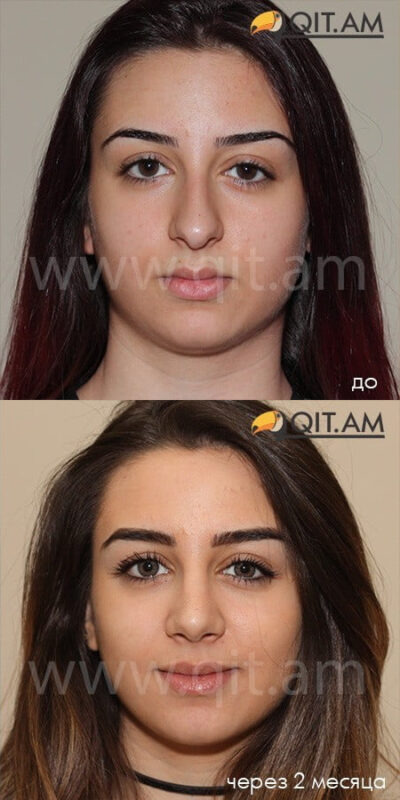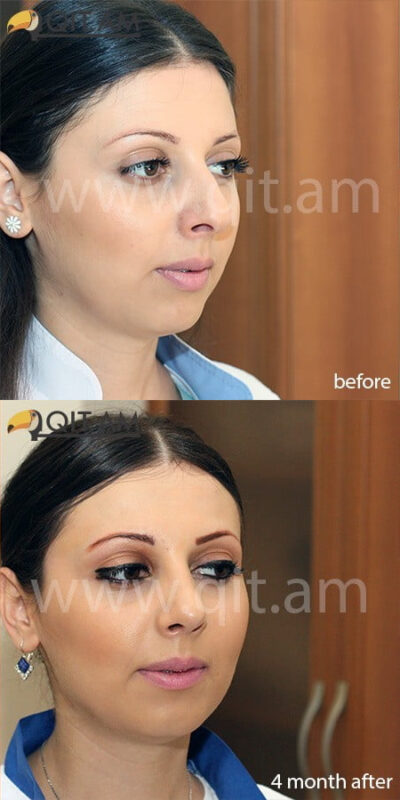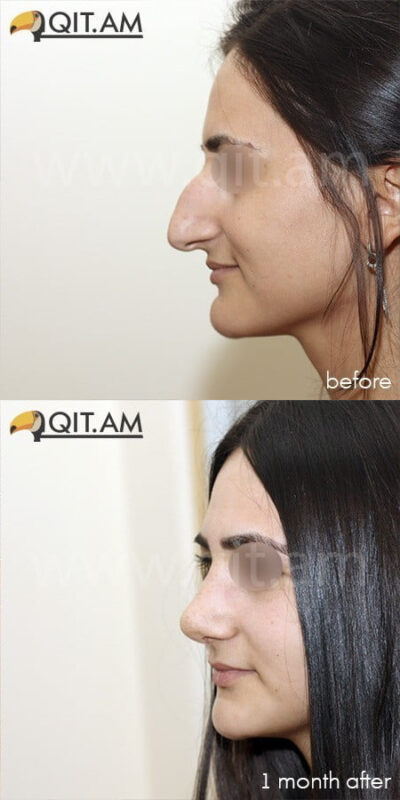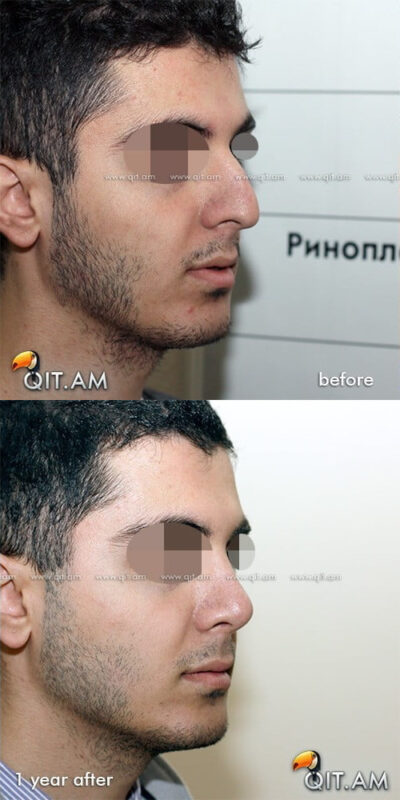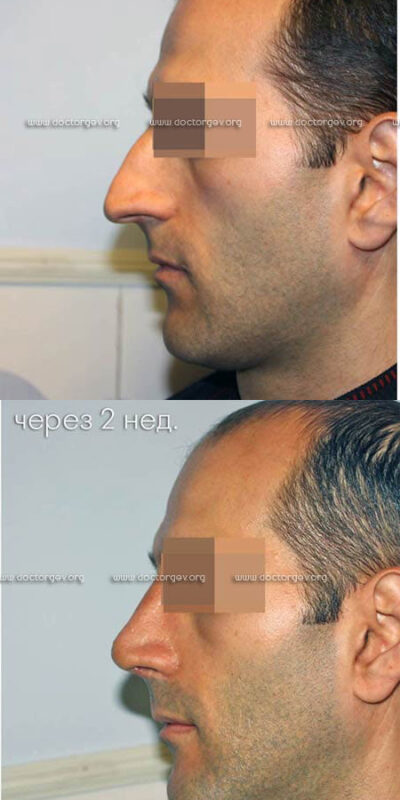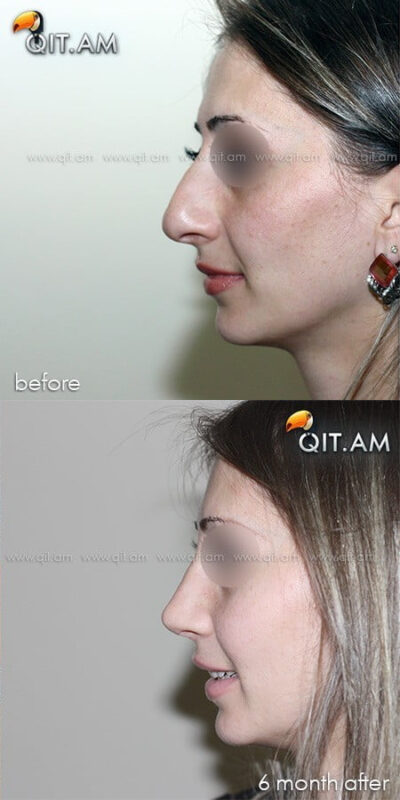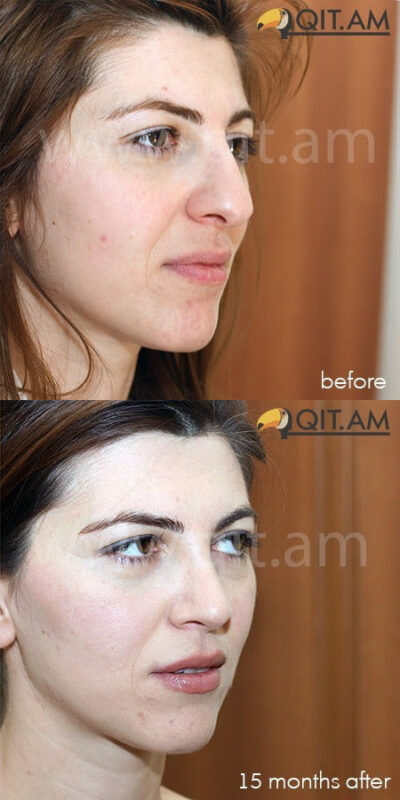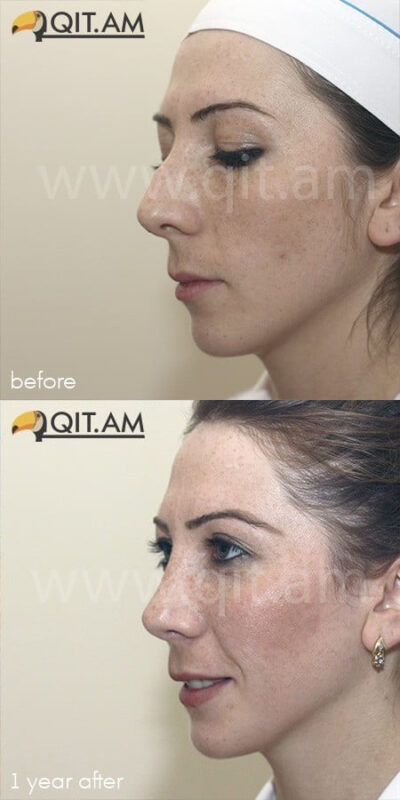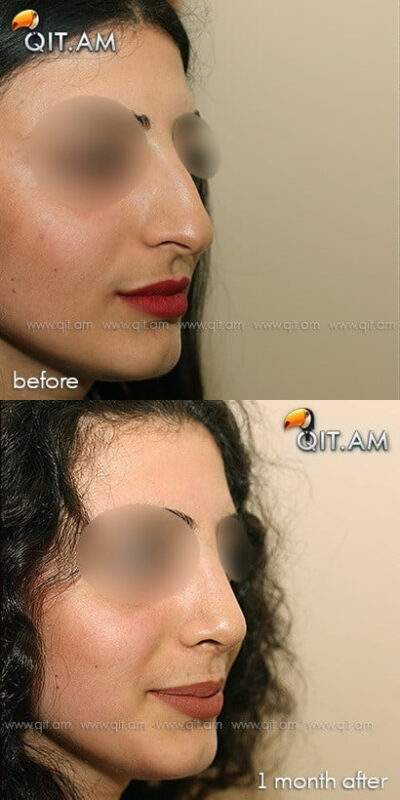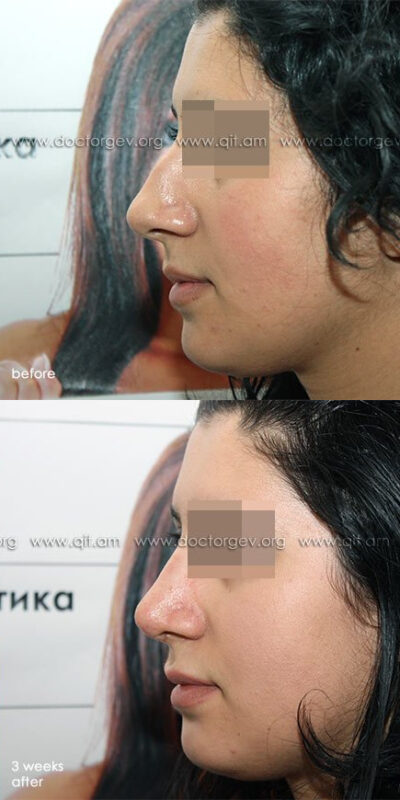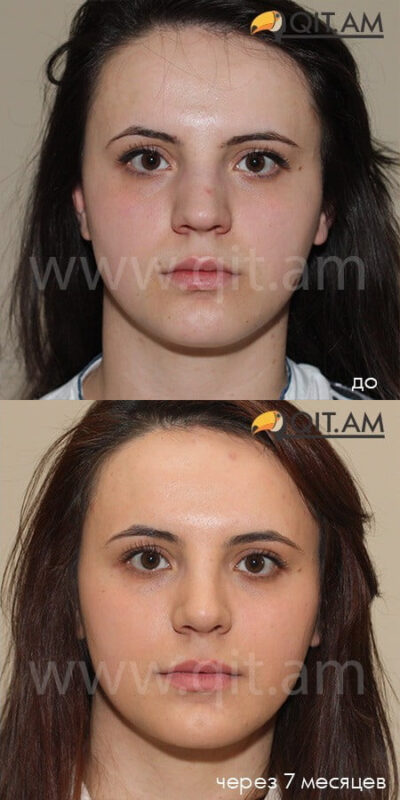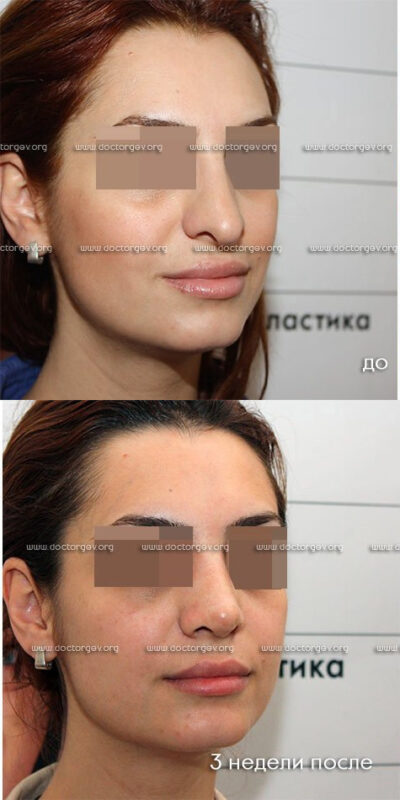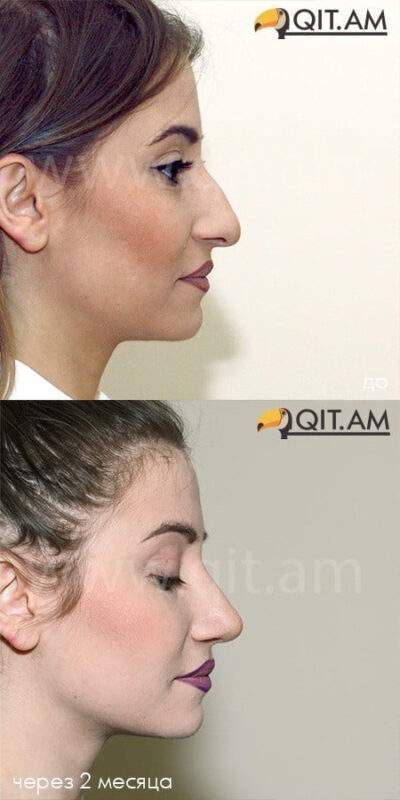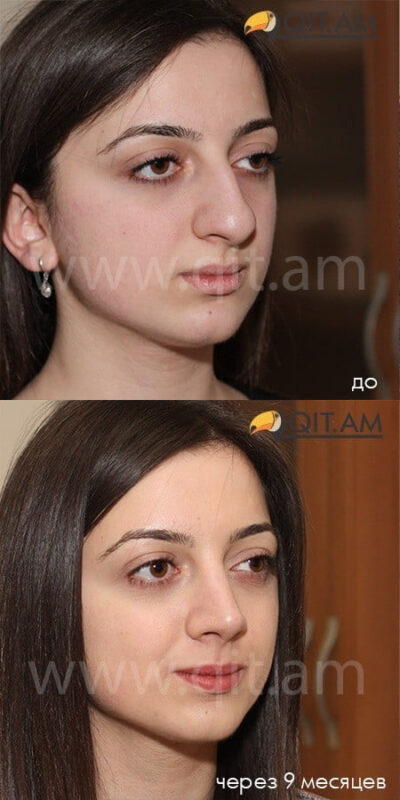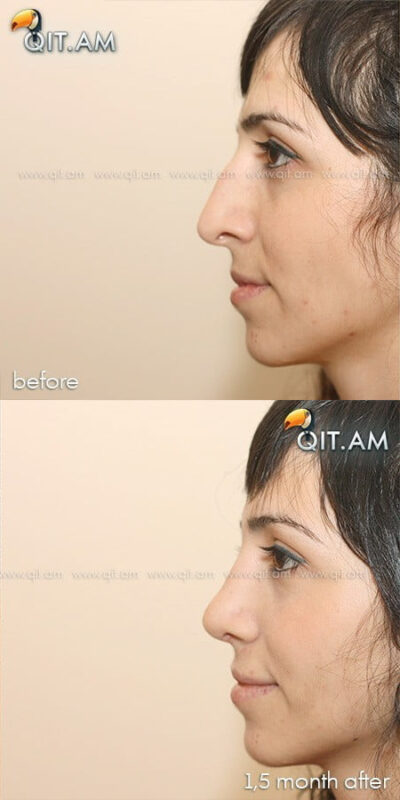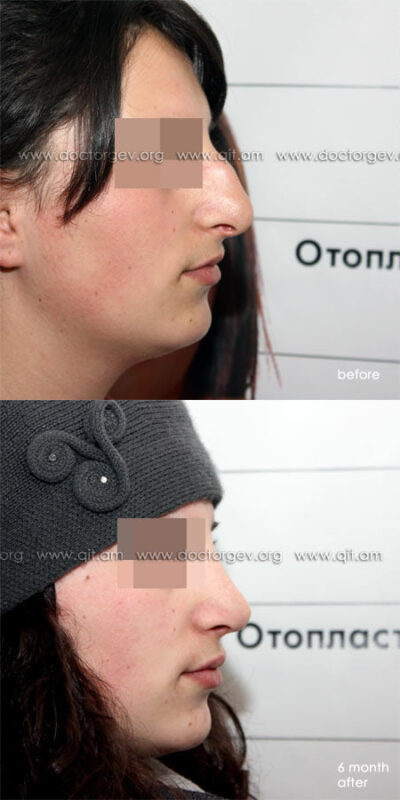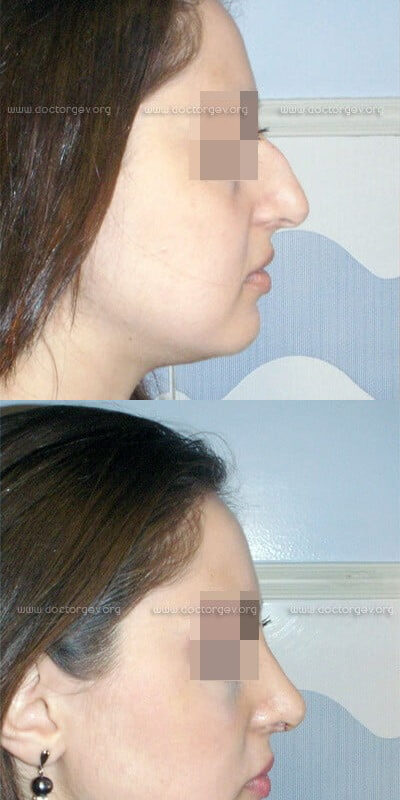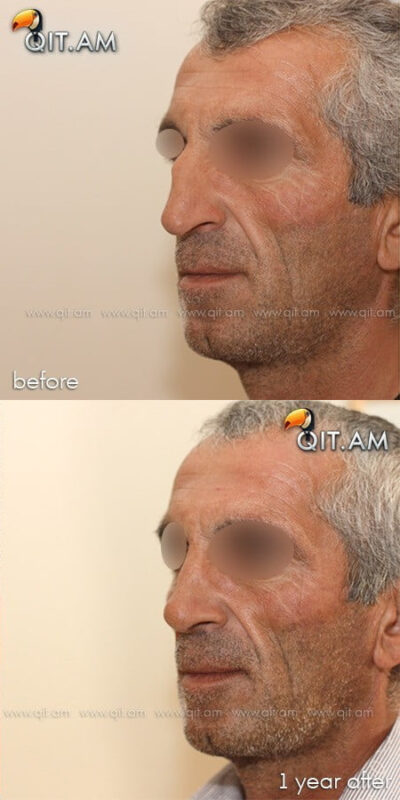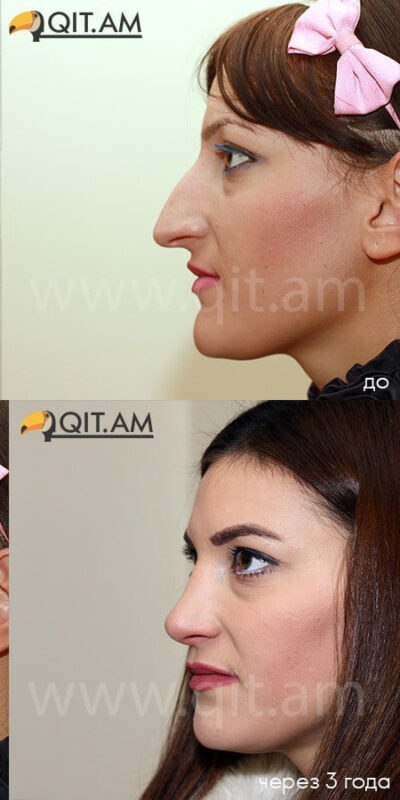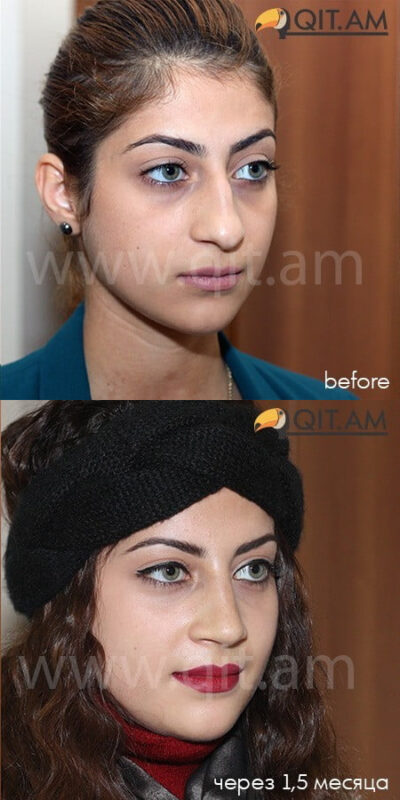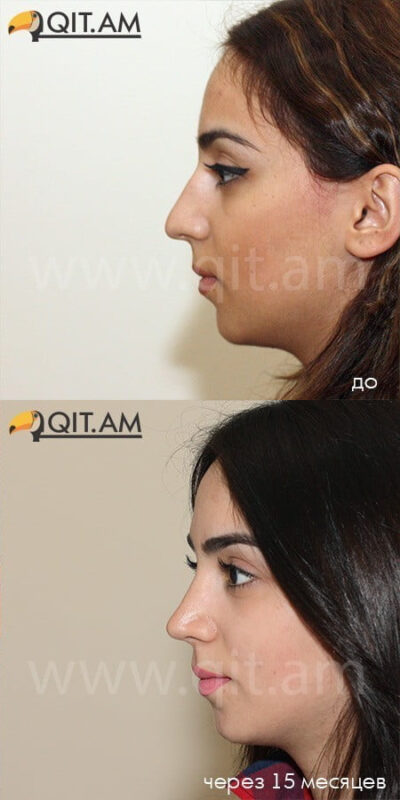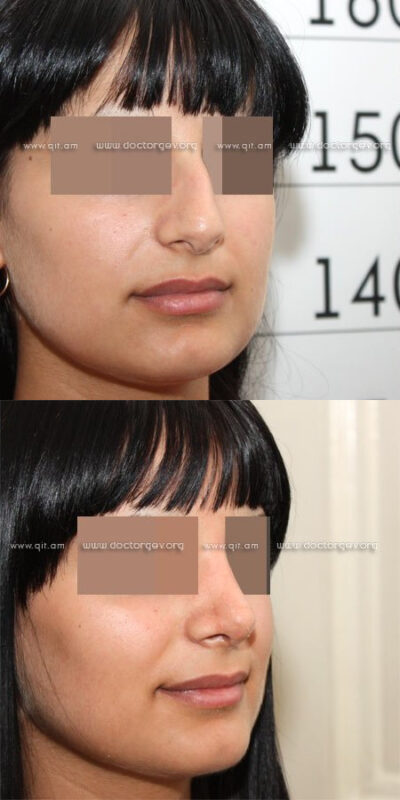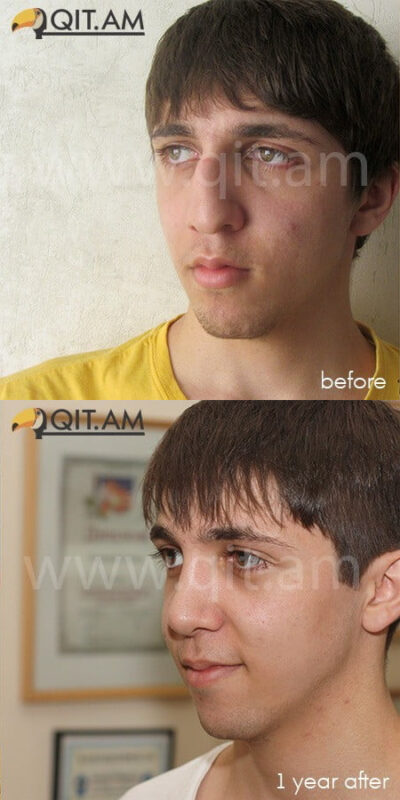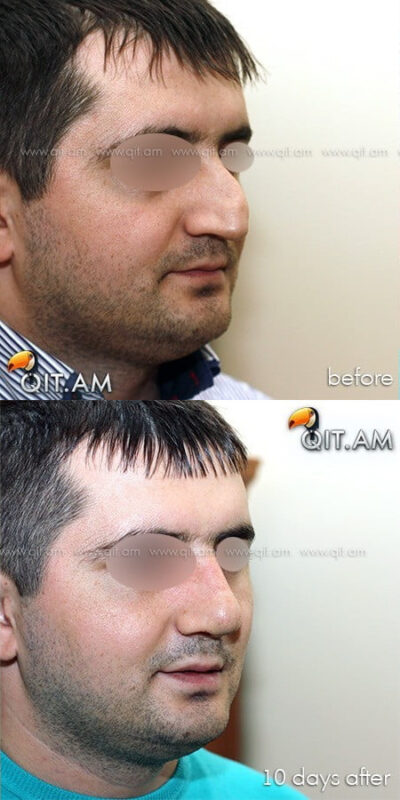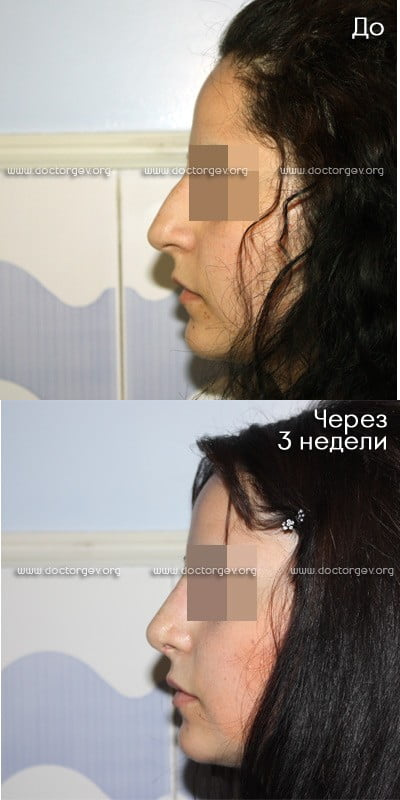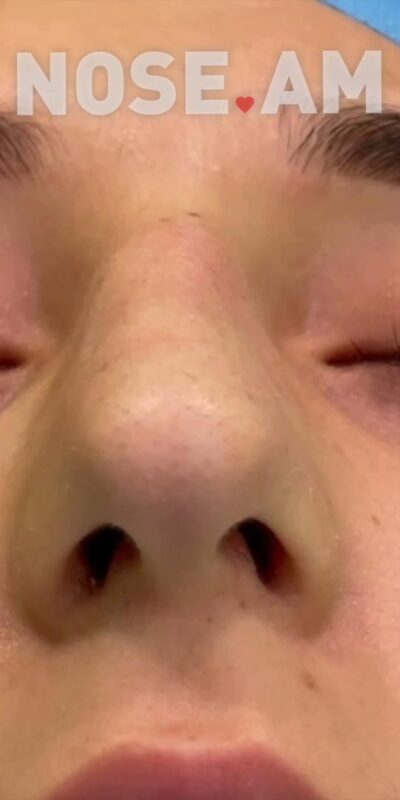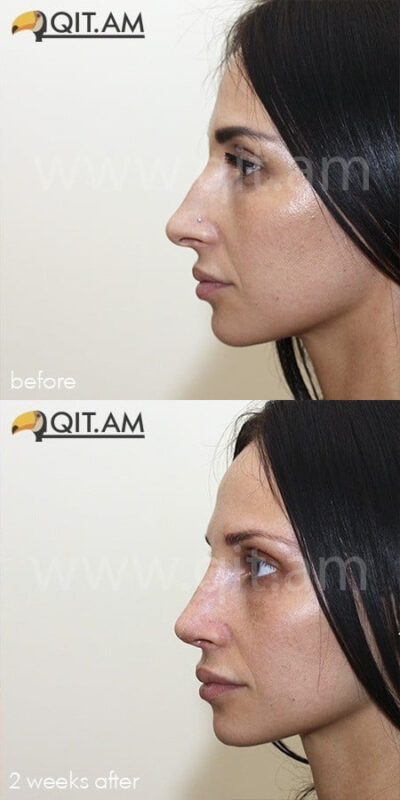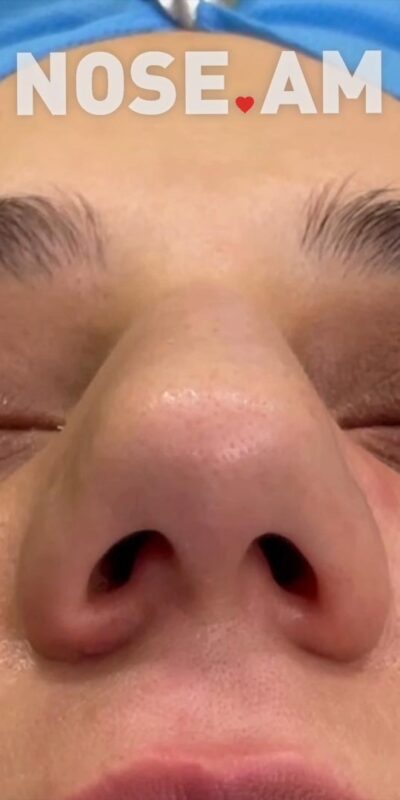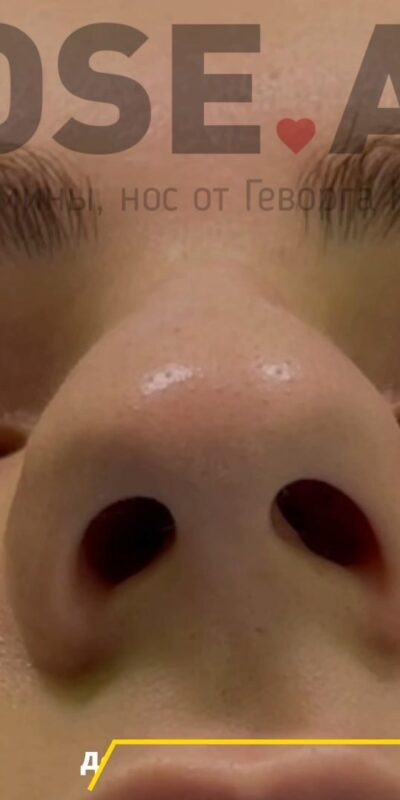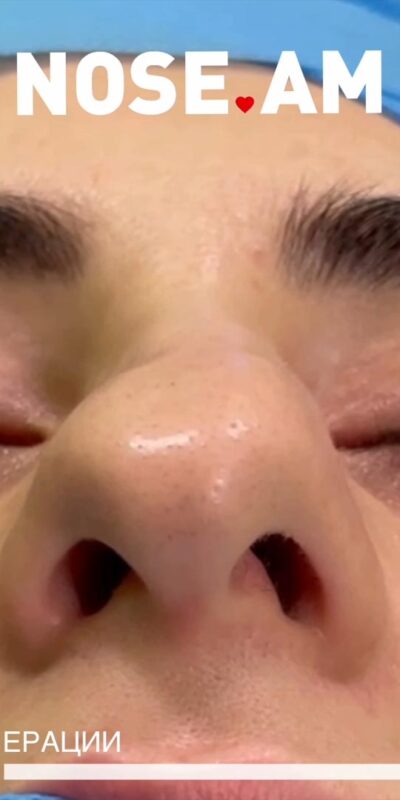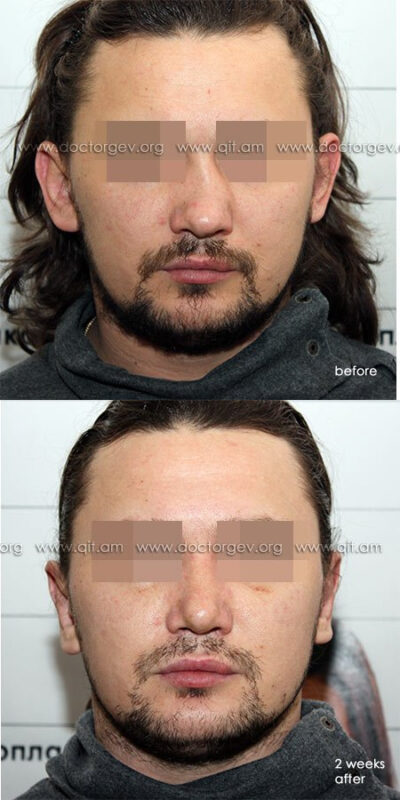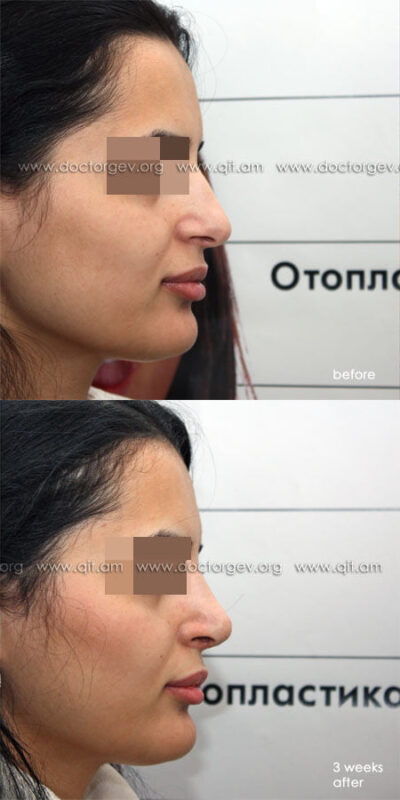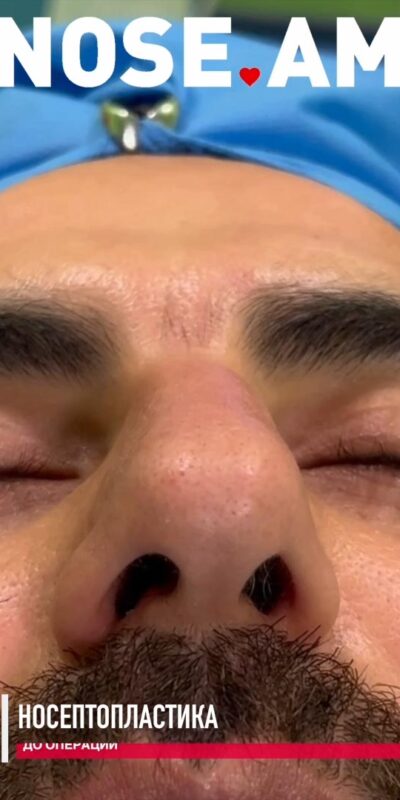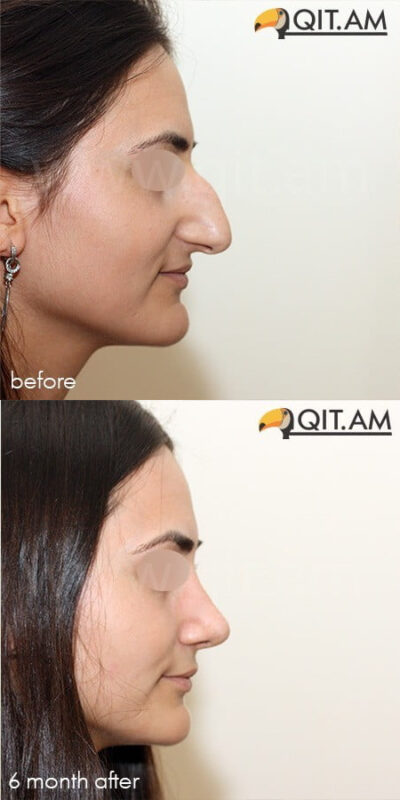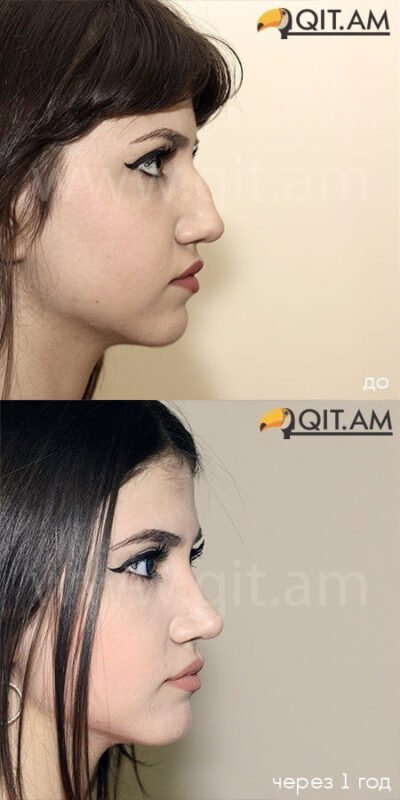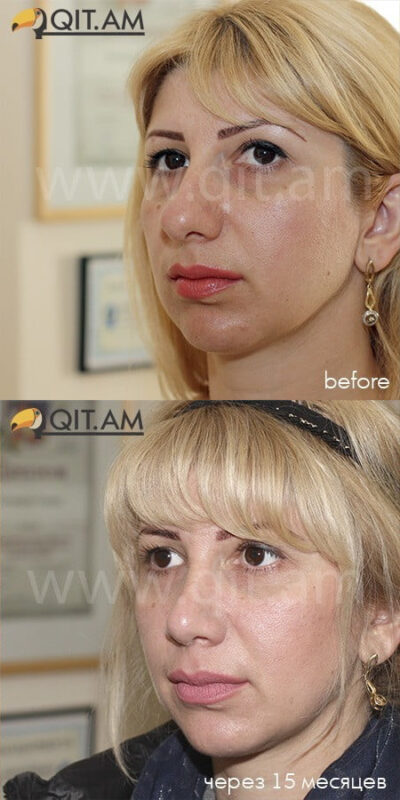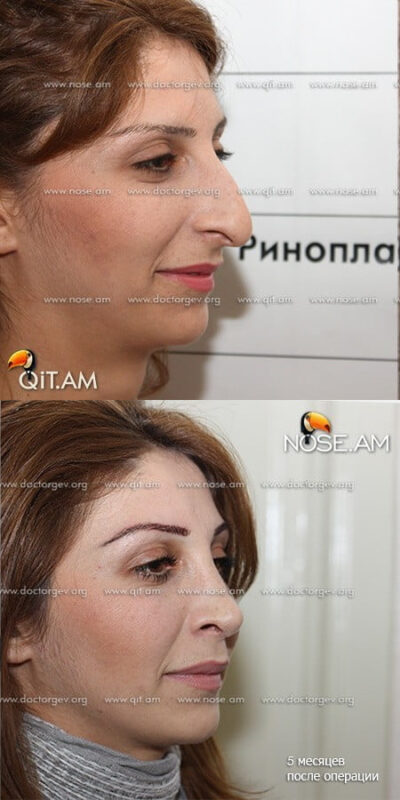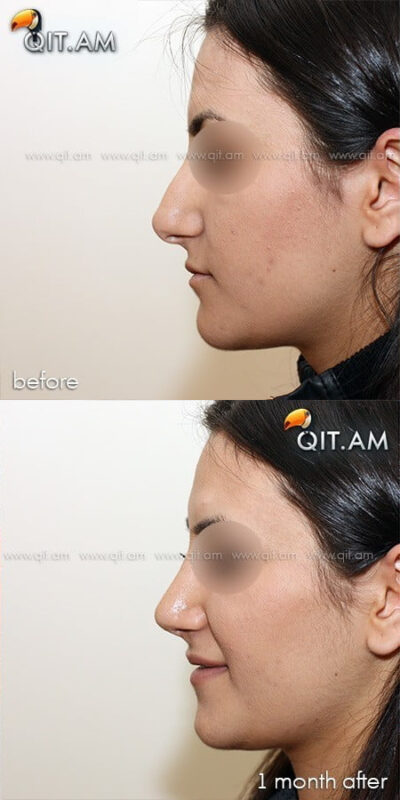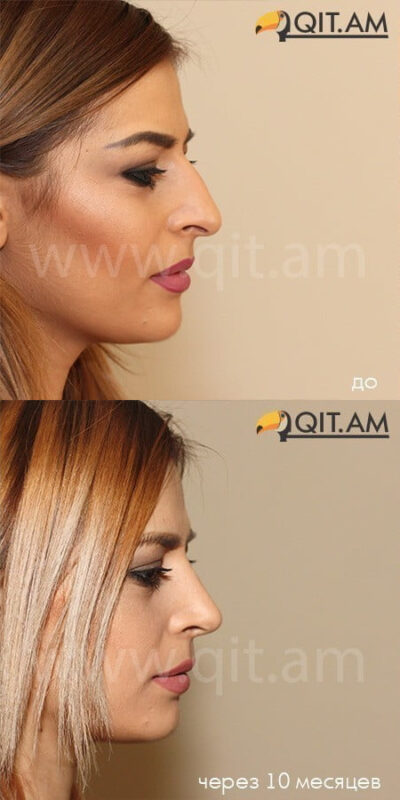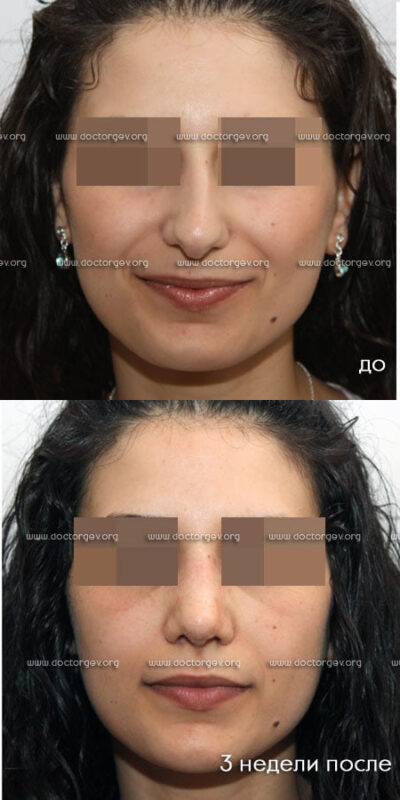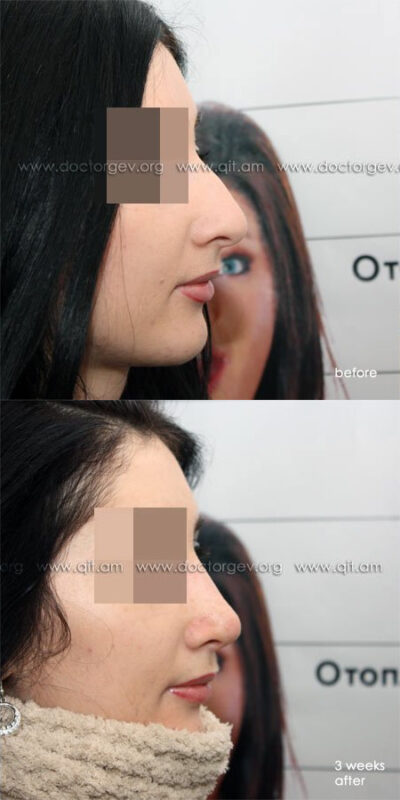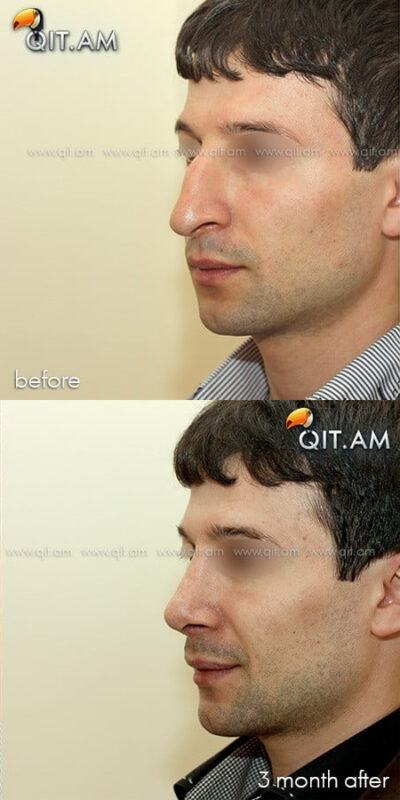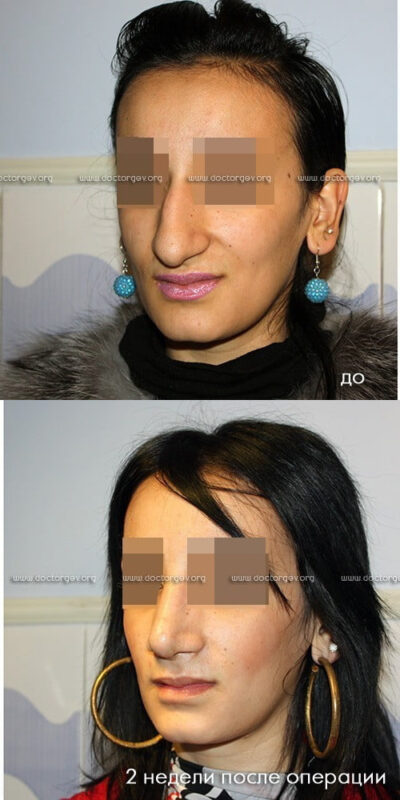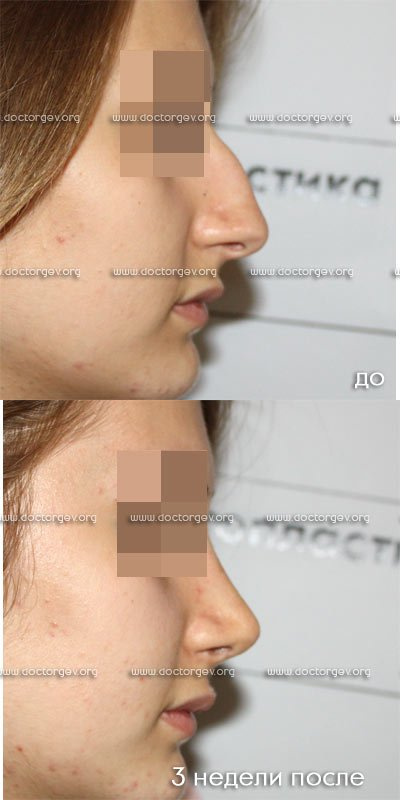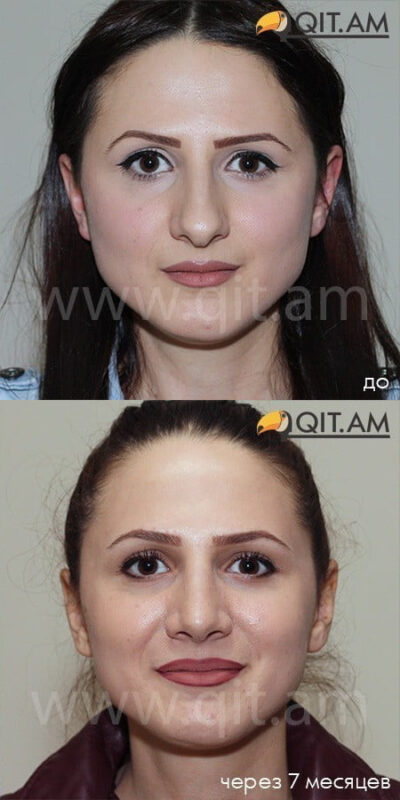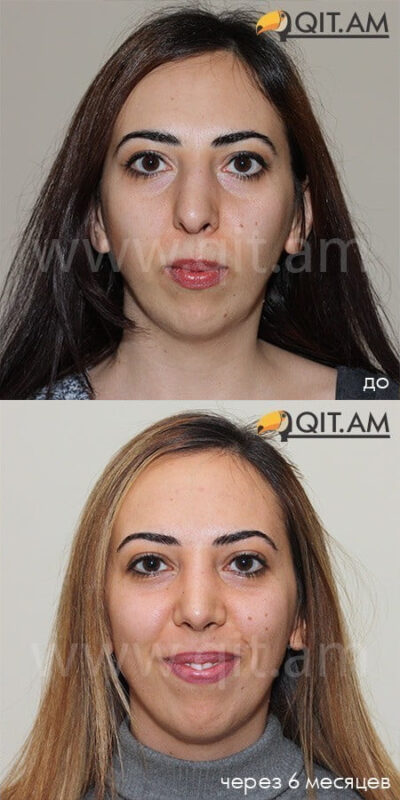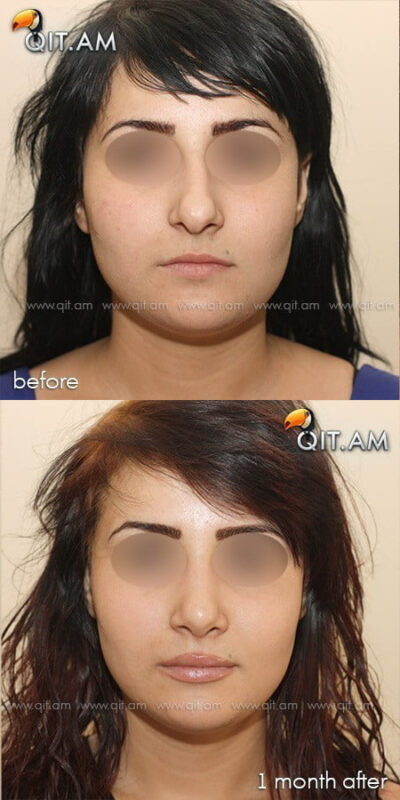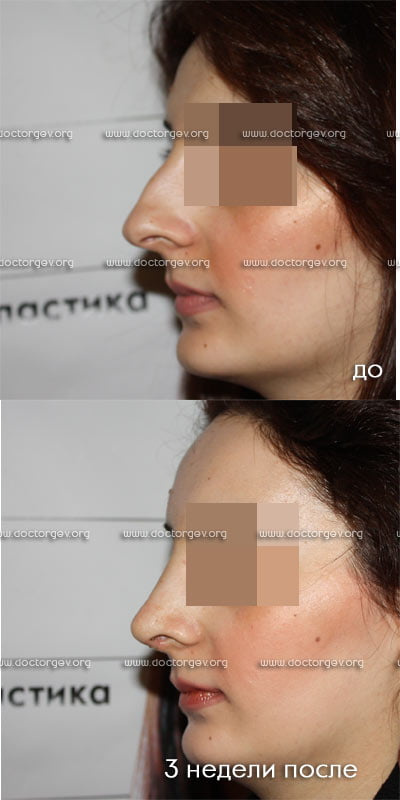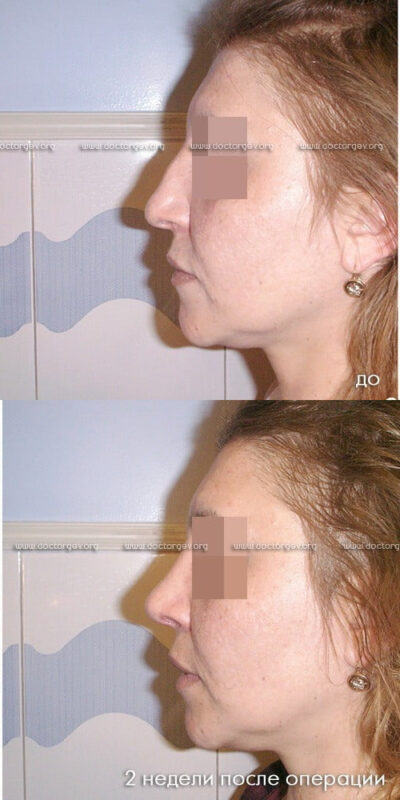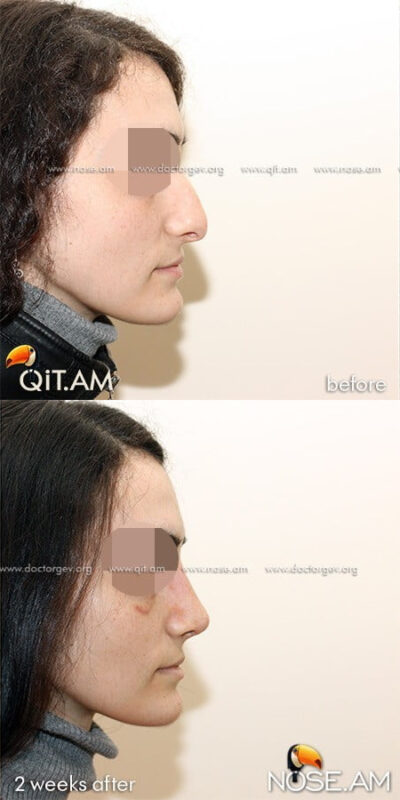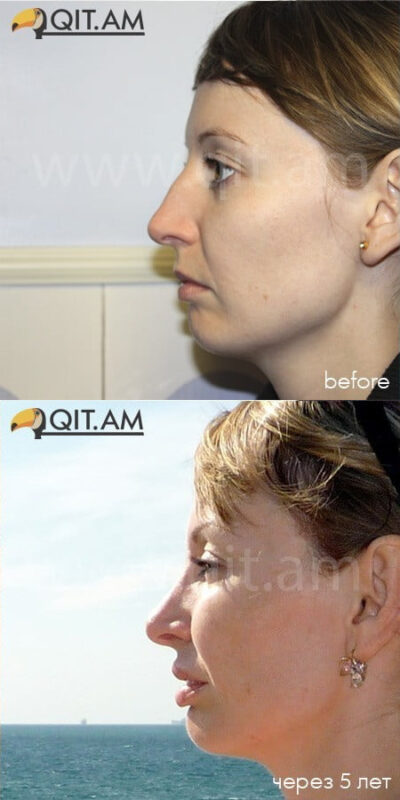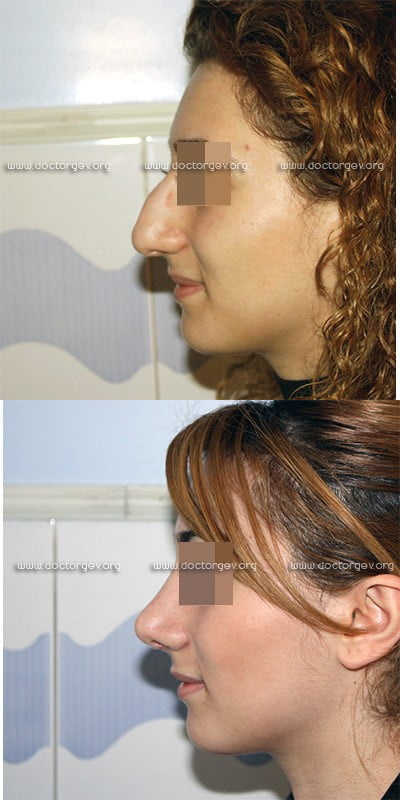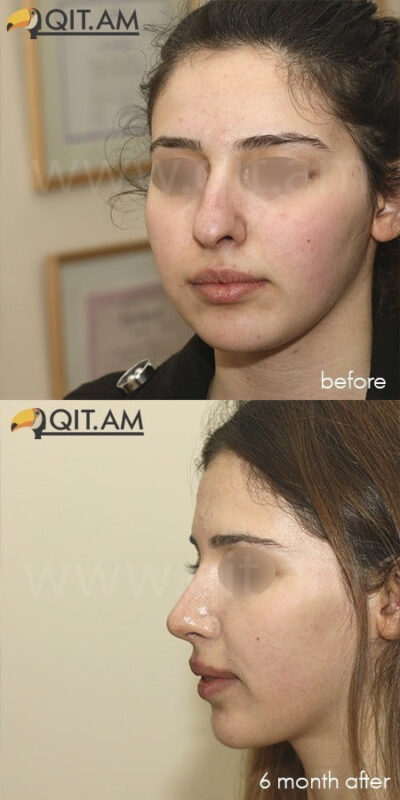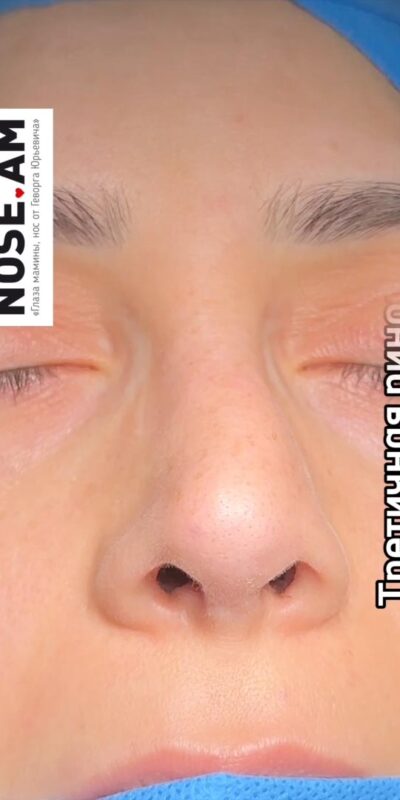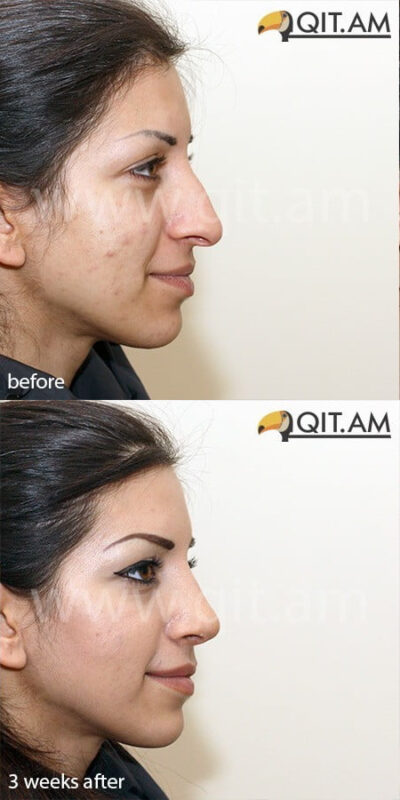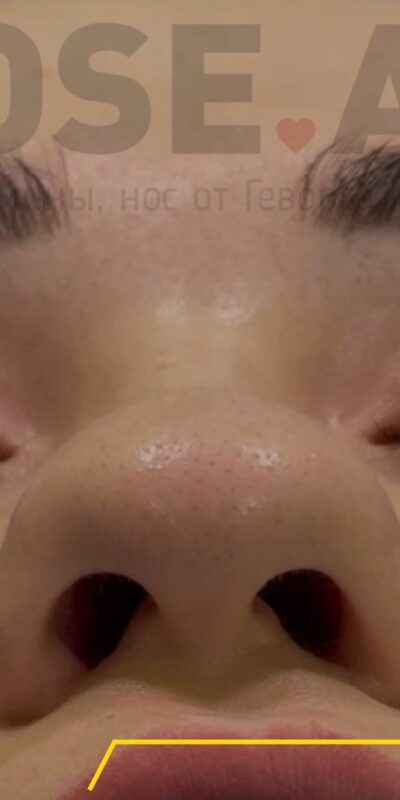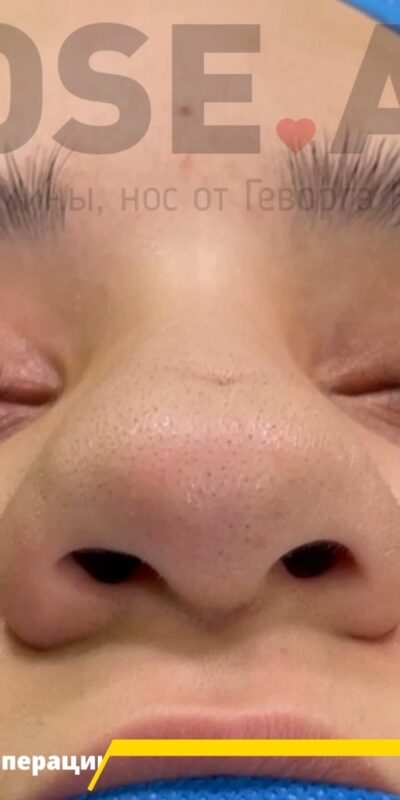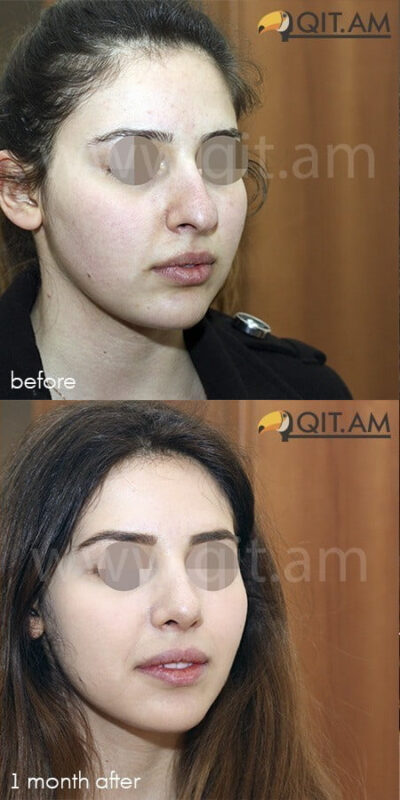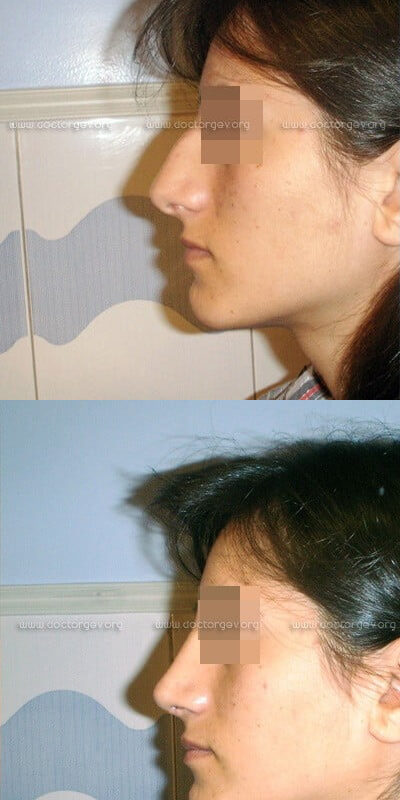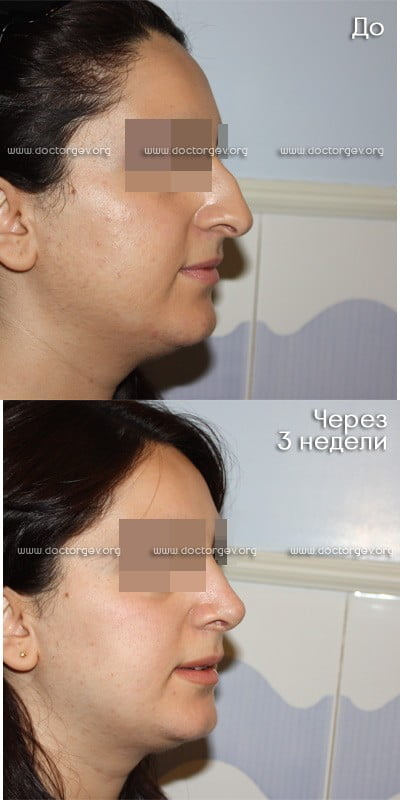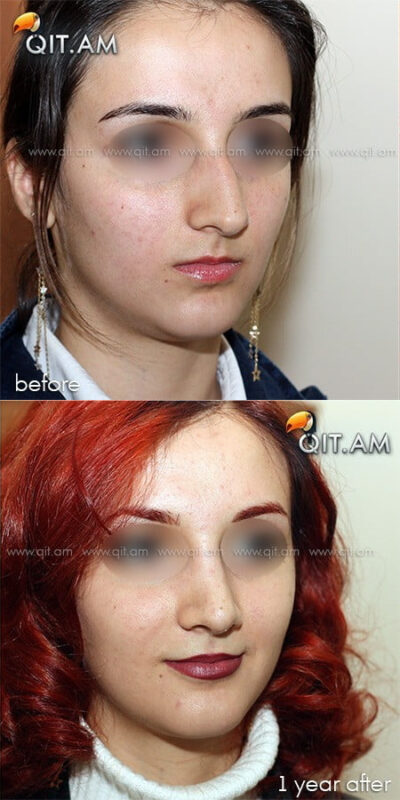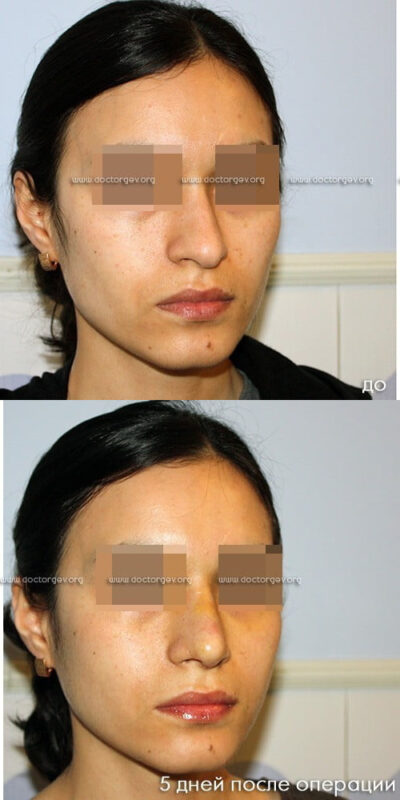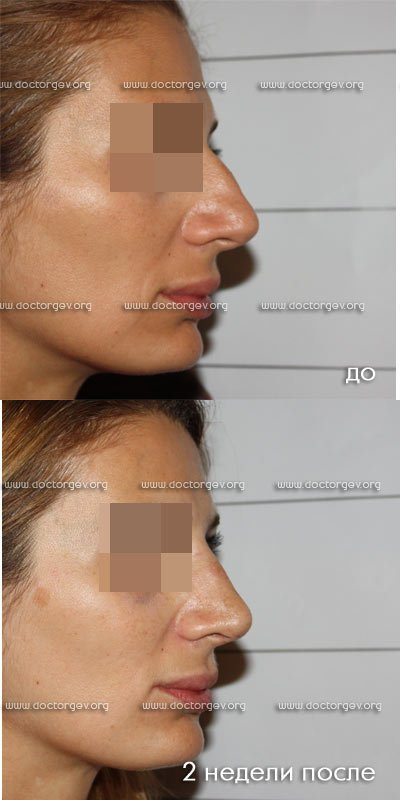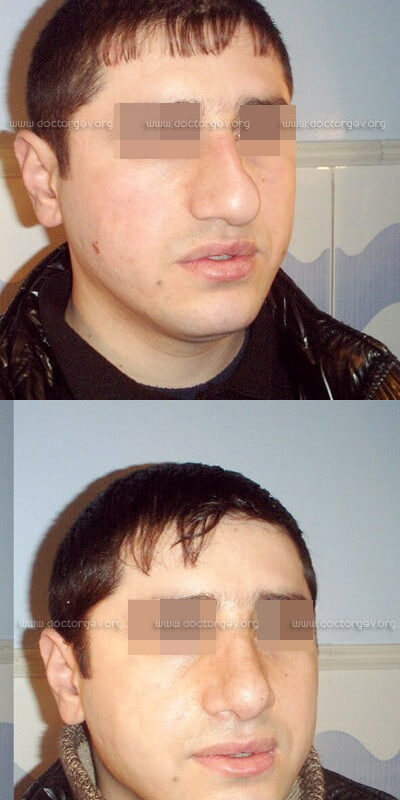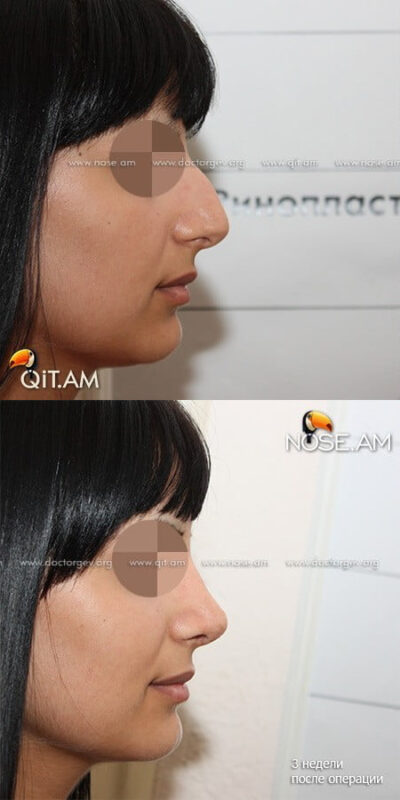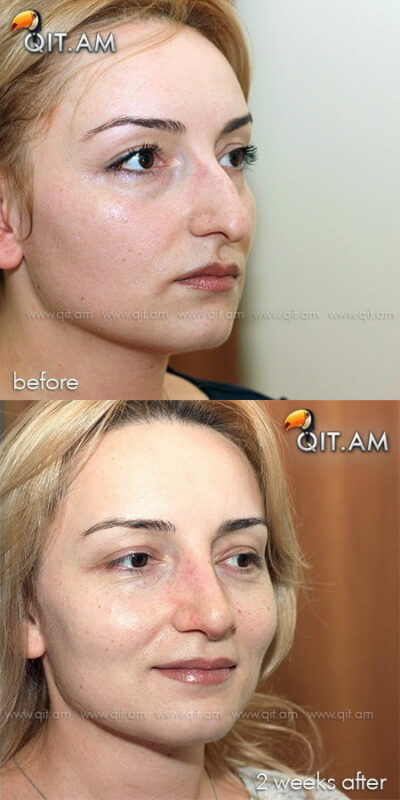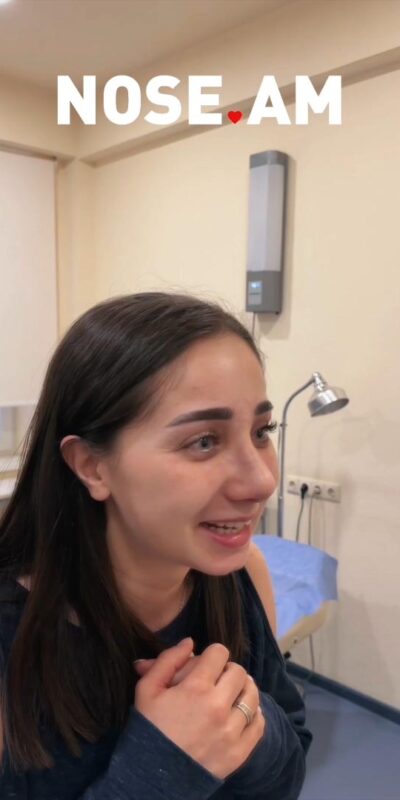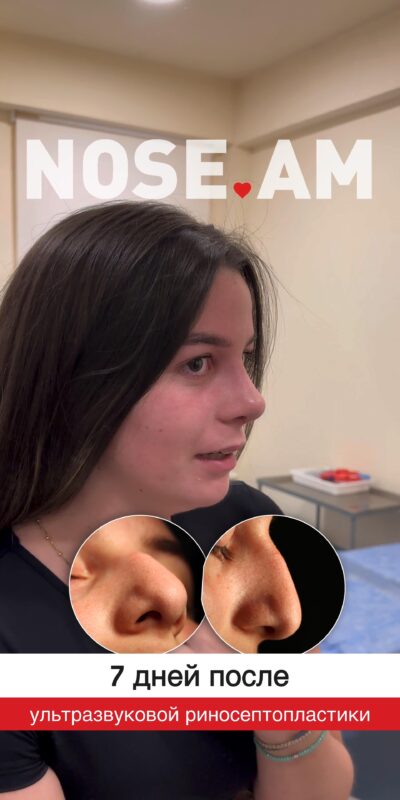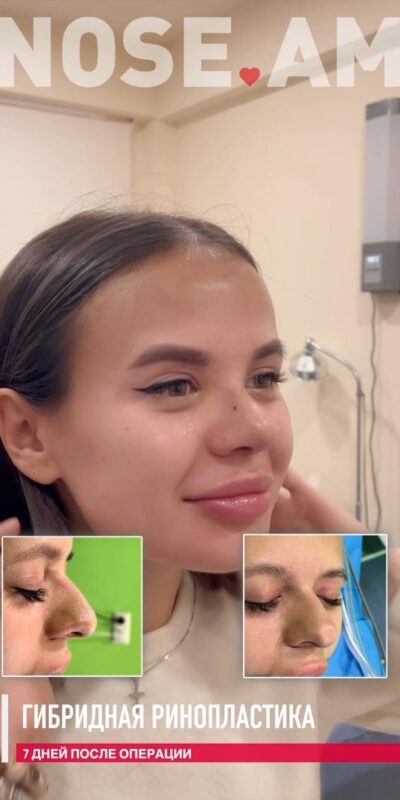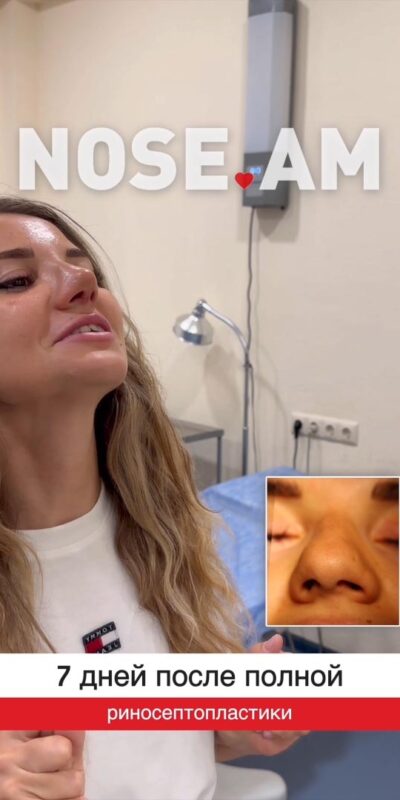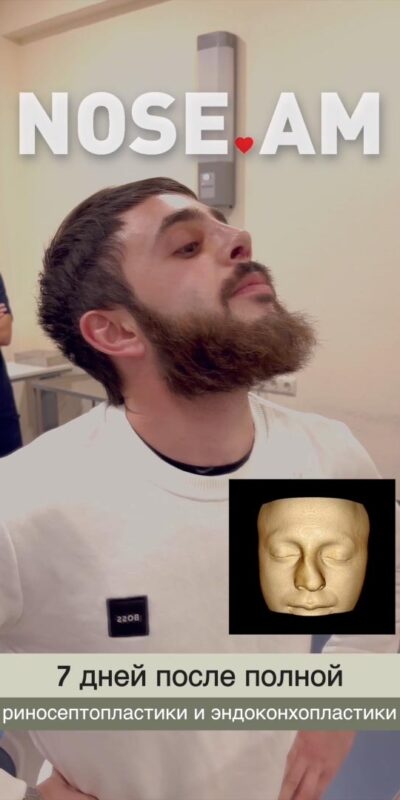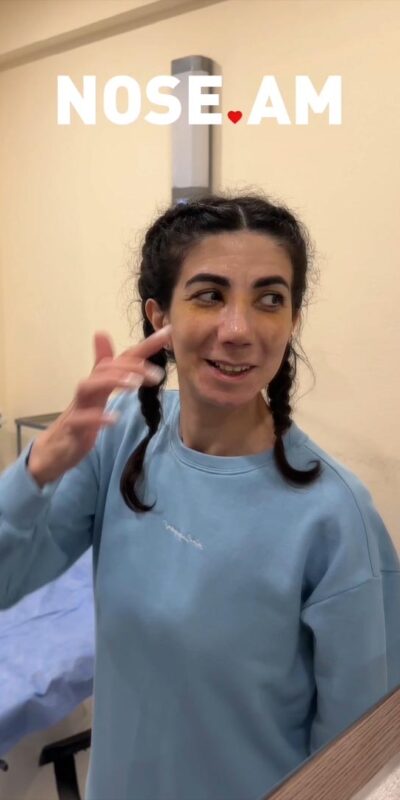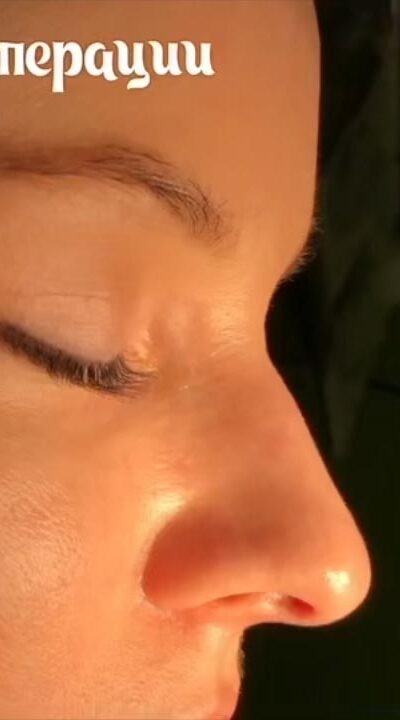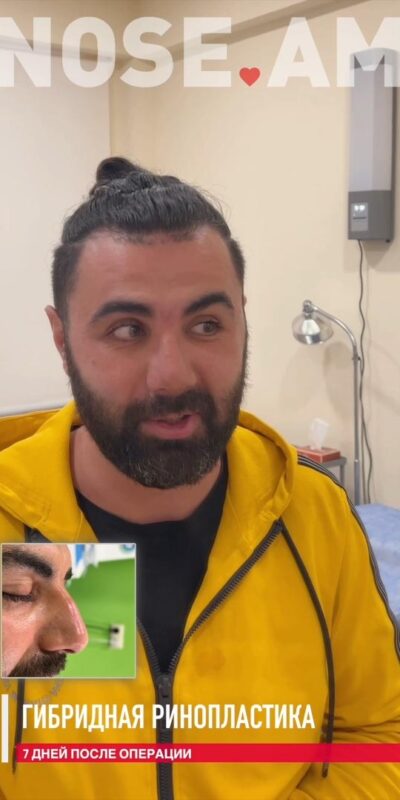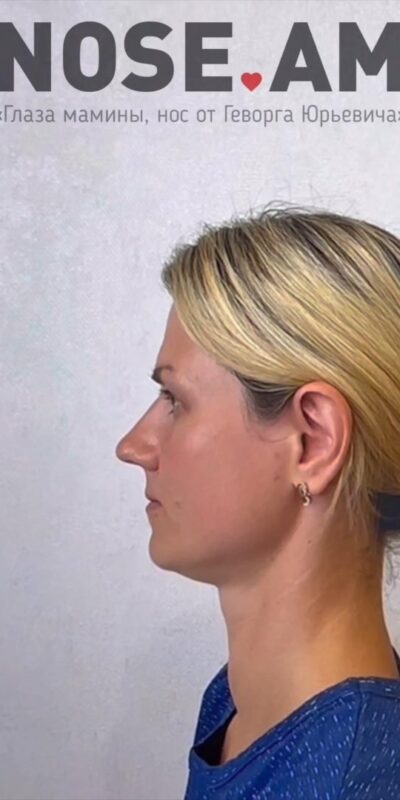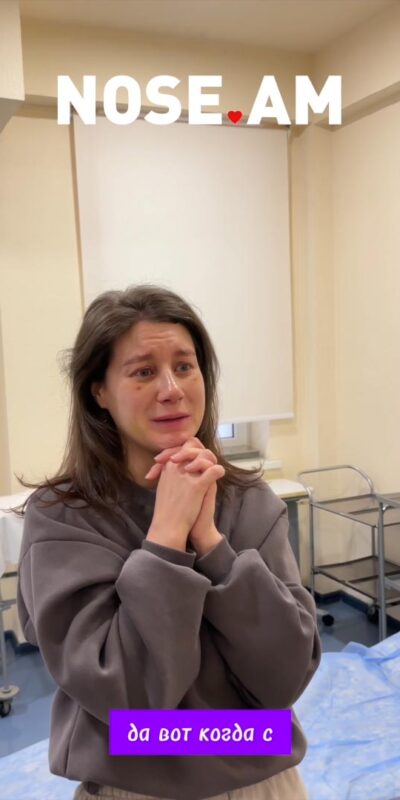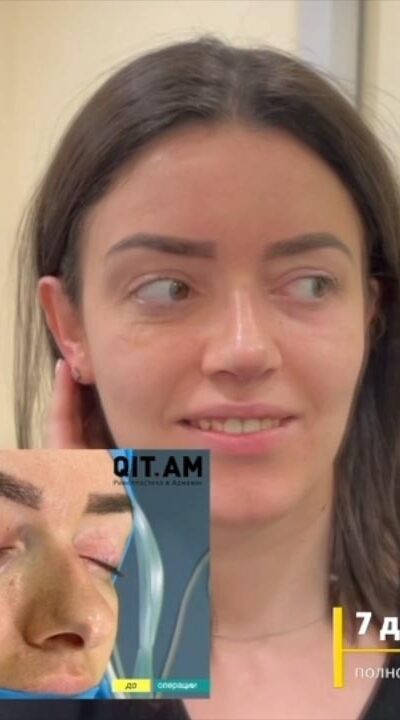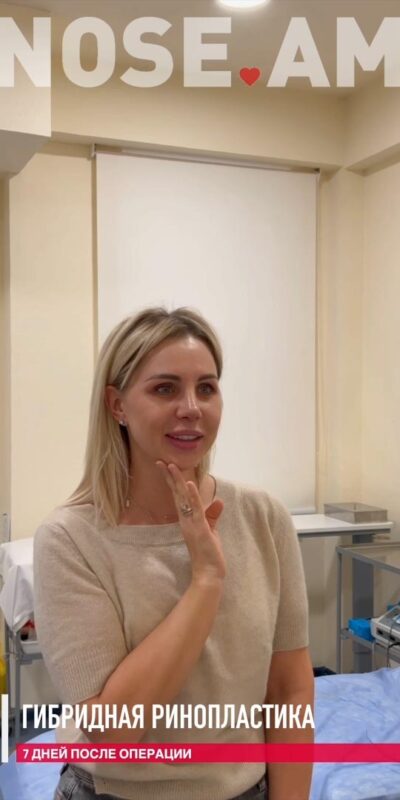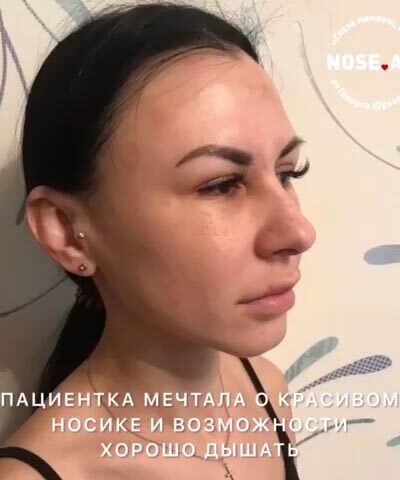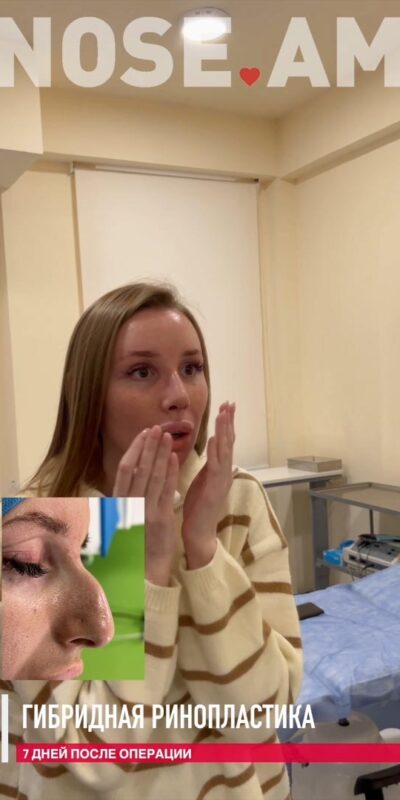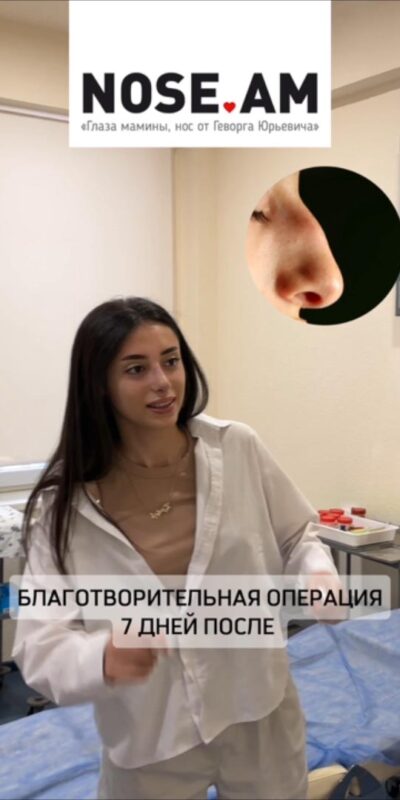

This fear stems from the stories of patients from past years. Back then, long gauze turundas that blocked breathing were indeed pulled out of the nose after rhinoplasty — and removing them was painful. It is understandable why these stories still cause fear today.
But the modern approach is fundamentally different. Let’s look at exactly what has changed.
Classic Nasal Packings vs. Silicone Splints
Traditional gauze turundas — long, dense, and soaked in an antiseptic — completely blocked the nasal passages. The patient had to breathe only through their mouth for several days, and removing them could indeed be painful and cause bleeding.
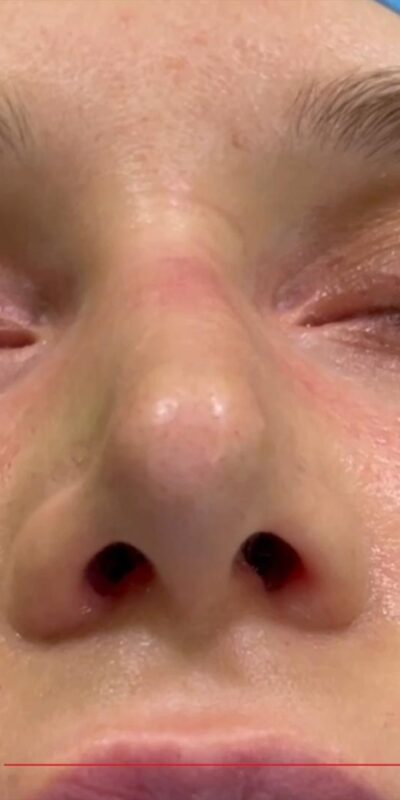
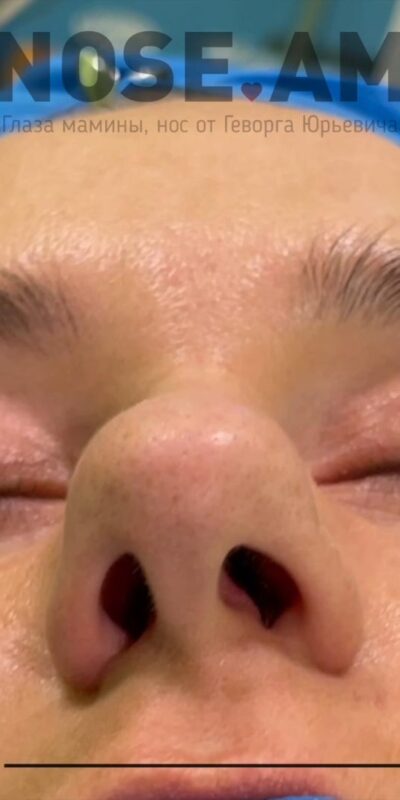
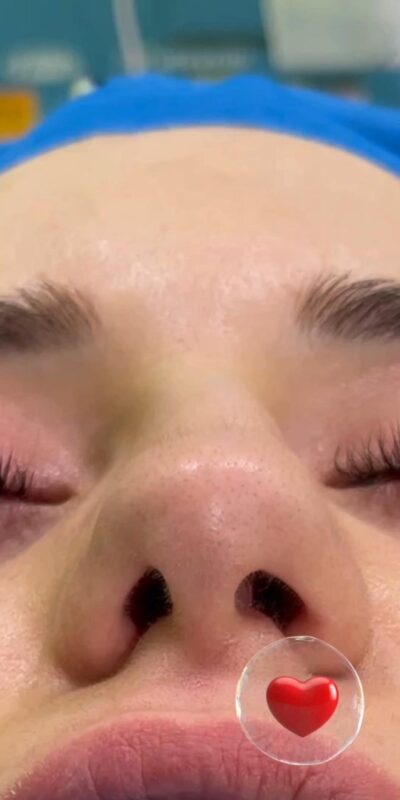
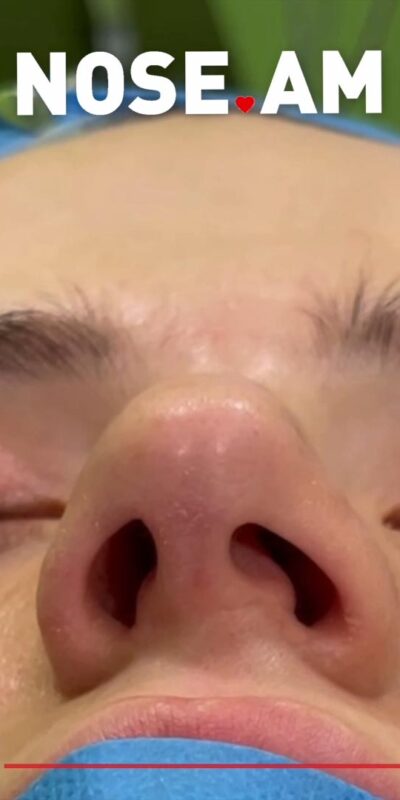
In my practice, intranasal silicone splints are placed after surgery — these are thin, elastic plates with breathing channels. They gently secure the septum, preventing its displacement during the healing period, and at the same time, allow you to breathe through your nose — not perfectly in the first few days, but enough for a normal state of well-being. No complete blockage of nasal breathing whatsoever.
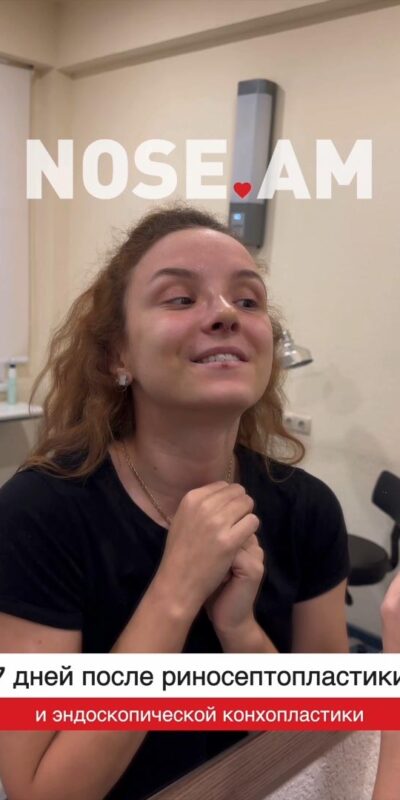
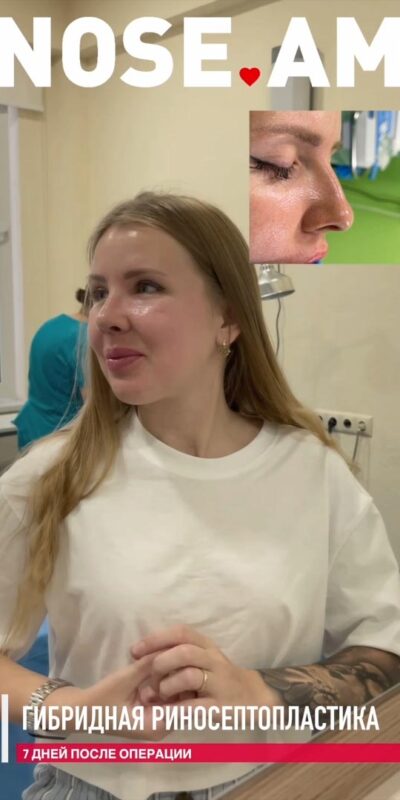
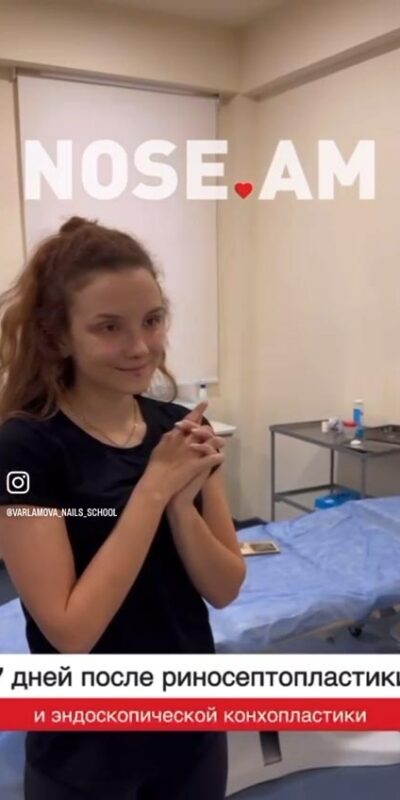
What Is Actually Felt in the First Few Days
After rhinoplasty, patients usually describe not pain, but rather:
- congestion and a feeling of fullness — the nose is still swollen inside;
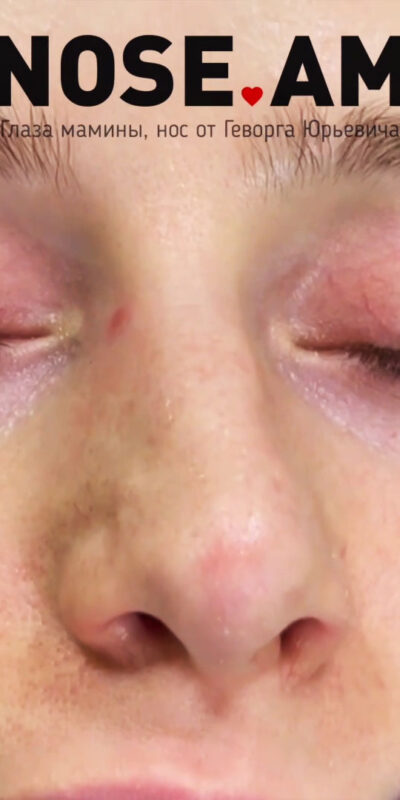
- facial swelling — especially under the eyes, reaching its peak within the first 48–72 hours;
- pressure from the thermoplastic splint from the outside;
- the need to keep the head elevated during sleep — this reduces swelling.
On a pain scale, most patients rate the first day at 2–3 out of 10. This is not about “enduring” — it is a manageable discomfort that is well controlled with standard pain relievers from the recommended regimen.
How Splints Are Removed — and Why It’s Not Scary
Removing silicone splints takes less than a minute. The doctor gently extracts them with tweezers. Silicone is soft and smooth — with the right technique, removal is virtually painless. Most patients who anticipated this moment with fear are later surprised: “It was completely different from what I imagined.”
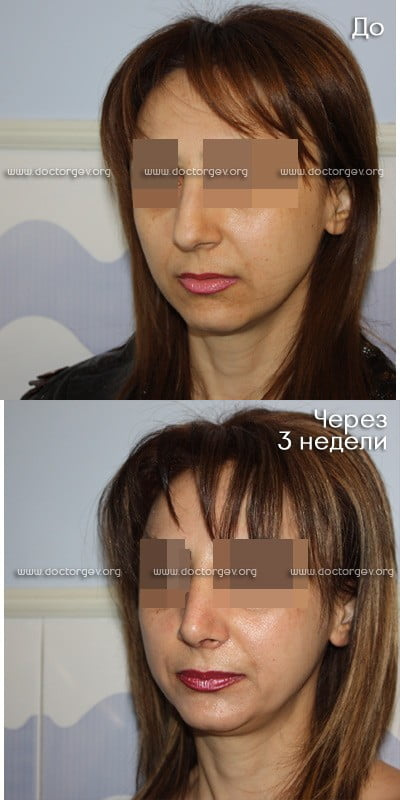
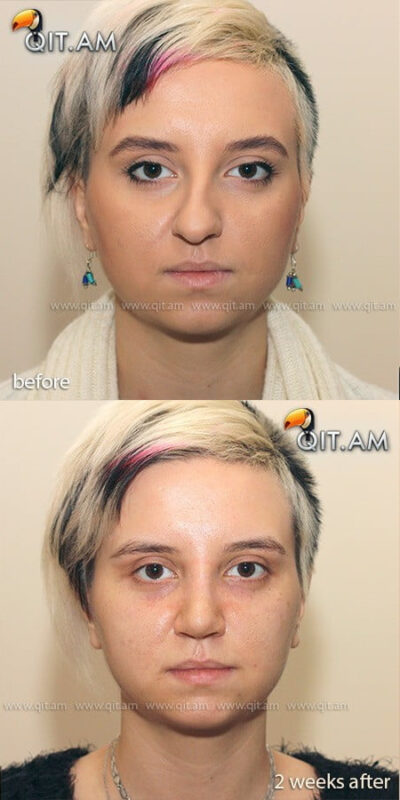
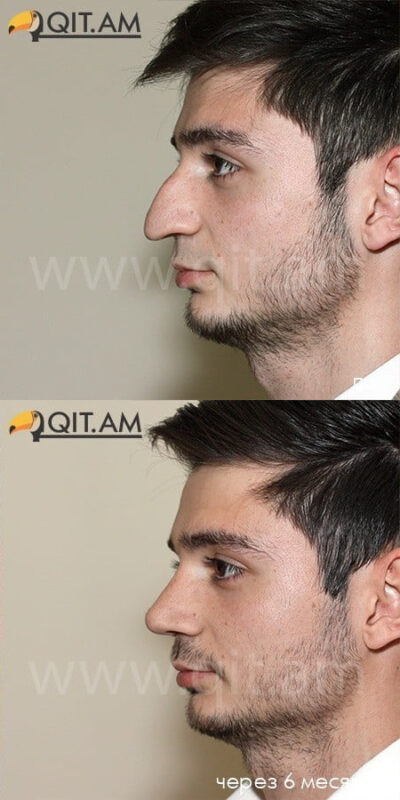
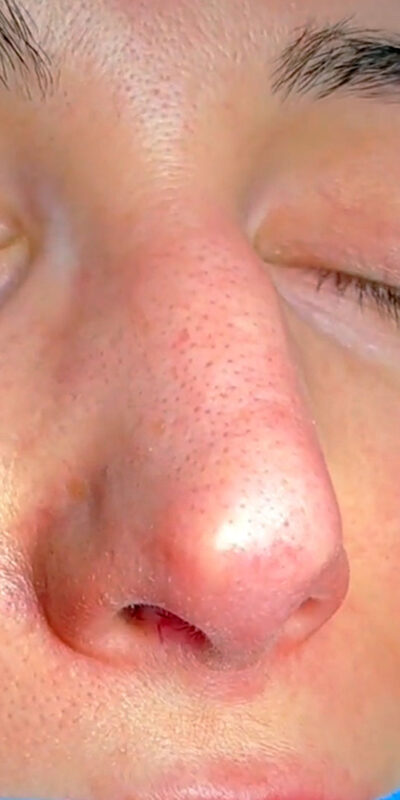
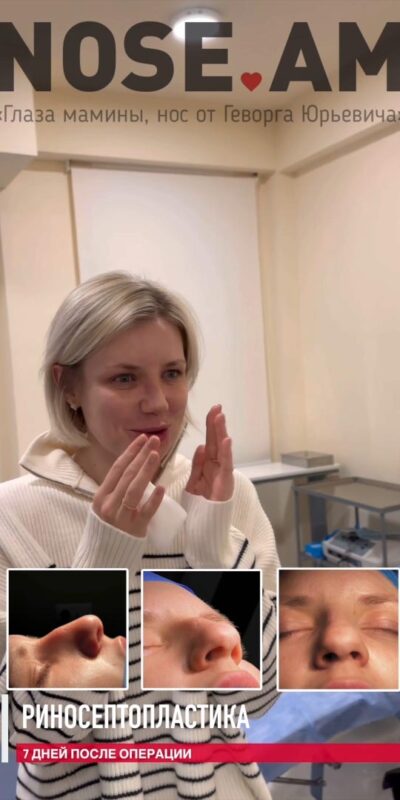
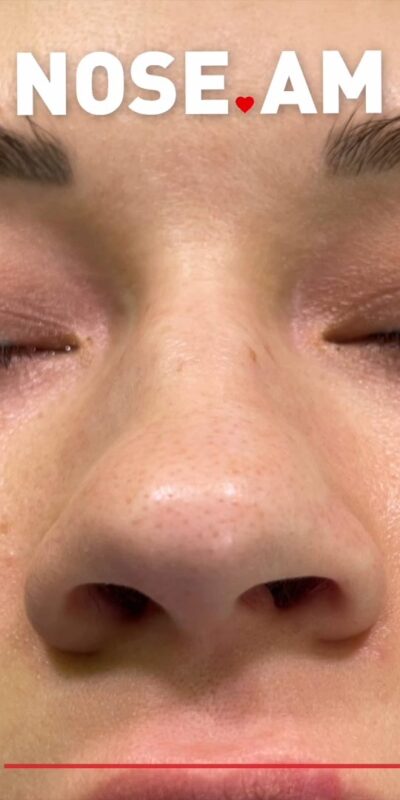
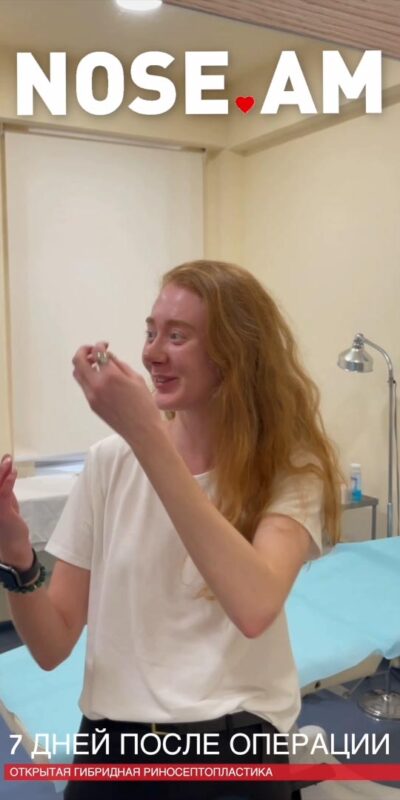
After the splints are removed, the nose is still swollen — the shape is still “rough,” which is normal. However, breathing improves almost immediately, and patients describe this feeling as a great relief.
The Main Rule of the First Few Days: No Independent Action
Do not rinse your nose without a prescription, do not blow your nose, do not apply heat, do not remove the dressing on your own, and do not use any medications beyond the prescribed regimen. All care instructions must be followed strictly according to the guidelines you received after surgery.
If something seems abnormal or unclear — text or call. Do not guess and do not wait. A question asked in time is resolved many times easier than a problem that has been dragged out for a long time.
Scary stories about nasal packings belong to the past of rhinoplasty. During the consultation, I will explain in detail exactly what will happen in the first days after your surgery — so that you understand every step in advance.