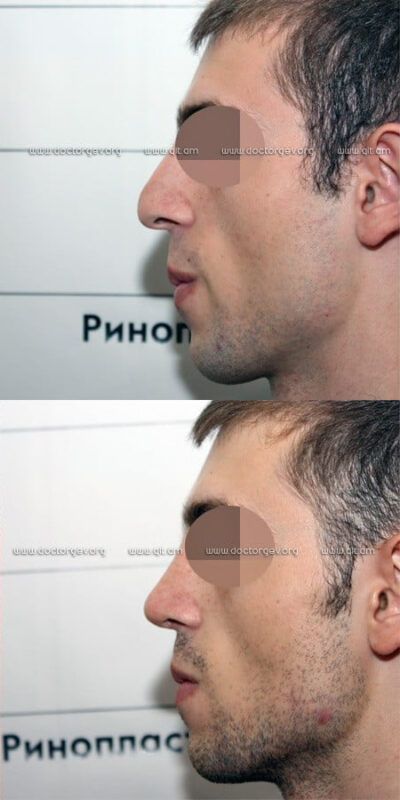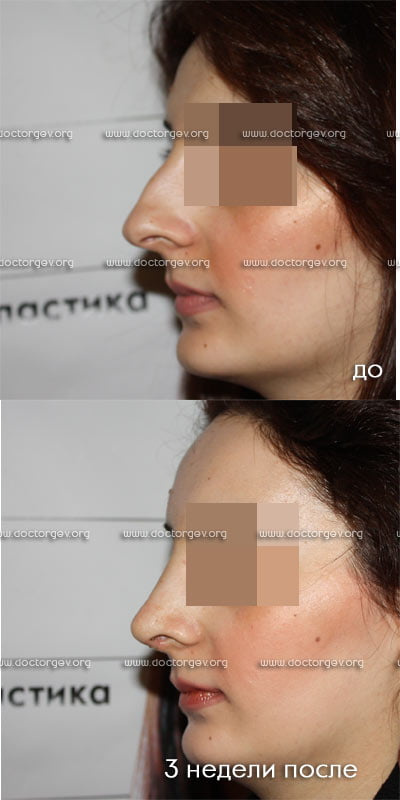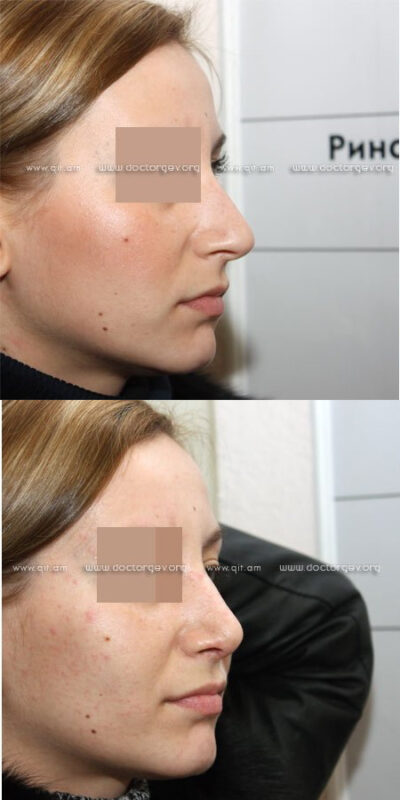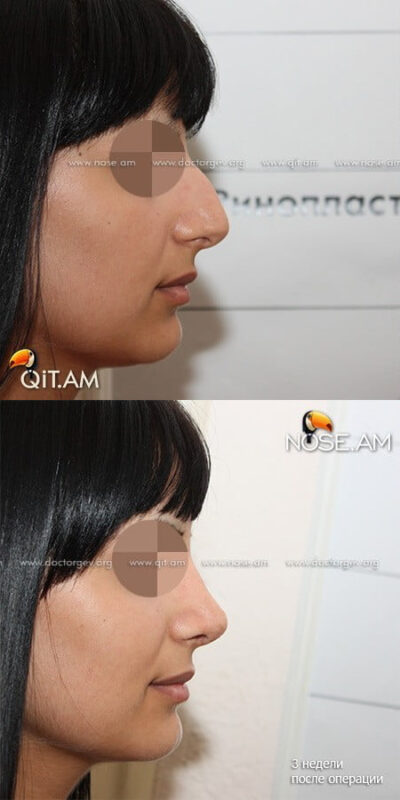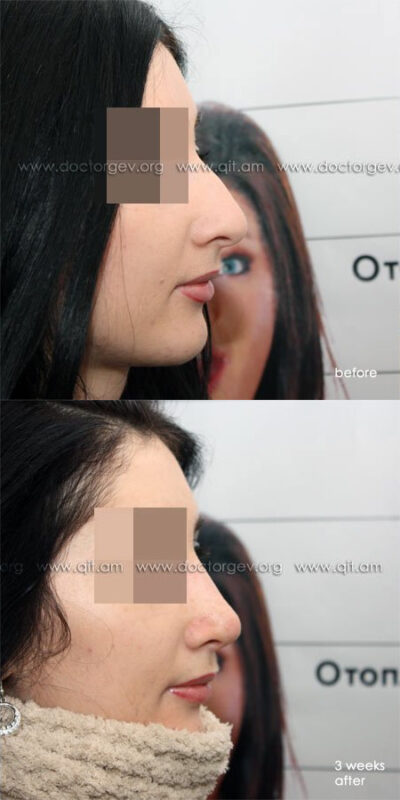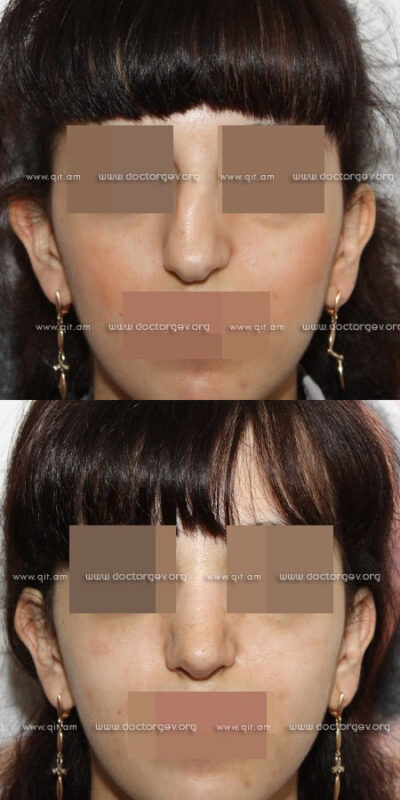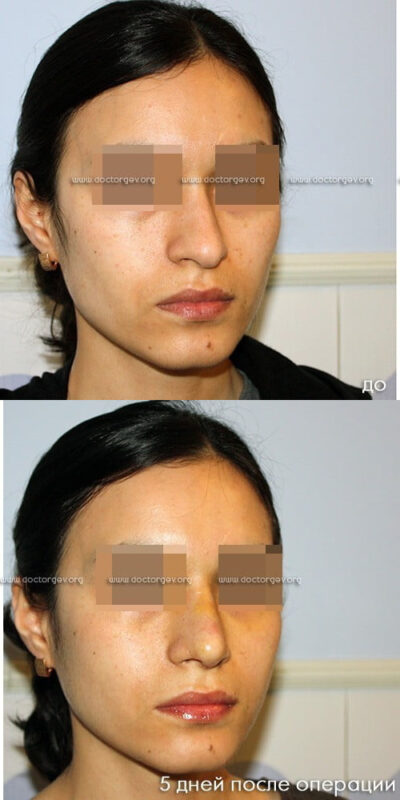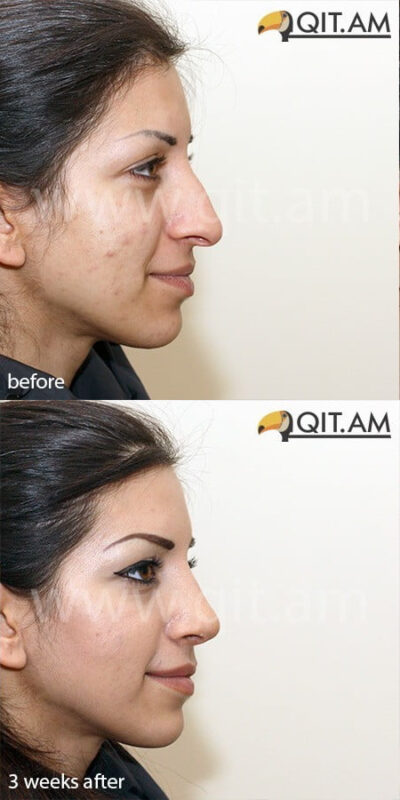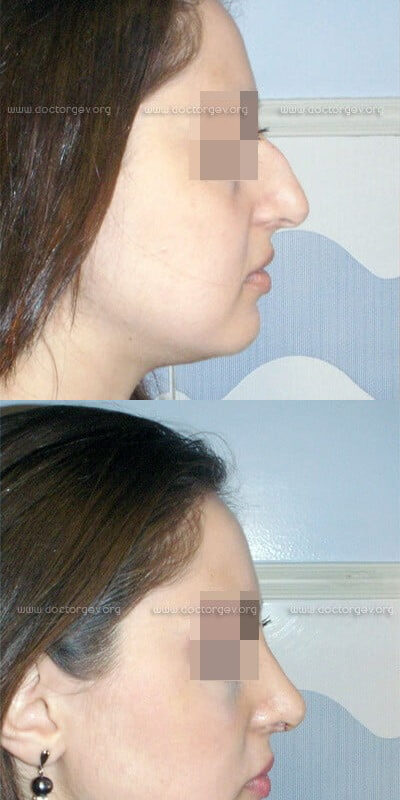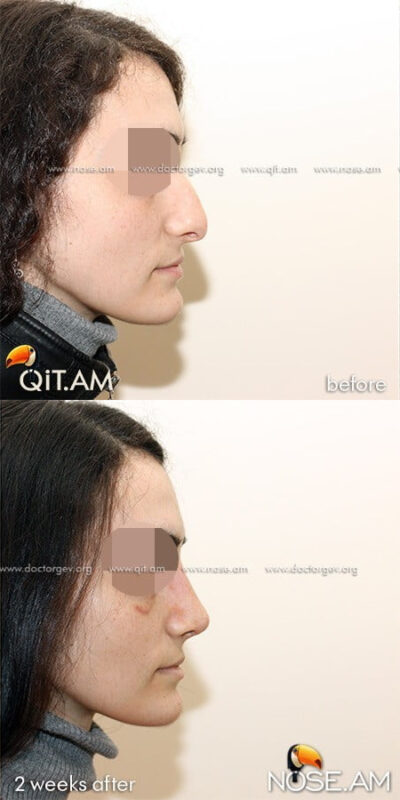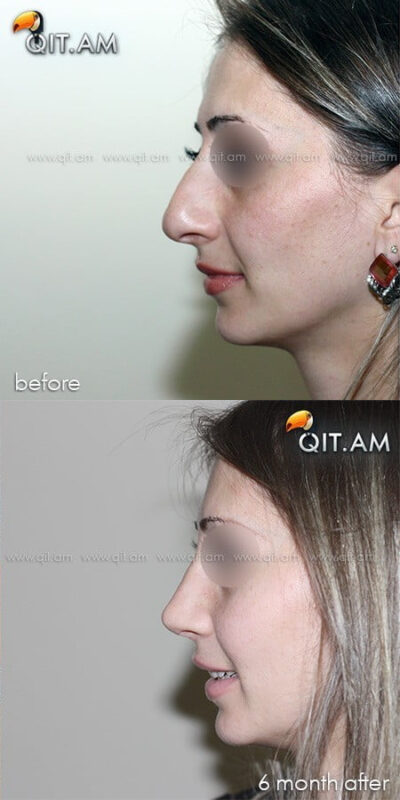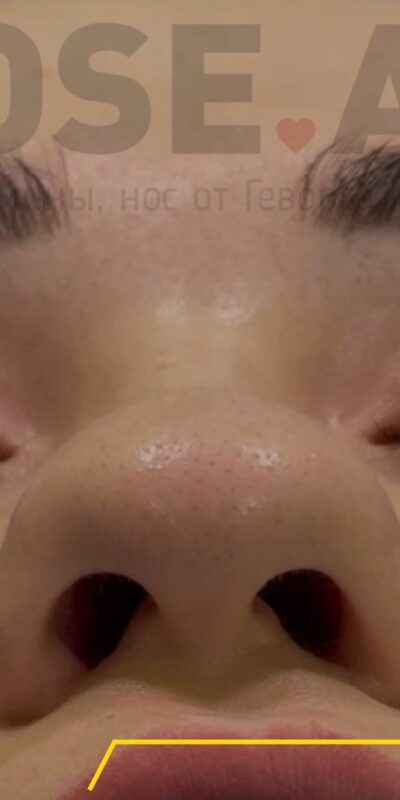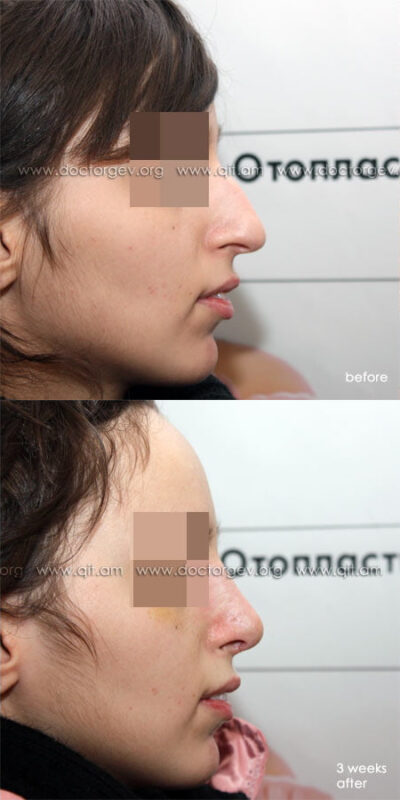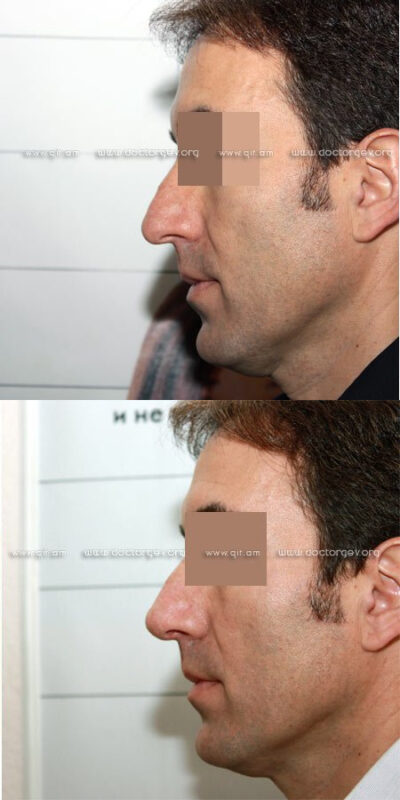

Instead of a Regular Plaster Cast — Special Perforated Thermoplastic
The use of plaster slurry for fractures is mentioned as early as the works of Arab scientists in the 9th–11th centuries. However, progress does not stand still. The final stage of rhinoplasty is the application of a retaining dressing.
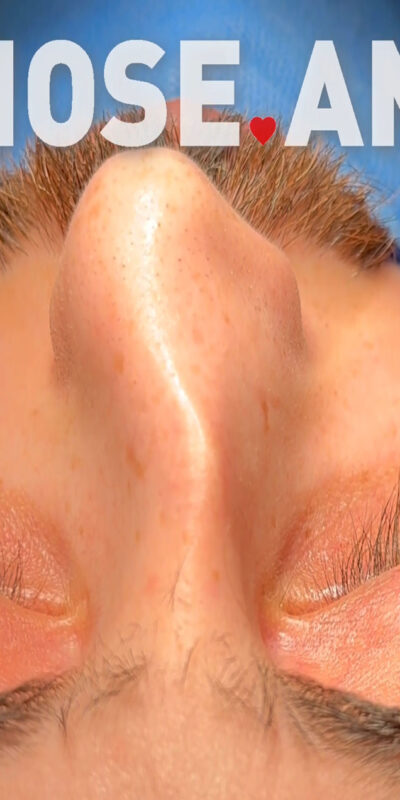
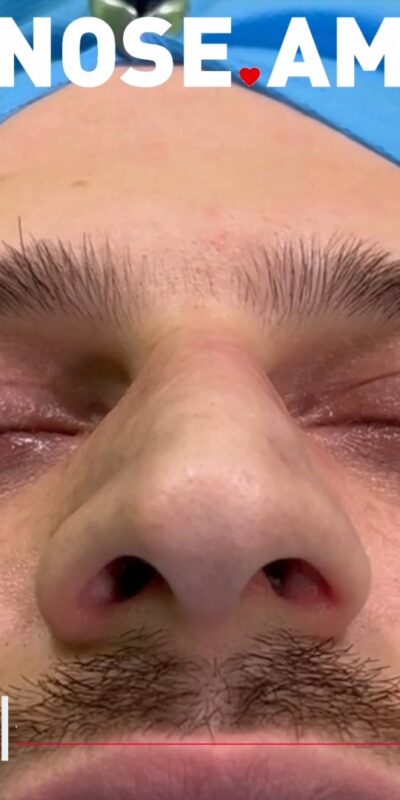
Instead of the old-fashioned plaster cast, a dressing made of self-hardening perforated thermoplastic in various colors is now used.
Women receive pink or purple dressings, while men get blue ones.
A standard plaster cast has a number of disadvantages that a thermoplastic dressing avoids:
- For patients with sensitive and/or oily skin, the application of a regular plaster cast, which unlike perforated thermoplastic does not breathe, leads to acne breakouts on the nose.
- When swelling subsides rapidly, a regular plaster cast, lacking flexibility, often falls off the nose and fails to perform its function of fixing the bones and soft tissues of the nose. In this case, the application of a new plaster cast is mandatory. This is an unnecessary, unpleasant procedure for the patient that can easily be avoided.
With the application of a thermoplastic retaining dressing, you can forget about unscheduled, unpleasant plaster cast changes!
Thermoplastic comes in two types: cheap (thin) and more expensive (which is twice as thick). I use the expensive thermoplastic, which is additionally reinforced with another layer, preventing it from coming apart even with very severe swelling.
The thermoplastic dressing remains on the nose for 1 week.
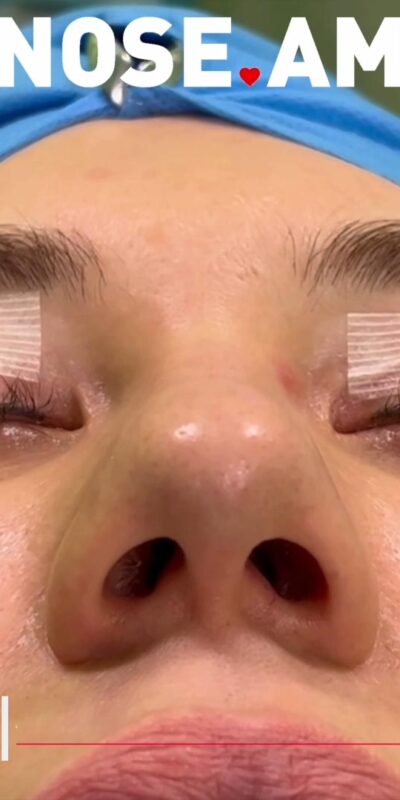
Hypoallergenic Paper Tapes
Hypoallergenic “breathable” tapes by 3M are applied to the skin of the nose (under the thermoplastic cast), allowing for very meticulous control over the fixation of the reconstructed elements of the nasal tip and middle vault.
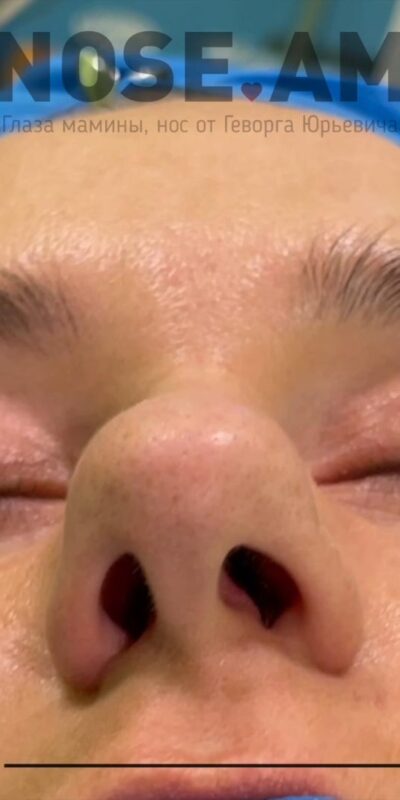
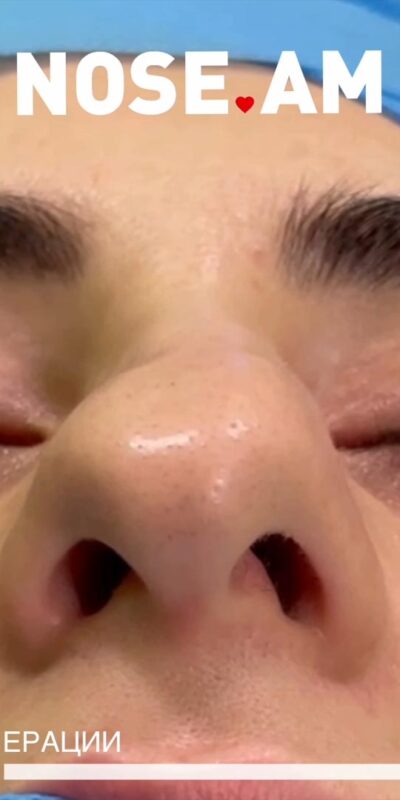
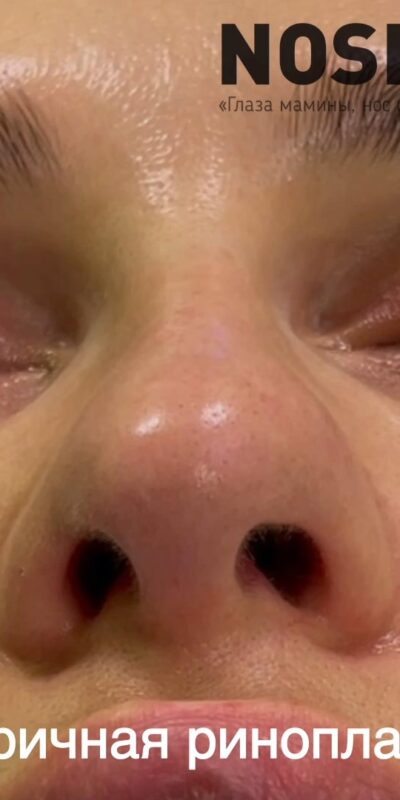
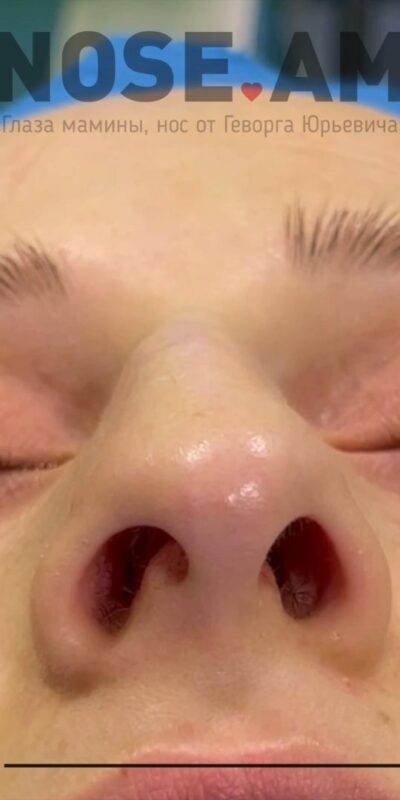
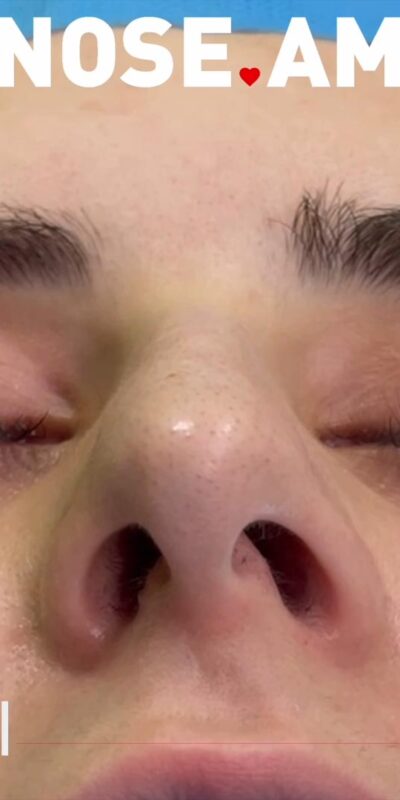
Instead of Sponges and Tampons — Silicone Splints with Airway Tubes
Many patients are very afraid of having hemostatic sponges removed the morning after surgery (you can forget about tampons altogether). My patients only visit the dressing room one week after surgery.
Immediately after surgery, the patient can already breathe through the nose.
After my examination, the nurse removes the thin tubes from the nose (absolutely painlessly) and the venous catheter. That’s it. Now you need to read the detailed instructions (a link is sent to all patients upon scheduling the surgery) and follow them punctually.
Exactly one week later, the patient comes for just one dressing change, which takes 5–10 minutes. Immediately after the dressing change, you can leave for anywhere by any means of transport.