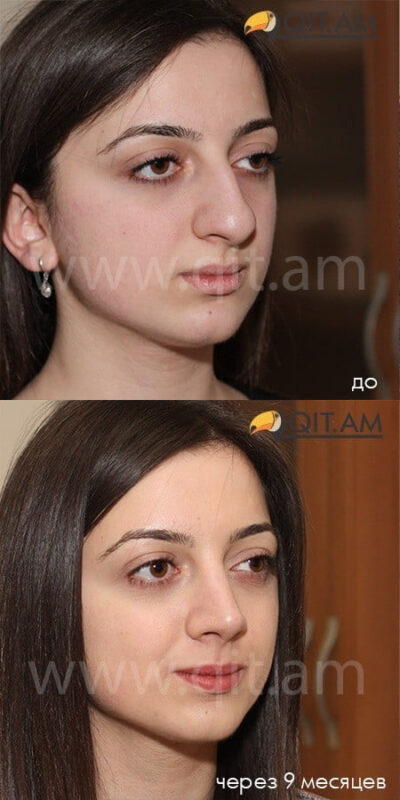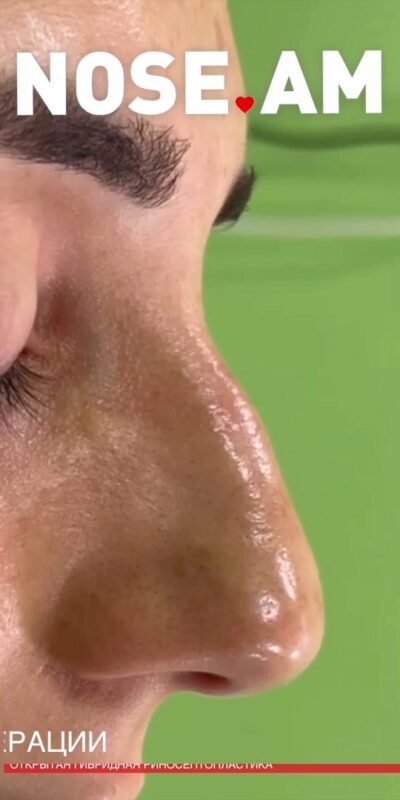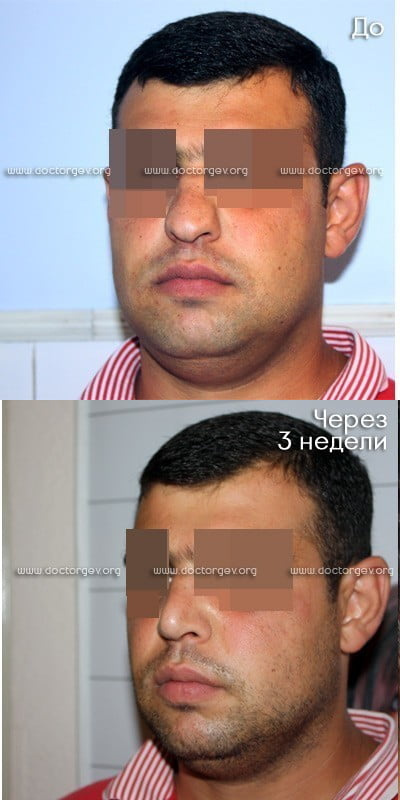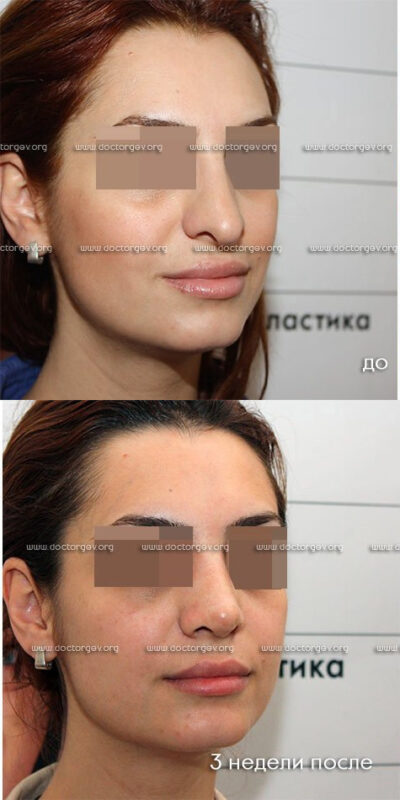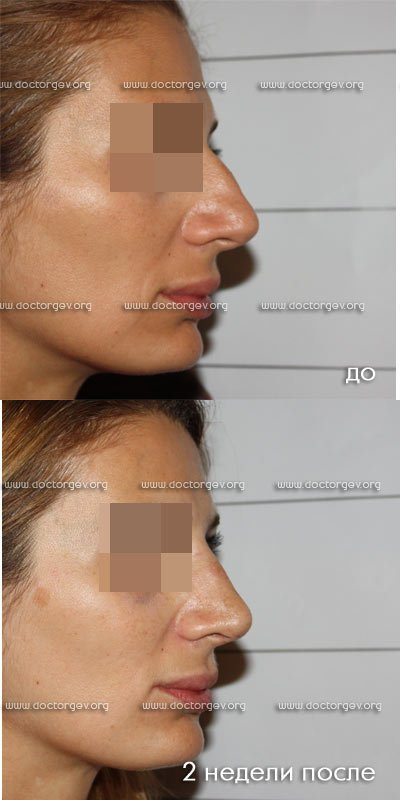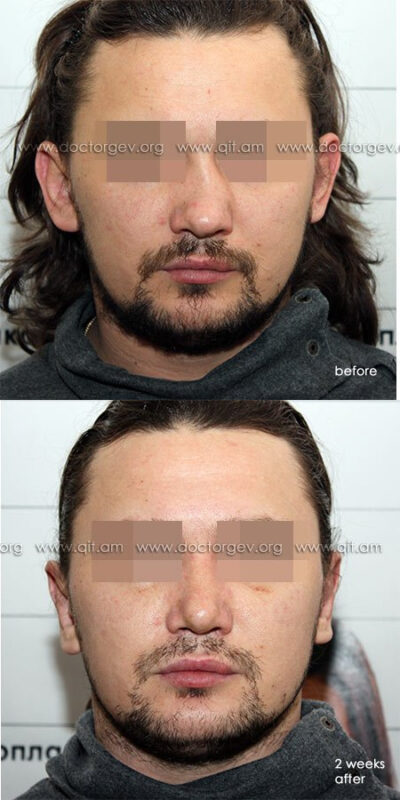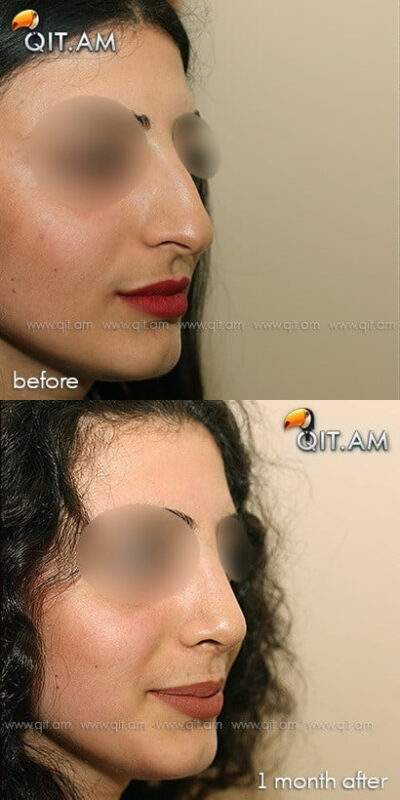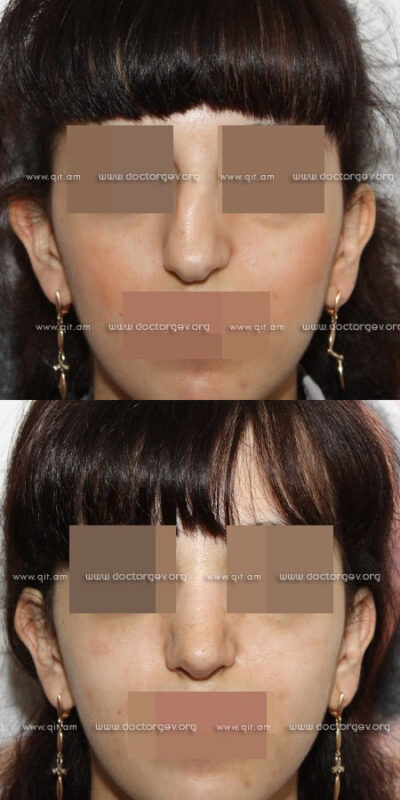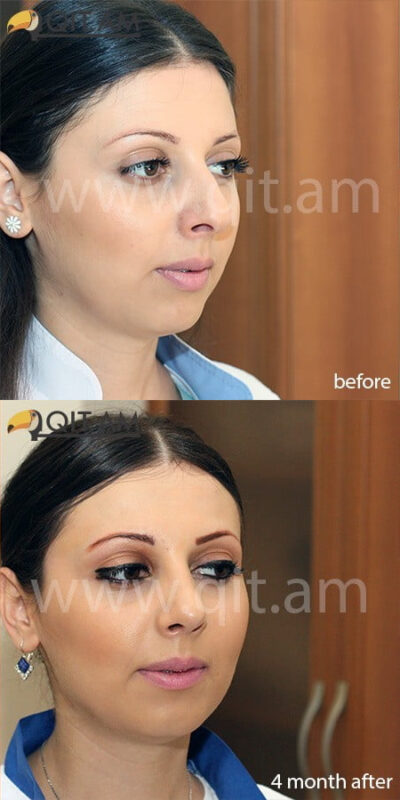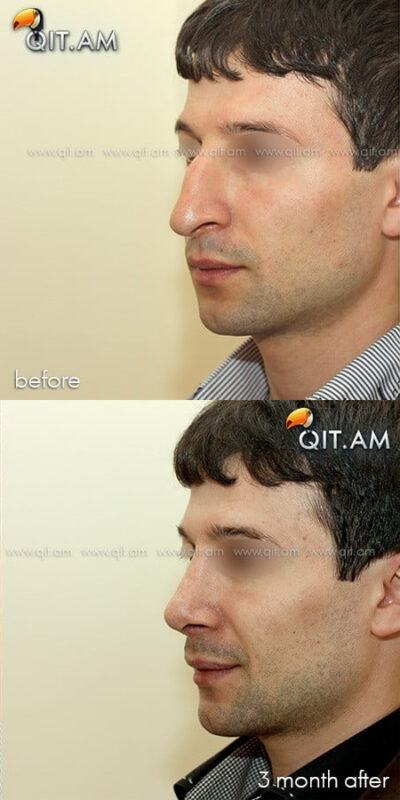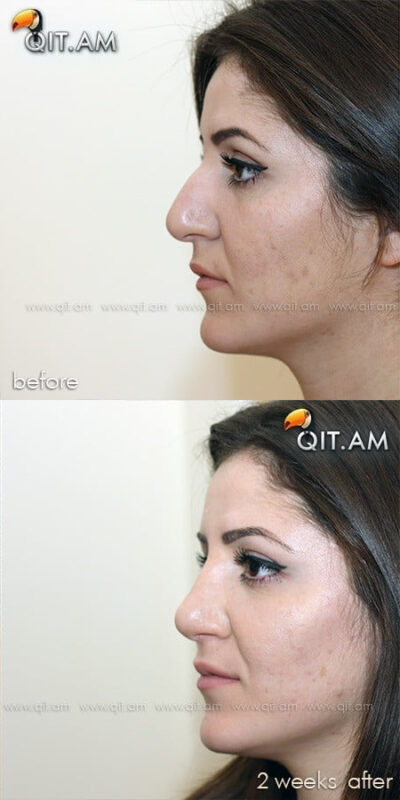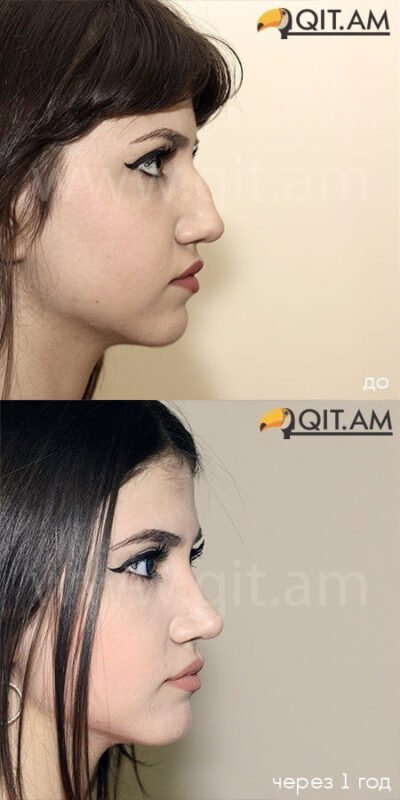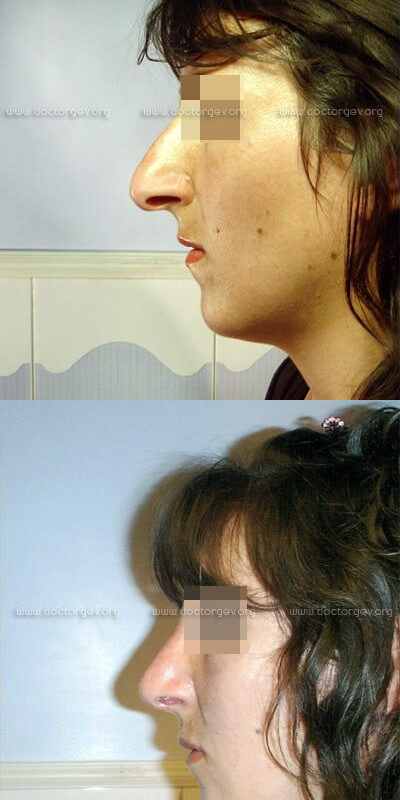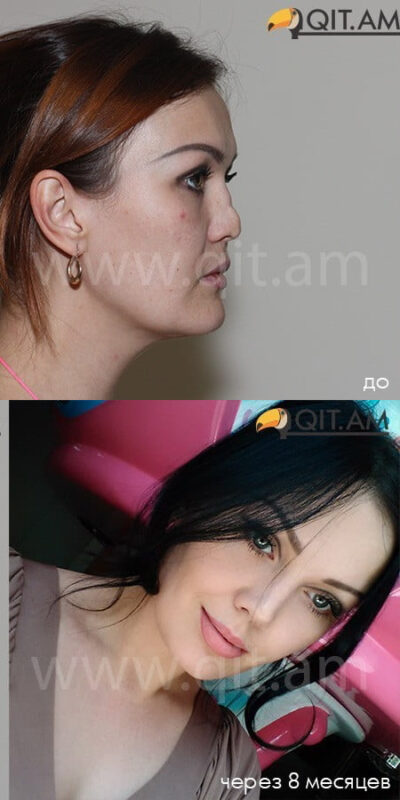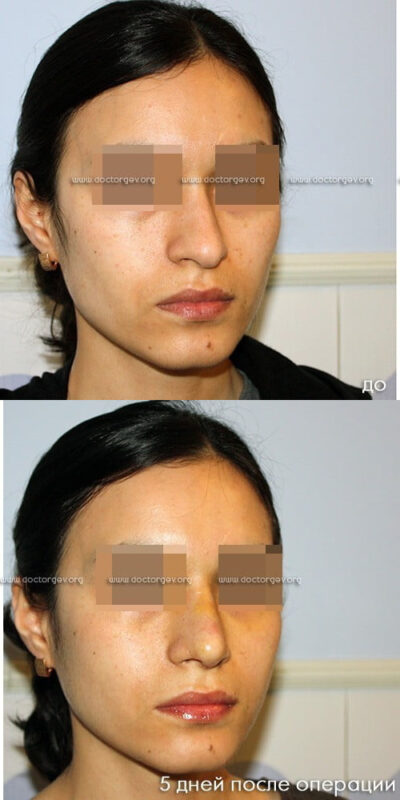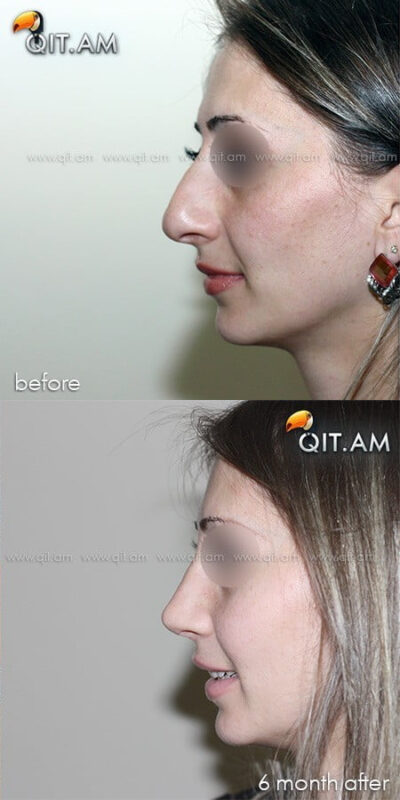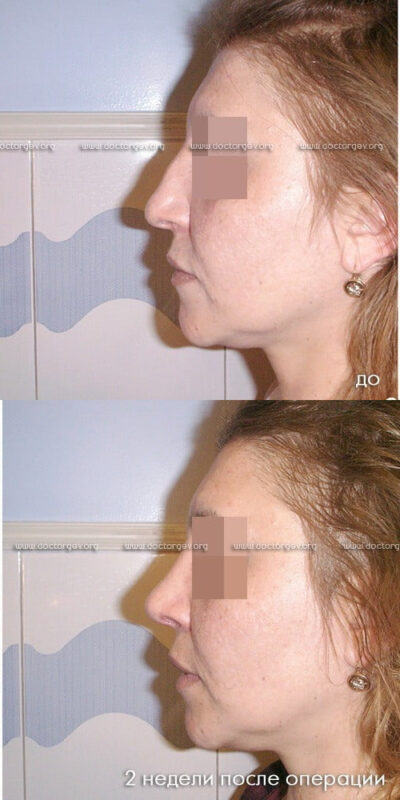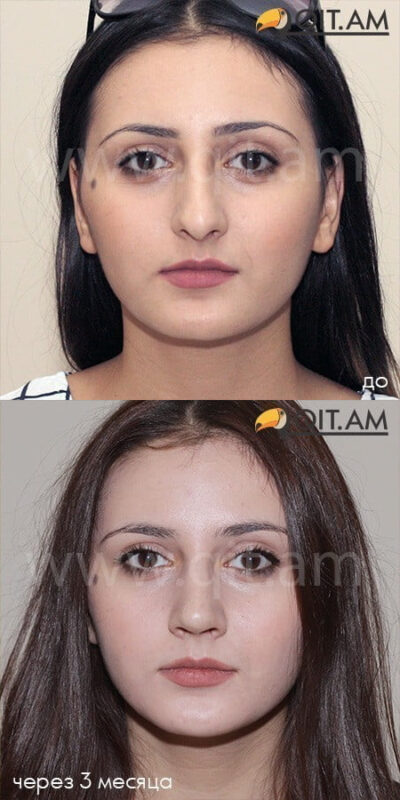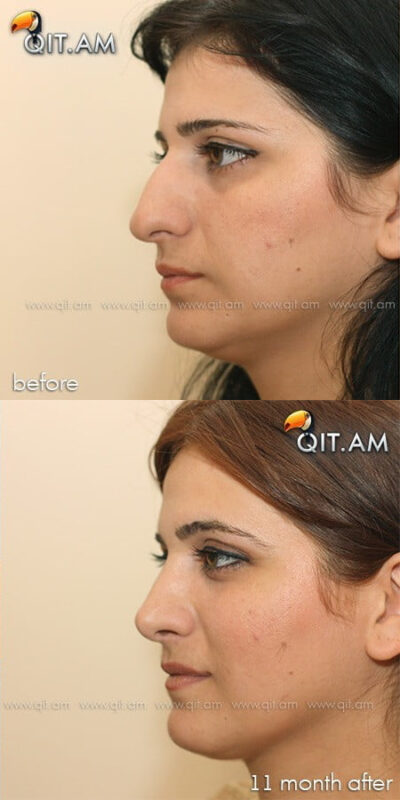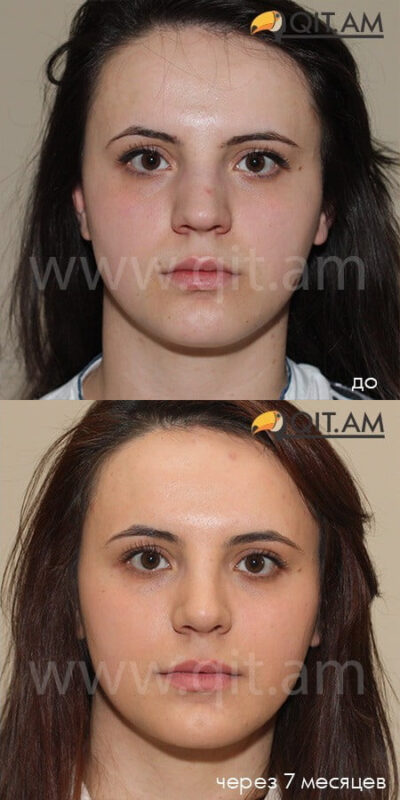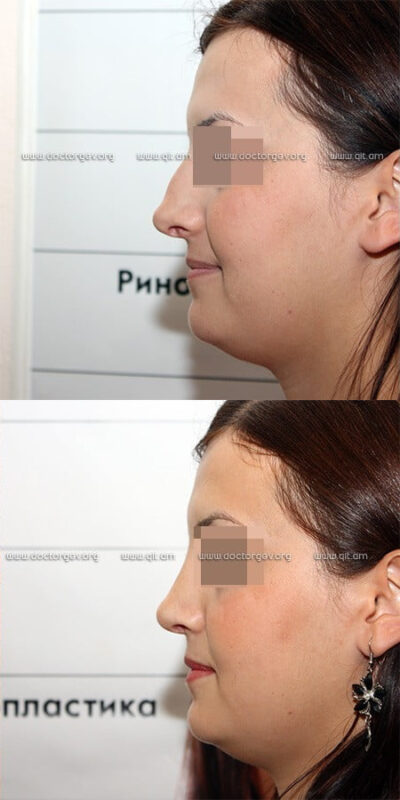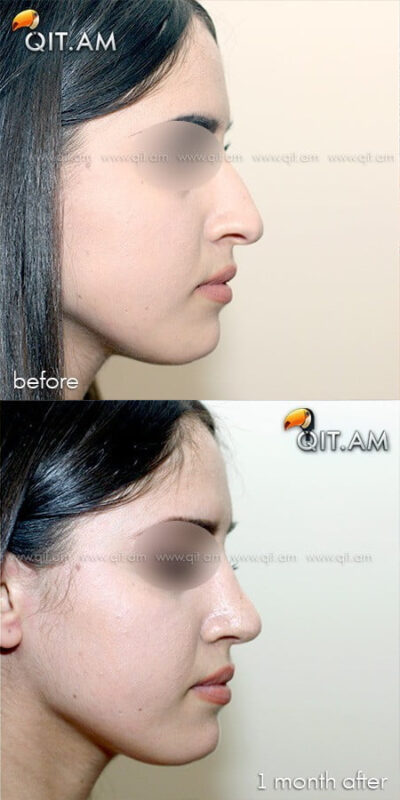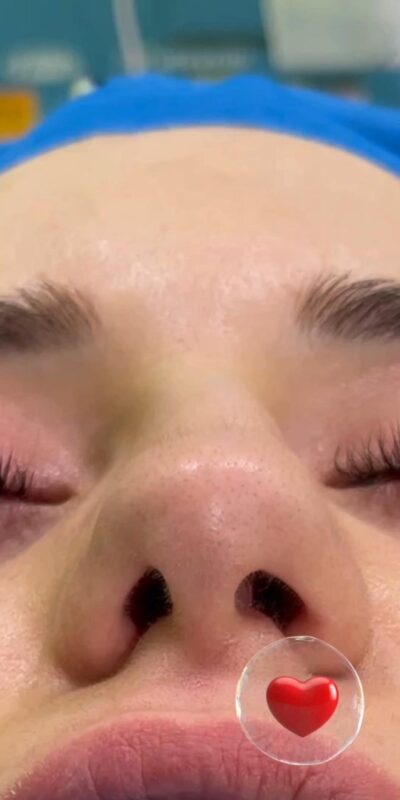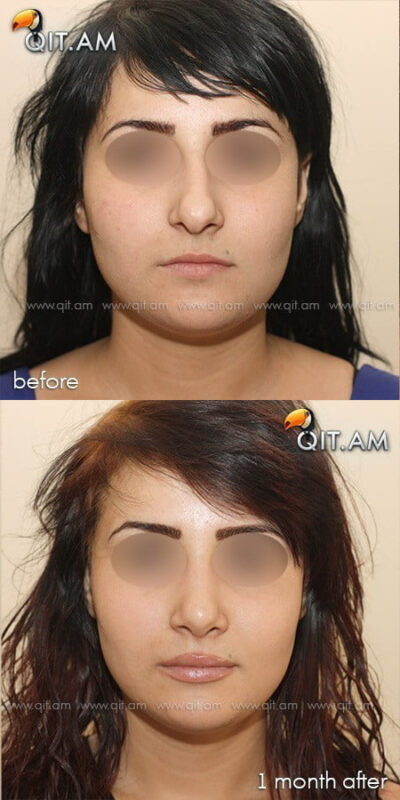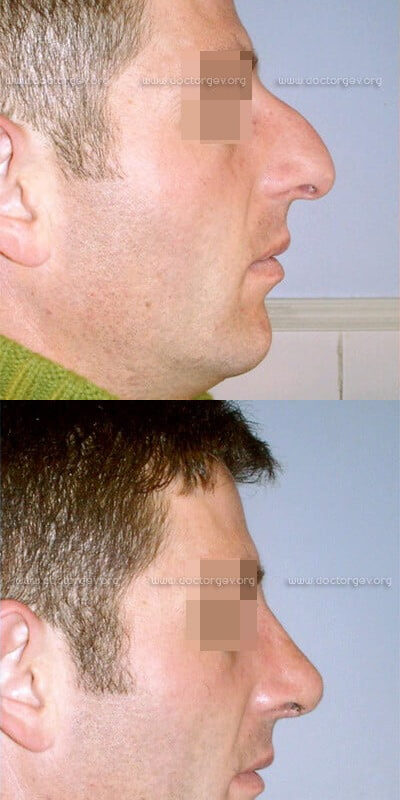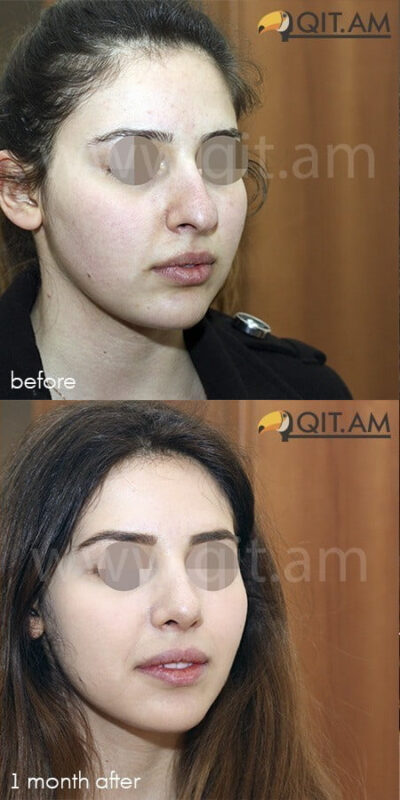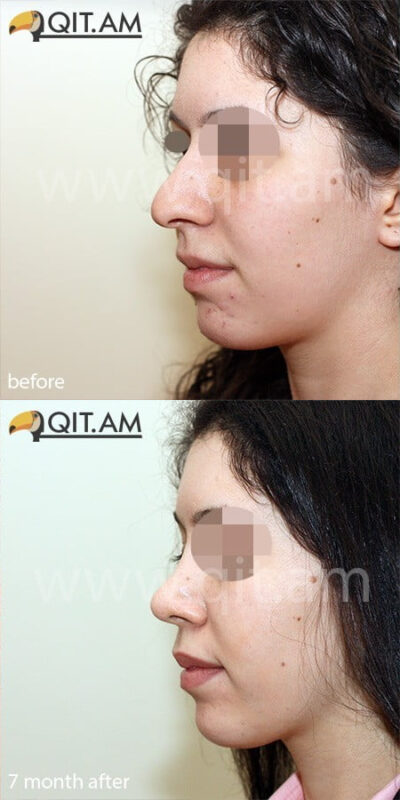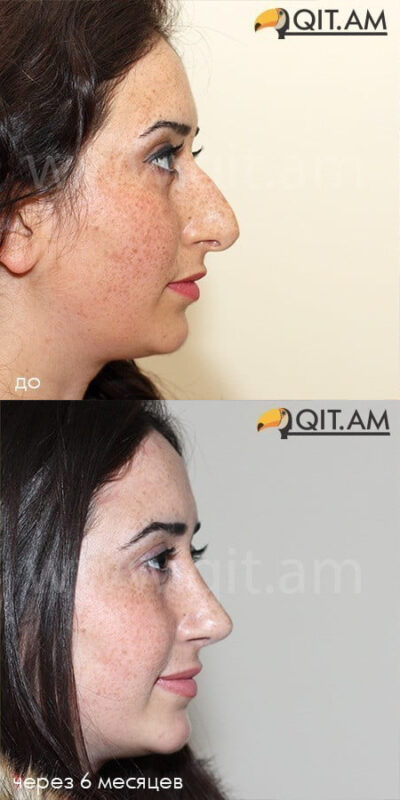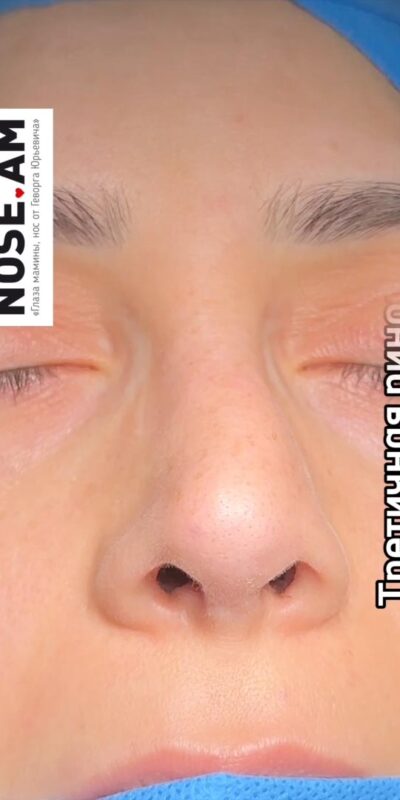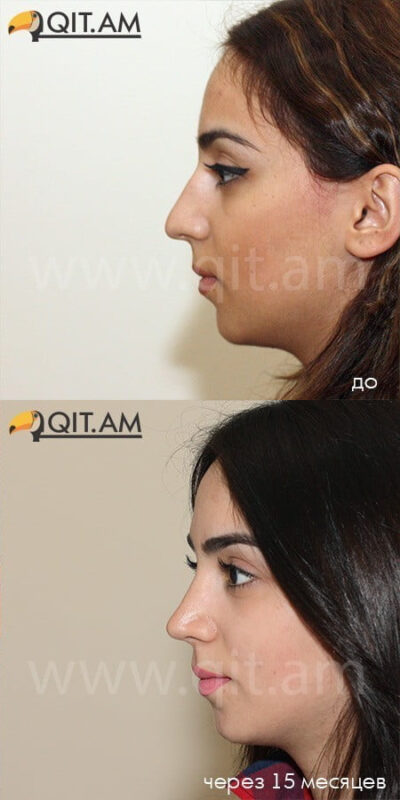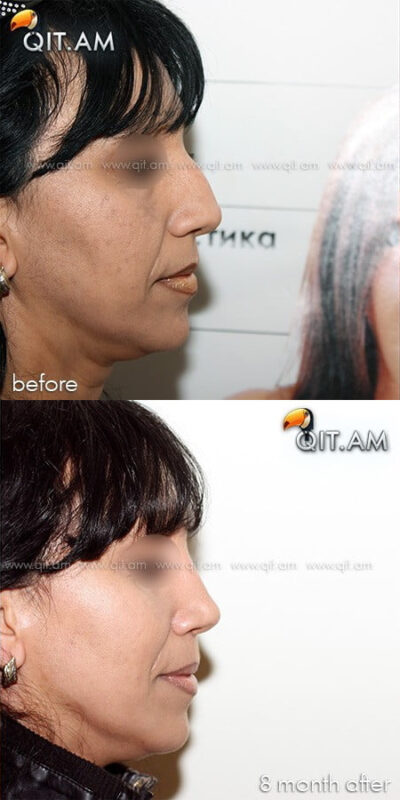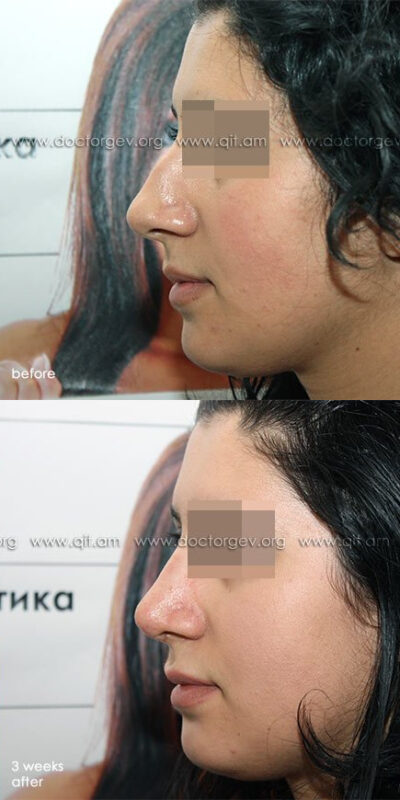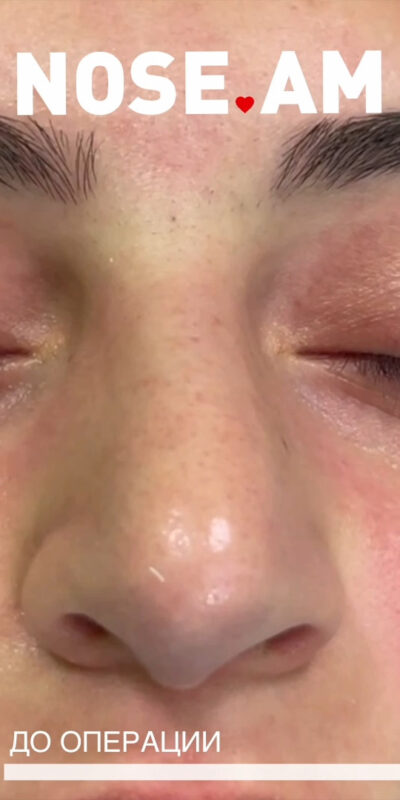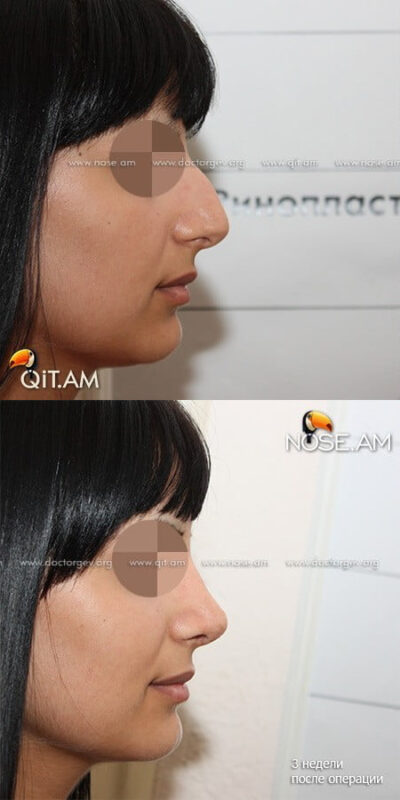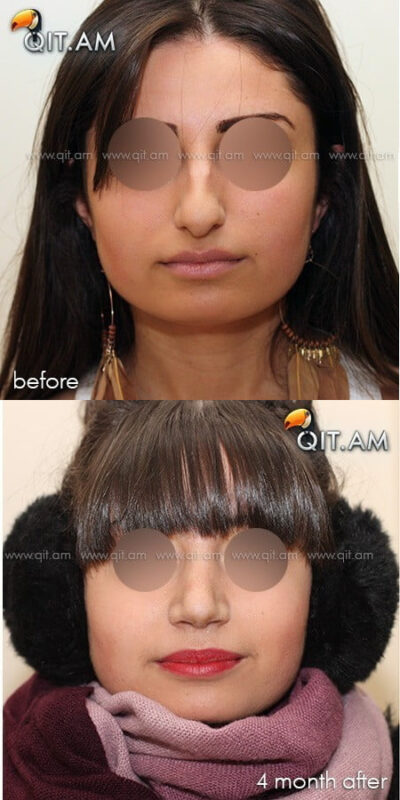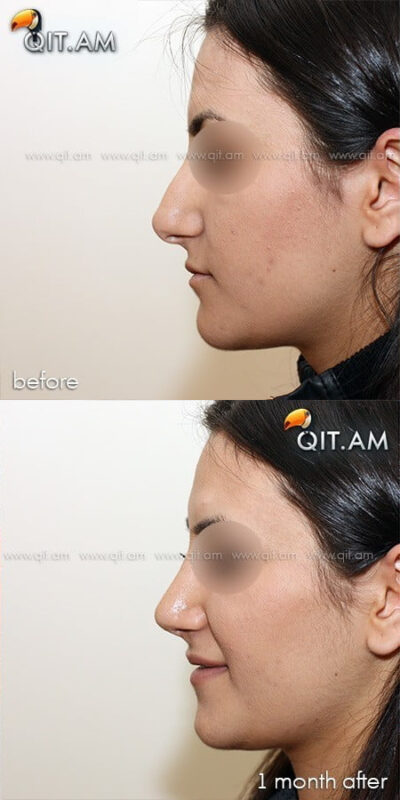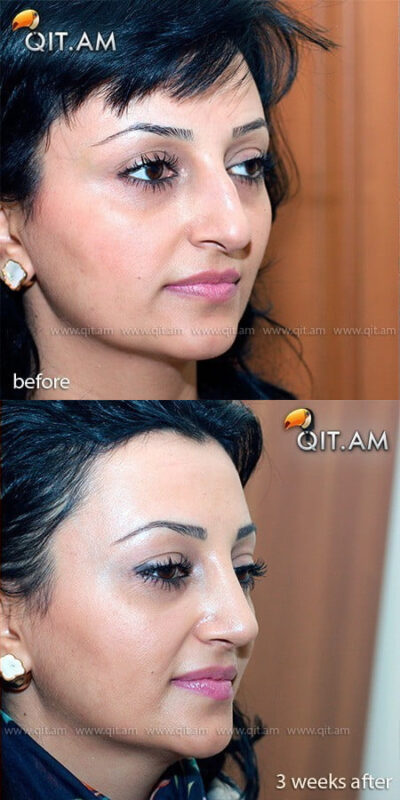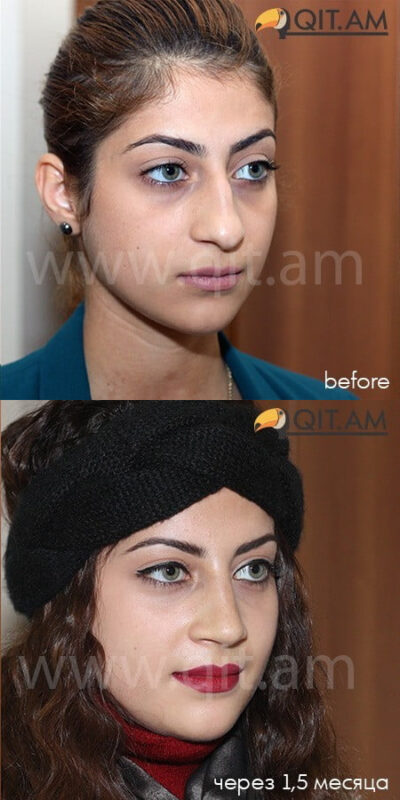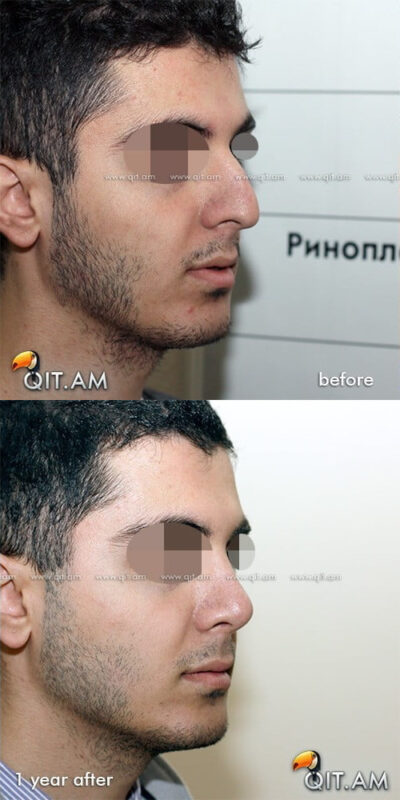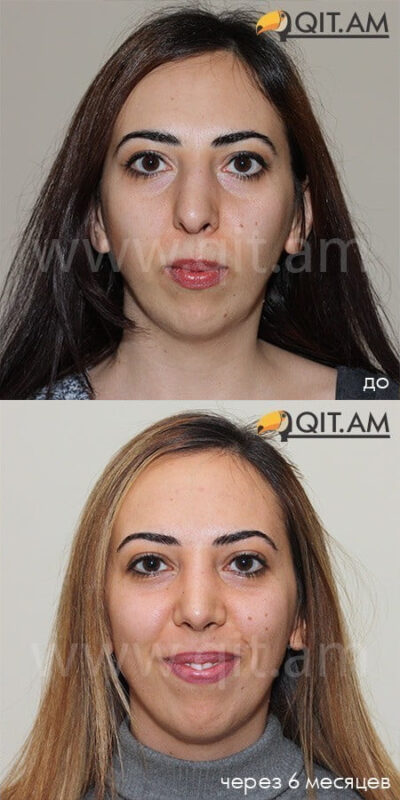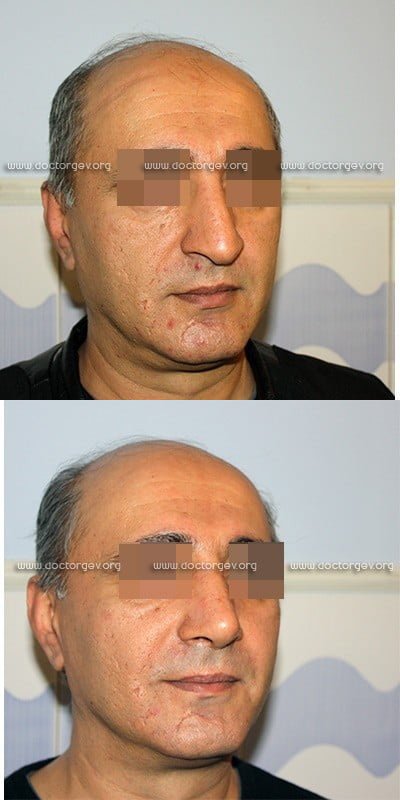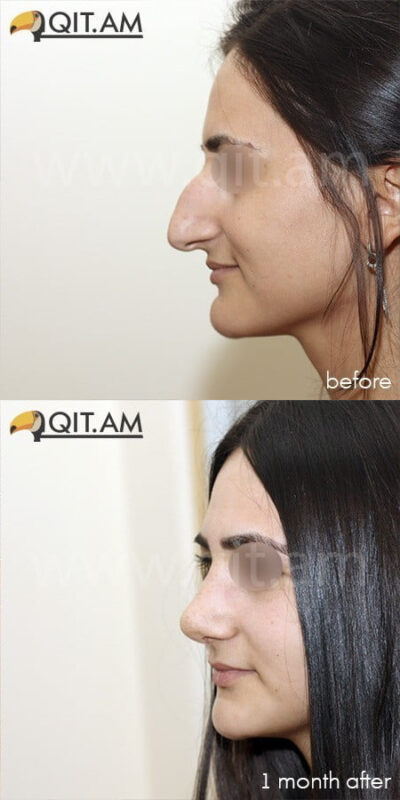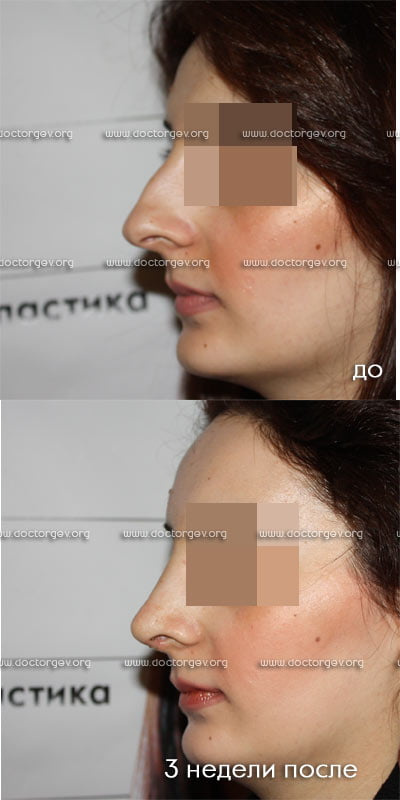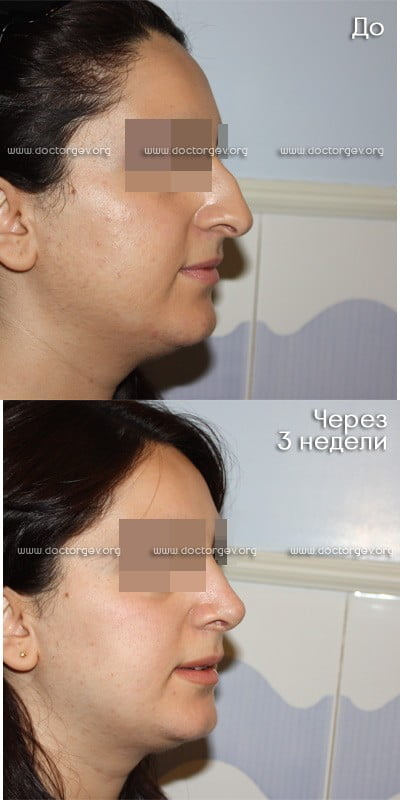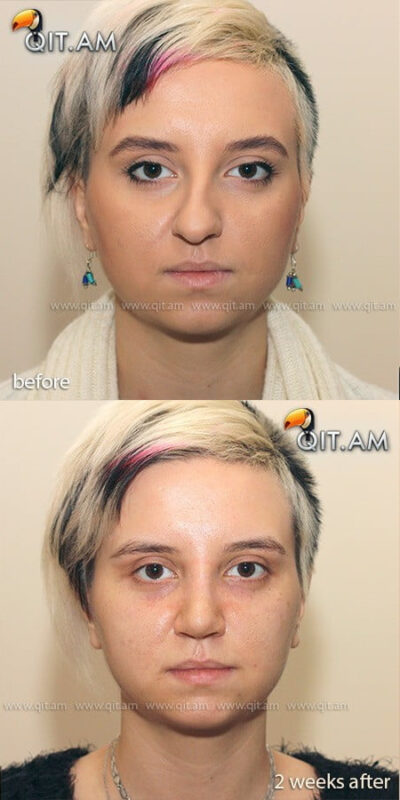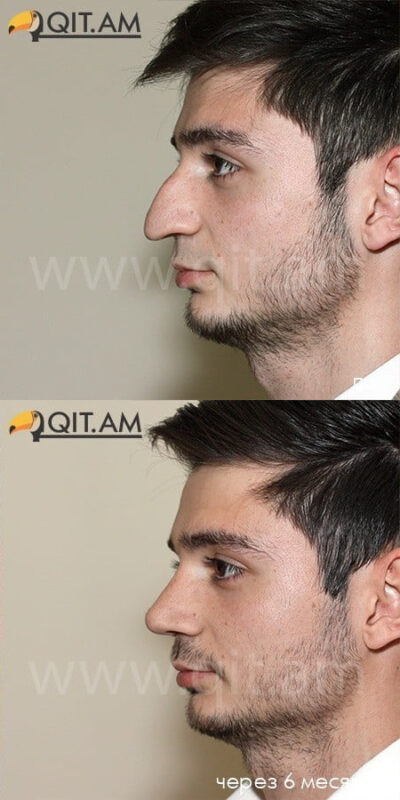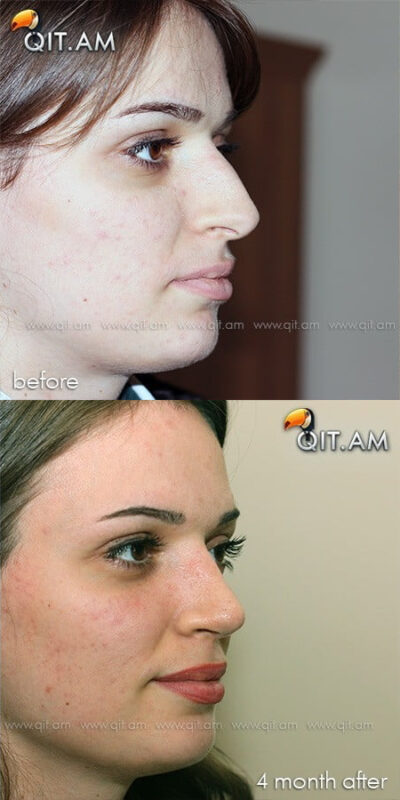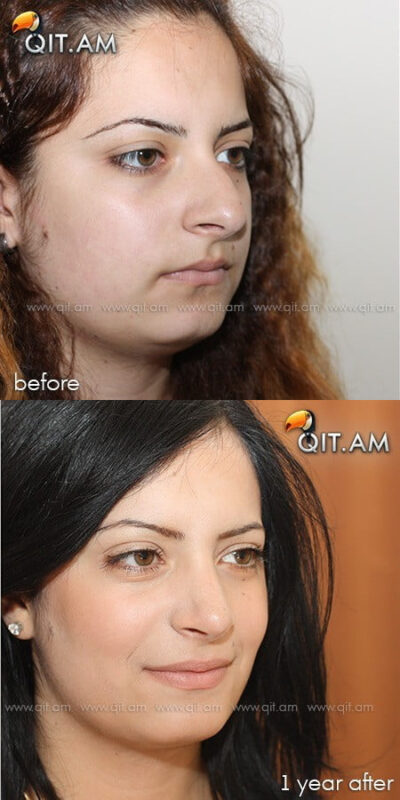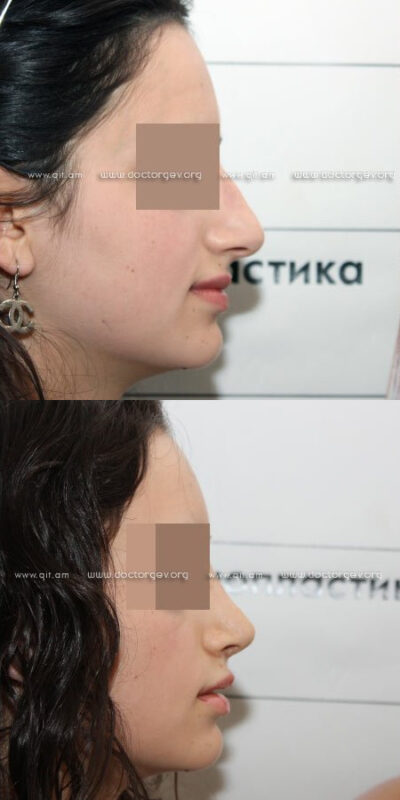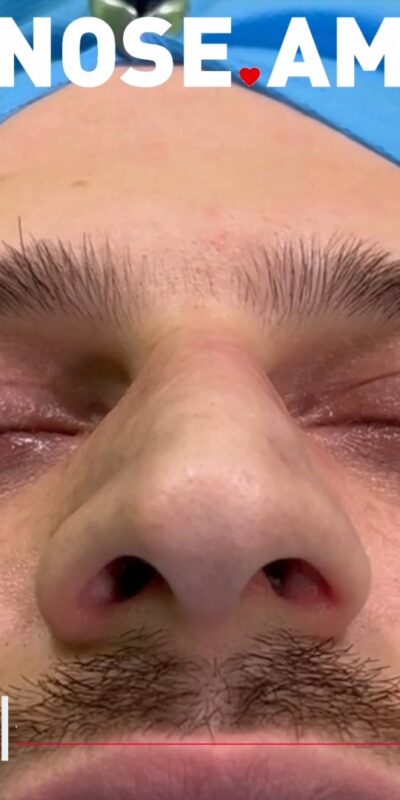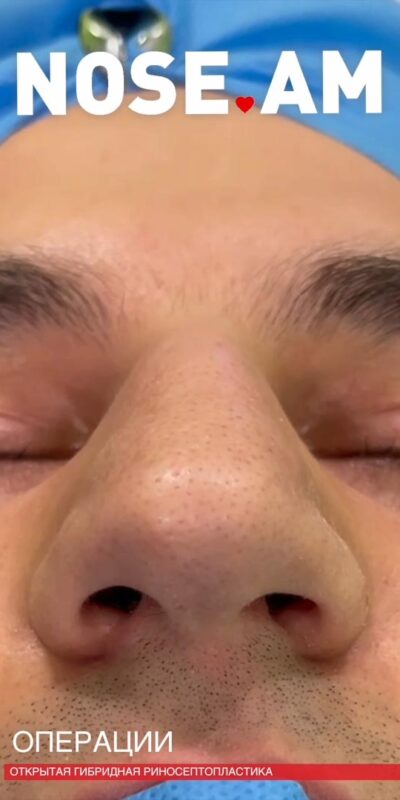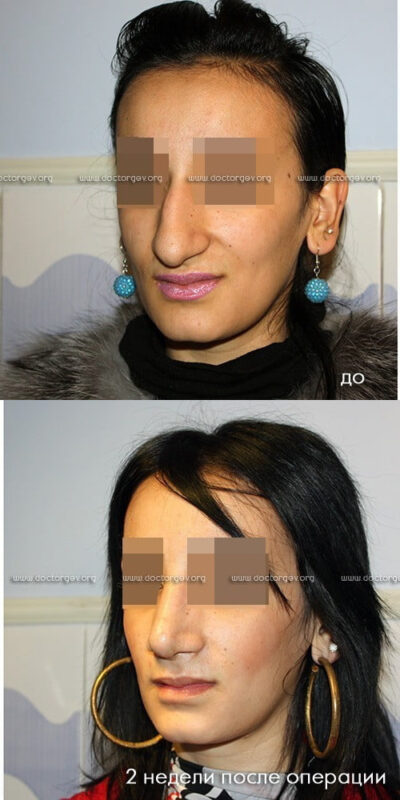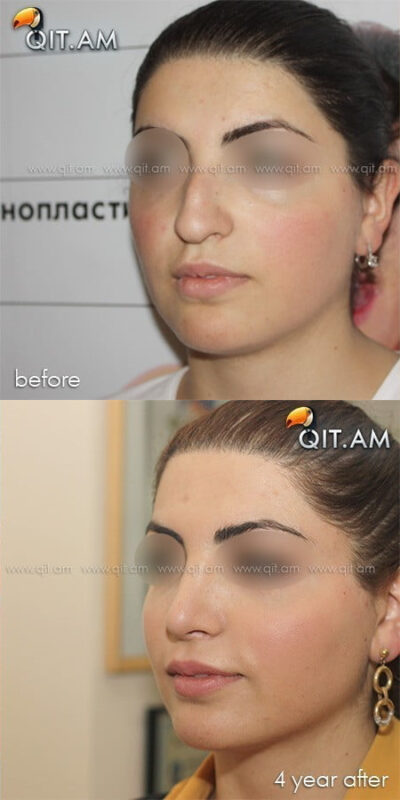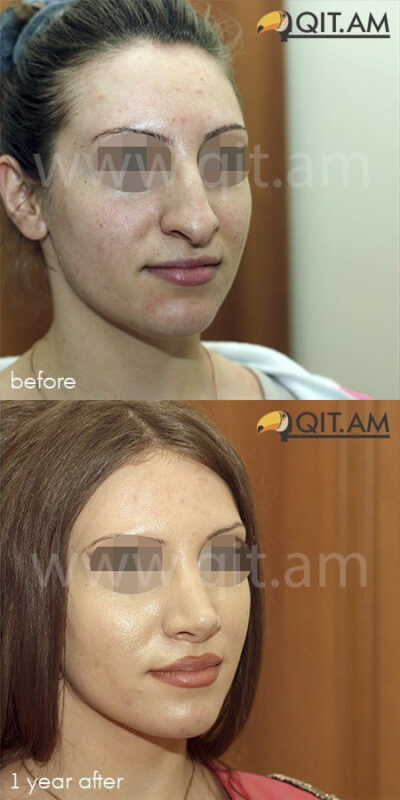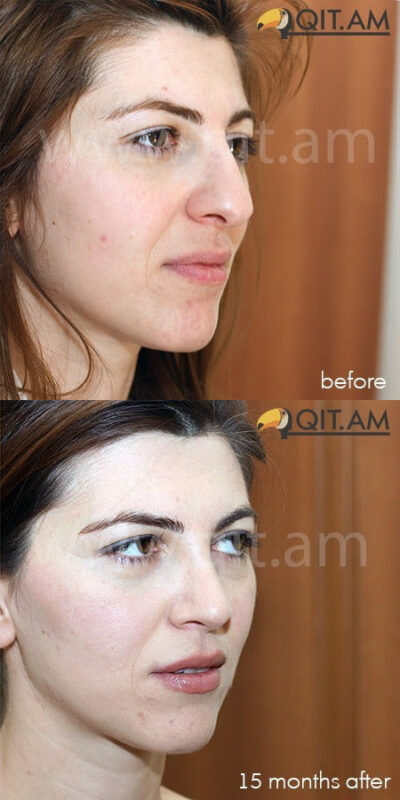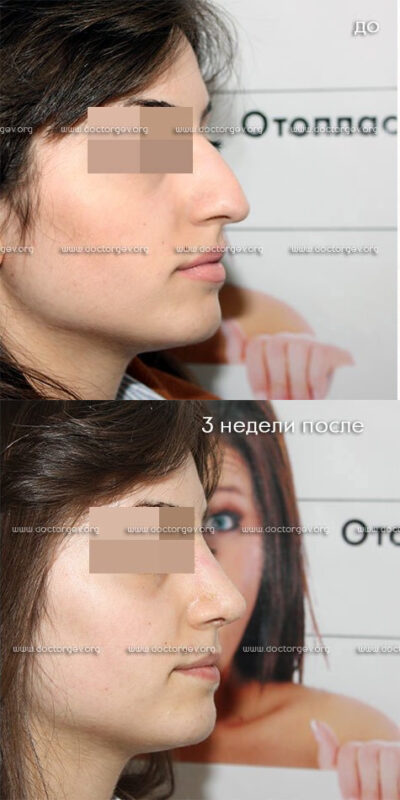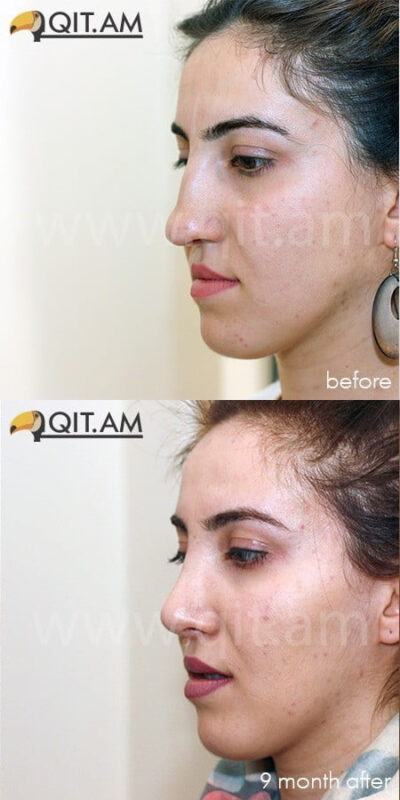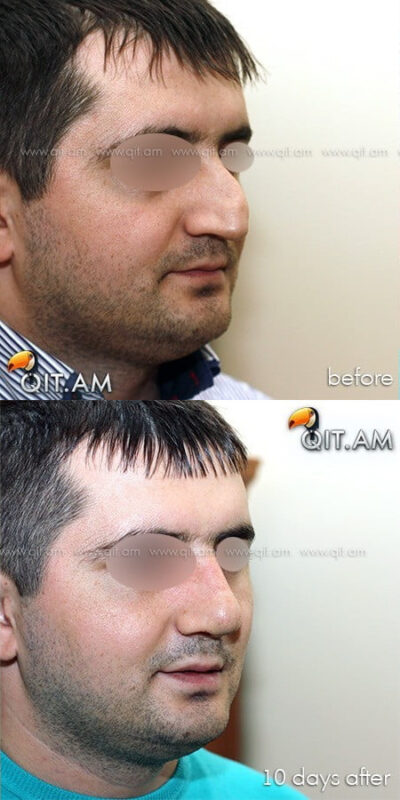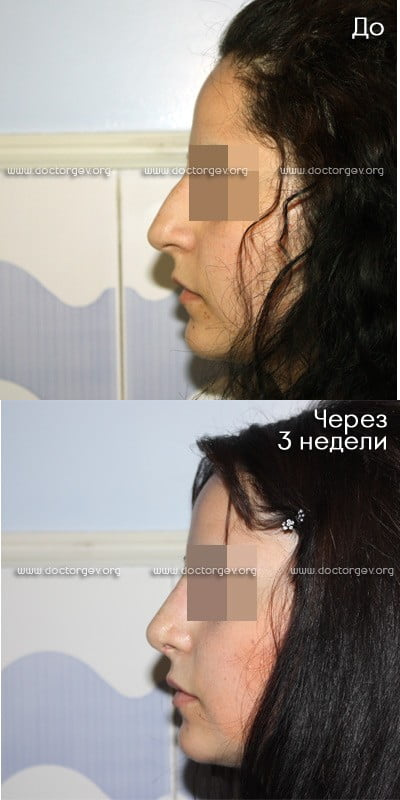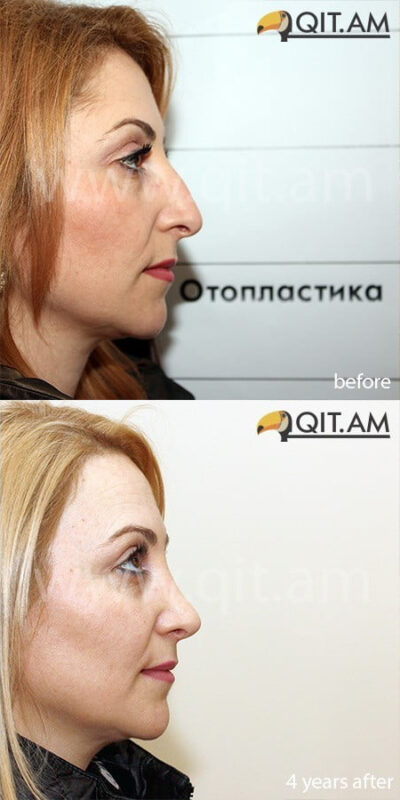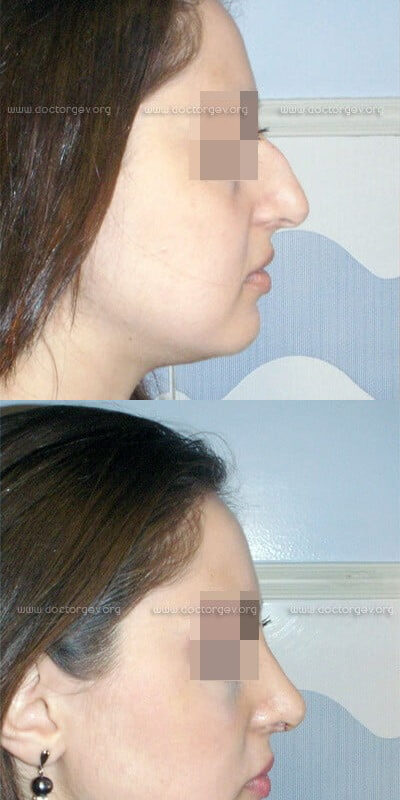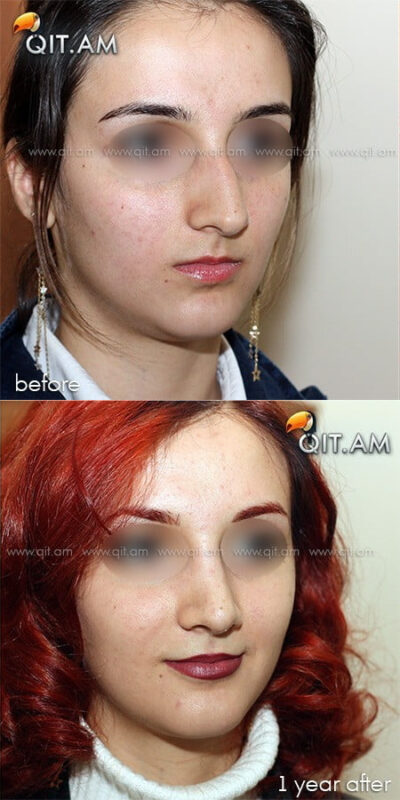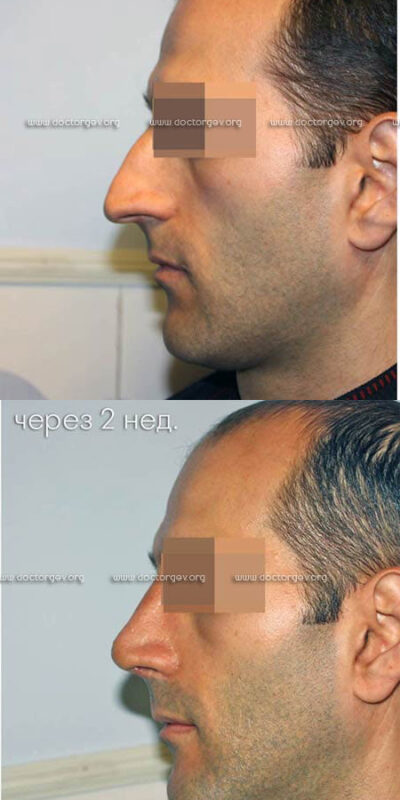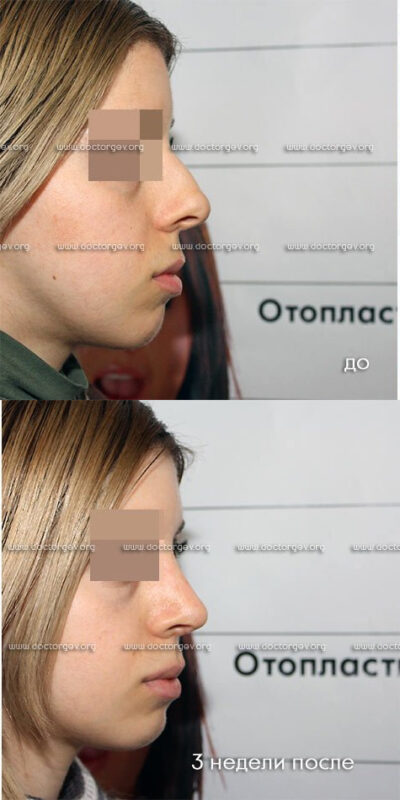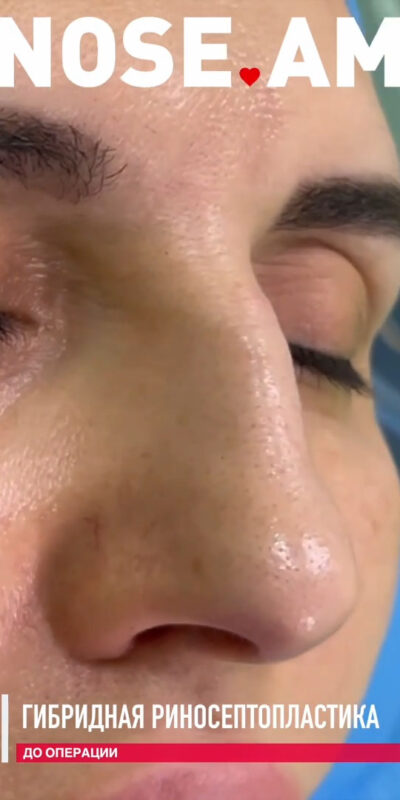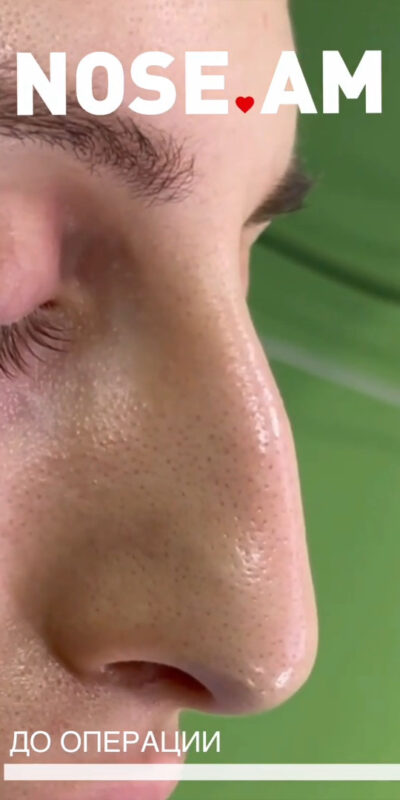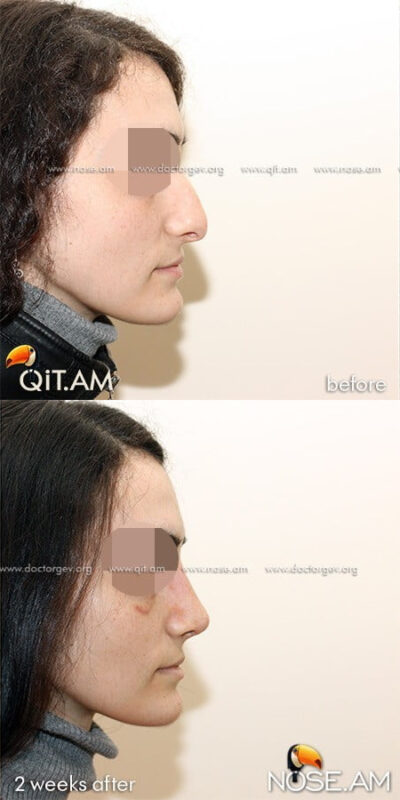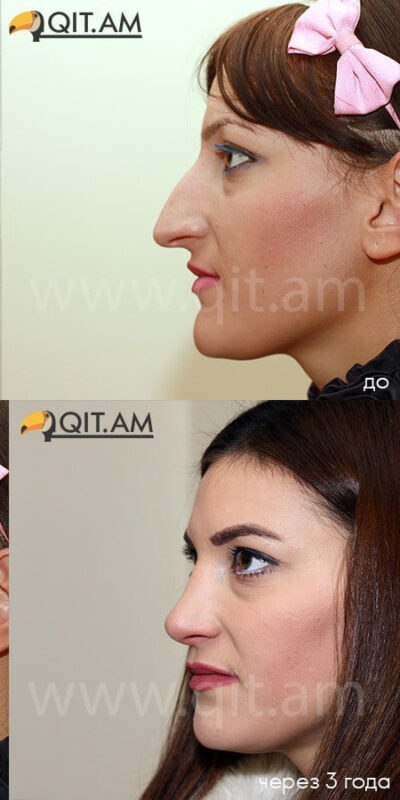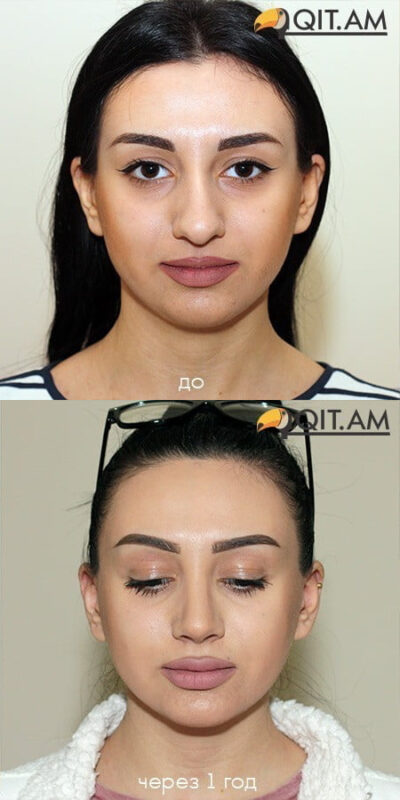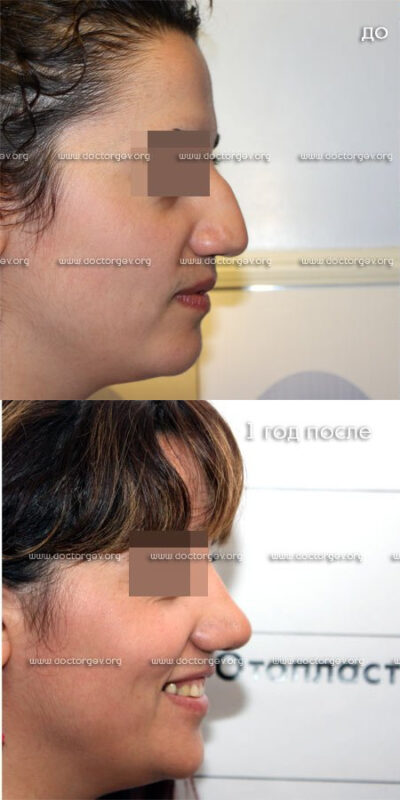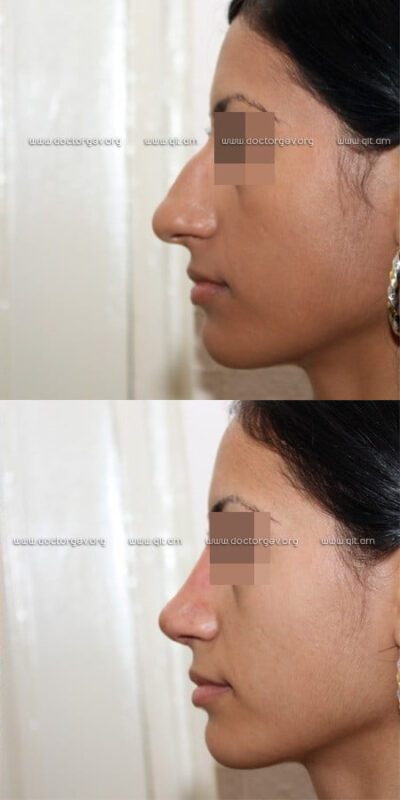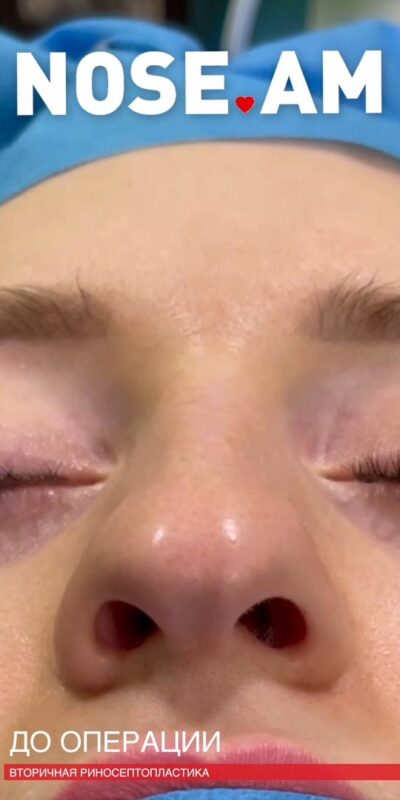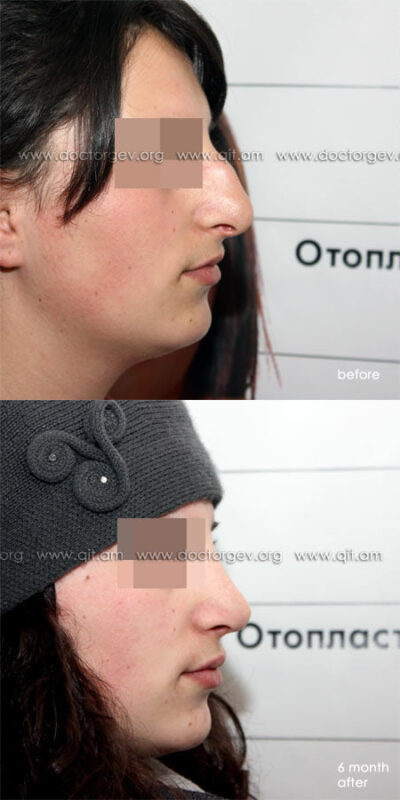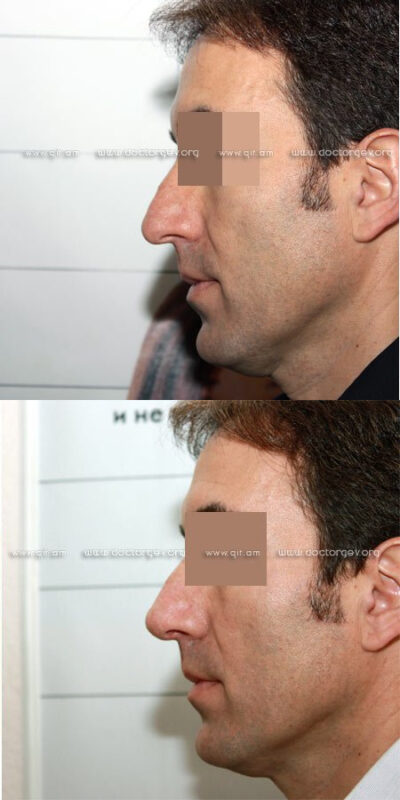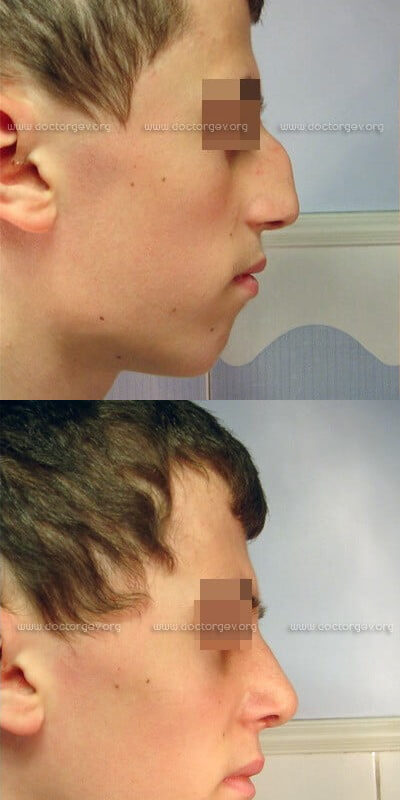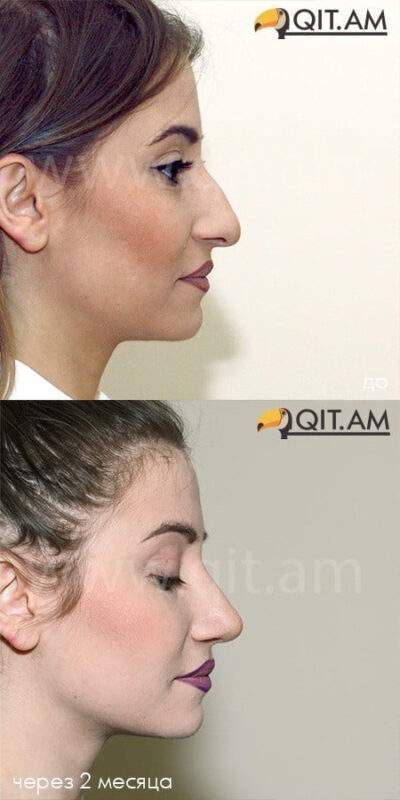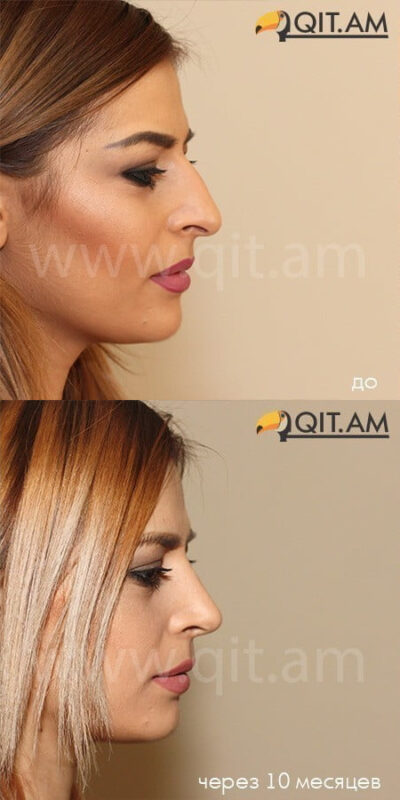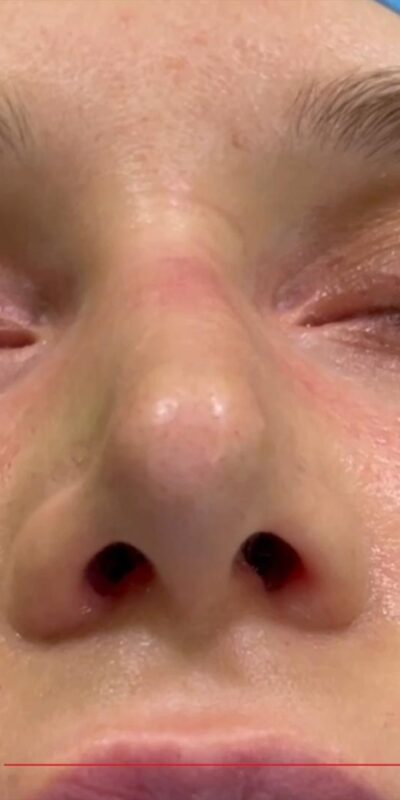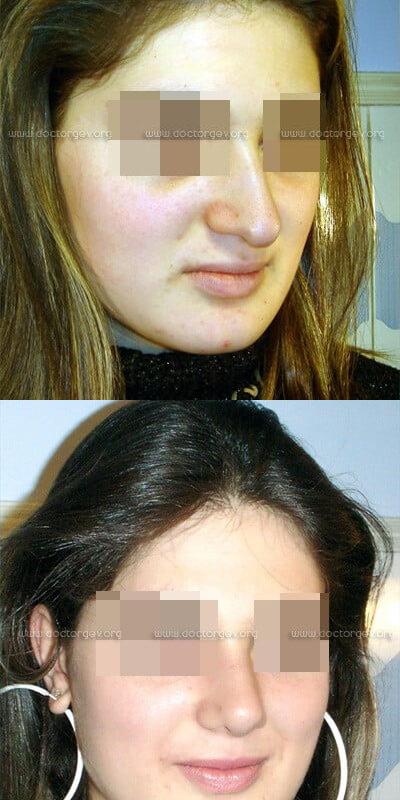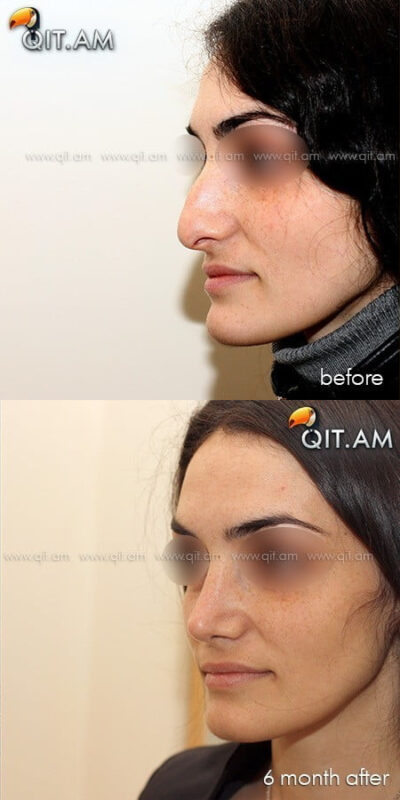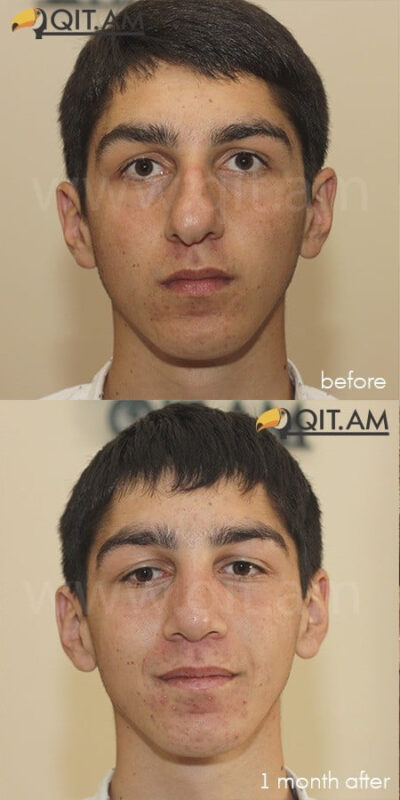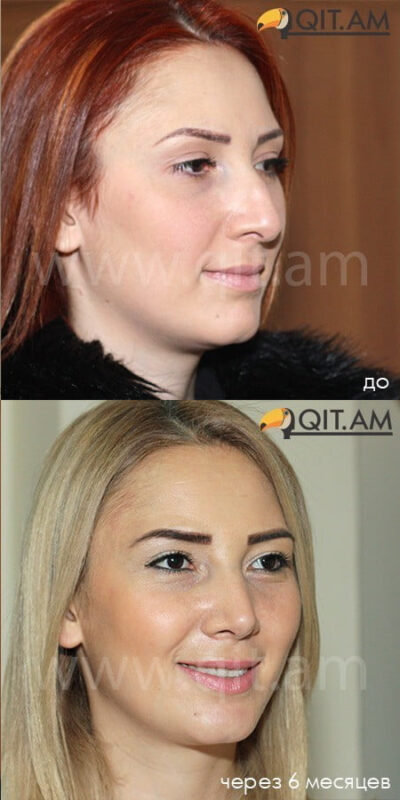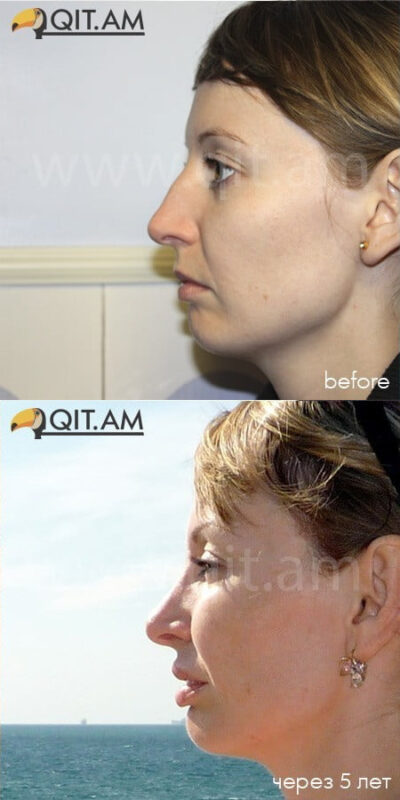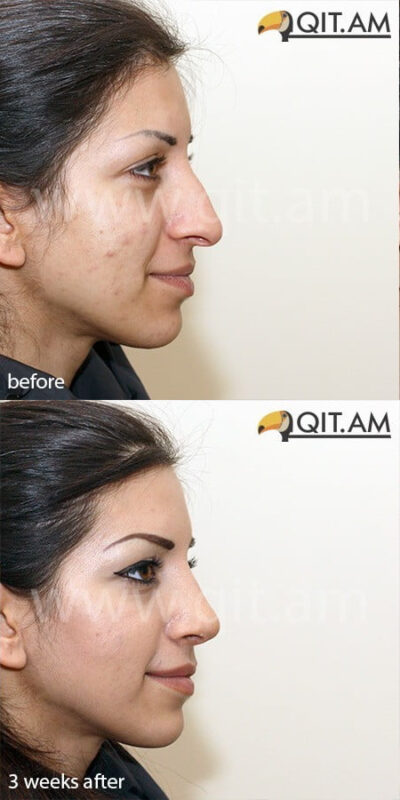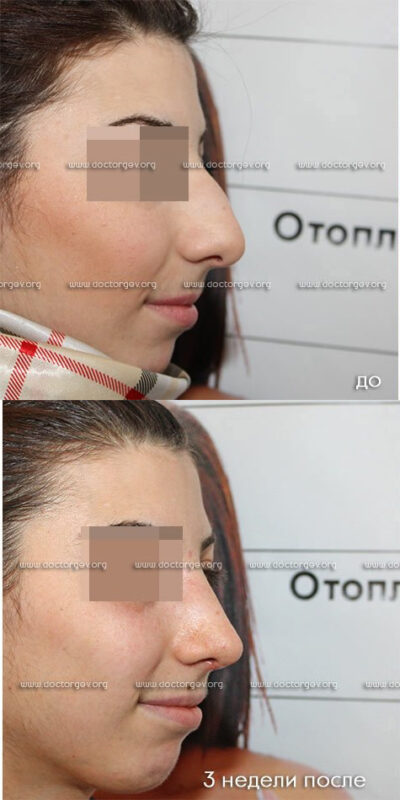

“I often think about rhinoplasty because I don’t like the shape of my nose. I am afraid of having surgery and heard that the nose can be changed with injections or threads. Please tell me about the pros and cons of non-surgical rhinoplasty.”
— Marieclaire.ru reader, 37 years old
Expert’s answer:
Modern medicine can change a face beyond recognition. One of the most common surgeries among men and women is rhinoplasty. Many celebrities have resorted to surgical intervention to create the perfect nose: Rihanna, Amber Heard, Victoria Beckham, Ashlee Simpson, Nicole Kidman, Jennifer Aniston, Cameron Diaz, Megan Fox.
There are many rumors and myths surrounding rhinoplasty. Many fear the pain, anesthesia, difficult rehabilitation period, and a result they might not like. Besides, any surgery requires psychological and physical preparation from the patient. This is why some choose what they believe to be a safer procedure with a cosmetologist. But non-surgical methods for radically changing one’s appearance are fraught with unpleasant consequences: blindness, destruction of nasal cartilage and bone tissue, and the onset of necrosis.
The nose is a complex area for injections due to its anatomy. It consists of a cartilaginous part, soft tissues, and muscles. Thanks to a complex blood supply system, the vessels are located close to each other. An incompetent specialist can harm a patient with a poor-quality product or its incorrect administration. Non-surgical rhinoplasty has far more disadvantages than advantages, which I will explain in more detail:
Injection rhinoplasty
A cosmetologist injects a gel filler under the skin to form the desired shape of the nose. This manipulation is often performed when a patient wants to get rid of a hump.
This method has a number of significant drawbacks. Fillers help create an ideal nose shape, but at the same time, they significantly increase its size. The natural proportions of the face are disrupted, and the result can become an unpleasant surprise.
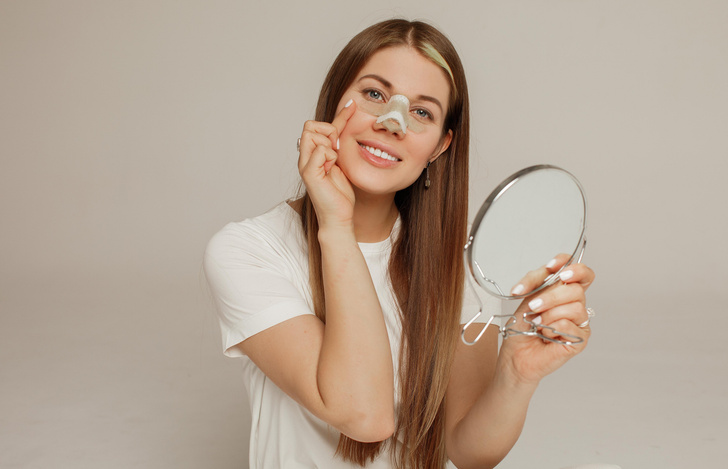
Lipolytics
The procedure involves the use of substances that affect fat tissue and water-salt balance. The size of the nose does indeed decrease, but it is not that simple.
Cosmetologists often use “signature cocktails” for the procedure made of components whose purpose has nothing to do with rhinoplasty. For example, hormonal drugs. In medicine, they are used strictly for treating postoperative scars. If the product gets close to the cartilage surface, it will start to dissolve. In this case, the patient risks getting a “collapsed” nose. This can only be corrected surgically.
Often, patients do not know what substance and in what quantity is being injected by the cosmetologist. It is impossible to accurately predict the diameter and depth of the drug’s effect. In the best-case scenario, the patient simply will not notice any changes.
Thread correction
Using this technique, cosmetologists “shorten” the nose, lift its tip, and visually straighten the bridge. Indications for this procedure: drooping tip, age-related ptosis, and a wide tip.
Threads are inserted through micro-punctures to lift the desired areas. However, under the influence of facial expressions and gravity, the threads can snap within the nasal tissues. This severely complicates a real operation later on if the patient eventually opts for surgical correction.
The longevity and capabilities of non-surgical rhinoplasty
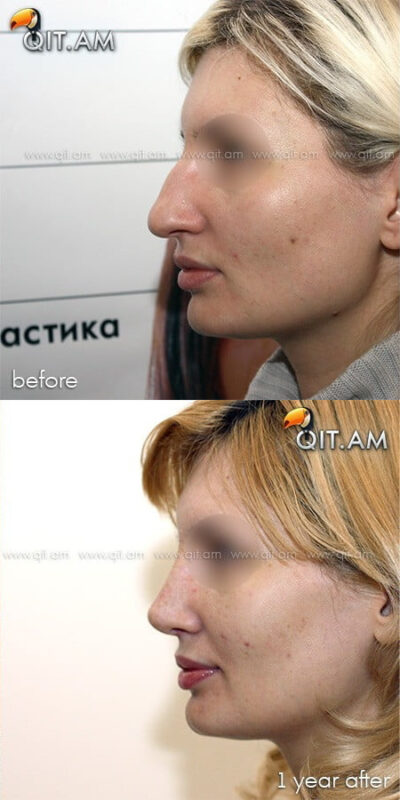
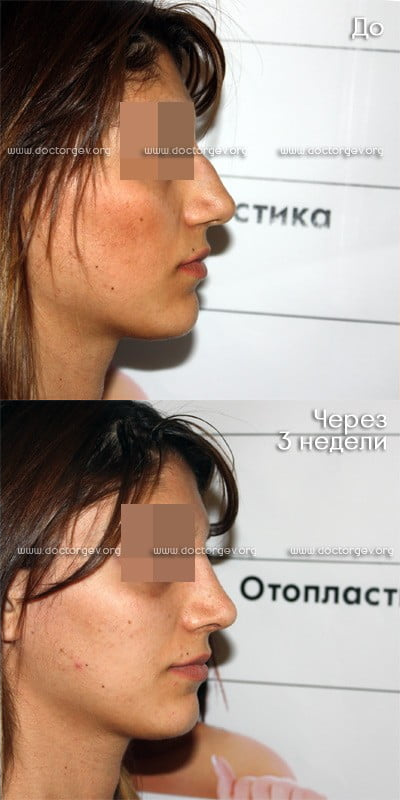
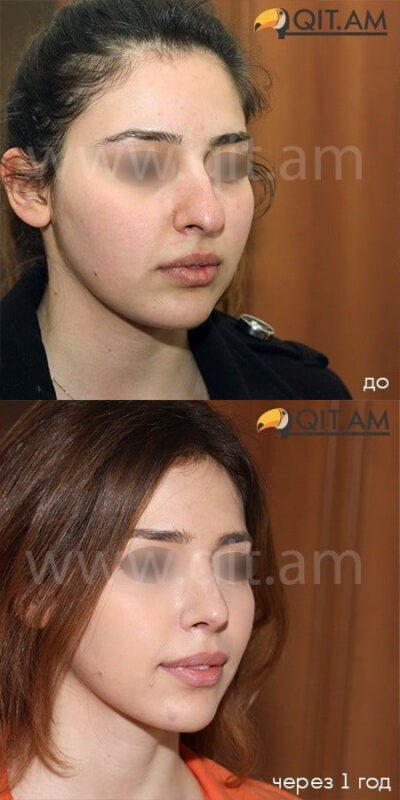
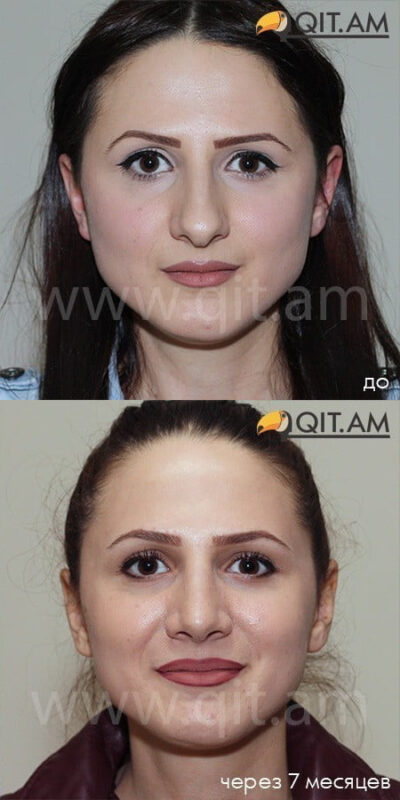
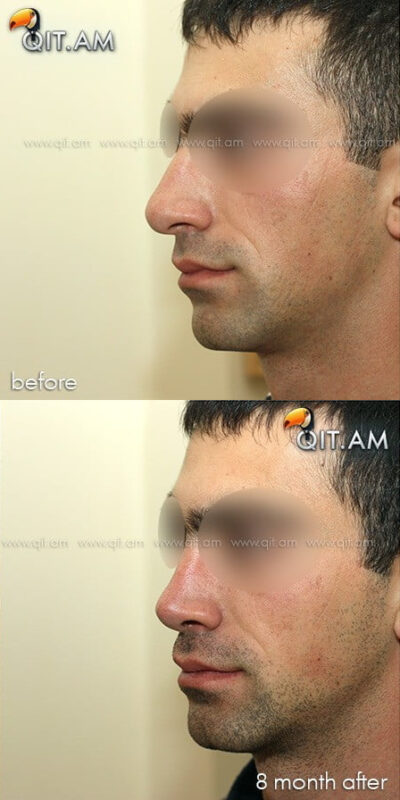
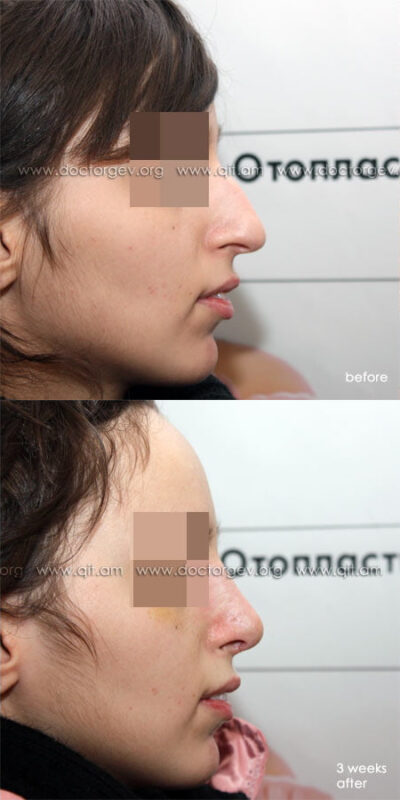
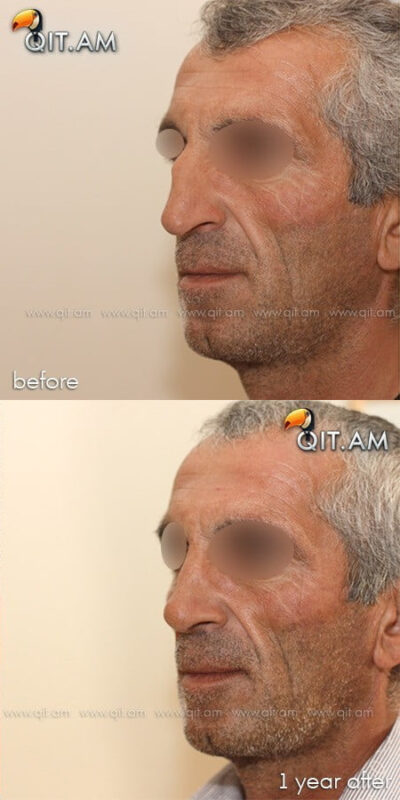
In addition to the lack of safety, cosmetological nose correction has other drawbacks. Its capabilities are highly limited. A specialist will not be able to radically change the nose, but will only correct minor flaws: small irregularities, a slight hump, or asymmetry. Significantly reducing the nose and changing its shape, shortening the base, altering the amount of cartilage tissue, and narrowing the nostrils can only be done by a surgeon.
The effect of fillers usually lasts for 12 months (sometimes the gel does not dissolve even after a few years). For threads, it is from 1 to 5 years depending on the material. One type remains in the nose forever, another disappears over time. In the second case, the nose returns to its previous shape, so the procedure needs to be repeated if desired. When a patient is not ready for surgery and is unsure of its necessity, fillers can help them temporarily adapt to new facial features and see if they like the changes.

How not to be afraid of rhinoplasty?
Any surgical intervention is a serious procedure. The patient must carefully prepare for rhinoplasty: analyze the indications and possible consequences, as well as choose a competent surgeon. This alone is the key to success.
- Choosing a doctor. Look at their education, advanced training certificates, portfolio, and reviews. If possible, sign up for a consultation with a specialist and get a simulation of your new nose. A qualified surgeon can predict the result of the surgery with 90% accuracy and will help choose the most harmonious nose shape.
- Preliminary examinations. Take them responsibly. Before the surgery, it is necessary to do a CT scan of the nose and paranasal sinuses, as well as take a series of blood tests. The doctor must be fully aware of your health condition and individual body characteristics. This will prevent allergic reactions and other unpleasant surprises.
- Psychological mindset. It is important to understand that after surgery, you will have to patiently and understandingly endure temporary discomfort. Nasal swelling and congestion should not be reasons for panic or depression. When a patient has a positive mindset from the start, rhinoplasty is highly successful.
Non-surgical rhinoplasty is not a magic pill; it has limited capabilities and extensive consequences for your health and overall appearance. Rhinoplasty, on the other hand, is a more reliable and proven option. The main thing is to approach it responsibly, and the result will bring you joy for a lifetime.
Gevorg Yegiazaryan
Plastic surgeon, winner of the “Best Plastic Surgeon in Armenia” award