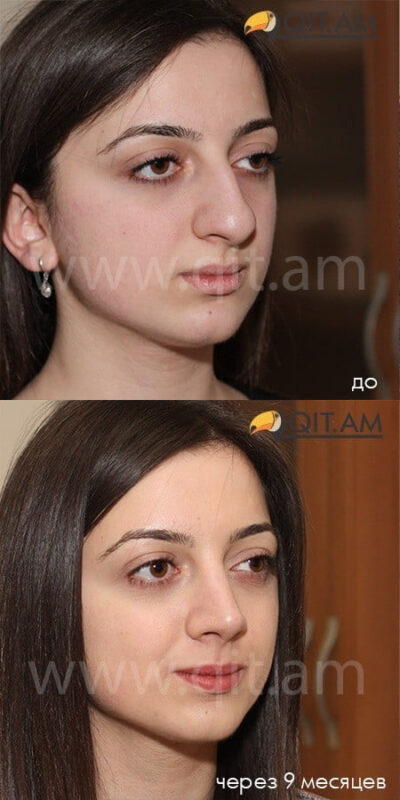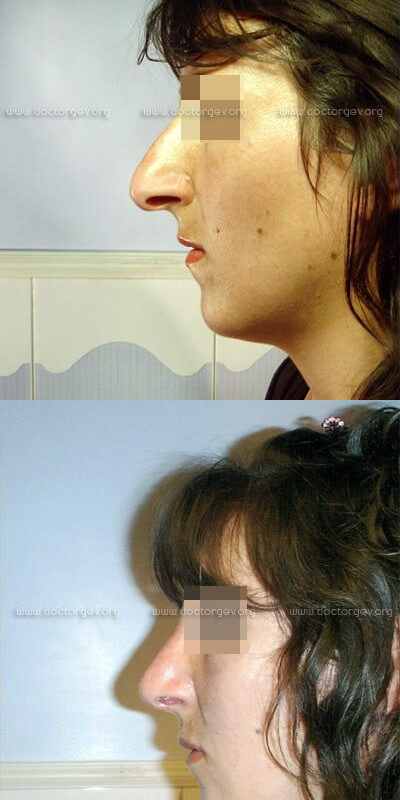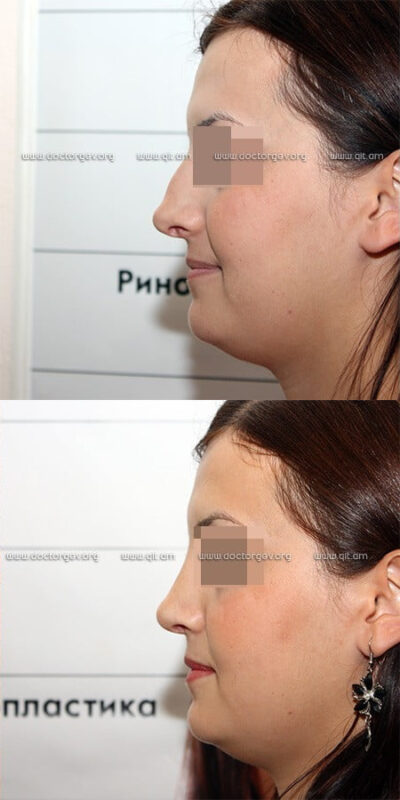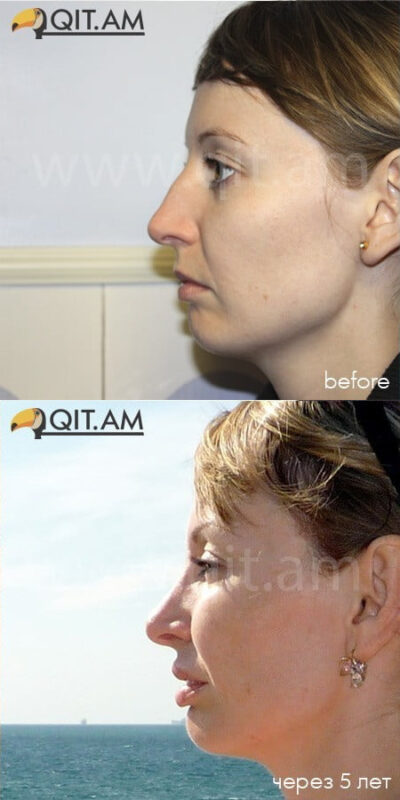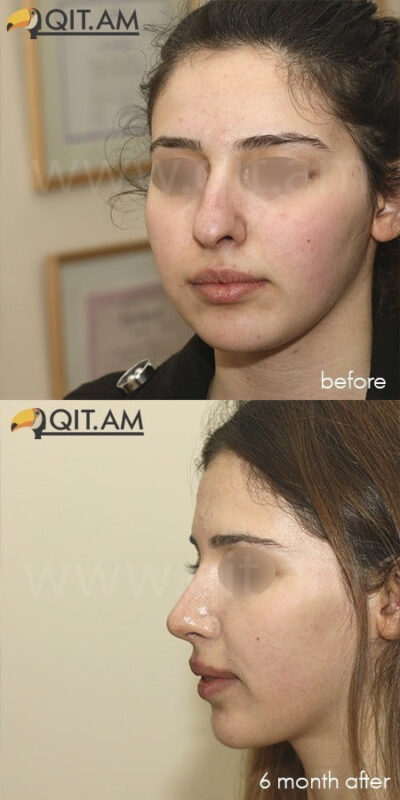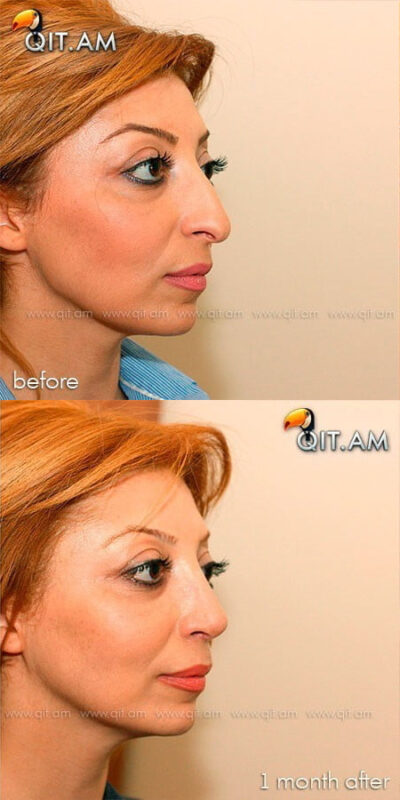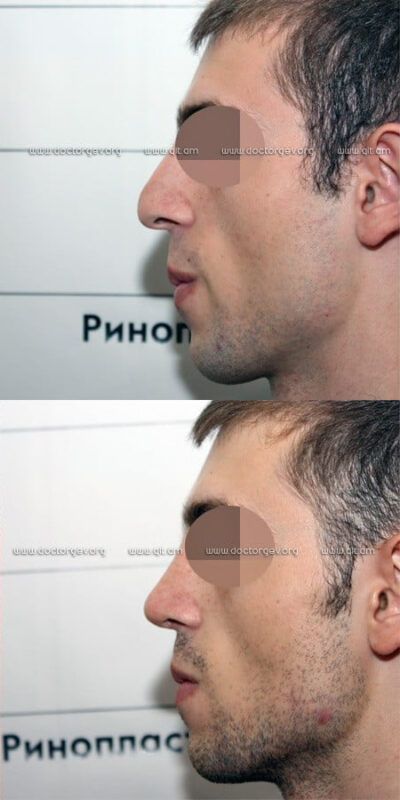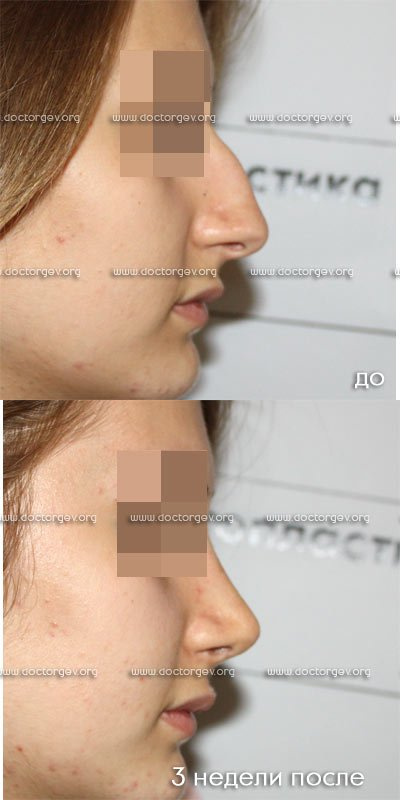

Detailed Briefing: What to Do and What Not to Do Before and After Surgery
Mandatory reading and/or listening for all patients!
Audio version:
Before Surgery
- The day before surgery, do not eat anything after 8 PM, and do not drink anything after 12 AM (midnight).
- On the morning of the surgery, do not eat or drink anything!
- When leaving for the surgery, do not apply makeup.
- Remove any polish/gel from the thumbnail on your left hand.
- Leave all jewelry and valuables at home.
- Do not take any medications for one week before surgery (including vitamins, immunostimulants, dietary supplements, etc.)!
- Do not smoke for 3 days before and 1 month after the surgery — smoking slows down healing processes and prolongs swelling.
- Alcohol is forbidden for 1 week before surgery and for 1 month after!
- Prepare clothing that does not need to be pulled over your head to avoid accidentally injuring your operated nose.
Postoperative Period
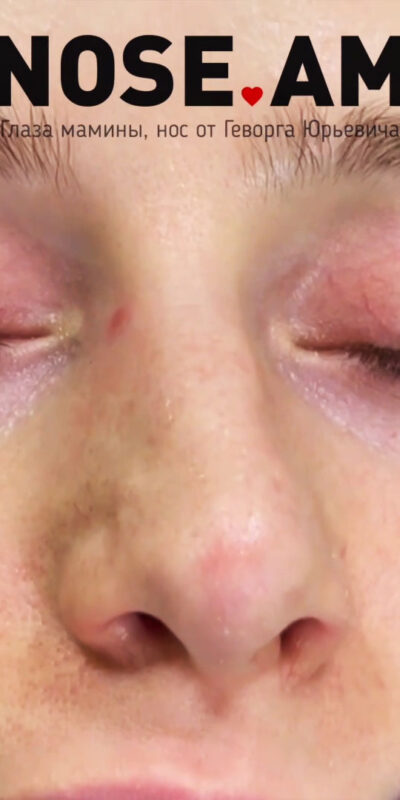
After surgery: In the ward, cold compresses will be applied to your eyelids and changed every 20-30 minutes to minimize bruising and swelling (5 times in total). The patient stays at the clinic for one day and is discharged the following day.
Nutrition and Routine
- You may drink no earlier than 1 hour after surgery, starting slowly with small sips.
- 3-4 hours after surgery, you may have light, soft, and non-hot food.
- Avoid consuming hot liquids and meals during the first week after surgery.
- Bed rest is observed only on the first day after surgery. It is canceled the next day.
- Sleep only lying on your back for 2 weeks. An elevated head position will minimize facial swelling and puffiness.
- For the next two weeks, imagine yourself as a queen: make all movements slowly, calmly, with dignity, and with your nose pointing up. Keep physical activity and sudden movements to a minimum.
- Phone, book, or tablet — hold everything with your nose pointing up. When you lower your nose, gravity causes swelling to accumulate in the nasal tissues. Try to keep your nose elevated whenever possible.
- To restore proper functioning of the mucous membrane, your body must not be dehydrated. Therefore, drink enough water every day, but avoid excessive amounts. Carbonated drinks and mineral water are prohibited for one month.
- You can eat whatever you want in generous amounts — your body needs strength and energy for a speedy recovery. Please note that food should not be hot, salty, or sweet. Salty and sweet food retains fluids in the body and prevents existing swelling from subsiding quickly.
Well-being and Home Medications
- In the next 1-2 weeks, your body temperature may be elevated. It is usually higher in the evenings and slightly lower in the mornings. This is a normal response of the body to trauma. Up to 38°C (100.4°F), no action is required. If the temperature rises above 38°C, take any antipyretic medication (e.g., aspirin or paracetamol) to lower it.
- Pain after surgery is usually absent. However, if you have a very low pain threshold, there is no need to endure it. Mix Catafast or Nimesil (powder in a sachet) in half a glass of warm water and drink it — it relieves pain for 4-6 hours. Do not take more than 3 sachets per day.
- Upon arriving home, you may remove the sling bandage under your nose that was refreshed before discharge if the nasal discharge is not heavy. For the next 1-2 weeks, mucus mixed with blood will drain from your nose. Do not be alarmed — this is normal. Gently dab your nose with sterile disposable gauze pads to avoid damaging the sutures.
At home, after discharge from the clinic, you will use two tablet medications — Zinnat and Fluconazole. These are an antibiotic and an antifungal.
- Take Zinnat (250 mg) — 1 tablet 2 times daily for 5 days.
- Take Fluconazole (150 mg) to prevent intestinal issues. Take one capsule tonight. Take another capsule 5 days later, after the last antibiotic tablet. Regardless of food intake.
Starting tomorrow, 2 additional steps are added to today’s medications: peroxide cleaning and Lyoton gel (only if there are bruises).
- Peroxide cleaning is performed once a day in the morning. Take 3% hydrogen peroxide and a cotton swab. Dip the swab into the peroxide bottle for half a minute (so the cotton becomes well saturated) and very quickly (in just 2-3 seconds) clean the dried blood off the sutures. Do not treat the skin with peroxide for long — it will cause a chemical burn. If you notice swelling and redness after cleaning with peroxide, stop using peroxide and cotton swabs. When you come for a dressing change in a week, we will clean everything ourselves.
- Lyoton 1000 Gel (used only if you see bruises) works for 12 hours, so use it at 10:00 AM and 10:00 PM. Apply a thin layer strictly to the bruises. Be careful not to get the gel into your eyes. The gel dries on the skin as a shiny film with a yellowish tint. Before the next gel application, be sure to wash off the film with a cotton pad moistened in warm water and squeezed out, then dry the skin completely. Use the gel until bruises disappear completely.
Suture Removal and Nose Care
Exactly one week after surgery, come for a dressing change at 10:00 AM. It takes 5-10 minutes, after which you can leave anywhere by any means of transport.
After the Dressing Change (One Week Post-Op):
- Do not touch your nose for 24 hours to prevent infection through the freshly removed suture sites.
- You may touch your nose, bathe, and wash your face starting the day after the dressing change.
- Bathe quickly and avoid very hot water. Do not steam your nose for the next month after surgery, as most of the swelling subsides during the first month.
- Inside the nose, on the nasal septum, we intentionally leave several sutures that are completely safe and unnoticeable to the patient. All sutures used inside the nose are dissolvable (3-6 months). Observing, touching, picking at, pulling, or cutting these sutures IS FORBIDDEN!
Nasal Irrigation (Aqualor and the “Pinocchio Method”)
Starting the day after the dressing change, begin irrigating your nose at least 3-4 times a day with Aqualor Active-Soft.
Attention! Wash your hands with soap before cleaning your nose to prevent infection!
- Perform nasal irrigation in an upright body position (sitting or standing). Your head should be slightly tilted forward. Ensure that your head is not tilted backward.
- Press the nozzle and hold for 2-3 seconds.
- Then remove the remaining flushing fluid by blowing your nose using the Pinocchio method.
Pinocchio Method: Cover your right nostril from underneath with your right thumb so that air does not pass through it. Do not press from the side to avoid deforming the tip of the nose — strictly from underneath. Gently and slowly blow through the other nostril. Repeat the same on the left side.
Slowly and gently are the main principles of the Pinocchio method. Do not blow your nose hard or abruptly. After proper cleaning, you should not have fresh blood traces or increased nasal congestion.
If the nose is insufficiently cleaned, you will notice a bad odor after 2-3 weeks. Contact me immediately in this case! The only correct method for cleaning your nose for the next 1 year after surgery is Aqualor and the Pinocchio method.
Vibrocil Preparation (Backup)
The last medication in the prescription list is Vibrocil (nasal drops). This is a backup drug. Use it only if there is nasal congestion.
- Instill while lying down (the package includes a dropper) exactly 3 drops into each nostril 3 times daily for 1 week only.
- The drug is potent and addictive. Long-term use is strictly prohibited!
- Special instructions: After instilling into the right nostril, turn your head to the right and elevate it slightly so the medication spreads. Instill into the left nostril — turn your head to the left and slightly up.
List of Medications to Purchase at the Pharmacy:
- Zinnat, 250 mg, 10 tablets
- Fluconazole, 150 mg, 2 capsules
- Aqualor Active-Soft
- Vibrocil, nasal drops
- Lyoton 1000
- Hydrogen peroxide, 3%
- Cotton swabs
- Sterile gauze pads, minimum 3-4 packs
Hygiene and Cosmetics
- A quick shower with warm (not hot) water is possible as early as the second day after surgery, but the nasal bandage must remain completely dry.
- You may wash your hair starting from day 3, tilting your head back like at a hair salon.
- Makeup may be applied 7 days after surgery.
- Cosmetic procedures (peeling, photorejuvenation, etc.) can be performed no earlier than 6 months after rhinoplasty.
Warnings and Restrictions
- Try to protect your nose from any injuries.
- Avoid high activity, strain, and bending over (these increase swelling).
- Sports and active physical exertion may be resumed only after 2 months.
- Exclude hot baths, steam rooms, and saunas, and do not travel to hot climate countries for 2 months.
- Do not sunbathe or visit solariums for 2 months.
- Under no circumstances consume alcohol for one month.
- Do not wear glasses for 6 months after rhinoplasty.
- Women are advised not to become pregnant for 6 months after nose surgery.
Photo Report Schedule
- One week after surgery
- Then every month up to 6 months
- Then at 9 months and 1 year post-op
If 2 photo reports are missed, the doctor reserves the right to disclaim responsibility for the final shape of the nose!
Free video consultations (WhatsApp video call) are conducted at 6 months and 1 year post-op.
Photos (6 photos, same as during 3D modeling) are accepted ONLY via email at: info@nose.am. No selfies!
Important!
Remember that rhinoplasty is one of the most complex plastic surgeries, so it is crucial to take these rules and recommendations with extreme responsibility. Do not self-medicate and do not listen to advice from relatives or friends. Any actions must be agreed upon with your operating surgeon!
Contacts:
- (!) Please do not write to me on Instagram, there are too many messages and I miss them.
- All questions — via email: info@nose.am
- For emergency contact (WhatsApp): +7 967 055 0022