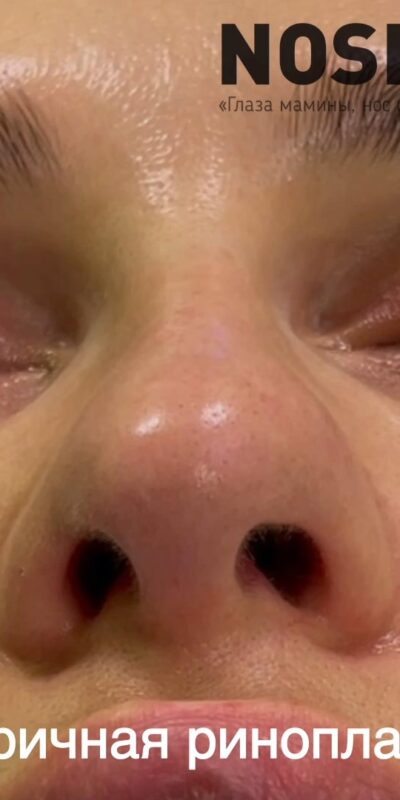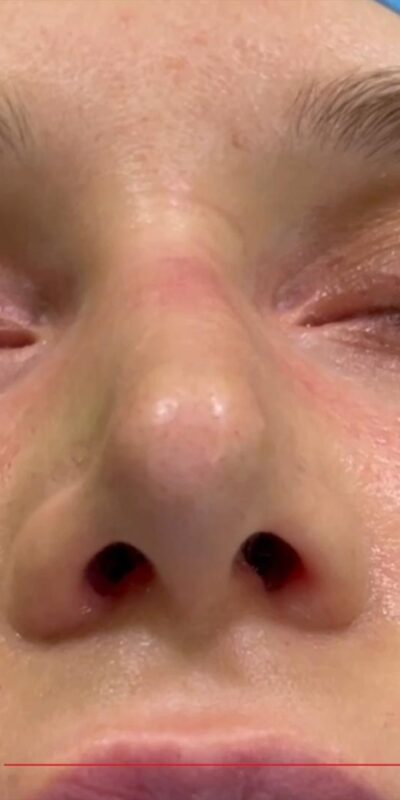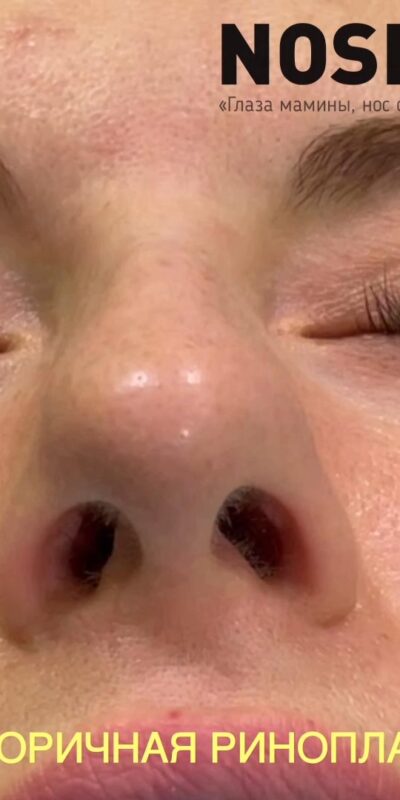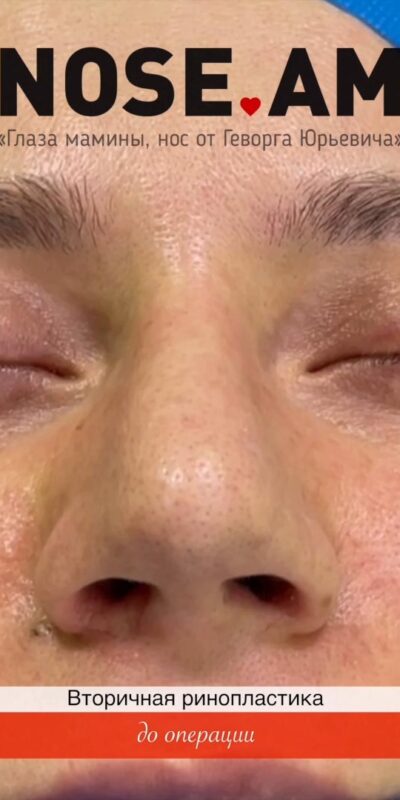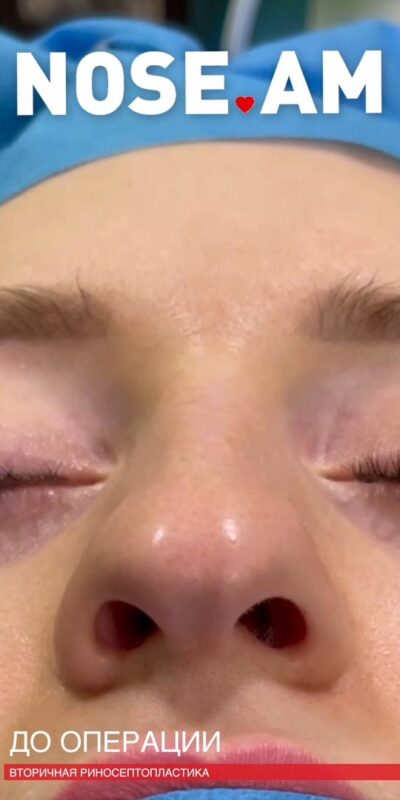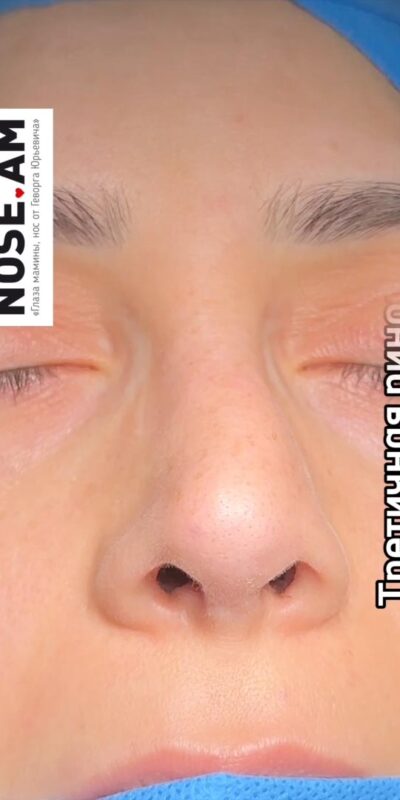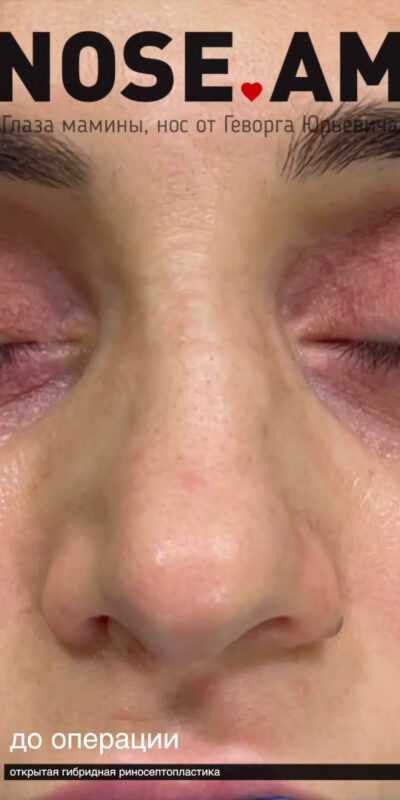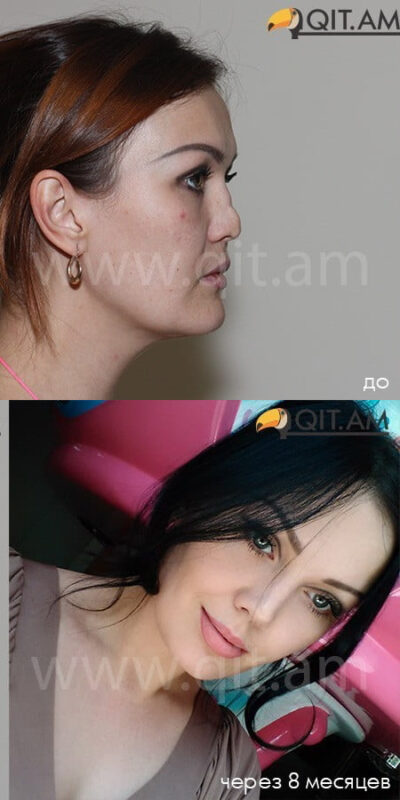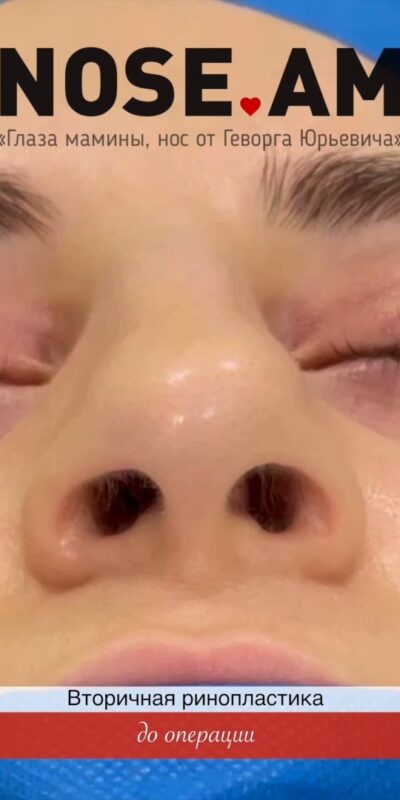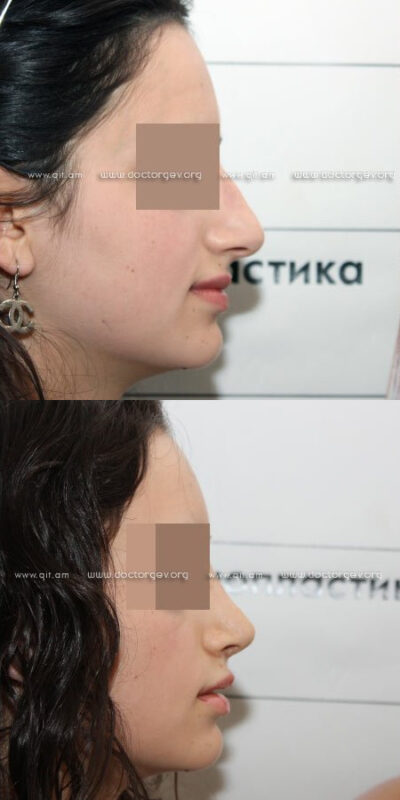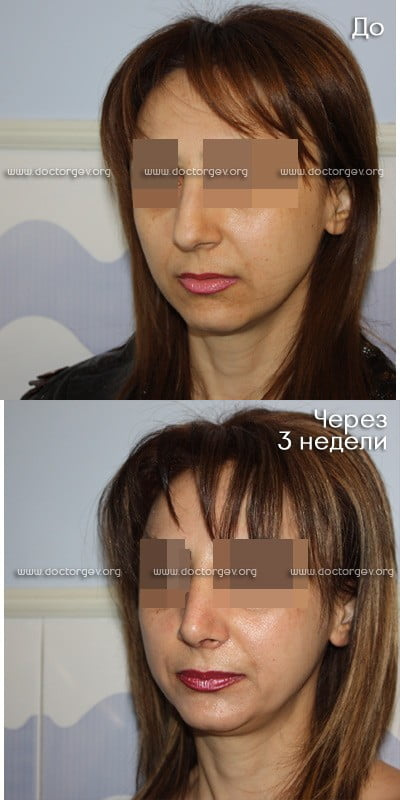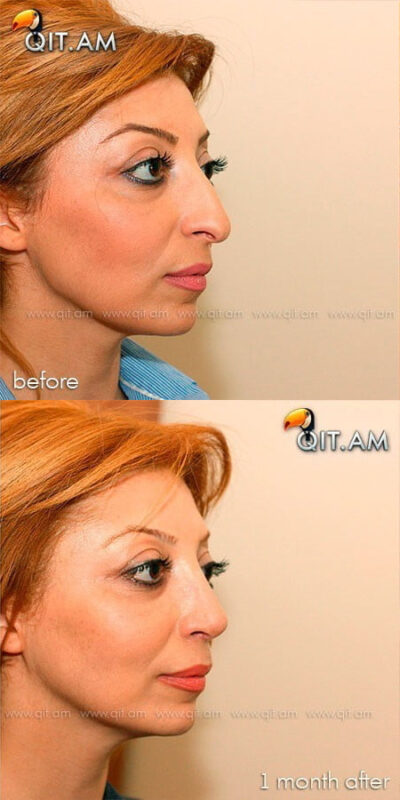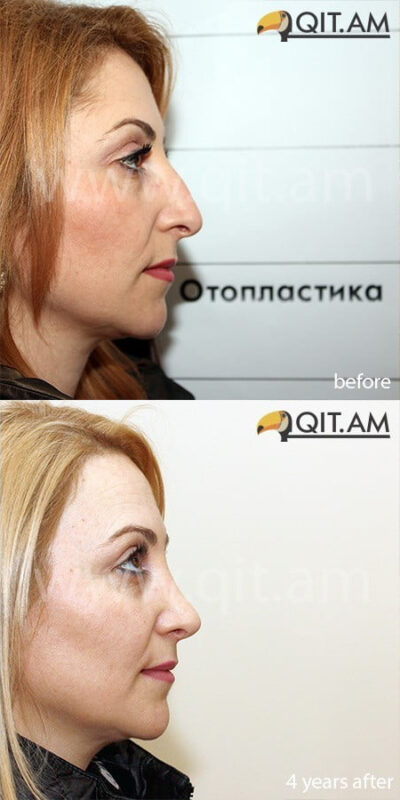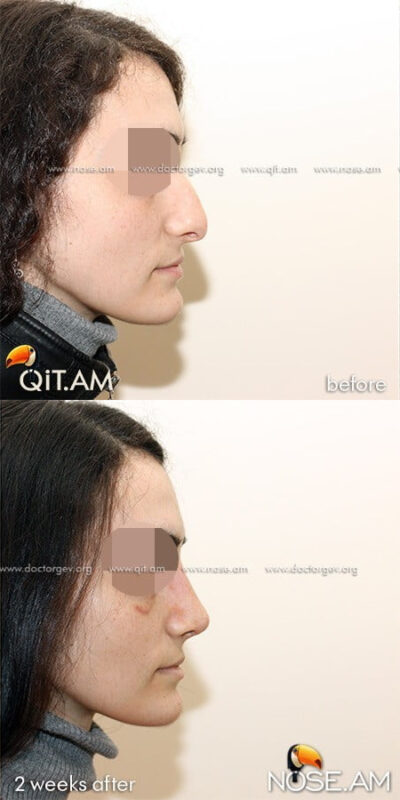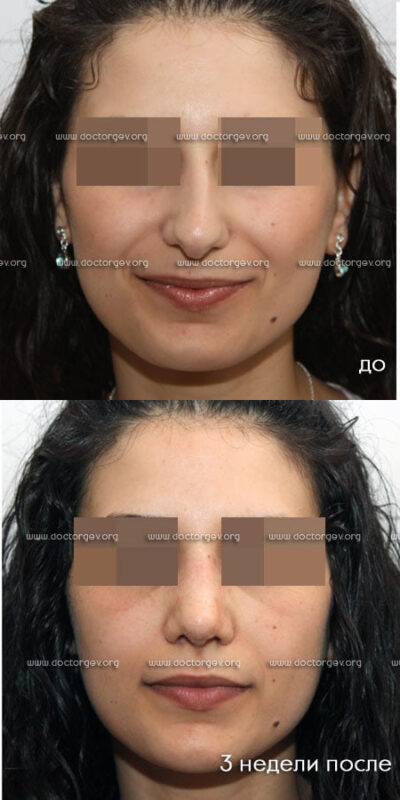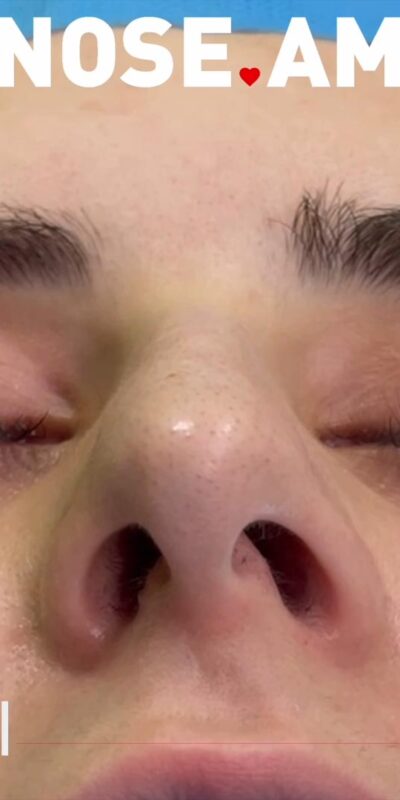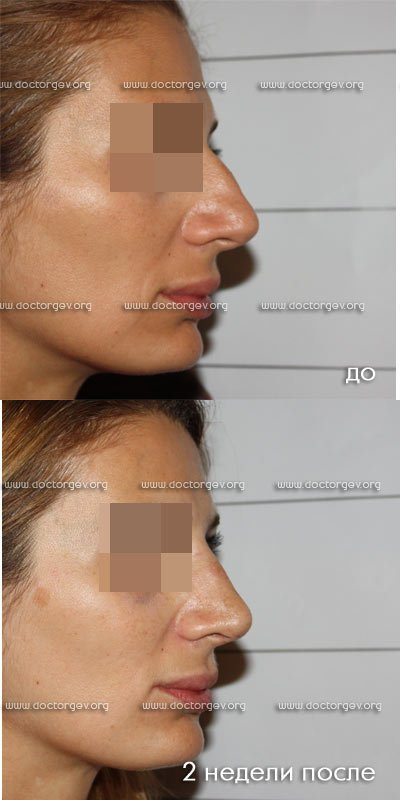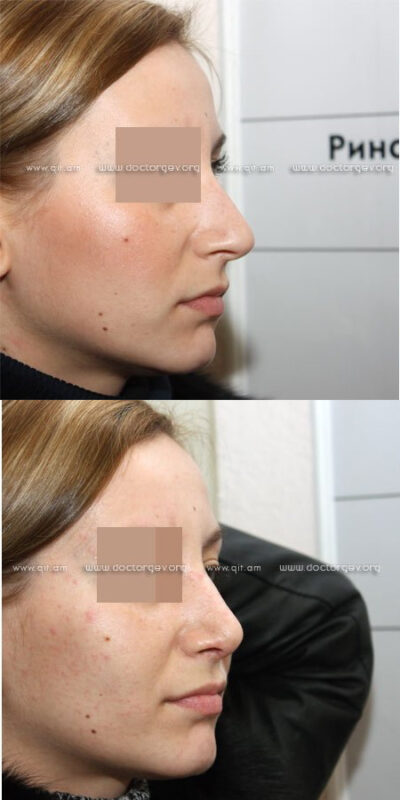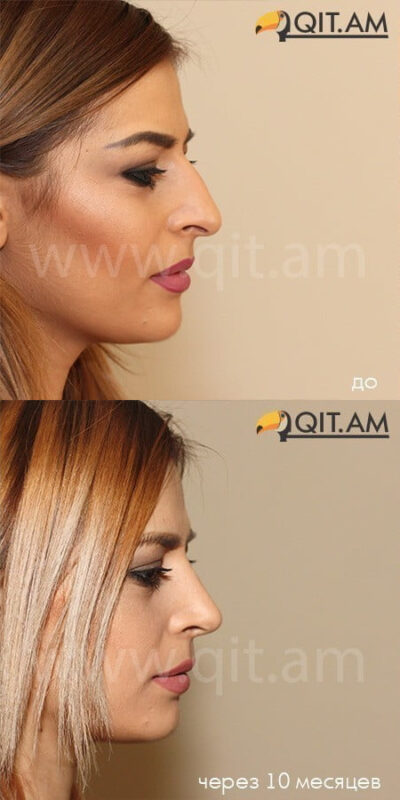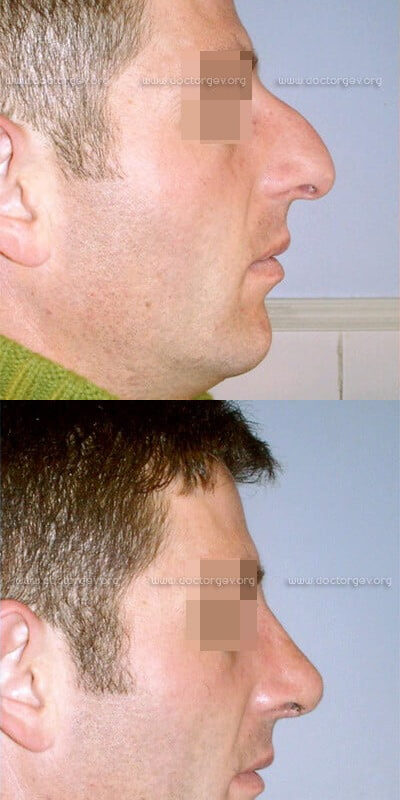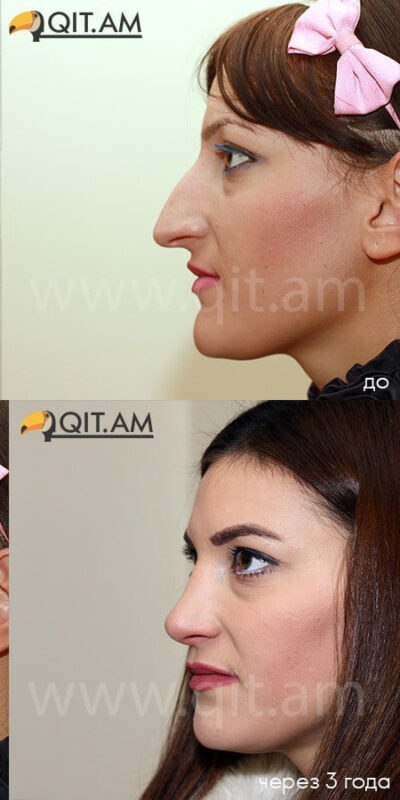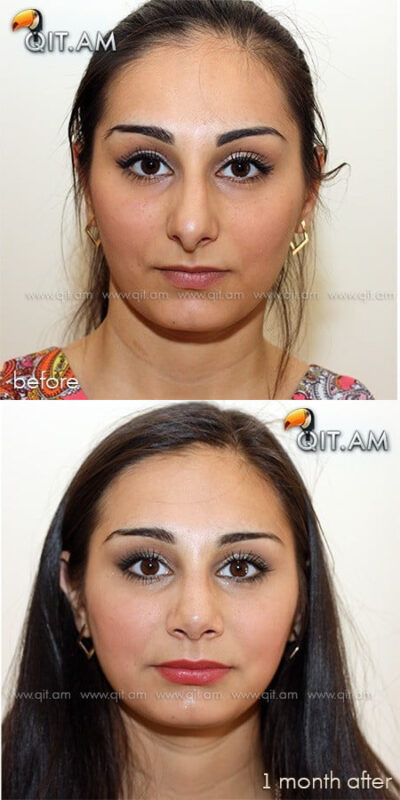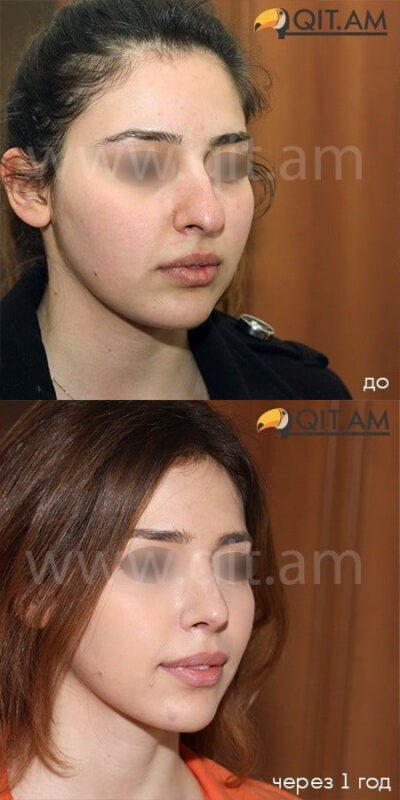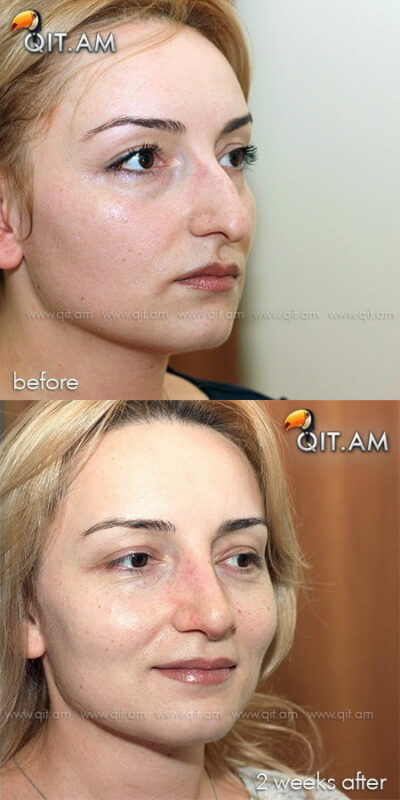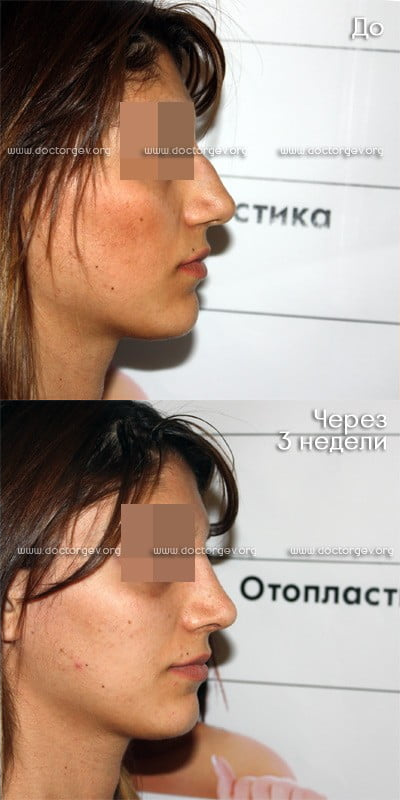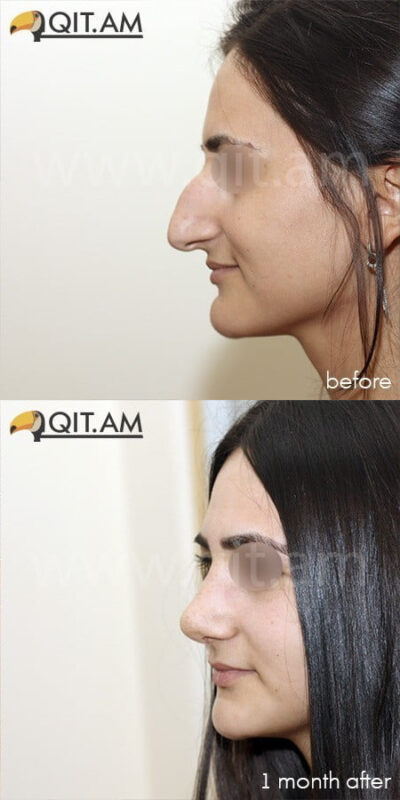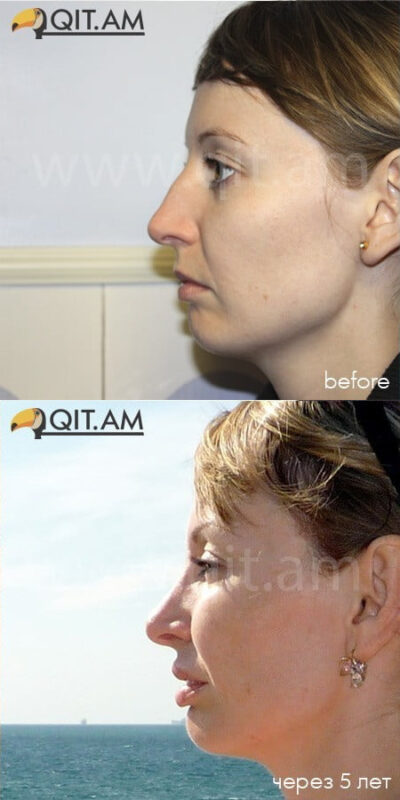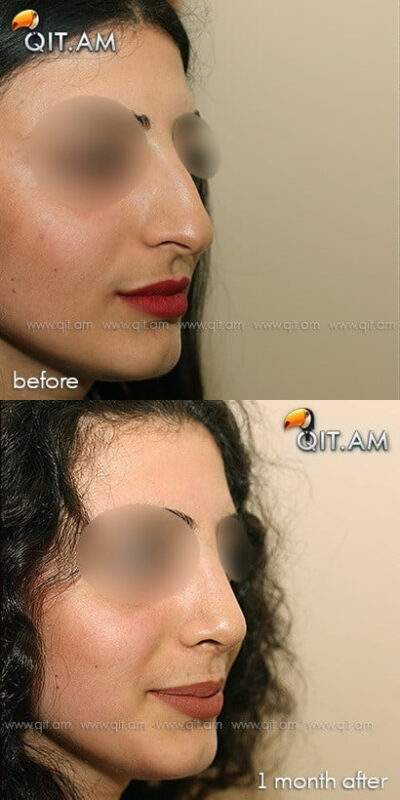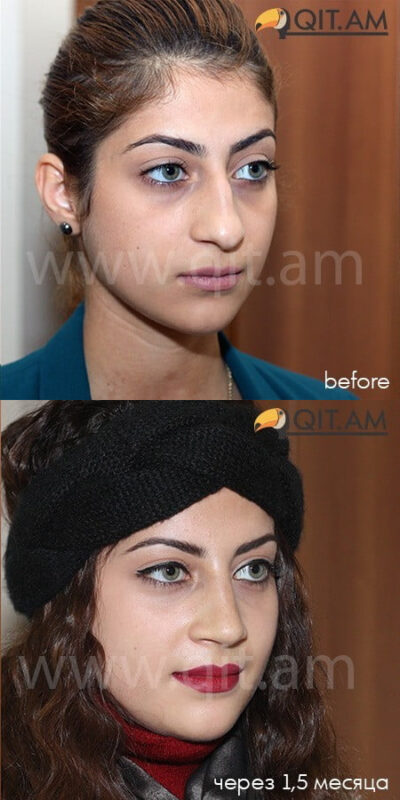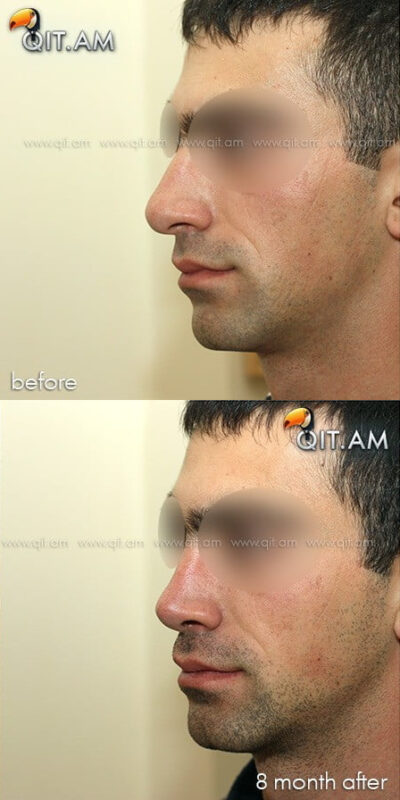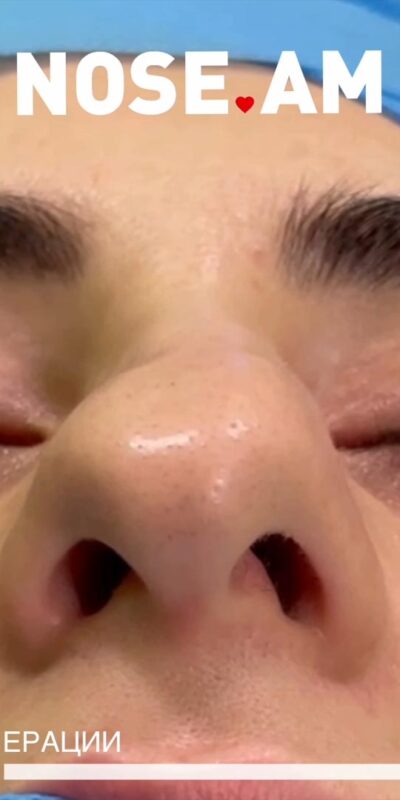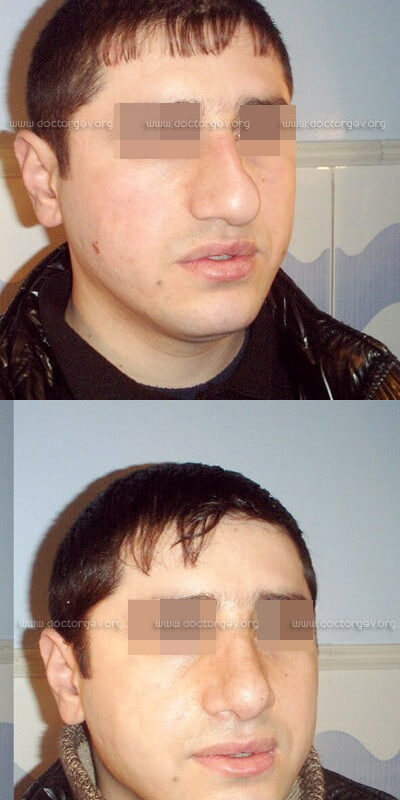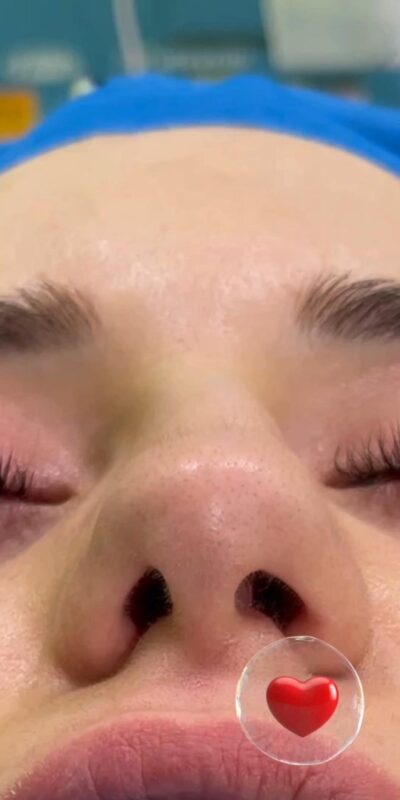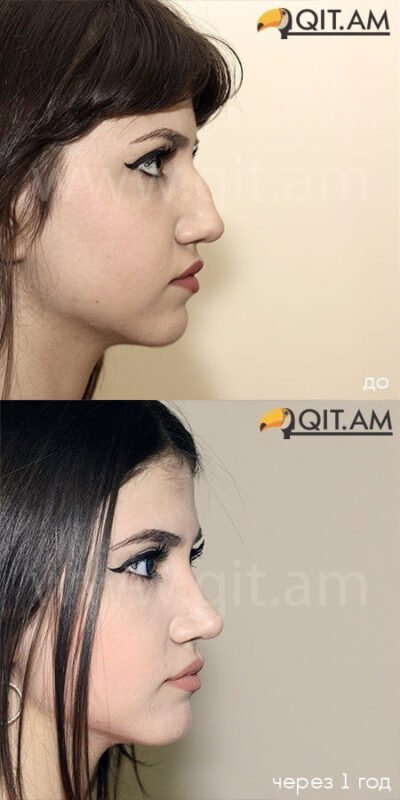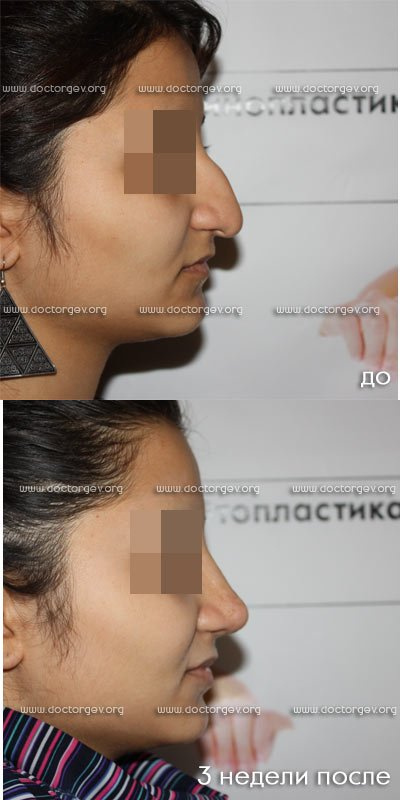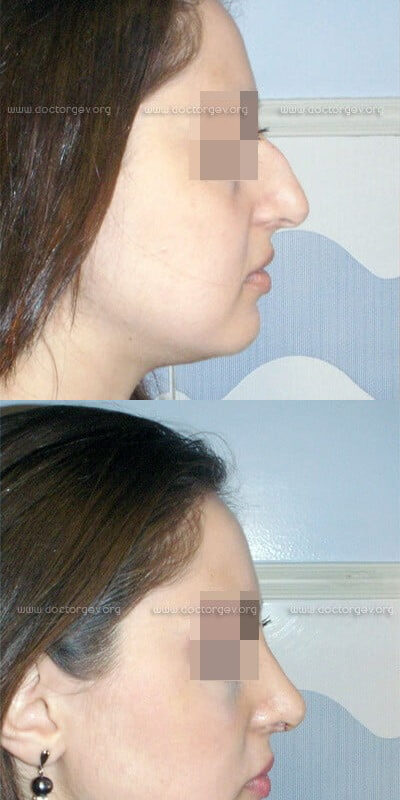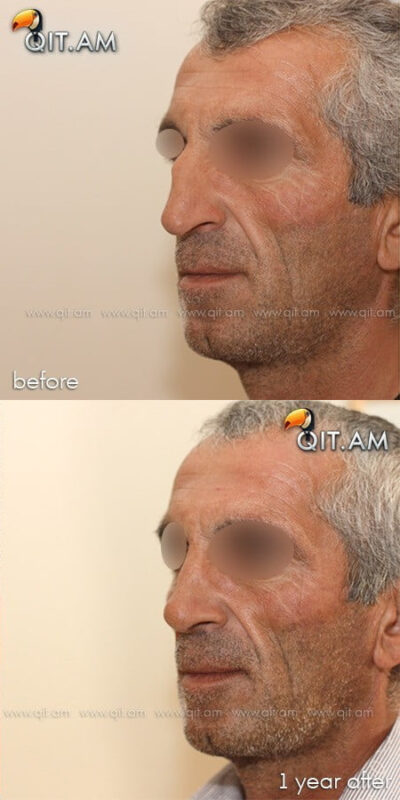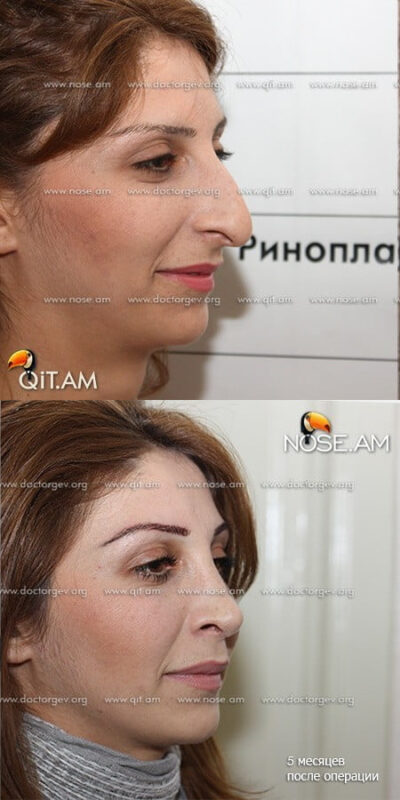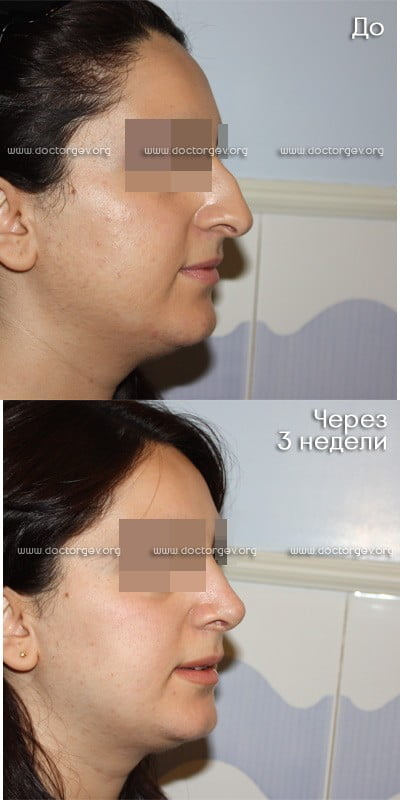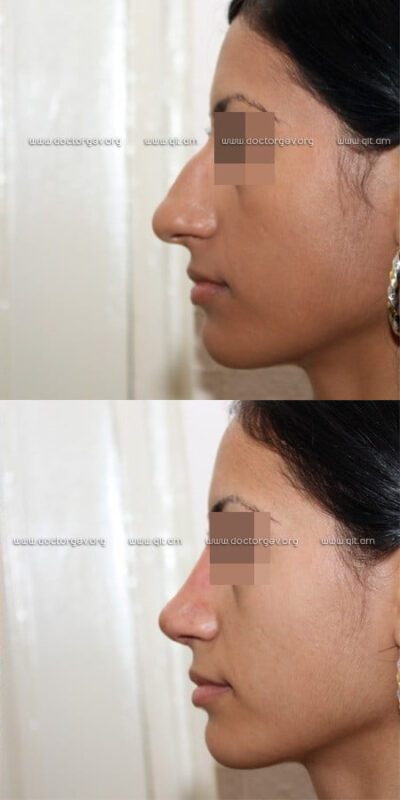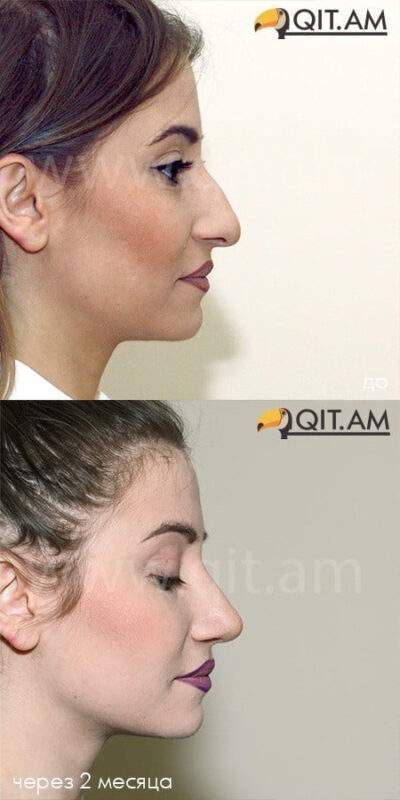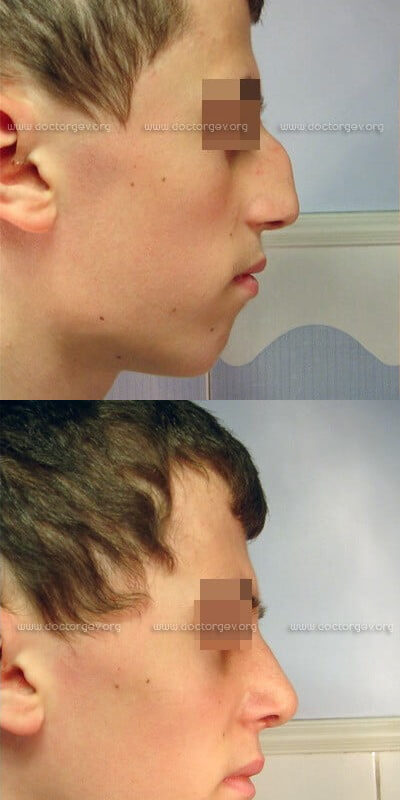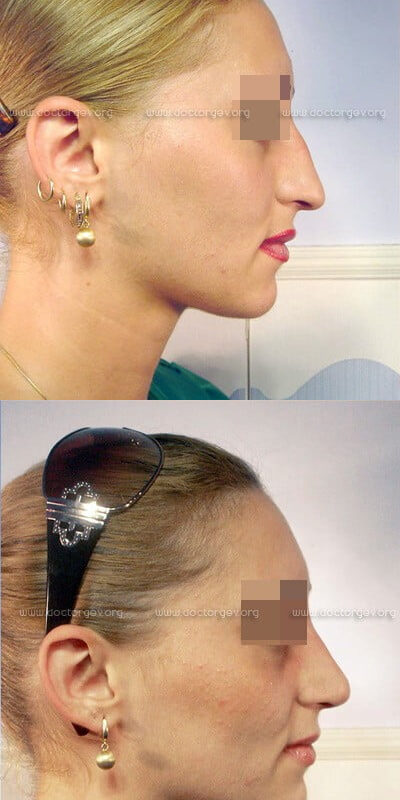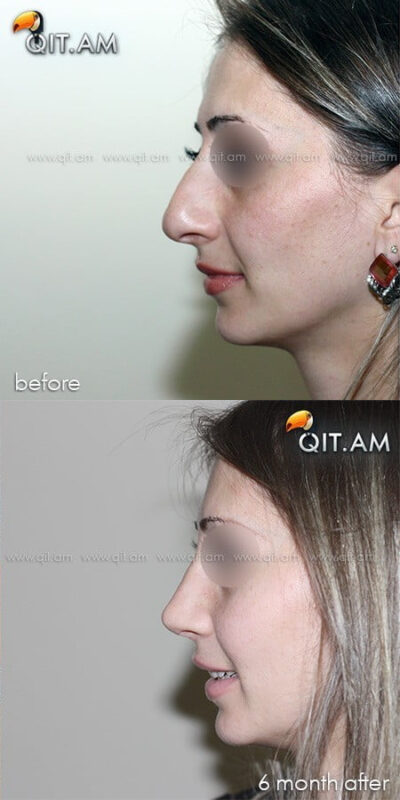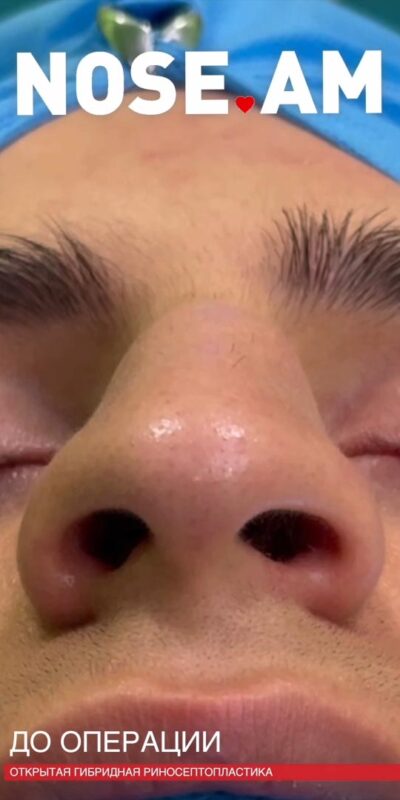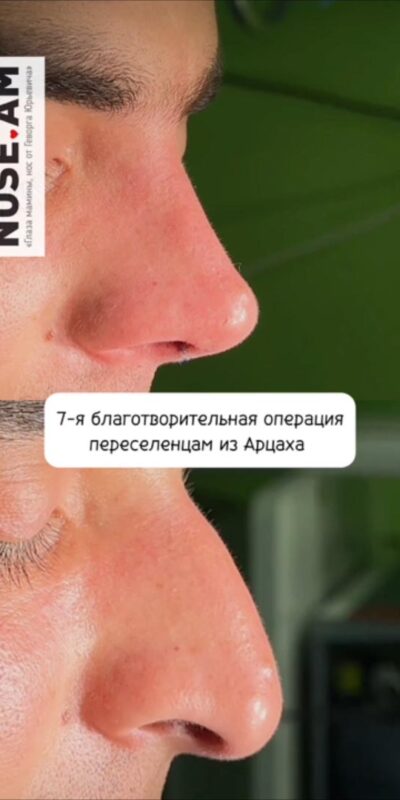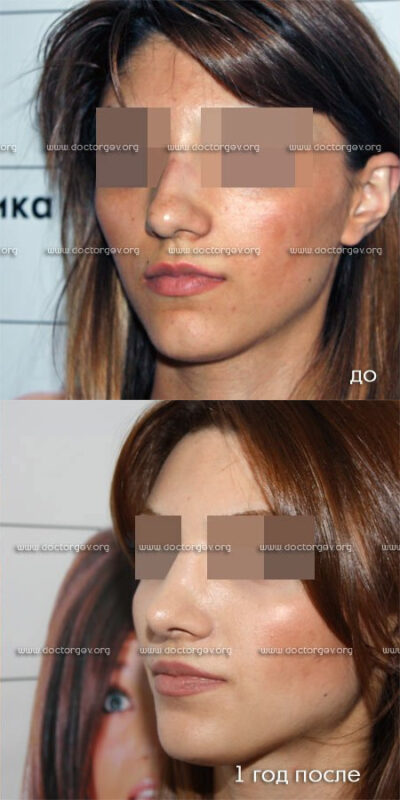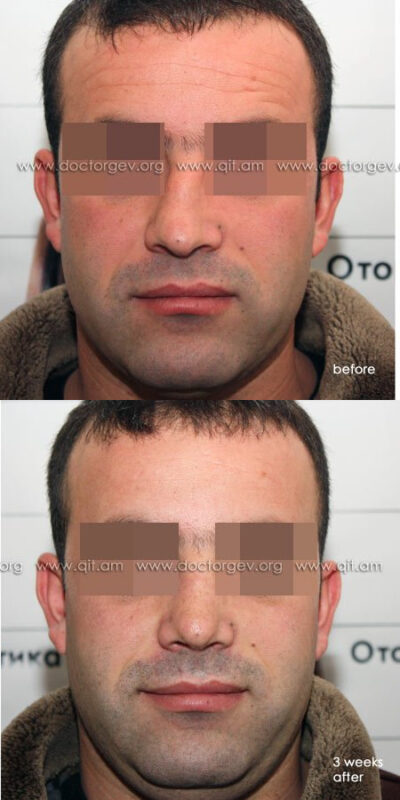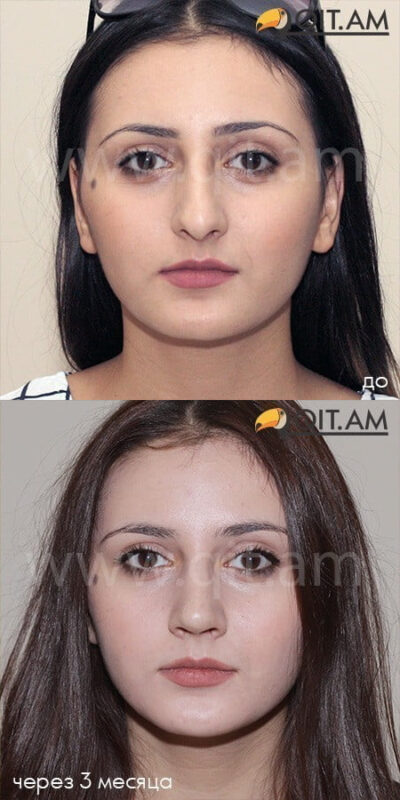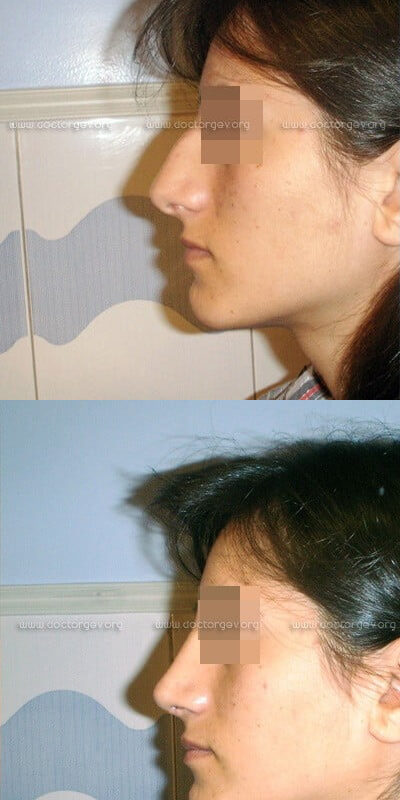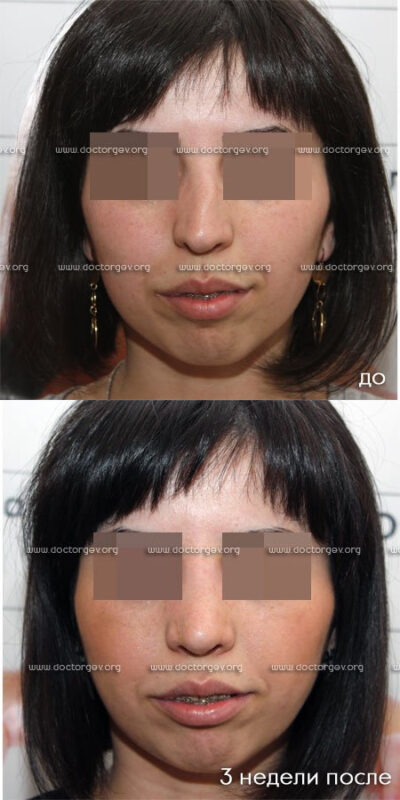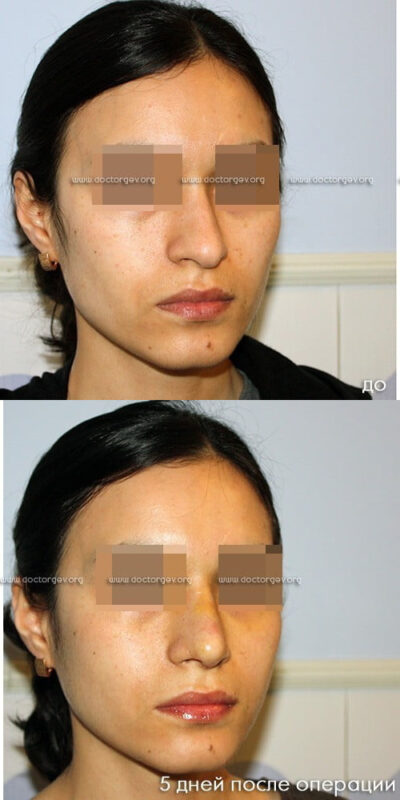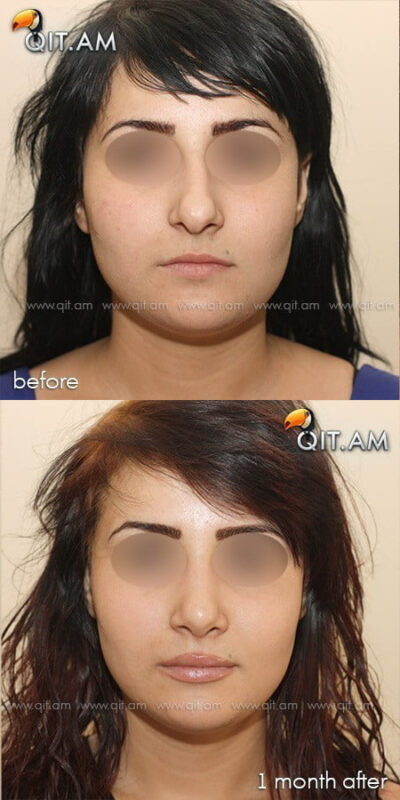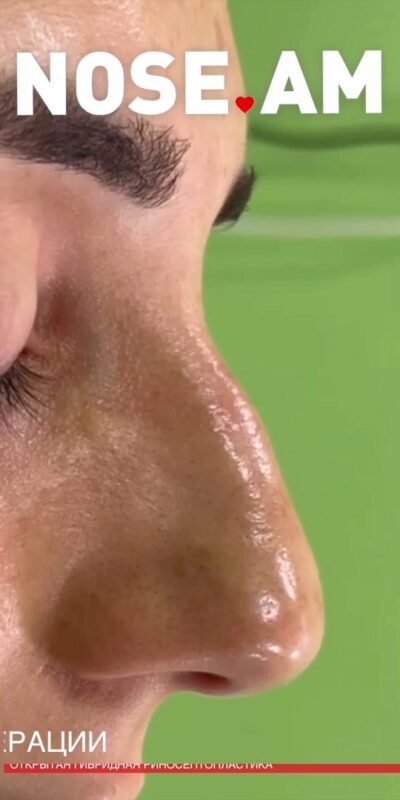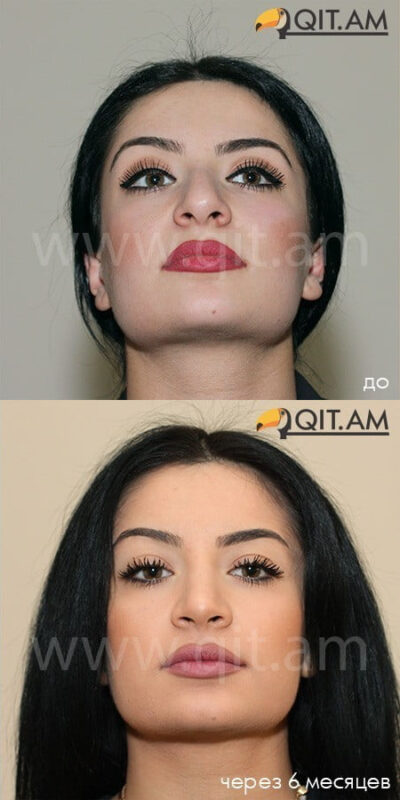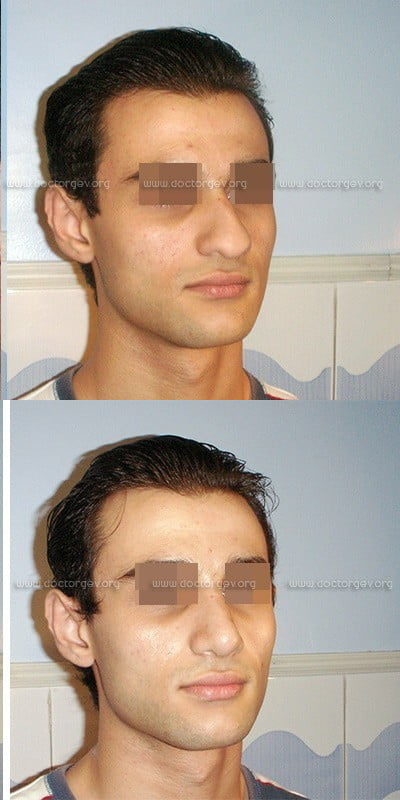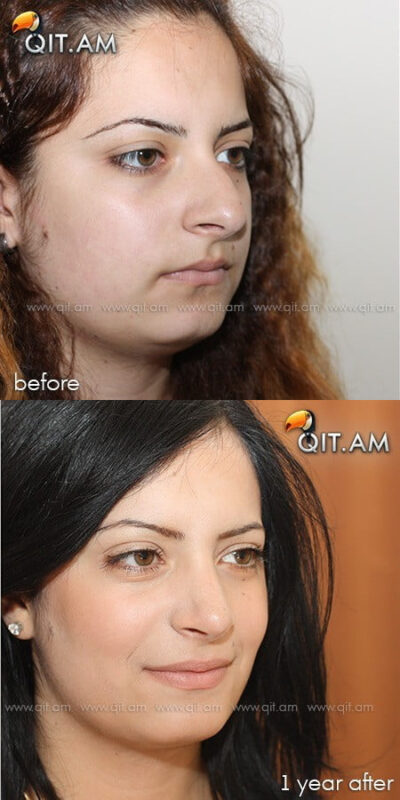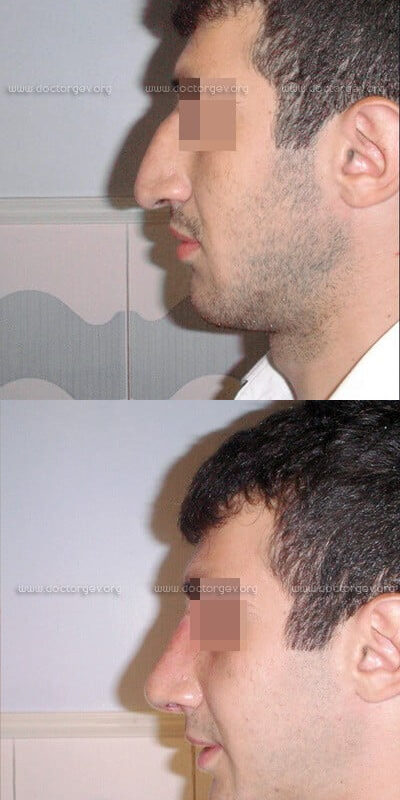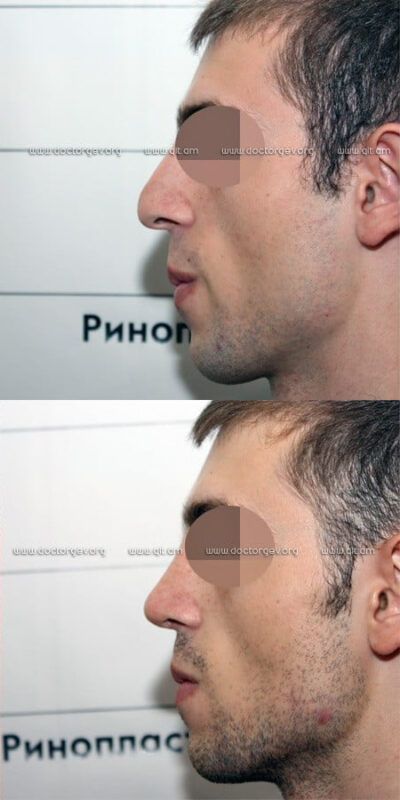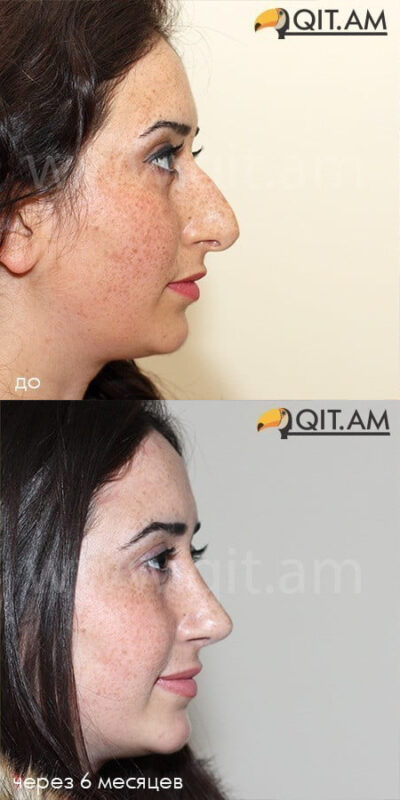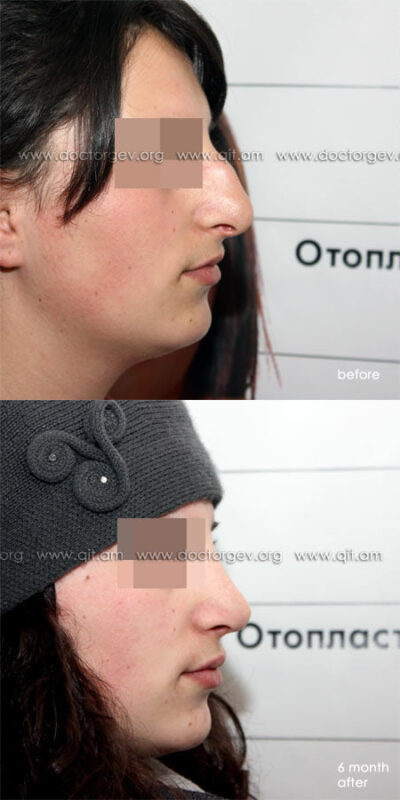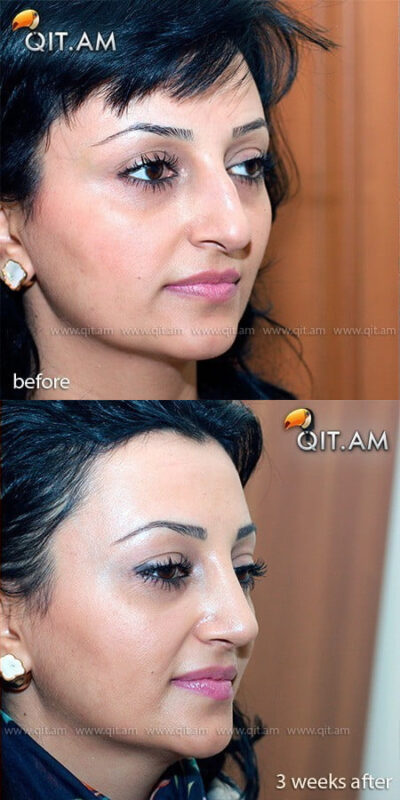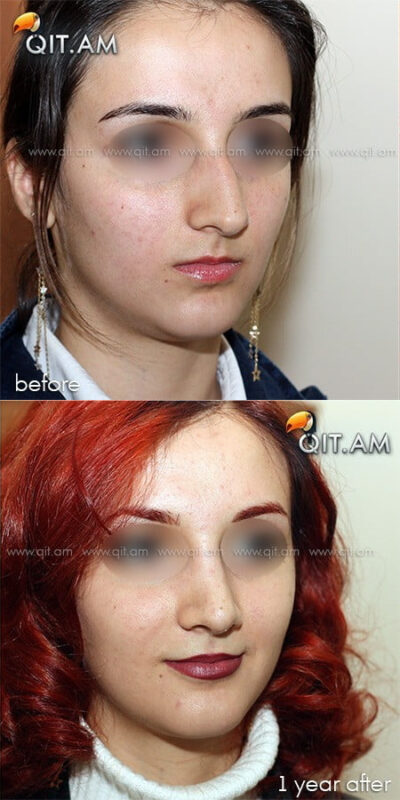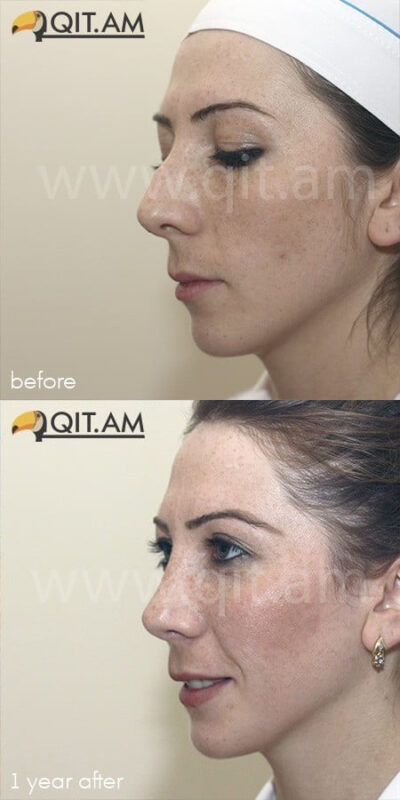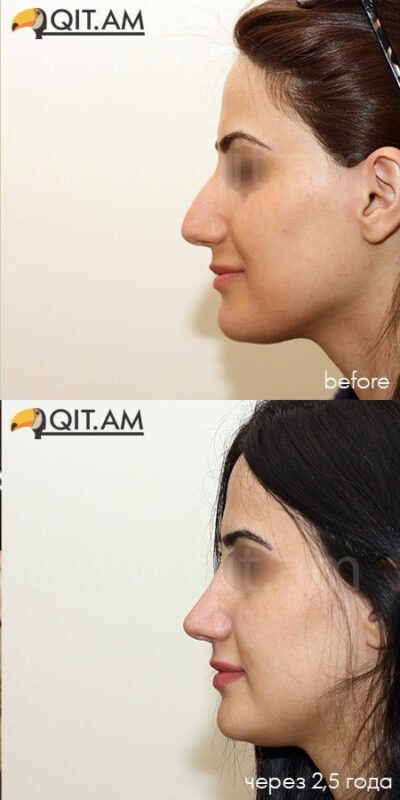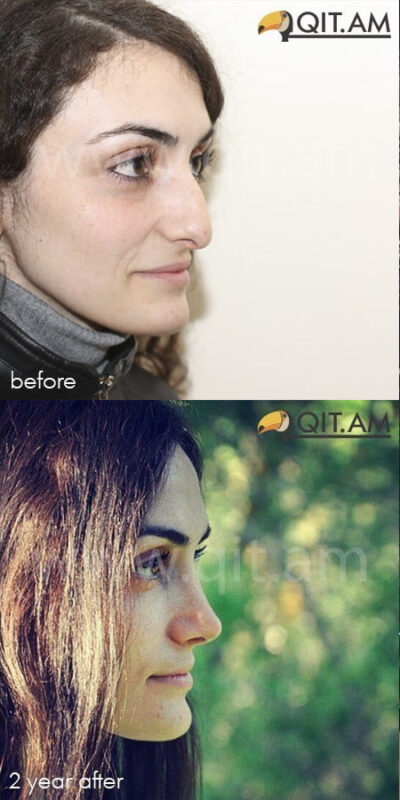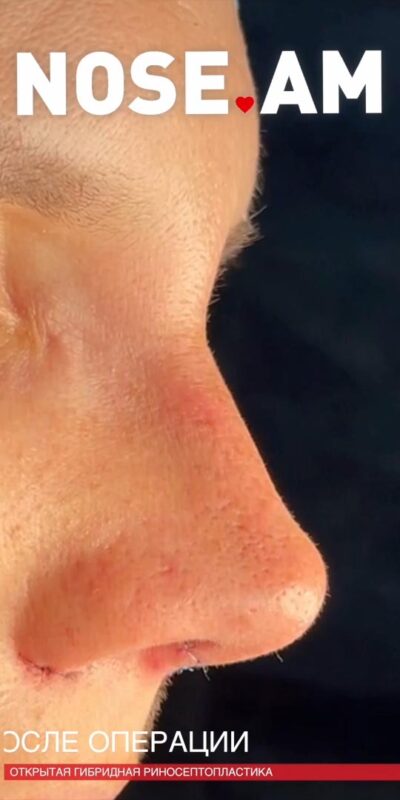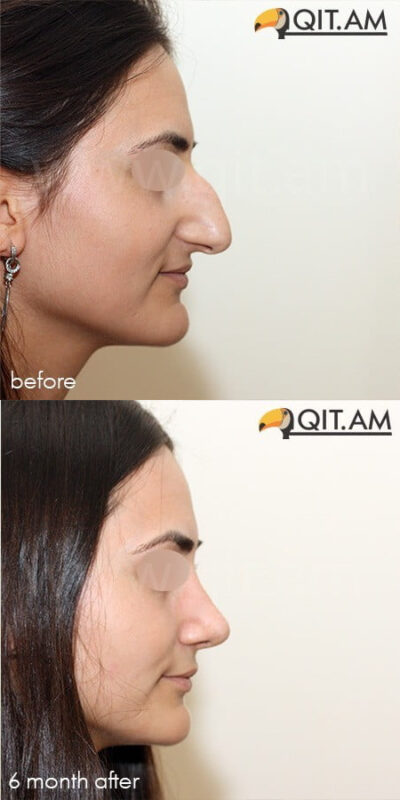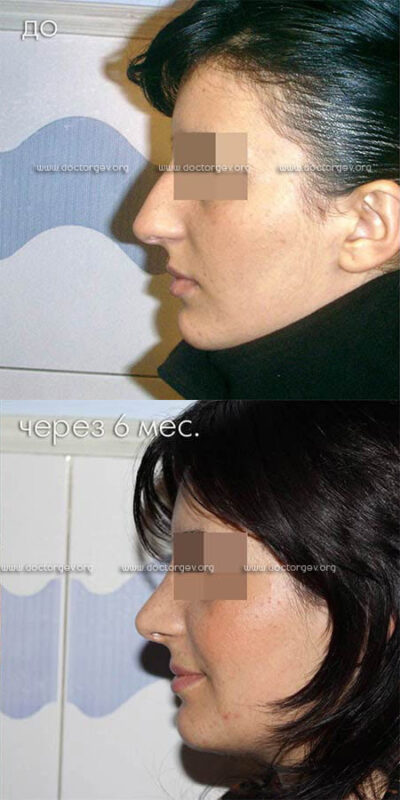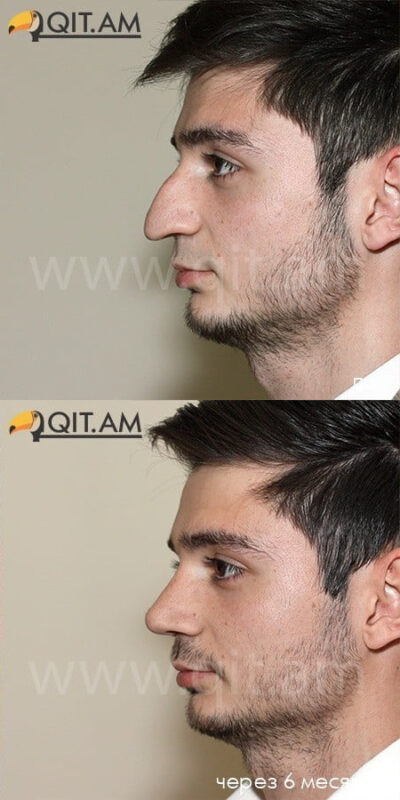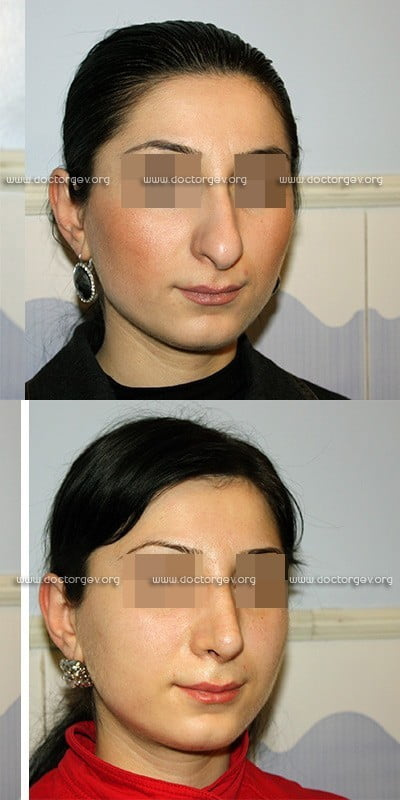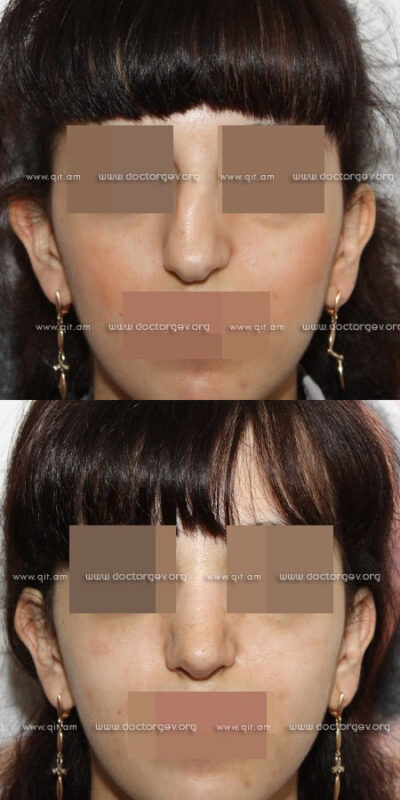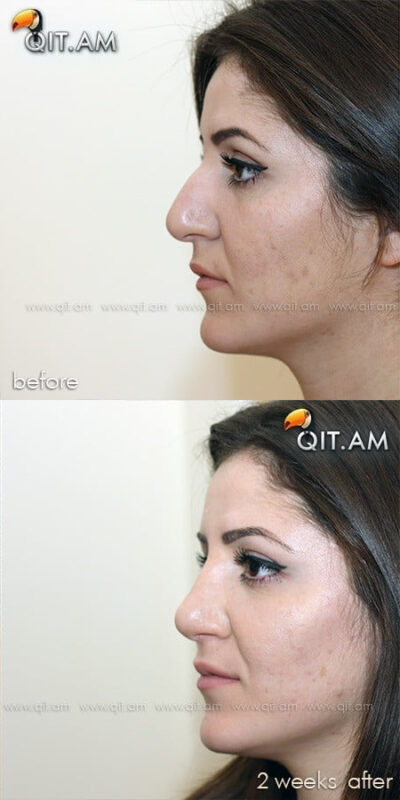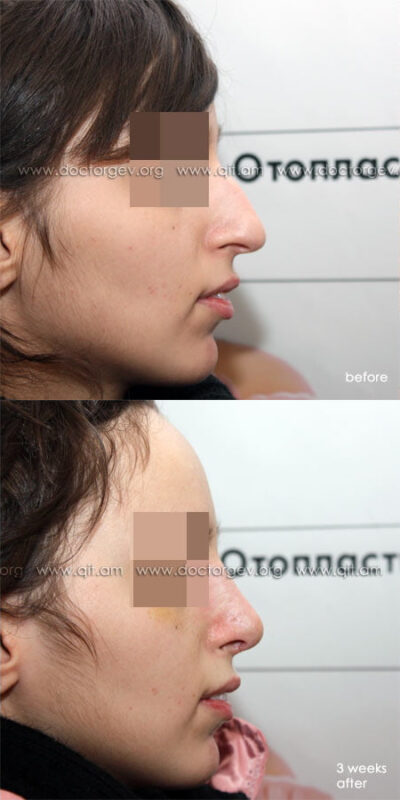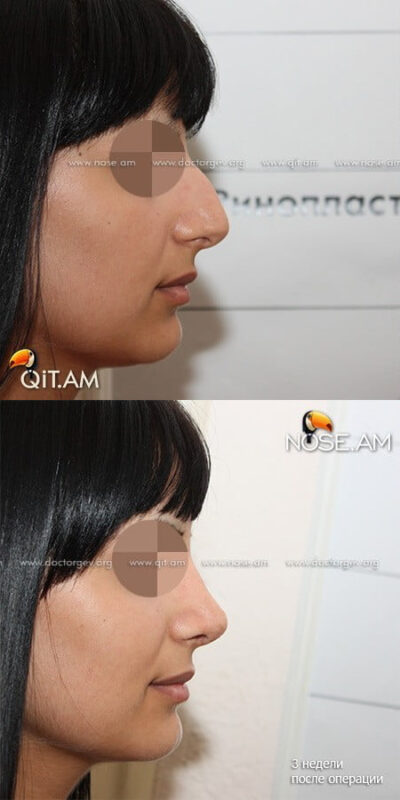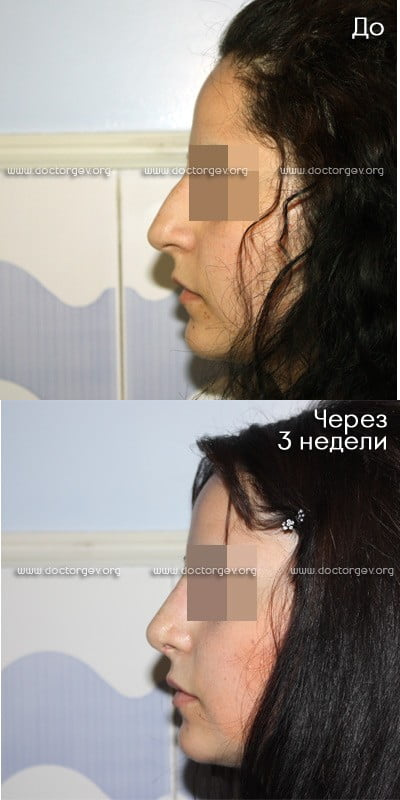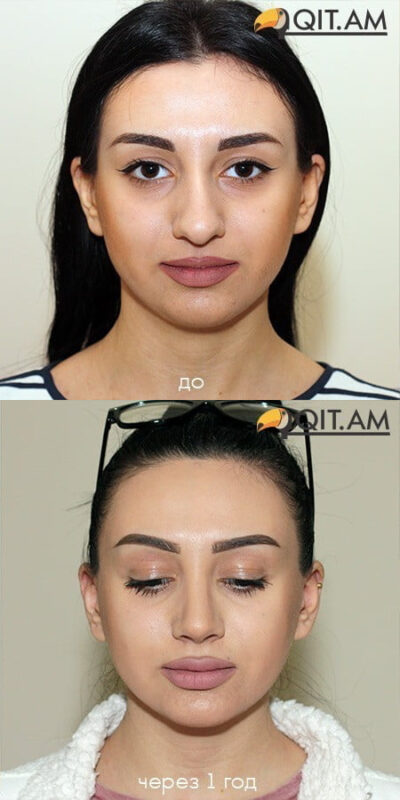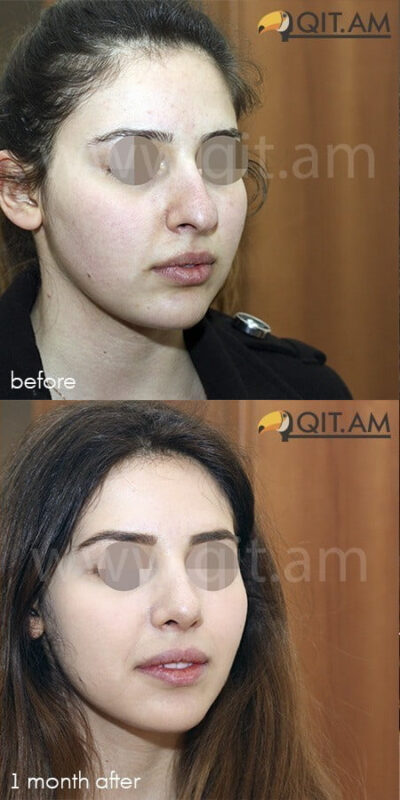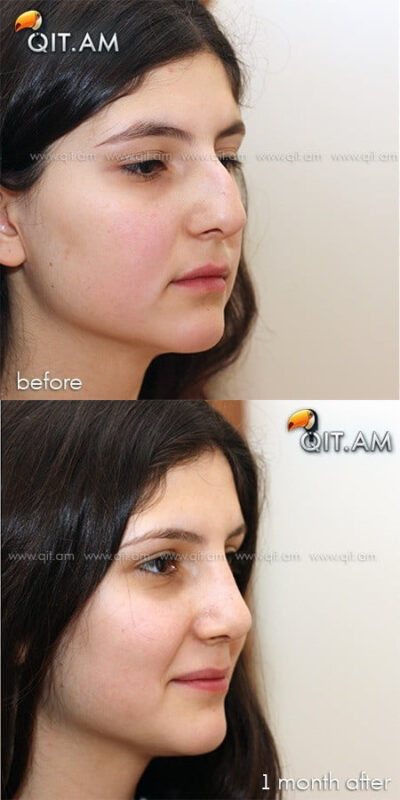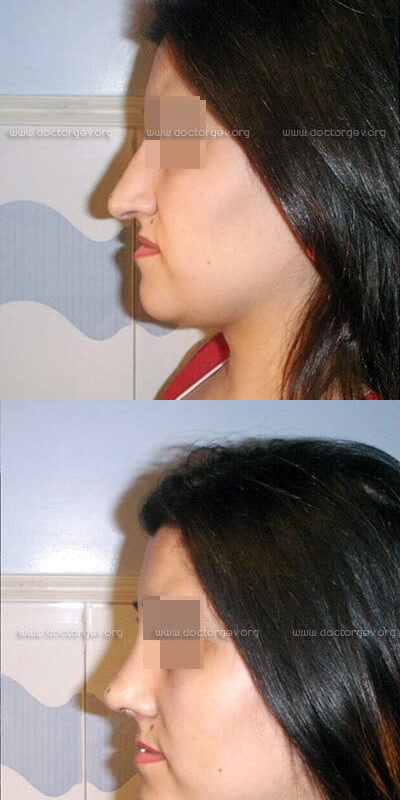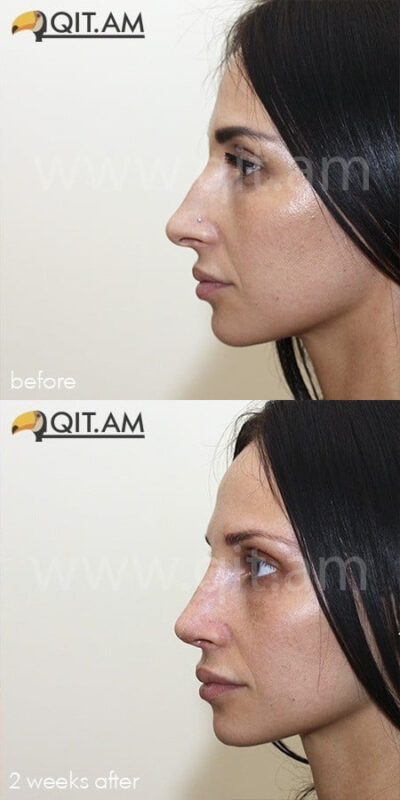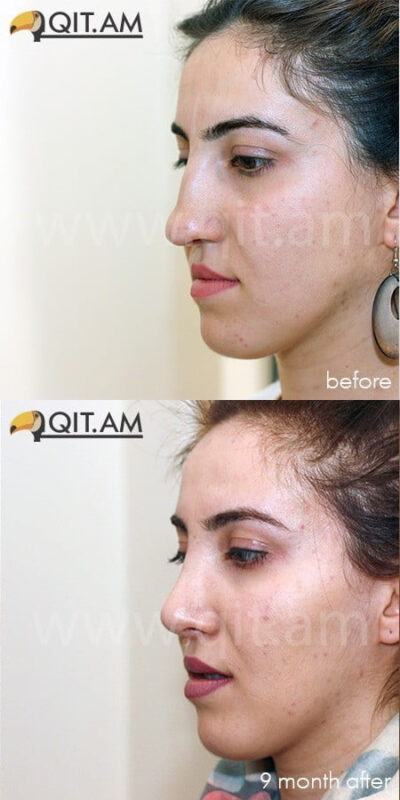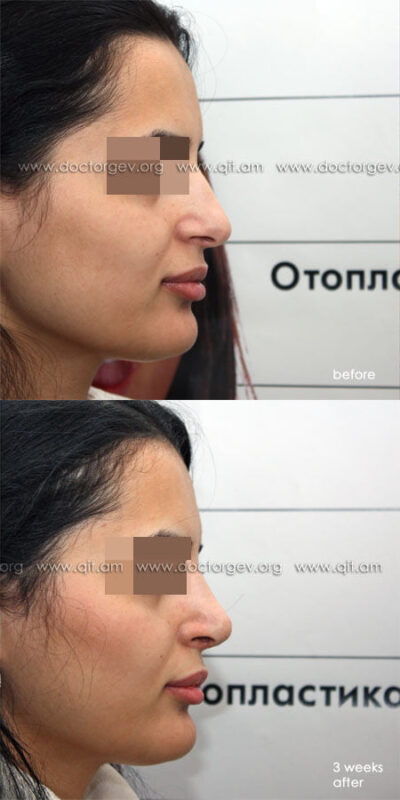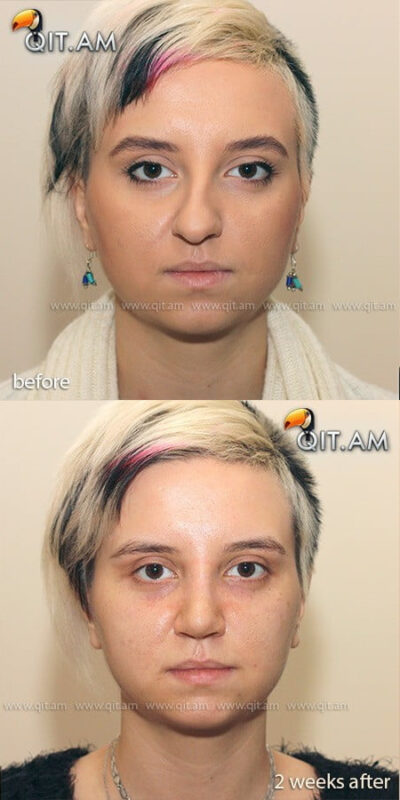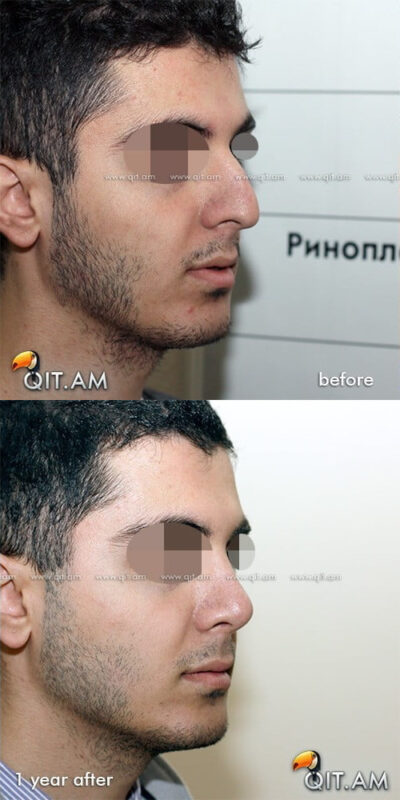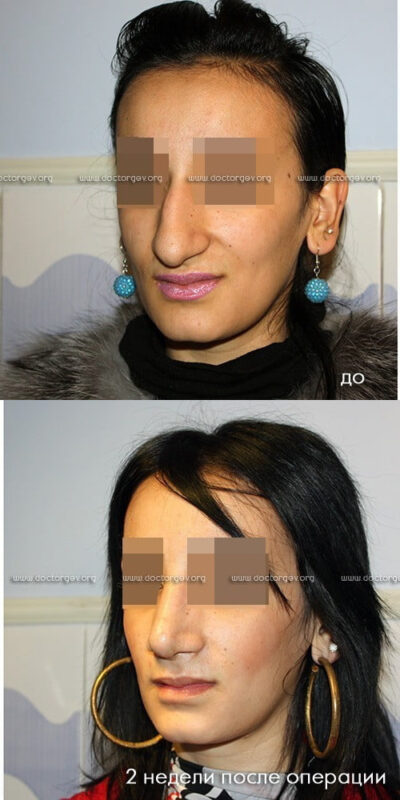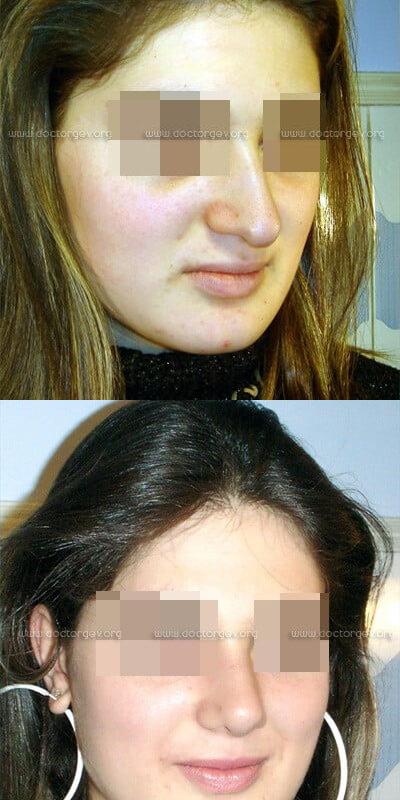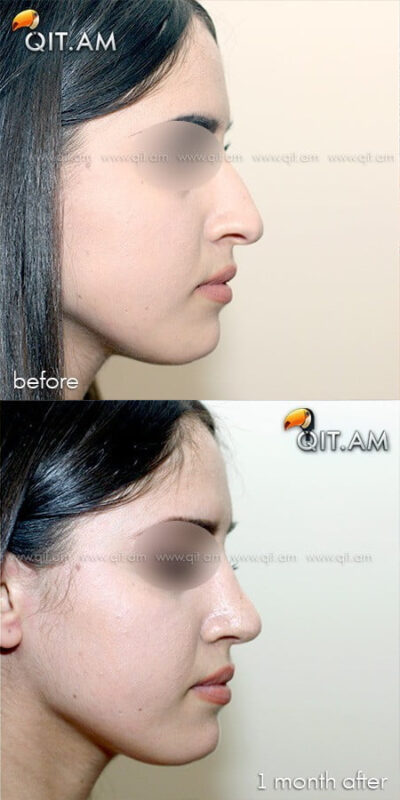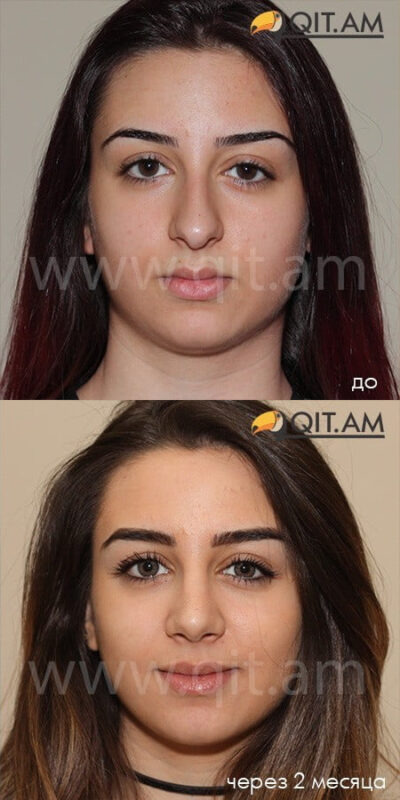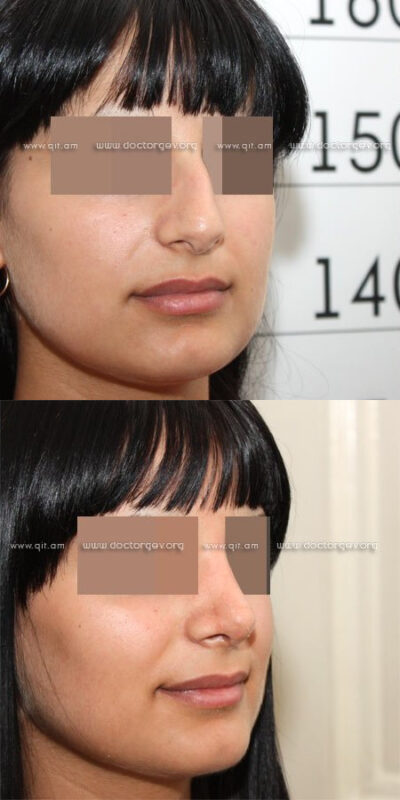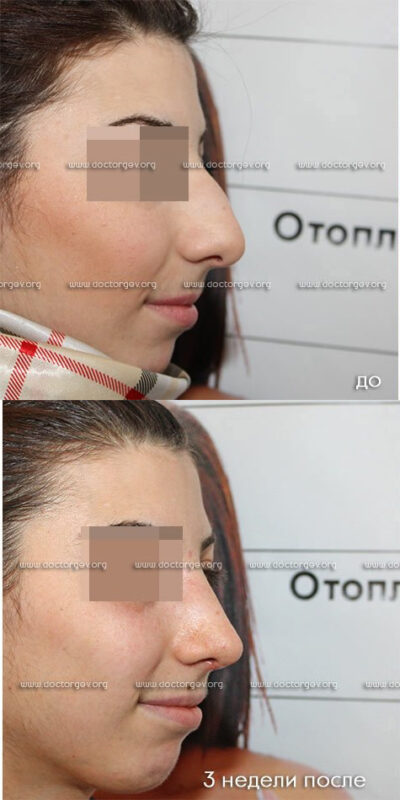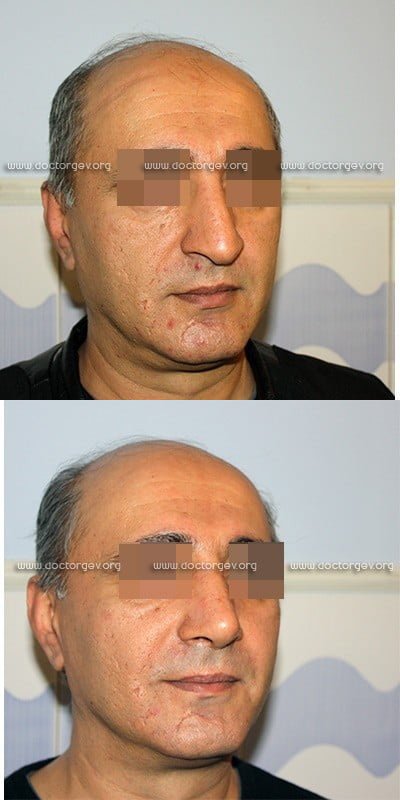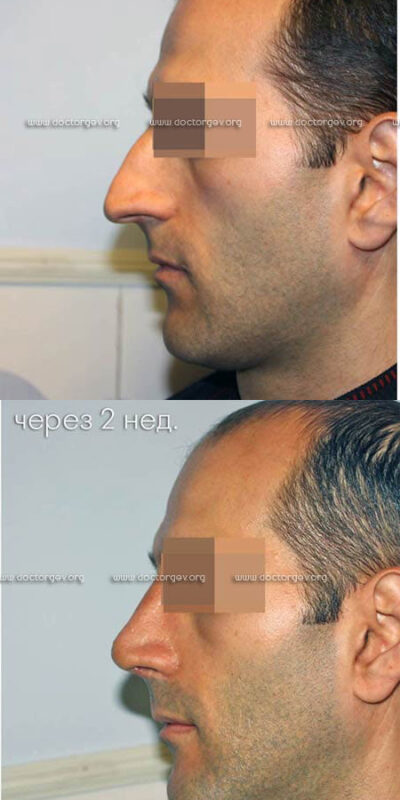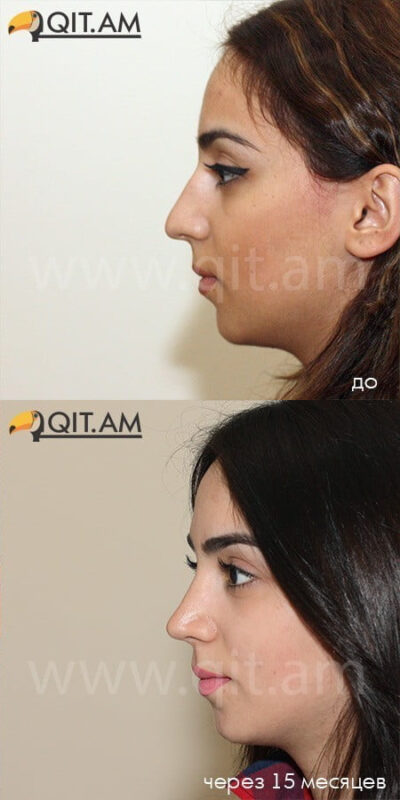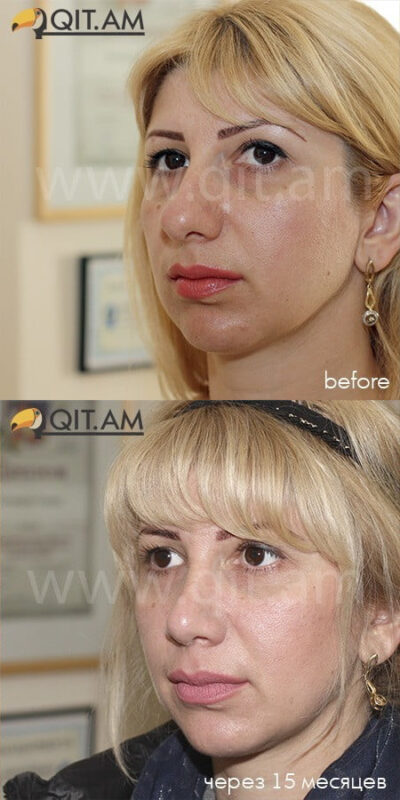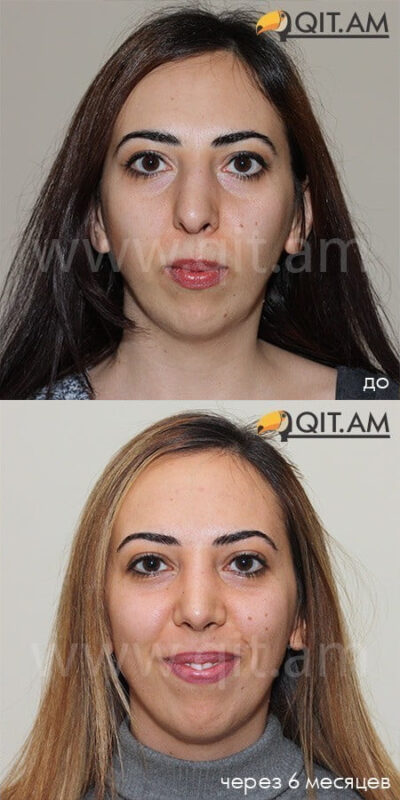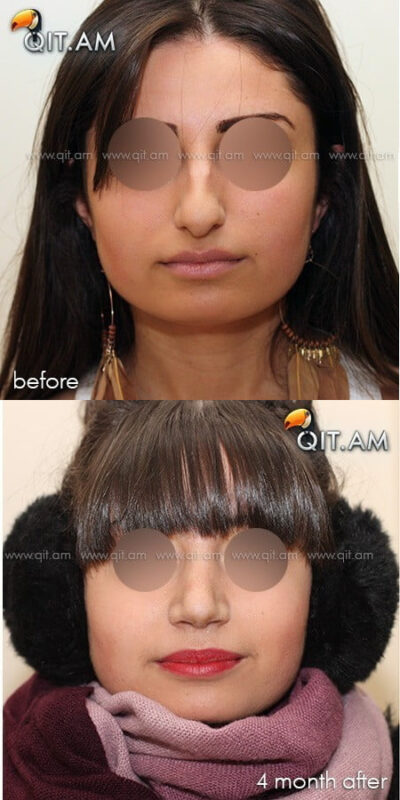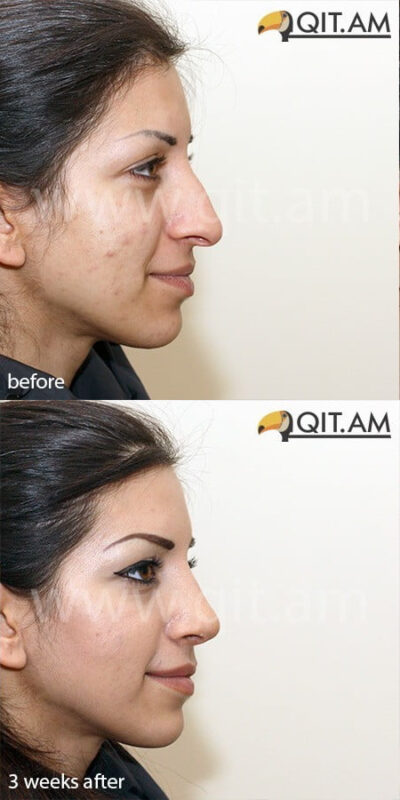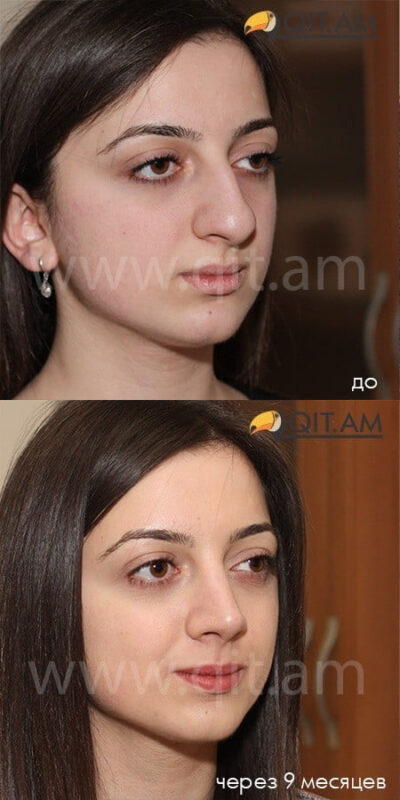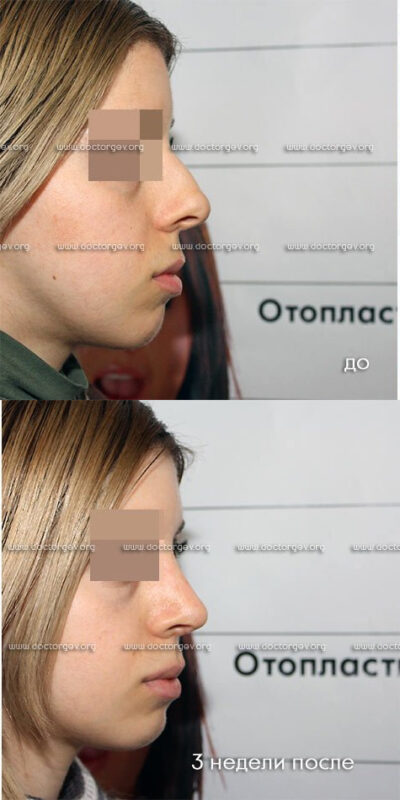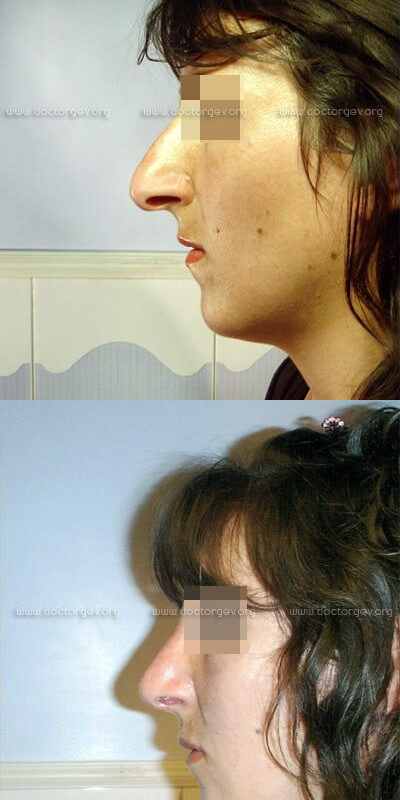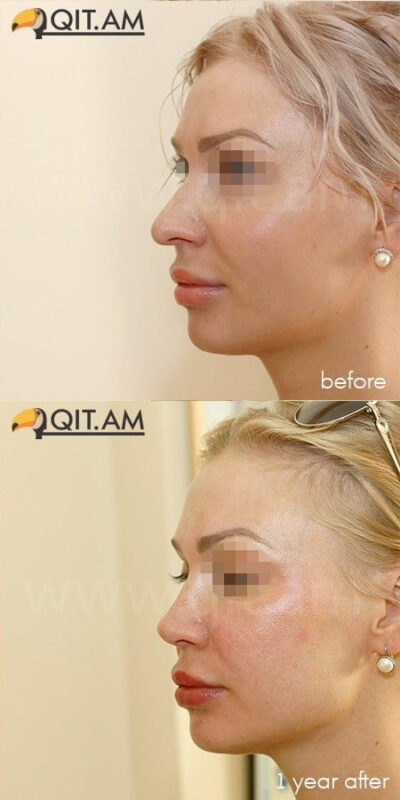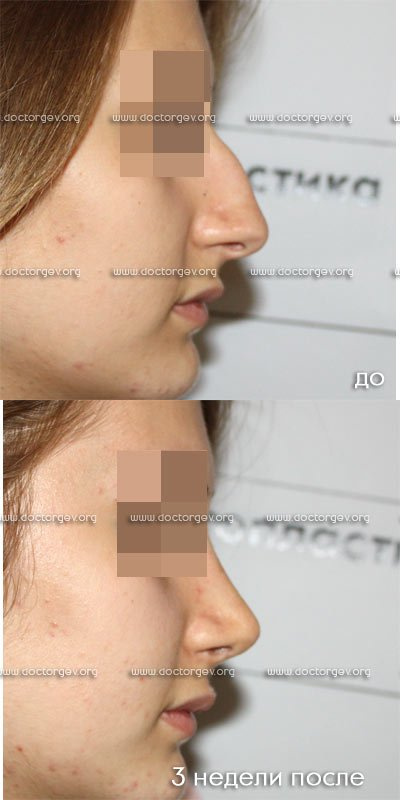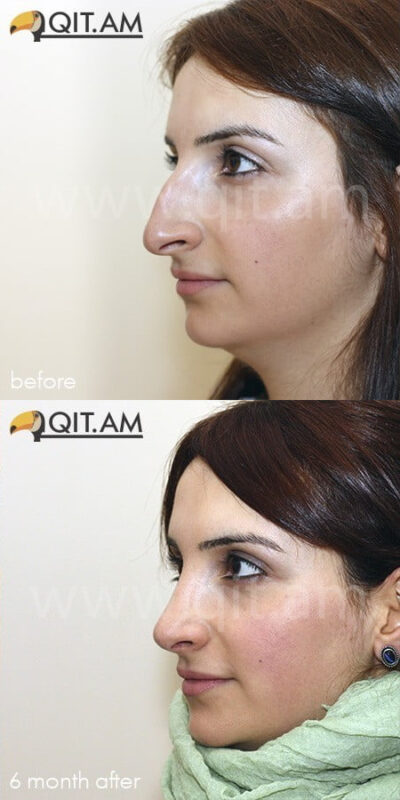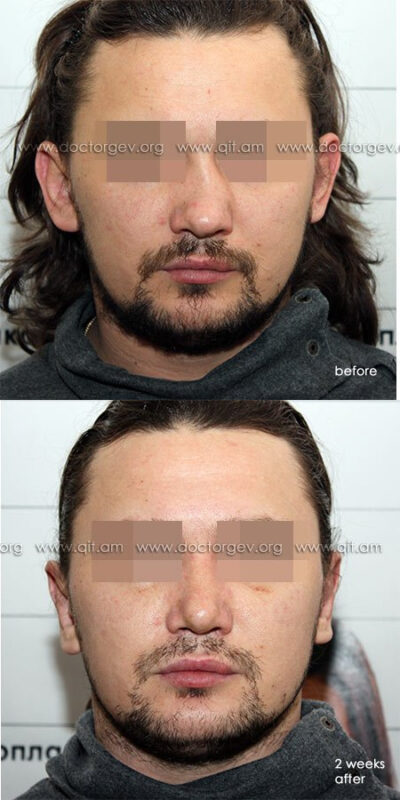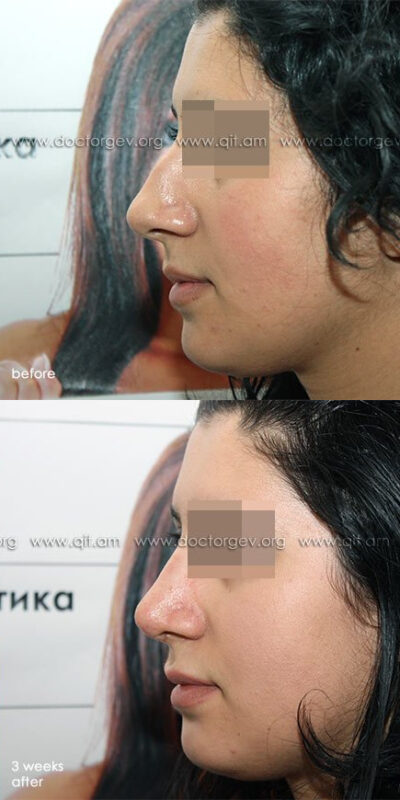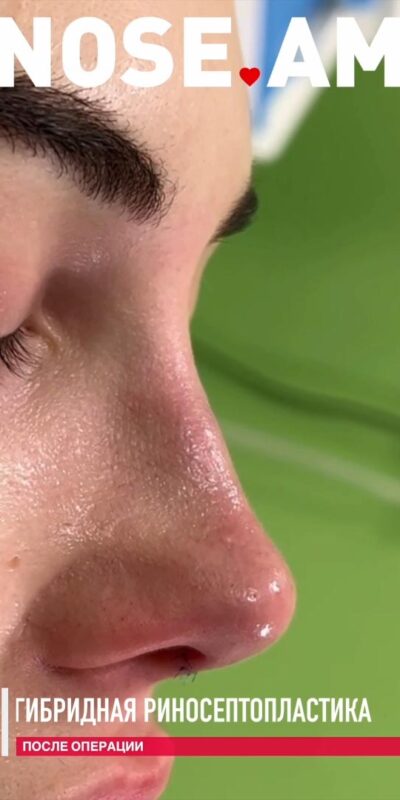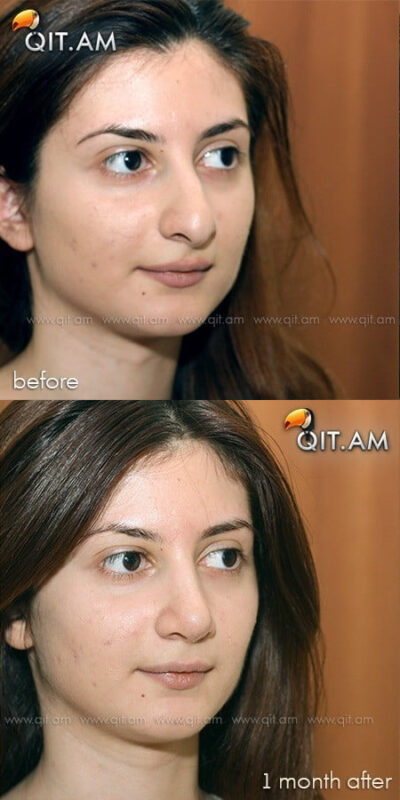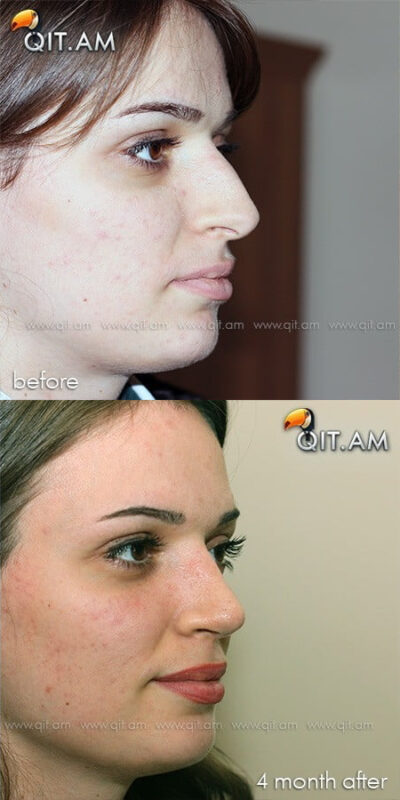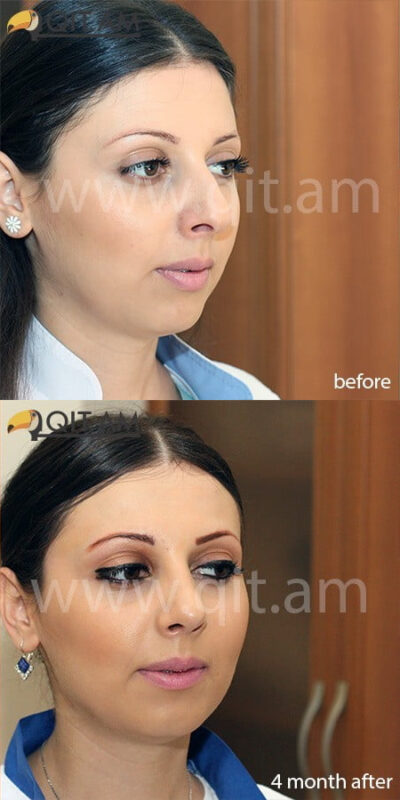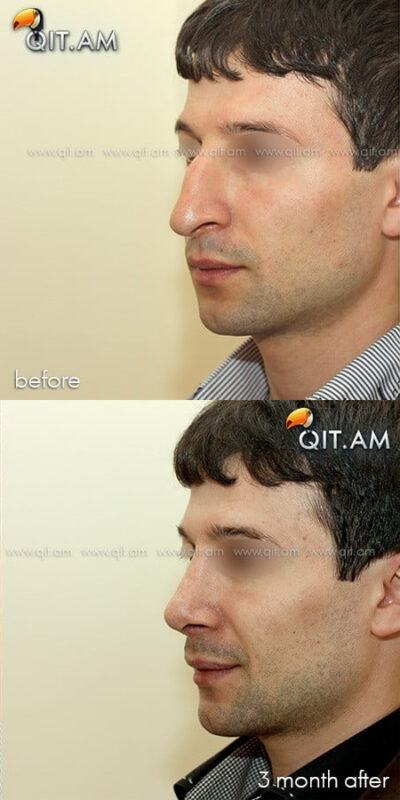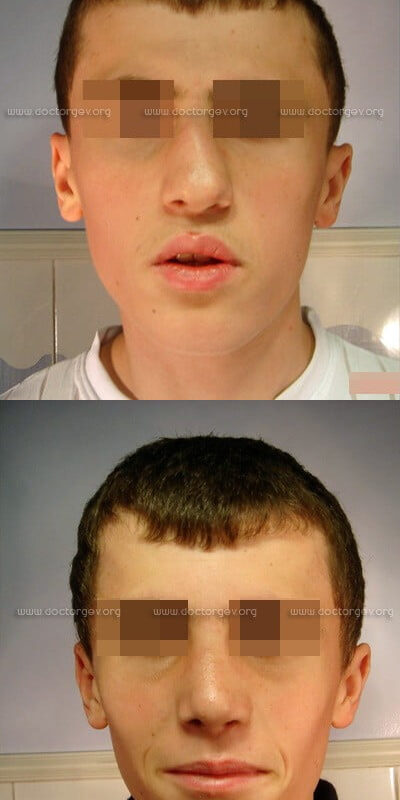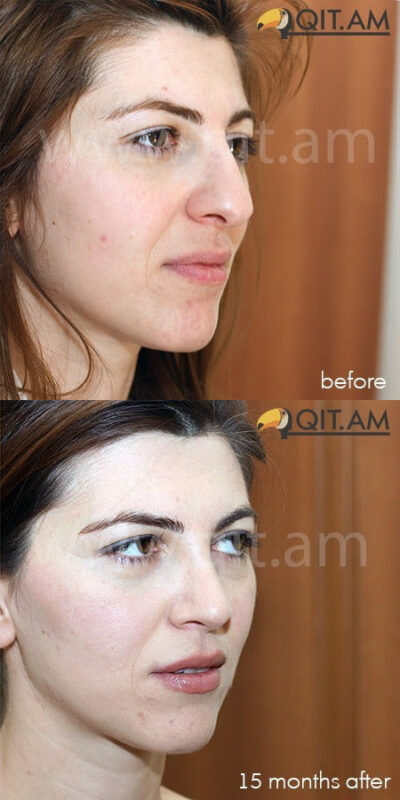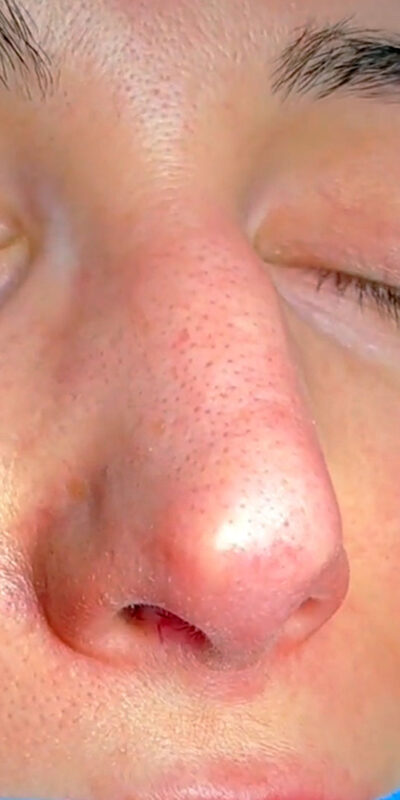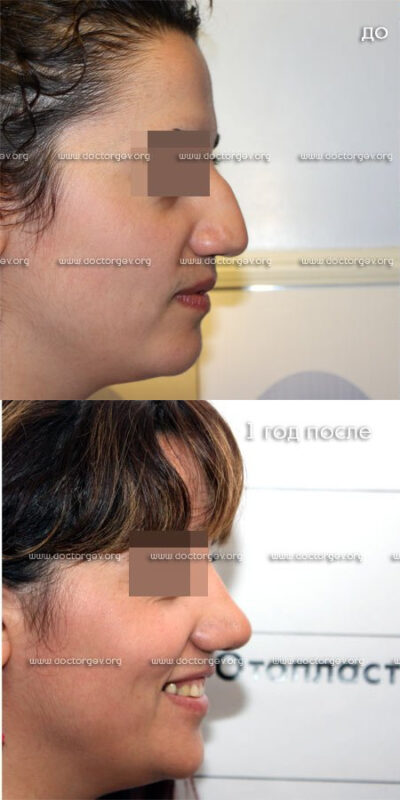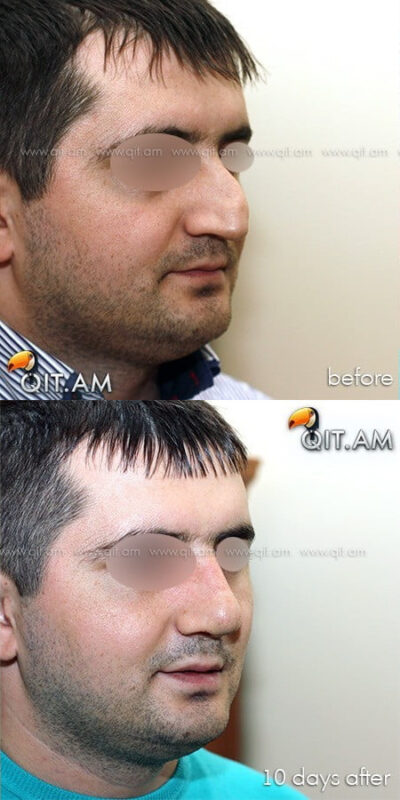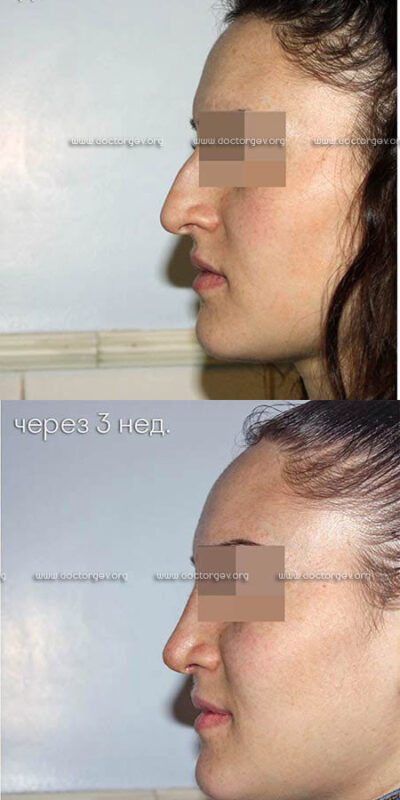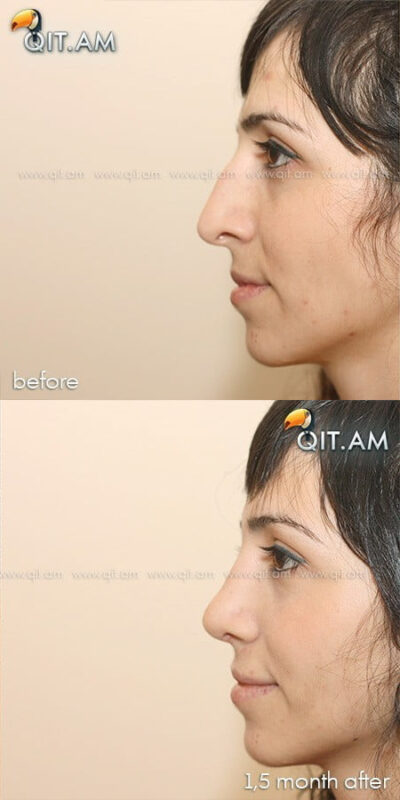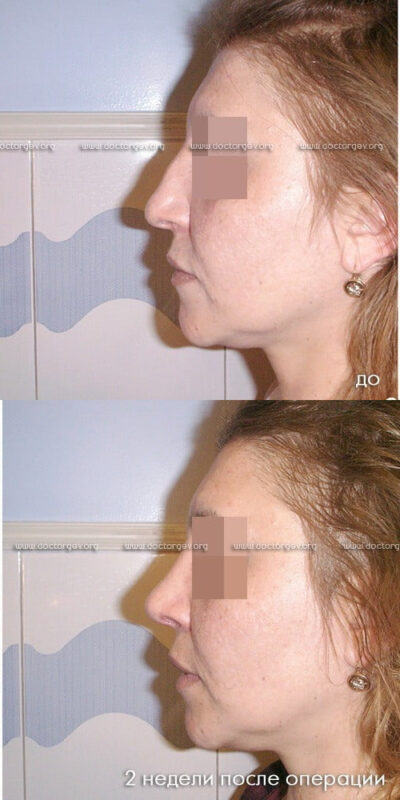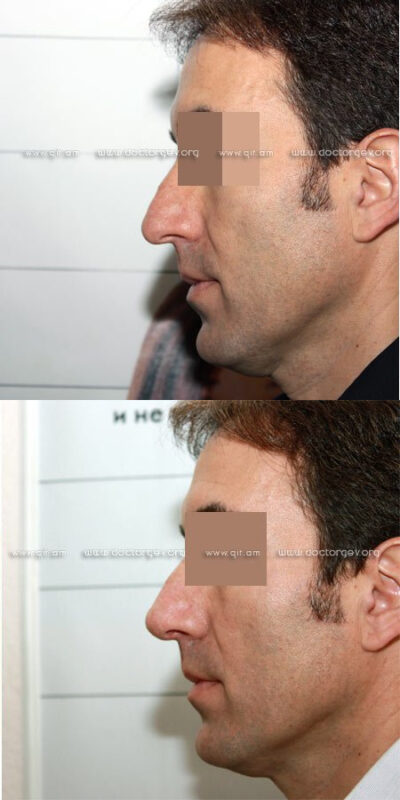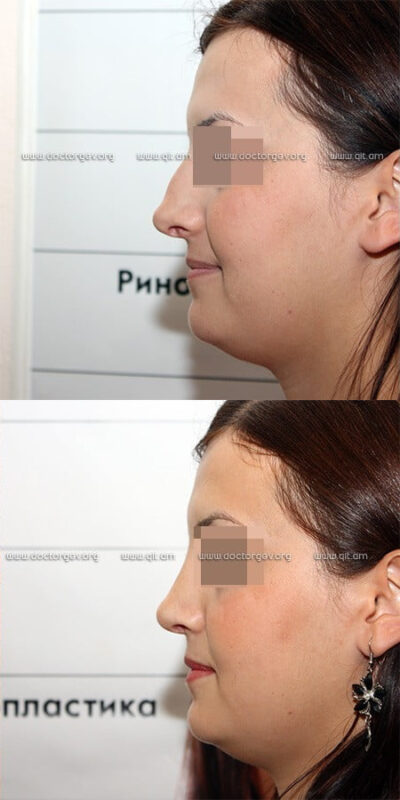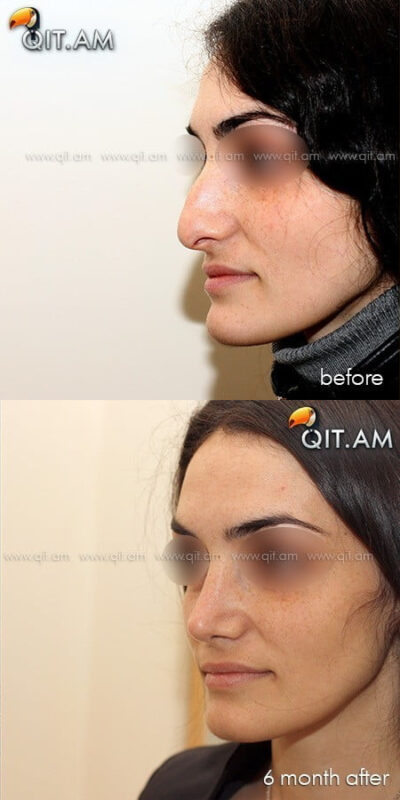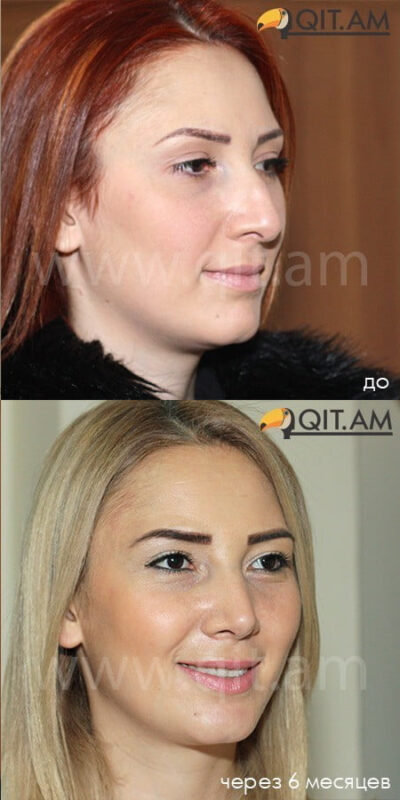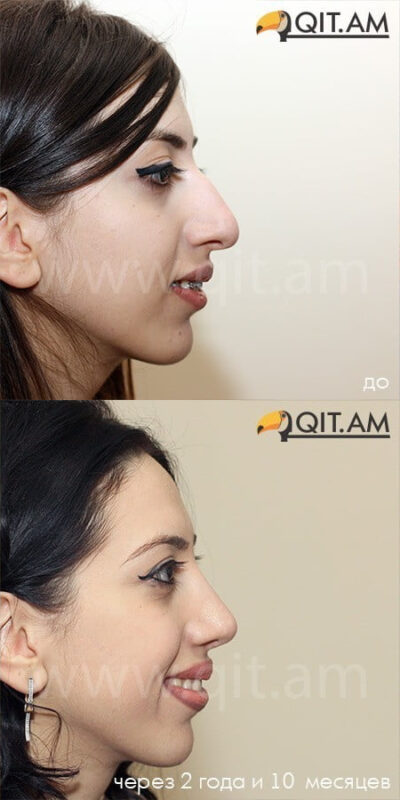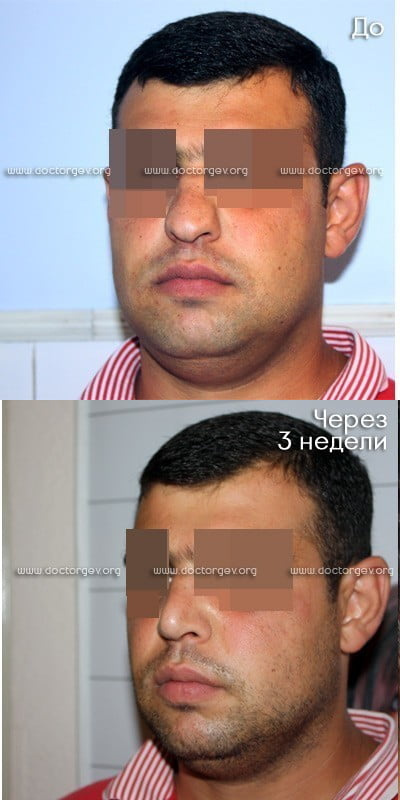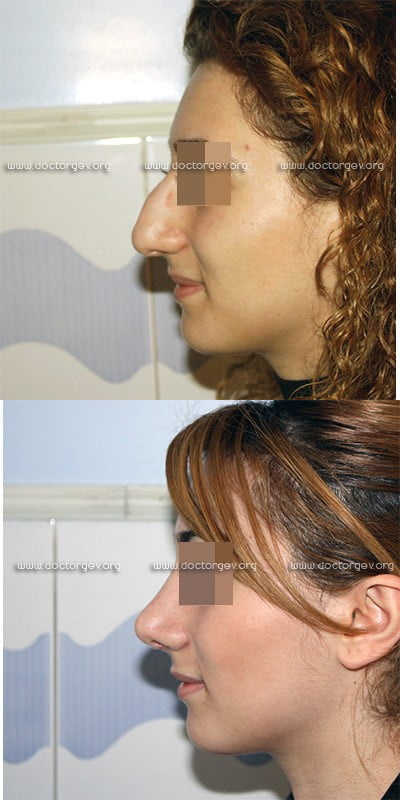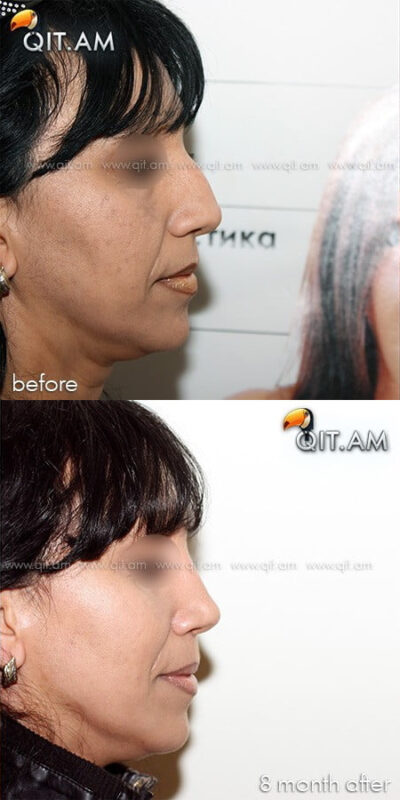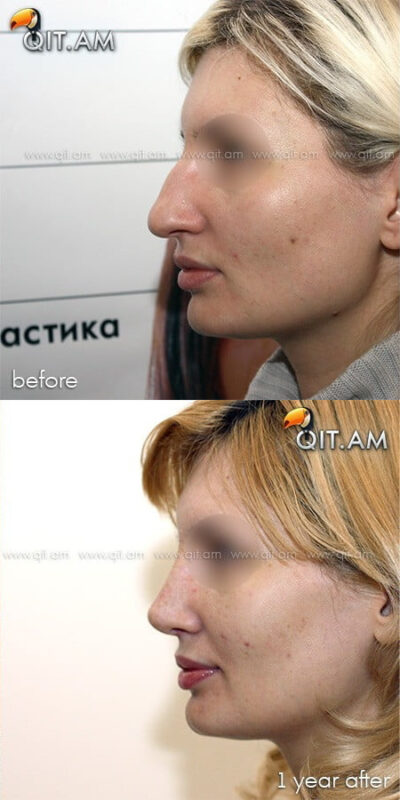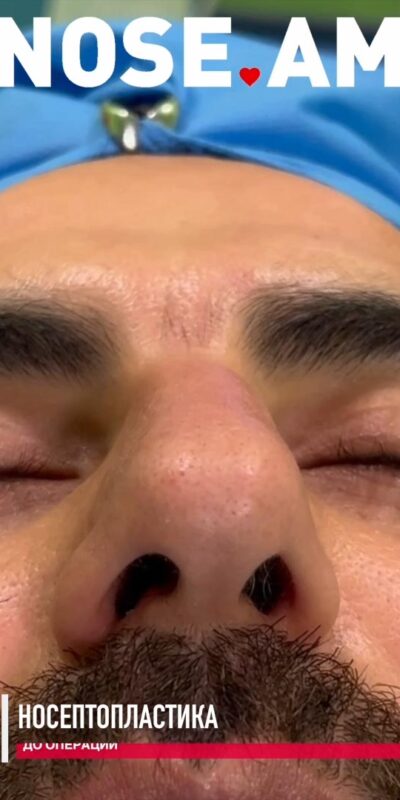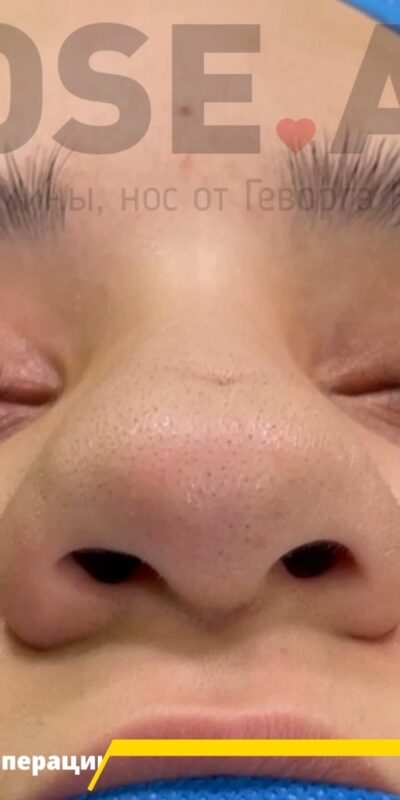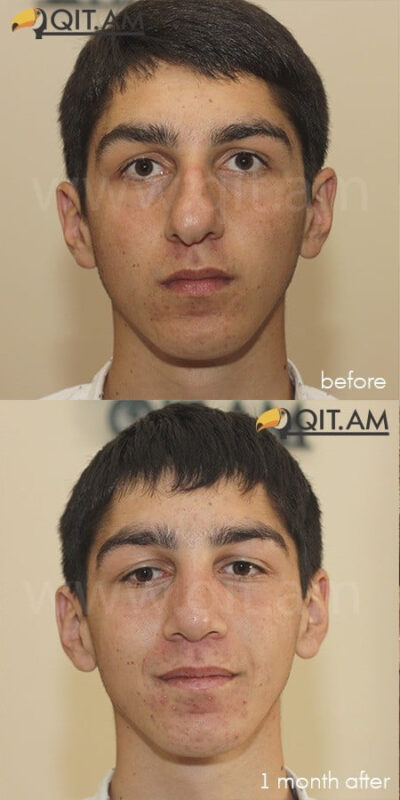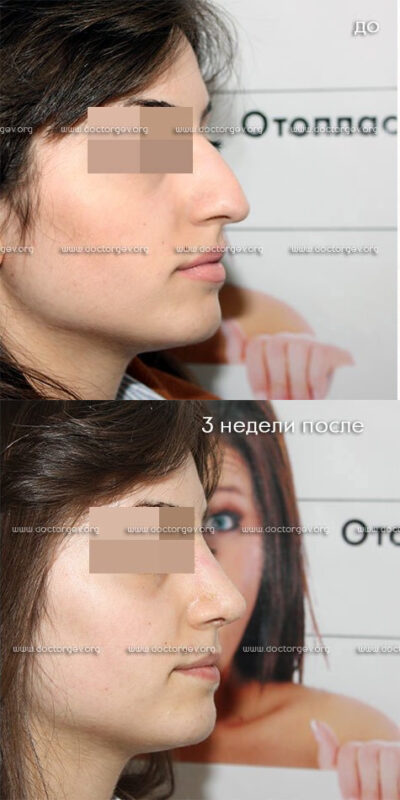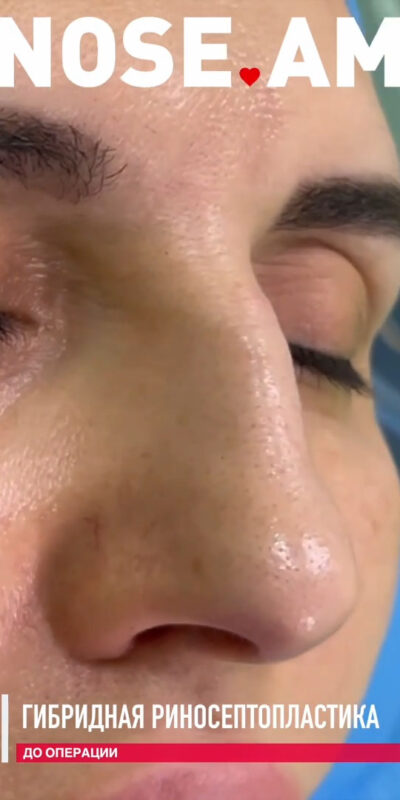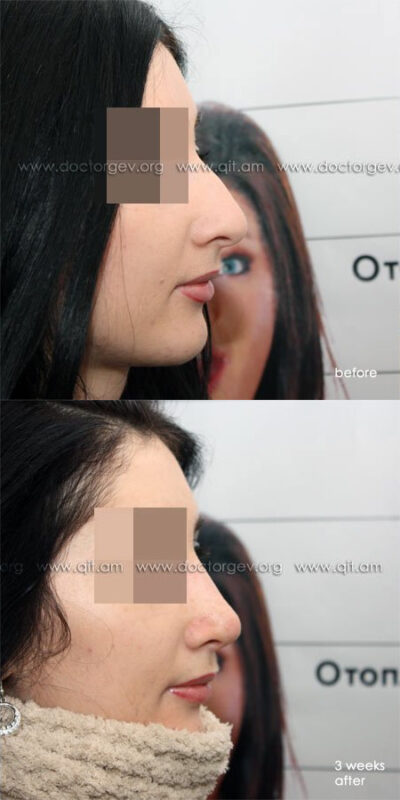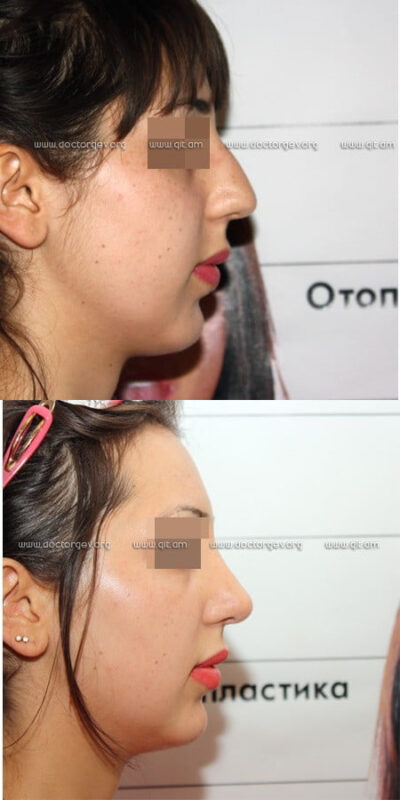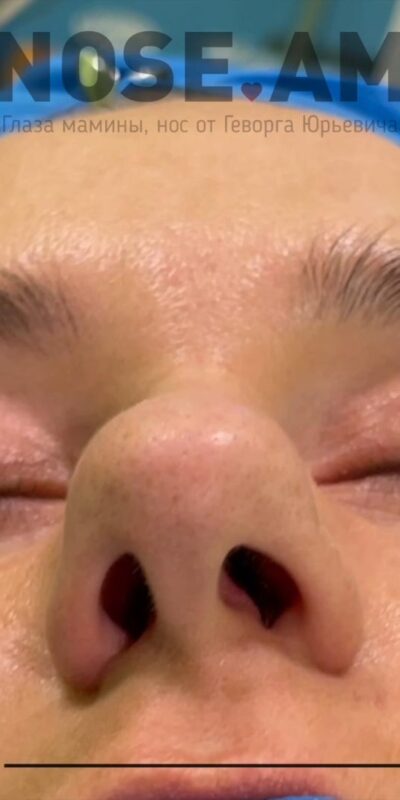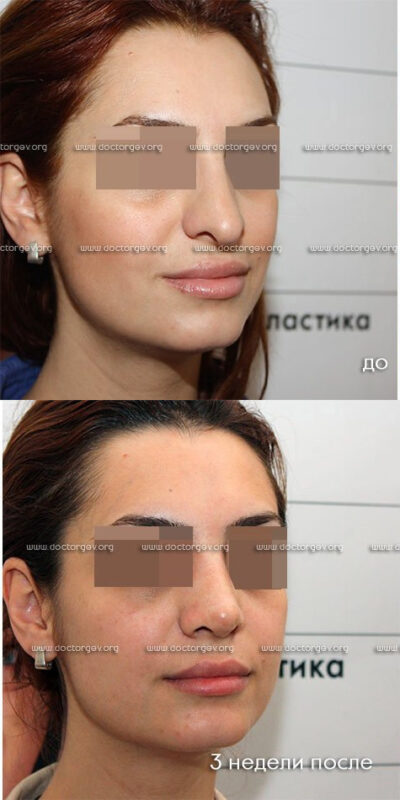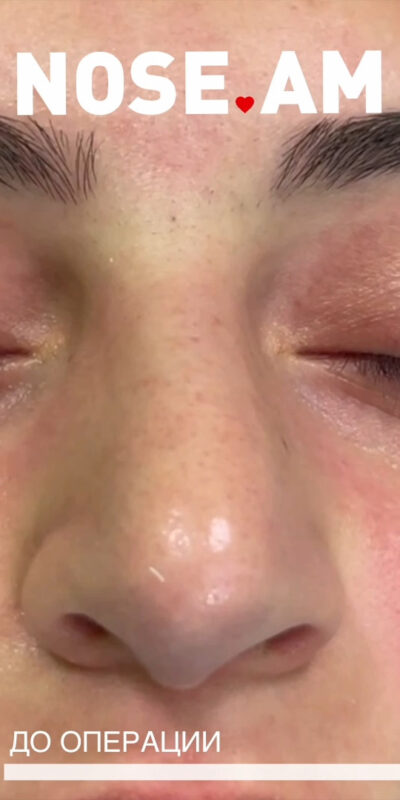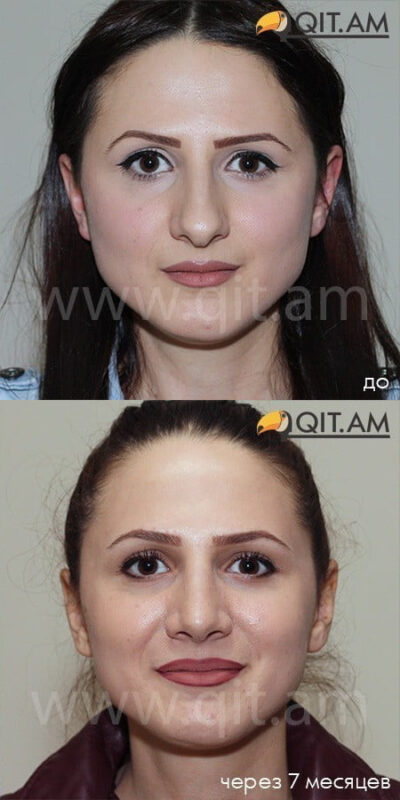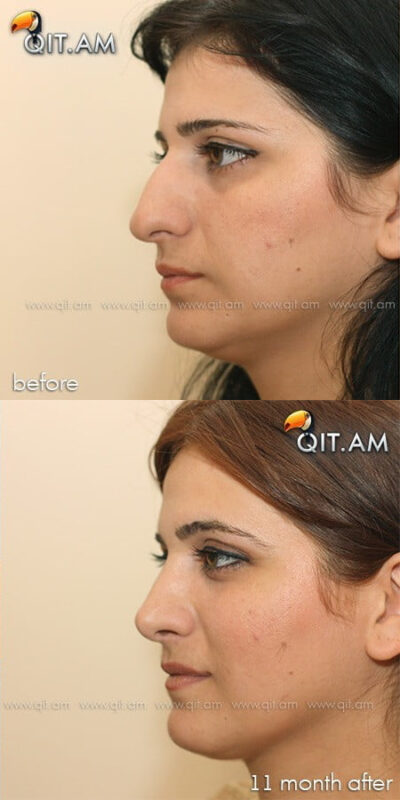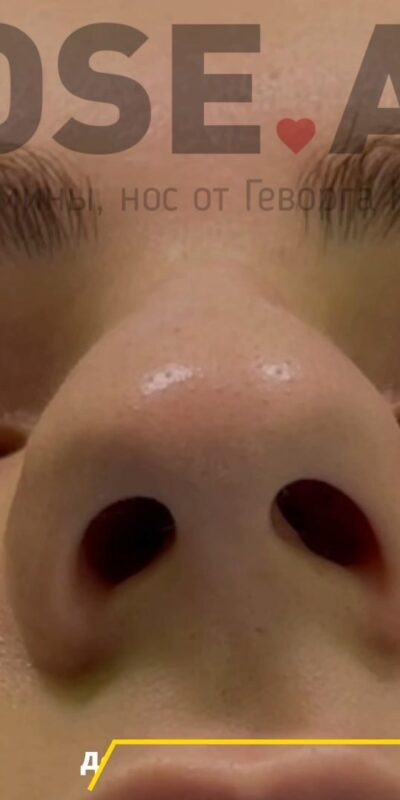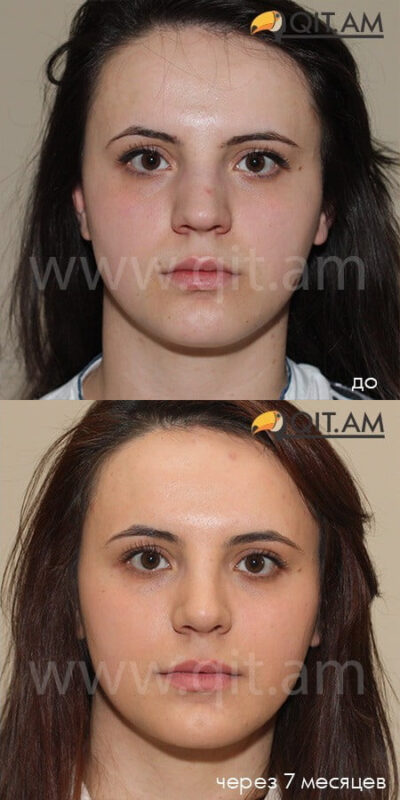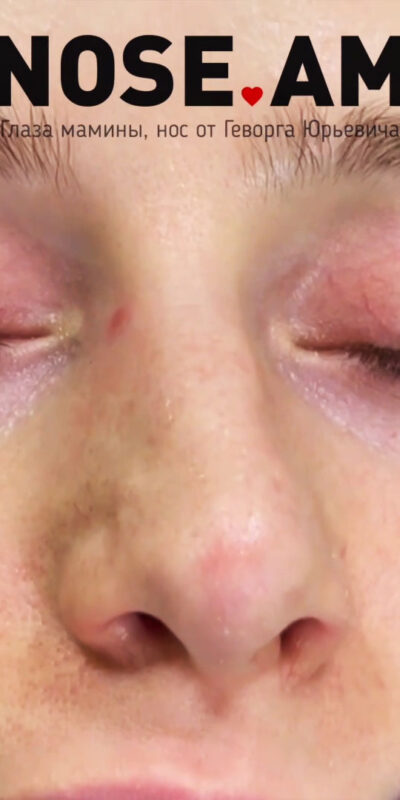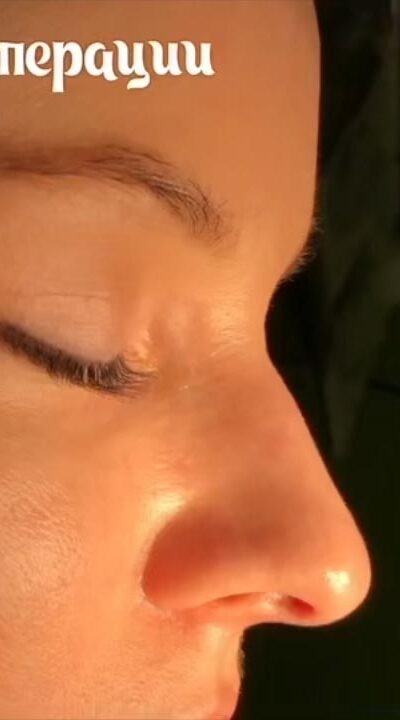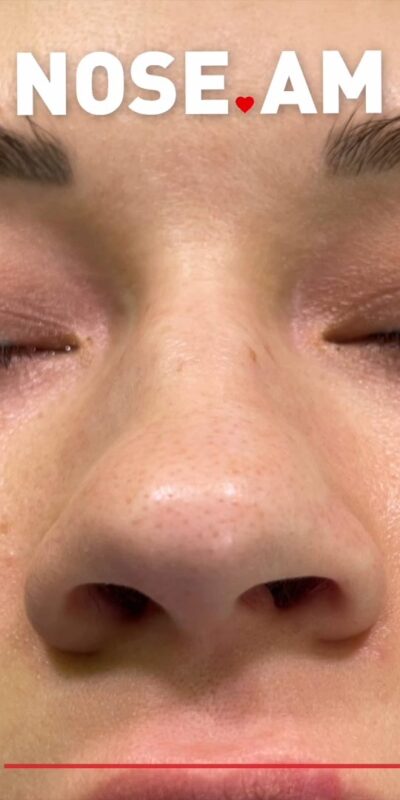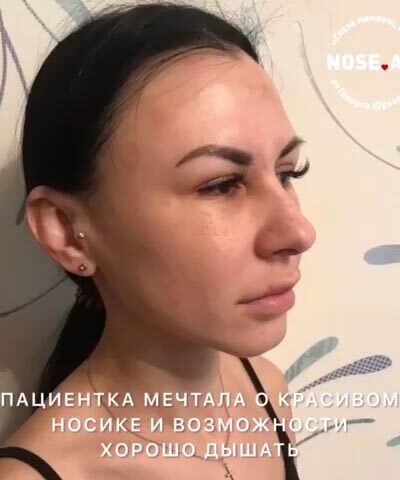

Revision rhinoplasty is a surgery designed to correct mistakes, defects, and unsatisfactory results after the initial plastic surgery.
It should be noted right away that secondary rhinoplasty is not a panacea, and it is not always possible to correct all the mistakes made during the first procedure.
Main principles of revision rhinoplasty:
- Do no harm (that is, do not make it worse than it is);
- Create realistic expectations for the patient (do not promise unrealistic results, because it is impossible);
- Do not take on what cannot be fixed.
Sometimes the consequences of an unsuccessful primary rhinoplasty are, unfortunately, irreparable. In this case, the surgeon may refuse to perform the revision surgery.
If you have been refused secondary nose surgery by several plastic surgeons, who explained the reason for their refusal, then you should not look for someone who will agree. This is fraught with serious consequences for yourself. In such a situation, it is wisest to try to partially correct the changes using cosmetological procedures (injections of fillers, hormones, or botulinum toxin).
How soon can a revision rhinoplasty be done?
At least a year must pass after the rhinoplasty before a revision surgery can be started. This is due to the scar tissue, which must heal completely to be able to withstand additional intervention without even more disastrous results.
Is it possible to perform the surgery after the injection of a hyaluronic acid-based gel?
It is necessary to wait for the complete resorption of the gel (this takes approximately 8–12 months). Only after this can the initial parameters of the nose be evaluated and the expected result predicted.
Guarantees?
As a rule, patients who apply for secondary rhinoplasty are disappointed, cautious people who have little faith in a successful outcome of the revision surgery and want guarantees of a good result.
In surgery, only charlatans provide a guarantee. Revision rhinoplasty is often unpredictable, so any prognoses given before the surgery are not a 100% guarantee.
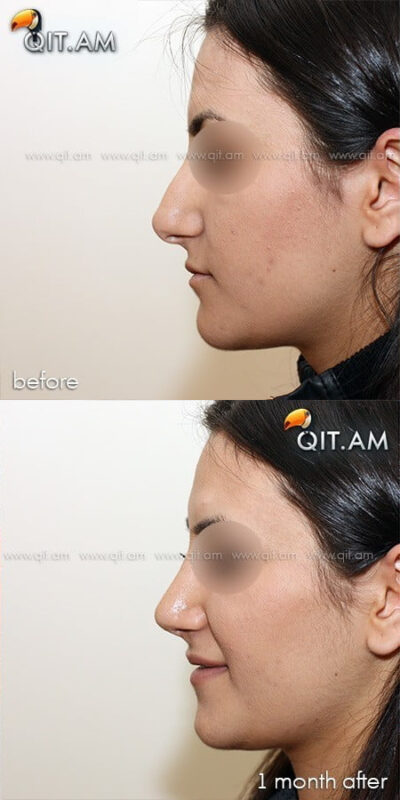
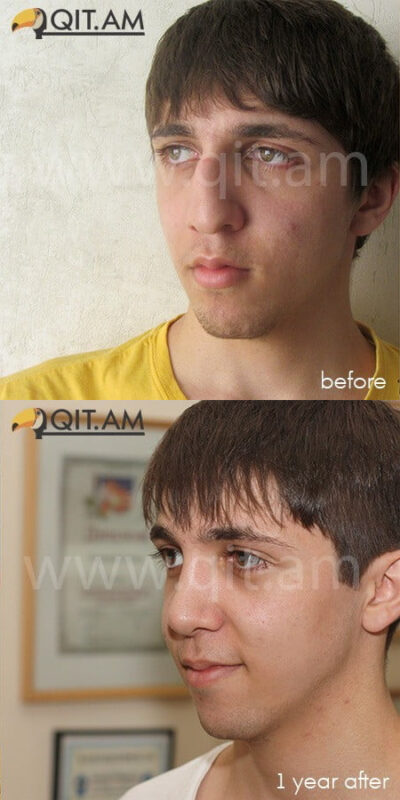
Revision rhinoplasty is considered technically the most difficult in aesthetic surgery. Therefore, instead of looking for guarantees, it is more correct to first study the gallery of the surgeon’s work, inquire whether this surgery is a primary one for him, performed daily, whether he has experience in performing revision surgeries, etc.
How is the surgery performed and what is its complexity?
Revision rhinoplasty is performed only under general anesthesia. It is almost always done using the open method and very rarely the closed one. The duration and course of the surgery depend on individual factors and range from 1 to 5 hours.
After rhinoplasty, as after any surgical intervention, an uneven layer of scar tissue forms. Dealing with it can be an extremely difficult task even for an experienced and professional surgeon.
During a revision rhinoplasty, the surgeon does not have information about what the cartilages look like at the moment. Therefore, the surgery is performed slowly, superficially, and very carefully. It is unknown which cartilages were removed during the previous surgery, which remain, and what shape they currently have. The surgeon has to perform the intervention practically “by touch”. The main task of the specialist in this case is not to harm the patient even more. Whether it will be possible to correct all or at least some functional and aesthetic flaws is decided individually in each case.
For nose reconstruction, tissue transplantation is often necessary. Tissue for nose reconstruction is usually taken from the inner part of the nasal septum. If this tissue was already taken during the previous surgery, cartilage can be taken from the ear or rib.
The ear cartilage is most commonly used. The incision is made on the back surface of the auricle, and it is subsequently invisible. Cartilage harvesting does not affect the shape of the ear or hearing.
It is very important to provide the doctor with the most complete information possible about previous plastic surgeries: what were the indications for surgery, what technique was used, photos before and after rhinoplasty, how the recovery period went, and whether there were any complications.
How does the rehabilitation go?
Rehabilitation after the surgery proceeds in the same way as after the first one, with the only difference being: healing can be much slower. Primary edema and hematomas can take from two weeks to a month to resolve, and residual swelling often does not completely disappear even after a year.
In patients with thick skin and a fleshy tip, complete tissue recovery often occurs only two years after revision rhinoplasty.
- The patient spends the first 24 hours after the surgery in the hospital.
- The morning following the surgery, hemostatic sponges (not meter-long tampons!) are removed from the nose.
- The thermoplastic fixing splint is removed 7 or 14 days after the surgery.
How much does the surgery cost?
Revision rhinoplasty is much more expensive than primary rhinoplasty, as it is a more complex surgical intervention. Additional information is needed to determine the exact cost of the surgery:
- Epicrisis (extract from the medical record) regarding the previous surgery.
- Photographs for modeling in 6 projections, as well as a photo before the first surgery (to understand what exactly was done).
- CT (Computed Tomography) scan of the nose. You will need to have a CT scan done in your city of residence and send us the examination files. The files with your CT results are usually given to you on a CD. These files must be uploaded via the provided link (it will open in a new window where you will need to drag and drop the files and folders).
Are there other options to correct mistakes?
When it comes to non-surgical rhinoplasty, it has very limited capabilities. With the help of fillers, you can get rid of a small hump or fill in irregularities, however, it will not be able to correct curvature or difficulty breathing.
Important!
Surgeons who have been practicing rhinoplasty for a long time do not tire of reminding that the ideal shape of the nose for everyone is limited by individual anatomical features. Therefore, the shape will not always match your dream 100%.
However, the doctor will do everything to achieve maximum aesthetics and functionality from the shape of the nose.
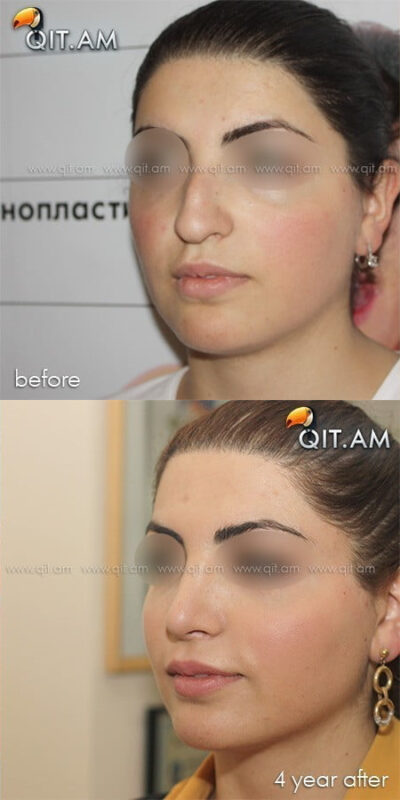
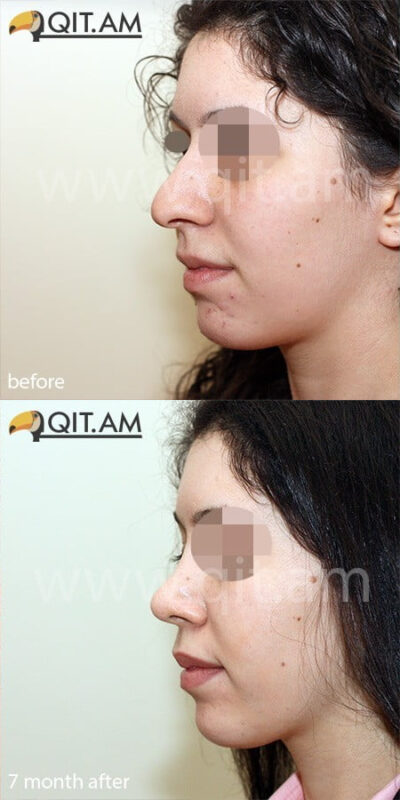
Examples of revision rhinoplasties can be viewed on Instagram using the tag: #вторичнаяринопластикаге